

Cold Brook March: Concert Band Conductor Score & Parts
By John O'Reilly
Grade: 1 (Very Easy)
Item: 00-PK-0004247

$48.00
Pickup currently not available
Buy Extra Parts (Digital PDF Download)
Parts Added to Cart!
Description
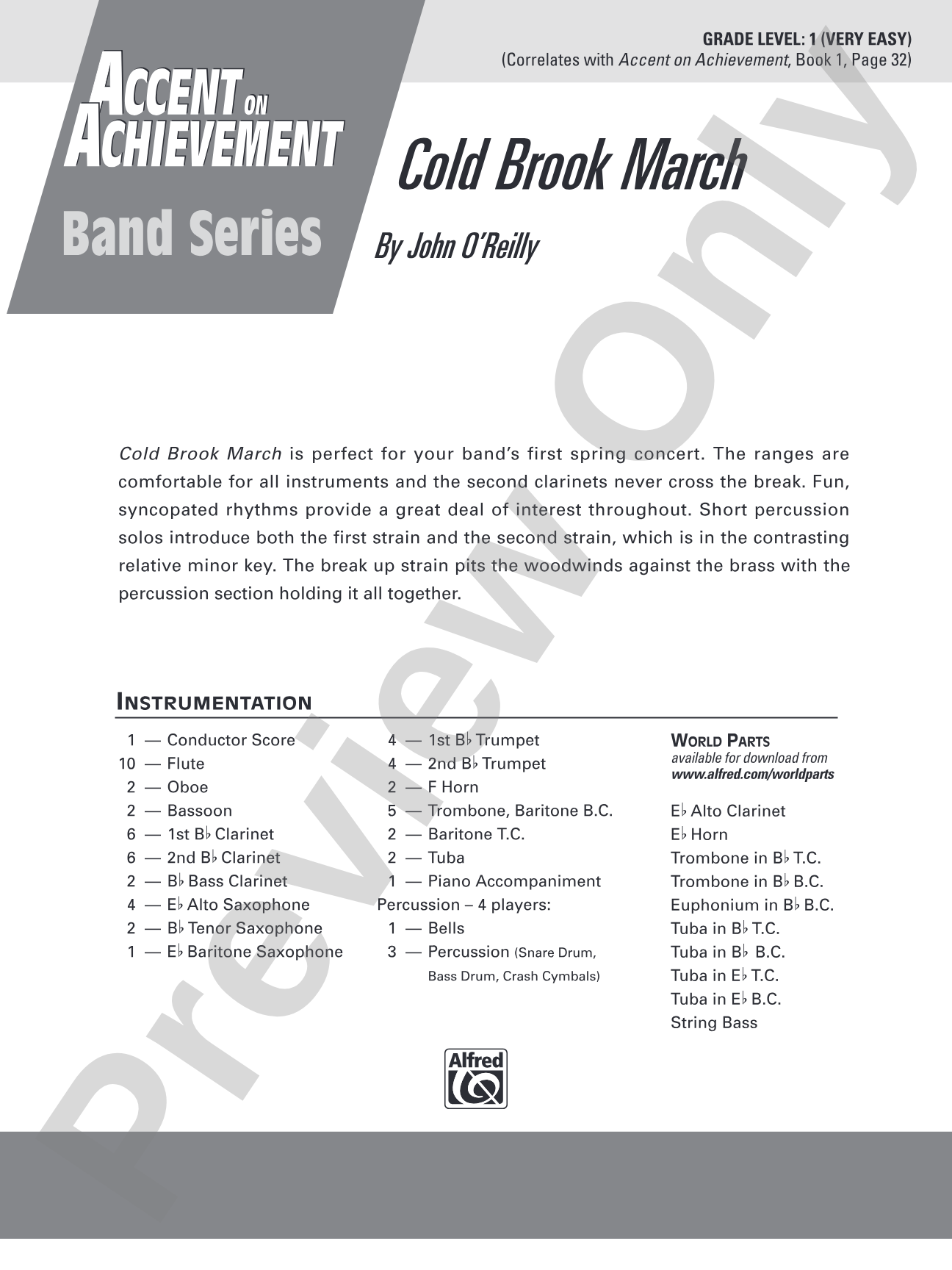
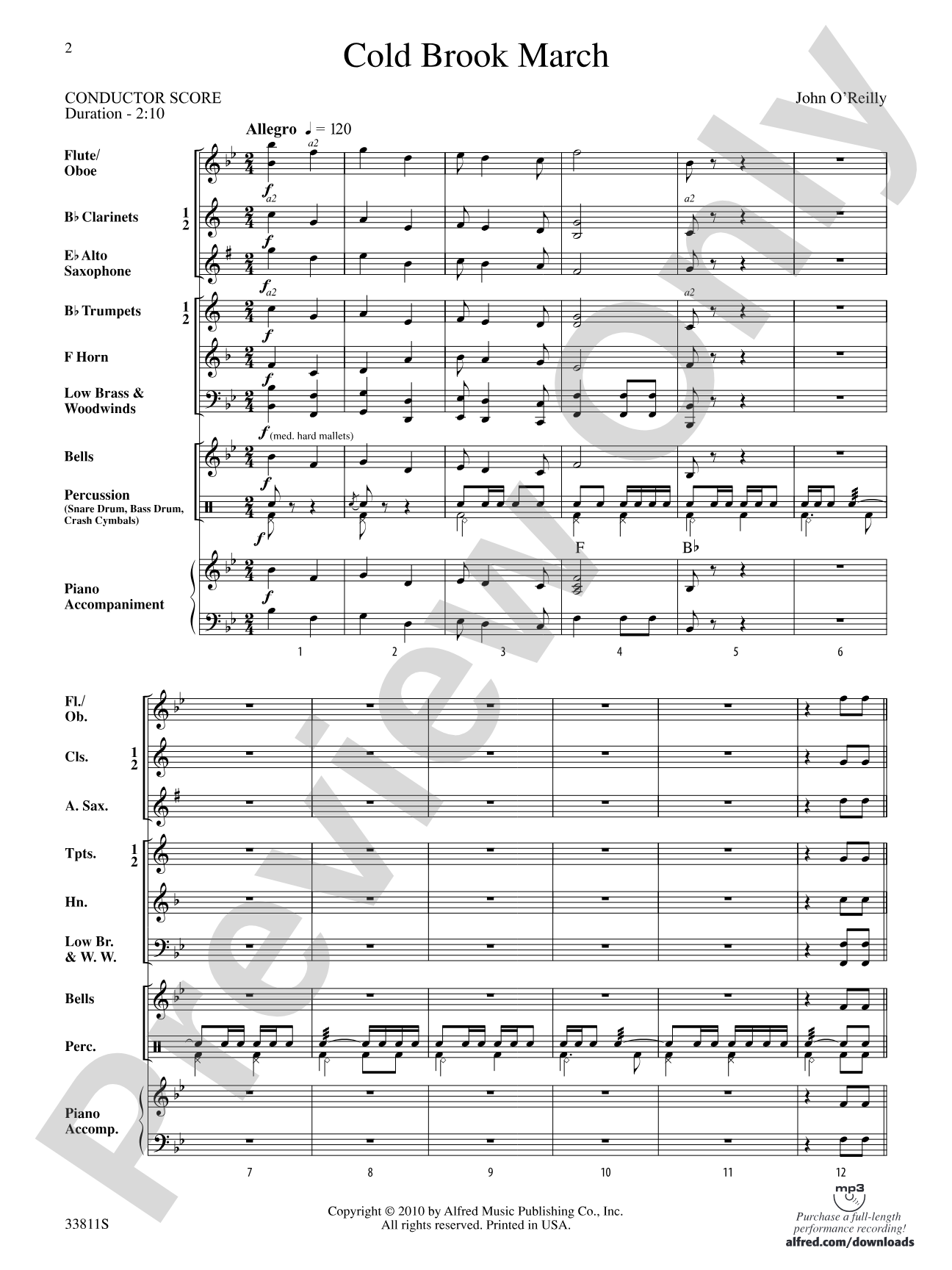
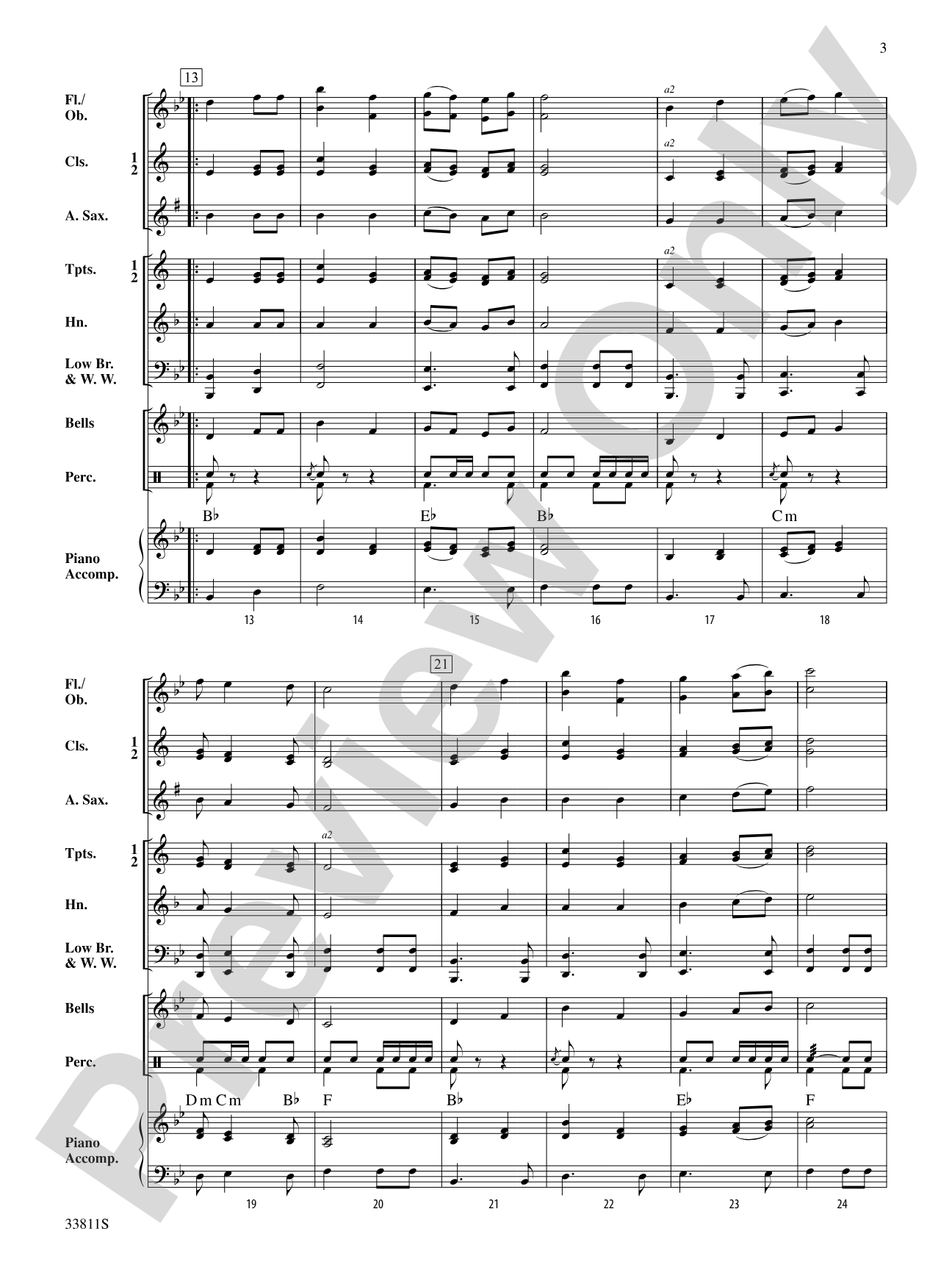
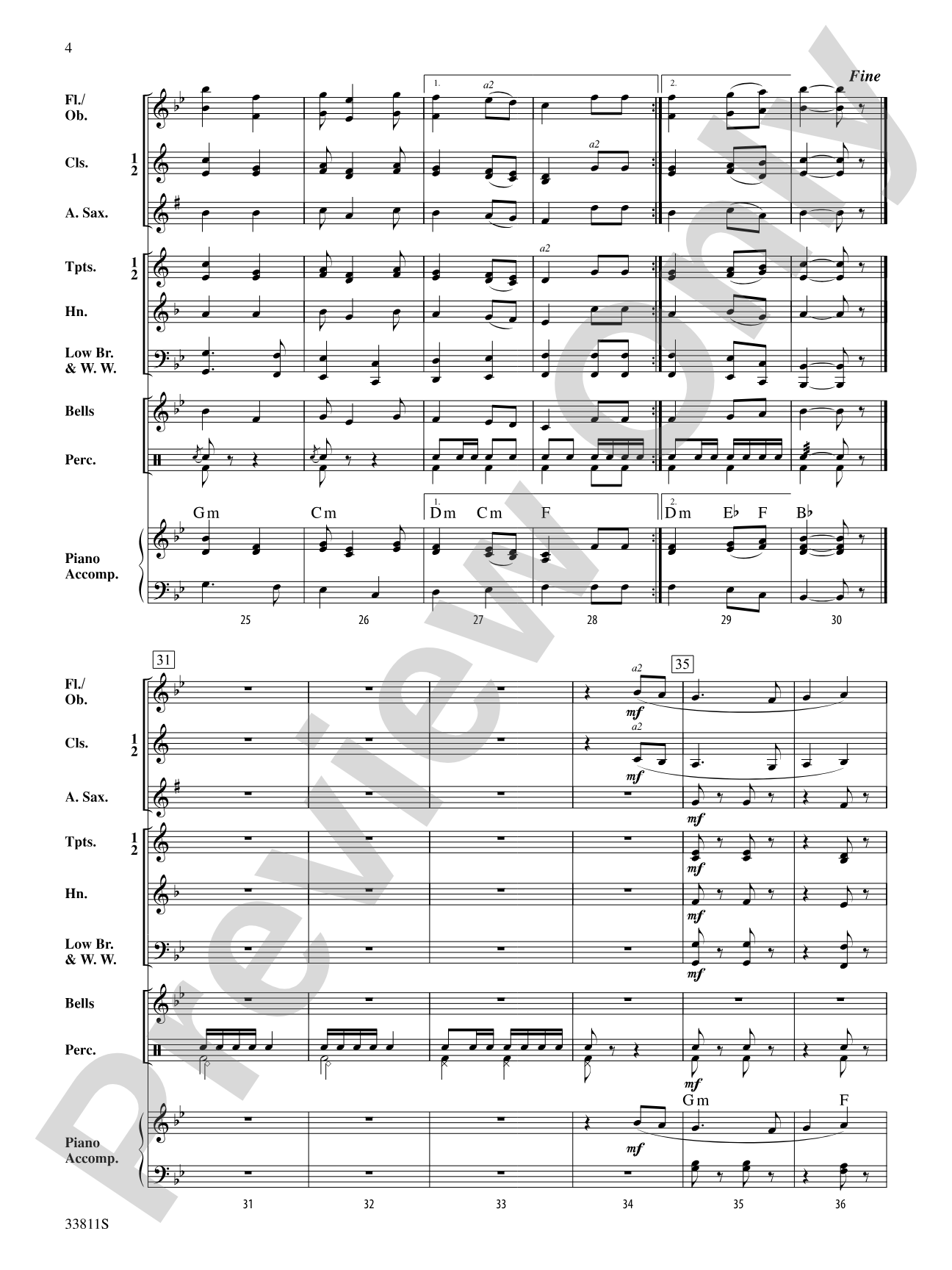
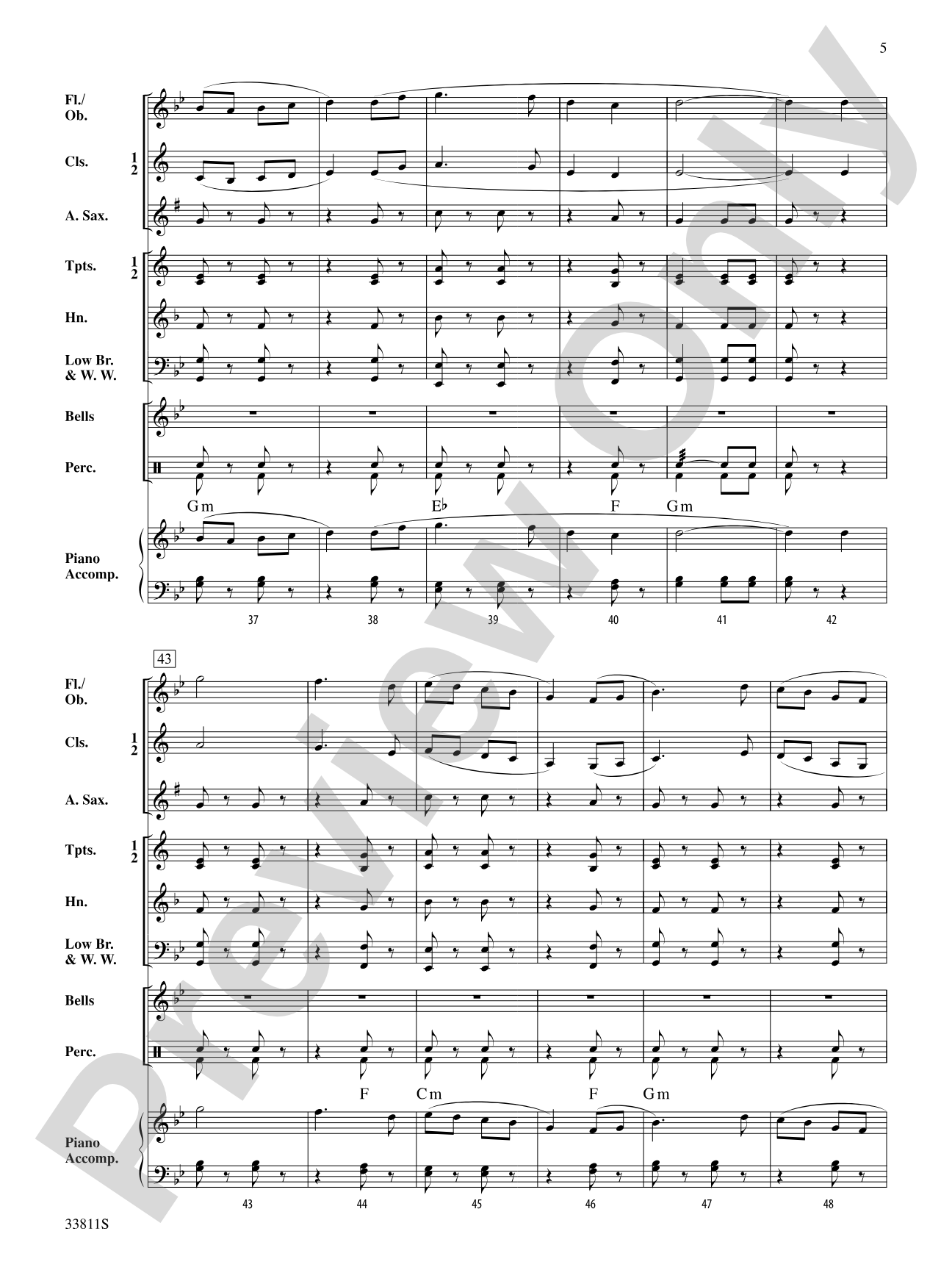
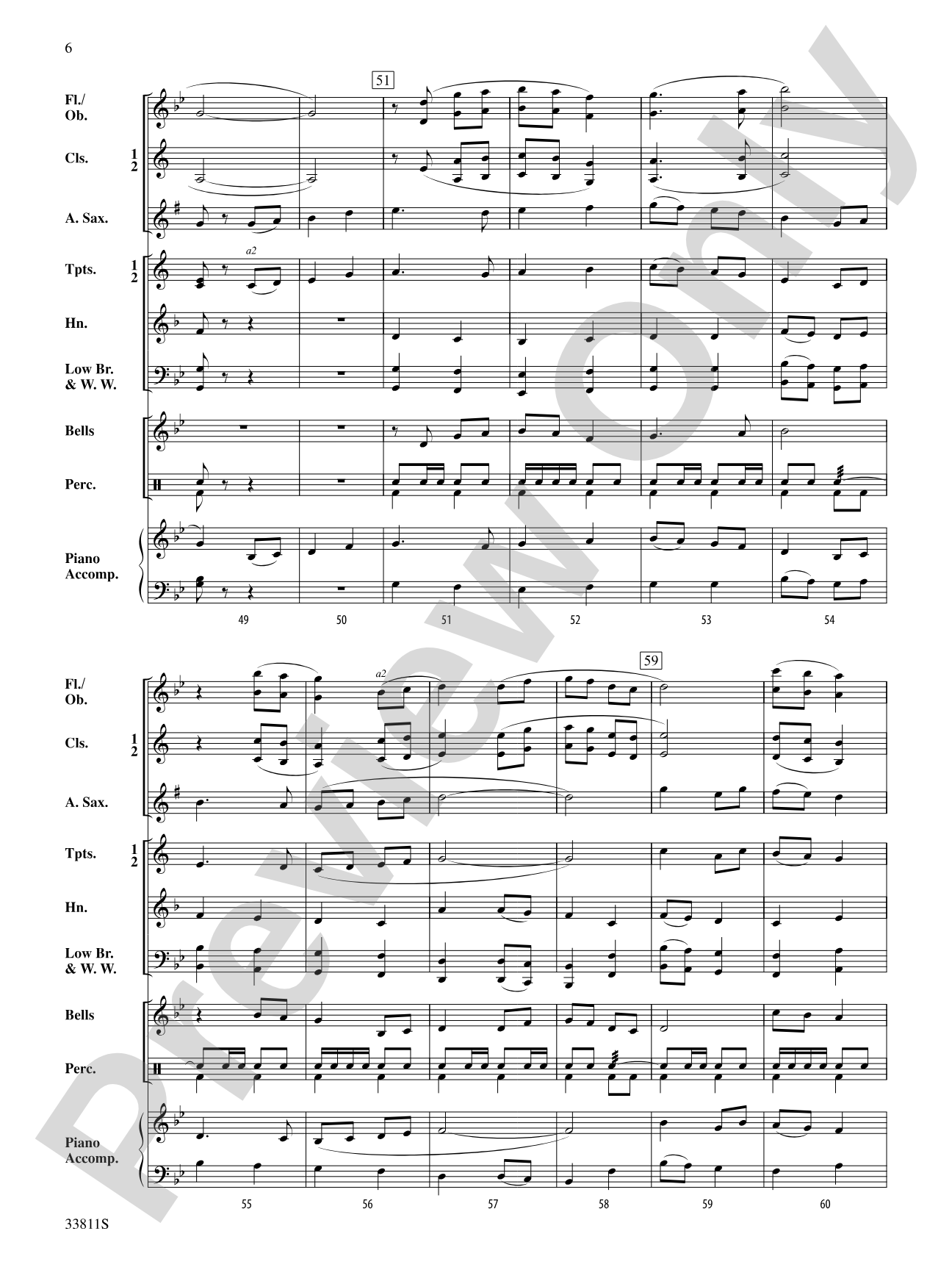
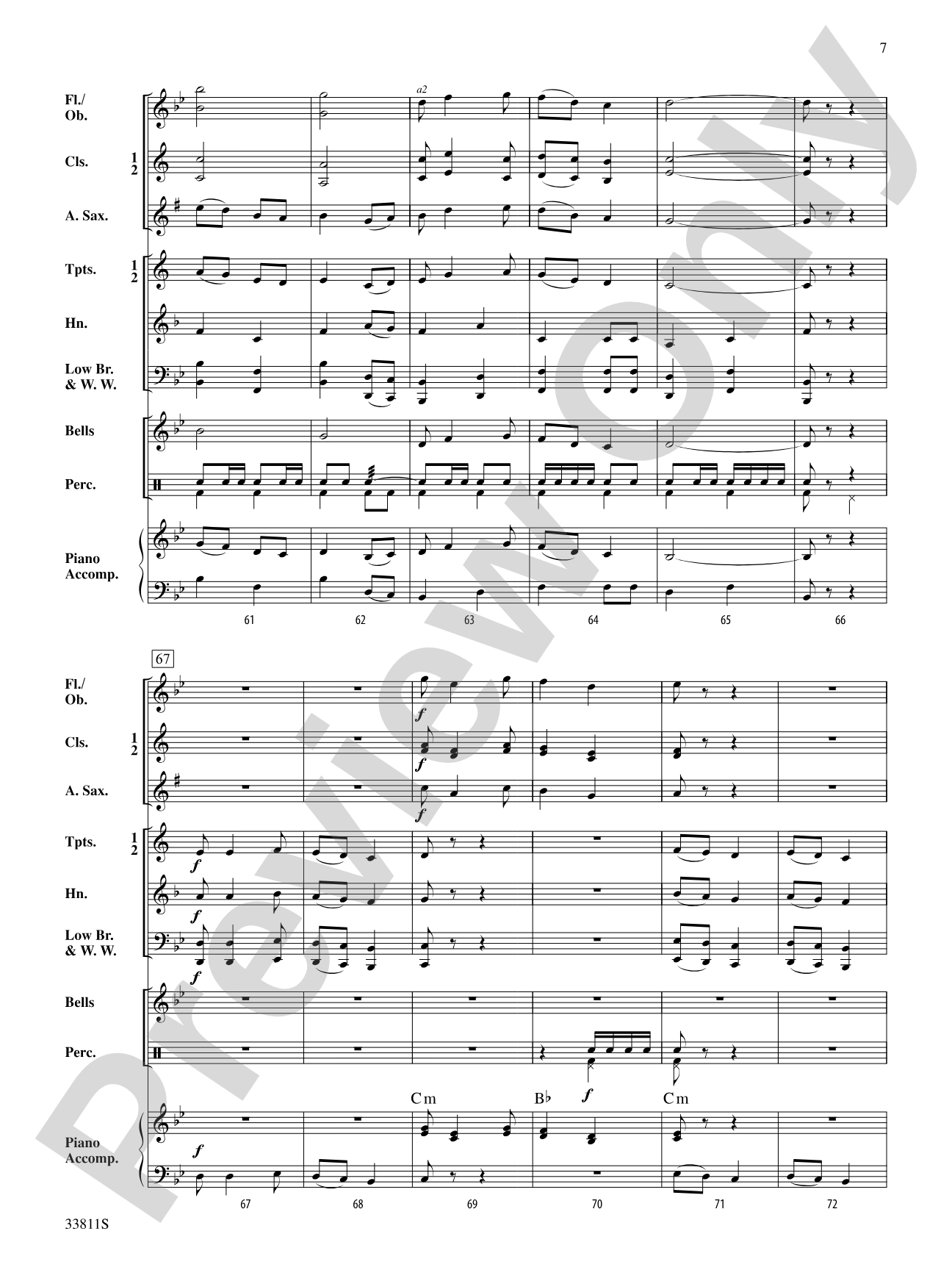
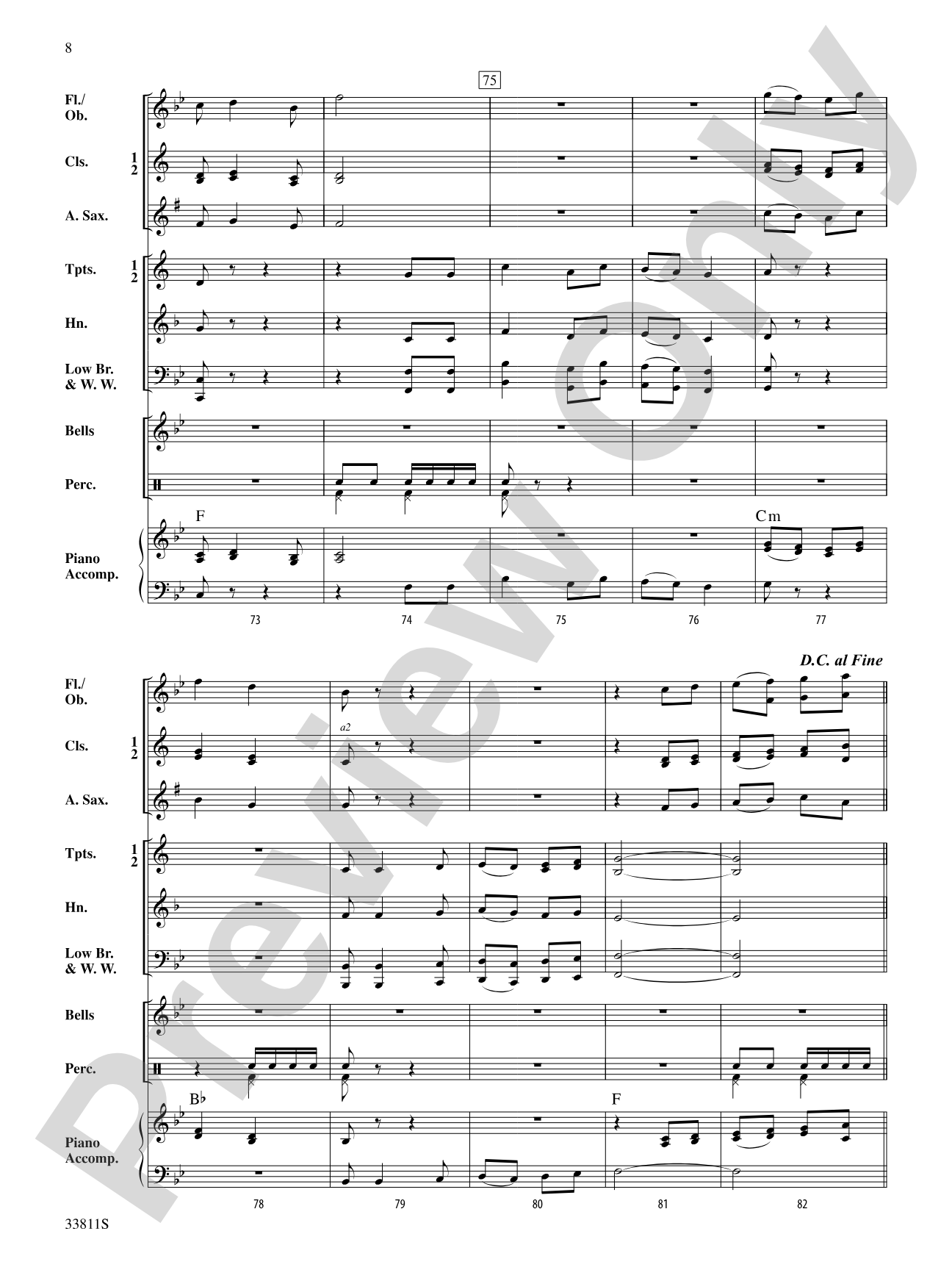
Cold Brook March is perfect for your band's first Spring Concert. The ranges are comfortable for all instruments and the second clarinets never cross the break. Fun, syncopated rhythms provide a great deal of interest throughout. Short percussion solos introduce both the first strain and the second strain which is in the contrasting relative minor key. The break up strain pits the woodwinds against the brass with the percussion section holding it all together. (Correlates to Accent on Achievement, Book 1, Page 32) This title is available in MakeMusic Cloud.


Don't just read it, hear it, play along with it, and watch your students grow with it. In MakeMusic Cloud, Cold Brook March: Concert Band Conductor Score & Parts comes alive with professional accompaniment, adjustable tempo, and built-in practice tools that turn solo practice into real progress.
Open in the Player
Jump straight in and assign it today.
Start Your Free Trial
Open this title and explore the full library in minutes.
Sample Audio
1
Audio File
--:--
0:00
0:00
Sample Video
No sample videos found.
Additional Details
Series:
Accent on Achievement
Publisher:
Alfred Music
Page Count:
120
SKU:
00-PK-0004247
More about this title
About the Composer: John O'Reilly
John O'Reilly is a prolific composer and arranger whose work has shaped instrumental music education for decades. His pieces for beginning and intermediate bands balance accessibility with genuine musicality, making him a trusted voice in concert band repertoire.
Why we love this
Cold Brook March delivers exactly what a Grade 1 band needs: forward momentum without technical barriers. The percussion features feel genuinely musical rather than decorative, and the woodwind-versus-brass contrast in the break strain gives your ensemble a moment to shine dramatically without asking for virtuosity they don't yet have.
What to expect
Bright and energetic, with a small-town parade quality that feels both approachable and purposeful. The syncopated rhythms give it character beyond a straight march, while the shift into the relative minor adds just enough harmonic color to keep ears engaged.
Who it's for
Grade 1 concert bands preparing their first spring repertoire. The comfortable ranges and straightforward harmonic language make this ideal for ensembles still building foundational skills in intonation and ensemble balance.
How to get the most out of it
- Bring out the short percussion solos leading into each strain; they set up the sectional entrances and give the band clear harmonic signposts.
- The syncopated rhythms work best when the section keeps a steady pulse together rather than rushing into the syncopation. Lock in metronomically during sectionals.
- Balance the woodwind-brass exchange in the break strain so neither section drowns out the other. The percussion anchors the texture, so make sure they're heard underneath both groups.
- Don't let the relative minor key in the second strain get lost. Highlight the color shift by adjusting articulation and dynamics slightly between the two strains.
How to use it
Open a spring concert with this to establish confidence and momentum in your band. Its quick, satisfying arc works beautifully as a standalone opener or paired with slower, more lyrical pieces later in the program.
Skills your students will build
- Reading syncopated rhythms in a march idiom
- Maintaining steady pulse during rhythmically active passages
- Balancing dynamics across woodwind and brass sections
- Recognizing and executing harmonic color shifts (major to relative minor)
- Listening through percussion features to maintain ensemble cohesion