Code by Note, Book 2: Find the Patterns by Reading the Notes Sheet Music Preview

Code by Note, Book 2: Find the Patterns by Reading the Notes: Piano

Find the Patterns by Reading the Notes

By Sharon Kaplan

Item: 00-PB-0002047

Digital Download
$6.99
Description
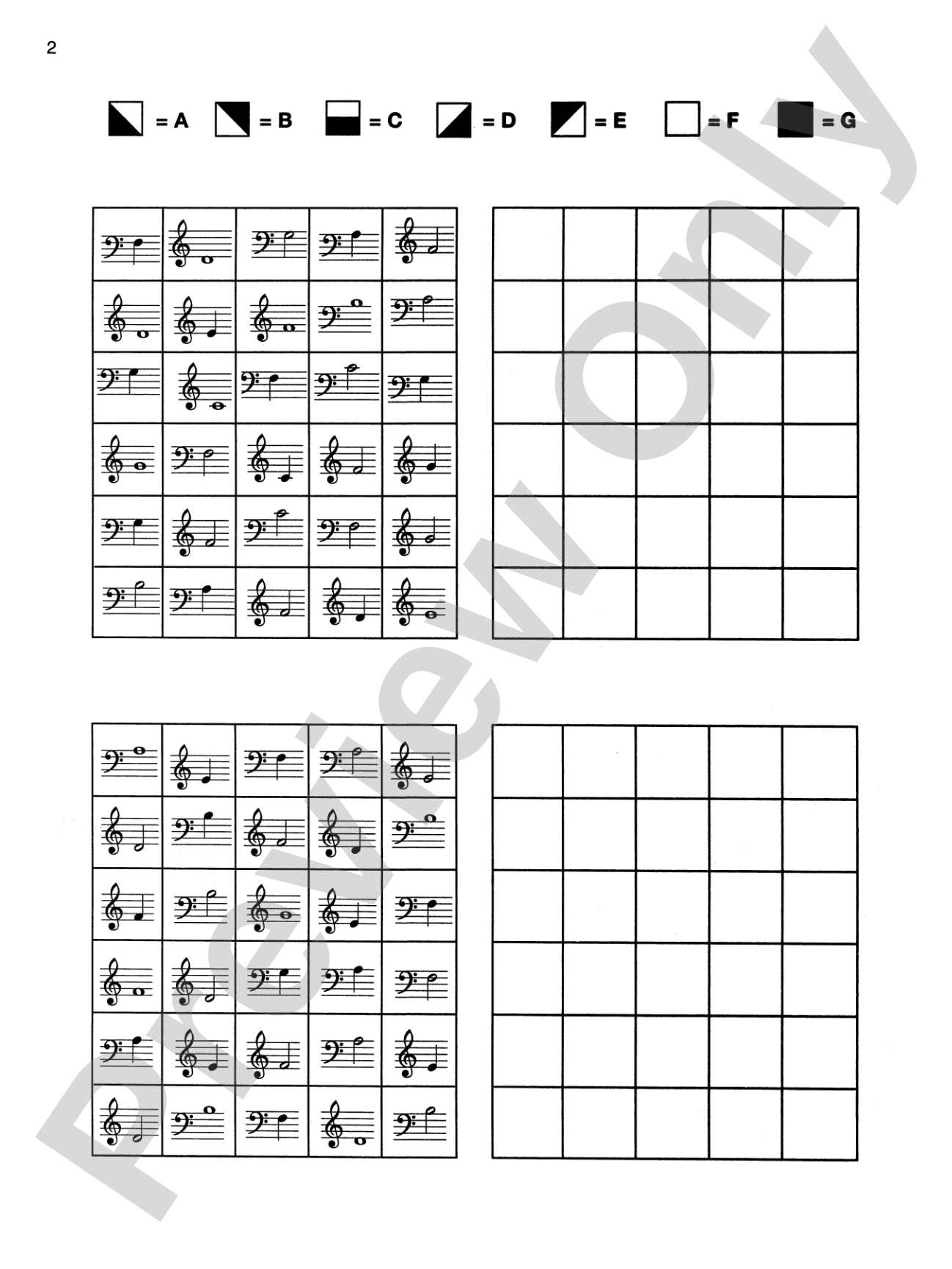
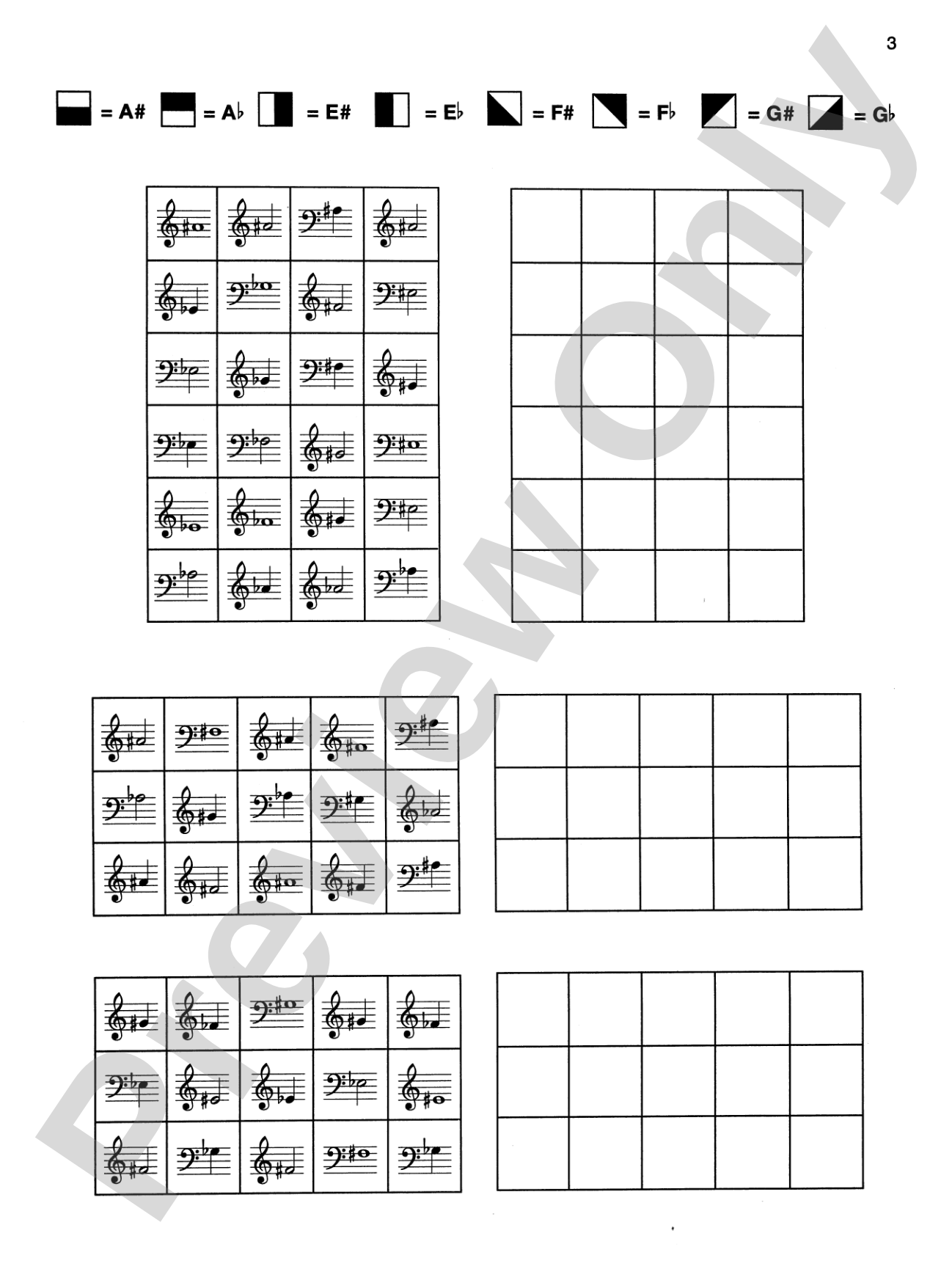
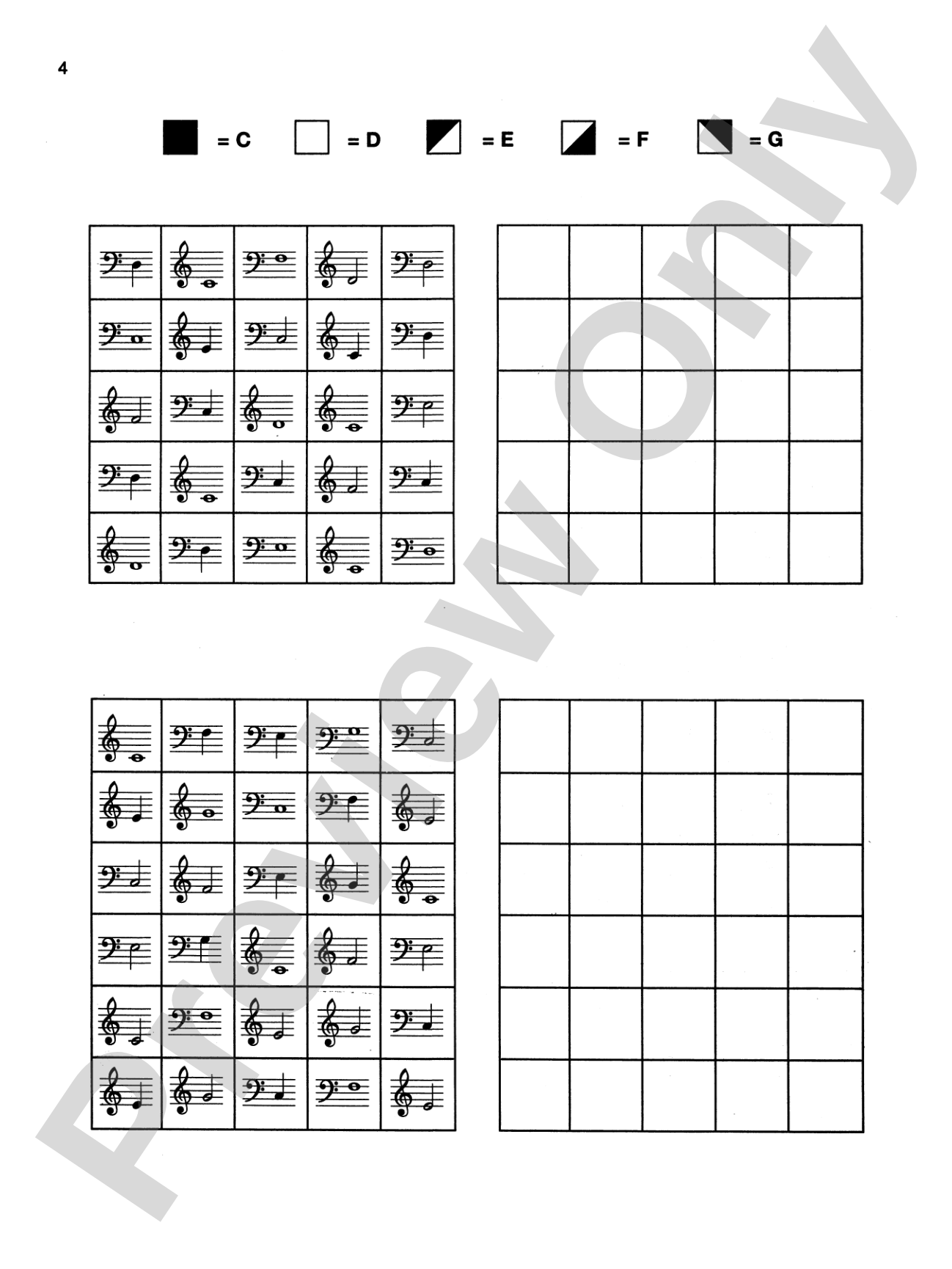
Sharon Kaplan has provided another book of codes to decipher. A bit more challenging than Book 1 (but still within easy reading capabilities), the resulting geometric patterns in Book 2 are fancier and more intricate. A bonus feature of Book 2 is the inclusion of some blank grids for creative opportunities.

Code by Note, Book 2: Find the Patterns by Reading the Notes: Piano isn't in MakeMusic Cloud just yet...but it could be. Let us know you'd like to see it, and you'll help shape what comes next. In the meantime, start a free trial and dive into thousands of interactive titles your students can play along with today.

Sample Audio
No sample audio found.
Sample Video
Additional Details
Series: Color by Note
Publisher: Alfred Music
Page Count: 20
SKU: 00-PB-0002047

More about this title

Why we love this

Kaplan understands what keeps young pianists engaged: the satisfaction of decoding something that feels like a puzzle and then watching a real image emerge from their note-reading work. Book 2 escalates the visual payoff without overwhelming readers, making it a genuinely motivating supplement that students actually want to complete.

What to expect

Working through these pages feels like solving a visual mystery. Each correctly identified note brings you closer to revealing an intricate geometric pattern, combining the analytical work of note reading with the immediate reward of watching a picture come into focus.

Who it's for

Early intermediate pianists (roughly Book 1 level on standard method sequences) who have solid single-staff note reading but need engaging reinforcement. The puzzle format works especially well for students who find traditional theory worksheets tedious.

How to get the most out of it

  • Encourage students to map out the grid dimensions before they start reading, so they know the scale of the pattern they're building.
  • Have students work through one line at a time and check their note identifications against the grid key before moving forward, rather than filling everything in and checking at the end.
  • Use the blank grids as a bridge activity: have students create their own code puzzles for classmates after completing the book's existing patterns.

How to use it

Assign this as homework or studio practice material to strengthen note identification without the feel of drilling. The progression from Book 1 makes it ideal for students mid-year who need focused reinforcement before advancing to new repertoire.

Skills your students will build

  • Treble clef note identification in different registers
  • Visual pattern recognition linked to pitch sequences
  • Sustained focus on accuracy (mistakes in note reading create broken patterns)
  • Independent problem-solving through decoding systems

You May Also Like