Cobblestones Cover Image

Cobblestones: Jazz Ensemble Conductor Score

$9.00 USD
Sale price  $9.00 USD Regular price 
Skip to product information
Cobblestones Cover Image

Cobblestones: Jazz Ensemble Conductor Score

By Kris Berg

Grade: 3 (Medium)

Item: 00-JE9952C

$9.00
Shipped

One moment…

Description
This moderate-tempo, upbeat original from Kris Berg features lots of strong section playing, a sax solo break, and some driving brass licks. It's fun listening and fun to play! Medium Easy (4:48)

Cobblestones: Jazz Ensemble Conductor Score isn't in MakeMusic Cloud just yet...but it could be. Let us know you'd like to see it, and you'll help shape what comes next. In the meantime, start a free trial and dive into thousands of interactive titles your students can play along with today.

Sample Pages

Sample Audio
No sample audio found.
Sample Video
Additional Details
Series: Jazz Band Series
Publisher: Alfred Music
Page Count: 20
UPC: 654979000525
SKU: 00-JE9952C

More about this title

About the Composer: Kris Berg
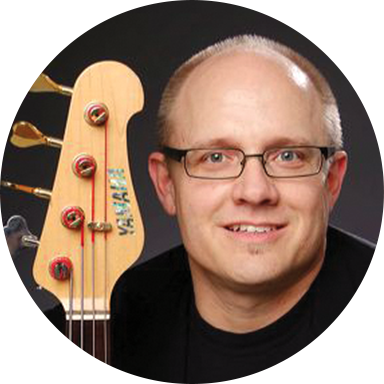
Kris Berg

Kris Berg directs the Jazz Studies program at Collin County Community College in Texas, where he earned both his bachelor's and master's degrees in jazz studies from the University of North Texas. His big band charts and compositions have circulated internationally and been recorded across the globe; he is a prolific composer and arranger for Belwin Jazz, part of Alfred Publishing.

Berg founded and directs both the Collin Jazz Fest and the Texas All-Star Jazz Camp, establishing Collin County's jazz ensembles as regular invitees to the Montreux Jazz Festival. He authored the method book Bass Lines in Minutes and maintains an active schedule as a clinician and artist for Yamaha Corporation of America, having performed alongside musicians including Kurt Elling, Randy Brecker, Peter Erskine, and Clark Terry.

Why we love this

Berg writes charts that sit right at the intersection of accessible and genuinely fun, avoiding the thin energy that sometimes plagues Grade 3 repertoire. The sax solo break gives your ensemble a natural focal point for soloists without requiring virtuosity, while the driving brass licks and strong section writing keep everyone else actively engaged through the four and a half minutes.

What to expect

Upbeat and grounded, with an infectious moderate tempo that invites the ear to settle in and enjoy. The piece radiates the kind of approachable sophistication that comes from writing experience; it swings genuinely without ever feeling pretentious, and the sax solo punctures the ensemble texture with just enough attitude to keep things fresh.

Who it's for

Jazz ensemble directors leading Grade 2-4 groups who want original material with real character and solid section writing. This works equally well in a competitive jazz festival setting or a casual concert program, and it gives soloists a meaningful moment without overwhelming less experienced players.

How to get the most out of it

  • Lock in the rhythm section early in rehearsals, establishing the groove pocket before layering ensemble figures on top. Once bass, drums, and piano settle into the moderate tempo, the rest of the chart will sit naturally.
  • Balance the sax solo so it cuts through the ensemble without forcing the accompaniment to drop away entirely. A well-cushioned solo sounds more polished than an exposed one.
  • Emphasize the brass licks with articulation clarity and tight rhythmic precision. These moments define the chart's energy, so coordinate tonguing across the section for unified attack.
  • Use dynamics strategically around the solo break to build and release tension. The sections leading in should plant the solo firmly in the listener's ear.

How to use it

Program this as a centerpiece in a mixed concert or festival set where you want to showcase both ensemble musicianship and individual soloists. It also works well as a warm-up or mid-set piece on a longer jazz festival program, offering enough substance to impress without the intensity of a heavier arrangement.

Skills your students will build

  • Ensemble swing feel and groove pocket awareness
  • Section balance and articulation unity in jazz context
  • Solo accompaniment playing (comping rhythms and harmonic sensitivity)
  • Reading jazz notation and rhythmic figures across multiple instrumental colors

You May Also Like