


Climbing Scale Mountain: Score
By Jim Palmer
Grade: 1
Item: 00-PR-0007719
$10.00
Pickup currently not available
Description
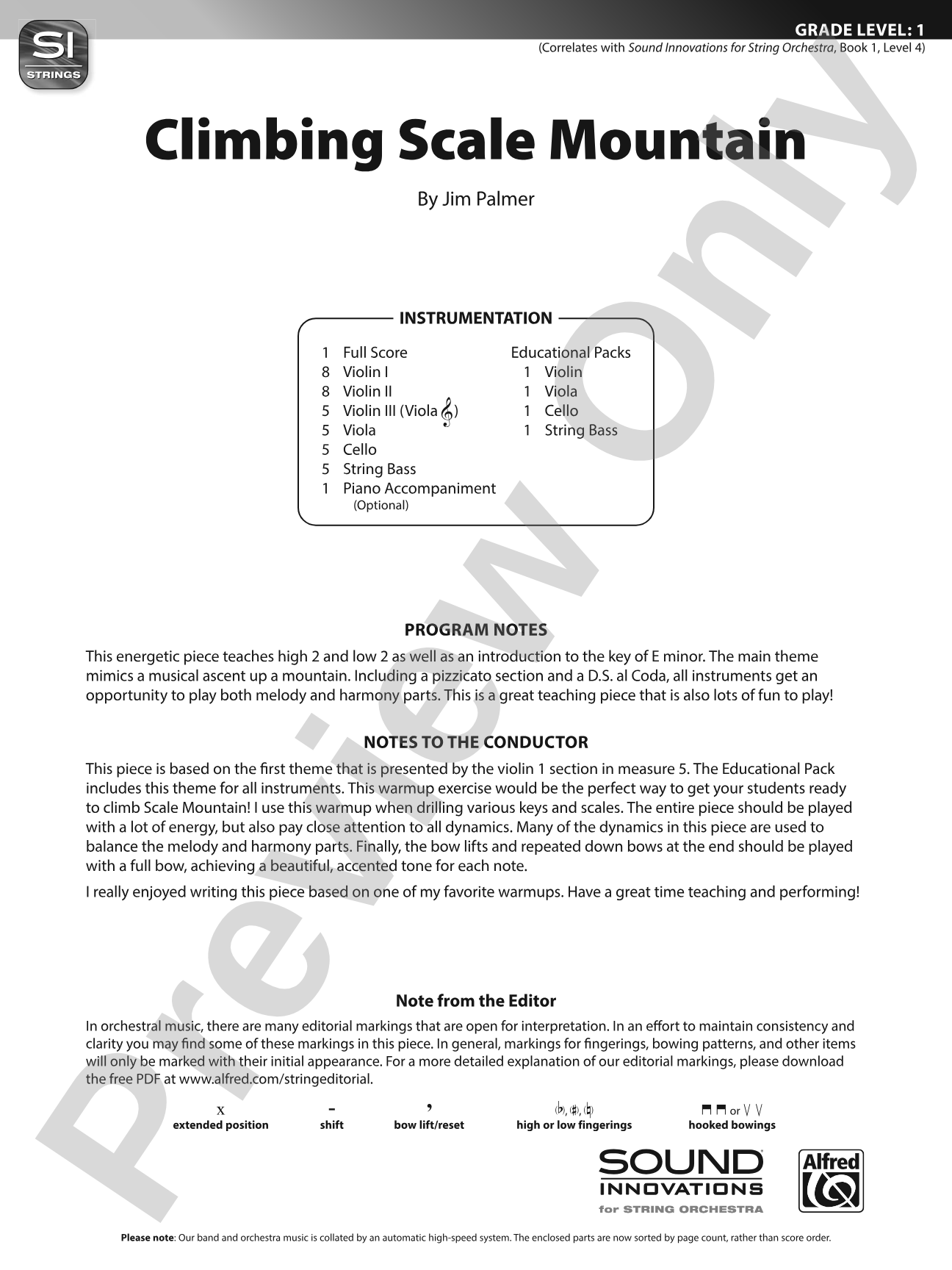
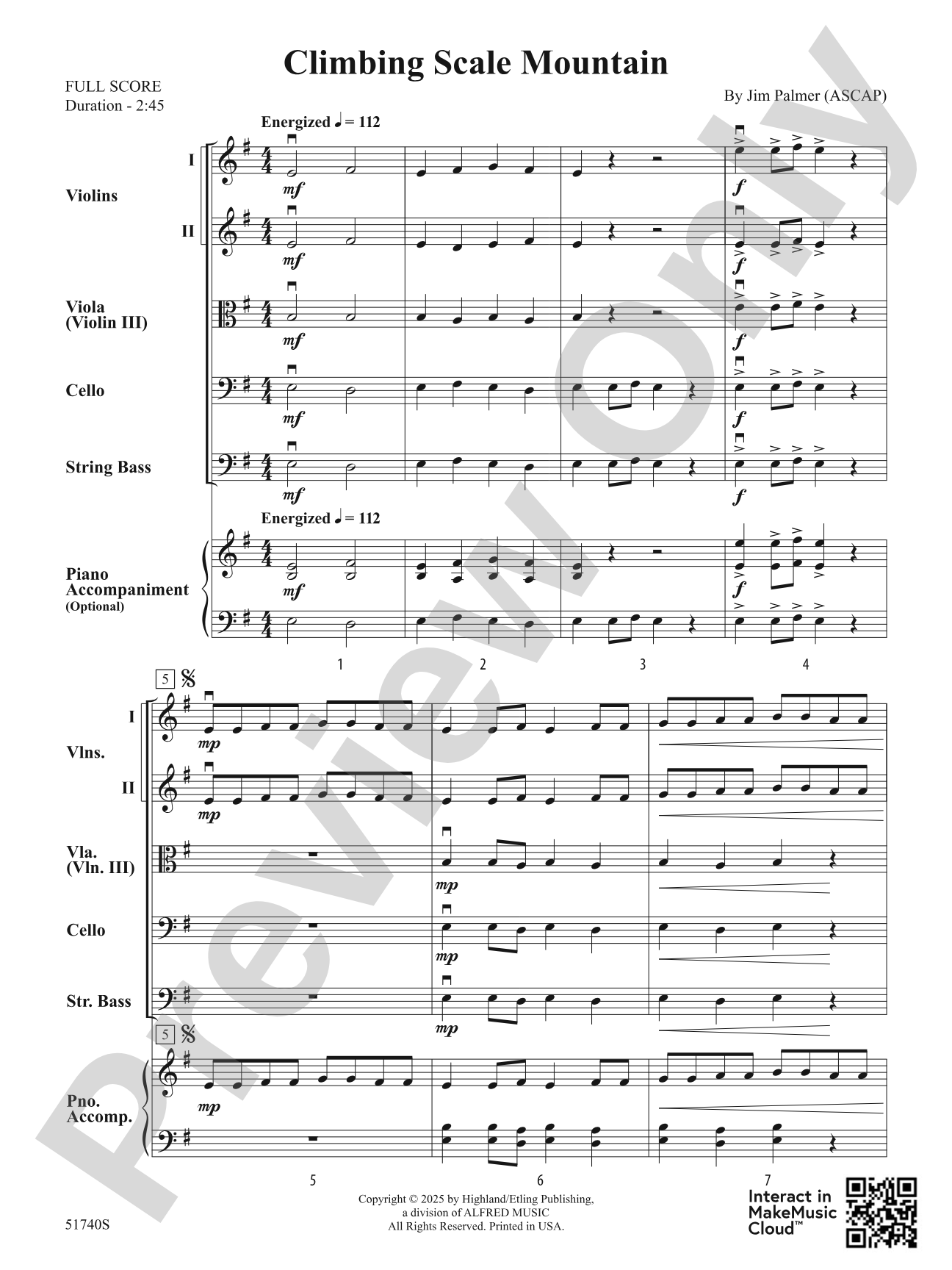
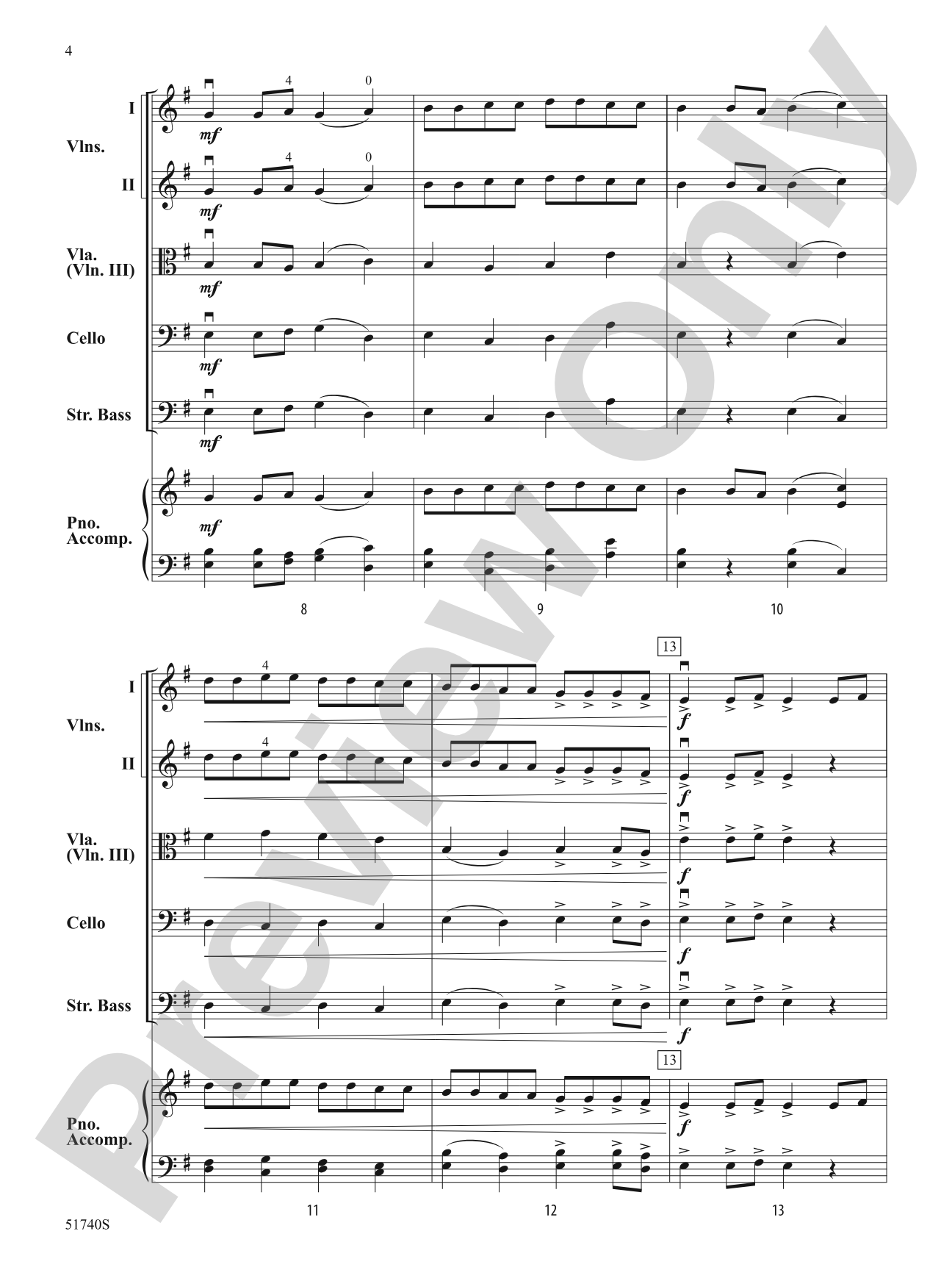
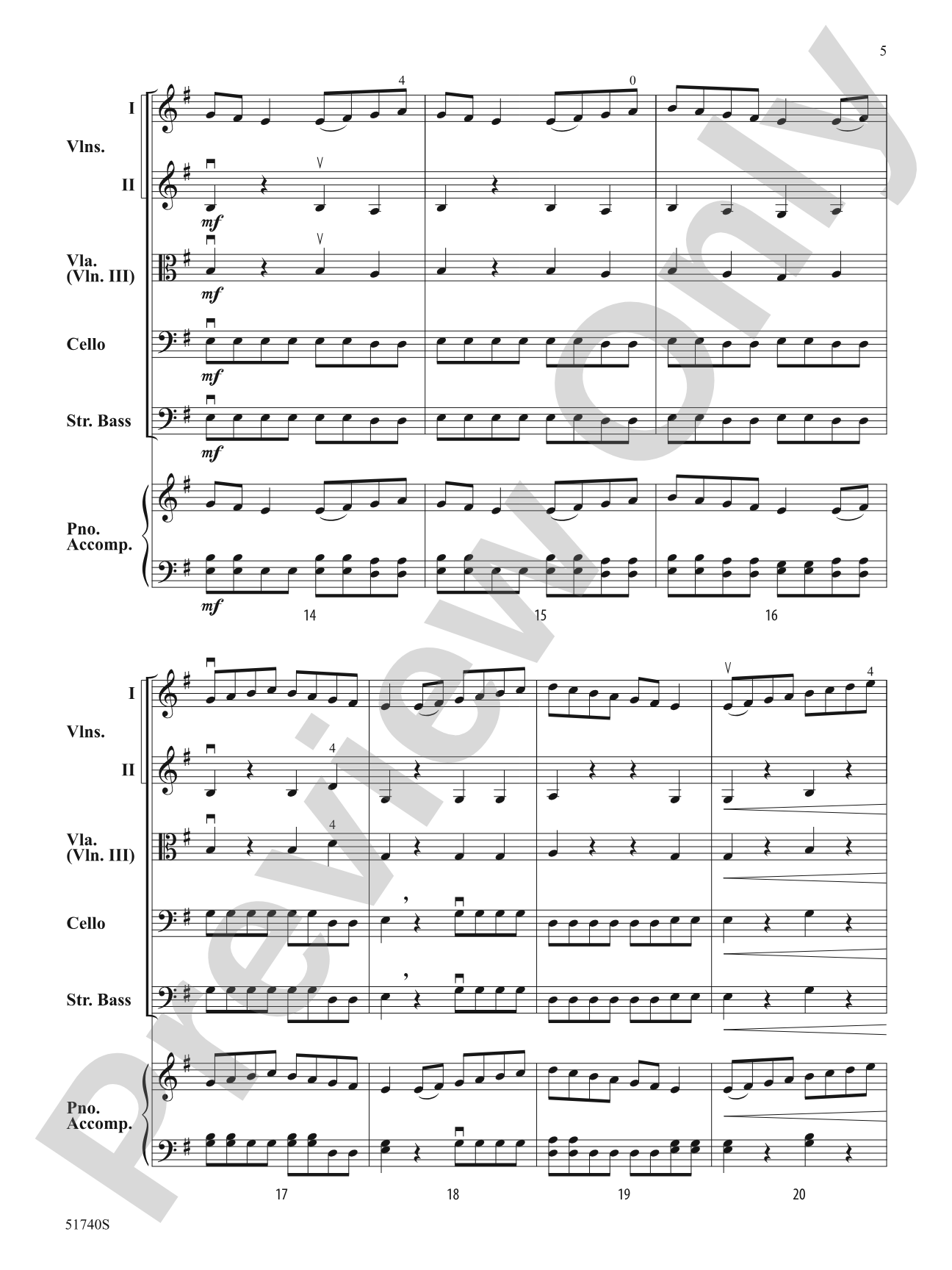
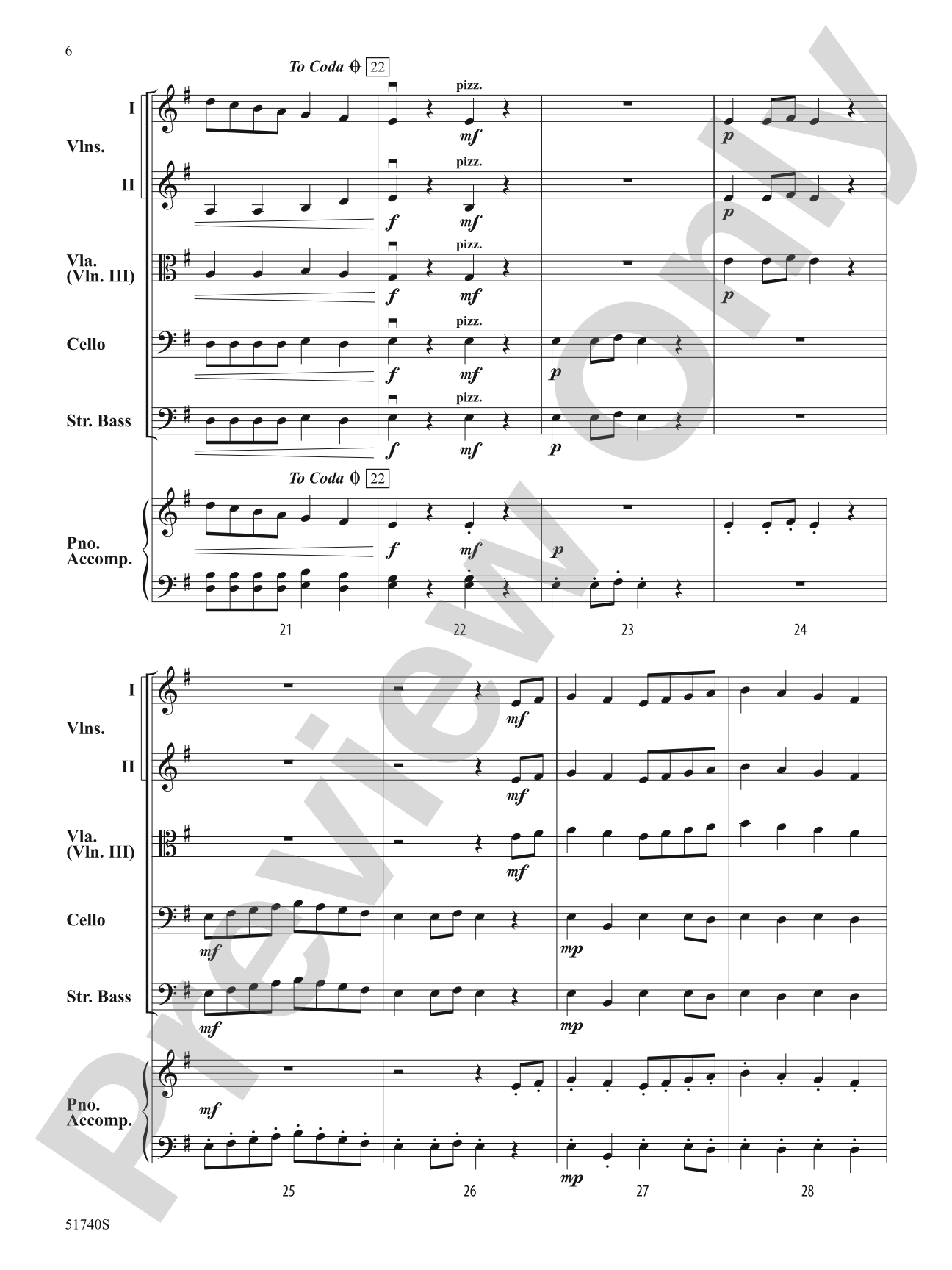
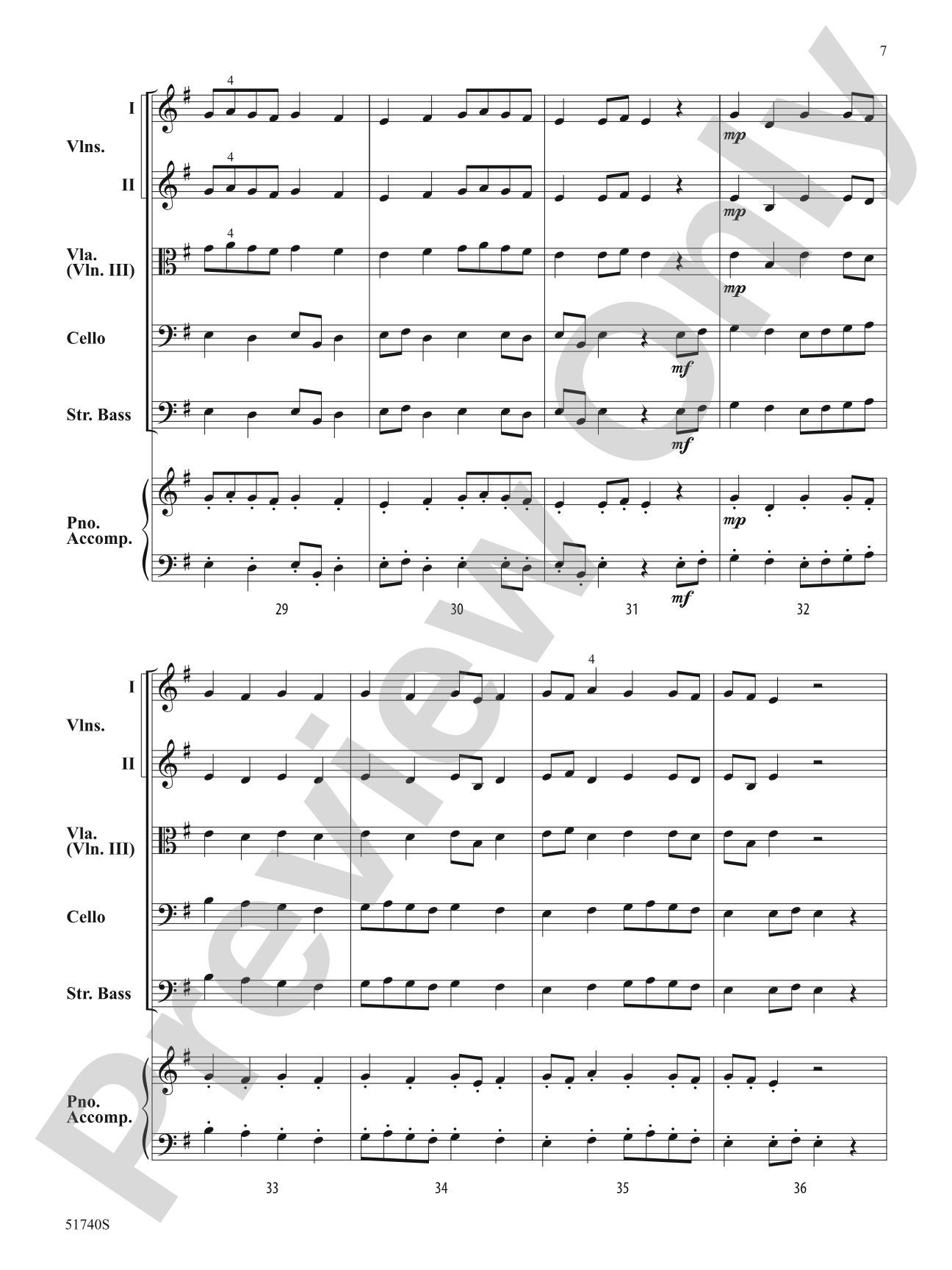
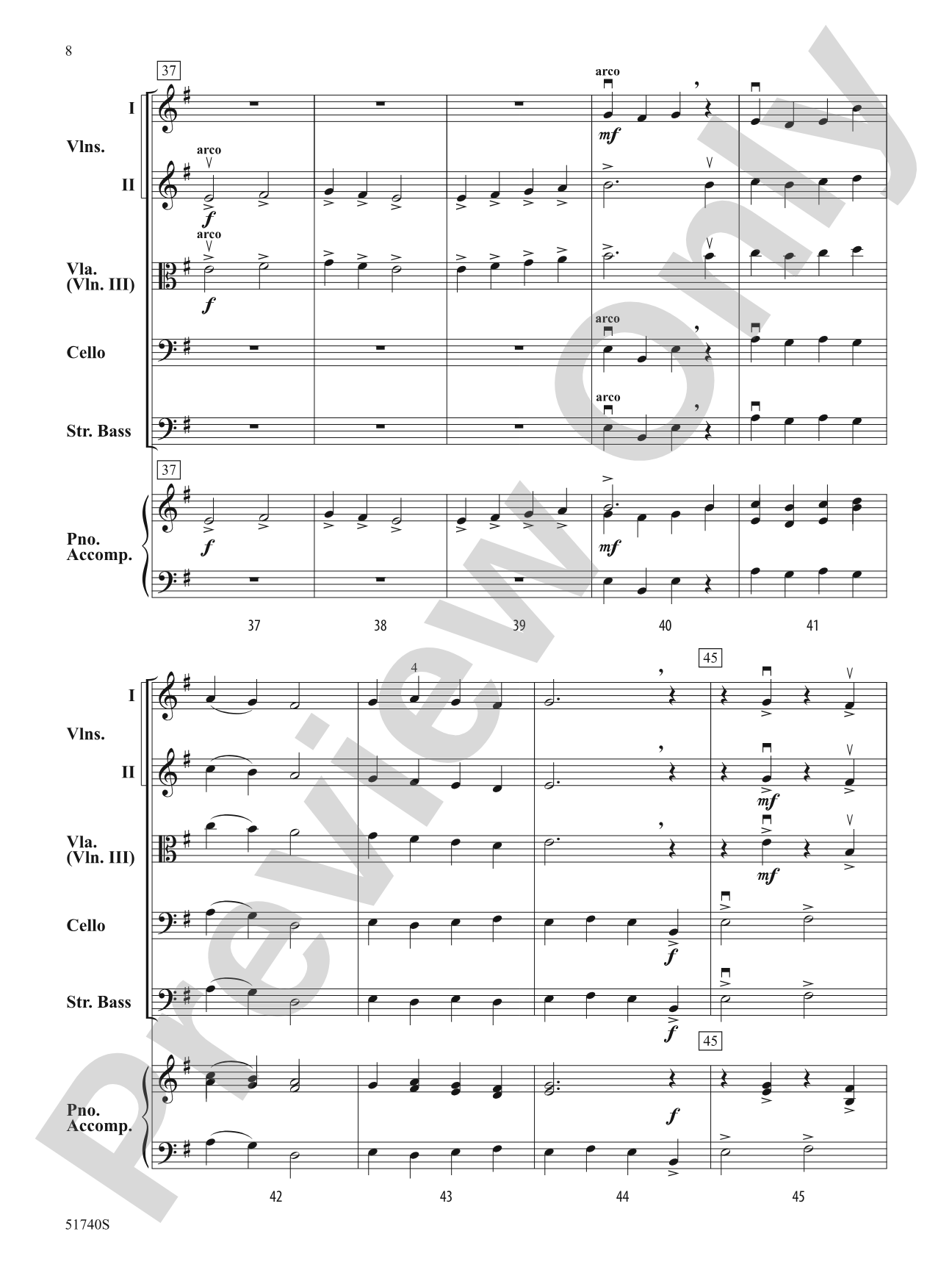
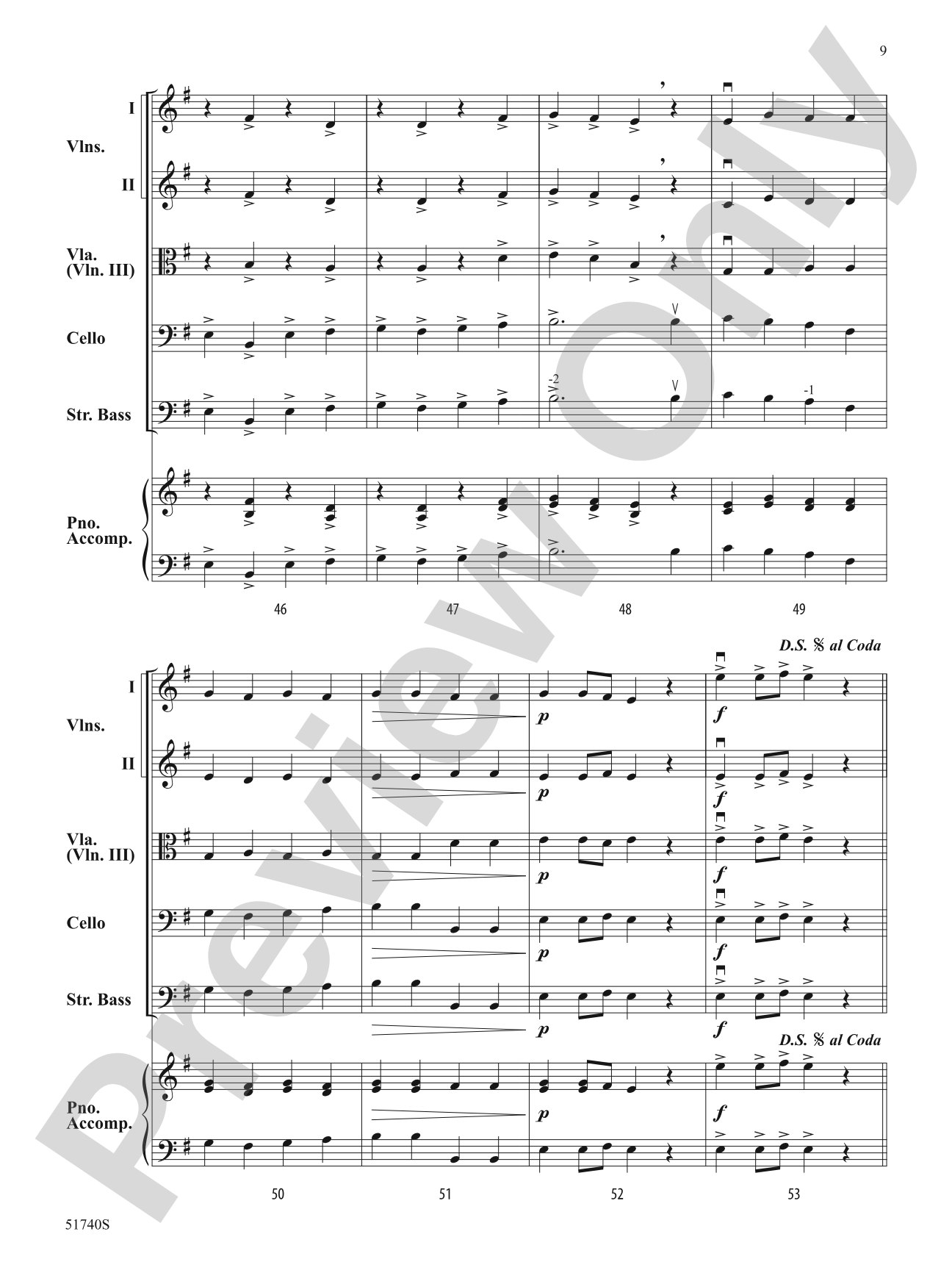
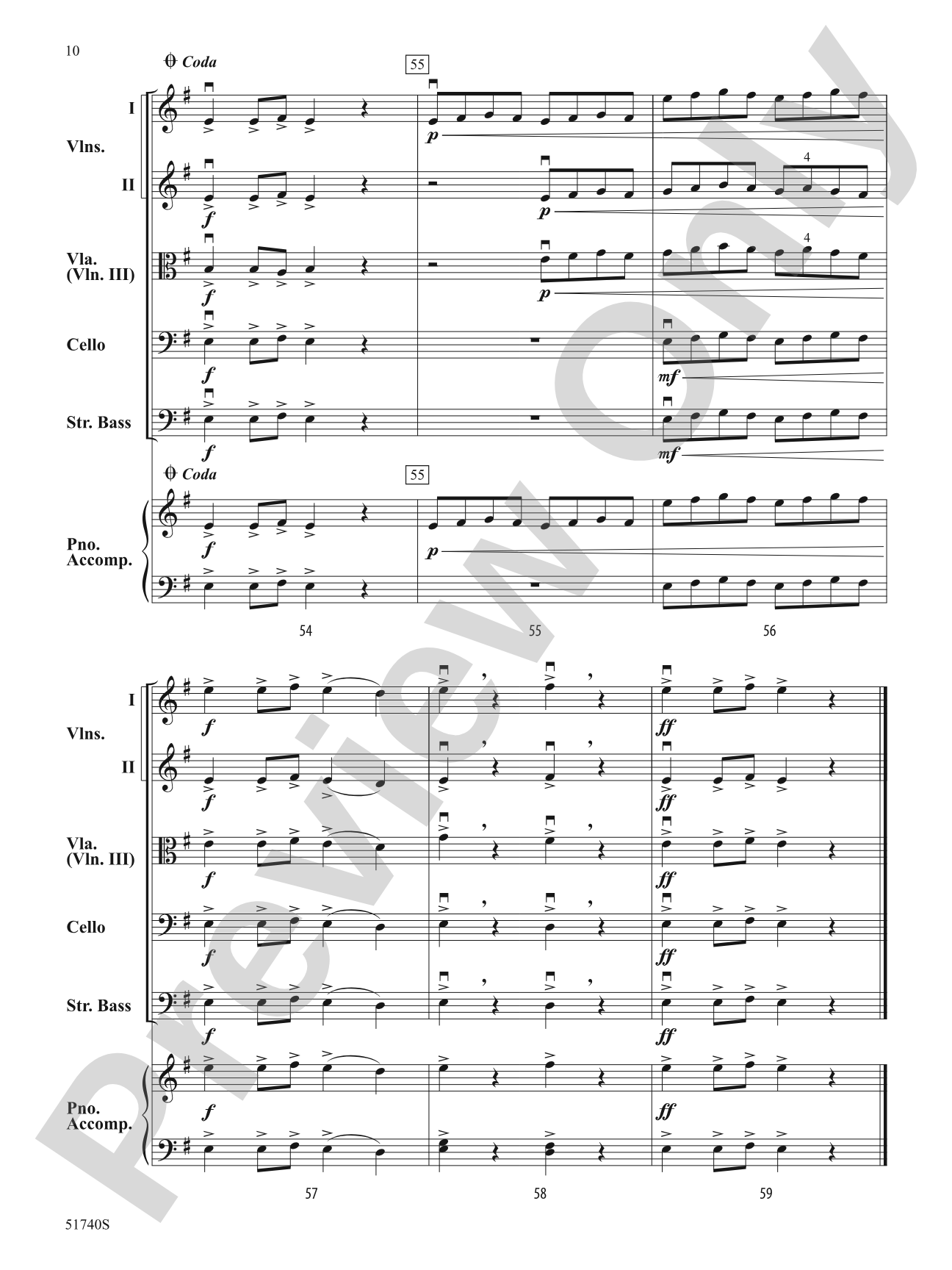
Climbing Scale Mountain, by Jim Palmer, is an energetic piece that teaches high 2 and low 2 as well as an introduction to the key of E minor. The main theme mimics a musical ascent up a mountain. Including a pizzicato section and a D.S. al Coda, all instruments get an opportunity to play both melody and harmony parts. This is a great teaching piece that is also lots of fun to play! (2:45) Correlates to Sound Innovations Book 1, Level 4.


Climbing Scale Mountain: Score isn't in MakeMusic Cloud just yet...but it could be. Let us know you'd like to see it, and you'll help shape what comes next. In the meantime, start a free trial and dive into thousands of interactive titles your students can play along with today.
Request This Title
Tell us you want it.
Start Your Free Trial
Explore everything that's ready to play right now.
Sample Audio
1
Audio File
--:--
0:00
0:00
Sample Video
No sample videos found.
Additional Details
Series:
Sound Innovations Series for Strings
Publisher:
Alfred Music
SKU:
00-PR-0007719
More about this title
About the Composer: Jim Palmer
Jim Palmer has established himself as a composer and arranger with a gift for writing pedagogically sound orchestral music that doesn't sacrifice musical substance. His work in the Sound Innovations series demonstrates a clear understanding of string pedagogy: he knows what young players can technically accomplish and structures pieces that teach without feeling like exercises.
Why we love this
Jim Palmer knows what early string orchestras need: a piece that teaches specific technique while keeping players genuinely engaged. The ascending theme creates a natural metaphor for progress, and the variety of textures (pizzicato, melody trading, harmony support) ensures every stand stays invested from rehearsal one through performance.
What to expect
An adventure told through ascending violin lines and supporting harmonic layers. The pizzicato sections inject playful energy, while the E minor tonality adds a slightly darker, more sophisticated character than many Grade 1 pieces. The overall effect is bright and forward-moving, with genuine musical payoff at the summit.
Who it's for
Grade 1 string orchestras working at the intermediate level who are ready to tackle key signatures beyond D major and explore left-hand techniques. This piece works for ensembles already comfortable with basic bow control and wanting to add both technical and musical challenges in a single work.
How to get the most out of it
- Shape the ascending phrases with slight crescendos to reinforce the mountain-climbing character. Let the dynamic arc naturally follow the pitch line.
- Balance melody and pizzicato sections carefully during rehearsal; mark cues clearly for parts that sit out during certain passages so entrances are secure.
- Use the D.S. al Coda as a rehearsal checkpoint. Mark exactly where players return and where the final destination is, then run it repeatedly until the transition feels seamless.
- Encourage vibrato entries in the upper register during the higher passages to add warmth as the melody climbs.
How to use it
Program this as a mid-concert selection that showcases your orchestra's progress in both technique and musicianship. Its moderate length (2:45) and teaching-performance balance make it ideal for a winter concert following technique-focused repertoire, or as a spring festival entry that demonstrates mastery of intermediate skills without overwhelm.
Skills your students will build
- High 2 and low 2 intonation in first and second positions
- Reading and playing in E minor
- Pizzicato articulation with bow control
- Melodic phrasing and dynamic shaping
- Part independence (melody versus harmony roles)
- Navigating D.S. al Coda form