
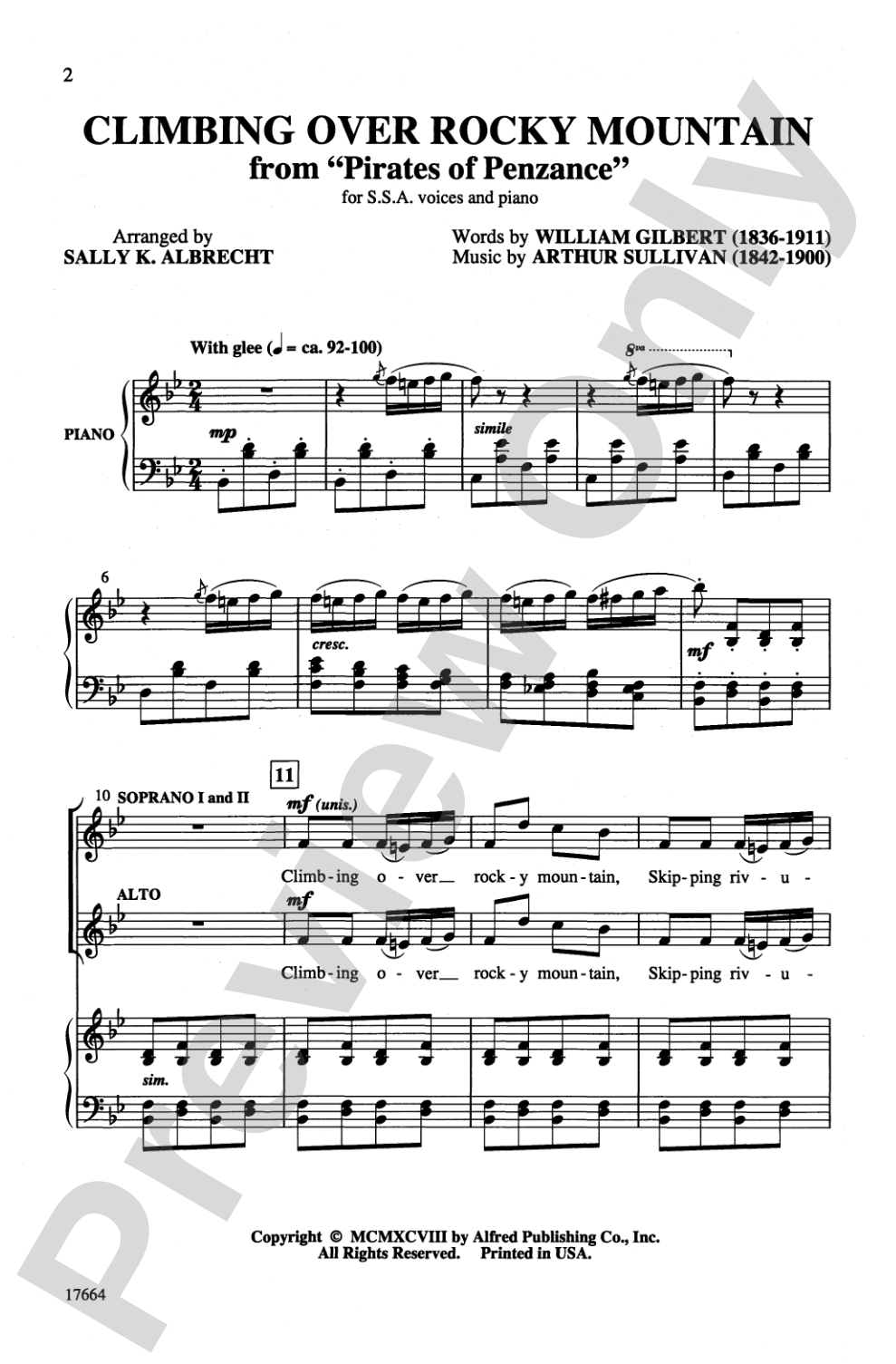
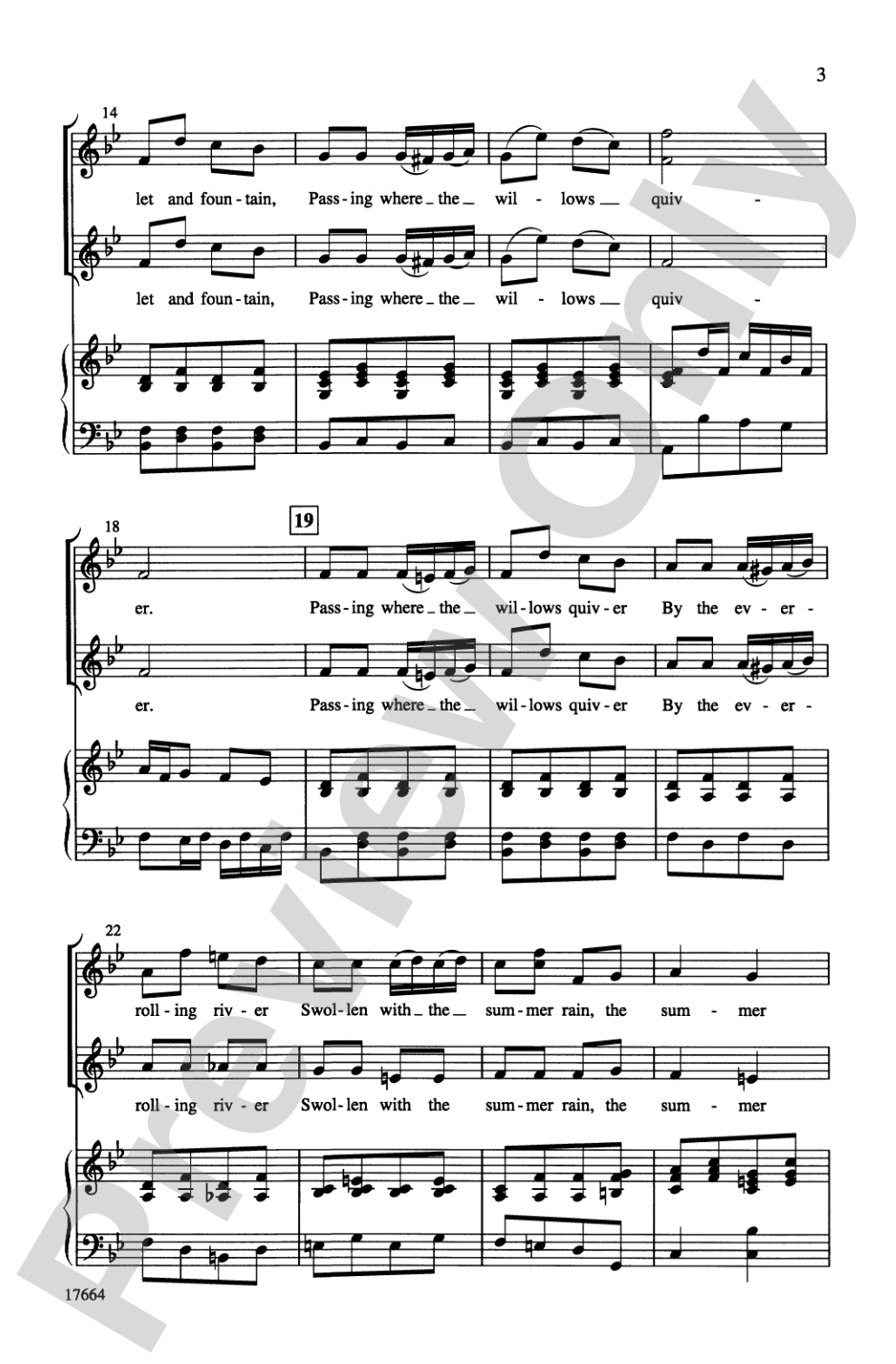
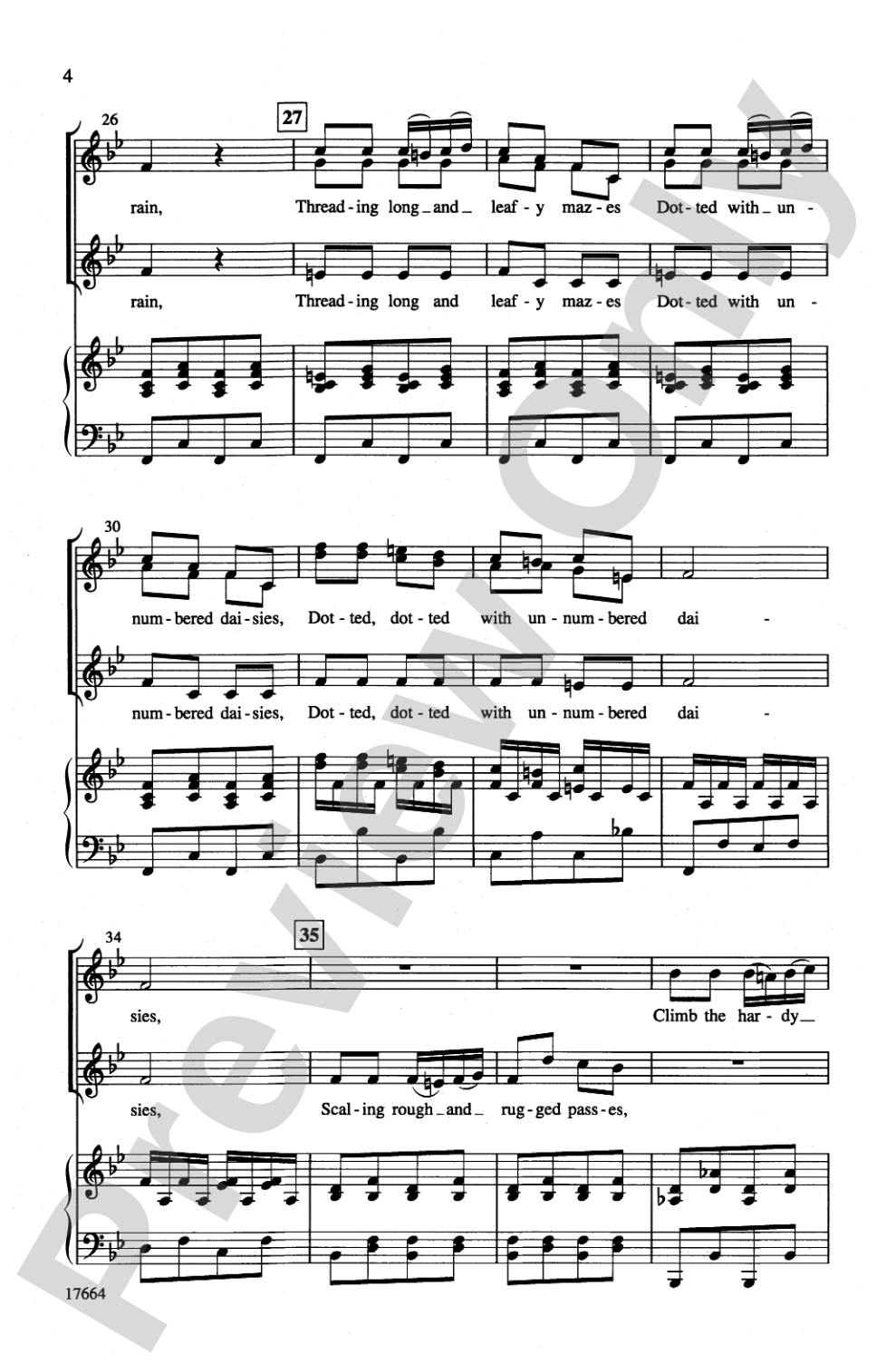

Climbing Over Rocky Mountain (from Gilbert & Sullivan's Pirates of Penzance): SSA Choral Octavo
From Pirates of Penzance by Gilbert & Sullivan
Arr. Sally K. Albrecht
Item: 00-PO-0002108
$2.25
Minimum order quantity: 20 copies
Pickup currently not available
Related Items
Climbing Over Rocky Mountain: SSA Choral Octavo |
$2.25
|
View |
Description
Well-edited chorus from one of Gilbert & Sullivan's most famous operettas. Optional solo for soprano or alto. Includes program notes in the publication.


Climbing Over Rocky Mountain (from Gilbert & Sullivan's Pirates of Penzance): SSA Choral Octavo isn't in MakeMusic Cloud just yet...but it could be. Let us know you'd like to see it, and you'll help shape what comes next. In the meantime, start a free trial and dive into thousands of interactive titles your students can play along with today.
Request This Title
Tell us you want it.
Start Your Free Trial
Explore everything that's ready to play right now.
Sample Audio
1
Audio File
--:--
0:00
0:00
Sample Video
No sample videos found.
Additional Details
Series:
Alfred Archive Edition: Alfred Choral Designs
Publisher:
Alfred Music
Page Count:
12
SKU:
00-PO-0002108
More about this title
About the Arranger: Sally K. Albrecht

Sally K. Albrecht has spent more than thirty years shaping choral music education as a composer, conductor, and arranger. Her prolific output includes over 600 choral works and 75 larger musicals and songbooks, with consistent recognition from ASCAP since 1987. She has led honor choirs at major venues including Lincoln Center, Carnegie Hall, and The Kennedy Center, and served as Director of School Choral, Vocal, and Elementary Publications for Alfred Music.
Albrecht holds degrees from Rollins College (B.A. in Music and Theater, 1976), the University of Miami (M.A. in Drama, 1977; M.M. in Accompanying, 1979), and has taught at Oakland University, Jersey City State College, and Meredith College. Her particular expertise lies in choral movement and staging. In 2021, she received the Distinguished Alumna Award from both the University of Miami Frost School of Music and Rollins College, where she serves on the Board of Trustees.
Why we love this
Albrecht's arrangement preserves the theatrical energy and melodic charm of this Gilbert & Sullivan staple while making it fully accessible for SSA ensembles. The optional solo gives you flexibility to feature a strong soprano or alto, or double the part if you prefer. Her decades of experience staging choral movement shine through the written guidance, transforming what could be a static arrangement into something genuinely performable with personality.
What to expect
Rollicking and mischievous, full of forward momentum and dramatic flair. The melody sits naturally in the voices, and the harmonic support lets each section shine without overwhelming complexity.
Who it's for
Treble choirs and ensembles seeking a genuine showstopper that doesn't demand operatic training. This works beautifully for groups with mixed ability levels because the arrangement maintains musicality while staying within comfortable ranges.
How to get the most out of it
- Lean into the comedic storytelling. This number thrives on wit and character; avoid overrefinement that deadens the text.
- Use the optional solo strategically. A confident, animated soloist elevates the whole moment, but the arrangement works equally well as a full ensemble number if that suits your cast.
- Follow the staging notes embedded in the score. They are not decoration; they are Albrecht's roadmap for bringing the piece to theatrical life.
- Shape the phrases with clear diction and rhythmic precision. The humor lands only when the words are crisp and the ensemble moves together.
How to use it
Place this in a Gilbert & Sullivan or musical theater concert to anchor your program with a recognized favorite. It also functions as a strong closer or second-to-last number, where its comedic energy sends the audience out with genuine joy.
Skills your students will build
- Singing with theatrical character and comedic timing
- Balancing ensemble blend with individual part independence
- Executing stage movement coordinated with singing
- Sustaining rhythmic precision through rapid text and melodic lines
- Interpreting program notes to deepen musical understanding