Cliffs of the North Shore Cover Image

Cliffs of the North Shore: String Orchestra Conductor Score

$7.00 USD
Sale price  $7.00 USD Regular price 
Skip to product information
Cliffs of the North Shore Cover Image

Cliffs of the North Shore: String Orchestra Conductor Score

By Michael Hopkins

Item: 36-50255263

$7.00
Shipped

One moment…

Description
This piece reflects the beauty and wonder of the amazing landscape of Upper Michigan's famed Pictured Rocks National Lakeshore. It focuses musically on legato, connected bowing throughout and rhythmic precision, especially on the sixteenth and thirty-second notes. Bring out the dynamic contrasts and swells for a dramatic effect. In the sections where the accompanimental texture is thick, there is an opportunity to learn balance that will help bring out the melody.

Cliffs of the North Shore: String Orchestra Conductor Score isn't in MakeMusic Cloud just yet...but it could be. Let us know you'd like to see it, and you'll help shape what comes next. In the meantime, start a free trial and dive into thousands of interactive titles your students can play along with today.

Sample Pages

No sample pages found.

Sample Audio
No sample audio found.
Sample Video
Additional Details
Series: LudwigMasters String Masters
Publisher: LudwigMasters
UPC: 604634453685
SKU: 36-50255263
Instrumentation: String Orchestra

More about this title

About the Composer: Michael Hopkins
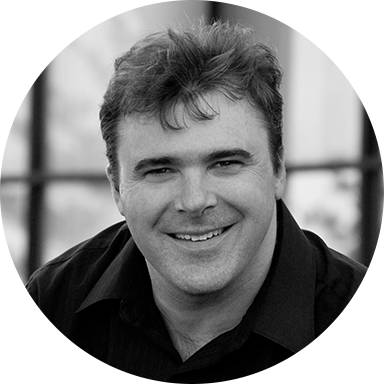
Michael Hopkins

Michael Hopkins leads the music education program at the University of Michigan, where he teaches orchestral methods, string pedagogy, and music research. His career spans conducting university orchestras, directing secondary school ensembles in multiple states, and founding the Burlington Chamber Orchestra, roles that have shaped his deep understanding of what string players need to grow.

Hopkins has presented over 60 times at national and state conferences on string education and music technology, published research in journals including the Journal of Research in Music Education and American String Teacher, and written The Art of String Teaching, a comprehensive resource for orchestra educators at every level. His catalog includes more than 70 published compositions and arrangements for strings, each grounded in his firsthand experience teaching and conducting.

Why we love this

A composer writing for string orchestras understands exactly what Grade 4 players can execute and what will challenge them in productive ways. Hopkins balances technical demand with musical purpose here: the legato and rhythmic precision aren't exercises in disguise but genuine musical requirements that bring the Pictured Rocks landscape to life. The piece rewards careful dynamic shaping and ensemble listening, skills your students will carry into every piece they encounter.

What to expect

The music captures both the grandeur and quiet contemplation of shoreline landscapes, with sweeping dynamic arcs and moments of crystalline simplicity. Legato bowing creates a sustained, singing quality that asks string players to think of themselves as vocalists, while rhythmic precision in the faster passages adds urgency and clarity.

Who it's for

String orchestras at the Grade 4 level seeking repertoire that develops musicianship alongside technical skills. Directors programming for regional competitions or spring festivals will find a piece that balances dramatic impact with pedagogical clarity.

How to get the most out of it

  • Shape the legato passages with subtle dynamic swells rather than constant bow pressure. The connected sound should breathe and respond to the harmonic movement, not sit at a single level.
  • Isolate the sixteenth and thirty-second note figures in sectional rehearsals. Drill them metronomically first, then connect them back to the phrase shape so students hear the precision as part of musical expression, not a technical hurdle.
  • When the accompaniment thickens, mark balance rehearsals where you deliberately bring the melody line out by pulling back the harmonic texture. Ask students to listen for and follow the primary voice as a unified ensemble.
  • Record a performance partway through rehearsals and listen as a group. Student conductors and musicians often hear dynamic imbalance or uneven rhythm more clearly on playback than they feel it in the moment.

How to use it

Pair this with a shorter, lighter opener and a contrasting fast piece to round out a concert that showcases your orchestra's range. The scenic inspiration makes it an excellent choice for a spring performance after students have built technical facility, and its festival credentials mean it works equally well for competition preparation.

Skills your students will build

  • Legato bowing with dynamic control and phrasing
  • Reading and executing sixteenth and thirty-second note rhythms with precision
  • Balance and voice leading in thick accompaniment textures
  • Dynamic contrast and swell technique for dramatic effect
  • Ensemble listening and intonation in sustained harmonic passages

You May Also Like