

Clerambault: Organ Book: Organ Book
By Louis-Nicolas Clerambault
Item: 00-PK-0002998

$8.99
Pickup currently not available
Buy Extra Parts (Digital PDF Download)
| Product | Price | Quantity |
|---|---|---|
| Clerambault: Organ Book | $0.99 | |
| Clerambault: Organ Book | $0.99 | |
| Clerambault: Organ Book | $0.99 | |
| Clerambault: Organ Book | $0.99 | |
| Clerambault: Organ Book | $0.99 | |
| Clerambault: Organ Book | $0.99 | |
| Clerambault: Organ Book | $0.99 | |
| Clerambault: Organ Book | $0.99 | |
| Clerambault: Organ Book | $0.99 | |
| Clerambault: Organ Book | $0.99 | |
| Clerambault: Organ Book | $0.99 | |
| Clerambault: Organ Book | $0.99 | |
| Clerambault: Organ Book | $0.99 | |
| Clerambault: Organ Book | $0.99 |
Parts Added to Cart!
Related Items
First Organ Book: Organ Book |
$8.95
|
View |
Description
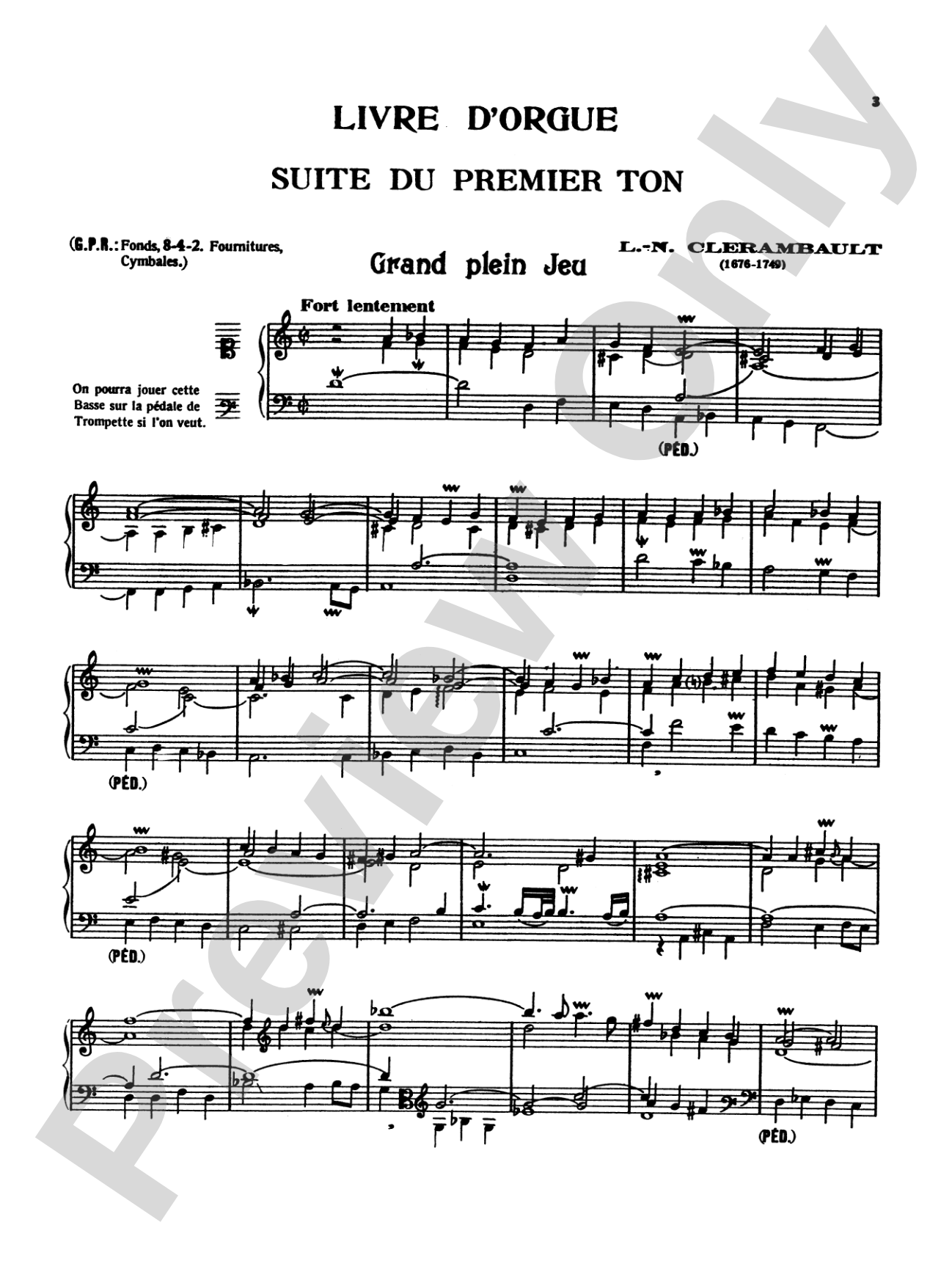
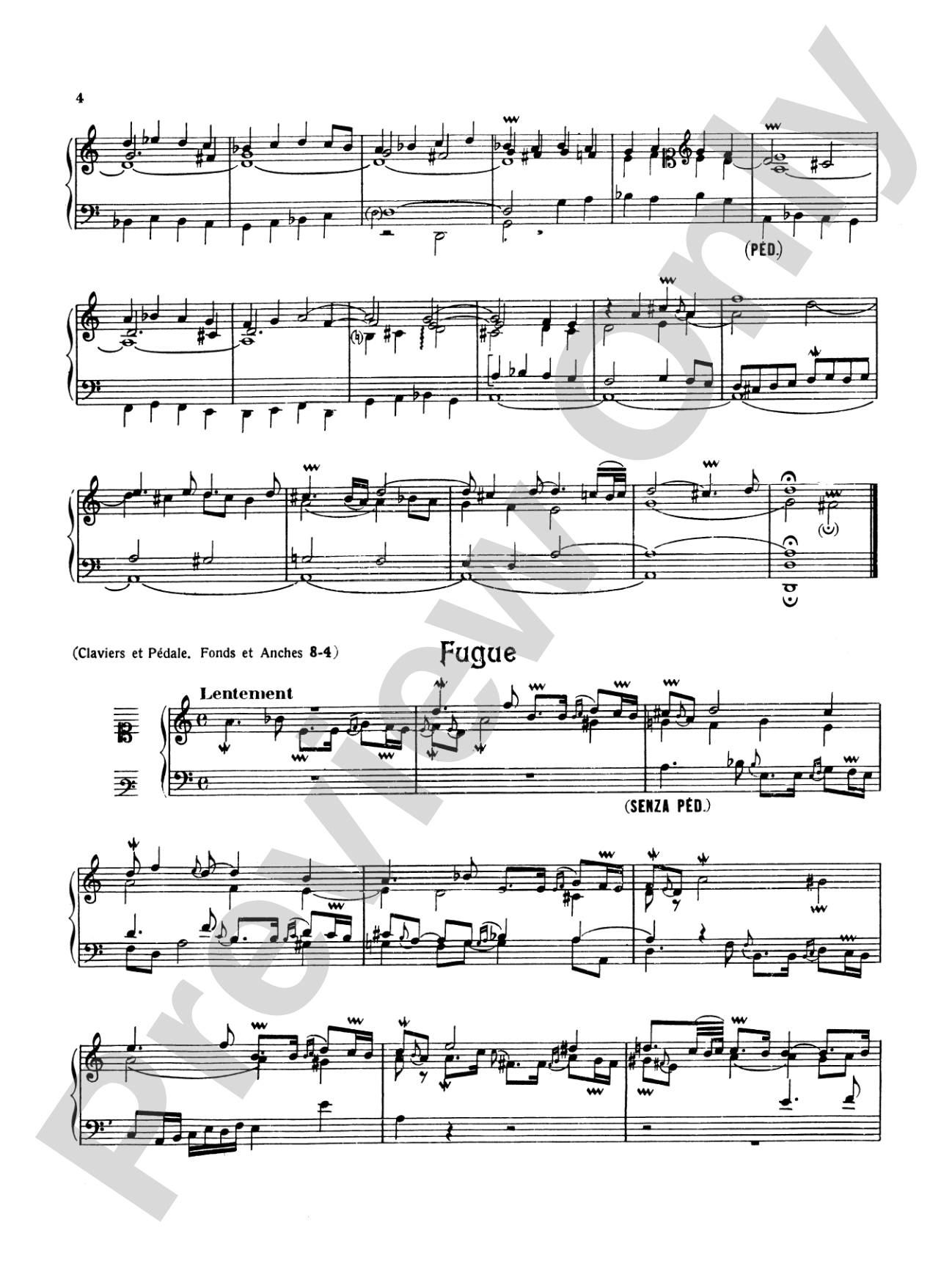
Titles: Suite Du Premier Ton: Grand plein Jeu * Fugue * Duo * Trio * Basse et Dessus de Trompette ou de cornet séparé, en dialogue * Récits de Chromorne et de cornet séparé, en dialogue * Dialogue sur les grands Jeux. Suite Du Deuxième Ton: Plein Jeu * Duo * Trio * Basse de Cromorne * Flutes * Récit de Nazard * Caprice sur les grands Jeux.


Don't just read it, hear it, play along with it, and watch your students grow with it. In MakeMusic Cloud, Clerambault: Organ Book: Organ Book comes alive with professional accompaniment, adjustable tempo, and built-in practice tools that turn solo practice into real progress.
Open in the Player
Jump straight in and assign it today.
Start Your Free Trial
Open this title and explore the full library in minutes.
Sample Audio
No sample audio found.
Sample Video
No sample videos found.
Additional Details
Series:
Kalmus Edition
Publisher:
Alfred Music
Page Count:
32
SKU:
00-PK-0002998
More about this title
About the Composer: Louis-Nicolas Clerambault
Louis-Nicolas Clerambault (1676, 1749) was a French Baroque composer and organist whose keyboard works shaped the French organ school. He served as organist at the church of Saint-Sulpice in Paris, where he developed and performed much of his repertoire. His organ suites became foundational teaching material throughout France and established conventions for multi-movement keyboard works that influenced generations of organists.
Clerambault's writing for the organ demonstrates sophisticated command of registration and dialogue writing. His suites exploit the full range of the Baroque pipe organ, balancing full ensemble sections with intimate solo passages. These works remain essential to any organist's study of French Baroque keyboard literature.
Why we love this
These suites represent the French Baroque organ tradition at its most purposeful. Rather than abstract instrumental pieces, Clerambault wrote functional music for church service that still demands serious musicianship, the dialogue movements require clear voice leading, the full sections demand sweep and confidence, and the ornamental movements test your ability to shape rhetorical phrases. An organist working through this collection gains exposure to authentic registration thinking and the narrative arc that multi-movement French suites require.
What to expect
Grand and ceremonial in its opening movements, then intimate and conversational as the music shifts between solo and dialogue textures. There is a sense of architectural clarity throughout, with each movement fitting logically into its tonal framework while maintaining genuine melodic appeal and harmonic interest.
Who it's for
Organists preparing recital or church repertoire who want to deepen their understanding of French Baroque style and registration practice. Advanced students and professionals working toward broader command of the keyboard literature will find both technical challenge and historical insight in these suites.
How to get the most out of it
- Approach registration as integral to form. Each movement specifies stops or stop combinations (Plein Jeu, Cromorne, Flutes, etc.); honor these indications as compositional decisions rather than mere decorative choices.
- Balance the dialogue movements carefully. Works like the 'Basse et Dessus de Trompette en dialogue' require one hand on each manual to maintain textural clarity and independence between the voices.
- Shape the fugal material with clear voices. The counterpoint in movements like the opening Fugue of the First Suite benefits from controlled articulation that lets each line breathe without sacrificing forward motion.
- Use the duo and trio movements to explore color contrast. Rather than repeating identical registration throughout, consider subtle variations that maintain unity while refreshing the listener's ear.
How to use it
Use individual movements or complete suites as centerpieces for recitals focused on French Baroque keyboard music, or pair them with works by Franck or Widor to show the historical continuum of the French organ tradition. A single movement works effectively on a church service program, particularly the ceremonial openings or the more intimate trio textures.
Skills your students will build
- French Baroque ornamentation and articulation
- Manual independence and two-manual playing technique
- Reading and interpreting stop indications (registration)
- Counterpoint writing for keyboard with distinct textural layers
- Period-appropriate phrasing across multiple tonal centers within a suite