
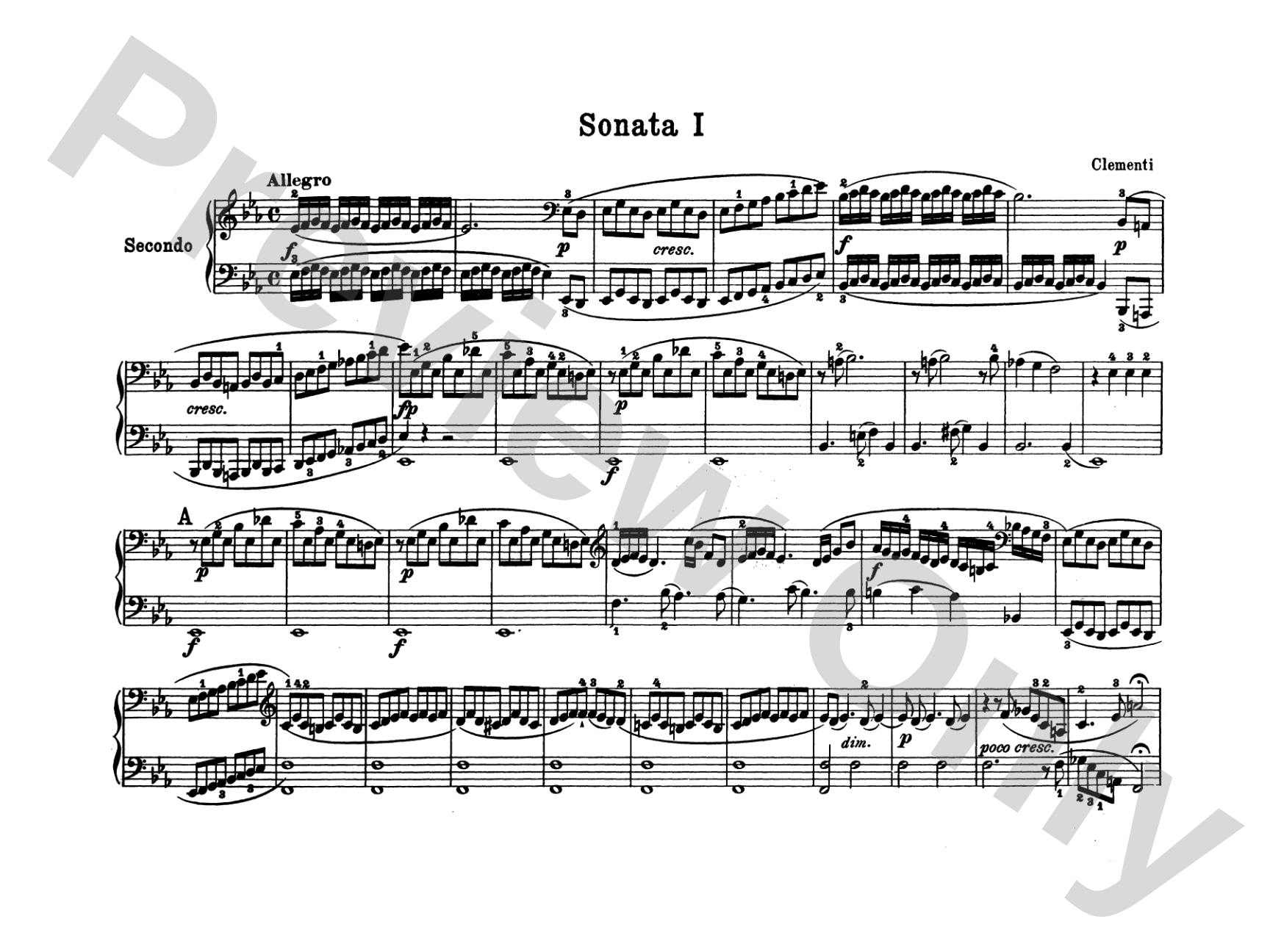
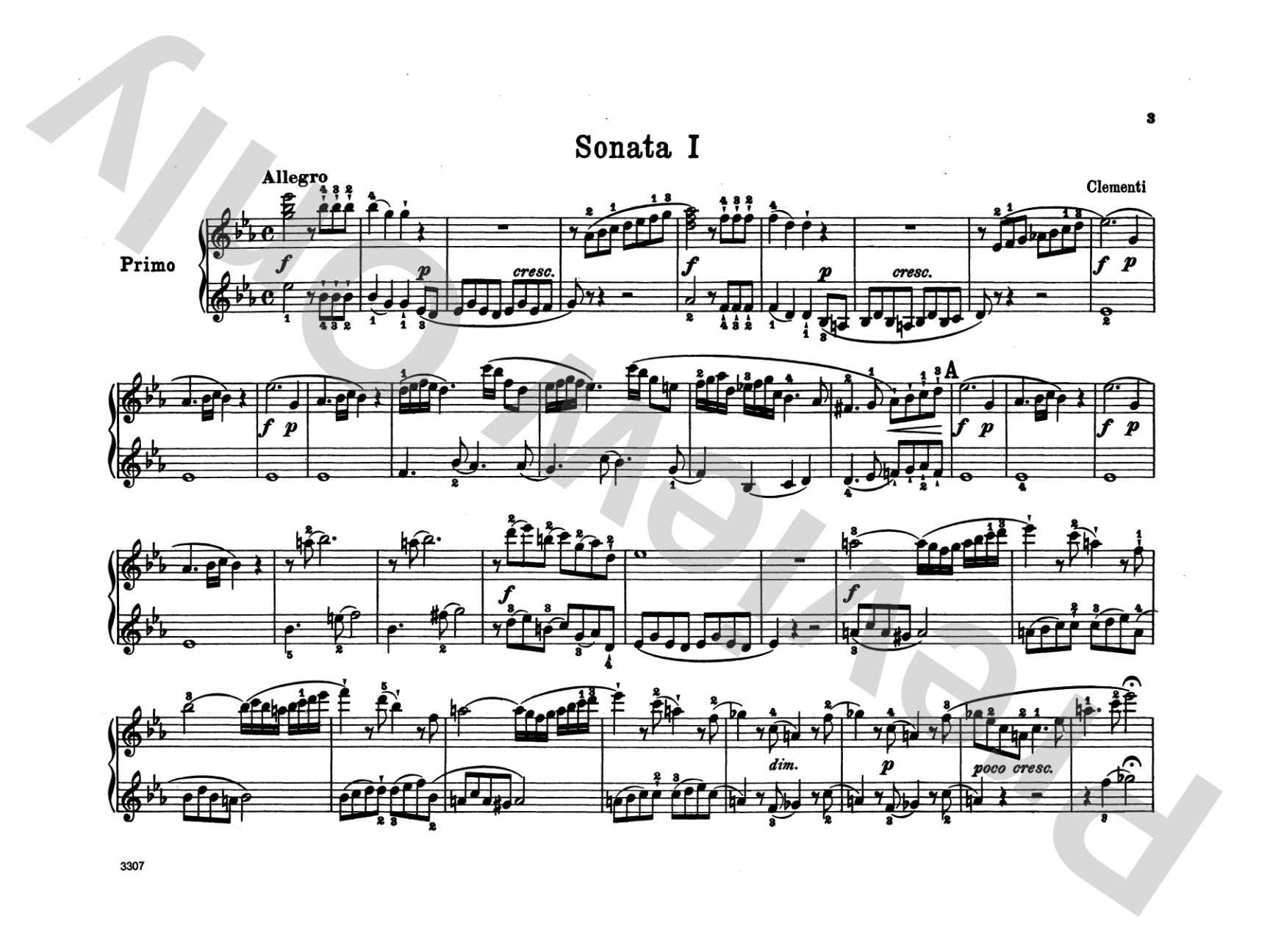
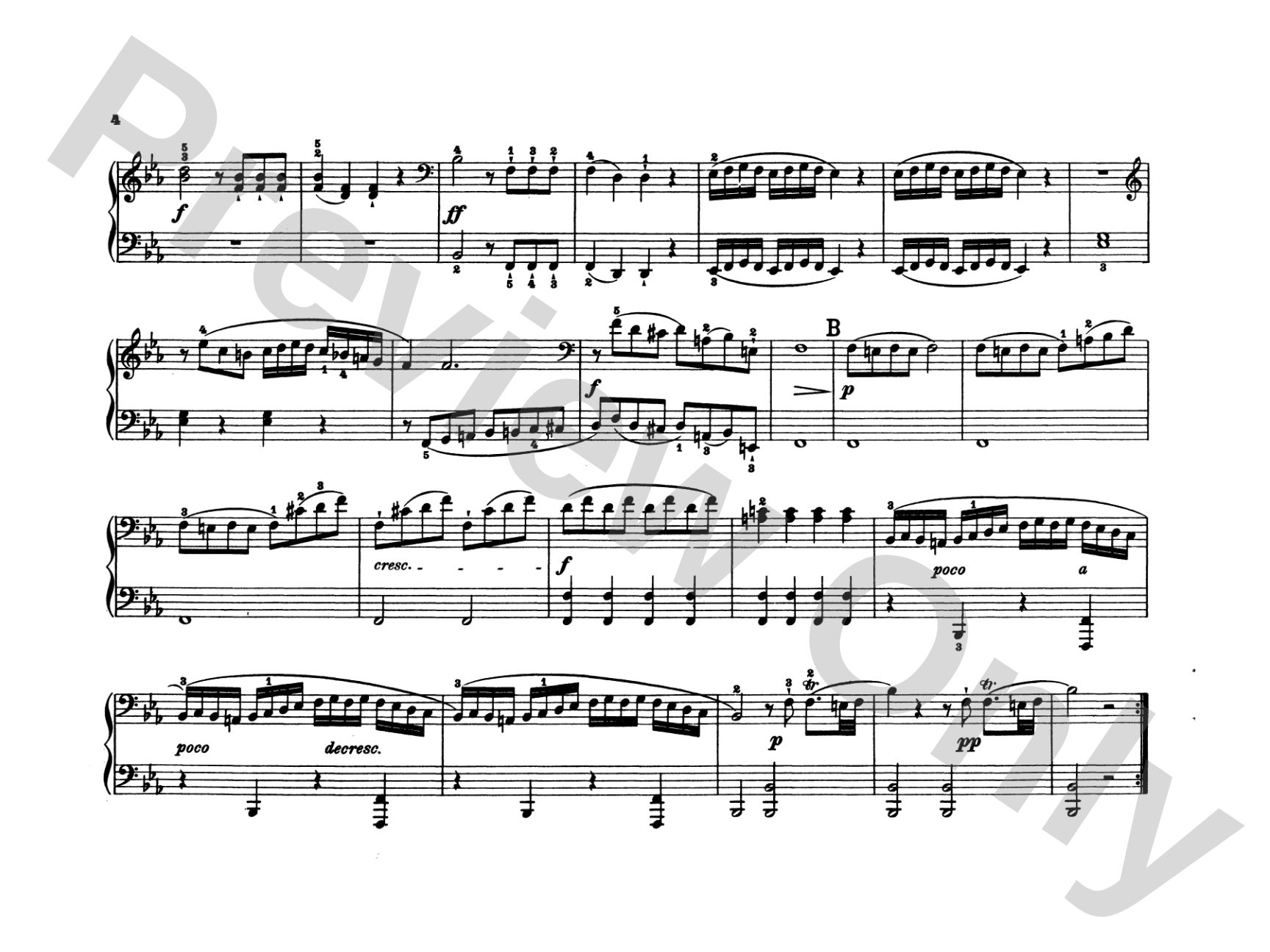
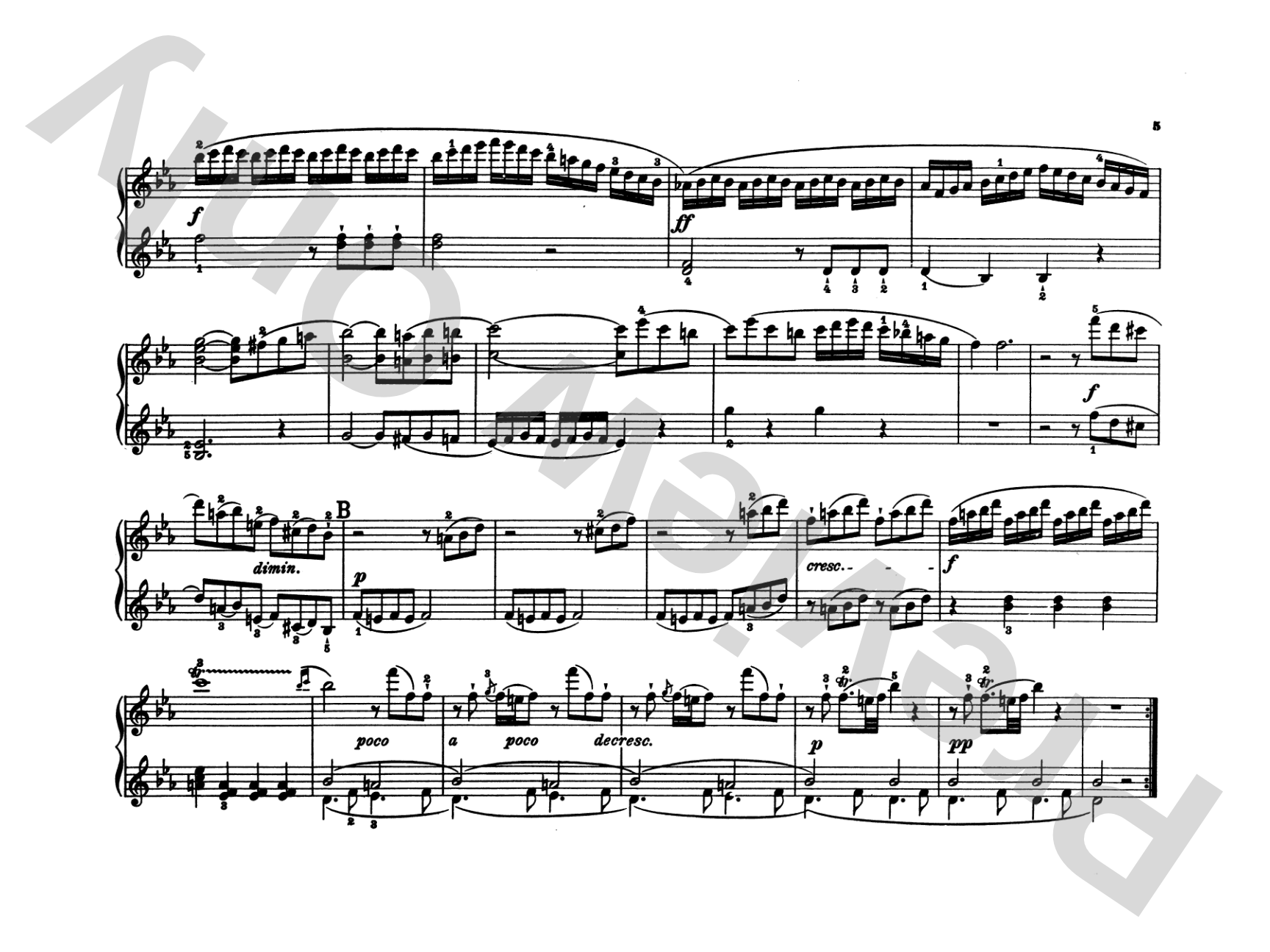
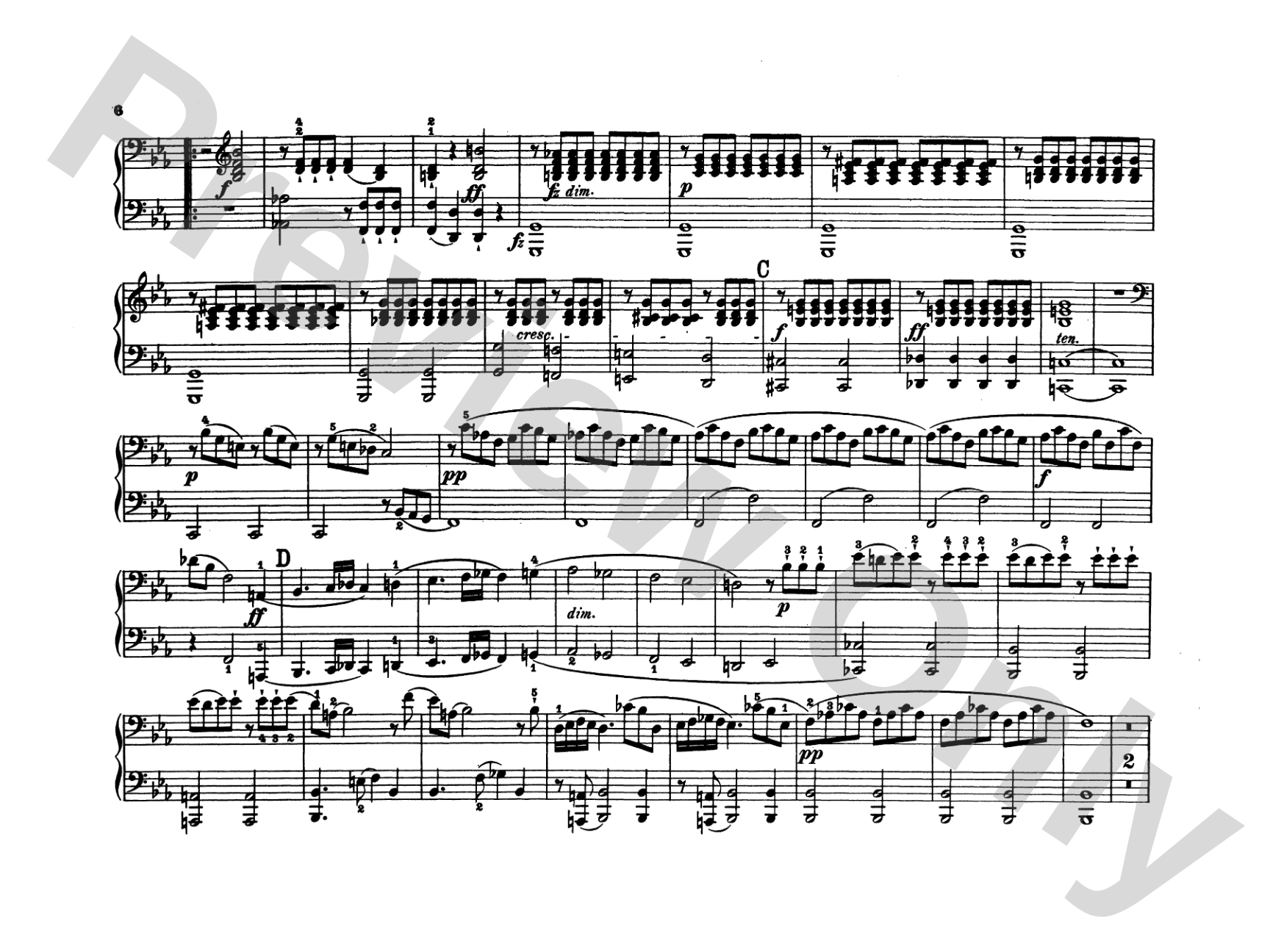
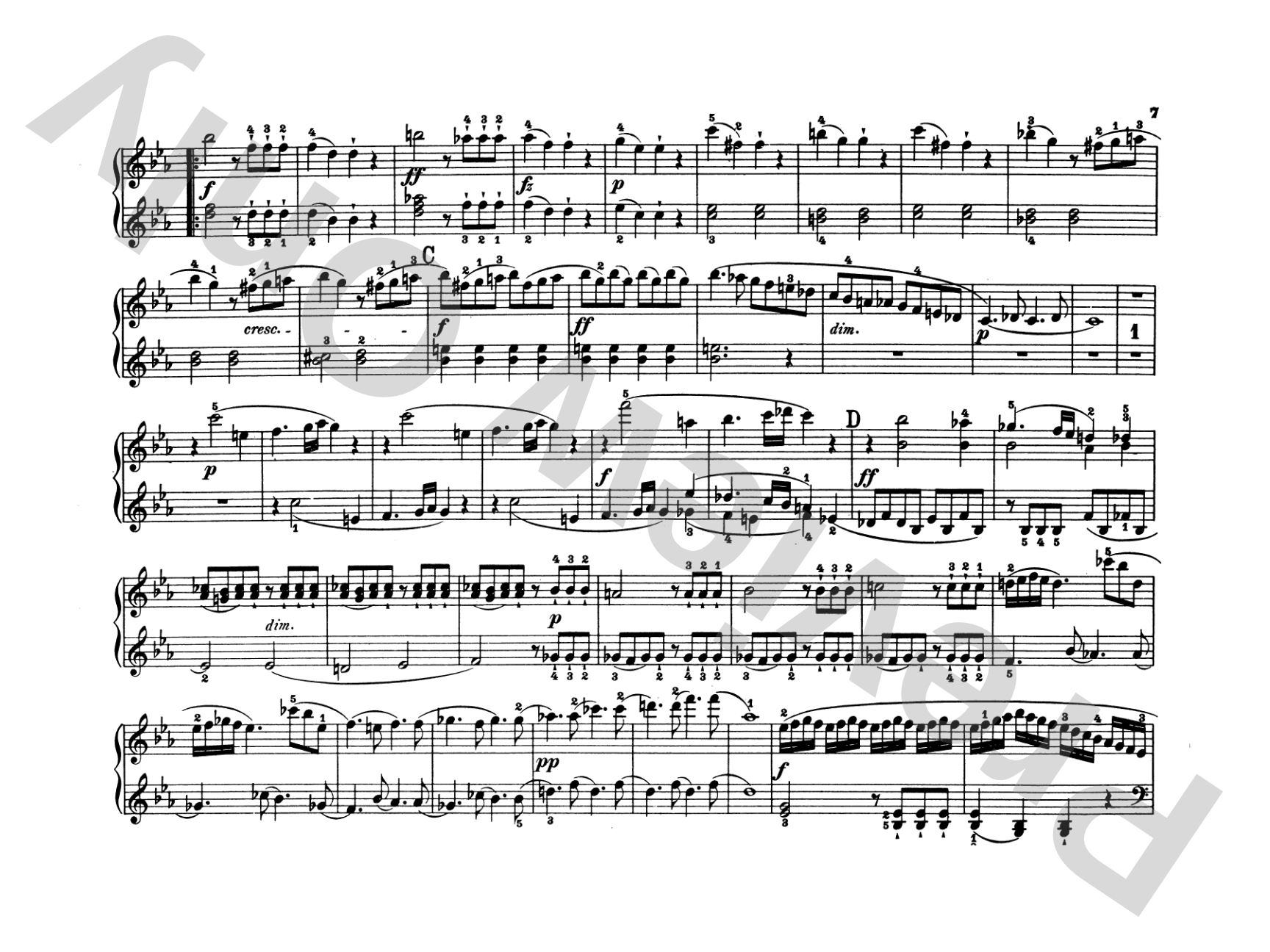
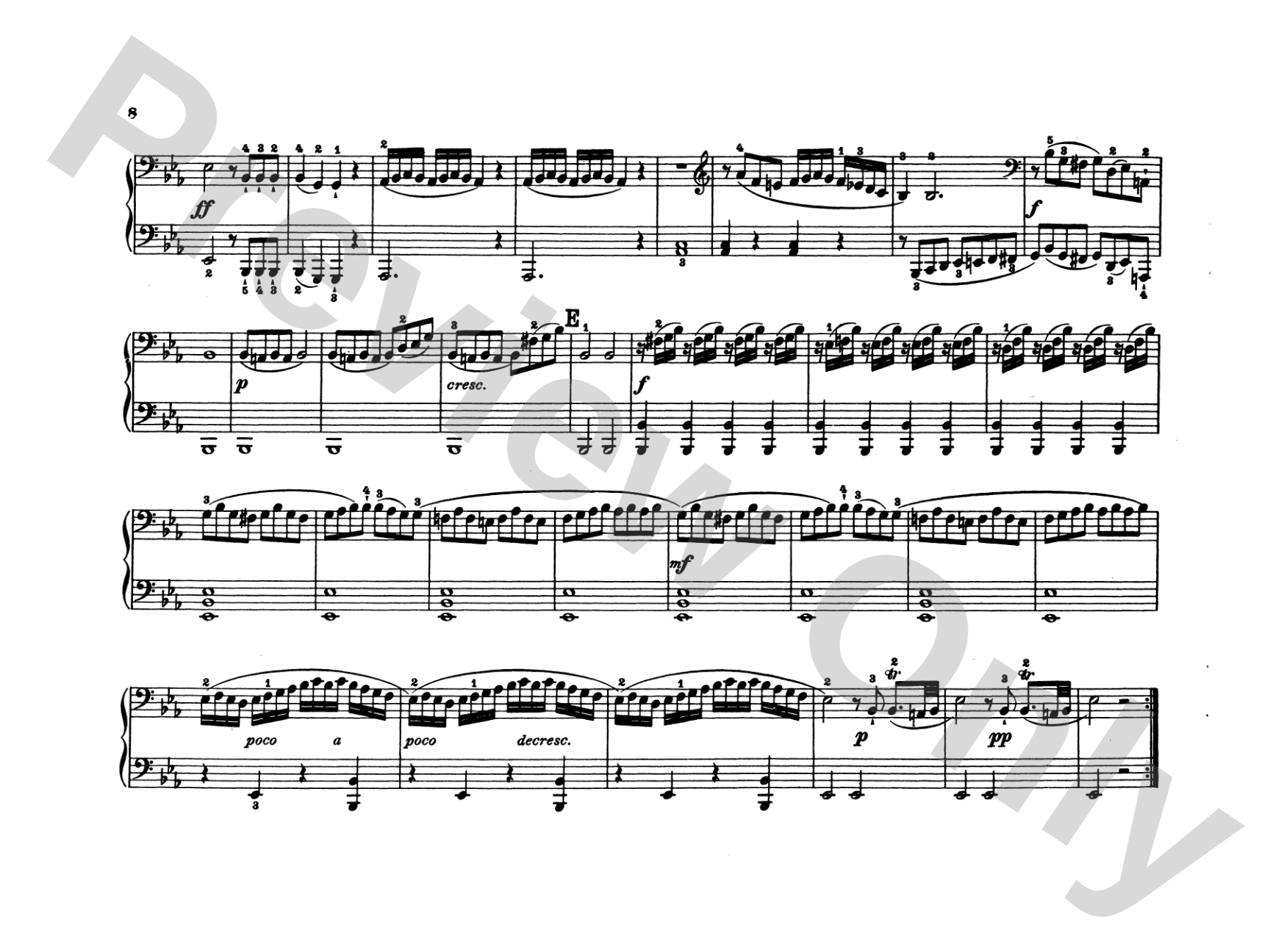
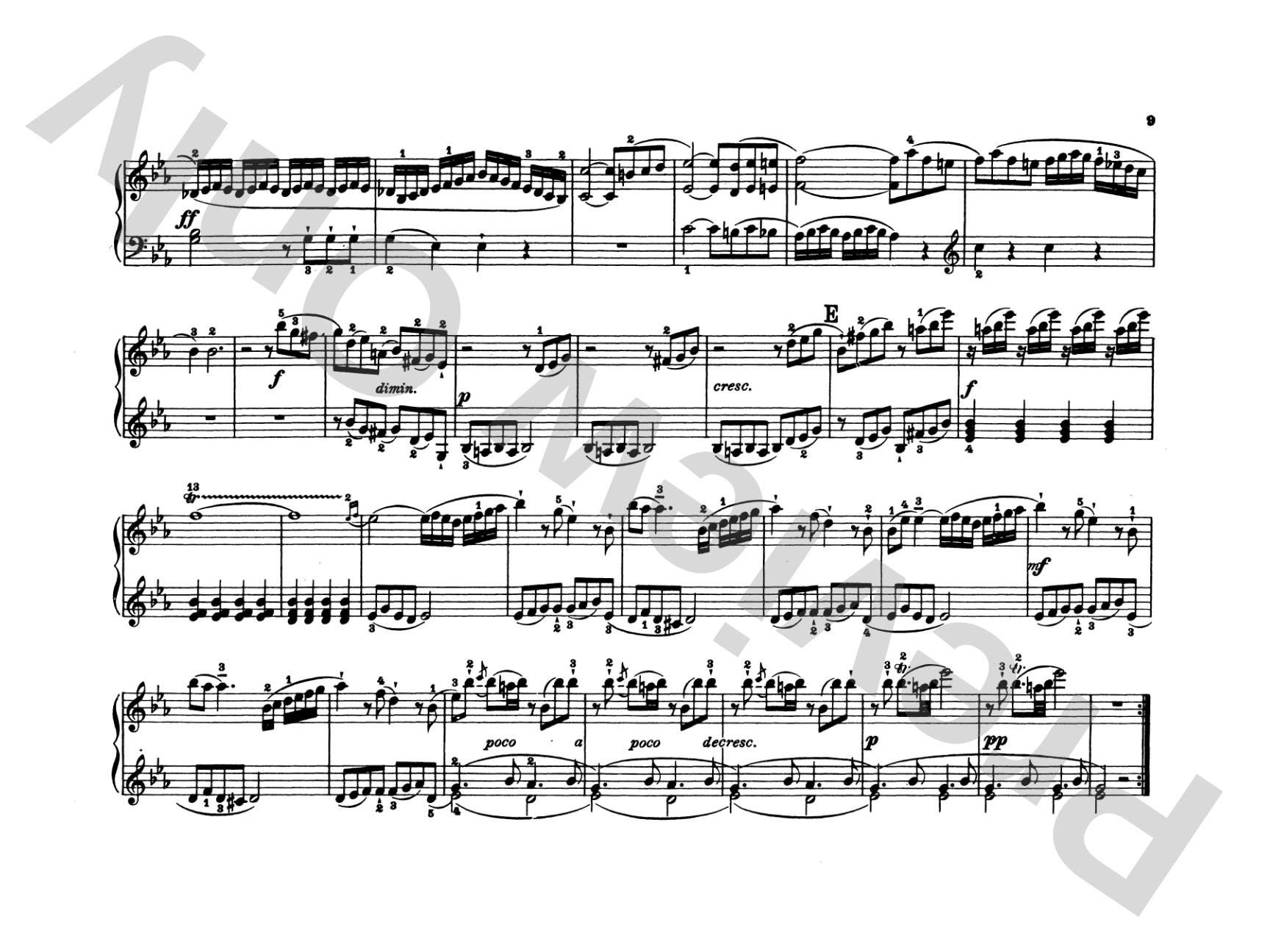
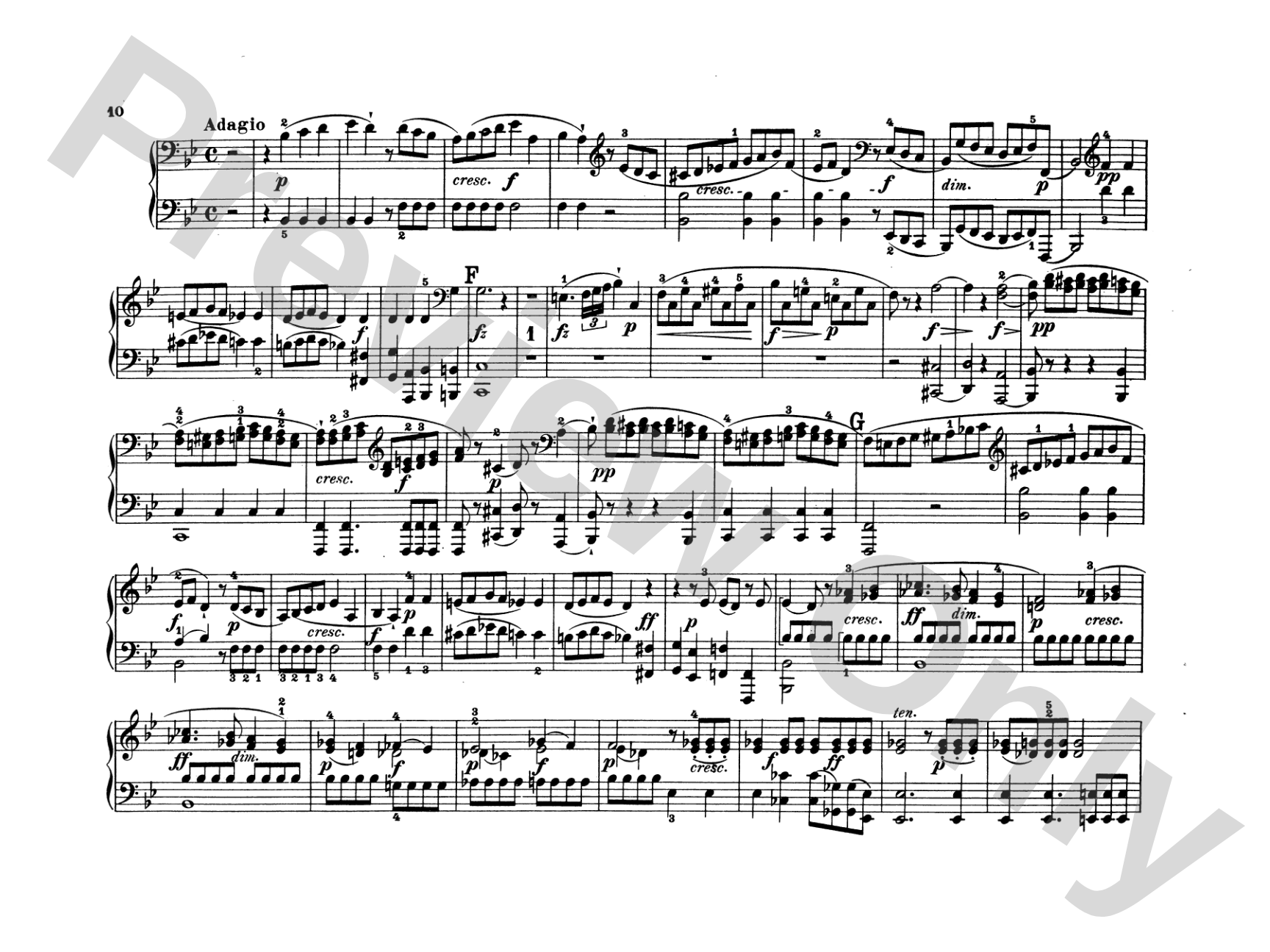
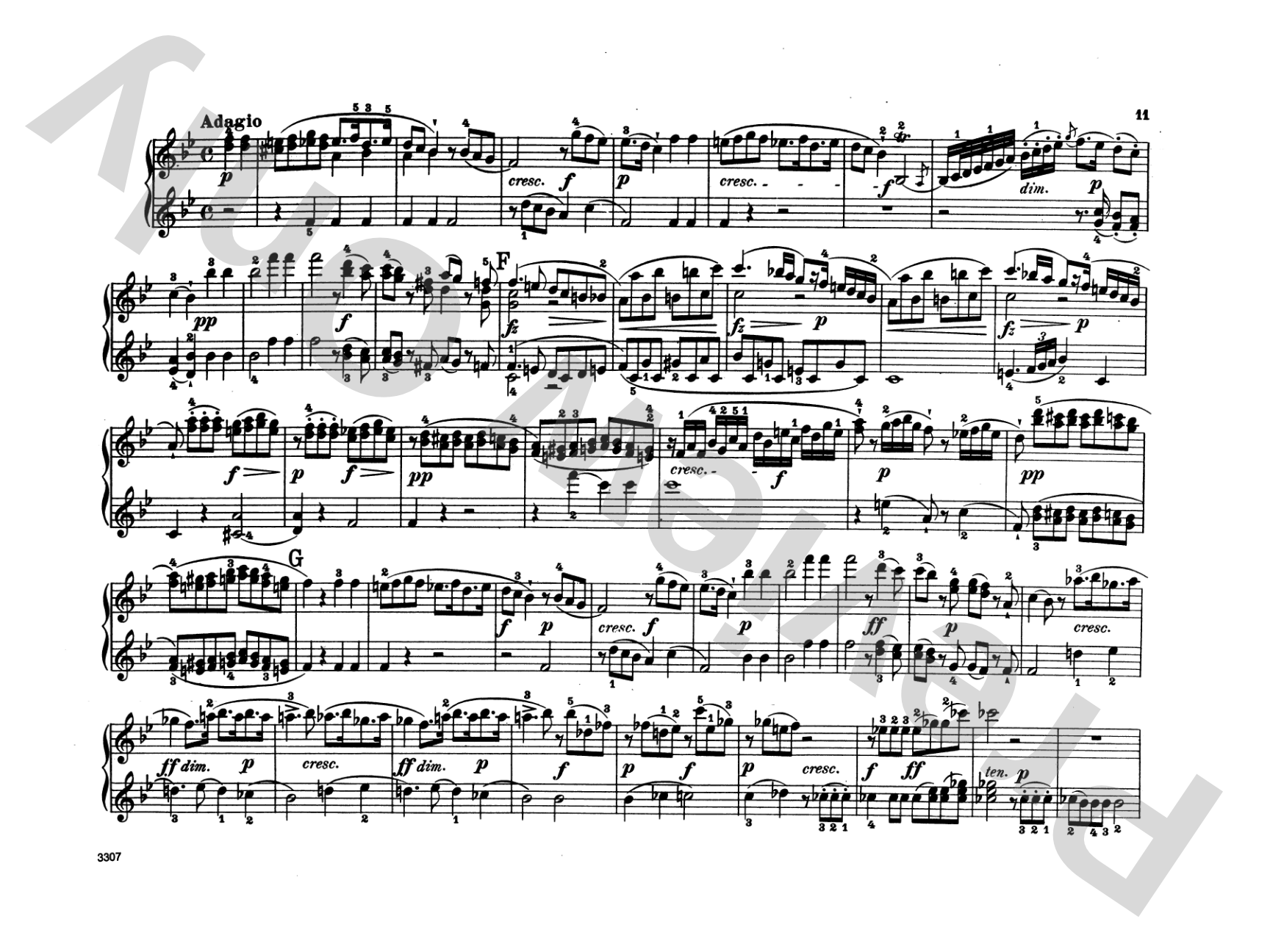
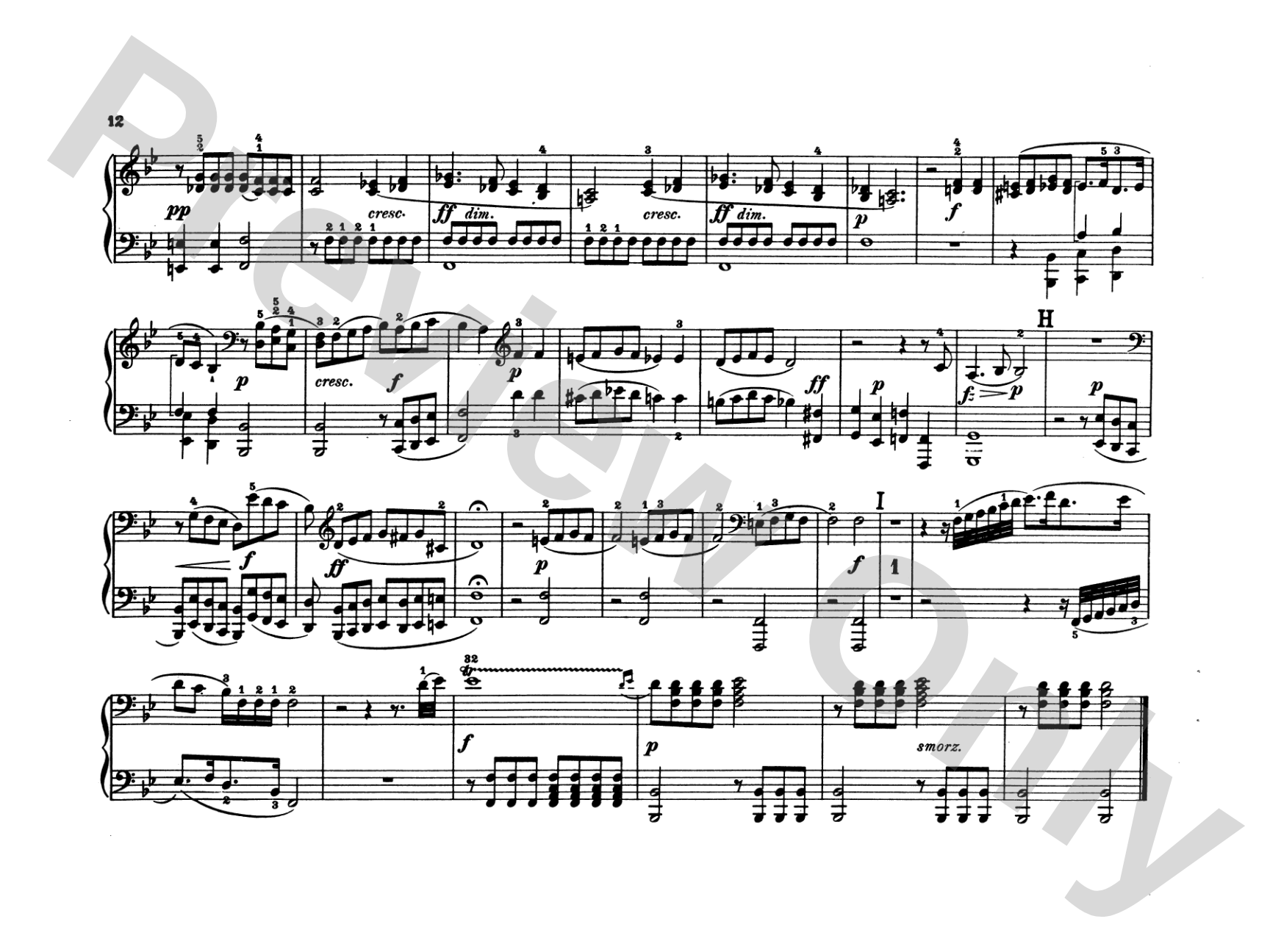
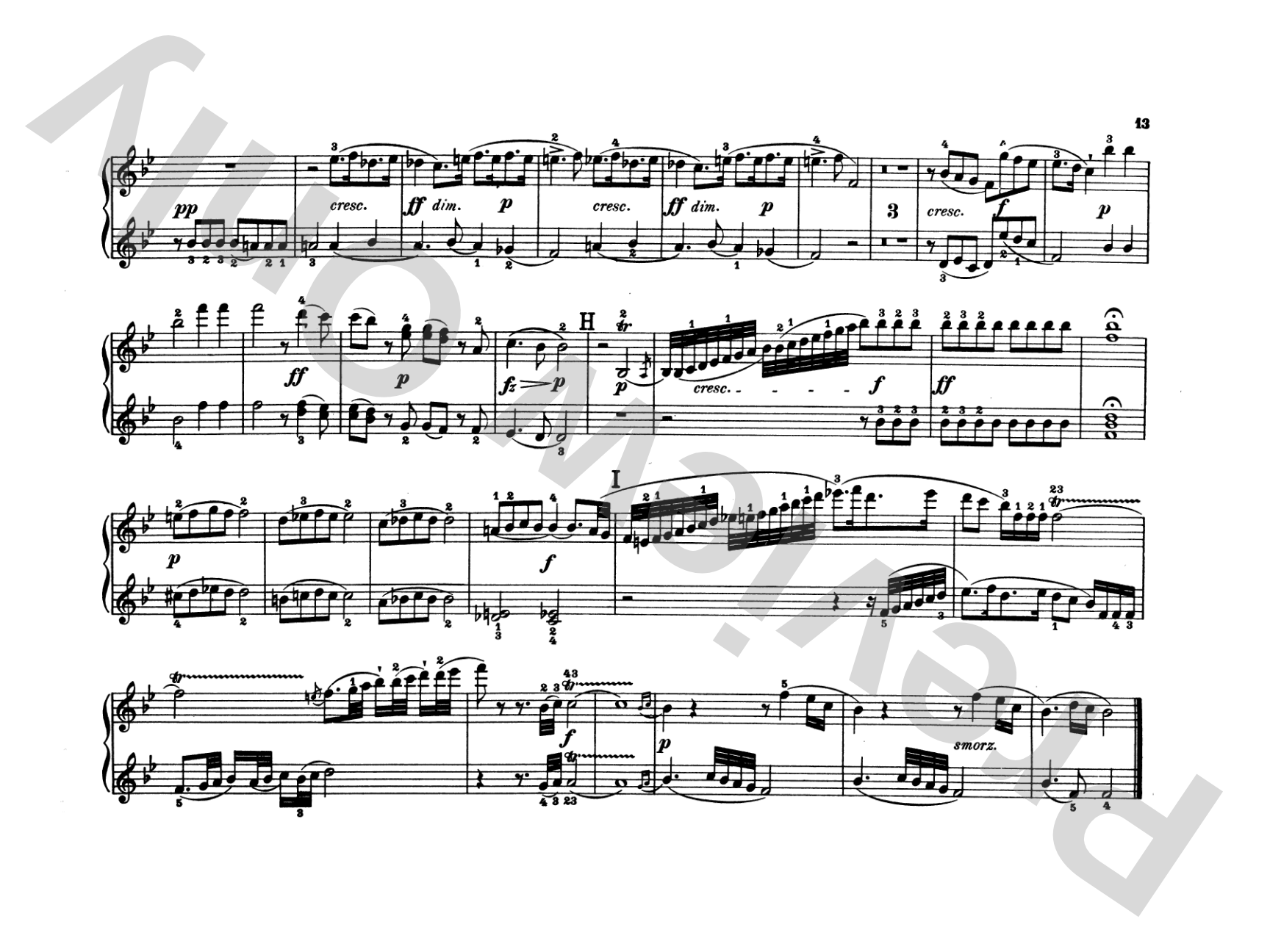
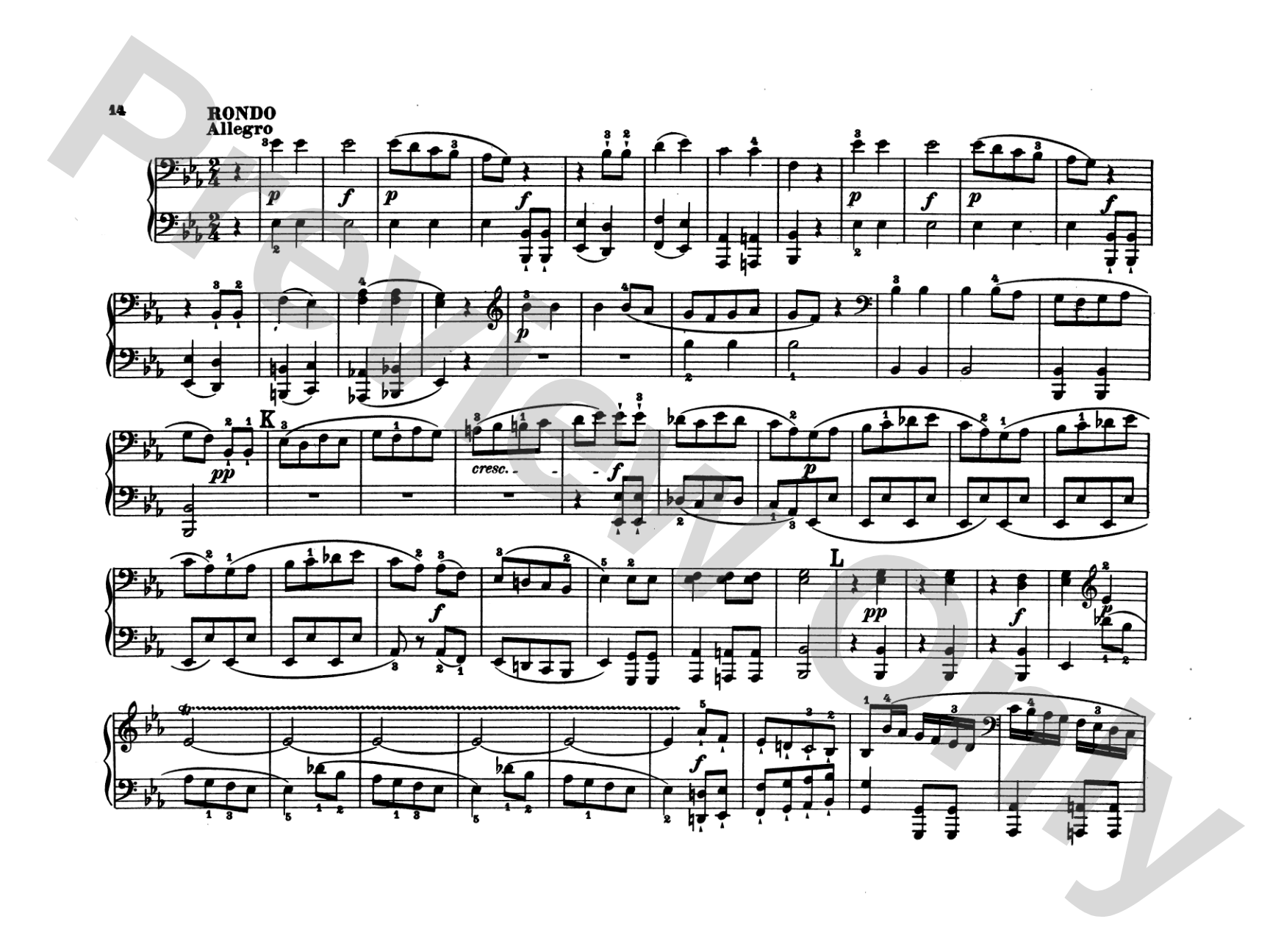
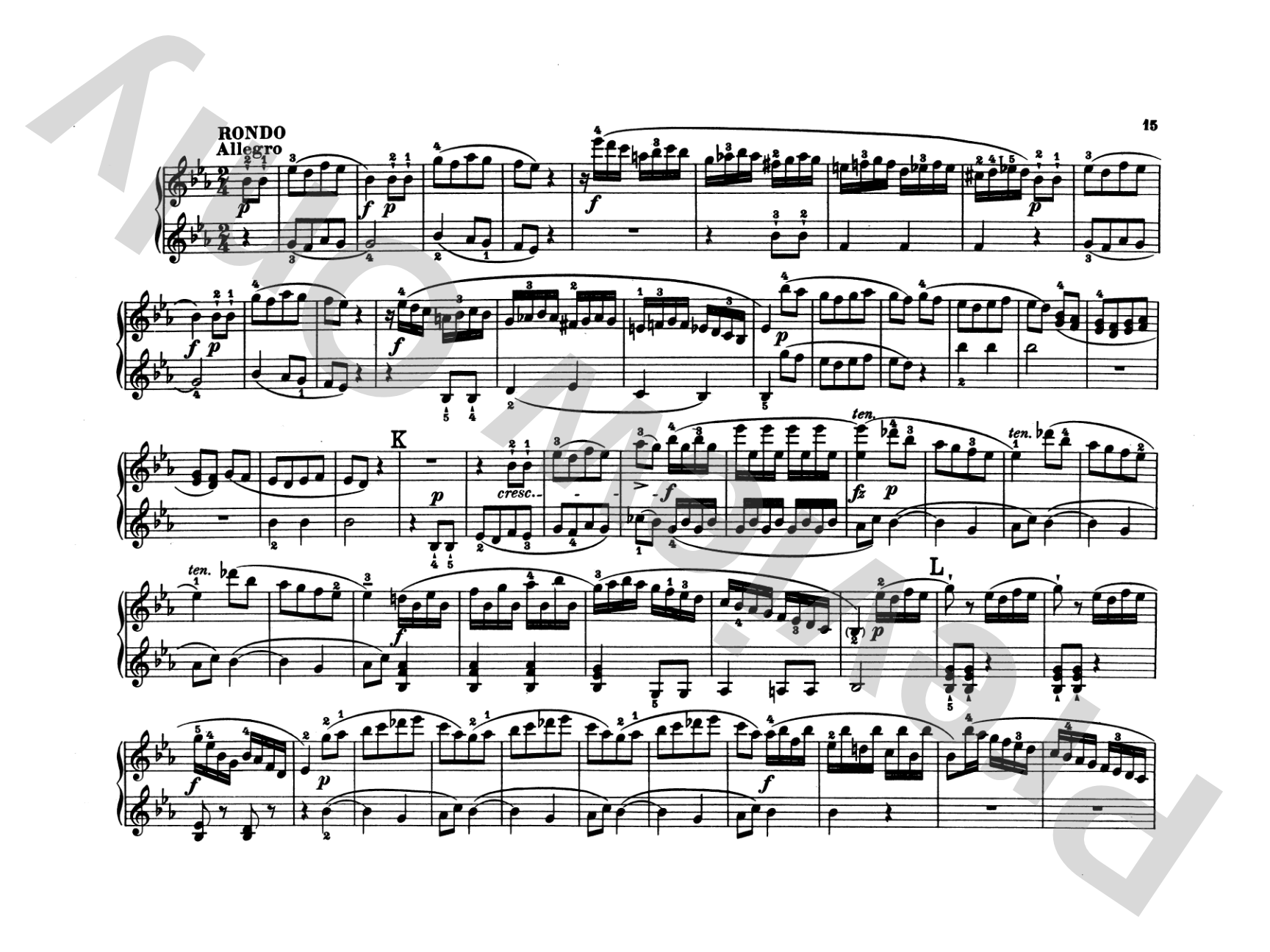
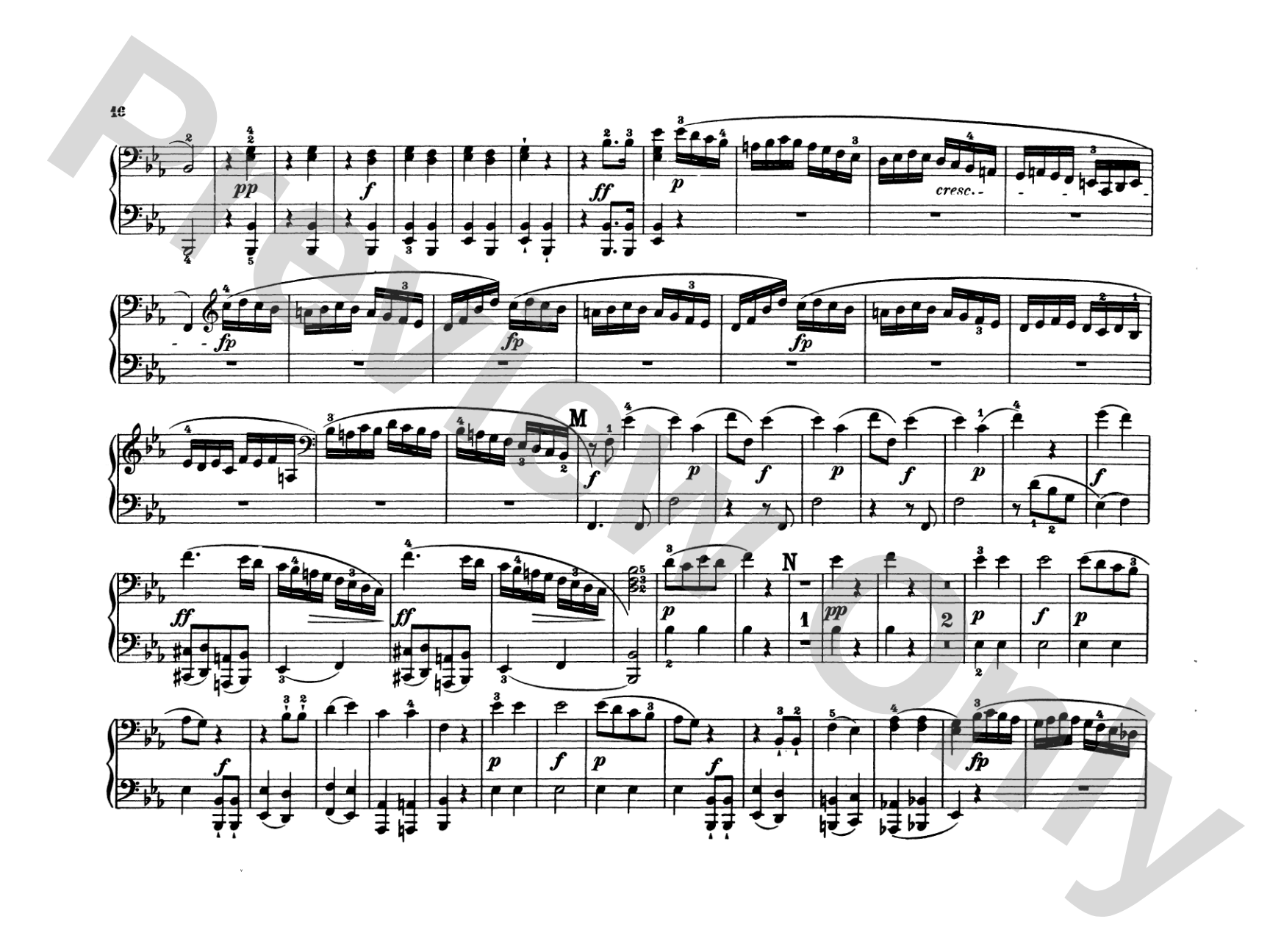
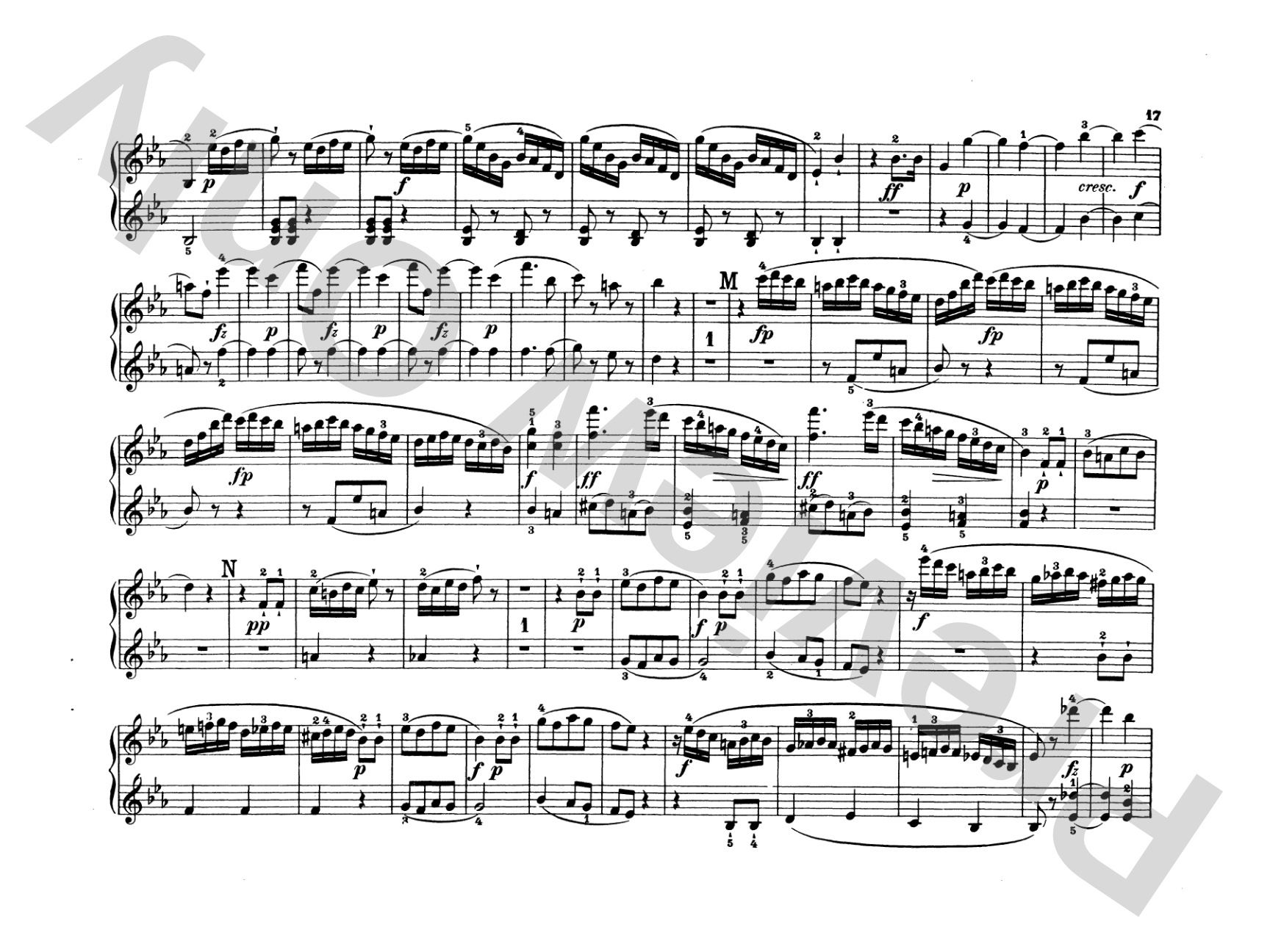
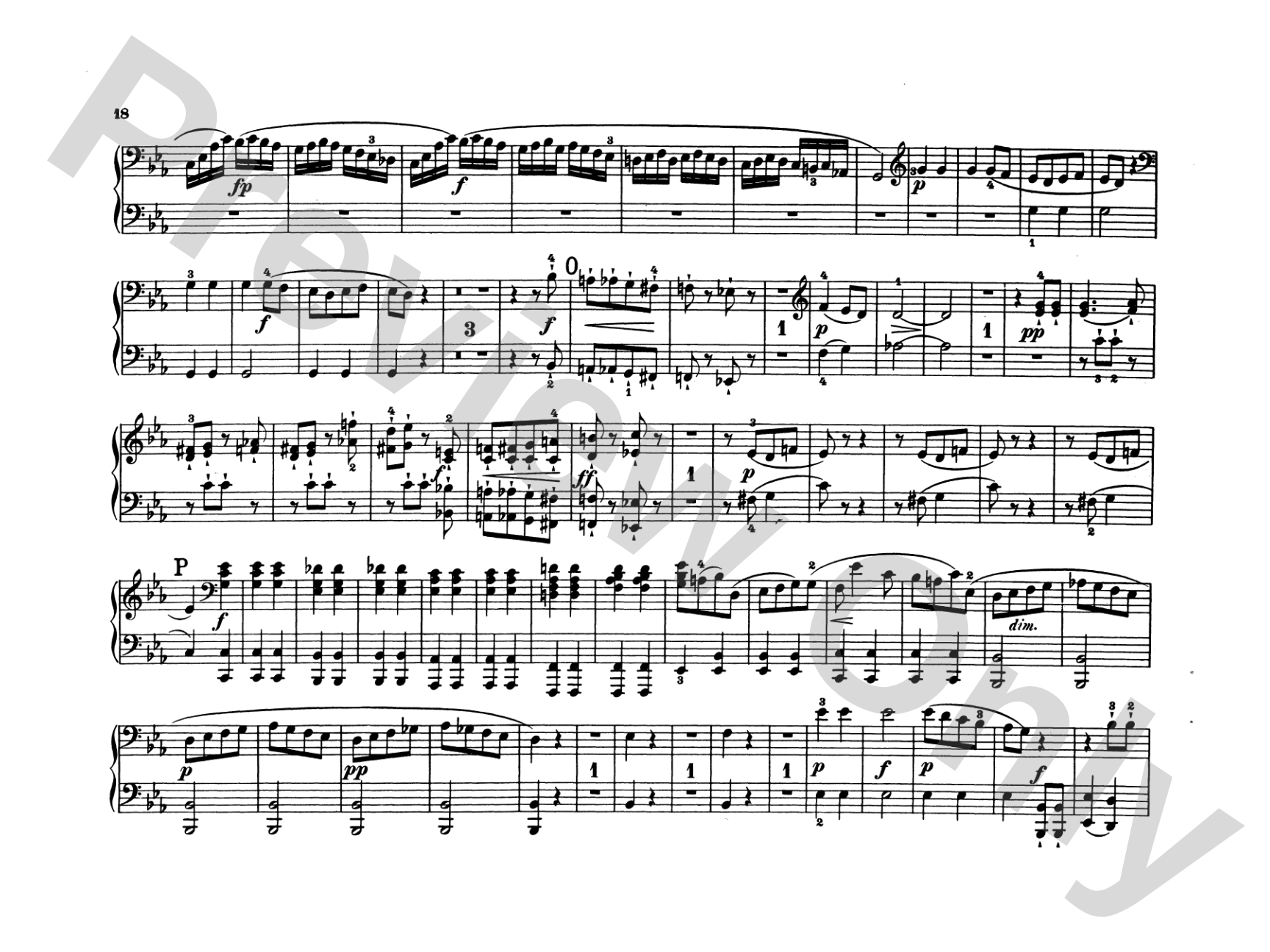
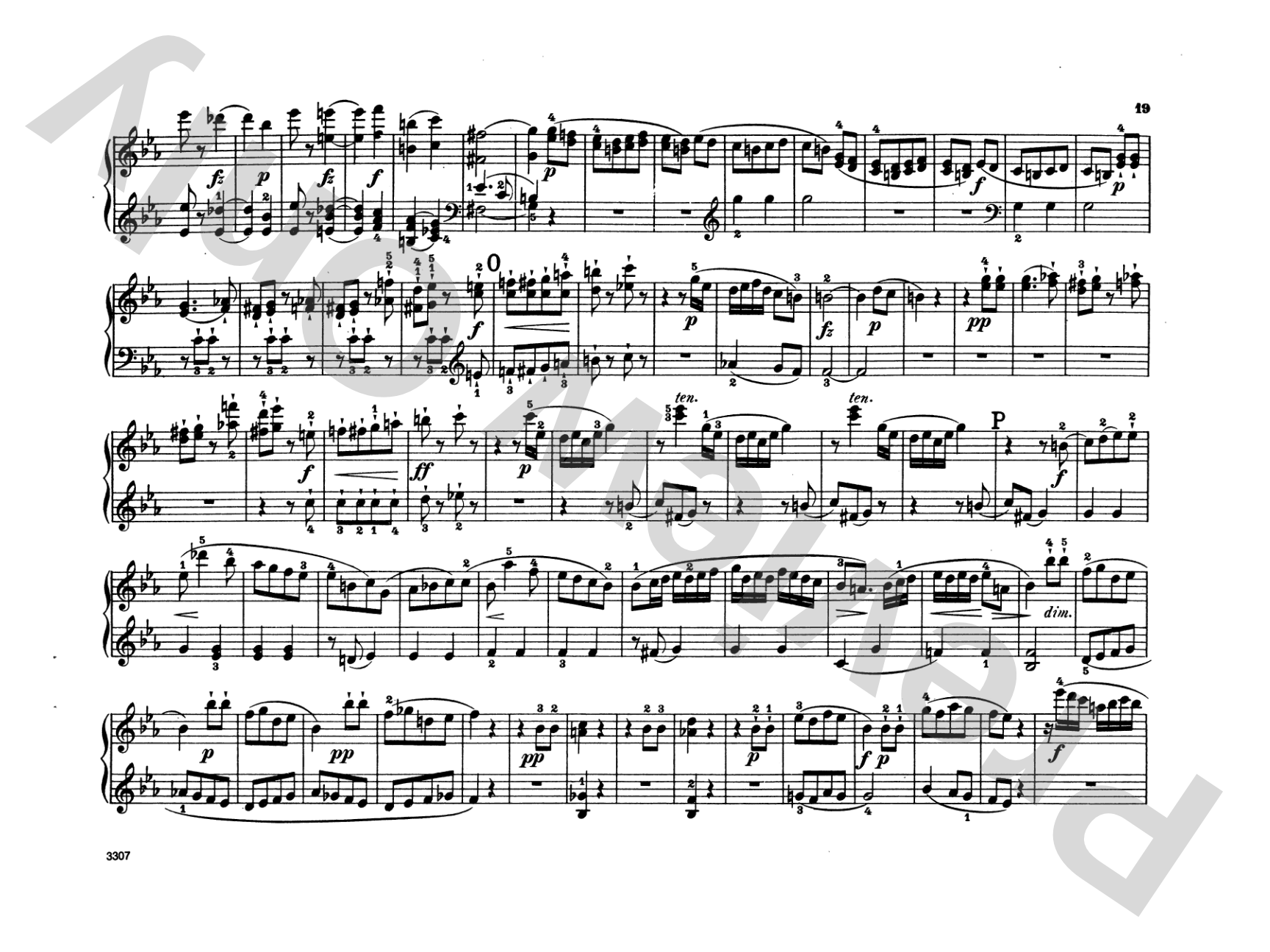
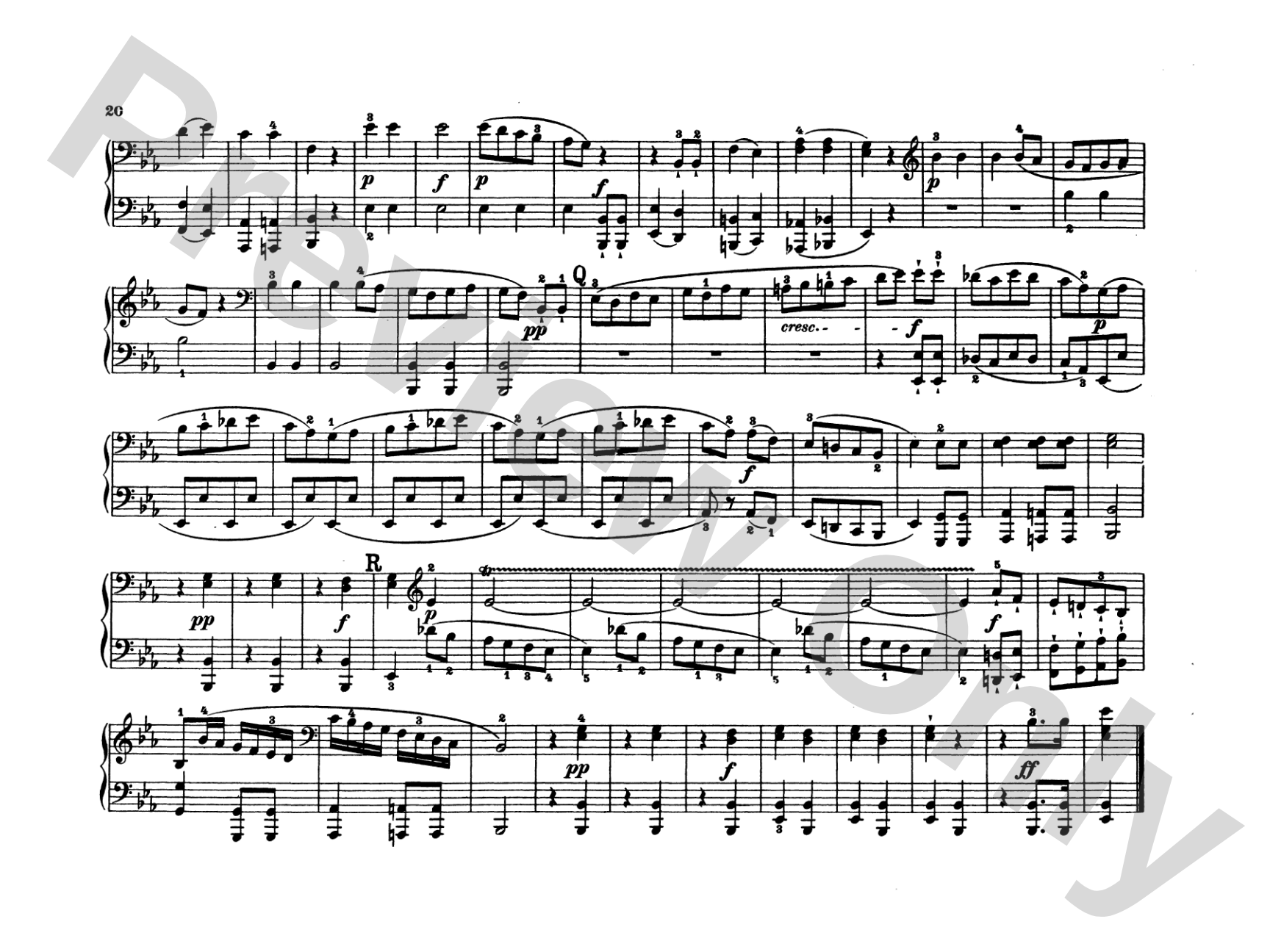
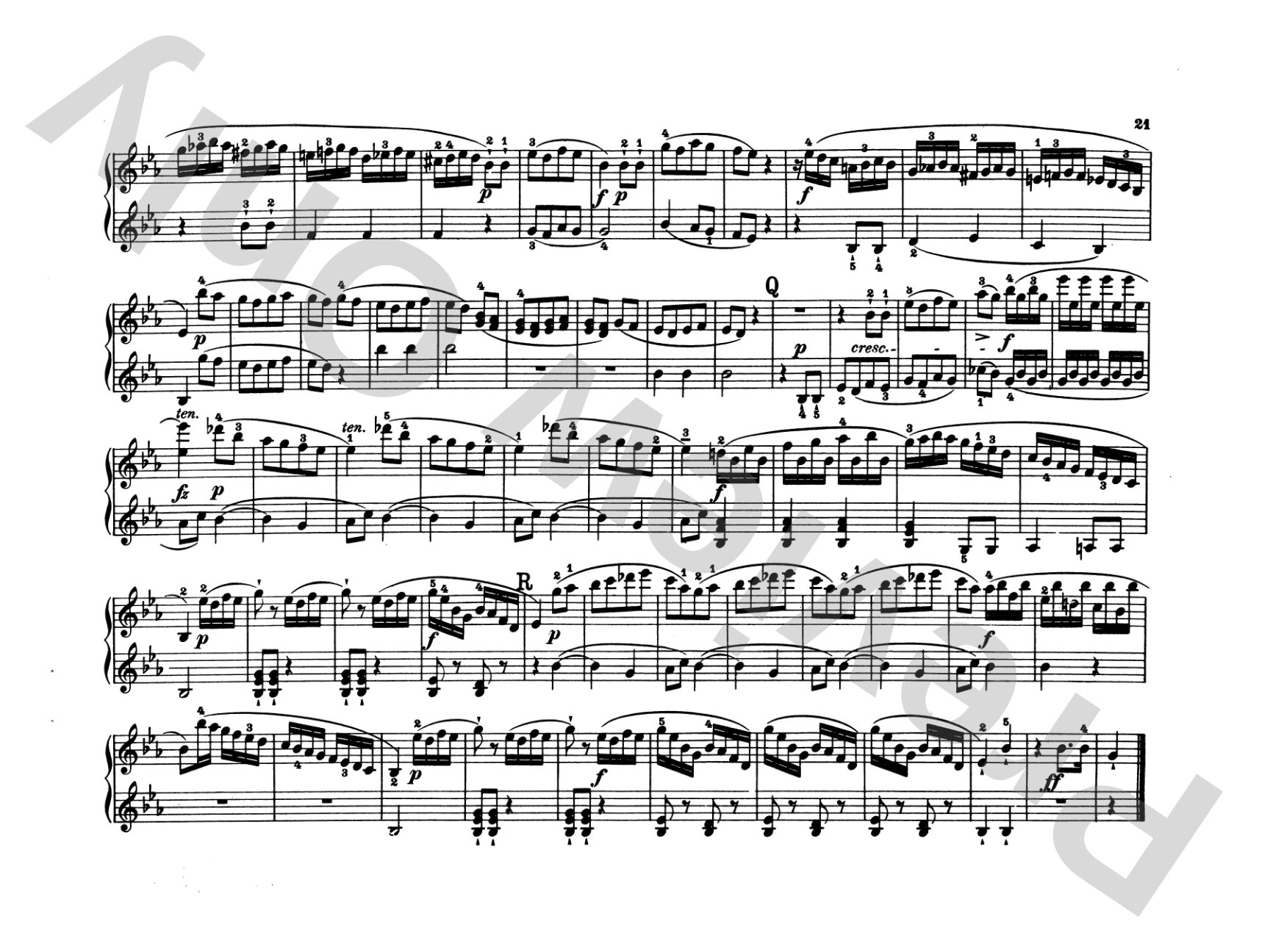

Clementi: Sonatas: Piano Duet (1 Piano, 4 Hands) Comb Bound Book
By Muzio Clementi
Level: Advanced
Item: 00-PK-0002997

$14.99
Pickup currently not available
Buy Extra Parts (Digital PDF Download)
| Product | Price | Quantity |
|---|---|---|
| Clementi: Sonatas | $2.99 | |
| Clementi: Sonatas | $2.99 | |
| Clementi: Sonatas | $2.99 | |
| Clementi: Sonatas | $2.99 |
Parts Added to Cart!
Related Items
Sonatas: Piano Duet (1 Piano, 4 Hands) Comb Bound Book |
$14.95
|
View |
Description
The comb binding creates a lay-flat book that is perfect for study and performance.


Don't just read it, hear it, play along with it, and watch your students grow with it. In MakeMusic Cloud, Clementi: Sonatas: Piano Duet (1 Piano, 4 Hands) Comb Bound Book comes alive with professional accompaniment, adjustable tempo, and built-in practice tools that turn solo practice into real progress.
Open in the Player
Jump straight in and assign it today.
Start Your Free Trial
Open this title and explore the full library in minutes.
Sample Audio
No sample audio found.
Sample Video
No sample videos found.
Additional Details
Series:
Kalmus Edition
Publisher:
Alfred Music
Page Count:
68
SKU:
00-PK-0002997
More about this title
About the Composer: Muzio Clementi
Muzio Clementi (1752-1832) was an Italian composer, pianist, and pedagogue whose sonatas bridged the Classical and early Romantic eras. His keyboard works are foundational to piano literature, prized for their technical brilliance, clear formal architecture, and genuine musical substance. Clementi's influence on the development of piano technique and composition remains substantial in conservatory curricula worldwide.
Beyond composition, Clementi established himself as a publisher and instrument manufacturer, shaping the musical landscape of his time. His sonatas demand serious pianistic engagement and reward careful study with their blend of virtuosic passage work, expressive depth, and architectural clarity.
Why we love this
Clementi's duet sonatas offer advanced pianists authentic Classical-era writing that sits at the intersection of pedagogical value and genuine artistic merit. The lay-flat binding makes these substantial works genuinely usable in performance, and the 68-page collection provides multiple works suitable for recital programming or serious collaborative study.
What to expect
Clementi's duet sonatas sparkle with Classical elegance and driving rhythmic energy, yet contain moments of genuine expressive warmth. The writing balances brilliant passage work and clear harmonic progressions with sections of intimate interplay between the two players, creating conversations at the keyboard that feel both intellectually satisfying and genuinely musical.
Who it's for
Advanced piano duet performers preparing concert repertoire, piano teachers seeking substantial Classical literature for serious students, and collaborative pianists building a core duet collection. These works require secure technique and musical maturity but reward that investment with enduring repertoire.
How to get the most out of it
- Balance the primo and secondo parts as equally voiced lines rather than treating one as accompaniment; Clementi's duet writing distributes thematic material across both players.
- Mark the comb binding pages lightly with pencil to identify significant structural points and key modulations, helping both players internalize the formal architecture.
- Practice each sonata's opening sections separately at a slow tempo to establish secure voicing before addressing the technical passages that follow.
- Coordinate dynamic shapes across both parts; the lay-flat format makes it easier to see both staves simultaneously, so use this advantage to craft unified interpretive choices.
How to use it
Feature these sonatas on a collaborative recital pairing them with later Romantic duet works to show the evolution of keyboard writing, or program individual movements as concert openers. The collection's scope makes it suitable for festival performances, masterclass demonstrations, or cumulative end-of-year collaborative concerts.
Skills your students will build
- Balancing two independent melodic lines on a single instrument
- Navigating modulation schemes across Classical sonata form
- Coordinating rhythmic clarity and ensemble precision between partners
- Sustaining legato technique through passage work while maintaining voicing transparency
- Reading and interpreting early Classical performance practice conventions