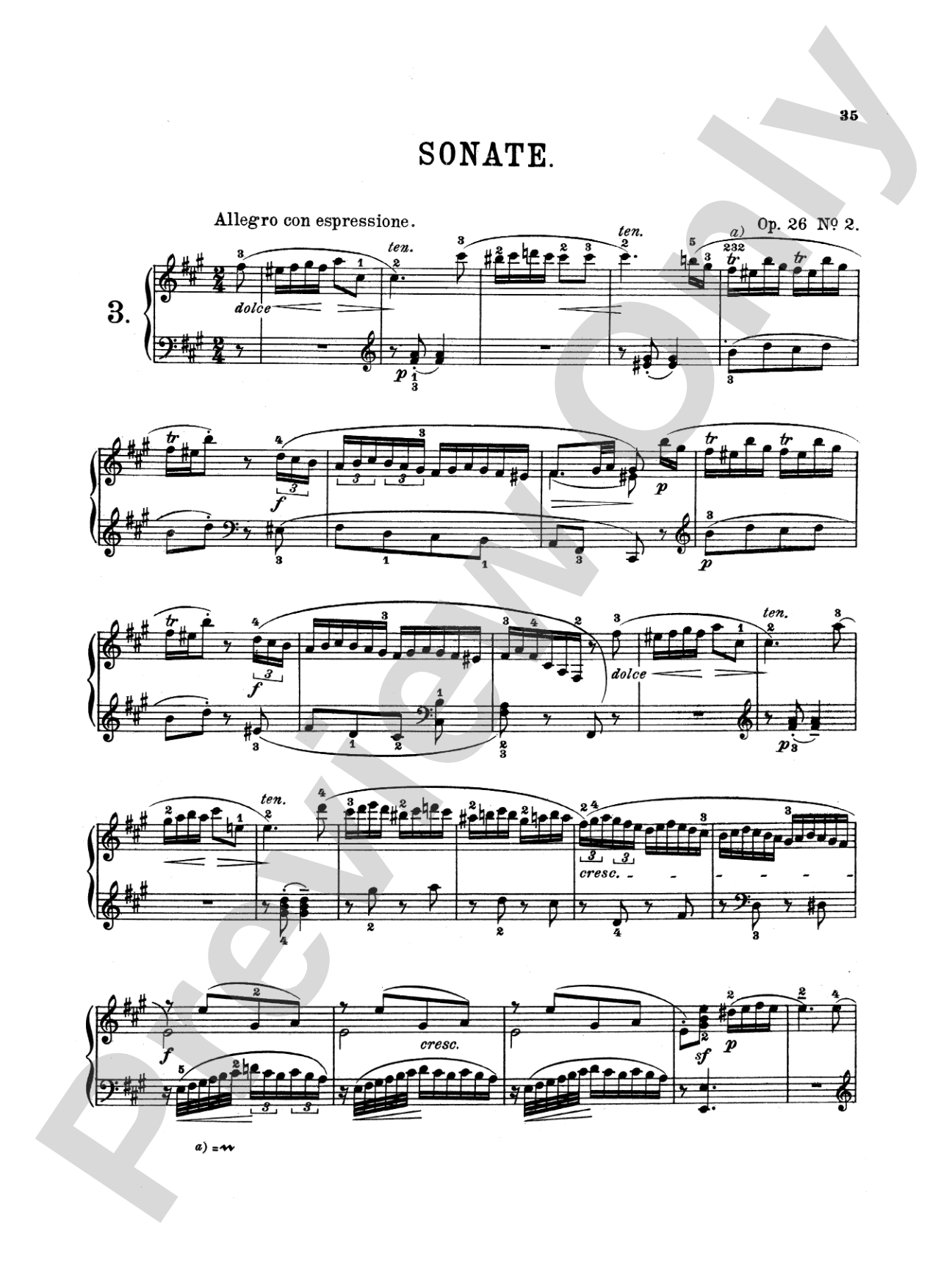
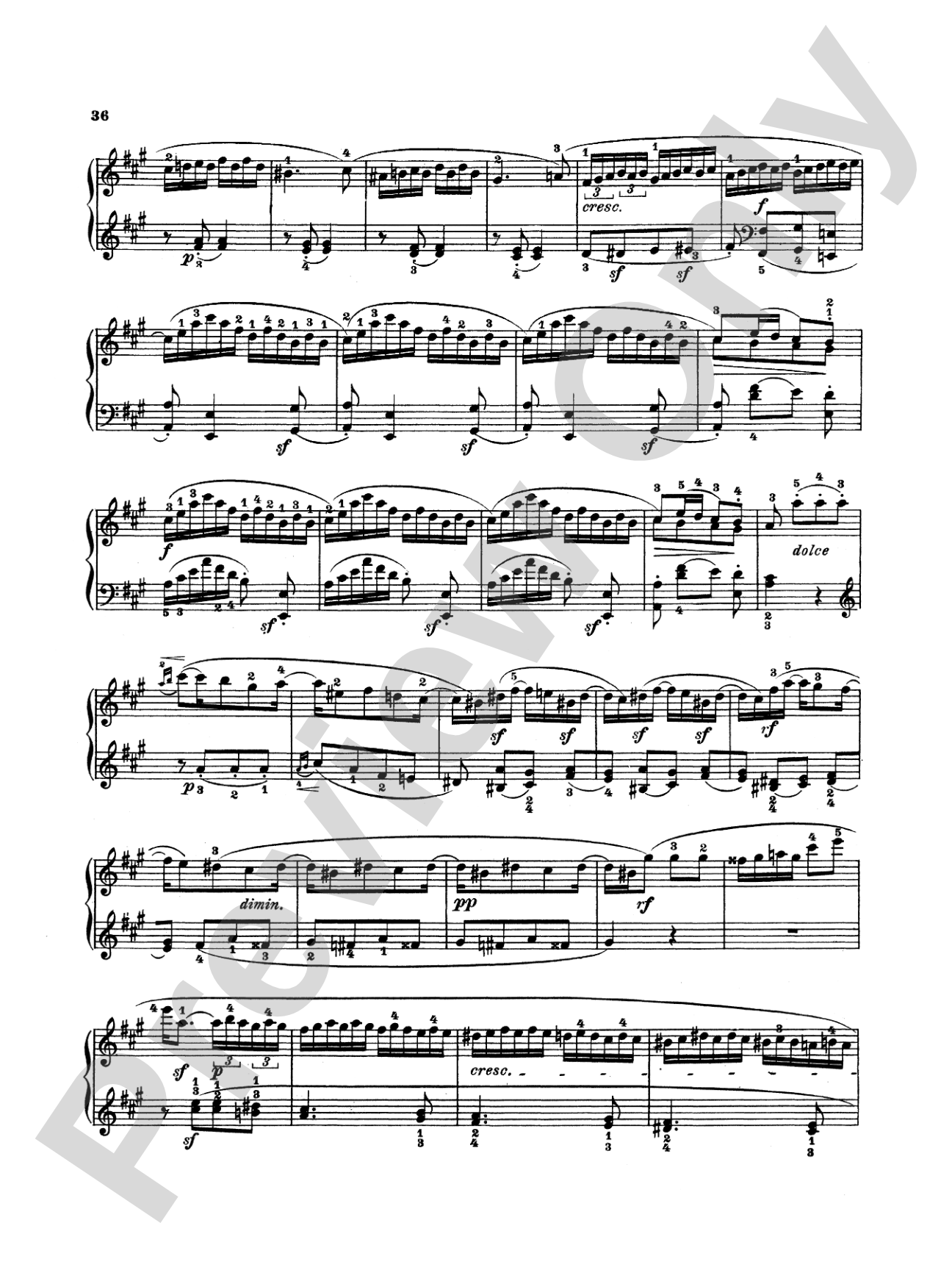
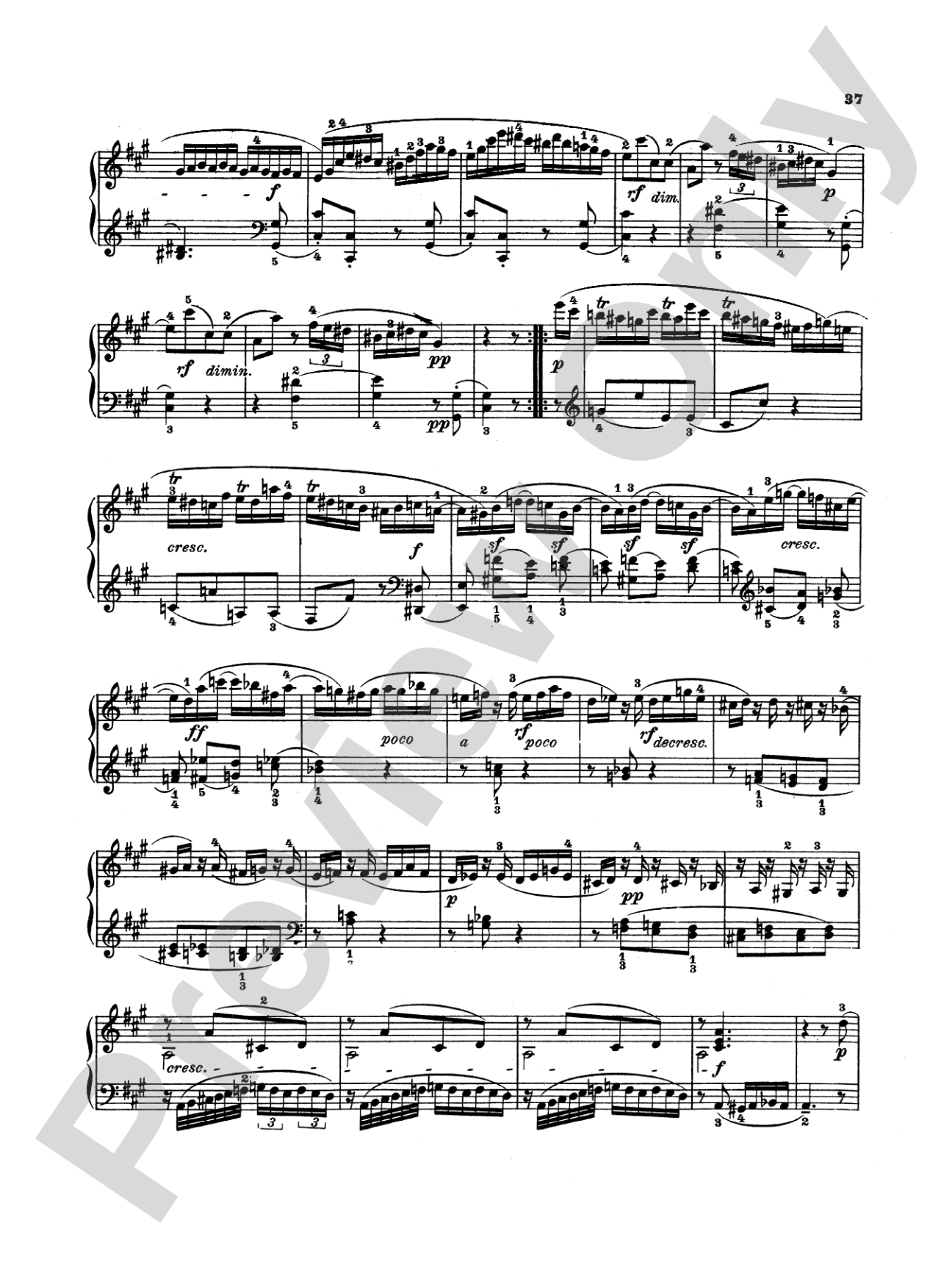
Clementi: Seven Sonatas (Volume I)
By Muzio Clementi
Item: 00-PC-0005998
Pickup currently not available
Description
Don't just read it, hear it, play along with it, and watch your students grow with it. In MakeMusic Cloud, Clementi: Seven Sonatas (Volume I) comes alive with professional accompaniment, adjustable tempo, and built-in practice tools that turn solo practice into real progress.
Jump straight in and assign it today.
Open this title and explore the full library in minutes.
Sample Audio
Sample Video
Additional Details
More about this title
About the Composer: Muzio Clementi
Muzio Clementi (1752–1832) shaped the development of piano music and technique more profoundly than almost any of his contemporaries. Born in Rome but based primarily in London, he elevated the instrument from its galant origins into something capable of genuine virtuosity and emotional depth. His dual career as performer and composer gave him uncommon insight into what pianists could achieve, and his sonatas reflect that lived understanding of the instrument's possibilities.
Beyond composition, Clementi's influence extended through teaching, music publishing, and even piano manufacture. He founded a publishing house and a piano factory, establishing himself as a complete figure in the musical ecosystem of his era. His pedagogical legacy endured through students who carried his approach across Europe, and his sonatas remain essential repertoire for understanding the bridge between Classical restraint and Romantic expression.
Why we love this
These sonatas arrive at a moment when advanced pianists need repertoire that challenges without demanding the full virtuosic apparatus of later Romanticism. Clementi's writing combines Classical structure with genuine musical substance; you're not teaching empty technique here. The seven works in this volume span his creative life, so students encounter his stylistic evolution across a single collection.
What to expect
These sonatas occupy a precise historical moment where Classical symmetry and restraint begin to yield to Romantic urgency and color. The writing is elegant but never cold; movements breathe with genuine character, from the spirited outer sections to inner movements of surprising emotional warmth. There's an intimacy here, a sense of music for the musician rather than the gallery, even when Clementi asks for impressive technical display.
Who it's for
This collection serves advanced intermediate to early advanced pianists who have mastered the Beethoven sonatinas and are ready for greater harmonic sophistication and structural complexity. Teachers preparing students for conservatory entrance or serious competition will find these sonatas invaluable for demonstrating the Classical tradition while introducing Romantic sensibilities. Pianists exploring the historical roots of 19th-century virtuosity will recognize how Clementi's fingerwork and lyrical writing influenced composers who followed.
How to get the most out of it
- Observe the printed articulation markings carefully; Clementi's slurs and staccato dots are not decorative but structural, shaping phrasing and harmonic clarity.
- Approach the faster passagework (particularly in the outer movements) as singing lines rather than mechanical display; Clementi wrote for singers as well as pianists and expected vocal sensitivity.
- Listen for the dialogue between hands in slower movements; the piano texture often mirrors chamber music, with voices that should emerge distinctly rather than blend into uniform texture.
- Allow the harmonic language room to breathe, especially in the minor-key works like Opus 26, No. 2; Clementi's chromaticism and key relationships anticipate later composers and deserve expressive attention.
How to use it
Include a single Clementi sonata or movement in a recital celebrating Classical keyboard masters; this repertoire programs naturally alongside Beethoven sonatas or Mozart concertos. For a student working through this volume over an academic year, each sonata becomes a independent project spanning perhaps two months of study, allowing other repertoire to develop in parallel. A complete sonata also serves well in student performance showcases or salon-style concerts where listeners encounter the piano literature's evolution firsthand.
Skills your students will build
- Harmonic analysis of modulatory structures in Classical and proto-Romantic forms
- Differentiation between Classical and Romantic pianistic textures and articulation
- Voicing and independence of hands in polyphonic writing
- Interpretation of period-appropriate ornamentation and rubato
- Stamina and control in extended fast passagework at the intermediate level
- Expressive phrasing within Classical structural conventions