
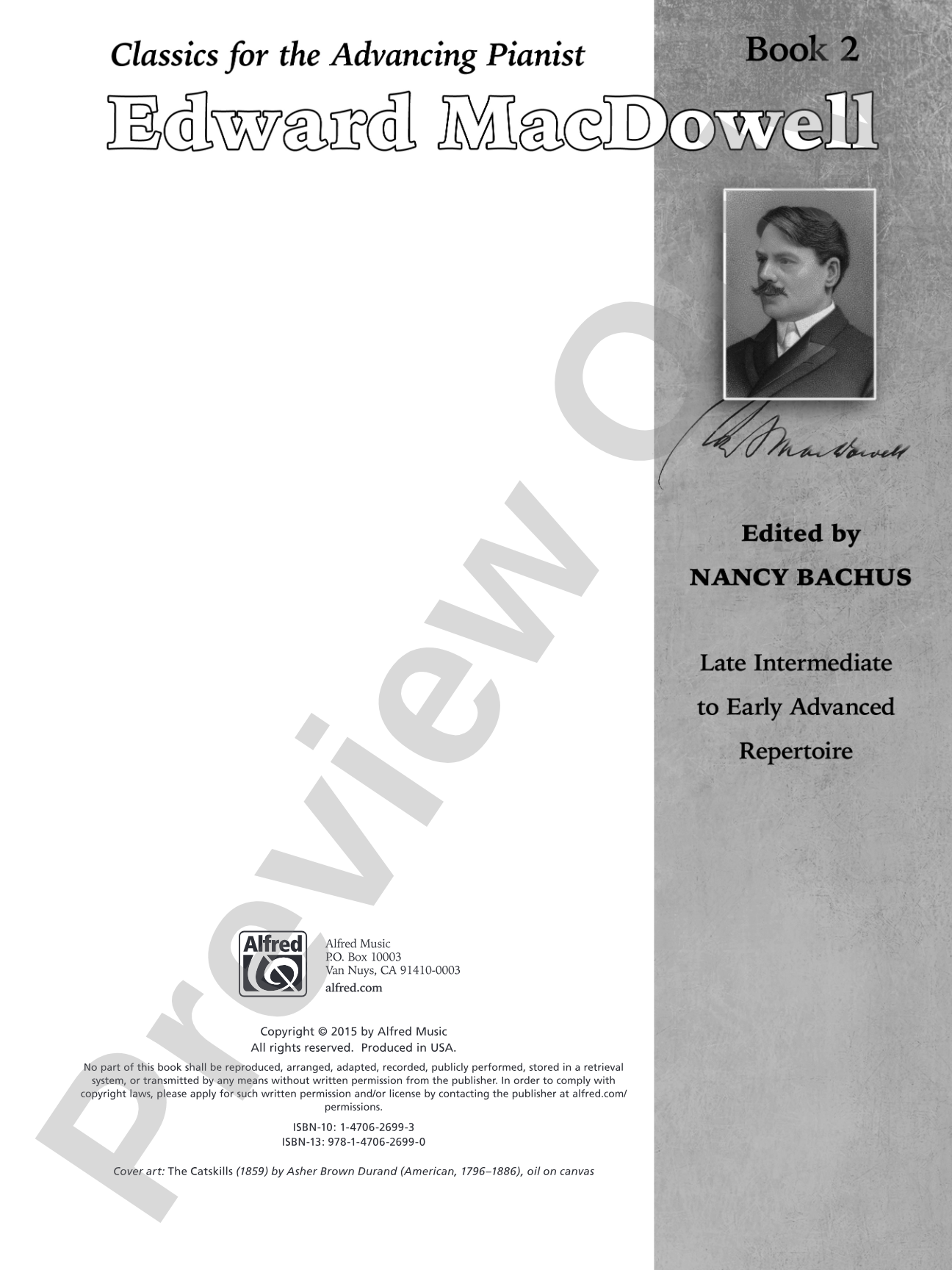
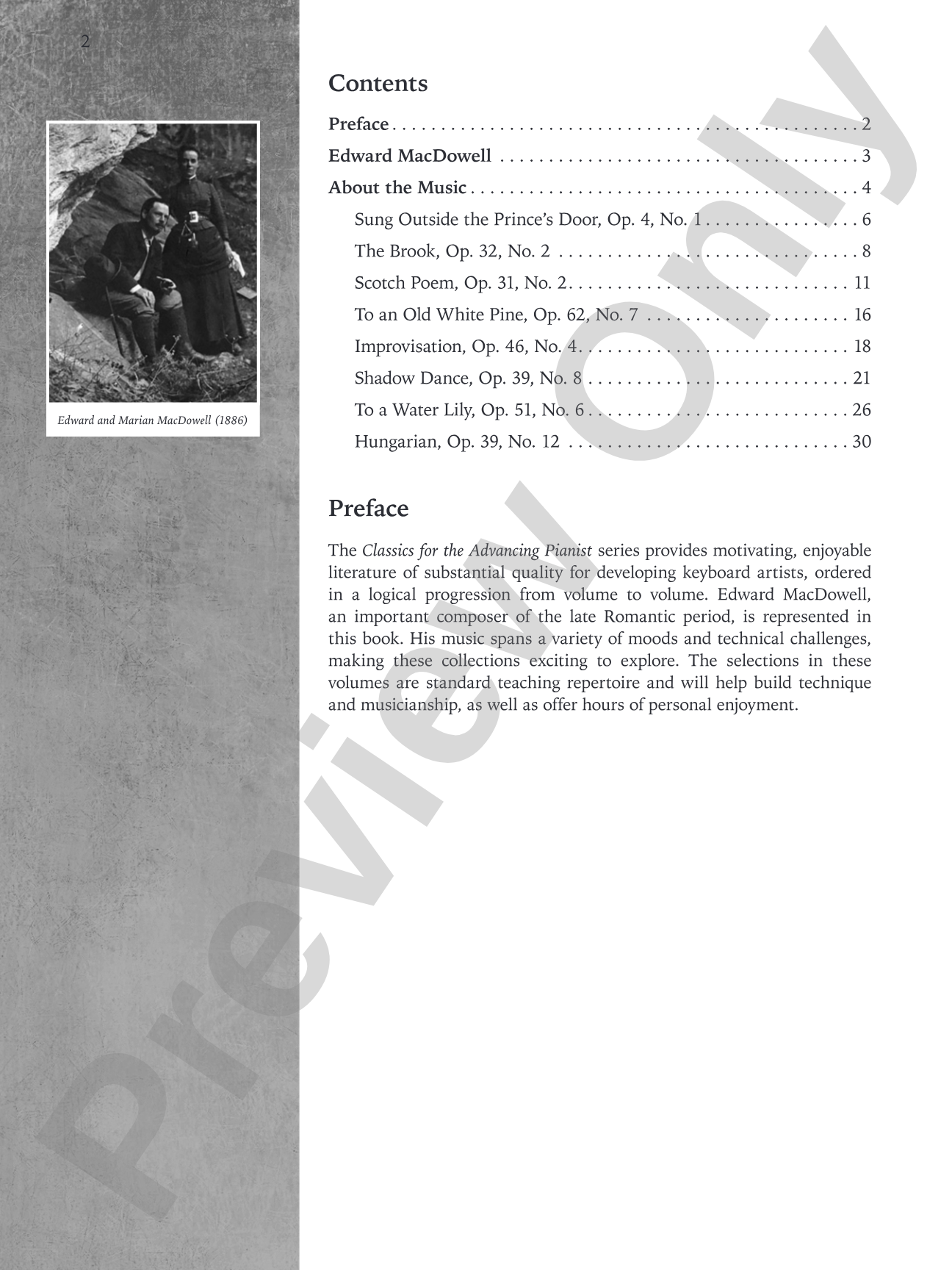
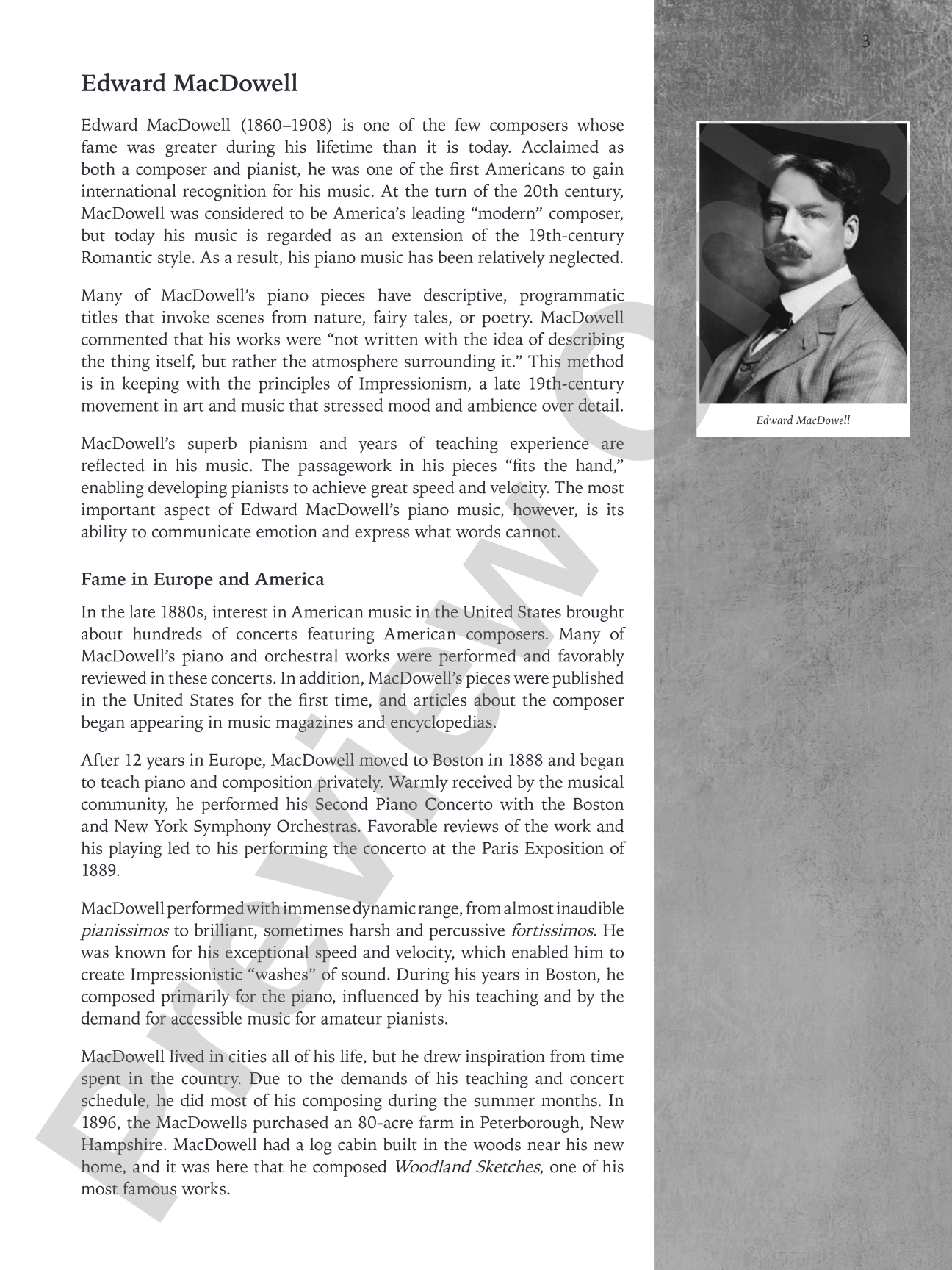
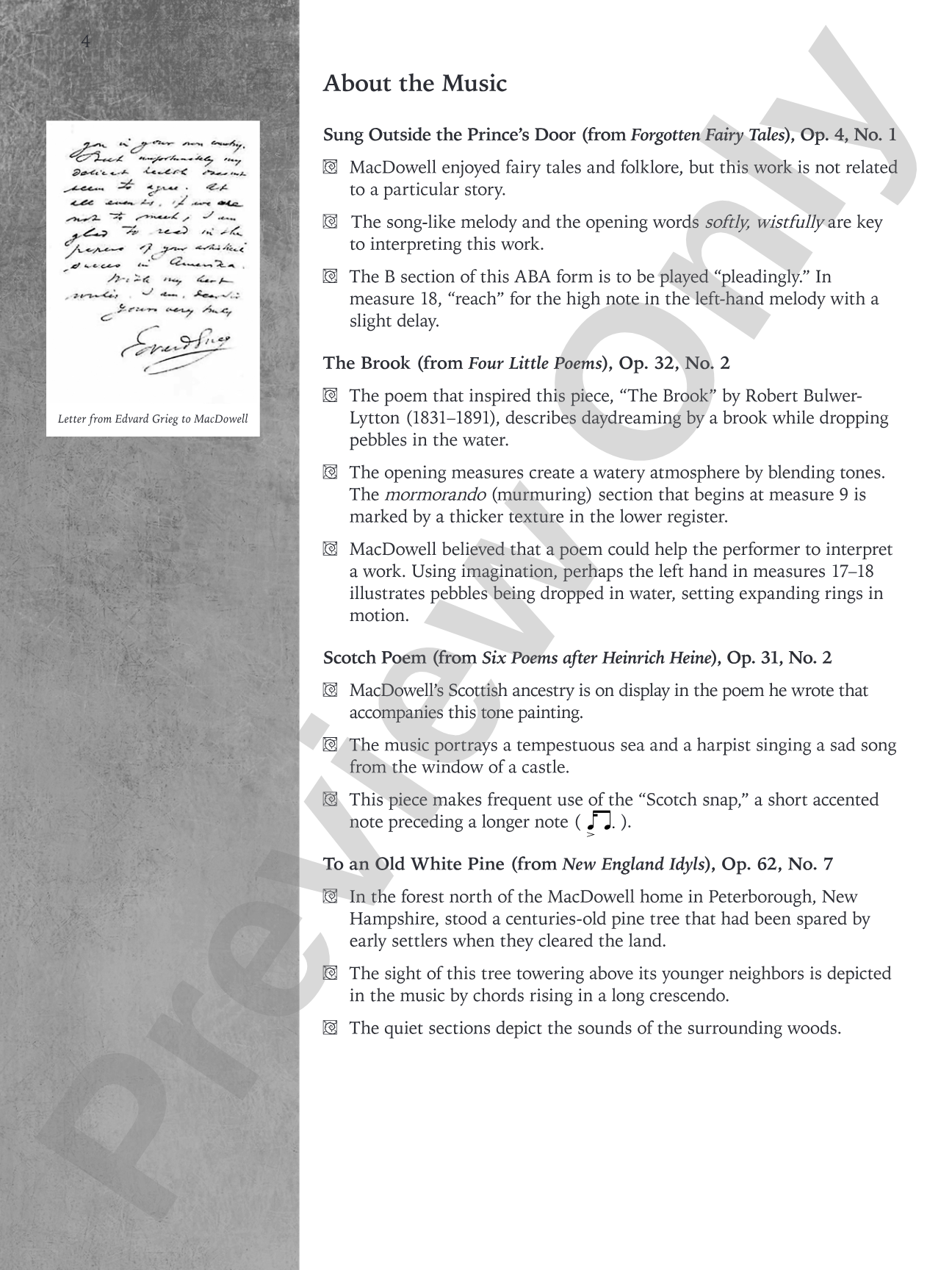

Classics for the Advancing Pianist: Edward MacDowell, Book 2: Late Intermediate to Early Advanced Repertoire: Piano
Late Intermediate to Early Advanced Repertoire
By Edward MacDowell / ed. Nancy Bachus
Level: Late Intermediate / Early Advanced
Item: 00-PB-0000594

$8.99
Pickup currently not available
Related Items
Classics for the Advancing Pianist: Edward MacDowell, Book 2: Piano Book |
$8.99
|
View |
Description
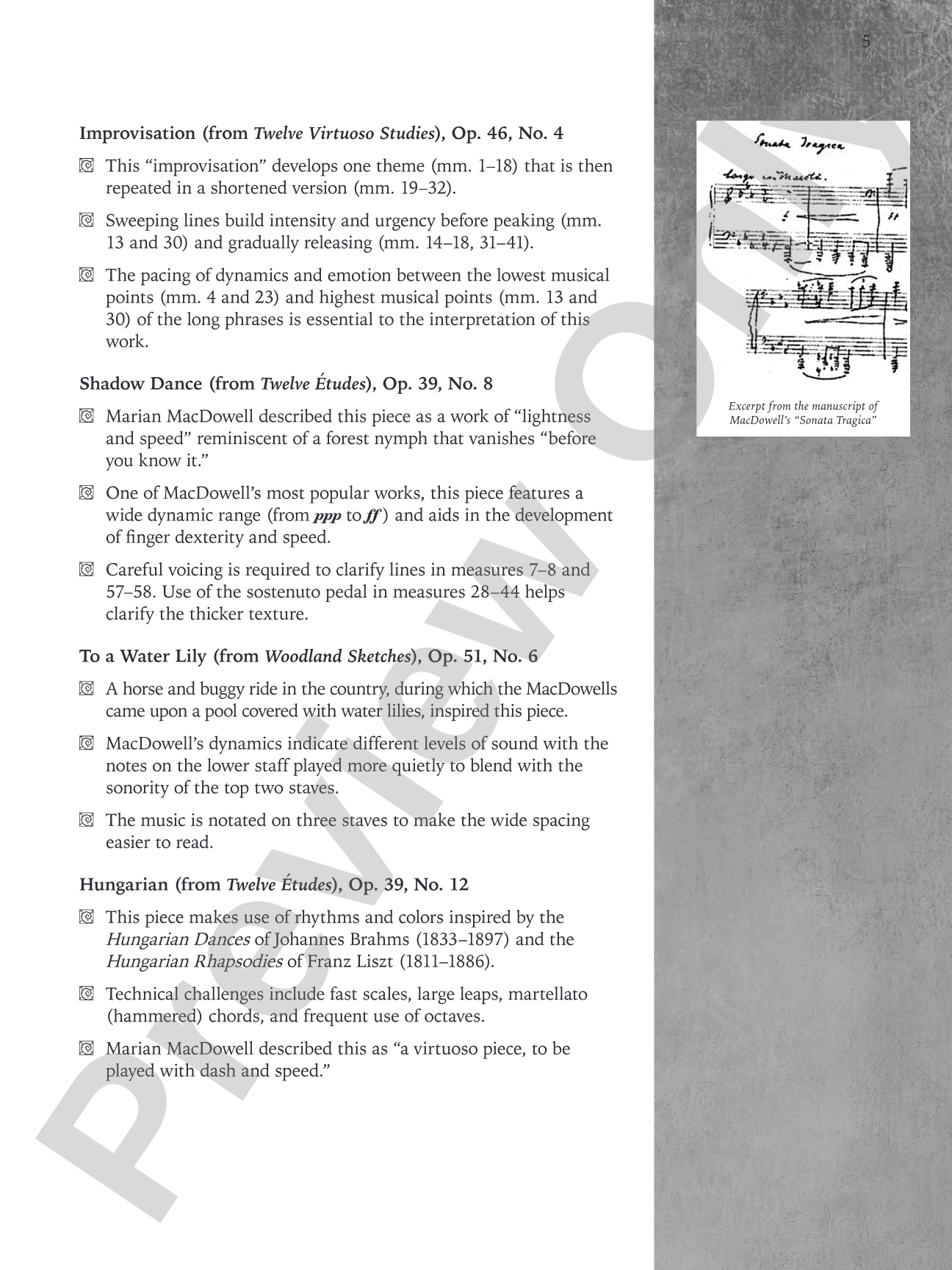
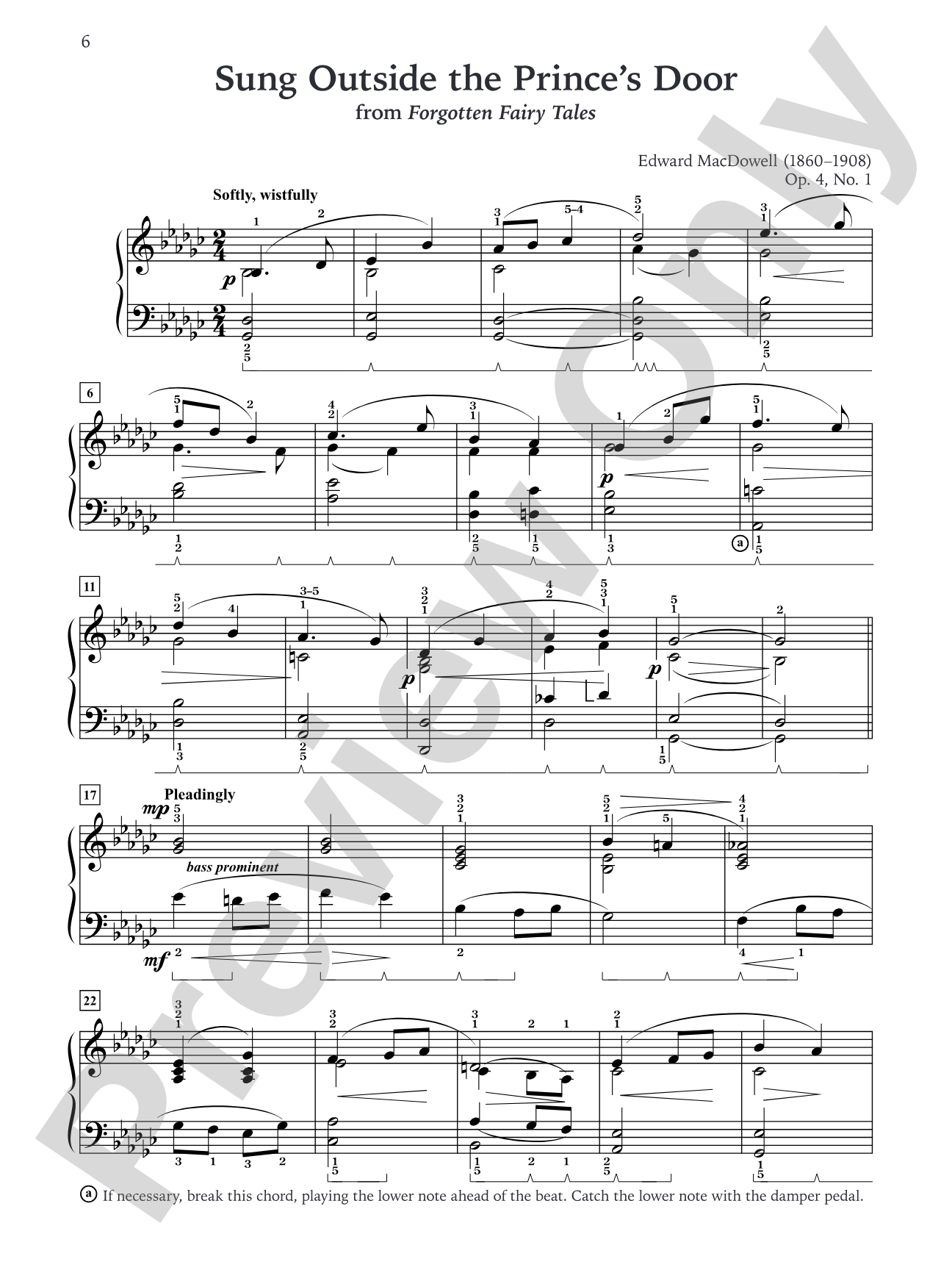
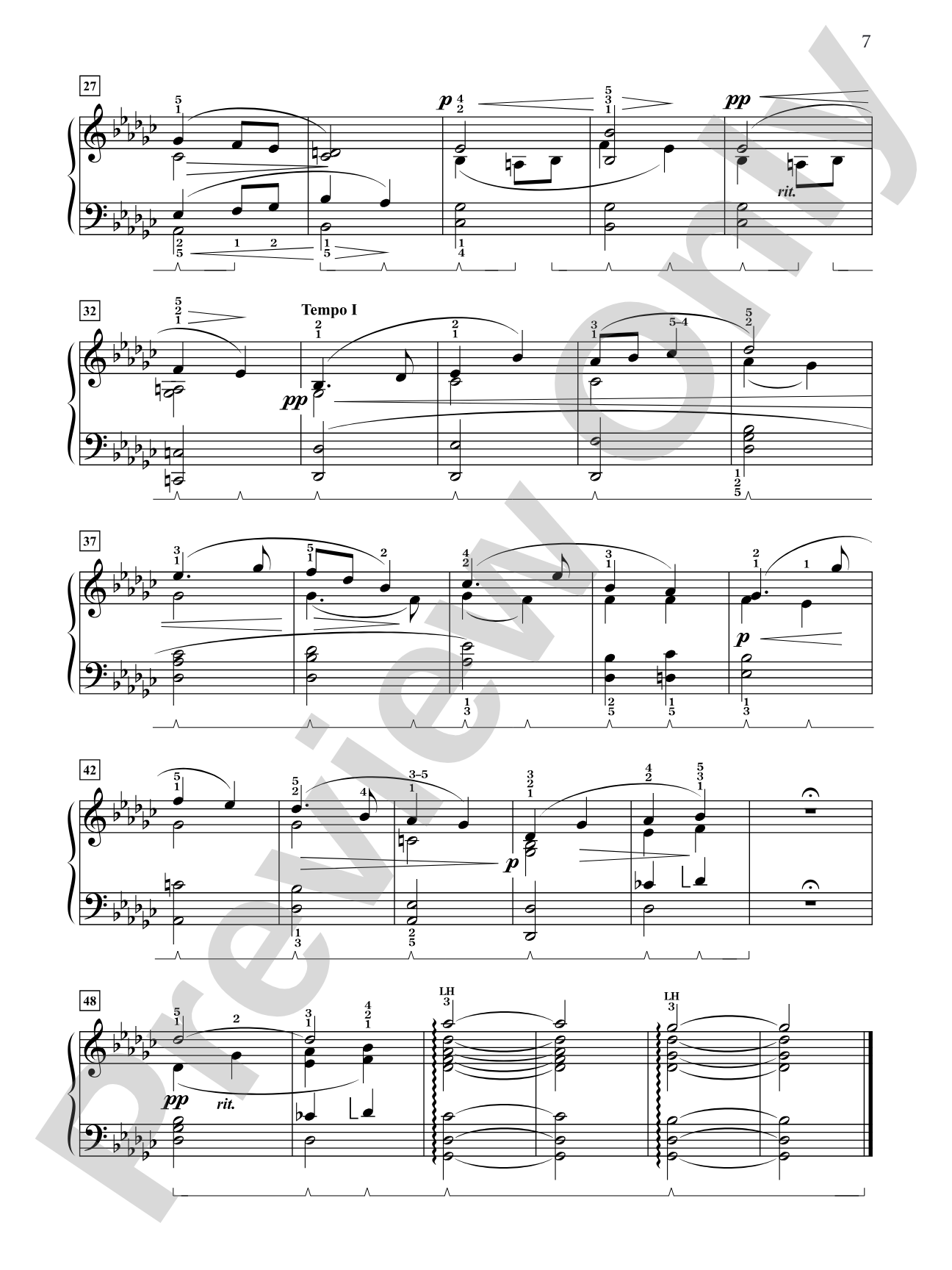
The Classics for the Advancing Pianist series provides motivating, enjoyable literature of substantial quality for developing keyboard artists. The pieces in these books, written by Edward MacDowell and ordered in a logical progression from volume to volume, help the performer work within his or her abilities while developing playing and listening skills. This standard teaching repertoire will help build technique and musicianship, as well as offer hours of personal enjoyment. Titles: The Brook, Op. 32, No. 2 * Hungarian, Op. 39, No. 12 * Improvisation, Op. 46, No. 4 * Scotch Poem, Op. 31, No. 2 * Shadow Dance, Op. 39, No. 8 * Sung Outside the Prince's Door, Op. 4, No. 1 * To a Water Lily, Op. 51, No. 6 * To an Old White Pine, Op. 62, No. 7. A Federation Festivals 2024-2028 selection.


Don't just read it, hear it, play along with it, and watch your students grow with it. In MakeMusic Cloud, Classics for the Advancing Pianist: Edward MacDowell, Book 2: Late Intermediate to Early Advanced Repertoire: Piano comes alive with professional accompaniment, adjustable tempo, and built-in practice tools that turn solo practice into real progress.
Open in the Player
Jump straight in and assign it today.
Start Your Free Trial
Open this title and explore the full library in minutes.
Sample Audio
No sample audio found.
Sample Video
No sample videos found.
Additional Details
Series:
Classics for the Advancing Pianist
Publisher:
Alfred Music
Page Count:
36
SKU:
00-PB-0000594
More about this title
About the Composer: Edward MacDowell
Edward MacDowell (1860, 1908) stands as one of the most important American composers of the Romantic era, bridging European classical traditions with distinctly American themes and landscapes. His piano works span an enormous range of character pieces and larger forms, from intimate miniatures to ambitious concert works, all marked by lyrical melody, harmonic sophistication, and a keen ear for orchestral color translated to the keyboard.
Why we love this
MacDowell's late-intermediate and early-advanced pieces inhabit a sweet spot where students encounter genuine artistic substance without drowning in technical demands. The eight selections here move logically in difficulty while maintaining the poetic sensibility and formal clarity that make his music deeply rewarding to perform and teach.
What to expect
These pieces evoke intimate moments: a walk beside a babbling brook, a pine tree standing sentinel through seasons, a quiet moment outside a royal residence. MacDowell's harmonic language feels both familiar and gently surprising, lyrical without sentimentality, and thoroughly pianistic in its use of the instrument's resonance and color.
Who it's for
Late intermediate and early advanced pianists ready to move beyond simplified classics into genuine Romantic repertoire that builds both technical fluency and musical independence. This collection also serves festival and recital programs where teachers want quality standard repertoire that students actually enjoy learning.
How to get the most out of it
- Balance the singing melody line with a warm, responsive accompaniment; MacDowell's harmonies are too beautiful to hide beneath a heavy hand.
- Pay attention to his use of rubato and phrase shaping, which demand flexibility from both wrist and pedal but repay that attention with musicality that feels natural rather than imposed.
- Listen carefully to the harmonic color shifts, especially in pieces like To a Water Lily, where subtle chord changes create emotional landscape; resist the urge to rush past them.
- Use the Federation Festivals recordings as a touchstone for tempo and character, then find your own interpretation within that framework.
How to use it
Slot individual selections into spring recitals or festival programs where you need a piece that sounds polished and artistically complete but doesn't require a soloist with advanced virtuosity. The varied character pieces also work well as a short solo cycle in chamber or solo concert contexts, allowing students to demonstrate musical maturity across contrasting moods.
Skills your students will build
- Pedal control for harmonic color and resonance in Romantic-era textures
- Reading and performing rubato within a phrase without losing structural integrity
- Left-hand independence and voicing in accompanying figures
- Shaping longer phrases with varied dynamics and tonal weight
- Understanding of MacDowell's harmonic language and chromaticism
- Performance maturity appropriate for recital and festival contexts