Classics for Piano Duet, Book 2 Cover Image

Classics for Piano Duet, Book 2: Piano Duet (1 Piano, 4 Hands) Book

$8.99 USD
Sale price  $8.99 USD Regular price 
Skip to product information
Classics for Piano Duet, Book 2 Cover Image

Classics for Piano Duet, Book 2: Piano Duet (1 Piano, 4 Hands) Book

8 Duet Arrangements of Student Favorites for Intermediate to Late Intermediate Pianists

Arranged by George Peter Tingley

Level: Intermediate / Late Intermediate

Item: 00-20774

$8.99
Shipped

One moment…

Description
These duet arrangements offer intermediate to late intermediate pianists the opportunity to play the classics at a much earlier level than if they were to wait to play the original version. By dividing the pieces between two performers, the individual parts are simpler, but the fullness and integrity of the originals remain. Highlights from Book 2 are Beethoven's Für Elise, Satie's 1st Gymnopedie and Sousa's Stars and Stripes Forever.

Classics for Piano Duet, Book 2: Piano Duet (1 Piano, 4 Hands) Book isn't in MakeMusic Cloud just yet...but it could be. Let us know you'd like to see it, and you'll help shape what comes next. In the meantime, start a free trial and dive into thousands of interactive titles your students can play along with today.

Sample Pages

Sample Audio
No sample audio found.
Sample Video
Additional Details
Publisher: Alfred Music
Page Count: 48
ISBN10: 0-7390-2682-8
ISBN13: 978-0-7390-2682-3
UPC: 038081196565
SKU: 00-20774

More about this title

About the Arranger: George Peter Tingley
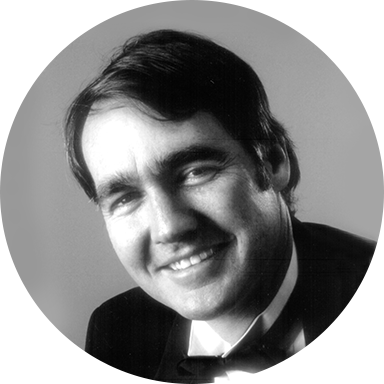
George Peter Tingley

George Peter Tingley is a composer, pianist, and educator based in the San Francisco Bay Area who brings both classical training and popular music sensibility to his work. He studied piano performance at California State University, Hayward, and completed advanced degrees in music theory at USC before studying composition privately with Nadia Boulanger in Paris during the 1970s. His early musical foundation came not only from formal lessons but from years of learning by ear alongside recordings of the Beatles, a practice that shaped his ability to distill complex music into playable arrangements.

Tingley has been writing for music students since 1989 and has published over 75 piano pieces. His duet collection Fiddle and the Tuba earned recognition from the National Federation of Music Clubs, and his solo Reverie remains widely performed. In 1992 he composed Kristi's Theme for Olympic figure skater Kristi Yamaguchi, which was orchestrated and recorded with Tingley as piano soloist. He continues to teach privately while maintaining an active publishing career.

Why we love this

Tingley's duet arrangements preserve the musical substance of iconic pieces while genuinely simplifying the technical demands, so students hear real masterworks under their hands rather than reductions. The pairing of Beethoven, Satie, and Sousa in one book gives you versatile programming options and shows students that duet playing spans centuries and genres. His background learning music by ear and later studying with Boulanger informs thoughtful voice-leading that makes these arrangements feel inevitable, not compromised.

What to expect

Opening with Für Elise brings the melancholic urgency of Beethoven's miniature into the room as a shared experience. Satie's Gymnopedie unfolds with quiet, meditative beauty—the kind of piece where the duet texture becomes almost hypnotic because two players sustain the harmonic cloud together. Sousa's Stars and Stripes Forever snaps into focus with energy and pride, giving partners a chance to drive a march that feels ceremonial and celebratory.

Who it's for

Intermediate and late intermediate pianists ready to experience beloved classical works without waiting years for advanced technique. Duet partners of similar ability level will find satisfying parts that neither dominates; teachers and students can also pair up when the teacher takes the secondo role. This book works well for studio recitals, school concerts, or simply the joy of ensemble playing at home.

How to get the most out of it

  • Balance the upper and lower parts carefully. In works like Für Elise, the primo player often carries the melody, but Tingley distributes thematic material between hands; listen for where the line moves and adjust dynamics accordingly.
  • Communicate physically at the keyboard. Sit close enough that both players can see each other's hands and sense pulse without constant eye contact. This is especially important in Satie, where rubato and shared breathing need coordination.
  • Practice the accompaniment part first if you are the secondo player. Learning the harmonic and rhythmic foundation independently gives you confidence to support the primo without watching their part.
  • Take time to hear how the two parts interlock before rehearsing at tempo. Playing through slowly reveals the architecture Tingley has built and prevents rushing through transitions.

How to use it

Program a duet from this book early in a recital to build ensemble confidence and give your audience a change of texture; the duet medium invites a different kind of listening than solo performance. You can also use selections from Book 2 alongside original duets or partner them with student compositions to show how arrangement makes classical literature accessible. Satie and Sousa pair naturally with 19th-century themed concerts or spring pops programs, while Für Elise stands alone as a concert centerpiece.

Skills your students will build

  • Listening to and balancing two independent melodic or harmonic lines
  • Playing at the same keyboard with another person (hand placement, shared space management, visual communication)
  • Reading and executing rhythmic independence between parts
  • Understanding how arrangement redistributes material from a solo work across multiple performers
  • Shaping classical phrasing within a duet context

You May Also Like