Classics for Piano Duet, Book 1 Cover Image

Classics for Piano Duet, Book 1: Piano Duet (1 Piano, 4 Hands) Book

$7.95 USD
Sale price  $7.95 USD Regular price 
Skip to product information
Classics for Piano Duet, Book 1 Cover Image

Classics for Piano Duet, Book 1: Piano Duet (1 Piano, 4 Hands) Book

7 Duet Arrangements of Student Favorites for Late Elementary to Early Intermediate Pianists

Arranged by George Peter Tingley

Level: Late Elementary / Early Intermediate

Item: 00-20773

$7.95
Shipped

One moment…

Description
These duet arrangements offer late elementary to early intermediate pianists the opportunity to play the classics at a much earlier level than if they were to wait to play the original version. By dividing the pieces between two performers, the individual parts are simpler, but the fullness and integrity of the originals remain. Highlights from Book 1 are Joplin's Maple Leaf Rag and Rubinstein's Melody in F.

Classics for Piano Duet, Book 1: Piano Duet (1 Piano, 4 Hands) Book isn't in MakeMusic Cloud just yet...but it could be. Let us know you'd like to see it, and you'll help shape what comes next. In the meantime, start a free trial and dive into thousands of interactive titles your students can play along with today.

Sample Pages

Sample Audio
No sample audio found.
Sample Video
Additional Details
Publisher: Alfred Music
Page Count: 32
ISBN10: 0-7390-2681-X
ISBN13: 978-0-7390-2681-6
UPC: 038081196558
SKU: 00-20773

More about this title

About the Arranger: George Peter Tingley
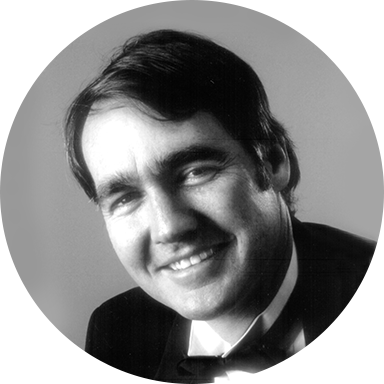
George Peter Tingley

George Peter Tingley is a composer and pianist based in the San Francisco Bay Area who brings decades of experience in both classical training and music education to his work. He earned degrees in Piano Performance from California State University, Hayward, and completed both Bachelor and Master degrees in Music Theory at USC. During the 1970s, he studied composition privately with Nadia Boulanger in Paris, returning to establish a teaching studio and begin writing for music education publishers.

Tingley's catalog now includes over 75 published piano pieces, reflecting his commitment to making classical music accessible to young pianists. His arrangements and original works have found recognition beyond the studio: his piano duet collection Fiddle and the Tuba is listed in the National Federation of Music Clubs bulletin, and his 1992 composition Kristi's Theme was arranged for full orchestra and recorded with Tingley as soloist. His body of work demonstrates a deep understanding of how to preserve the character and integrity of great music while adapting it for developing musicians.

Why we love this

These arrangements strike an unusual balance: each part genuinely feels playable for a late elementary or early intermediate pianist, yet the result doesn't sound simplified or compromised. Tingley has the ear to know when dividing the music between two hands (on the same bench) actually enhances accessibility without sacrificing the pieces' essential character. Pairing iconic works like Maple Leaf Rag and Melody in F makes this an immediate win for recitals, studio showcases, or when you need duet material that sounds polished from the first rehearsal.

What to expect

These arrangements restore the joy of playing recognizable masterworks before solo technique demands it. The familiar shapes of Joplin's syncopation and Rubinstein's lyrical warmth emerge from a four-hand collaboration, creating a satisfying musical experience that feels complete and accomplished rather than fragmentary.

Who it's for

Pairs of late elementary to early intermediate pianists looking for literature that sounds substantial without requiring advanced technique. This book serves studios where duet playing builds partnership skills and provides performance opportunities for students at similar levels or compatible abilities.

How to get the most out of it

  • Work out the coordination between primo and secondo before adding tempo. The shared bench requires both players to agree on hand placement and pedal usage, so walk through measures where hands cross or sit close together.
  • Balance the melody between the two parts. In Tingley's arrangements, the primo doesn't always carry the main line; track where the tune lives and ensure both players know when they're supporting versus leading.
  • Use the metronome to lock the partnership. Unlike solo playing, even small timing inconsistencies become obvious, so establish a steady tempo early and resist the urge to push or drag through familiar passages.
  • Acknowledge the energy shift when one part rests. Brief passages with less activity in one hand can feel empty if the other part doesn't carry the sound; remind students to listen actively even when their fingers aren't moving.

How to use it

Ideal for studio recitals, teacher-student showcase performances, or duet competitions where you want literature with historical weight that won't overwhelm developing players. The collection works well as a performance companion to students finishing their first year or two of study, offering both validation of their progress and a natural bridge toward more advanced classical repertoire.

Skills your students will build

  • Listening and responding to a partner's tempo and phrasing in real time
  • Managing hand independence on a shared keyboard (crossing, proximity awareness)
  • Reading and executing different rhythmic and melodic roles simultaneously
  • Interpreting classical idioms and ornamentation at an accessible technical level
  • Building stamina and focus through sustained ensemble performance

You May Also Like