
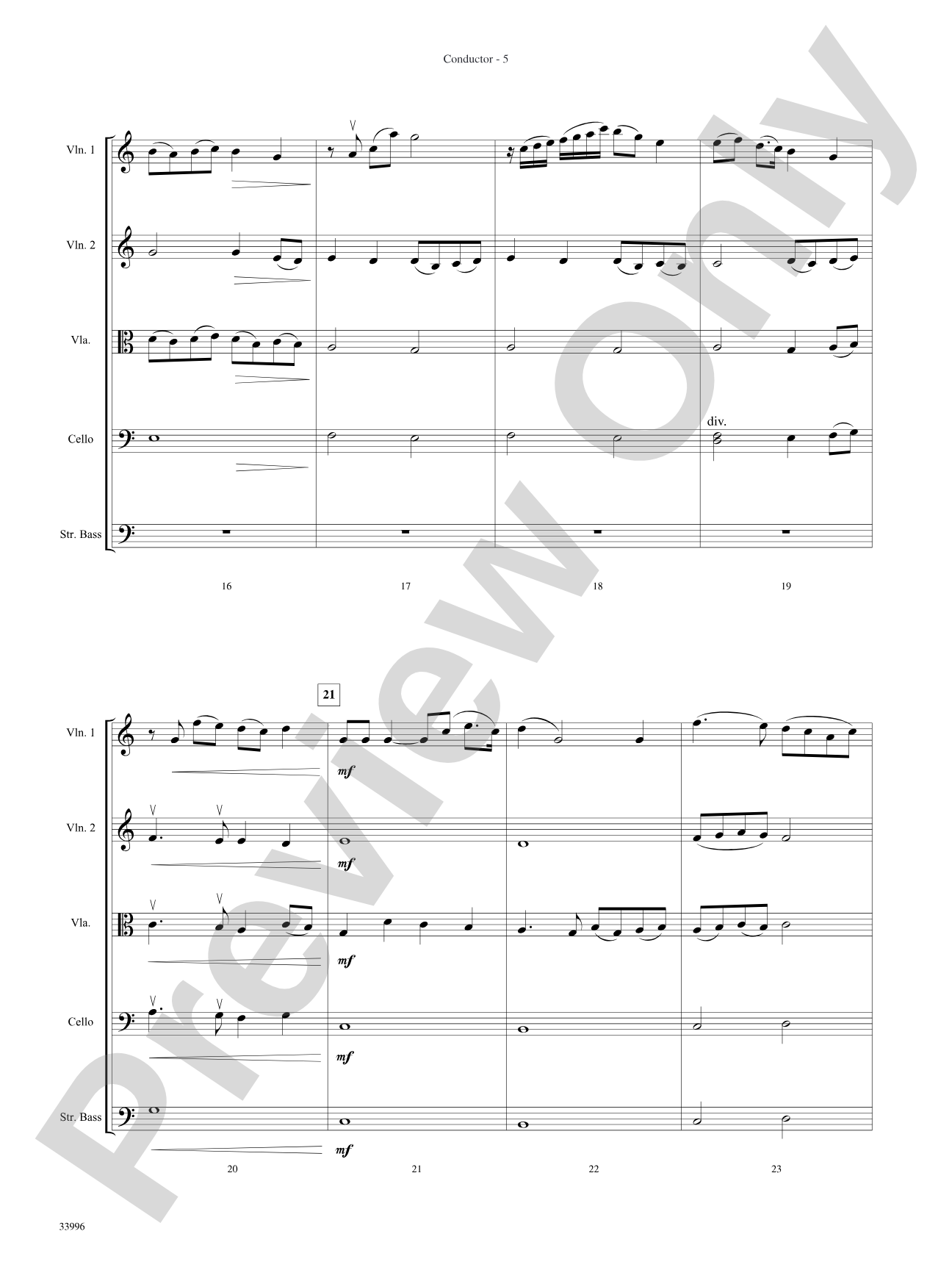
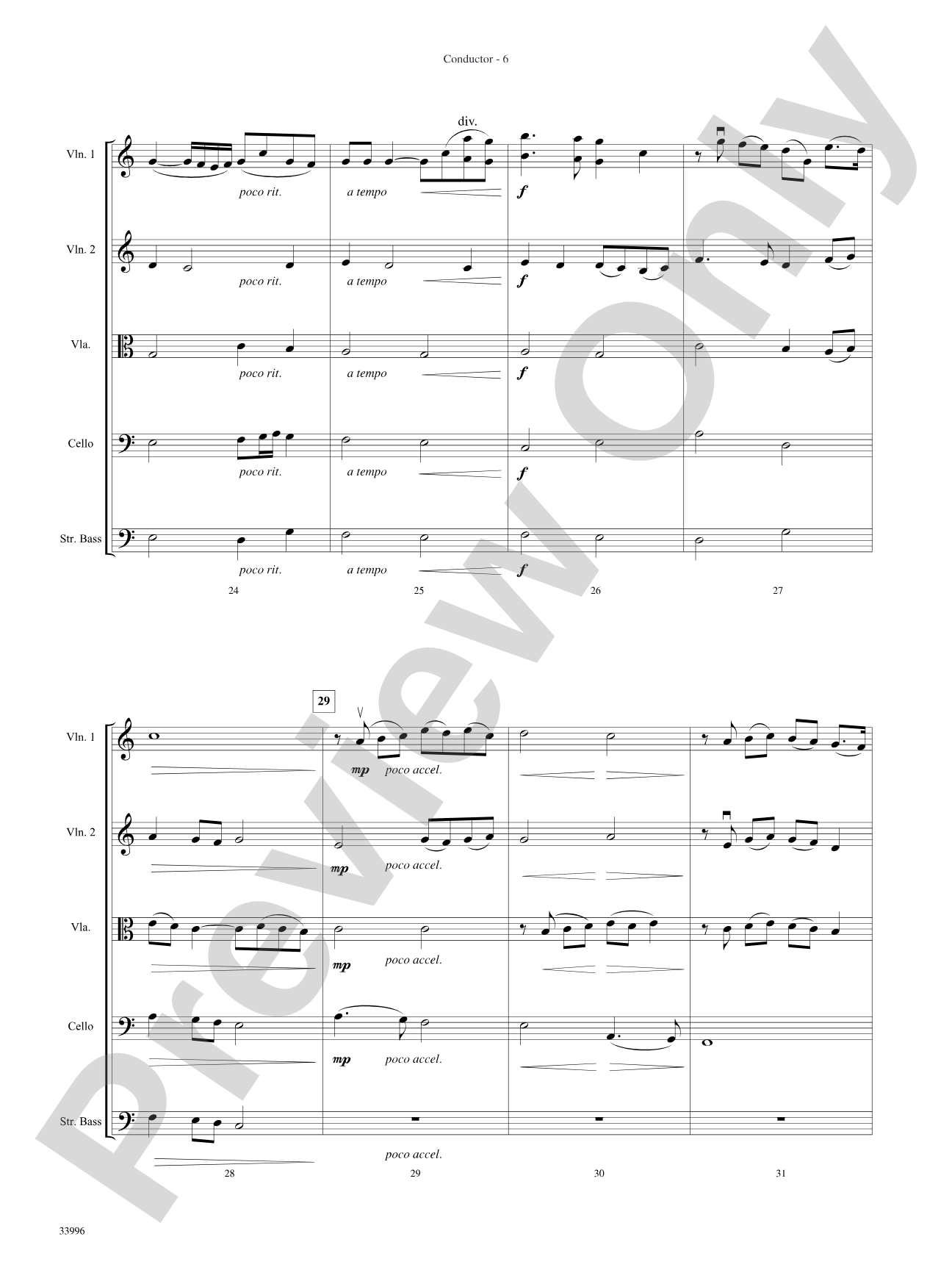
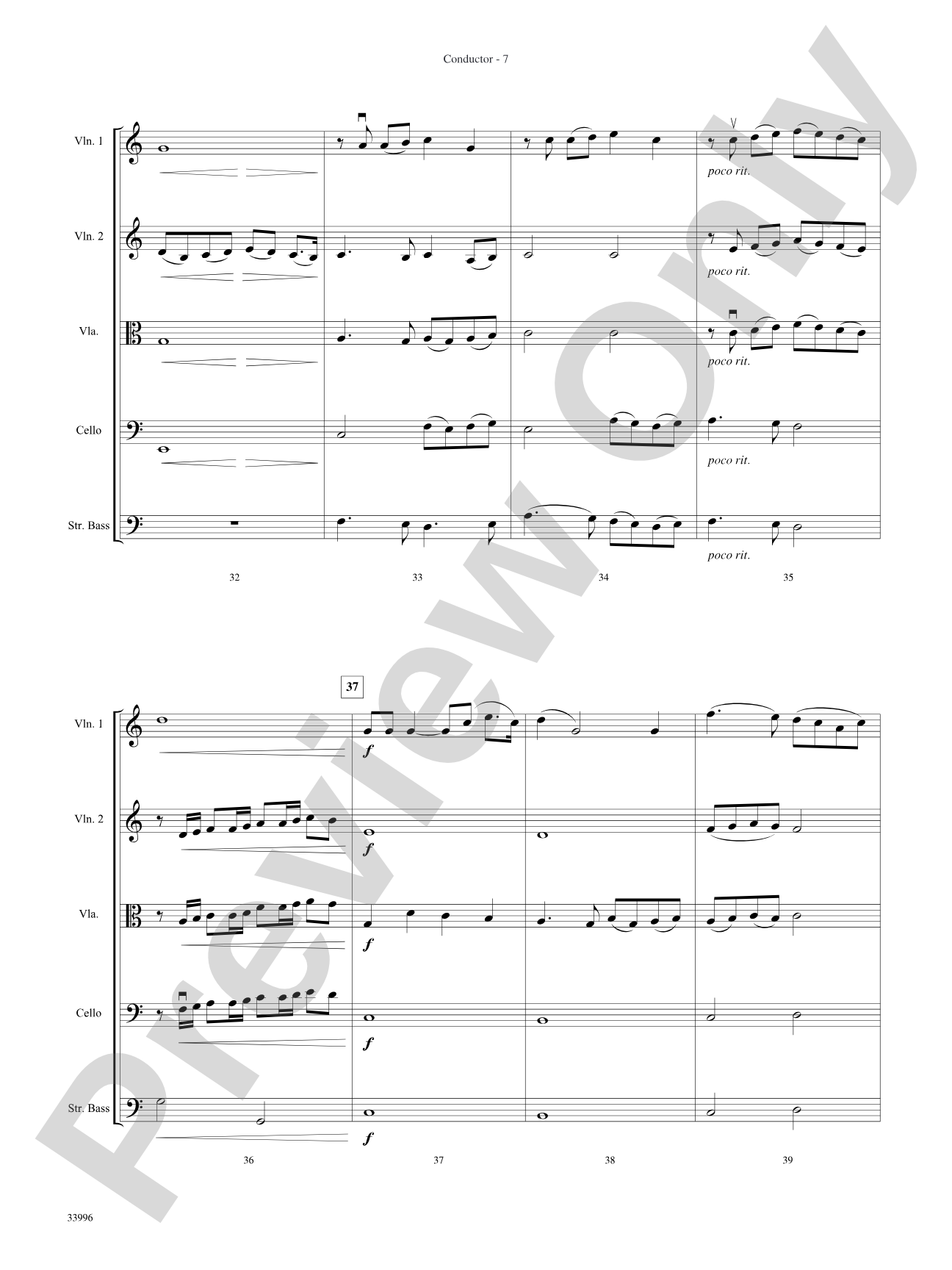
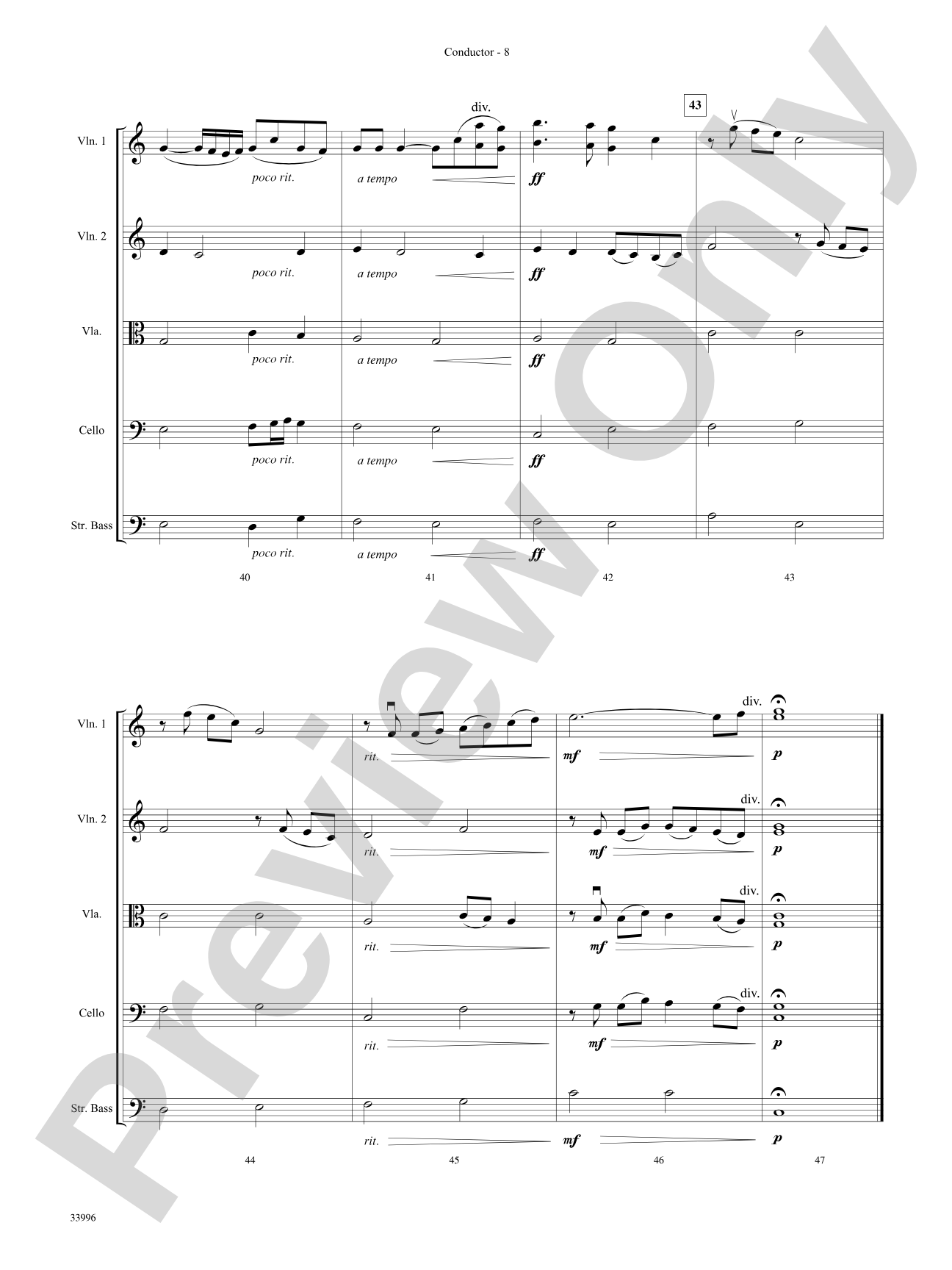
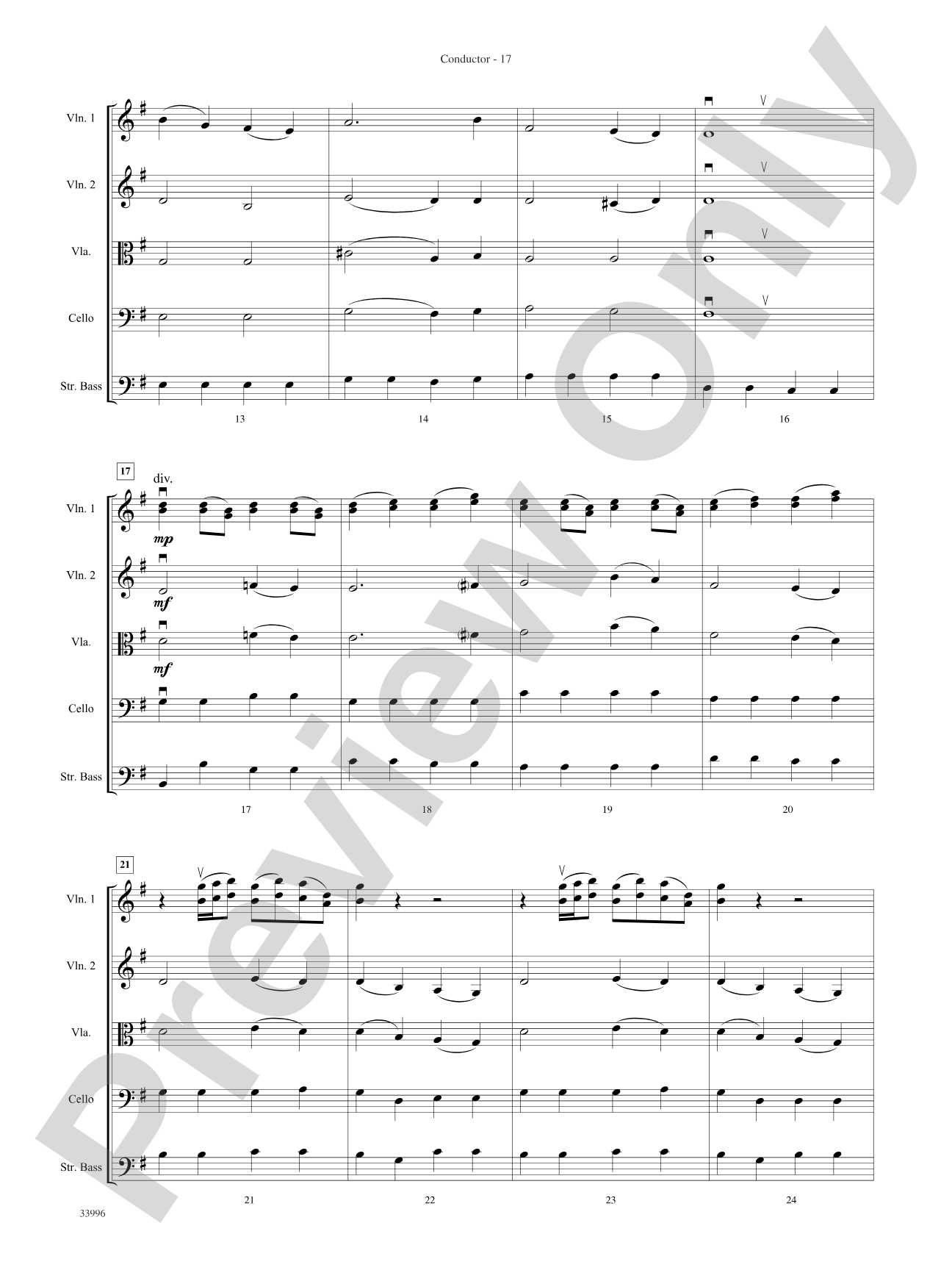
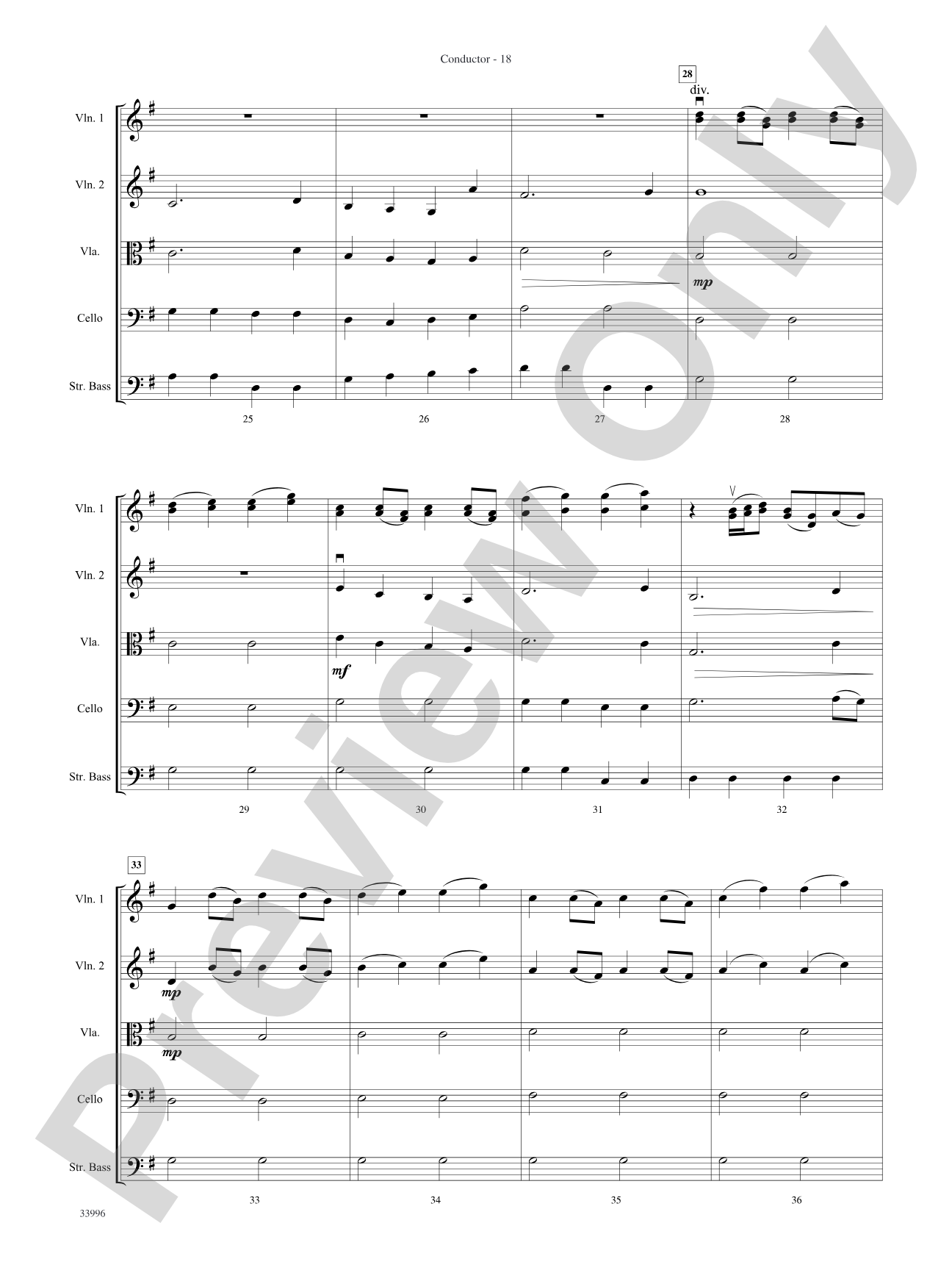
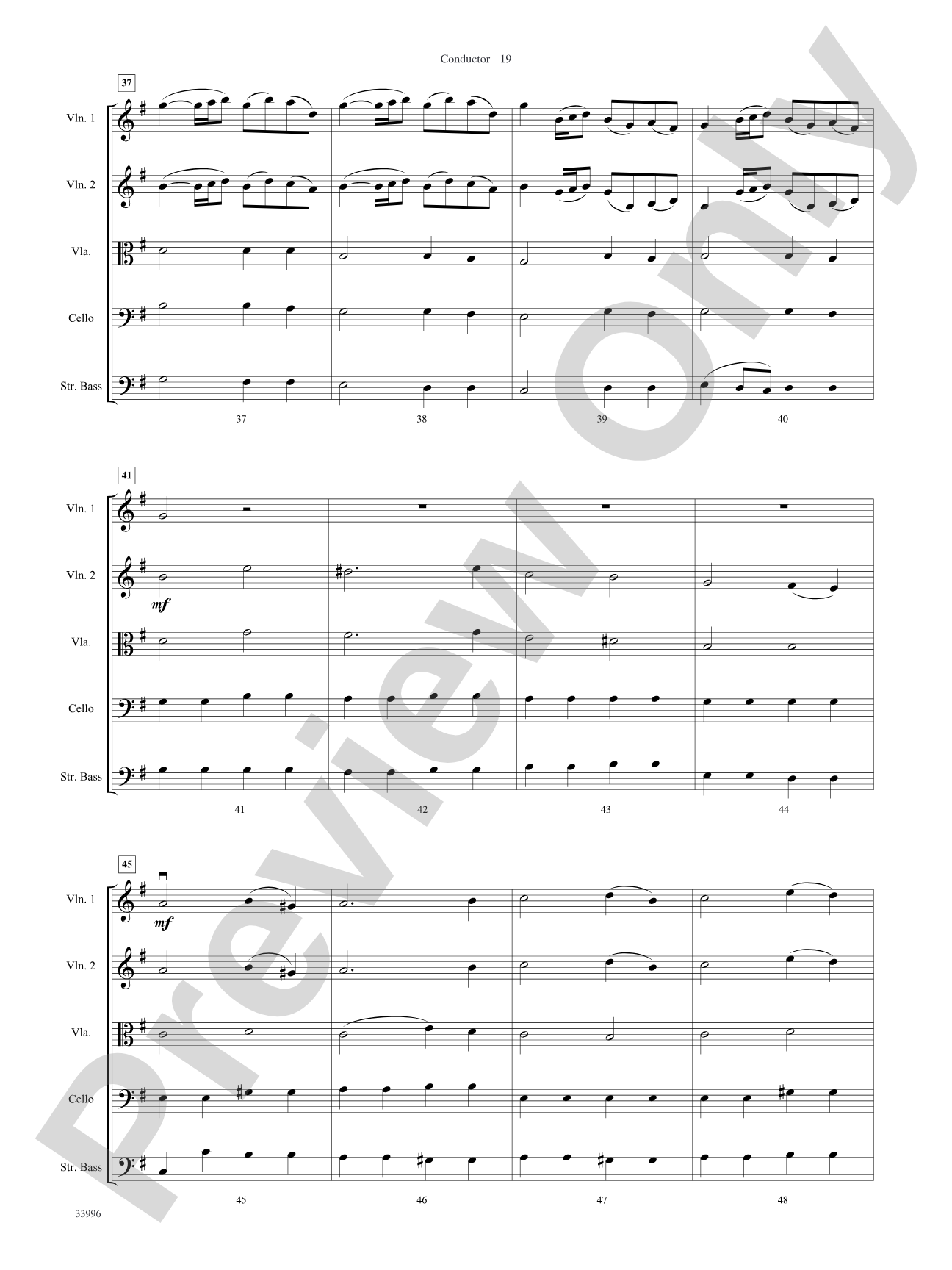
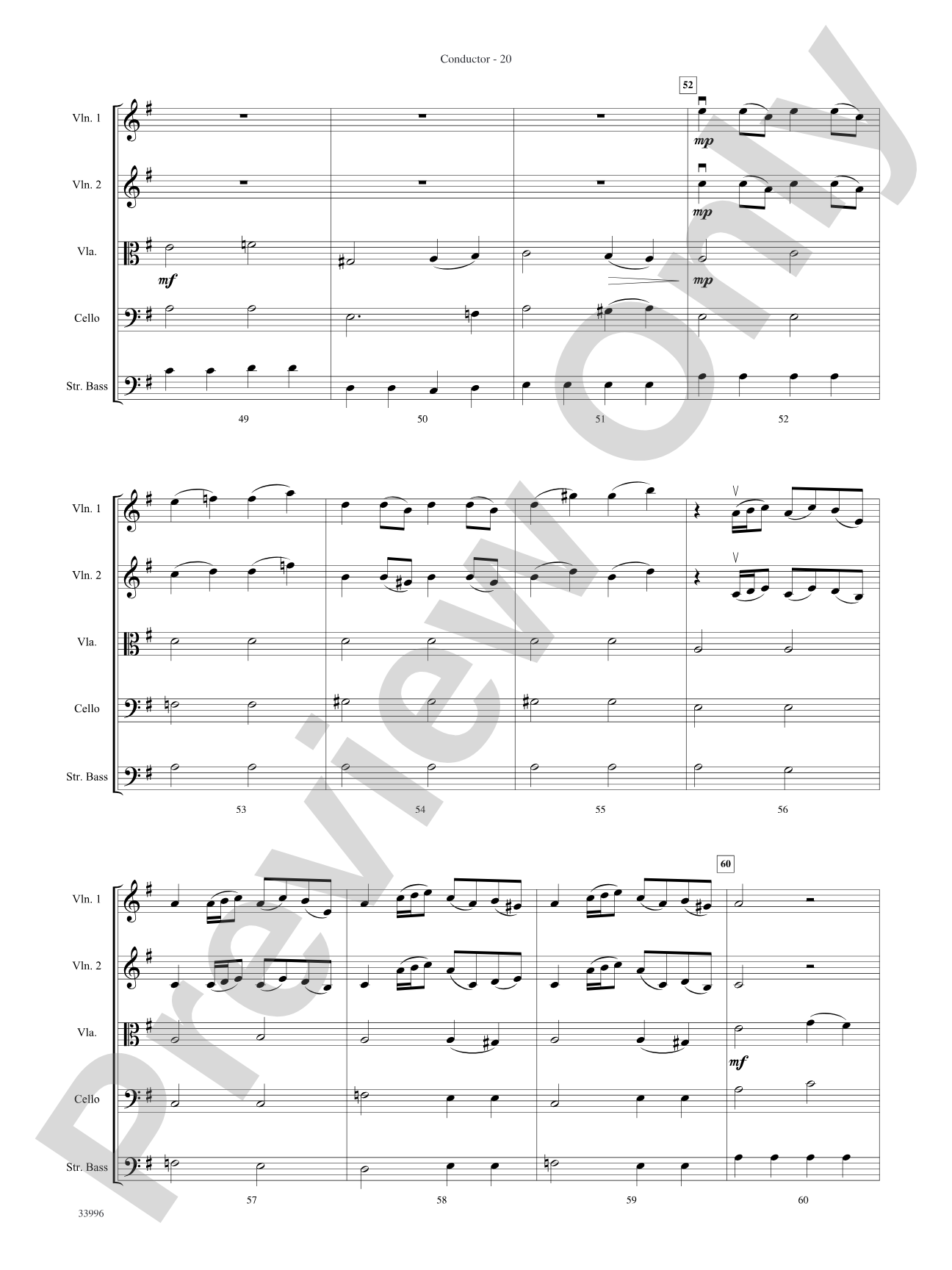
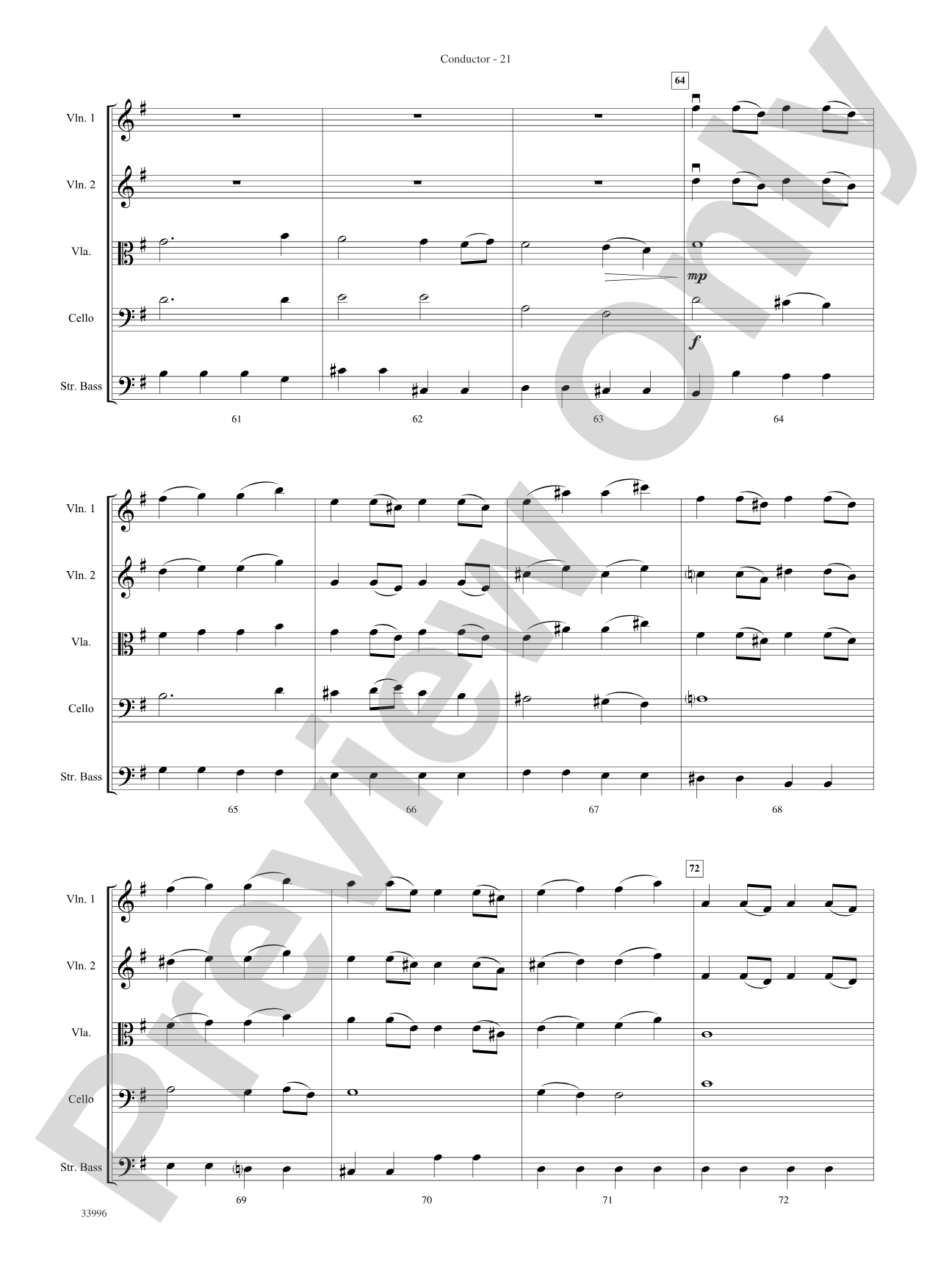
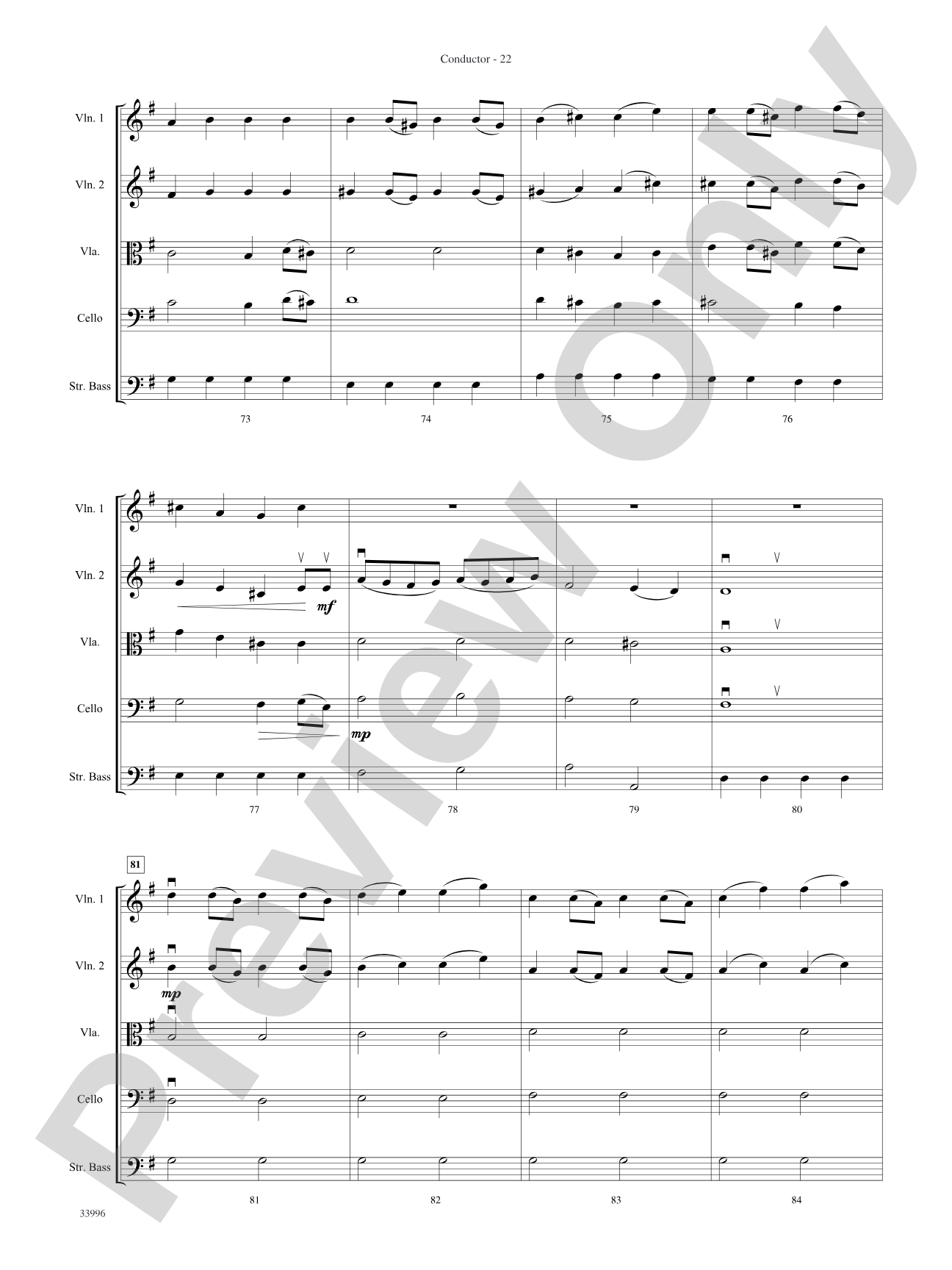
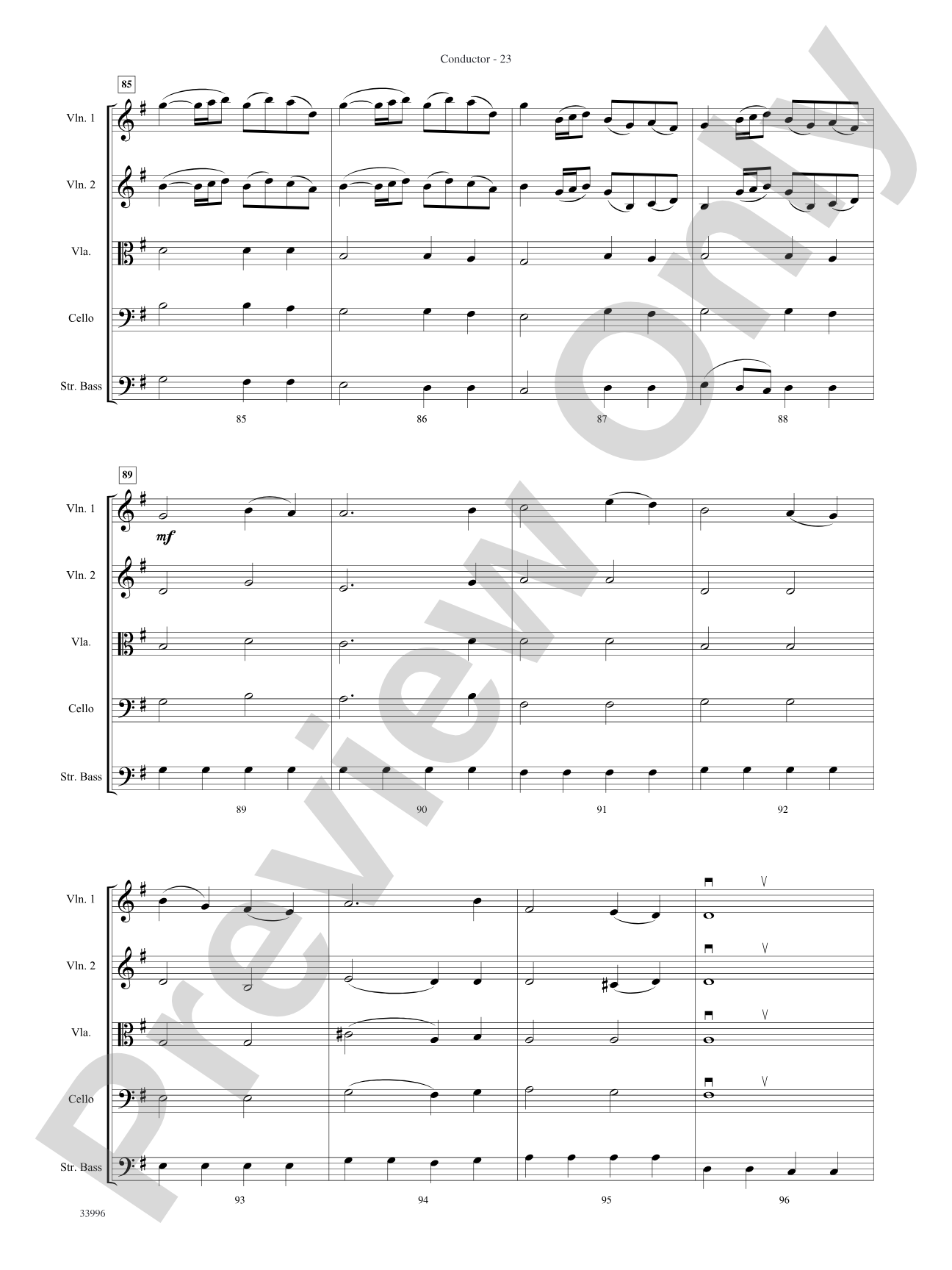
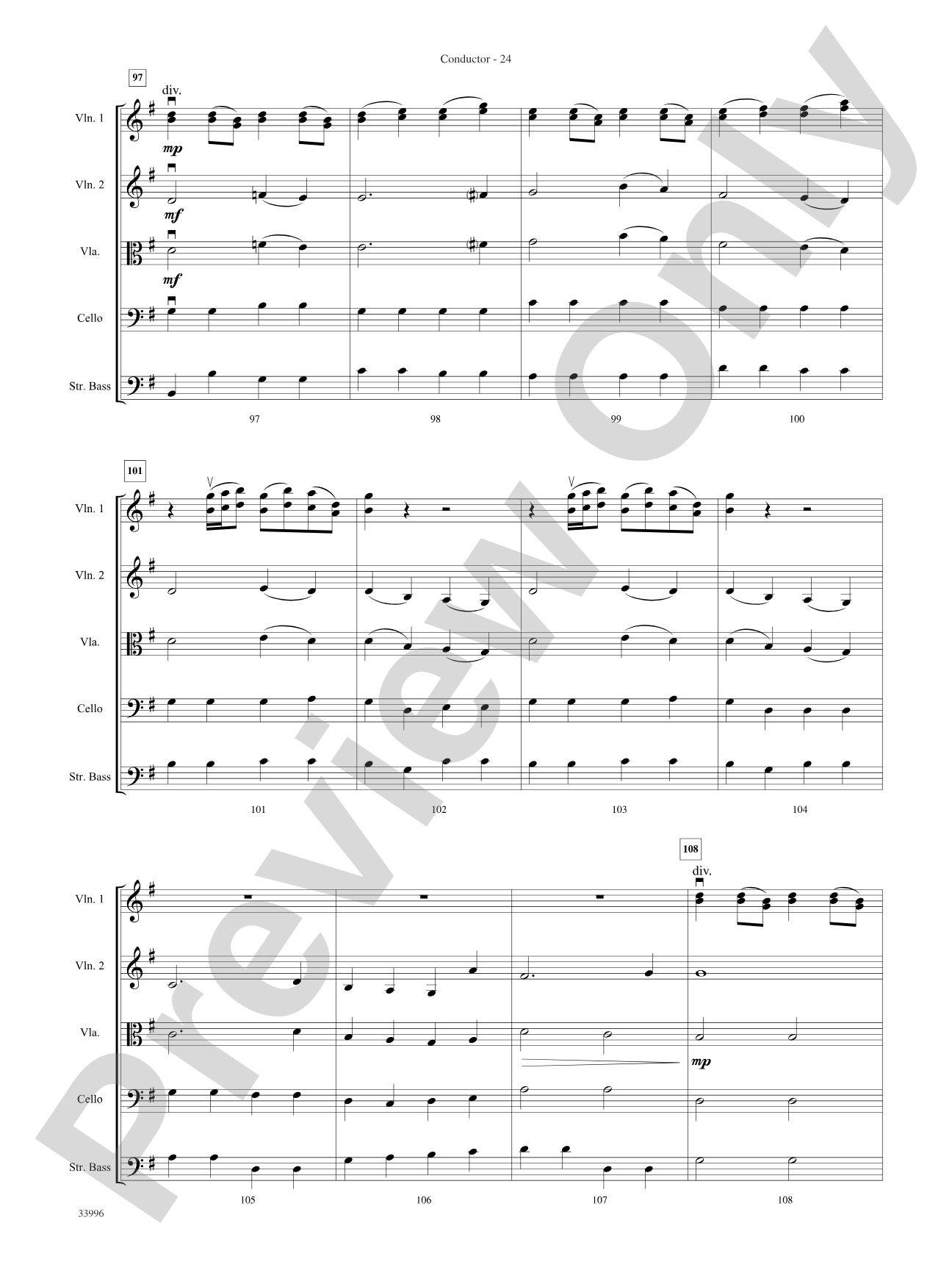
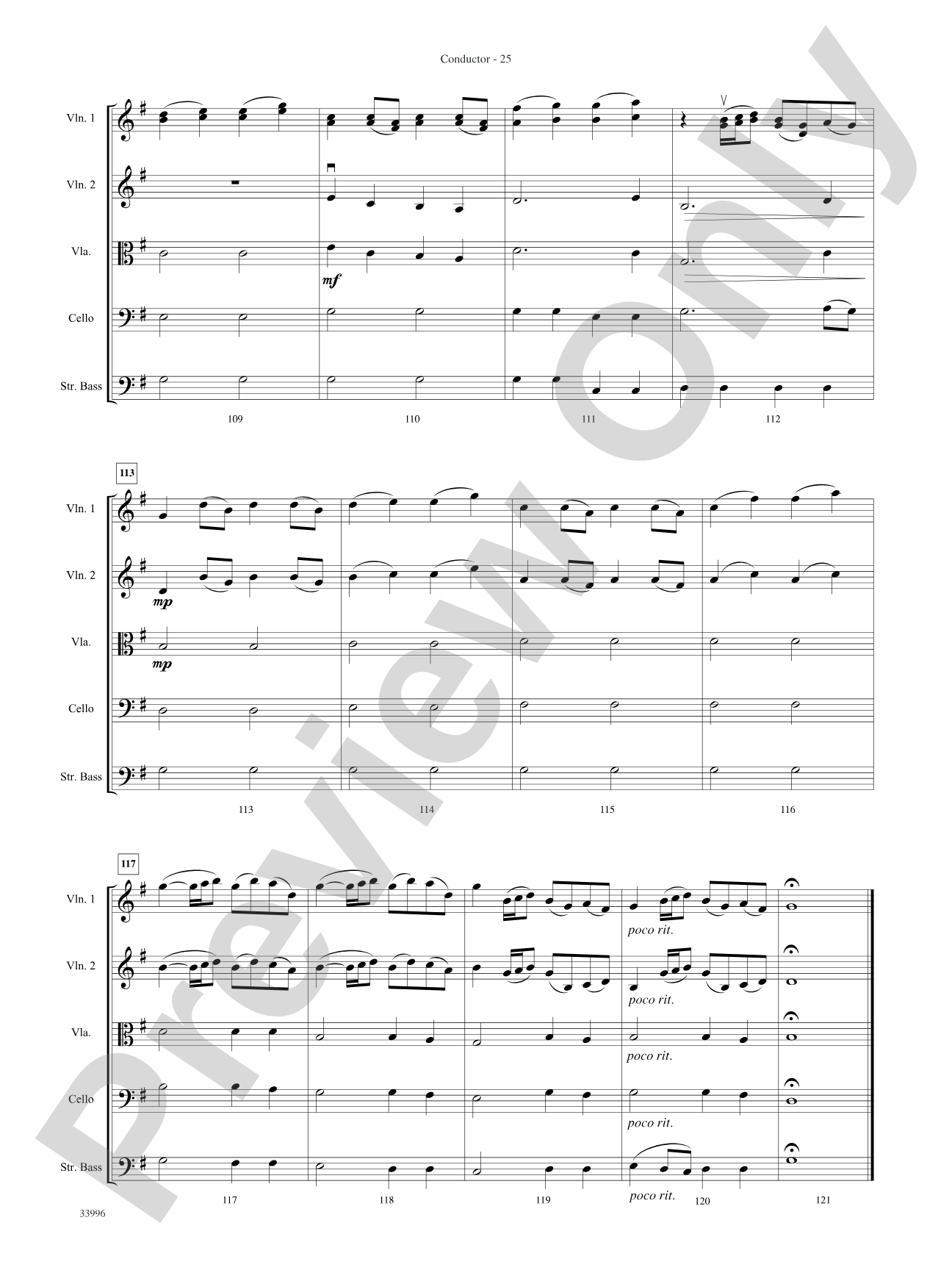




Classics for Contest: Score
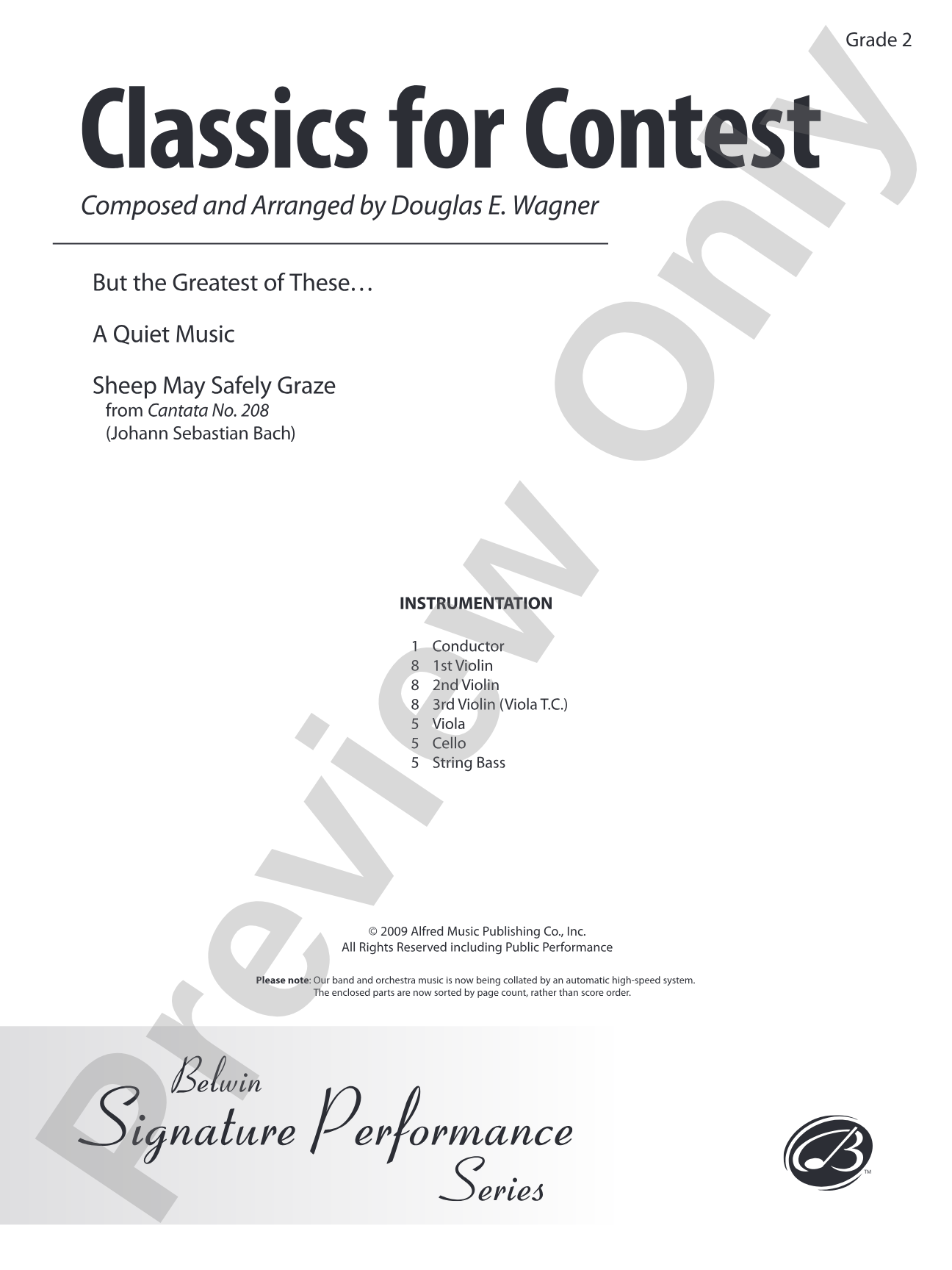
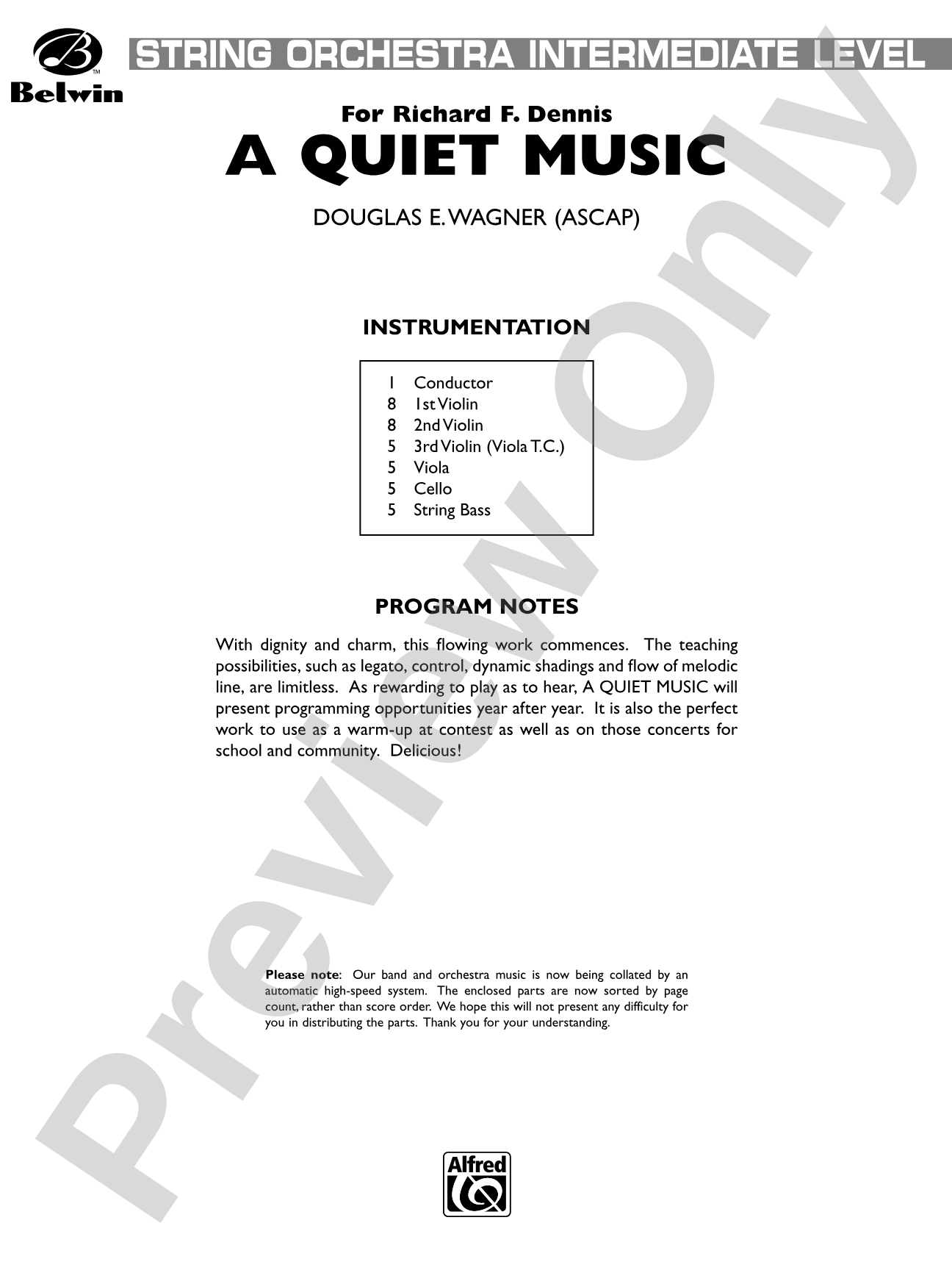
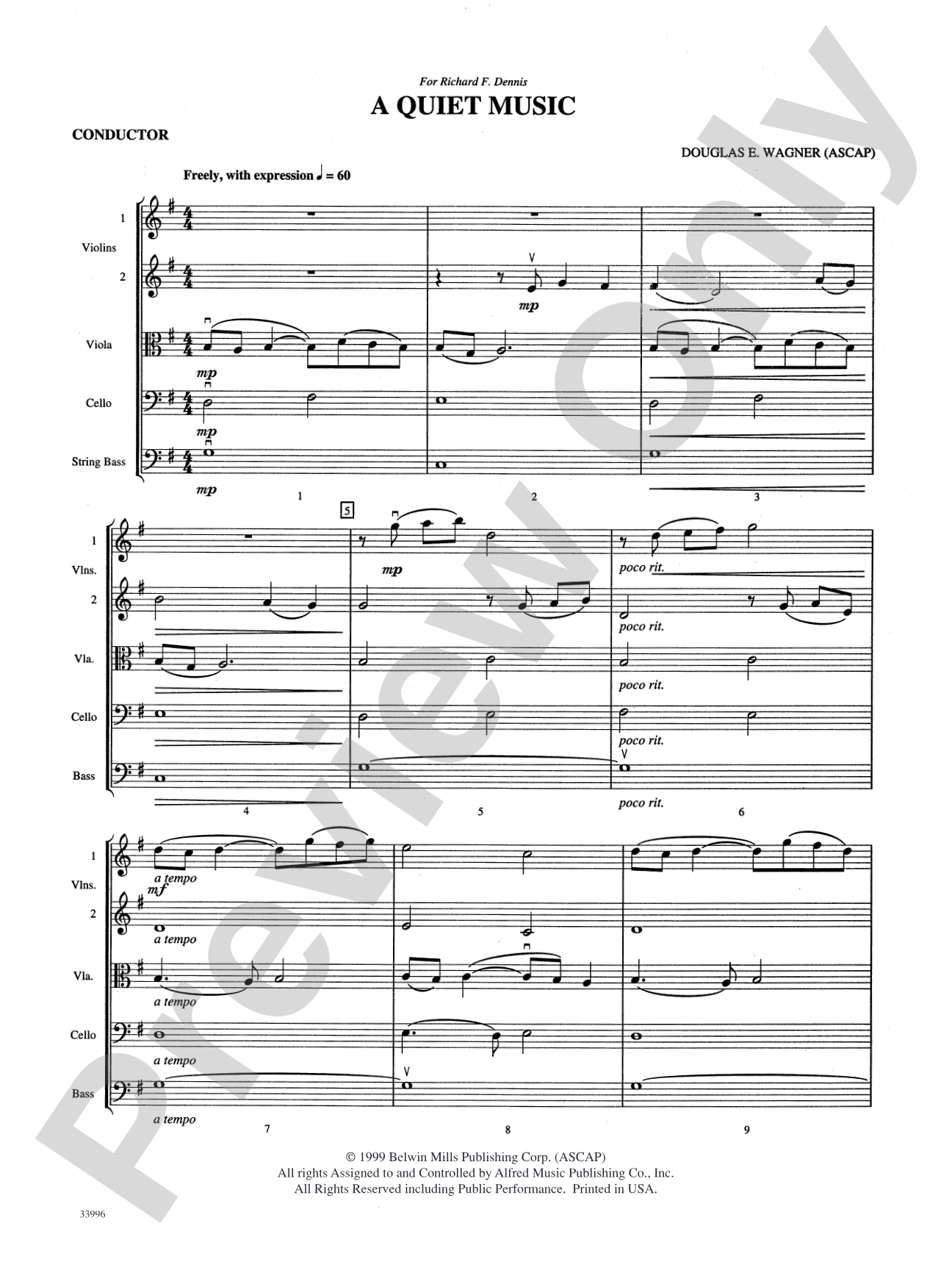
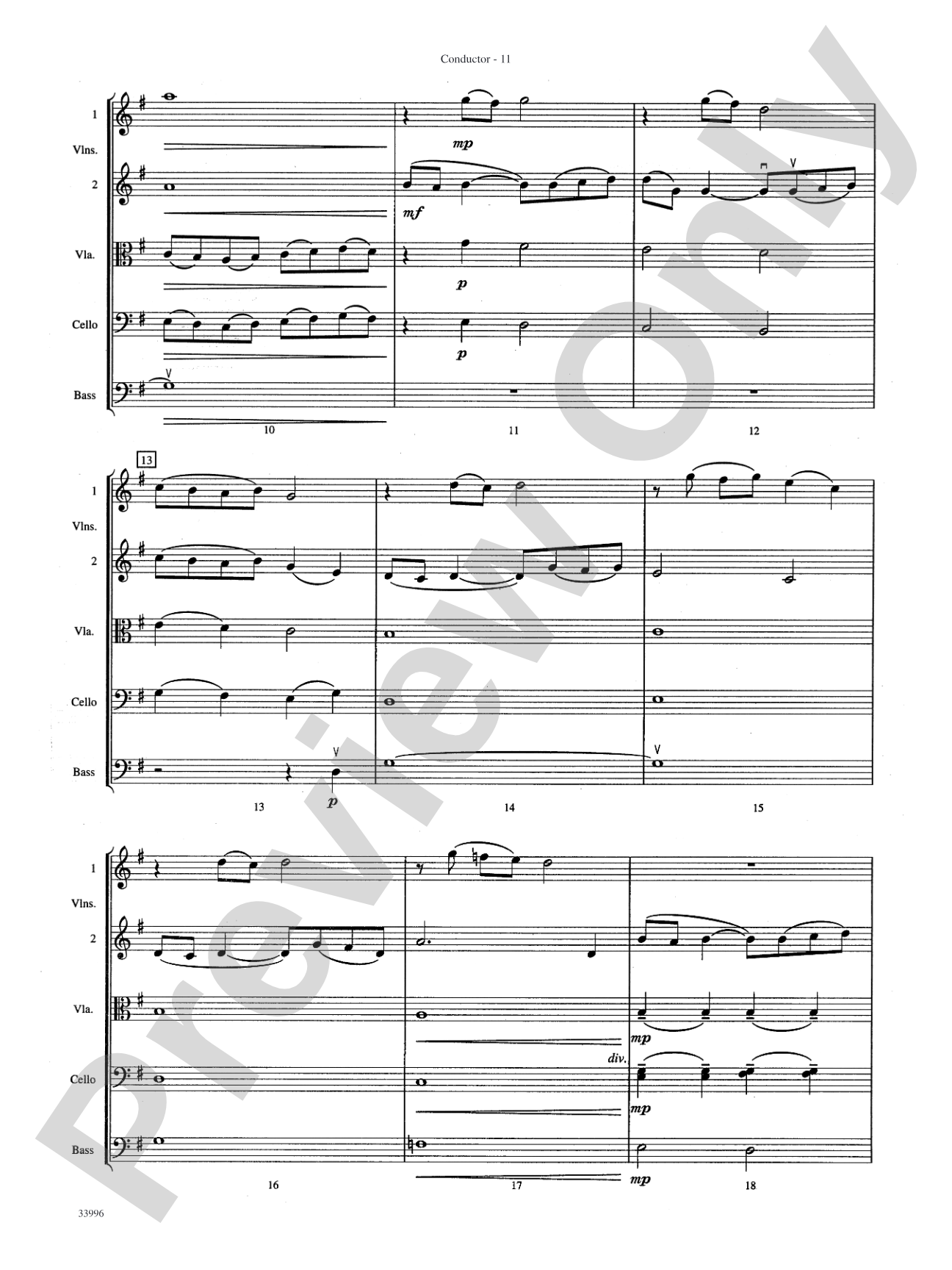
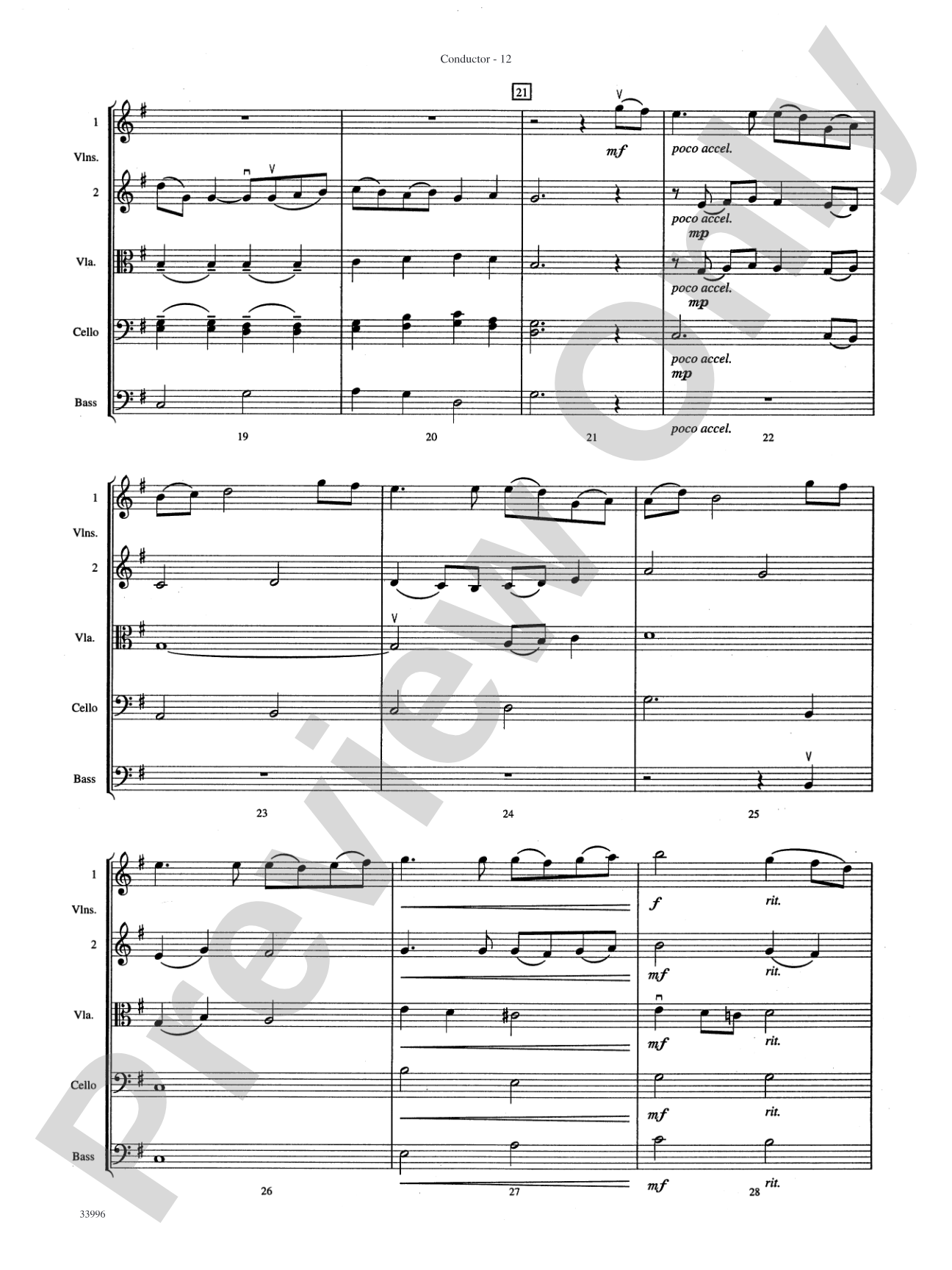
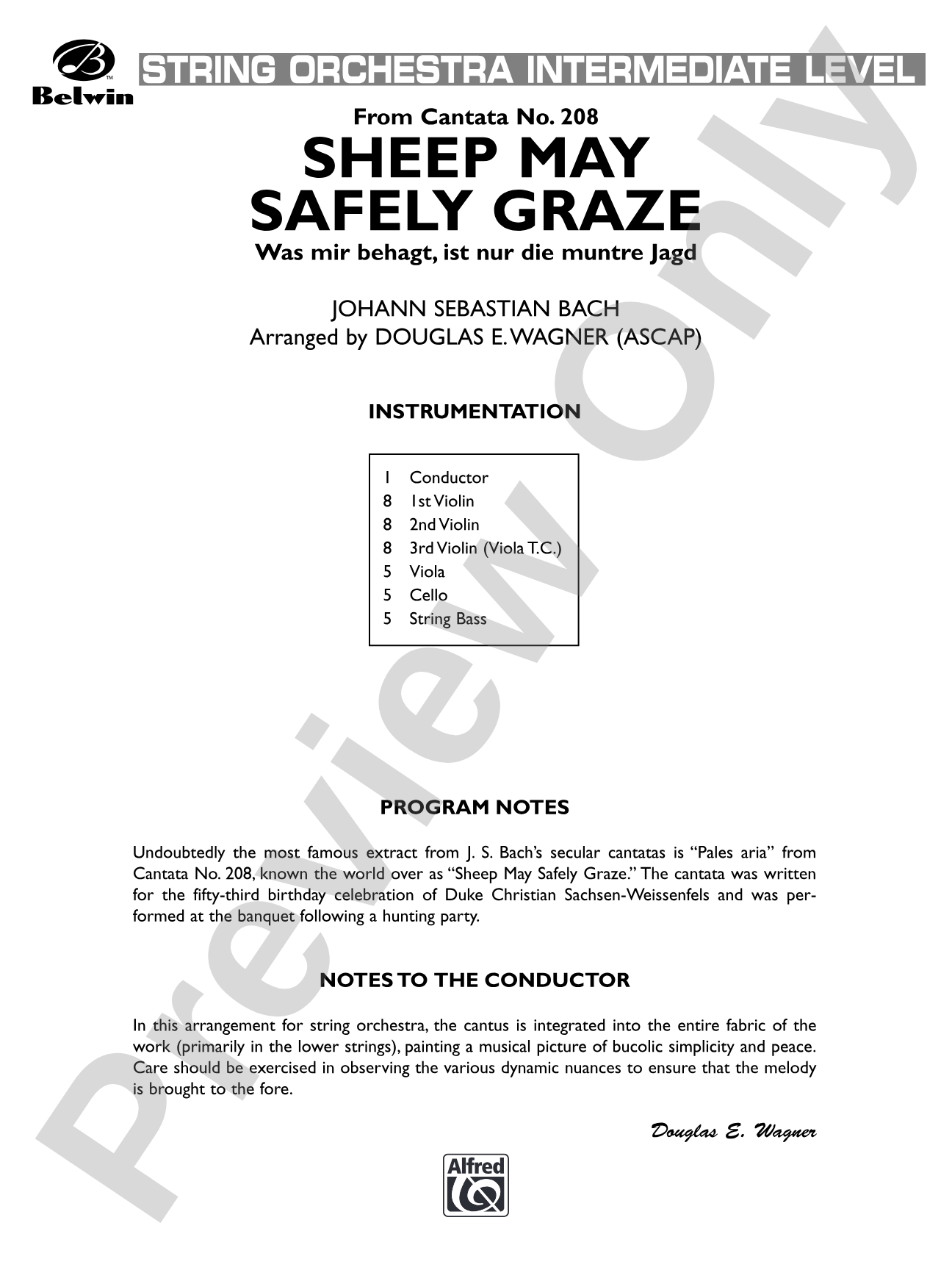
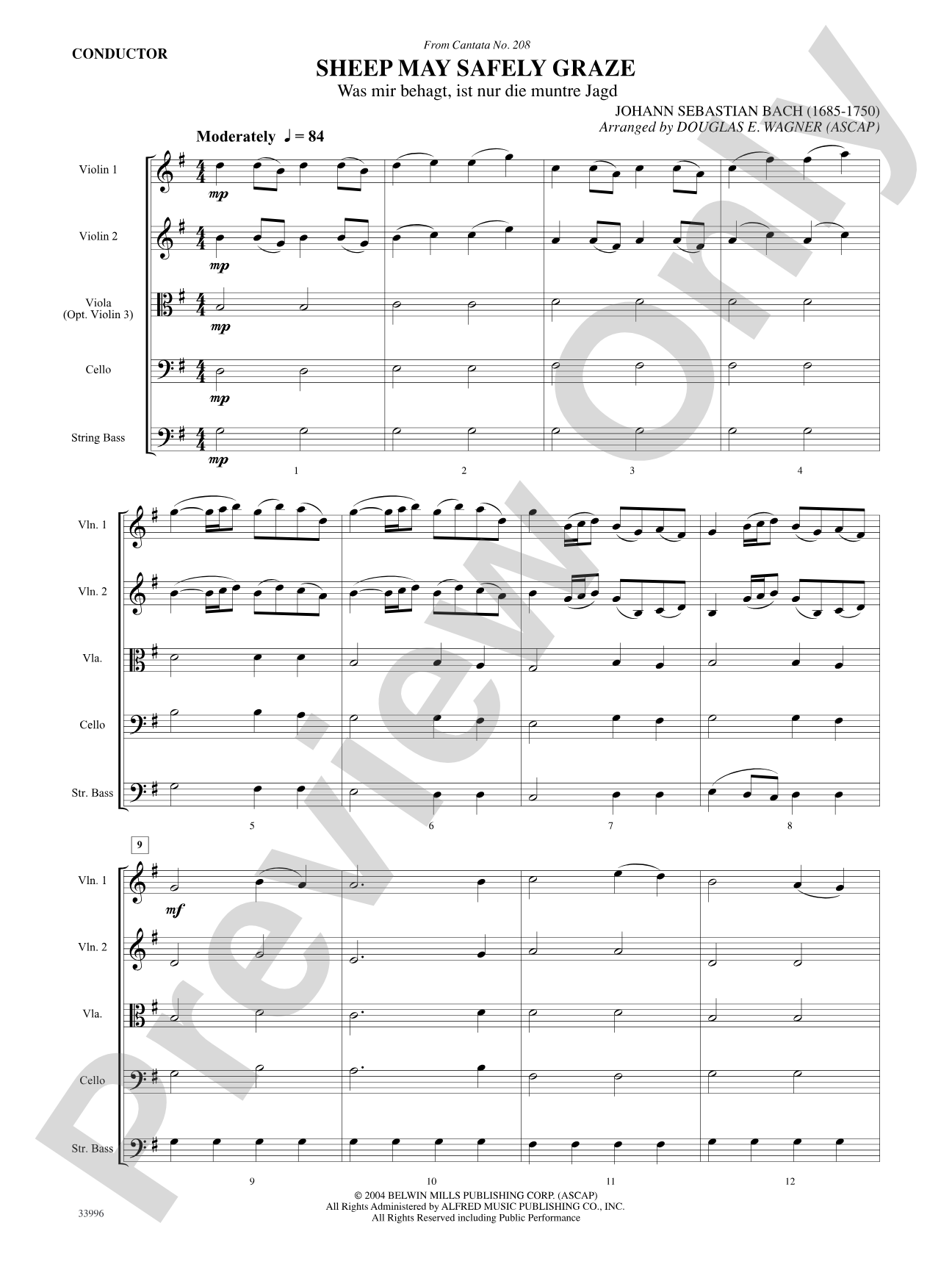
Featuring: But the Greatest of These... / A Quiet Music / Sheep May Safely Graze
Arr. Douglas E. Wagner
Grade: 2
Item: 00-PR-0002923
$10.00
Pickup currently not available
Description
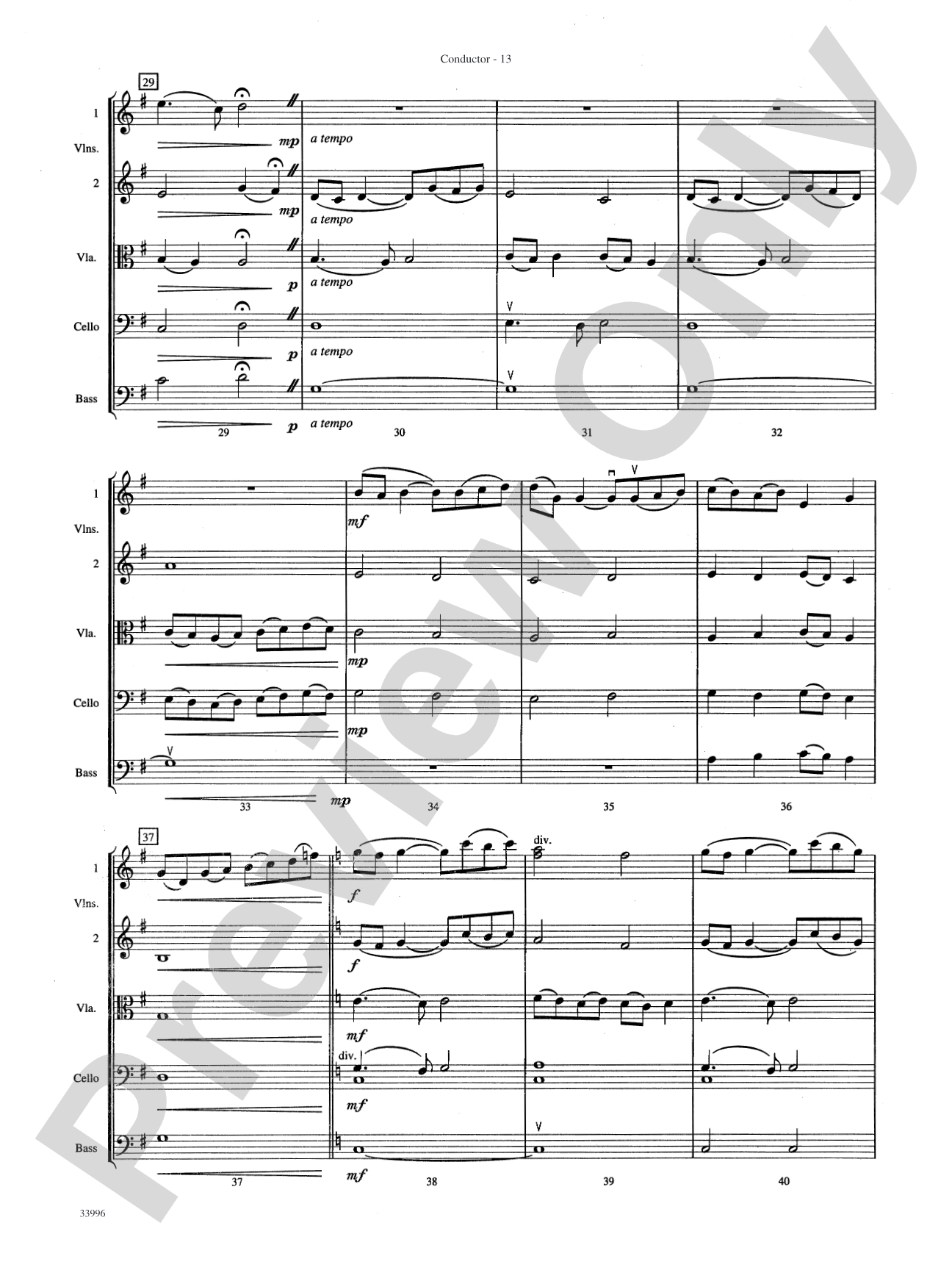
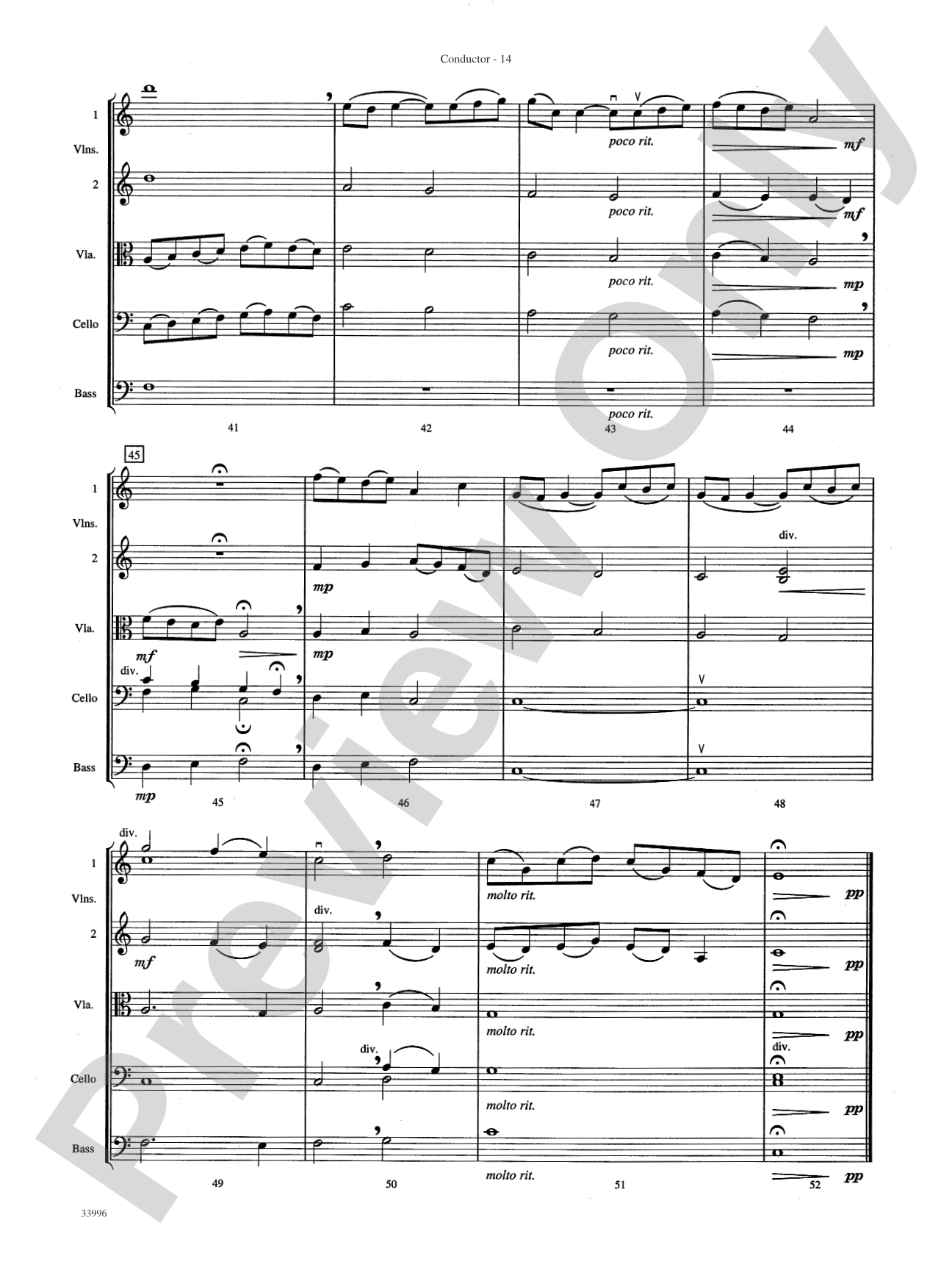
Stretch your performance music budget further with a collection of pieces for the price of one! The Alfred and Belwin Signature Performance Series combine several best-selling pieces by our popular composers and arrangers into one set of score and parts. Made for young bands and orchestras, each set contains full-length pieces that can be used together in one concert or separately, with themes such as classic popular Christmas, movies, international, pop, and Classics appropriate for Contest. Also available for choir and handbell choir. Enjoy quality music at a great value price! This title includes classics for contests, concerts, and festivals. Titles: But the Greatest of These . . . * A Quiet Music * Sheep May Safely Graze.


Don't just read it, hear it, play along with it, and watch your students grow with it. In MakeMusic Cloud, Classics for Contest: Score comes alive with professional accompaniment, adjustable tempo, and built-in practice tools that turn solo practice into real progress.
Open in the Player
Jump straight in and assign it today.
Start Your Free Trial
Open this title and explore the full library in minutes.
Sample Audio
No sample audio found.
Sample Video
No sample videos found.
Additional Details
Series:
Belwin Signature Performance Series for Orchestra
Publisher:
Alfred Music
Page Count:
156
SKU:
00-PR-0002923
More about this title
About the Arranger: Douglas E. Wagner

Douglas E. Wagner brings three decades of high school music direction into his prolific composition and arranging career. A Butler University graduate with degrees in music, Wagner has published over 3,500 works across choral, instrumental, and keyboard genres since 1973, with worldwide performances on concert stages, radio, and television.
His arrangements balance musical substance with practical accessibility, making quality literature available to programs at every level. Wagner currently resides in Indianapolis with his wife, Sandy, and continues to be one of the most performed composers in American music education.
Why we love this
Wagner's contest selections here are intelligently crafted to stand out in adjudication while remaining well within reach for a young orchestra. Each arrangement respects the original work while creating genuine moments of expression that judges recognize as mature musicianship, not just competent playing.
What to expect
The collection moves across familiar musical terrain with warmth and clarity. Audiences hear recognizable masterworks rendered transparent and singable by string writing that honors the originals while unlocking accessibility.
Who it's for
Young orchestras preparing for district, state, or regional contests and festivals will find three well-scaled works ready to program. Directors looking for quality literature that doesn't exceed typical high school string instrumentation or require substantial rehearsal time will appreciate the efficiency of this package.
How to get the most out of it
- Balance the ensemble texture by rotating principal players on exposed lines; this builds sectional confidence and prevents fatigue in the first violins through longer passages.
- Establish a consistent tempo framework in rehearsal using a click or conducting gesture, especially where the pieces shift between sections, so the ensemble stays anchored during performance.
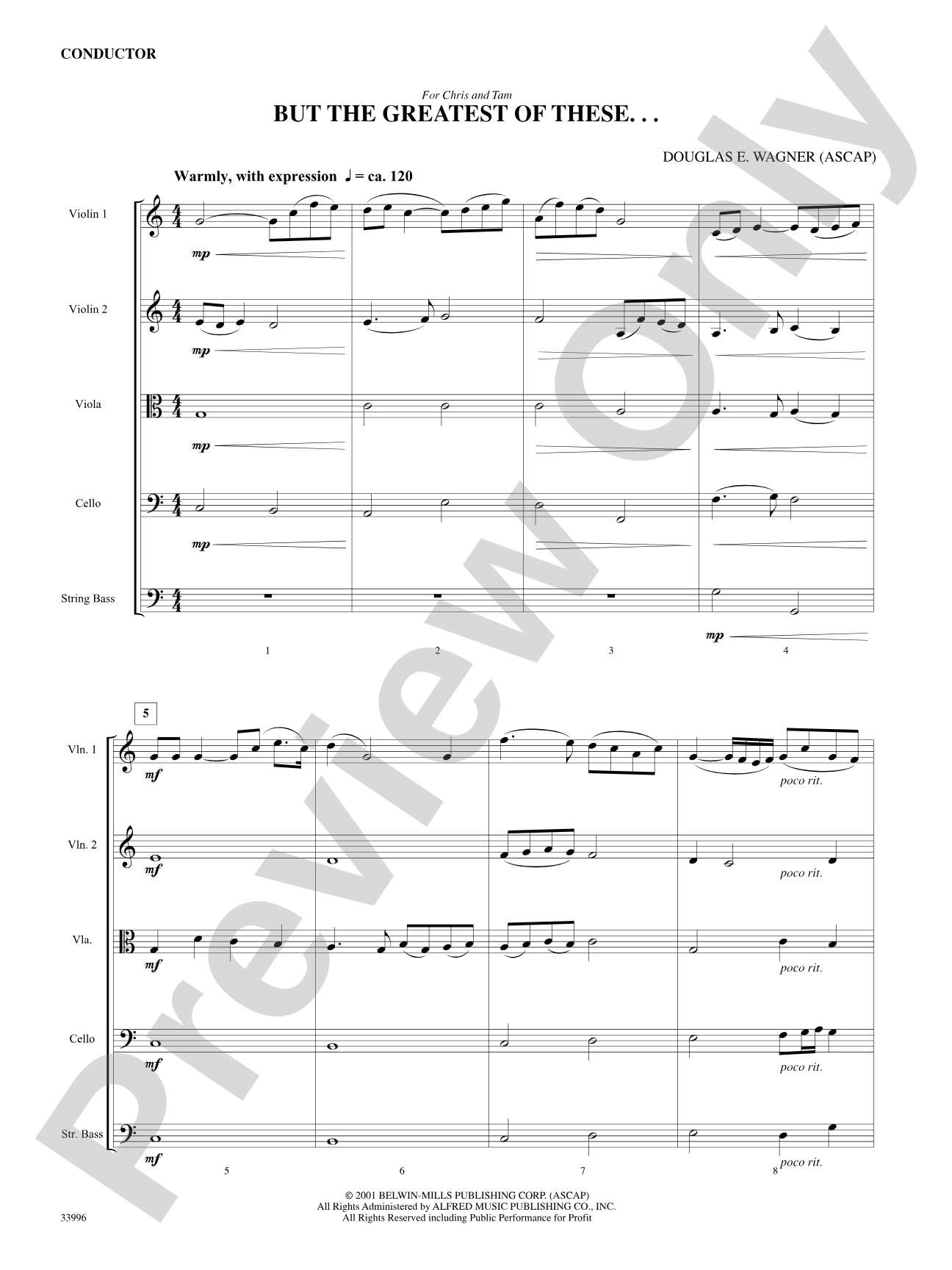
- Shape phrase endings with slight ritardandi and dynamic releases rather than abrupt stops; these details separate polished performances from competent ones in contest judging.
How to use it
Present one of these pieces as an opening selection to establish ensemble balance and tuning before a more ambitious work, or program them together as a triptych showcasing range and musical variety in a single concert. The contest designation means each can hold its own in adjudication or serve as a confident closer to a school concert.
Skills your students will build
- sustaining long phrases with controlled bow distribution
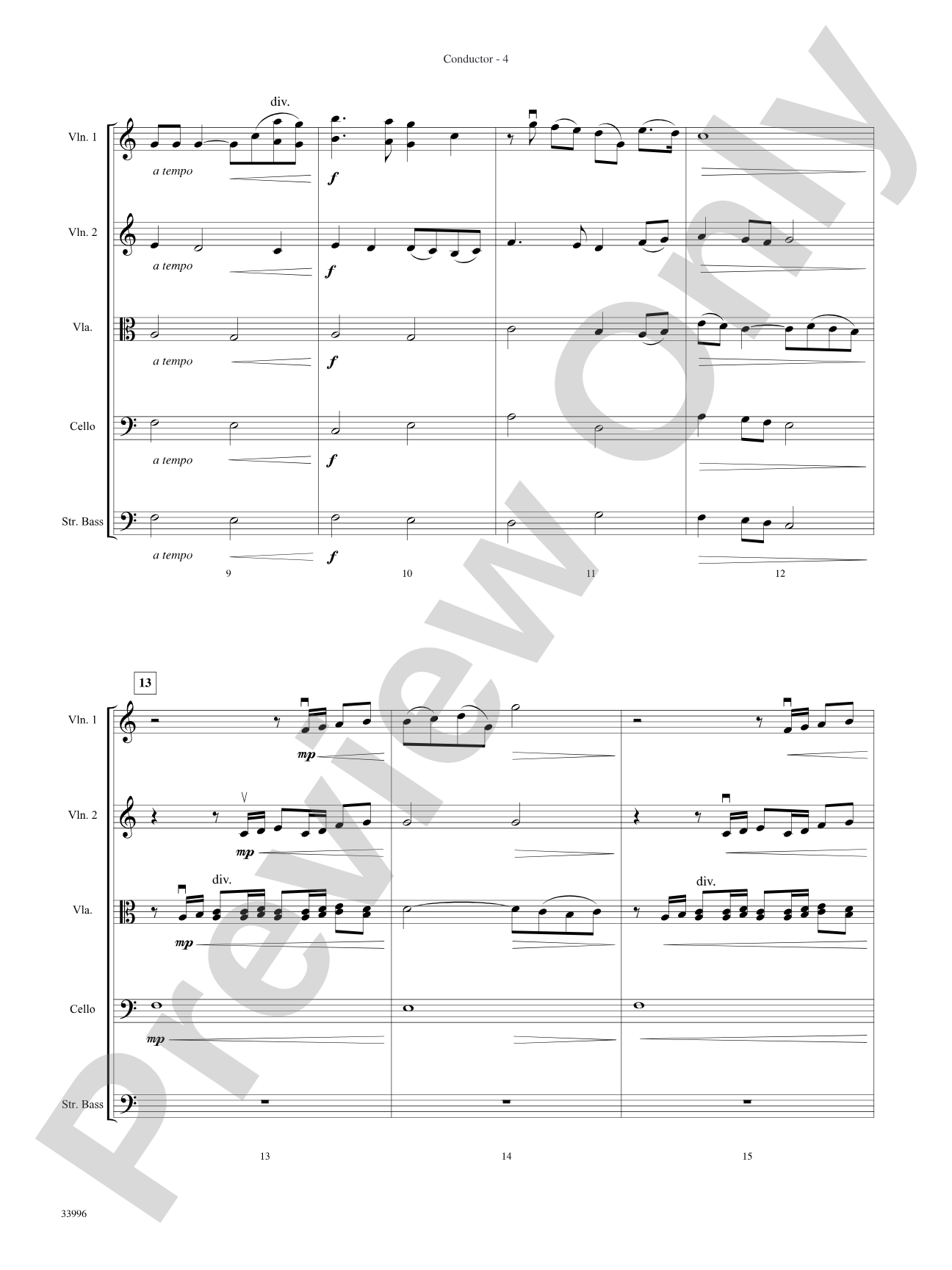
- balancing harmonic voices across a divided string section
- shaping dynamic contours within single-note contexts
- maintaining intonation through key changes and register shifts
- responding to conductor shape and phrasing cues in familiar repertoire