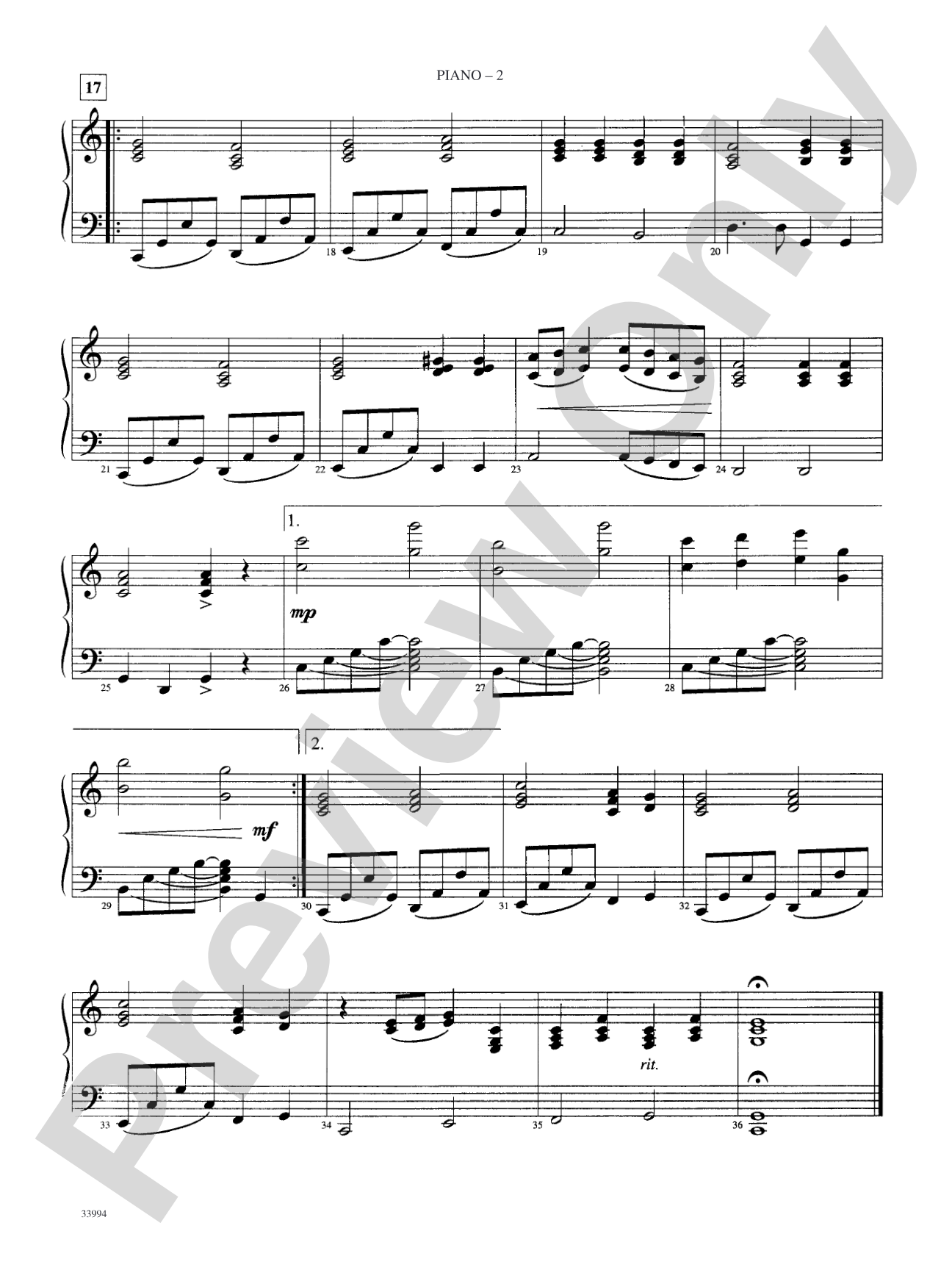
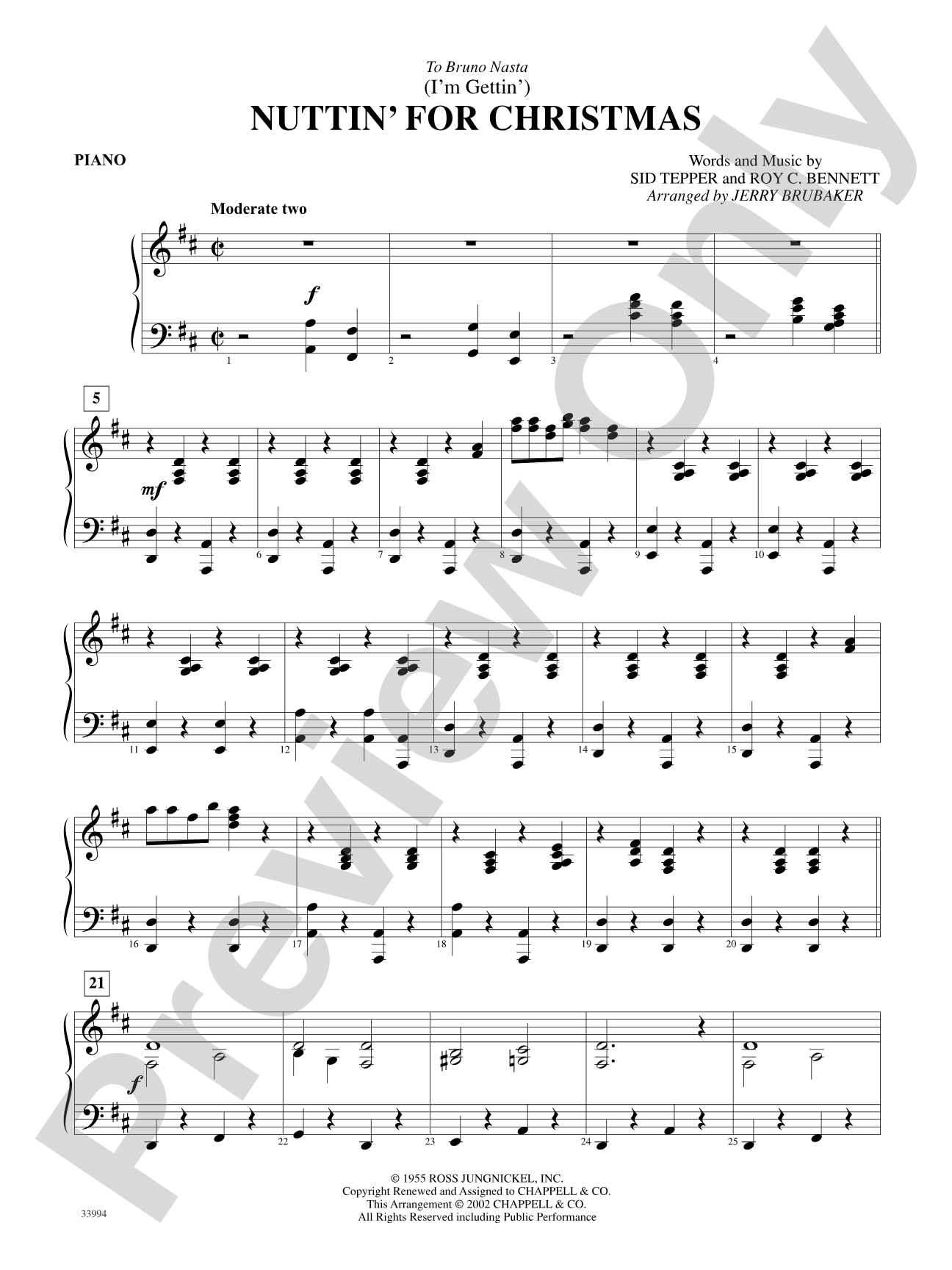
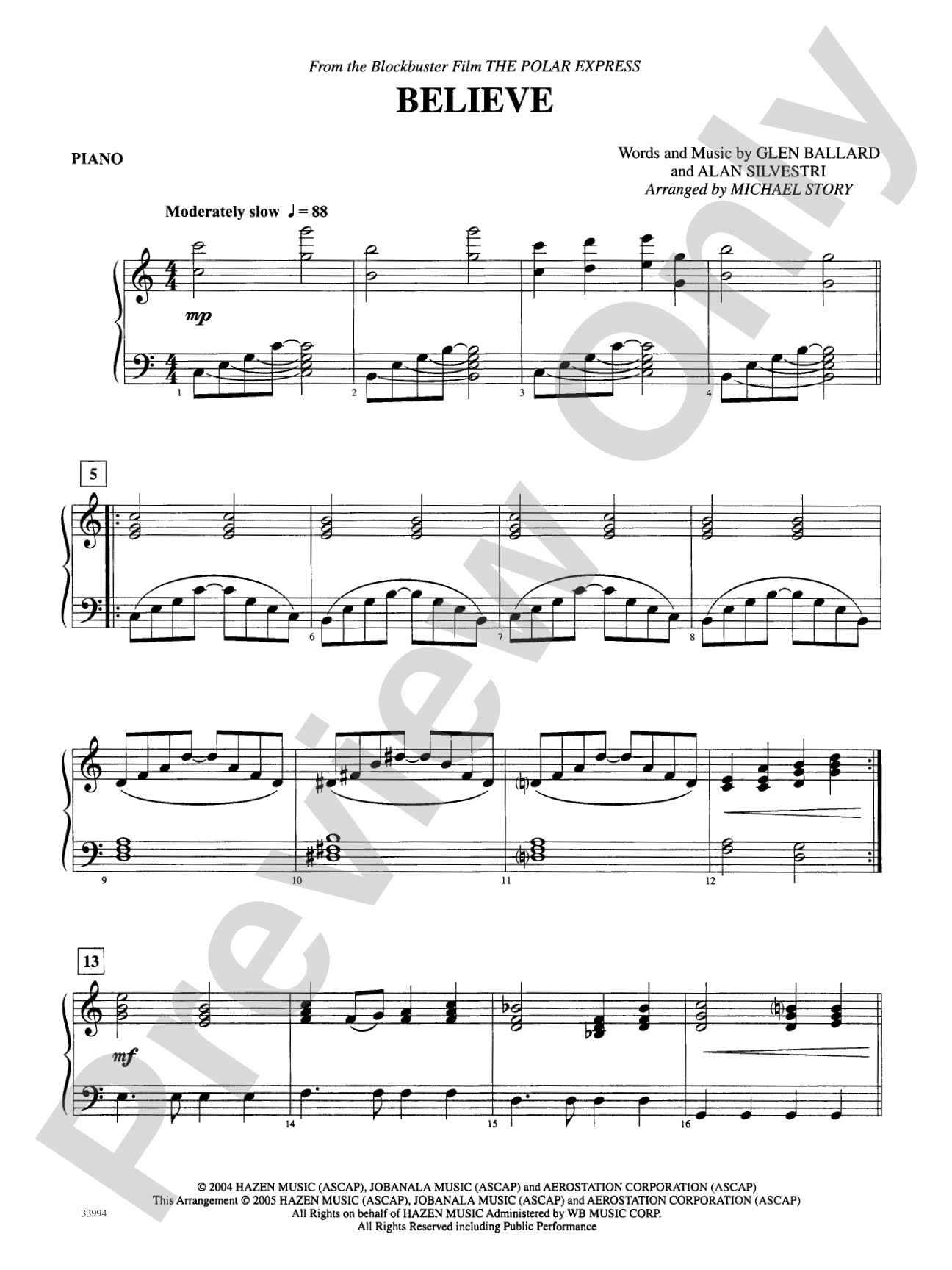
Classics for a Christmas Pops, Level 2: Piano Accompaniment Sheet Music Preview

Classics for a Christmas Pops, Level 2: Piano Accompaniment

Featuring: Have Yourself a Merry Little Christmas / (I'm Gettin') Nuttin' for Christmas / Winter Wonderland/Let It Snow!

Grade: 2

Item: 00-PC-0015759_K

Digital Download
$5.99
Description
Stretch your performance music budget further with a collection of pieces for the price of one! The Alfred and Belwin Signature Performance Series combine several best-selling pieces by our popular composers and arrangers into one set of score and parts. Made for young bands and orchestras, each set contains full-length pieces that can be used together in one concert or separately, with themes such as classic popular Christmas, movies, international, pop, and Classics appropriate for Contest. Also available for choir and handbell choir. Enjoy quality music at a great value price! This title is excellent as a novelty number at a holiday concerts. Titles: Have Yourself a Merry Little Christmas * (I'm Gettin') Nuttin' for Christmas * Winter Wonderland/Let It Snow!

Don't just read it, hear it, play along with it, and watch your students grow with it. In MakeMusic Cloud, Classics for a Christmas Pops, Level 2: Piano Accompaniment comes alive with professional accompaniment, adjustable tempo, and built-in practice tools that turn solo practice into real progress.

Sample Audio
No sample audio found.
Sample Video
Additional Details
Series: Belwin Signature Performance Series for Orchestra
Publisher: Alfred Music
Page Count: 332
SKU: 00-PC-0015759_K

More about this title

About the Composer: Glen Ballard

Glen Ballard is a composer and songwriter known for pop and film music that bridges commercial appeal with accessible musical writing. His work appears frequently in educational settings because he understands how to write engaging melodies and clear harmonic structures that work well for young ensemble musicians without sacrificing musicality.

Why we love this

This collection gives you three distinct holiday arrangements with professional orchestration at a price point that actually leaves room in the budget for other concert needs. The pieces vary enough in mood and style that you can program them separately or string them together for a cohesive pops set, and the Grade 2 writing keeps your ensemble focused on musicianship rather than fighting the notes.

What to expect

Warm, nostalgic, and approachable. The melodies are ones audiences recognize instantly, and the string orchestration gives them a glow that feels more refined than a casual singalong but never precious. There's genuine charm in the simplicity and a lift that carries well in a concert setting.

Who it's for

String orchestras in Grades 2-4 looking to program familiar holiday music that requires manageable technical demands but rewards thoughtful interpretation. Directors need repertoire that feels festive without requiring extended rehearsal time, and these three arrangements deliver exactly that mix.

How to get the most out of it

  • Balance the string choir so that melody lines cut through without drowning out harmonic support; Grade 2 writing can blur if second violins and violas aren't clearly present beneath the firsts.
  • Use the conductor score to map out where parts double or split, so you can make intentional choices about which sections carry phrases and which provide context.
  • Shape each piece with clear phrase arcs even within simple melodic material; the holiday audience expects warmth and lift, not mechanical precision.
  • Lock in the rhythm section early if you have bass or percussion accompaniment; these pops arrangements benefit from a secure rhythmic foundation.

How to use it

Open your winter concert with all three pieces as a unified pops set, or space them throughout the program as mood shifts and audience breathers. These work equally well as standalone novelty numbers if your concert theme is broader; they're short enough to fit into a varied program without dominating it.

Skills your students will build

  • Balancing melody and accompaniment roles within the string choir
  • Shaping simple melodic lines with phrase awareness
  • Reading and executing rhythmic clarity in ensemble context
  • Ensemble intonation across multiple string parts
  • Following conductor interpretation in familiar, accessible material

You May Also Like