
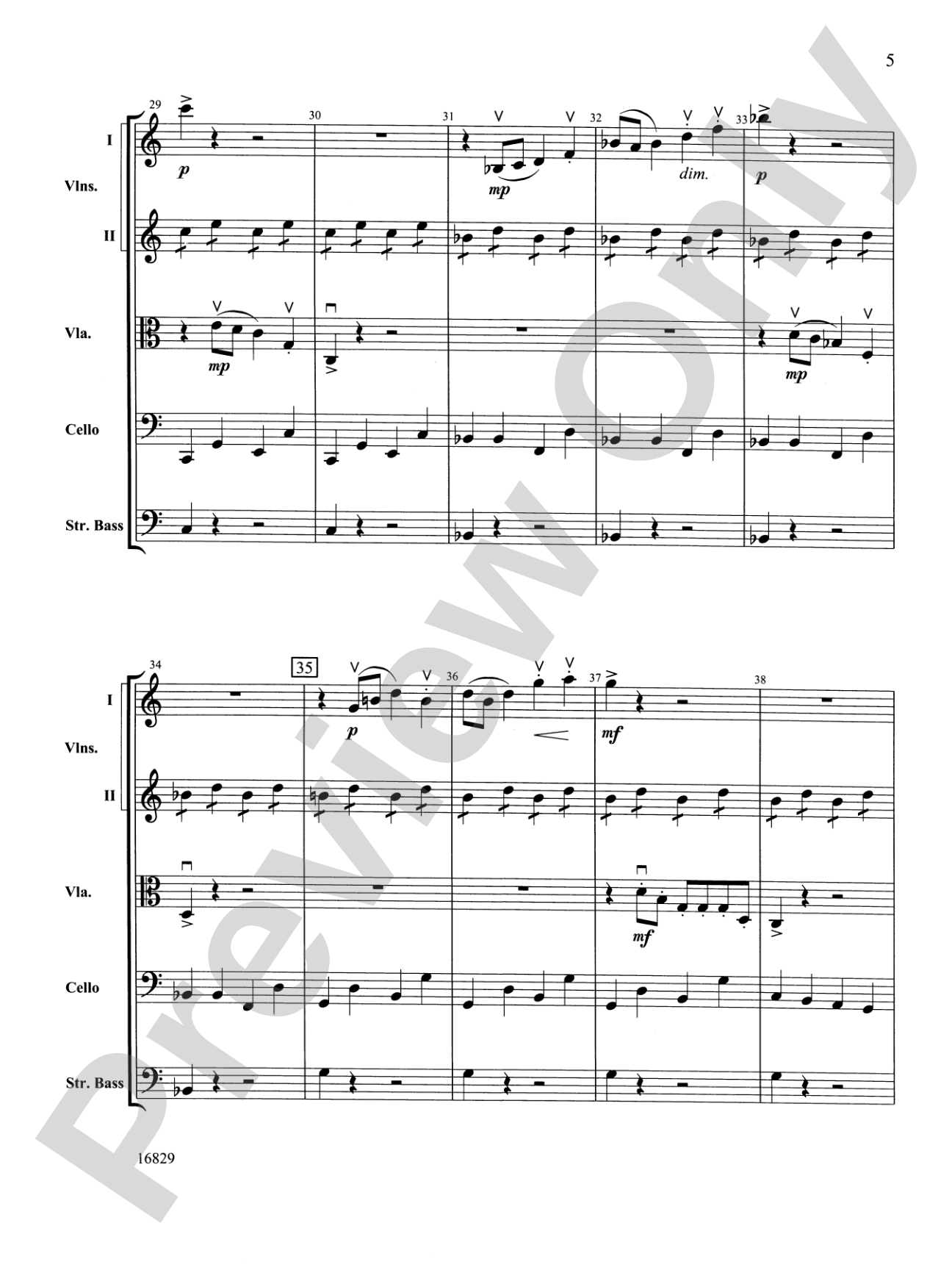
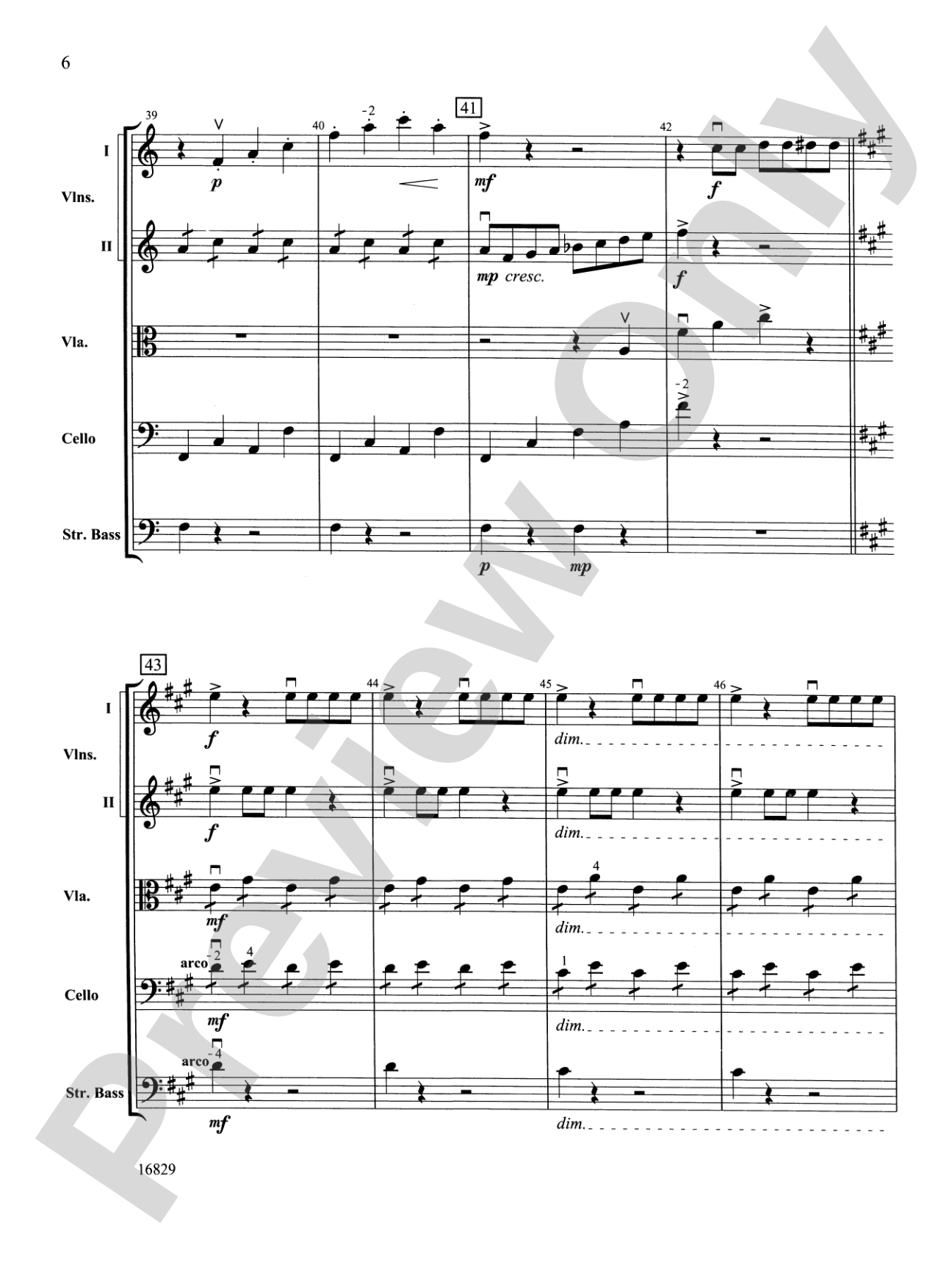
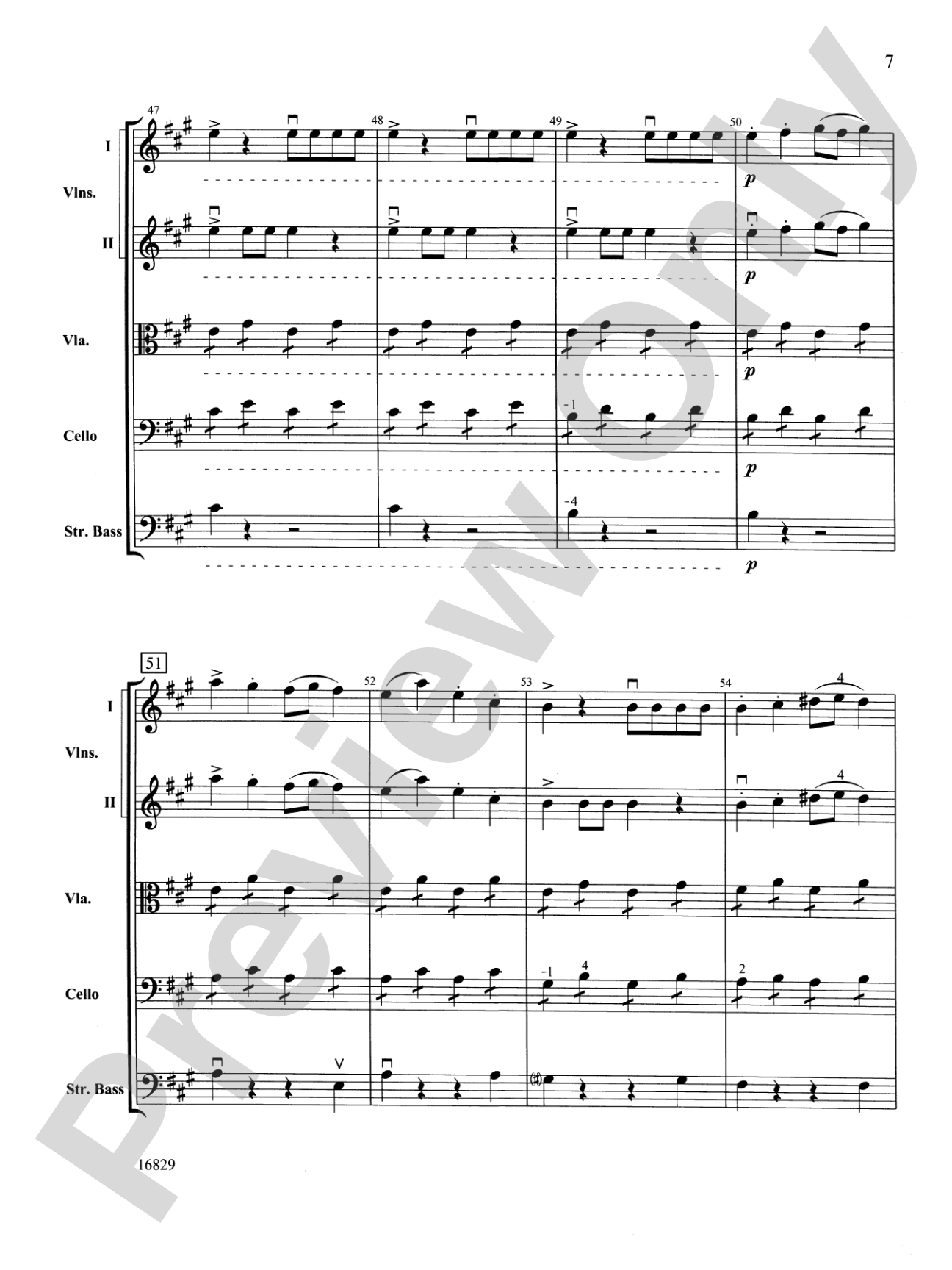
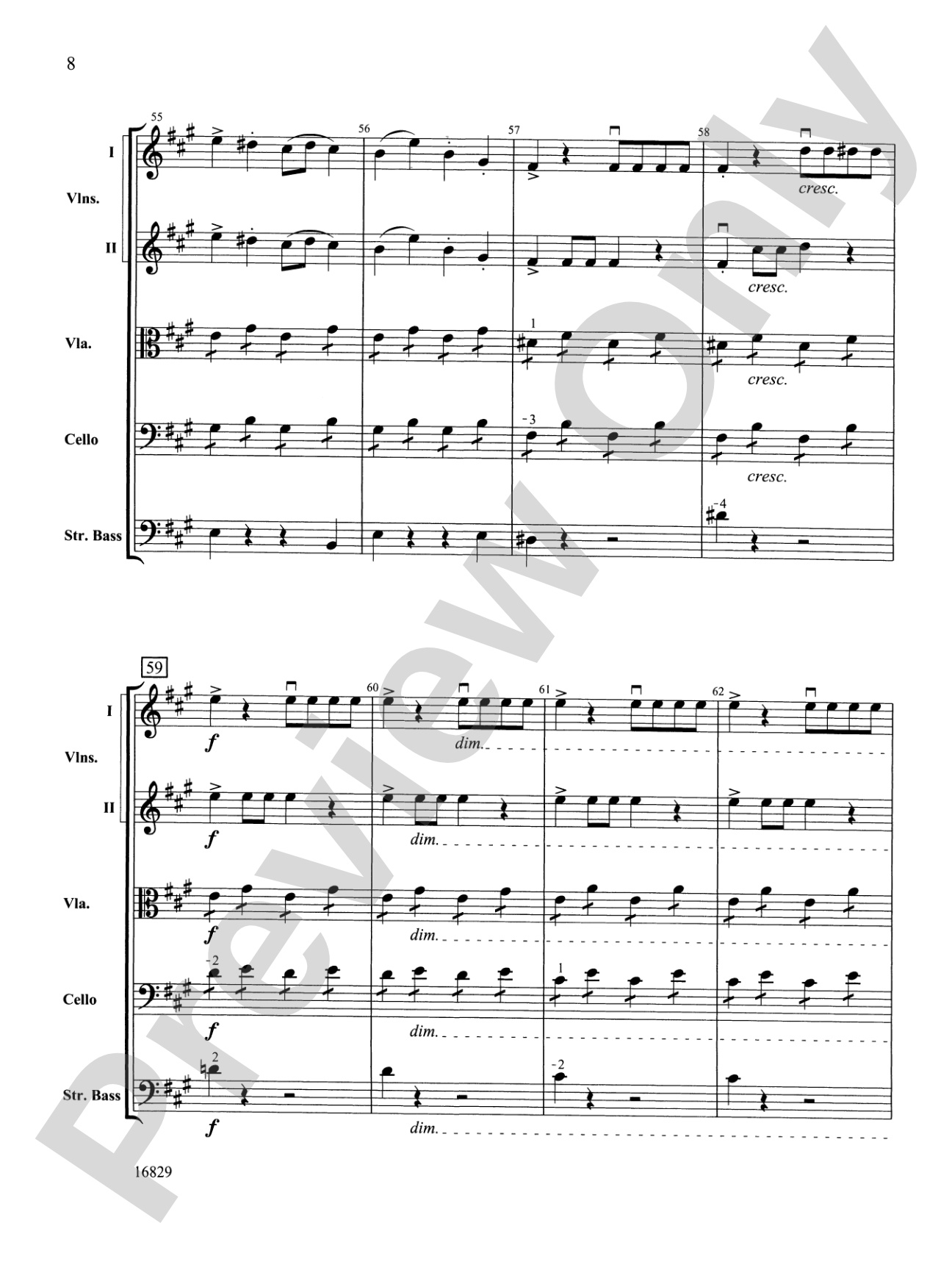
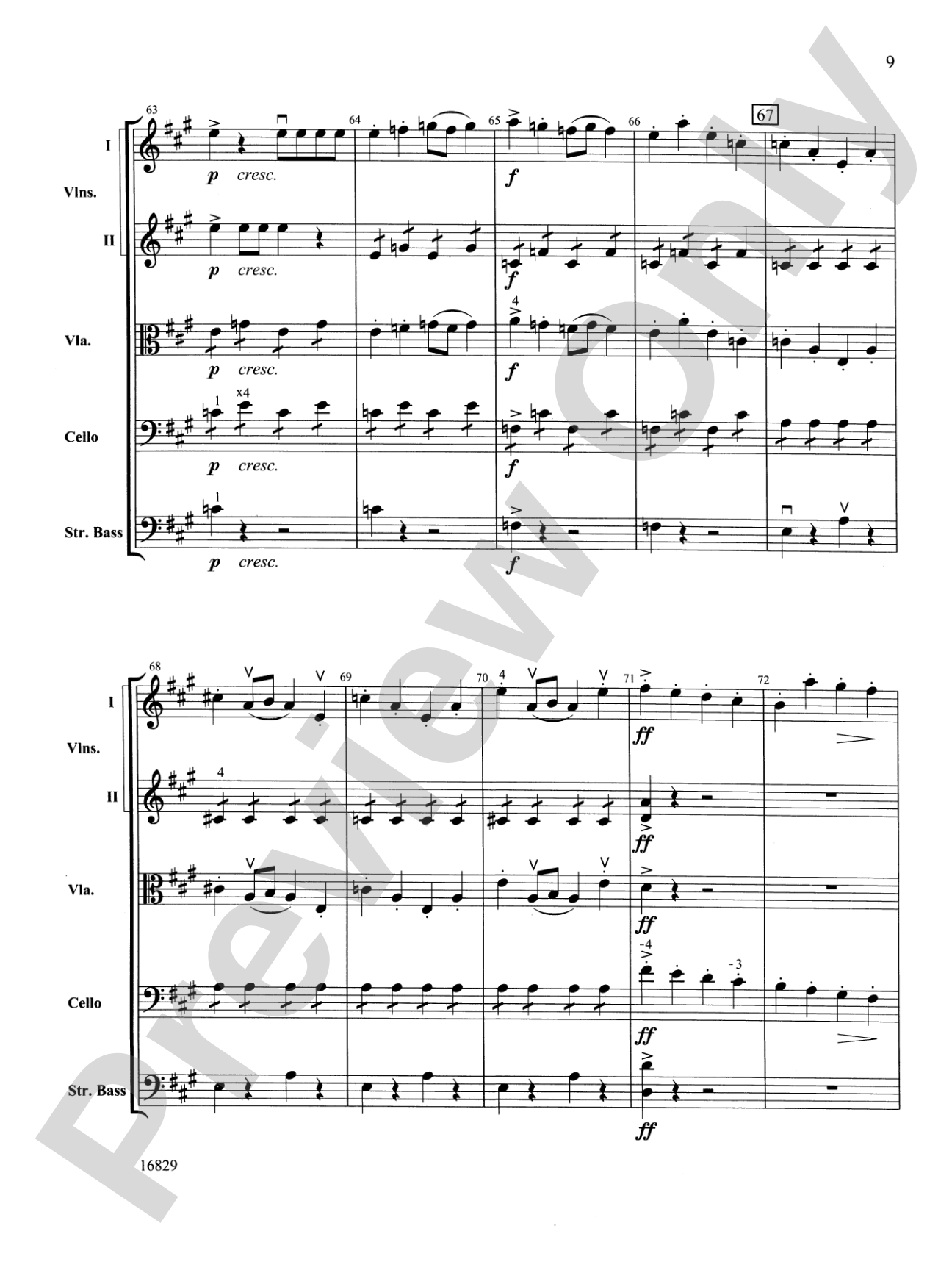
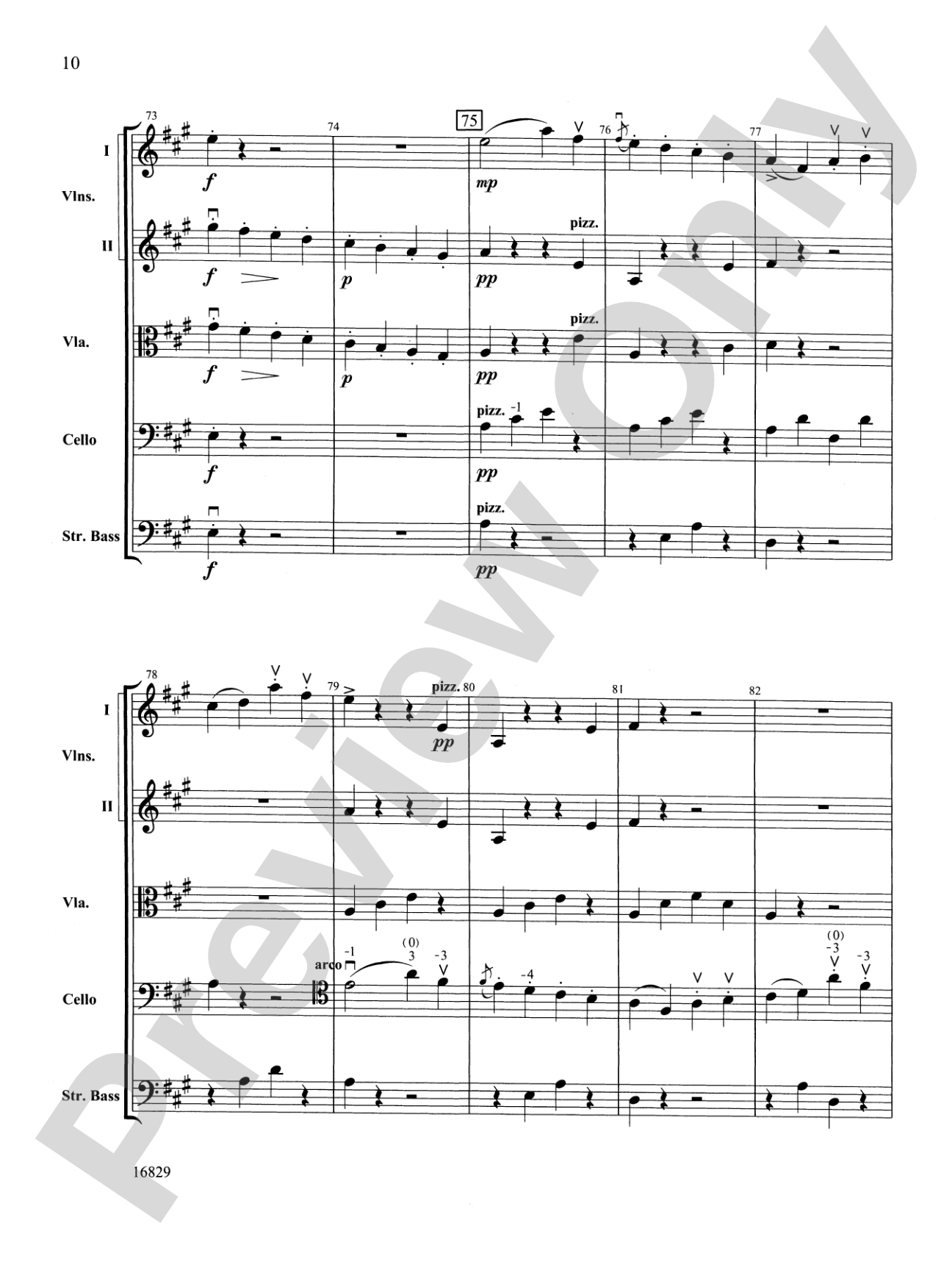
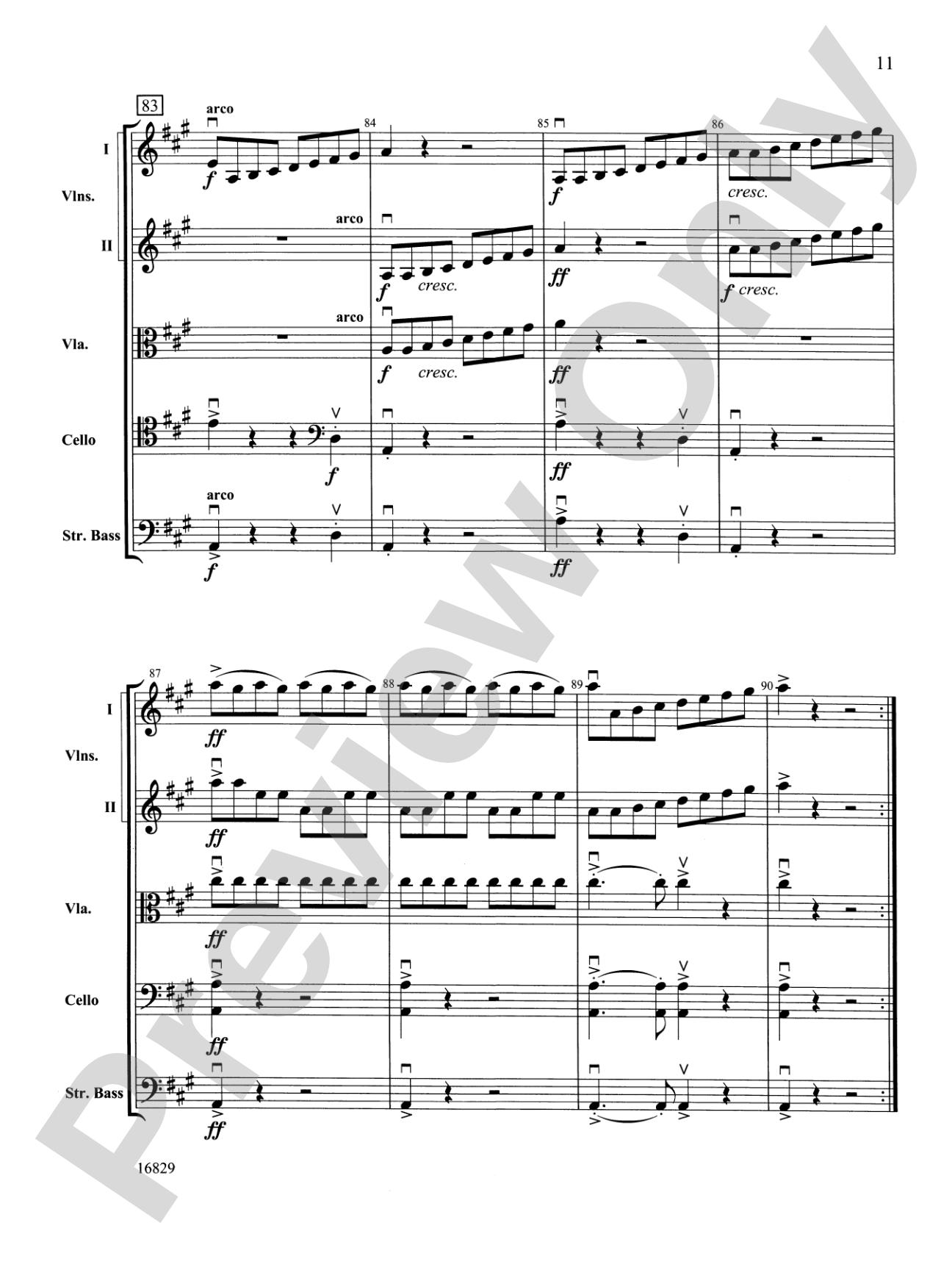


Classical Symphony: String Orchestra Conductor Score & Parts
(Finale)
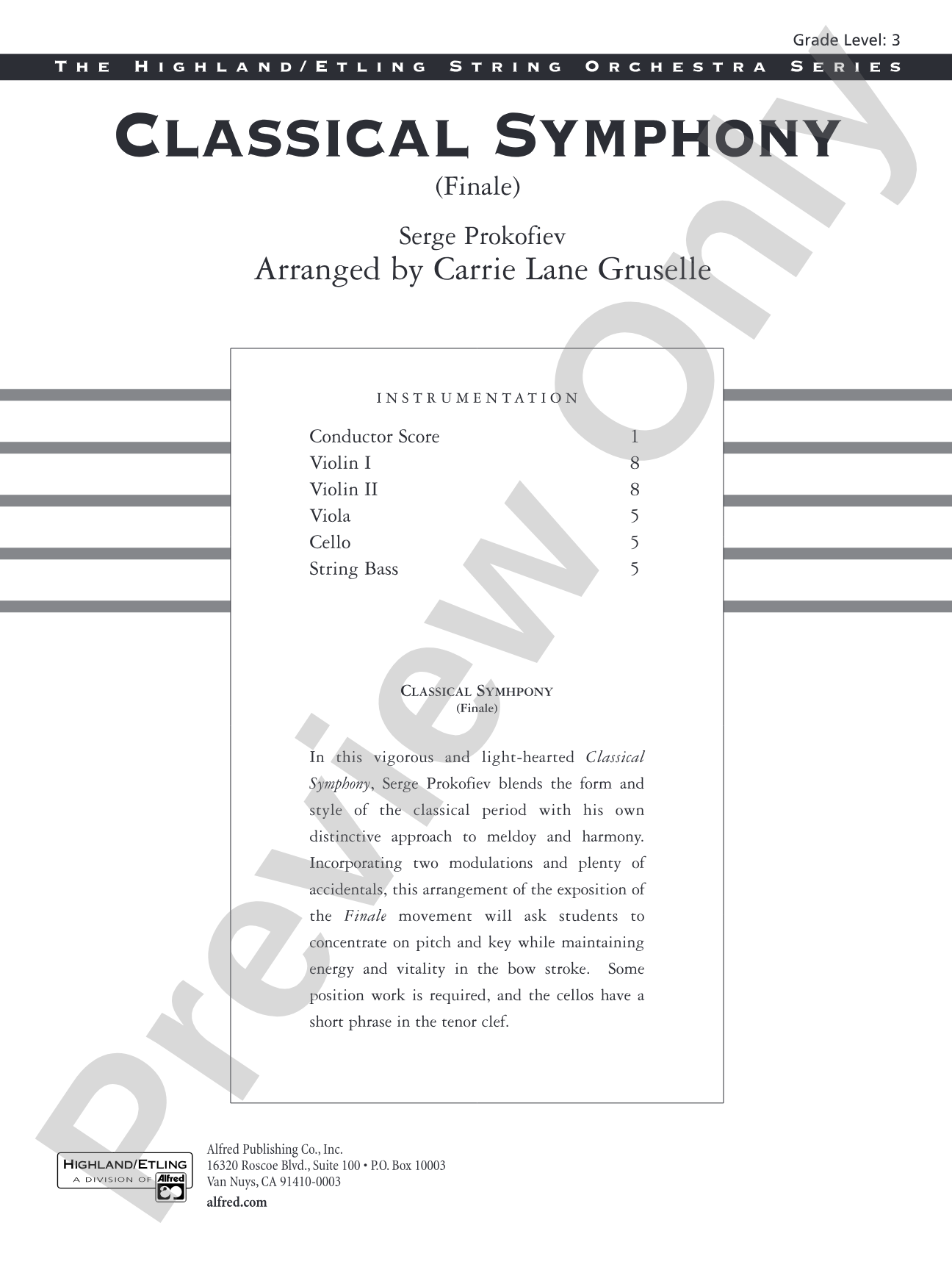
By Serge Prokofiev / arr. Carrie Lane Gruselle
Grade: 3
Item: 00-PK-0000202

$56.00
Pickup currently not available
Buy Extra Parts (Digital PDF Download)
| Product | Price | Quantity |
|---|---|---|
| Classical Symphony: Score | $9.00 | |
| Classical Symphony: 1st Violin | $5.99 | |
| Classical Symphony: 2nd Violin | $5.99 | |
| Classical Symphony: Viola | $5.99 | |
| Classical Symphony: Cello | $5.99 | |
| Classical Symphony: String Bass | $5.99 |
Parts Added to Cart!
Description
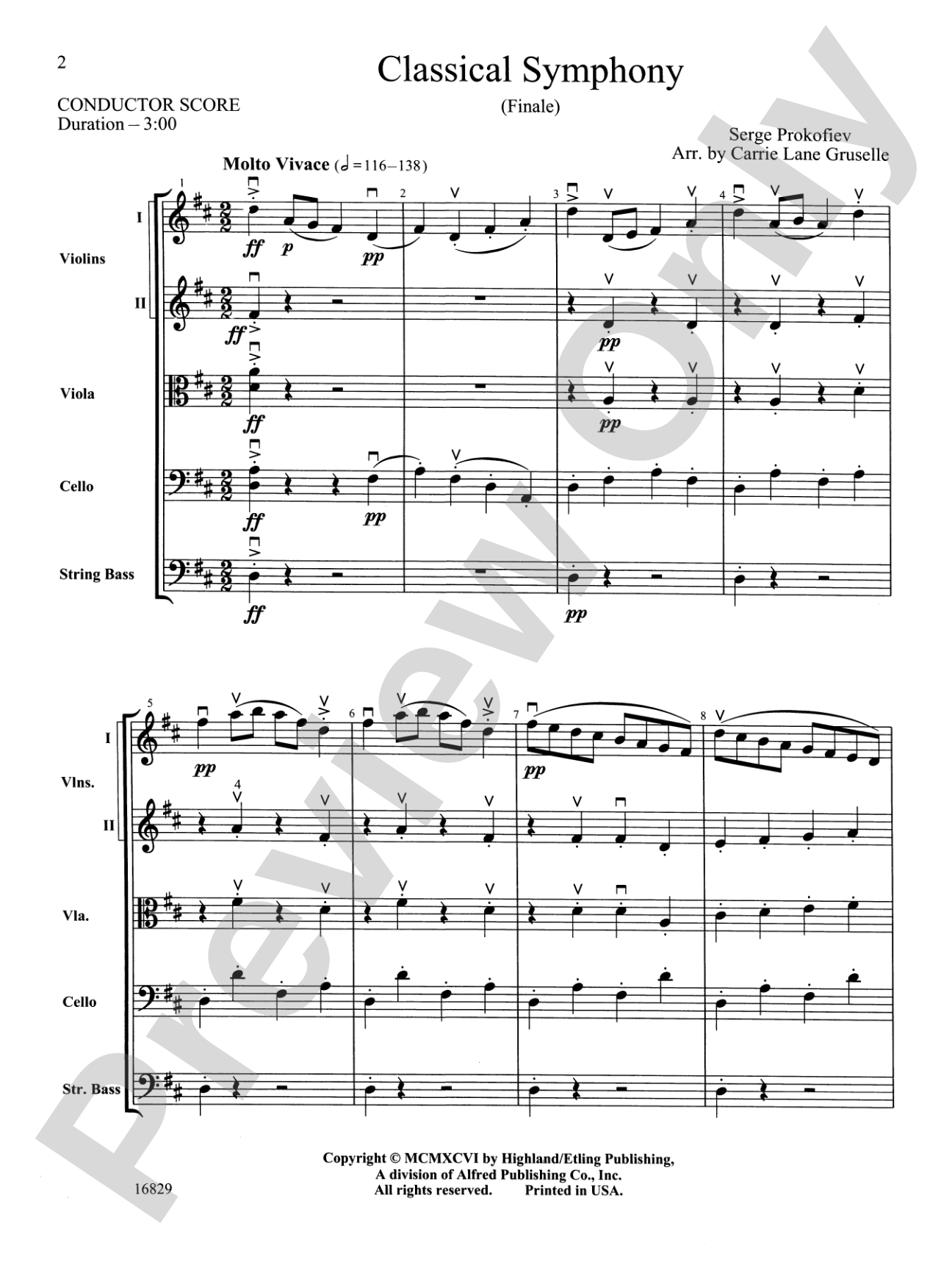
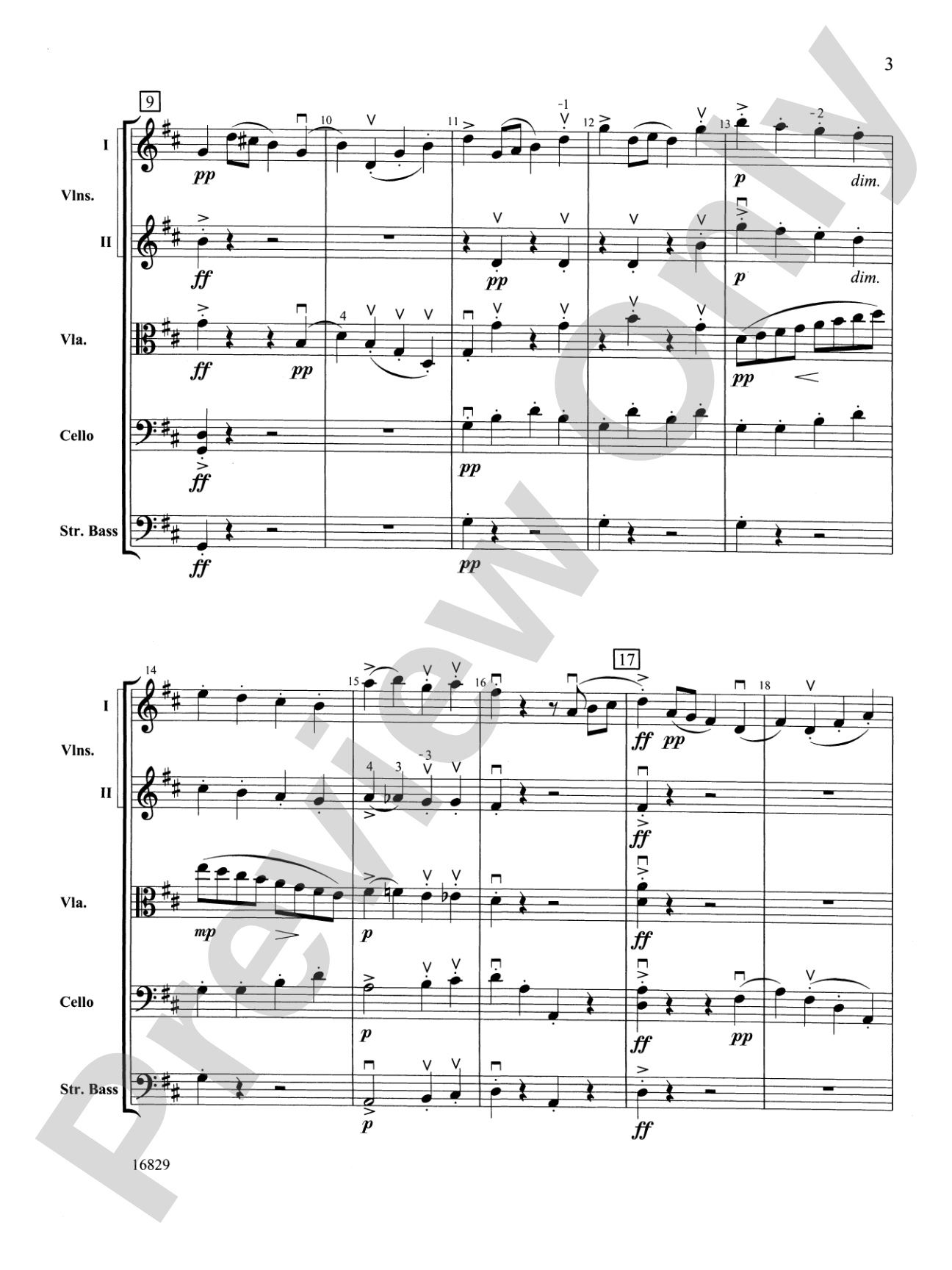
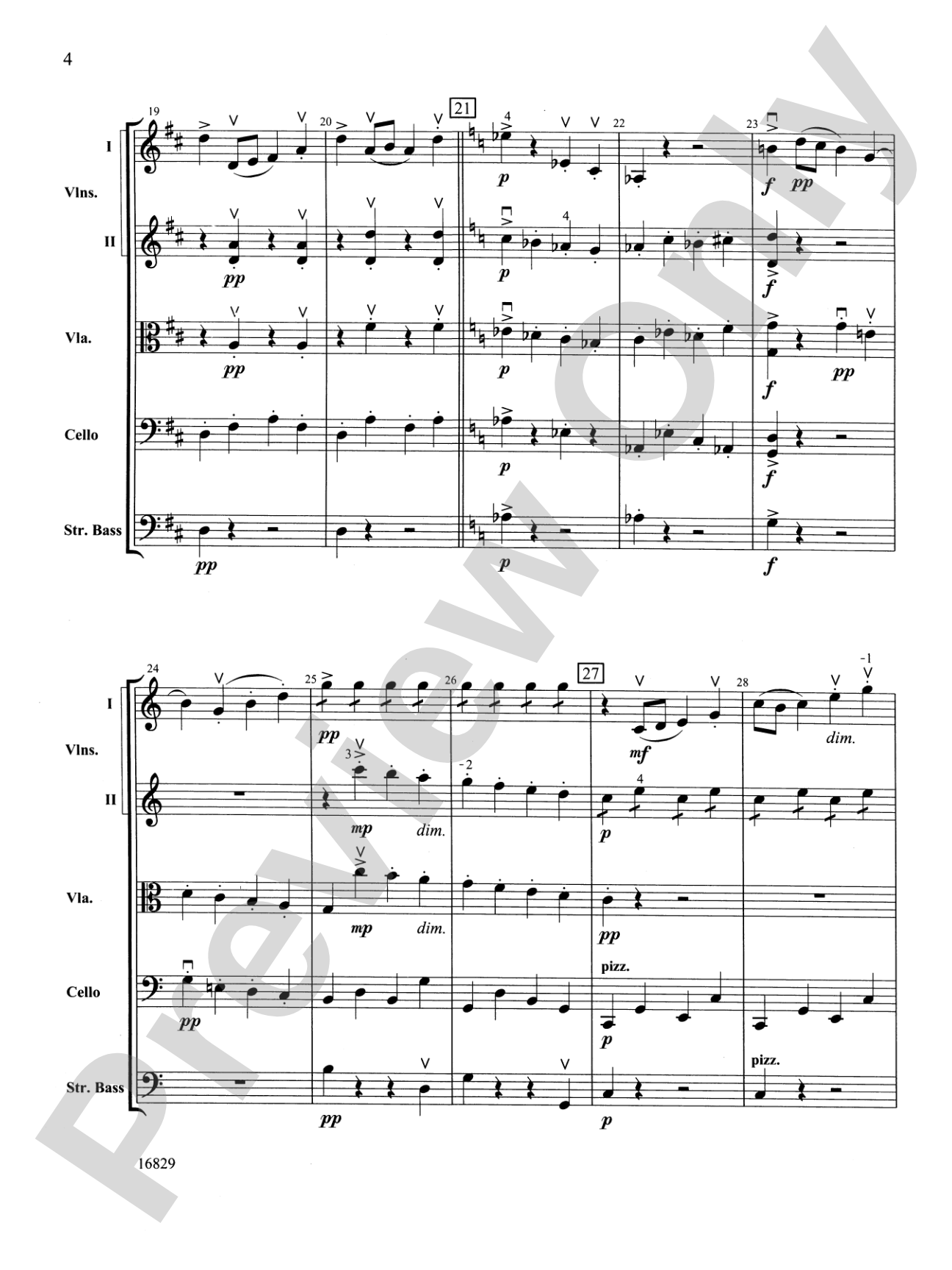
You have to see it to believe it! Carrie Lane Gruselle has made this great work accessible to student orchestras, while maintaining all of the spirit and drive of the original. Difficult passage work has been converted into simpler, more playable versions that still create the vibrant energy associated with this work. (3:00) This title is available in MakeMusic Cloud.


Don't just read it, hear it, play along with it, and watch your students grow with it. In MakeMusic Cloud, Classical Symphony: String Orchestra Conductor Score & Parts comes alive with professional accompaniment, adjustable tempo, and built-in practice tools that turn solo practice into real progress.
Open in the Player
Jump straight in and assign it today.
Start Your Free Trial
Open this title and explore the full library in minutes.
Sample Audio
1
Audio File
--:--
0:00
0:00
Sample Video
Additional Details
Series:
Highland/Etling String Orchestra
Publisher:
Alfred Music
Page Count:
124
SKU:
00-PK-0000202
More about this title
About the Arranger: Carrie Lane Gruselle

Carrie Lane Gruselle earned her Bachelor of Music Education from the University of Wisconsin, Eau Claire and went on to complete a Master's degree in Music Education with a Suzuki emphasis at the University of Wisconsin, Stevens Point. Her training bridges both traditional and Suzuki pedagogies, giving her a distinctive understanding of how string students learn at different developmental stages.
In Appleton, Wisconsin, Gruselle teaches elementary and middle school strings for the Appleton Area School District while also serving as cello instructor for the Lawrence University Arts Academy. This dual role in public school and university settings informs her arrangements, which consistently balance accessibility with musical integrity.
Why we love this
Gruselle has accomplished something genuinely useful: she's made a masterwork that orchestras typically encounter at Grade 5 or beyond playable for solid Grade 3 ensembles without reducing it to a sketch. The challenging passagework is reimagined rather than cut, preserving the harmonic sophistication and forward momentum that makes this piece worth performing in the first place.
What to expect
Classical architecture rendered in a language your students can speak fluently. The piece maintains the architectural clarity, harmonic movement, and energetic vitality of the original, channeled through writing that respects what Grade 3 players can execute with confidence and musical intention.
Who it's for
String orchestras at the Grade 3 level who are ready for a piece with genuine musical substance but need accessible string writing. This works for orchestras that include middle school students or have players at varying technical levels, where a single arrangement must serve a wide range of ability.
How to get the most out of it
- Balance the string sections carefully during tutti passages, where younger players often push to stay confident. The lighter textures in simpler sections will emerge naturally if you resist the urge to overswell early.
- Mark the three-minute duration in your rehearsal notes. Students who understand the shape and pacing of a classical-era structure tend to phrase more musically throughout, even in transcribed sections.
- Lock in the rhythmic framework across all sections before focusing on interpretation. This arrangement depends on precise ensemble timing to maintain the original work's forward drive.
How to use it
Program this as the substantive work on a concert where you want to showcase growth without overreaching technically. It pairs well alongside lighter contemporary pieces or as the centerpiece of a concert built around Classical-era repertoire adapted for developing orchestras.
Skills your students will build
- Ensemble balance and voice independence within a full string section
- Sustained tone control and bow management through Classical-style phrasing
- Intonation precision in harmonic progressions typical of Classical forms
- Reading and maintaining rhythmic accuracy across multiple parts
- Musical interpretation of a multi-movement structure