

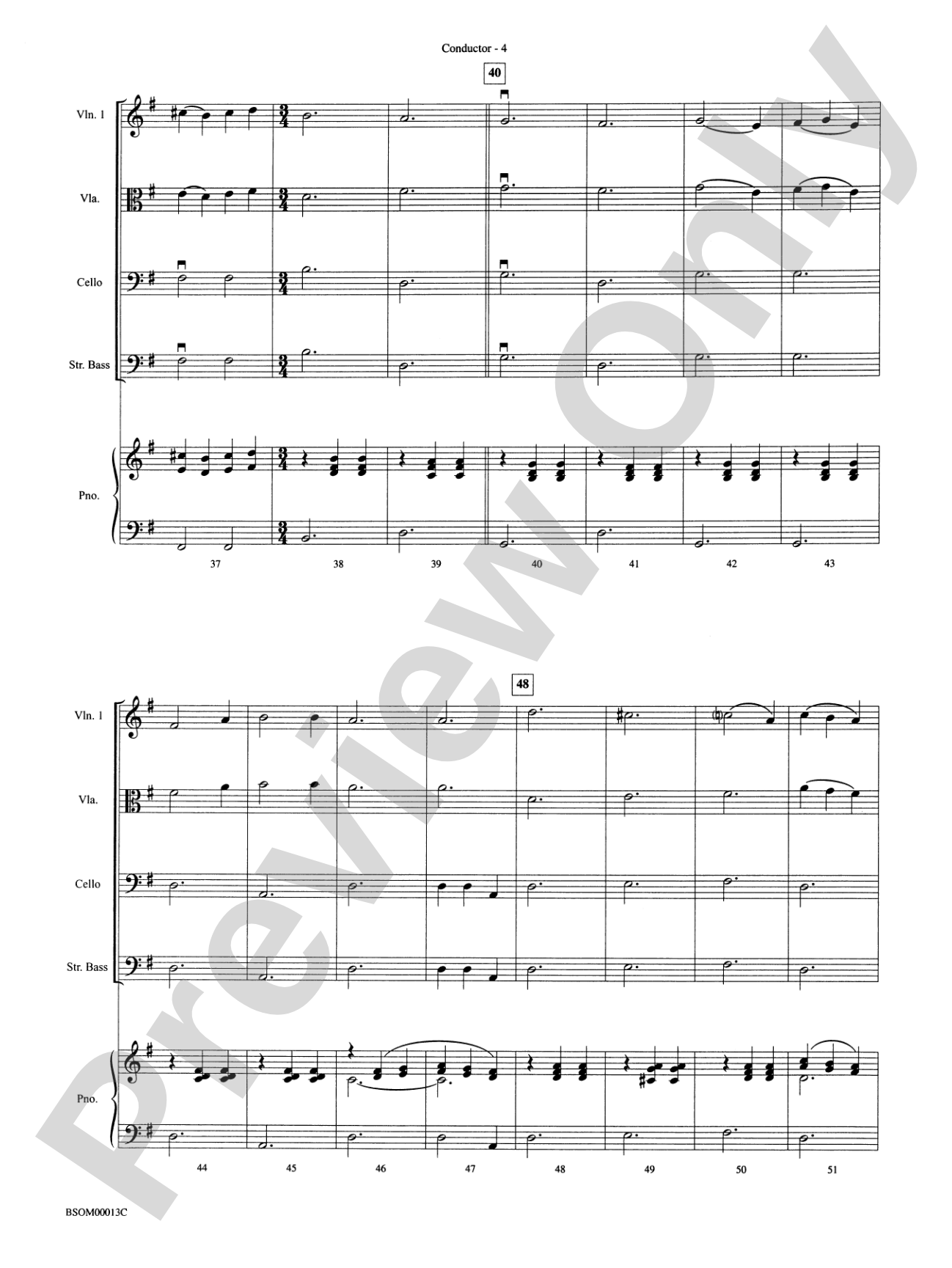
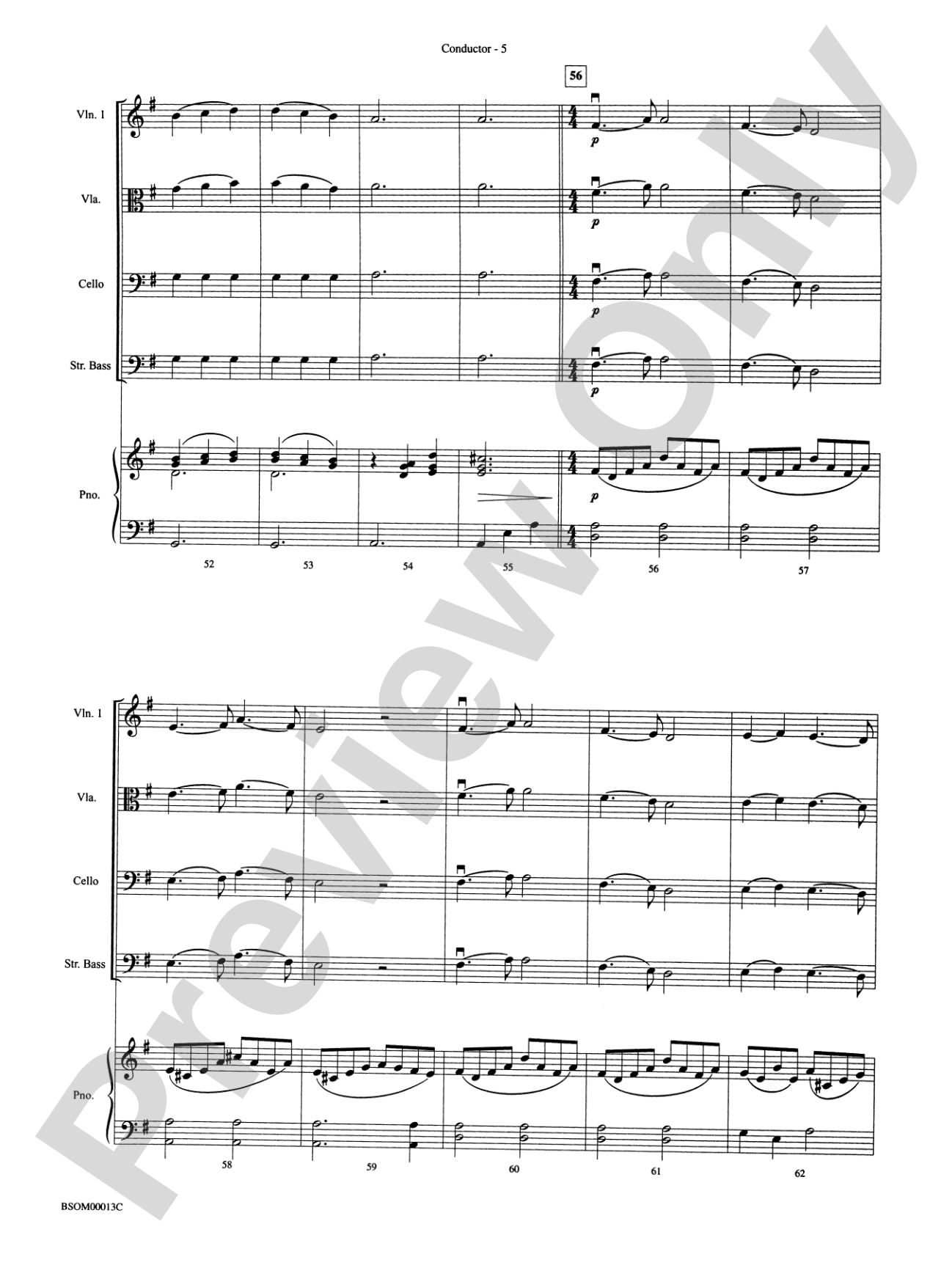
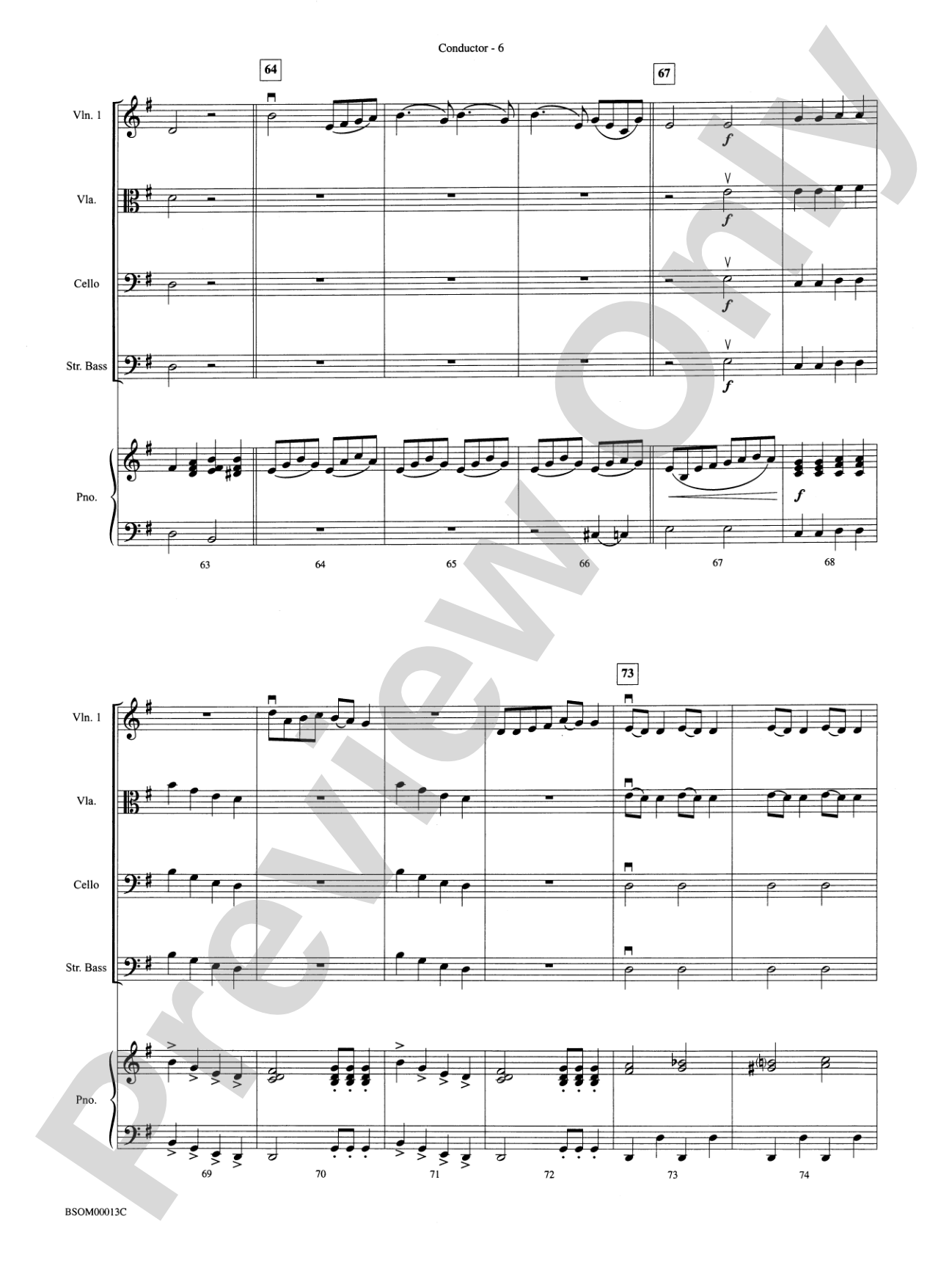
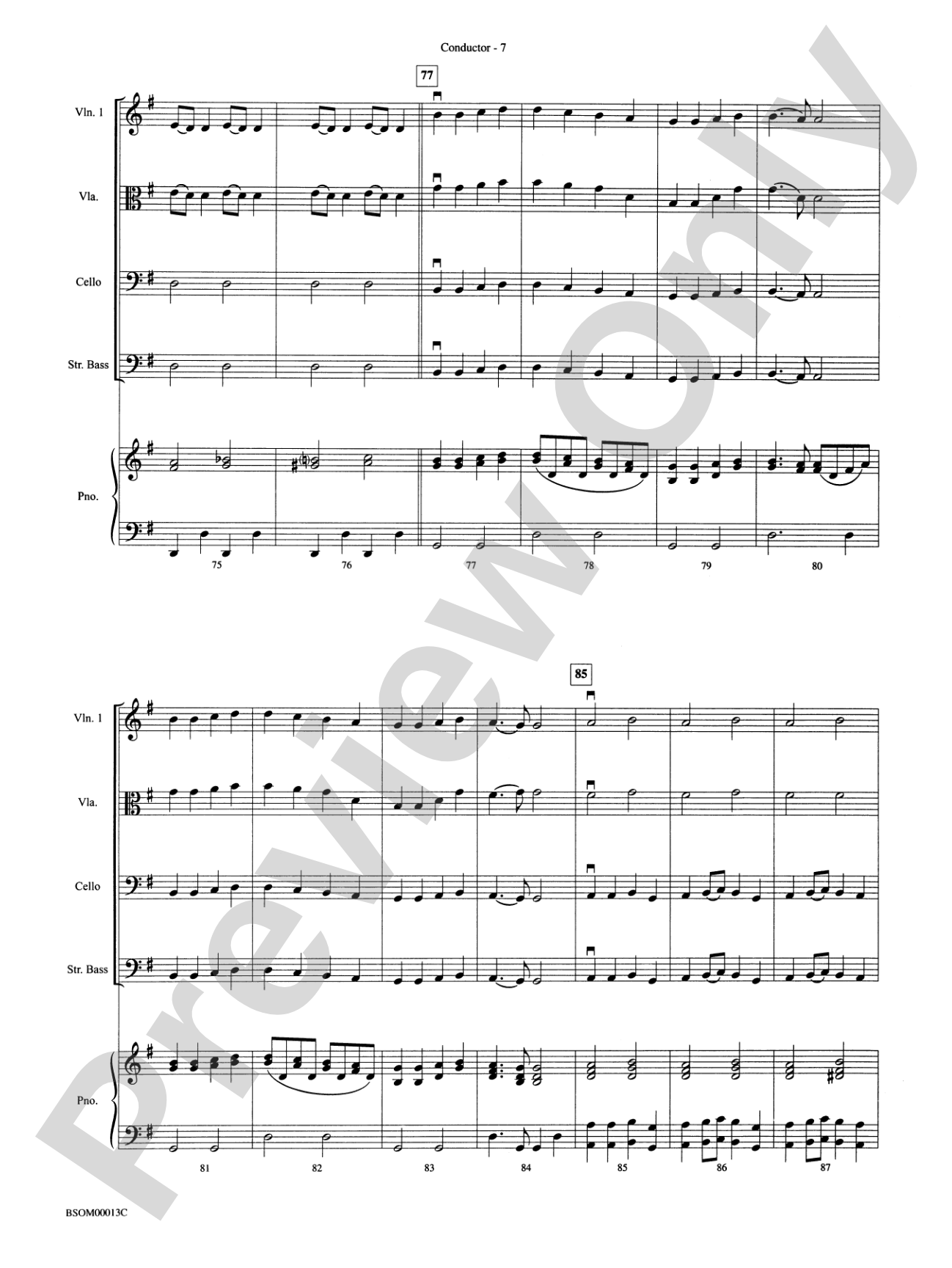



Classic Bits & Pieces: Score
Arr. Michael Story
Grade: 1
Item: 00-PR-0002242
$7.00
Pickup currently not available
Description
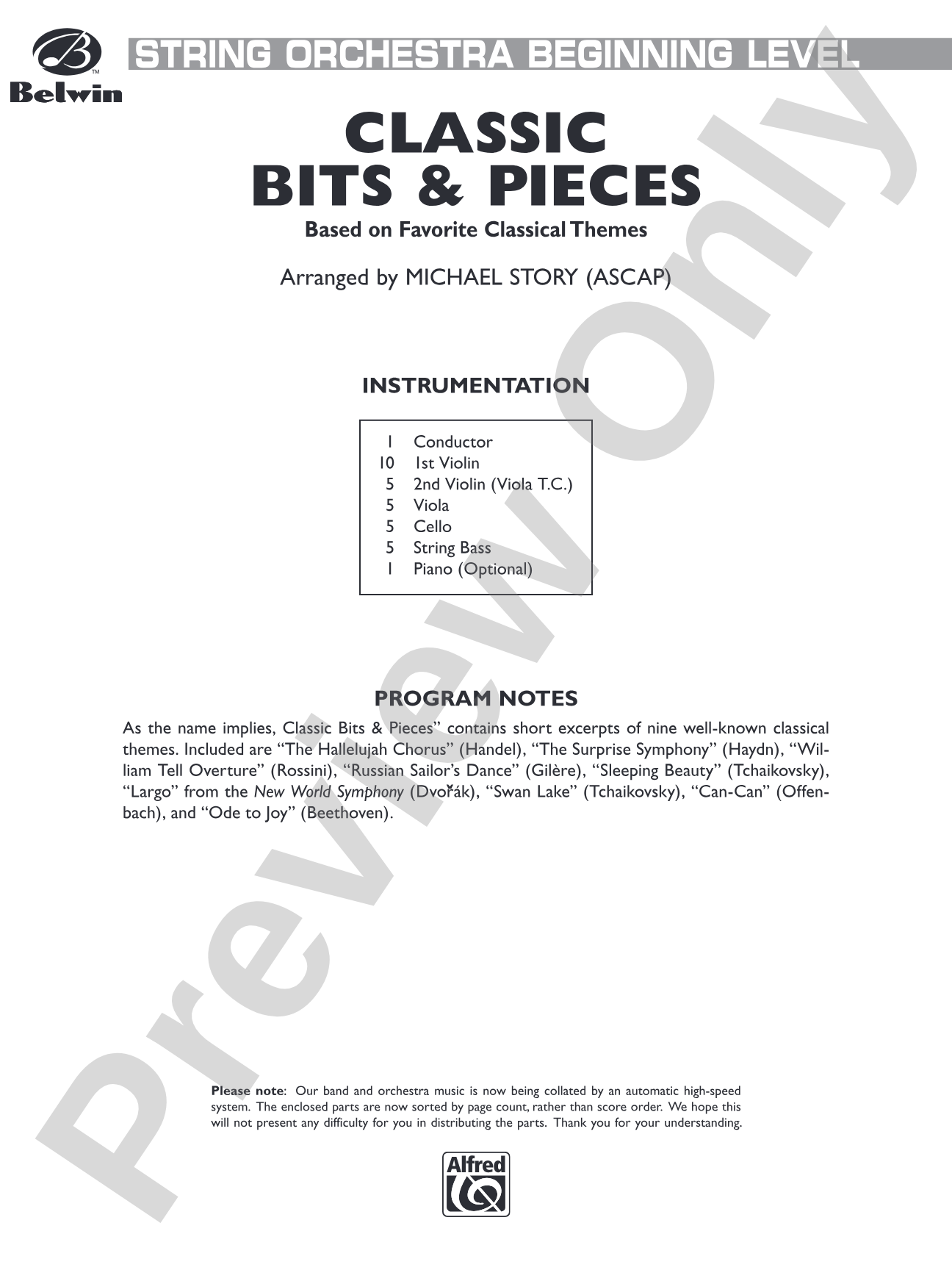
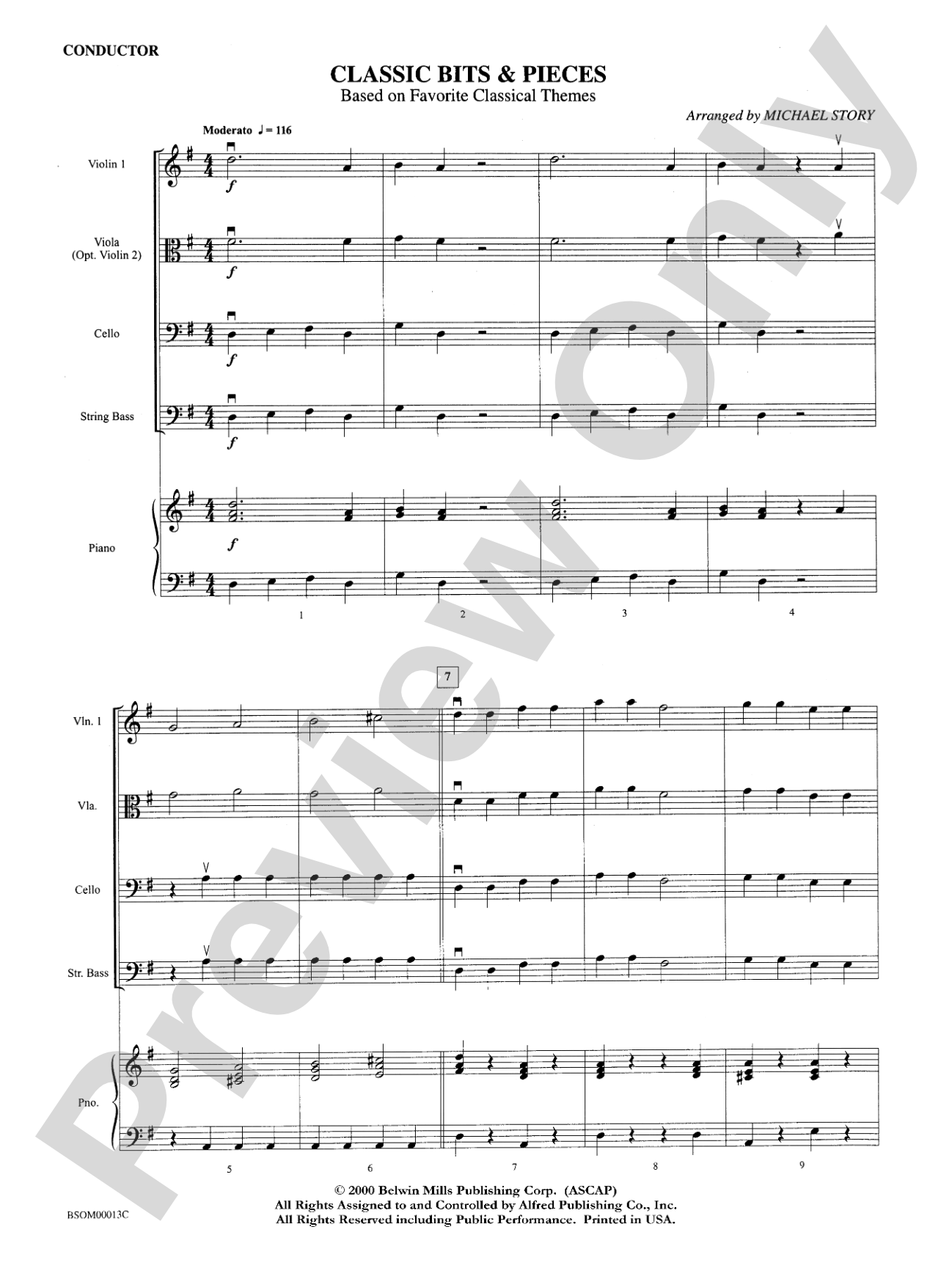
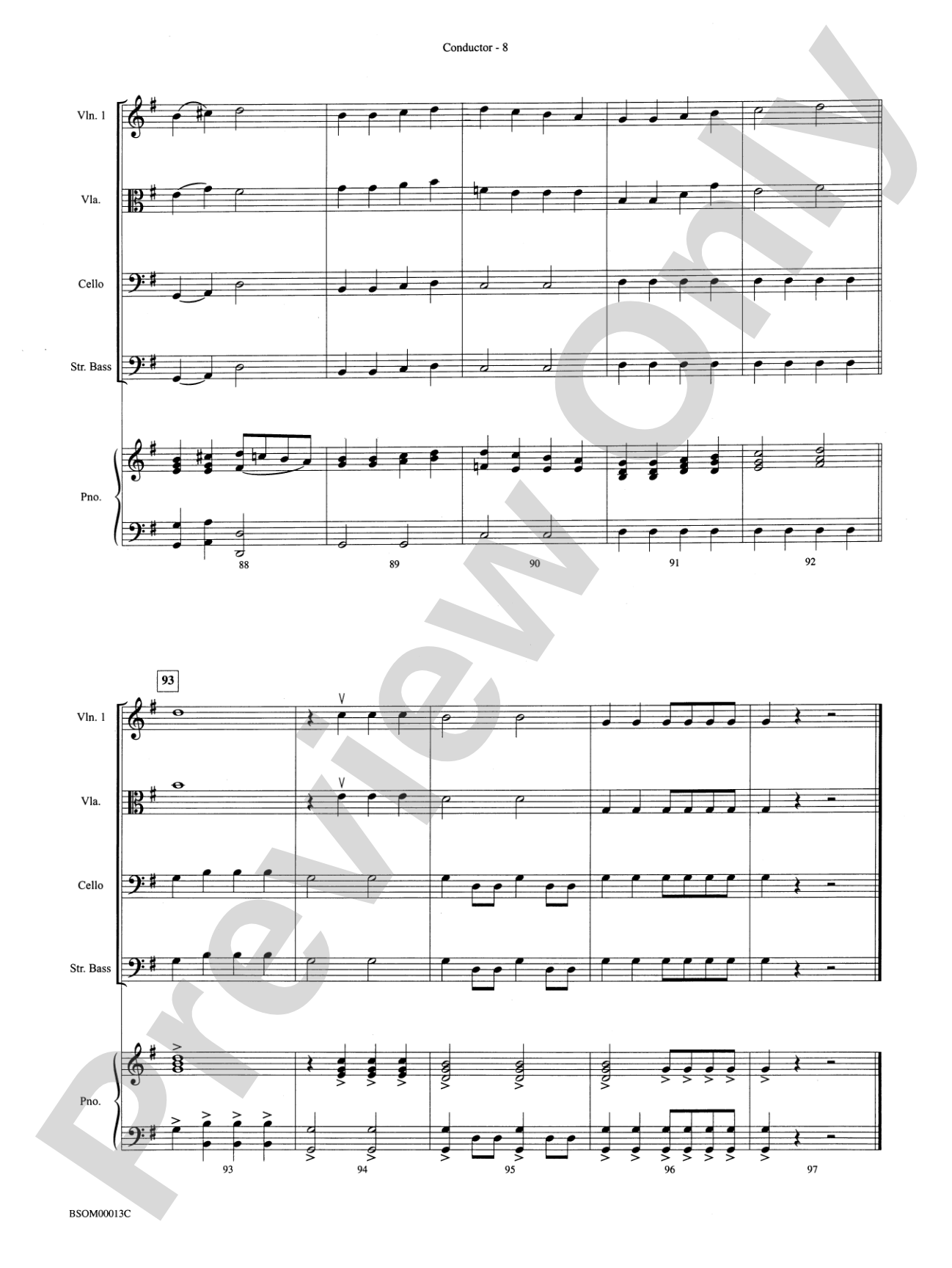
Tunes come at you so quickly that everyone listens intently to catch each change. Now, for your adventurous spring concert, comes this "Readers' Digest" version of the classics. Bits and pieces of Handel, Haydn, Rossini, Gliere, Tchaikovsky, Dvorák, Offenbach, and Beethoven. You can "name that tune" in how many notes? Pure enjoyment! This title is available in MakeMusic Cloud.


Don't just read it, hear it, play along with it, and watch your students grow with it. In MakeMusic Cloud, Classic Bits & Pieces: Score comes alive with professional accompaniment, adjustable tempo, and built-in practice tools that turn solo practice into real progress.
Open in the Player
Jump straight in and assign it today.
Start Your Free Trial
Open this title and explore the full library in minutes.
Sample Audio
1
Audio File
--:--
0:00
0:00
Sample Video
Additional Details
Series:
Belwin Beginning String Orchestra
Publisher:
Alfred Music
Page Count:
64
SKU:
00-PR-0002242
More about this title
About the Arranger: Michael Story
Michael Story has built a reputation as an arranger and composer who understands the pedagogical needs of developing string orchestras. His work across the Belwin Beginning String Orchestra series demonstrates his gift for making classical literature accessible without sacrificing musical substance.
Why we love this
Story captures the delight of musical recognition by stringing together eight masterworks in quick succession, keeping students and audiences engaged through constant discovery. The arrangement respects Grade 1 players while delivering genuine classical repertoire, and the contest-friendly designation makes it equally suited to festivals or casual spring programming.
What to expect
The piece has the energy of a musical scavenger hunt. Melodies appear and vanish just as listeners settle in, creating a spirited, almost playful atmosphere that celebrates eight centuries of classical tradition without a hint of pretension.
Who it's for
Beginning string orchestras that want to program something lively and musically substantial for spring concerts. This works equally well for orchestras seeking festival repertoire or classroom ensembles looking to engage audiences through a familiar-tune format.
How to get the most out of it
- Keep the tempo conversational rather than rushed; clarity of each snippet matters more than speed, even though the quick changes create natural momentum.
- Mark the transitions clearly in your rehearsals so students anticipate each new composer without stumbling. Brief pauses between sections help the audience recognize the shift.
- Balance the textures so that no single instrumental line dominates when multiple themes appear. This arrangement rewards ensemble listening.
- Encourage your concertmaster and principal players to shape each phrase distinctly, since listeners will be tracking which composer comes next.
How to use it
Slot this into your spring concert as a closer or opener that changes the room's mood instantly. It pairs well on a program with deeper or more serious selections, giving your audience a chance to recognize masterworks in miniature and leave smiling.
Skills your students will build
- Reading rapid tempo and style changes
- Maintaining ensemble balance across shifting textures
- Responding to conductor cues during frequent transitions
- Articulation clarity in short, character-driven phrases
- Listening to section partners while tracking multiple compositional voices