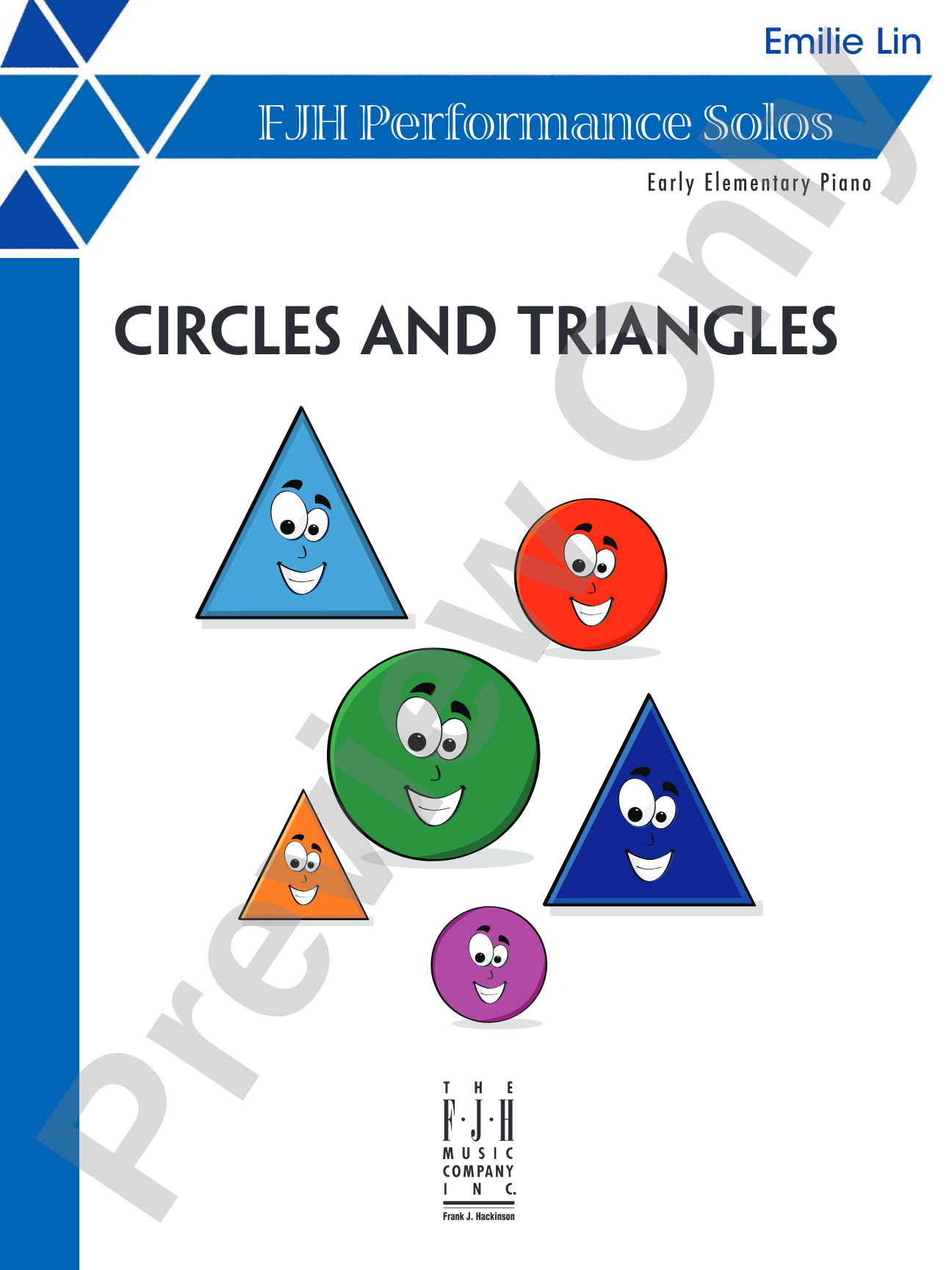
A fun-to-play piece that students will be tempted to play as fast as possible is a great first solo sheet for a beginner. In C major with minimal use of rests, this lively piece will reinforce playing 2nds, 3rds and 4ths in MC position. It features long, legato phrases and short staccato snippets.
Discover MakeMusic Cloud: thousands of interactive titles your students can play along with today.
The piece captures that irresistible impulse in young pianists to accelerate without sacrificing musicality. The contrast between legato phrasing and staccato bursts teaches dynamic control naturally, and the C major tonality with interval work embedded in a genuinely engaging musical context means students are building technique while having fun.
What to expect
Playful and unpretentious. The piece bounces along with genuine charm, mixing moments of smooth legato singing with cheeky staccato jabs that make young players smile. It feels like discovery rather than drill.
Who it's for
Beginning pianists ready for their first solo beyond method book exercises. The minimal rest usage keeps momentum going without overwhelming a new player, while the straightforward key and hand position make it accessible for students in their first or second year.
How to get the most out of it
Establish the tempo in rehearsal, then gently resist when the student wants to rush through the staccato sections. That restraint is where the real learning happens.
Shape the legato phrases with subtle dynamic swells; these longer lines reward expressive playing and prevent the piece from feeling mechanical.
Encourage the student to feel where the natural breathing points occur, even on piano. This helps anchor phrasing across hand position shifts.
How to use it
Feature this in a spring or early-year recital where beginners shine without heavy technical demands. Pair it with other early solos to create a full recital slot, or use it as a confidence builder before introducing pieces with more complex hand positions or key signatures.
Skills your students will build
Playing 2nds, 3rds, and 4ths within a stable hand position
Contrasting legato and staccato articulations in a single piece
Sustaining musical phrasing over longer melodic lines
Tempo control and resisting the impulse to accelerate
Reading in C major with rhythmic variety
You May Also Like
Scan to Complete Your Purchase
Use your phone's camera to scan the code below
You'll log in on your phone and the order will be added to your account