
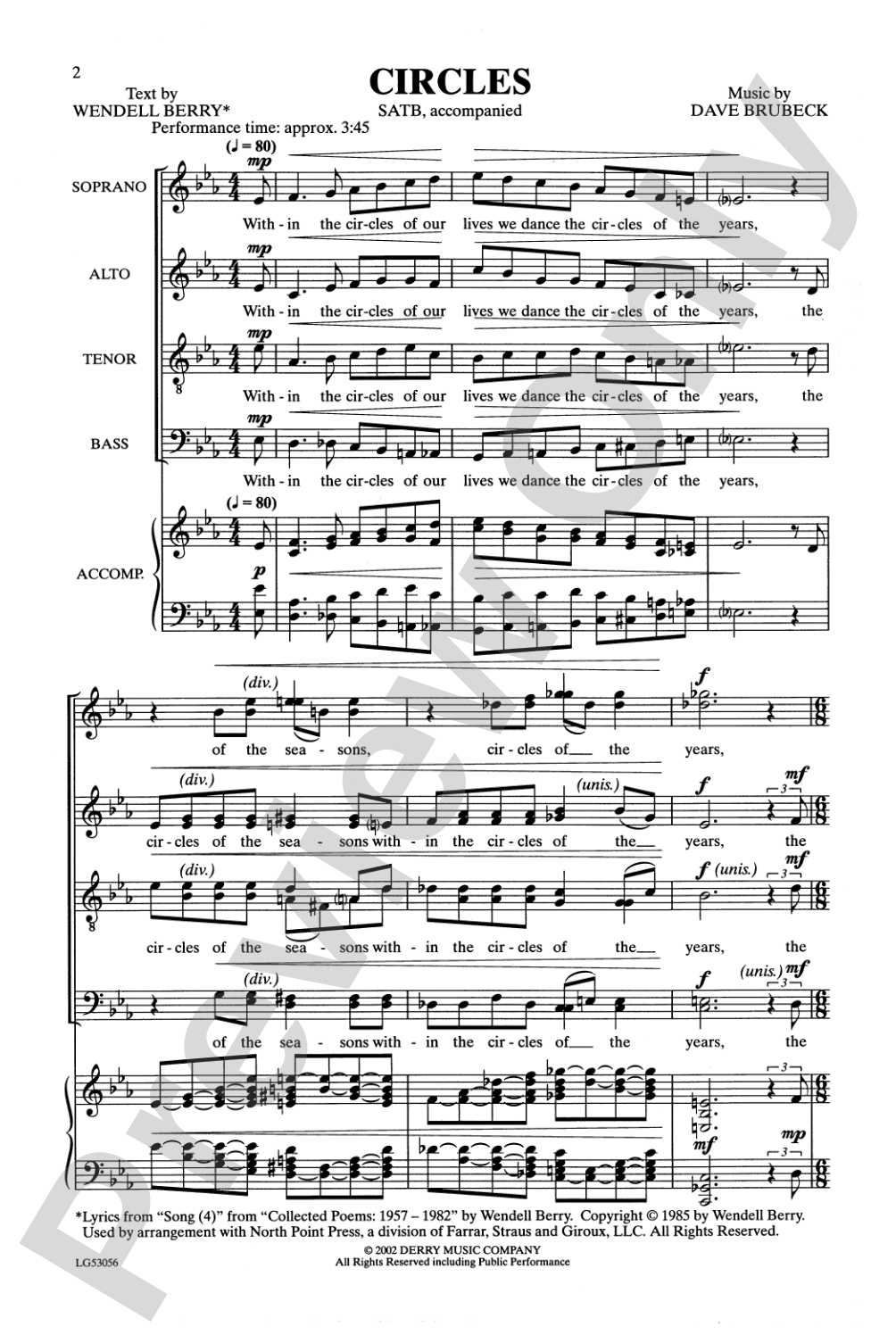
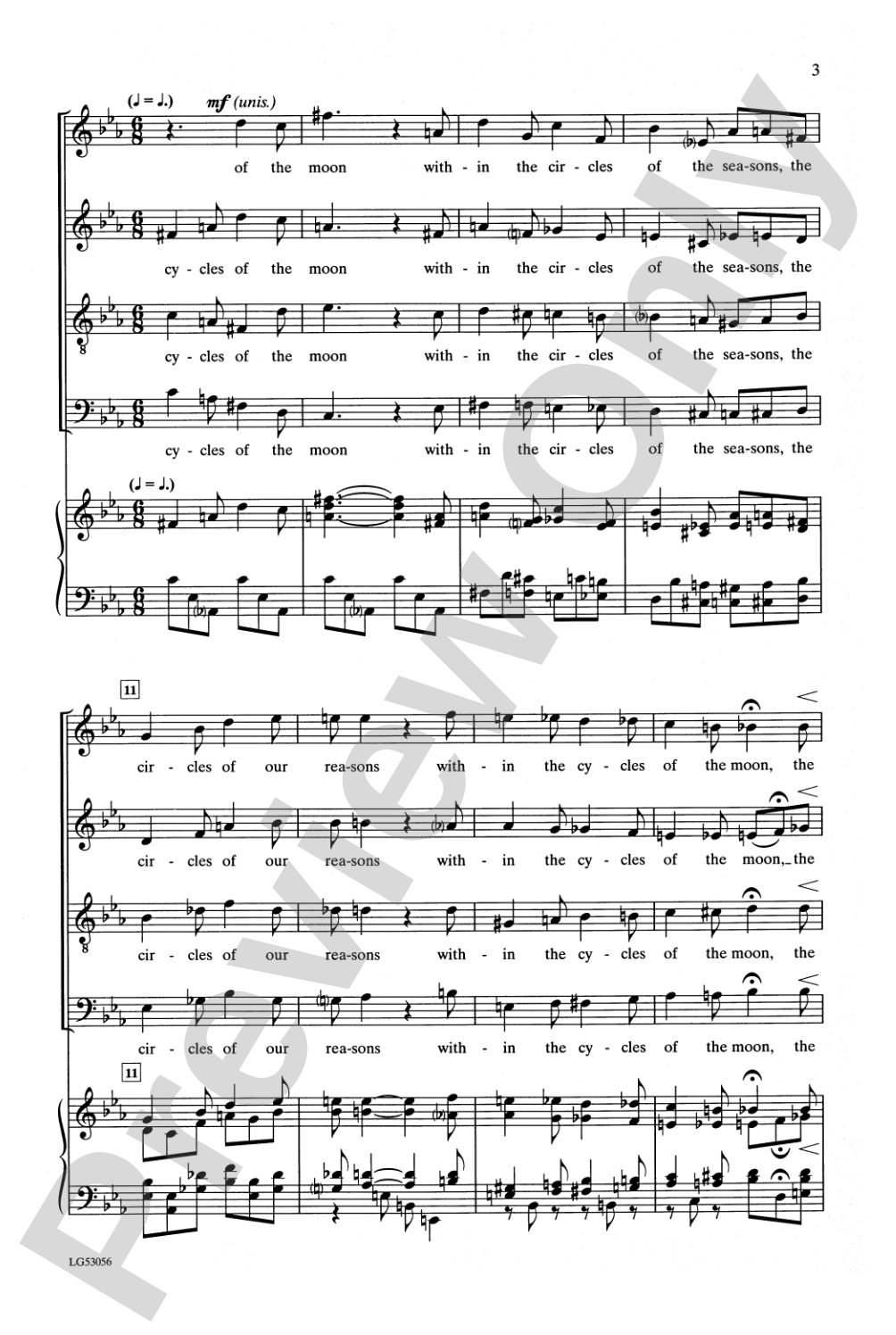
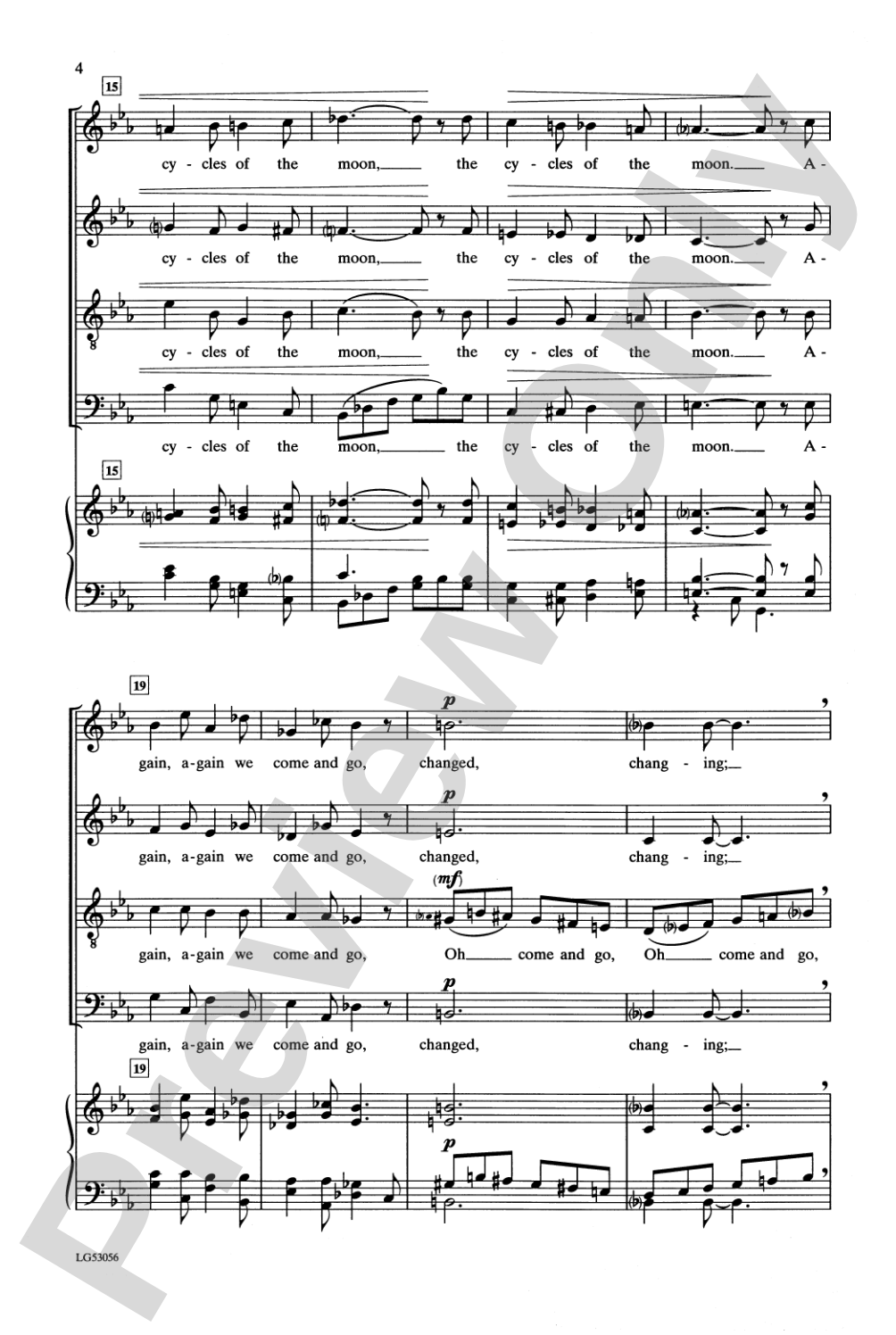

Circles: SATB Choral Octavo
Text by Wendell Berry / music by Dave Brubeck
Level: Moderately Difficult
Item: 00-PO-0005112
$2.25
Minimum order quantity: 20 copies
Pickup currently not available
Description


Circles: SATB Choral Octavo isn't in MakeMusic Cloud just yet...but it could be. Let us know you'd like to see it, and you'll help shape what comes next. In the meantime, start a free trial and dive into thousands of interactive titles your students can play along with today.
Request This Title
Tell us you want it.
Start Your Free Trial
Explore everything that's ready to play right now.
Sample Audio
1
Audio File
--:--
0:00
0:00
Sample Video
No sample videos found.
Additional Details
Series:
Lawson-Gould: The Dave Brubeck Series
Publisher:
Alfred Music
Page Count:
12
SKU:
00-PO-0005112
More about this title
About the Composer: Dave Brubeck
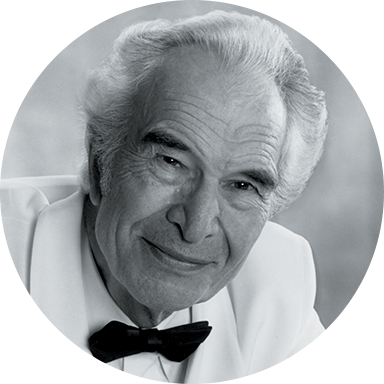
Dave Brubeck stands as one of the twentieth century's most significant figures in jazz, equally celebrated as both a pianist and a composer. His improvisational command shaped generations of jazz musicians, while his formal training under Darius Milhaud at Mills College gave him the tools to write in multiple idioms simultaneously. Beyond "Take Five" and the landmark album "Time Out," Brubeck composed choral works, orchestral pieces, chamber music, ballets, and large-scale compositions for chorus and orchestra. His mass To Hope! has been performed across Europe and North America, and works like the Pange Lingua Variations and the oratorio Beloved Son have been recorded by major ensembles including the London Symphony Orchestra and London Voices.
Brubeck's influence extended far beyond the concert hall. He played a crucial role in breaking racial barriers in American music during the mid-twentieth century, advancing both musical integration and social change. Throughout his career he received the Presidential Medal of the Arts from President Clinton, honors from Austria, a Grammy Lifetime Achievement Award, and in 2003 was elected into the American Classical Music Hall of Fame. His legacy rests on a simple but revolutionary principle: jazz language and classical craft are not opposites but complementary voices.
Why we love this
Brubeck brings the harmonic sophistication and rhythmic energy of modern jazz into the choral context without demanding virtuosity from amateur singers. This piece allows your ensemble to inhabit Brubeck's world of extended harmonies and syncopation while building genuine musicianship, not just technical flash. Programming a Brubeck choral work signals to your audience that contemporary classical music lives in the jazz tradition.
What to expect
The piece inhabits a space of organized motion, with voices spiraling around each other in patterns that feel both structured and improvisatory. There's a lyrical quality beneath the harmonic complexity, grounded in Brubeck's gift for melody even as he explores sophisticated jazz harmonies and cross-rhythms. It's contemplative yet energized, familiar yet surprising.
Who it's for
This octavo works for choirs at the high school level or strong community ensembles ready to engage with modern harmonic language. Singers need secure part-reading skills and comfort with syncopated rhythms, but need not be advanced vocalists. Directors seeking repertoire that sits between concert spirituals and contemporary classical will find a natural fit here.
How to get the most out of it
- Establish the harmonic language in sectionals first. These chords will look unfamiliar on the page; singing them a cappella in small groups builds confidence and ear before adding accompaniment.
- Treat the rhythmic figures as jazz inflections, not mechanical precision. The swing lies in how singers release into the next phrase, not in hitting every note with deadpan accuracy.
- Balance the four voices so no single line dominates the texture. In Brubeck's writing, the magic happens in how lines move around each other, not in surface melody.
How to use it
Pair this with other modern works that draw on jazz language to create a thematic concert arc, or use it as the centerpiece of a program exploring American composition from bebop to concert hall. The piece also serves as an excellent bridge in a diverse concert, offering audiences a recognizable name while introducing them to Brubeck's compositional voice beyond his best-known hits.
Skills your students will build
- Reading and executing syncopated rhythms in all four voice parts
- Singing extended jazz harmonies (ninths, elevenths, altered chords) by ear and notation
- Maintaining independent lines while balancing ensemble blend in thick textures
- Understanding the harmonic language of twentieth-century jazz composition