



Circinus: Score
By Shirl Jae Atwell
Grade: 3.5
Item: 00-PR-0000937
$7.00
Pickup currently not available
Description
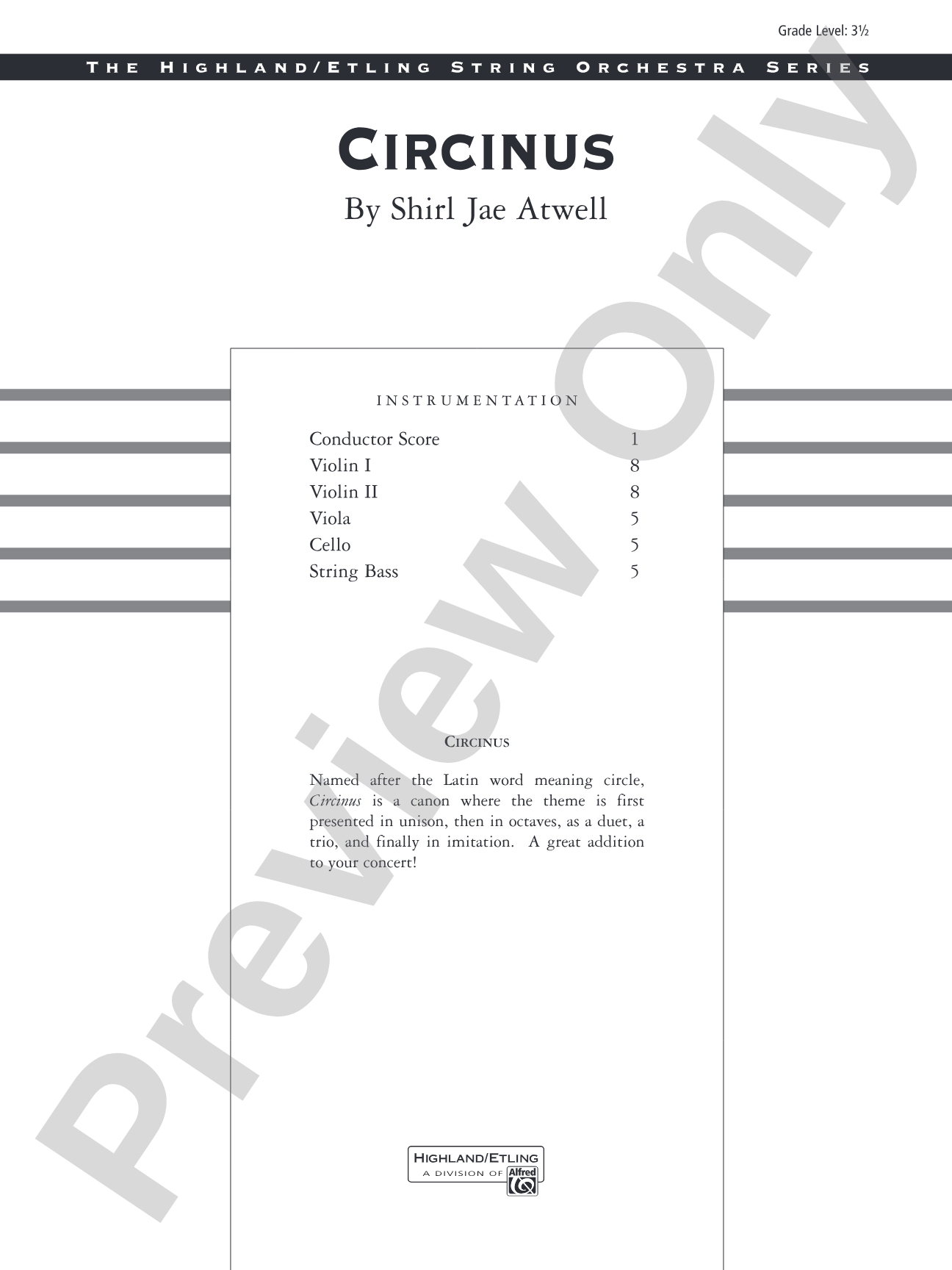
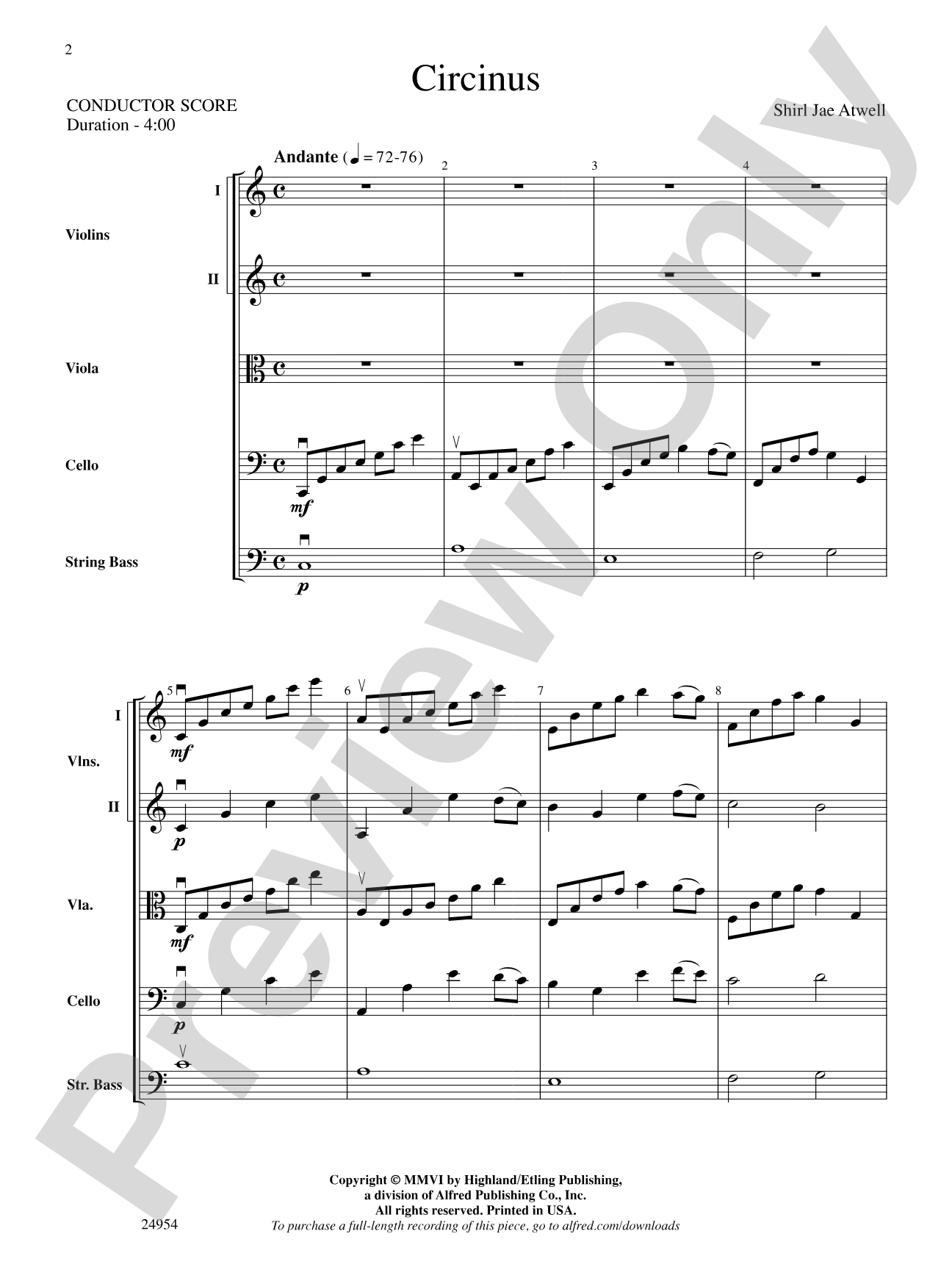
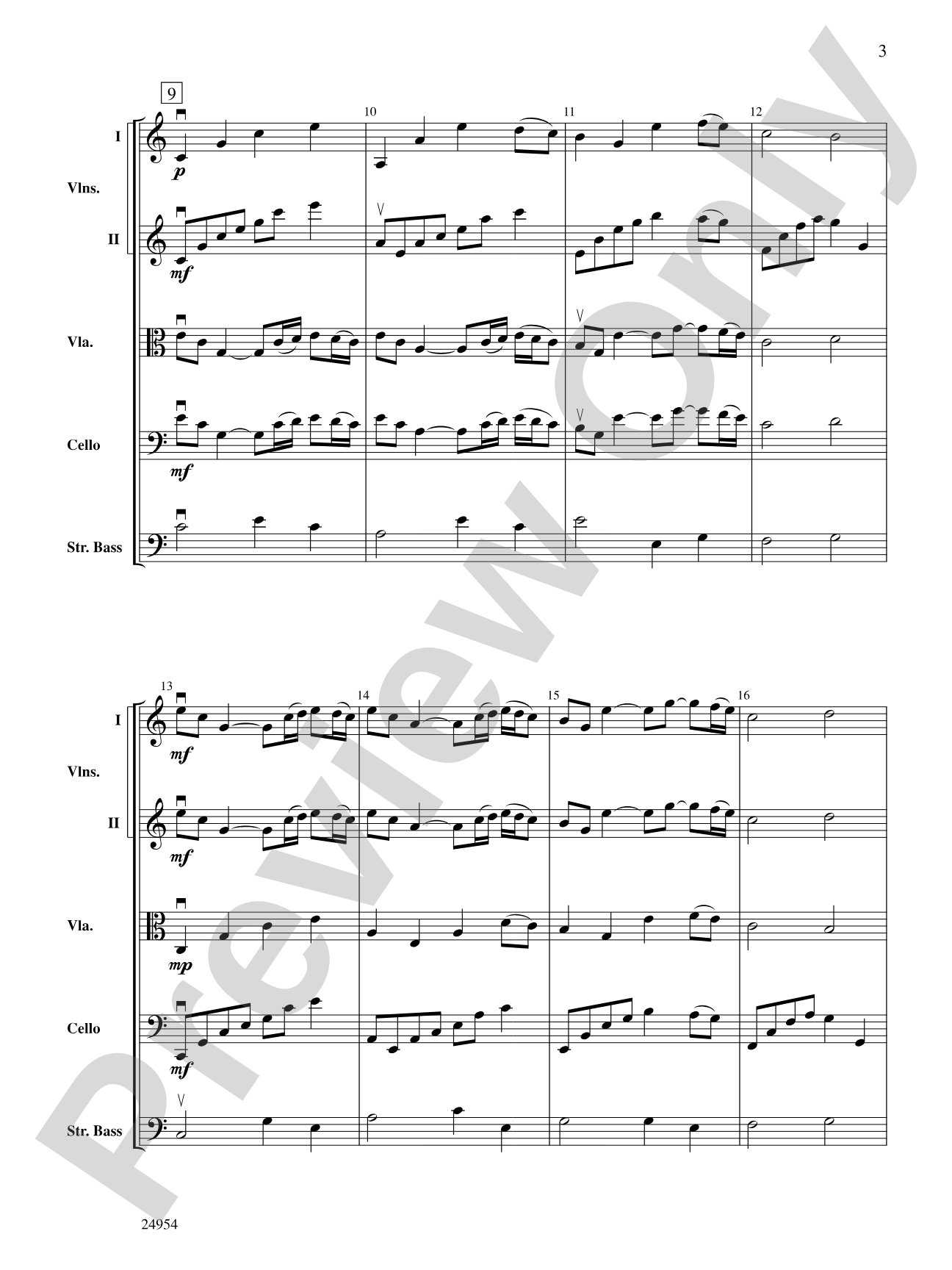
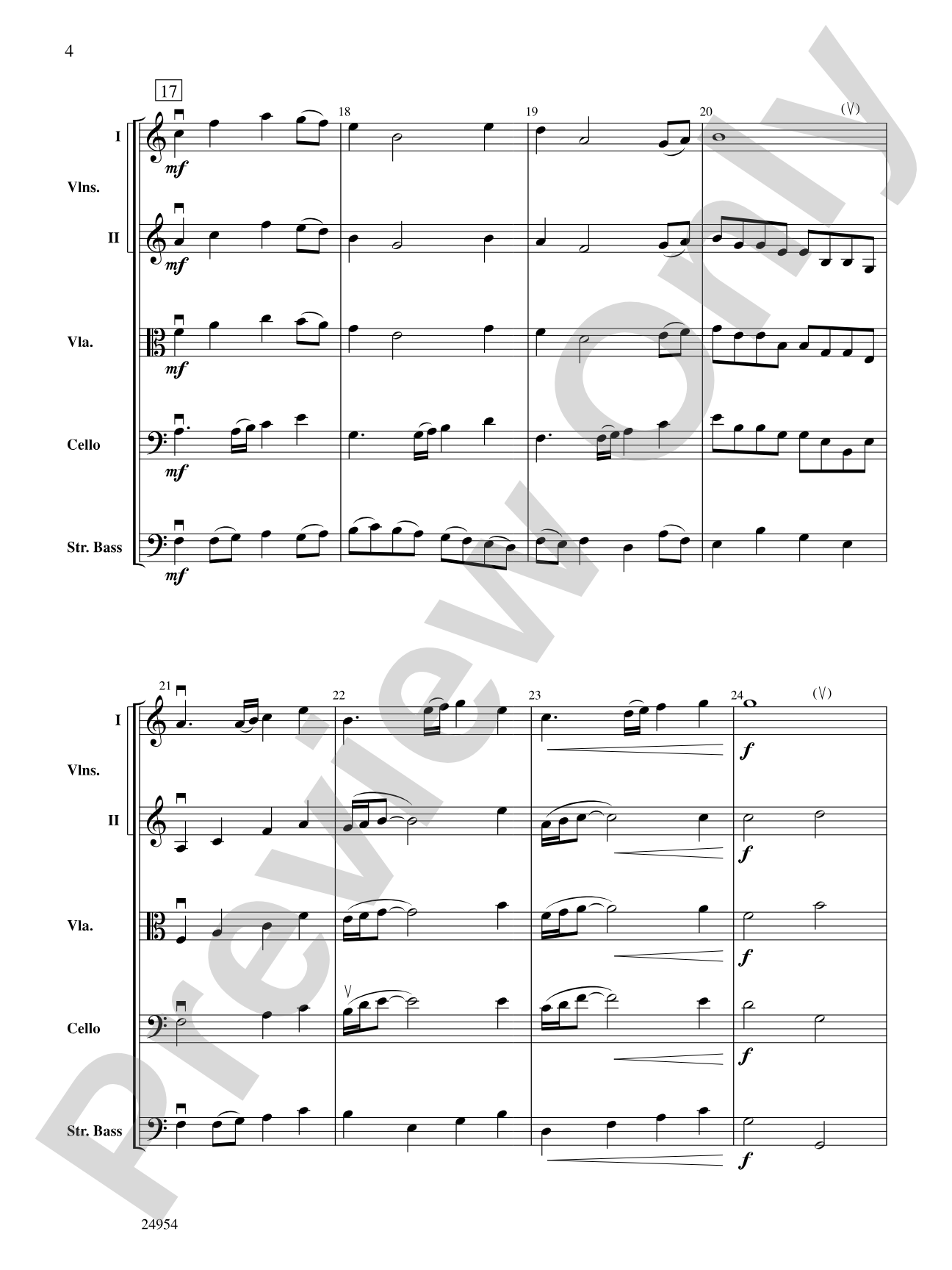
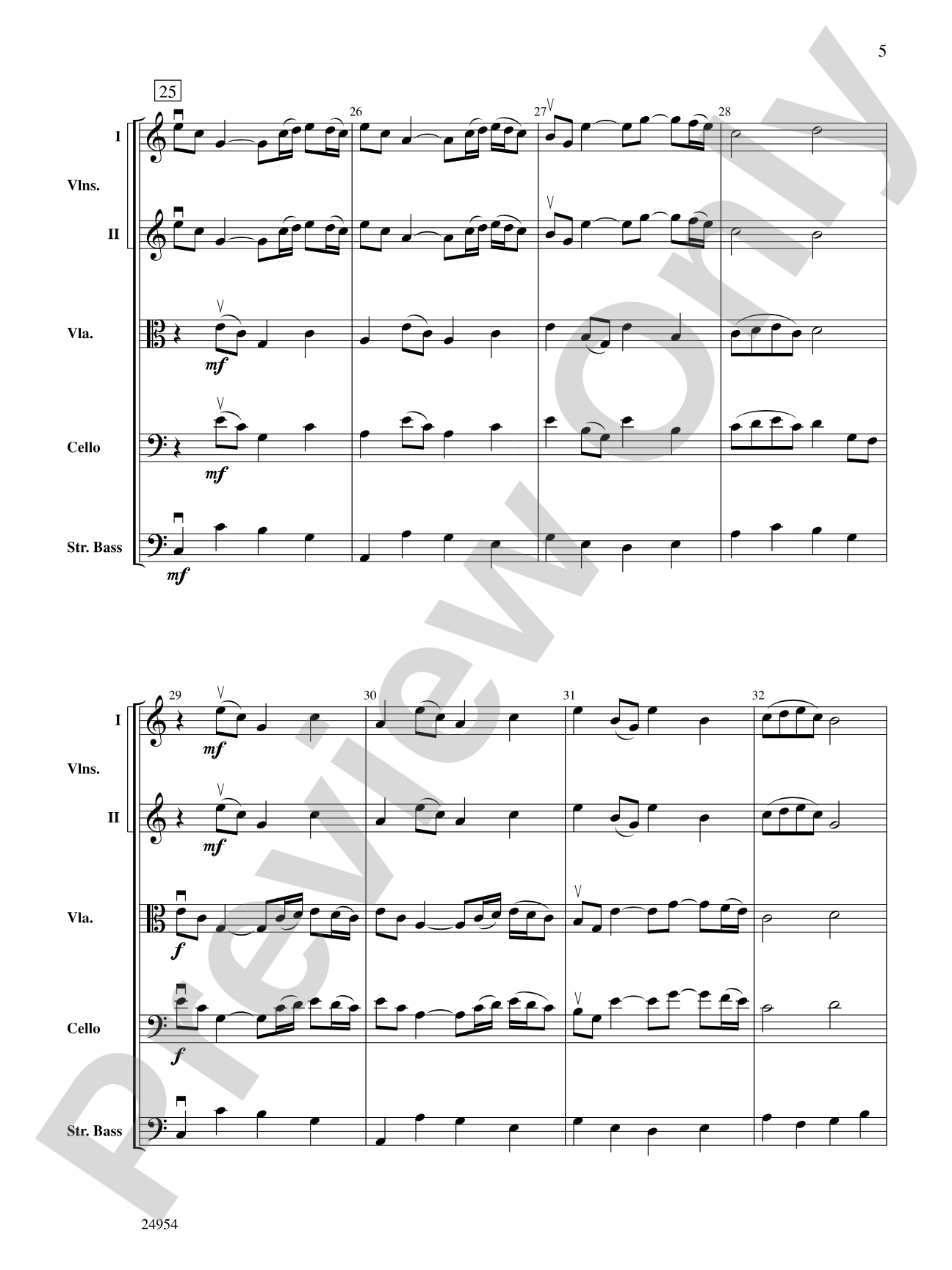
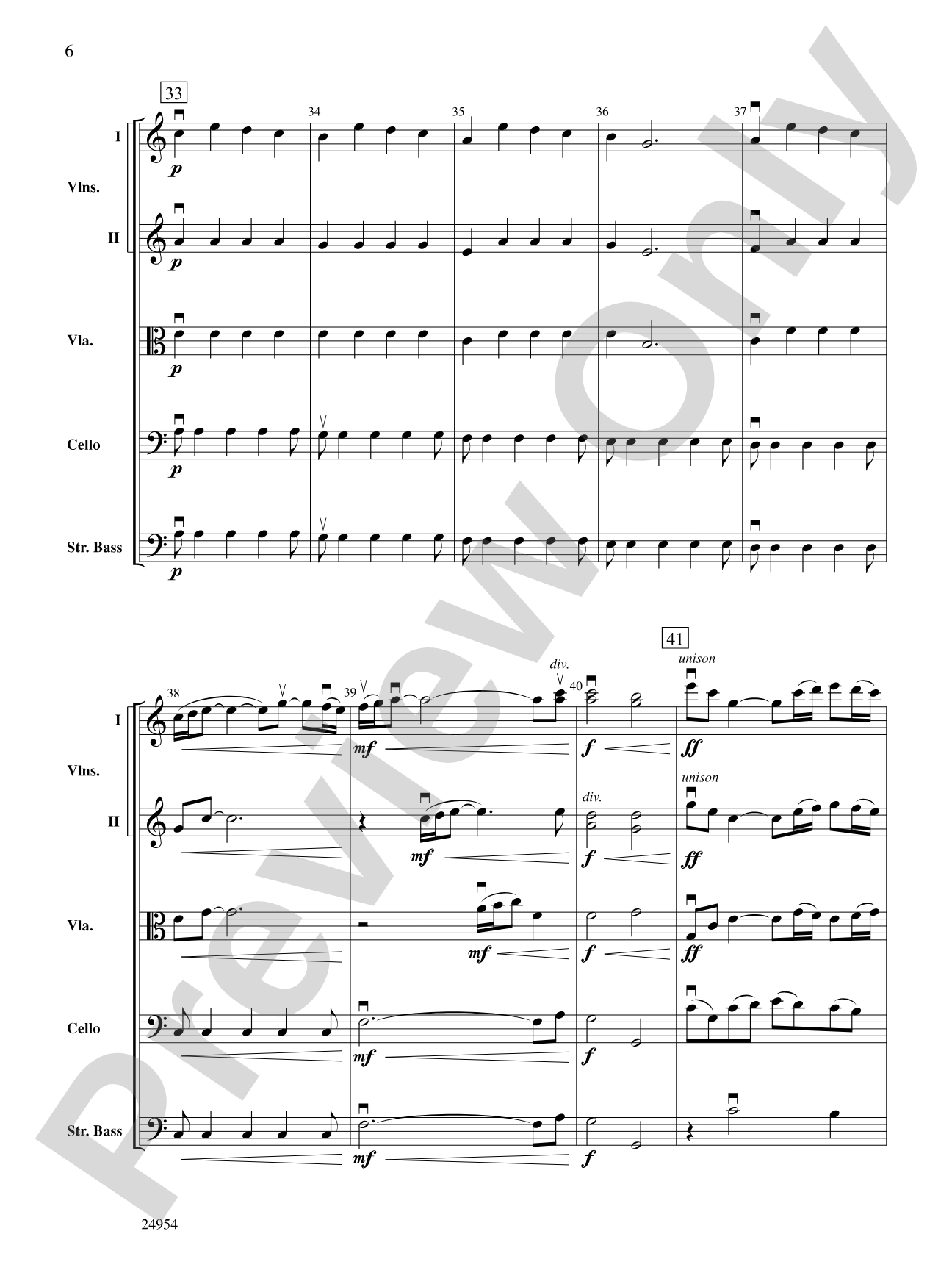
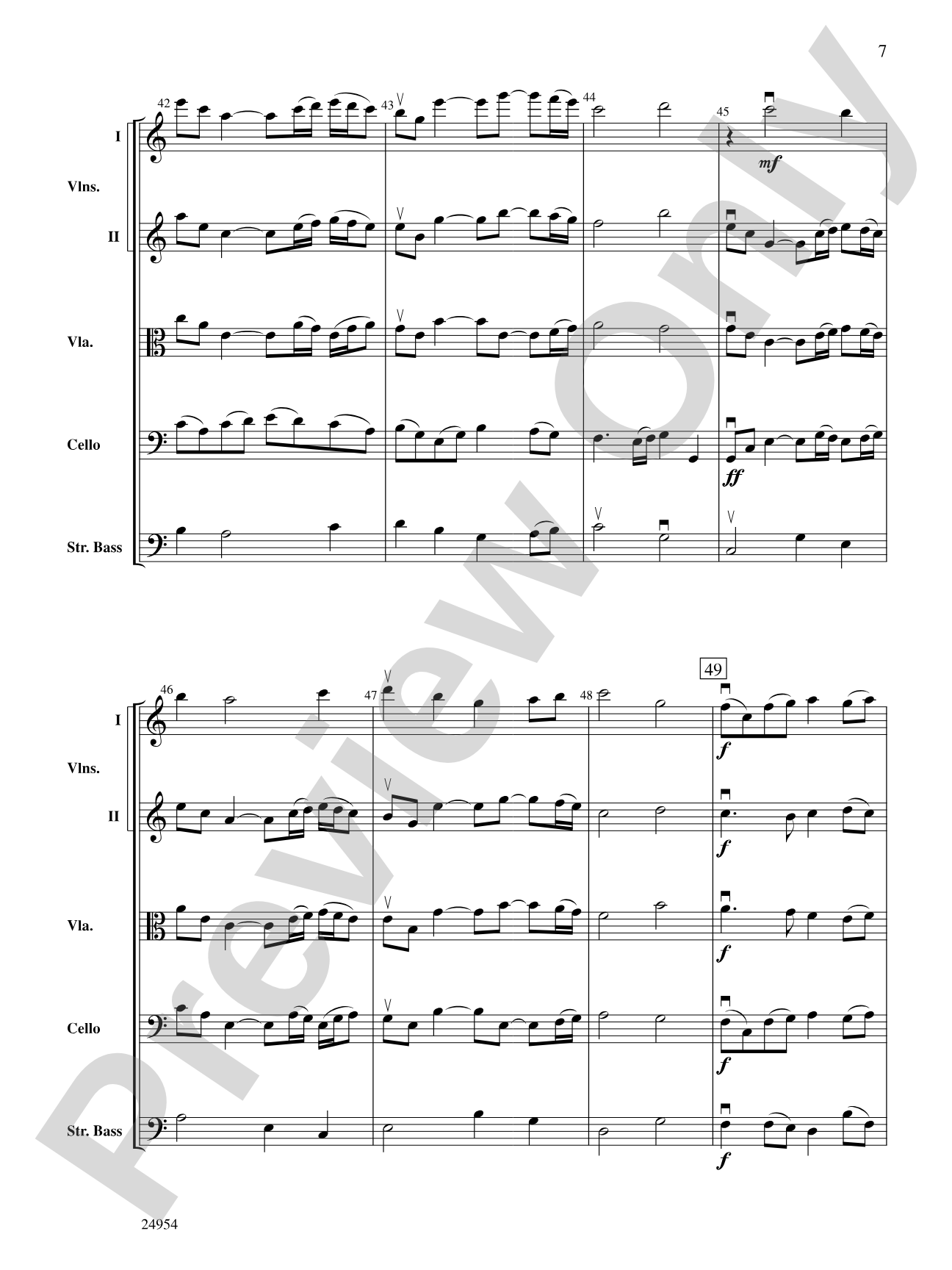
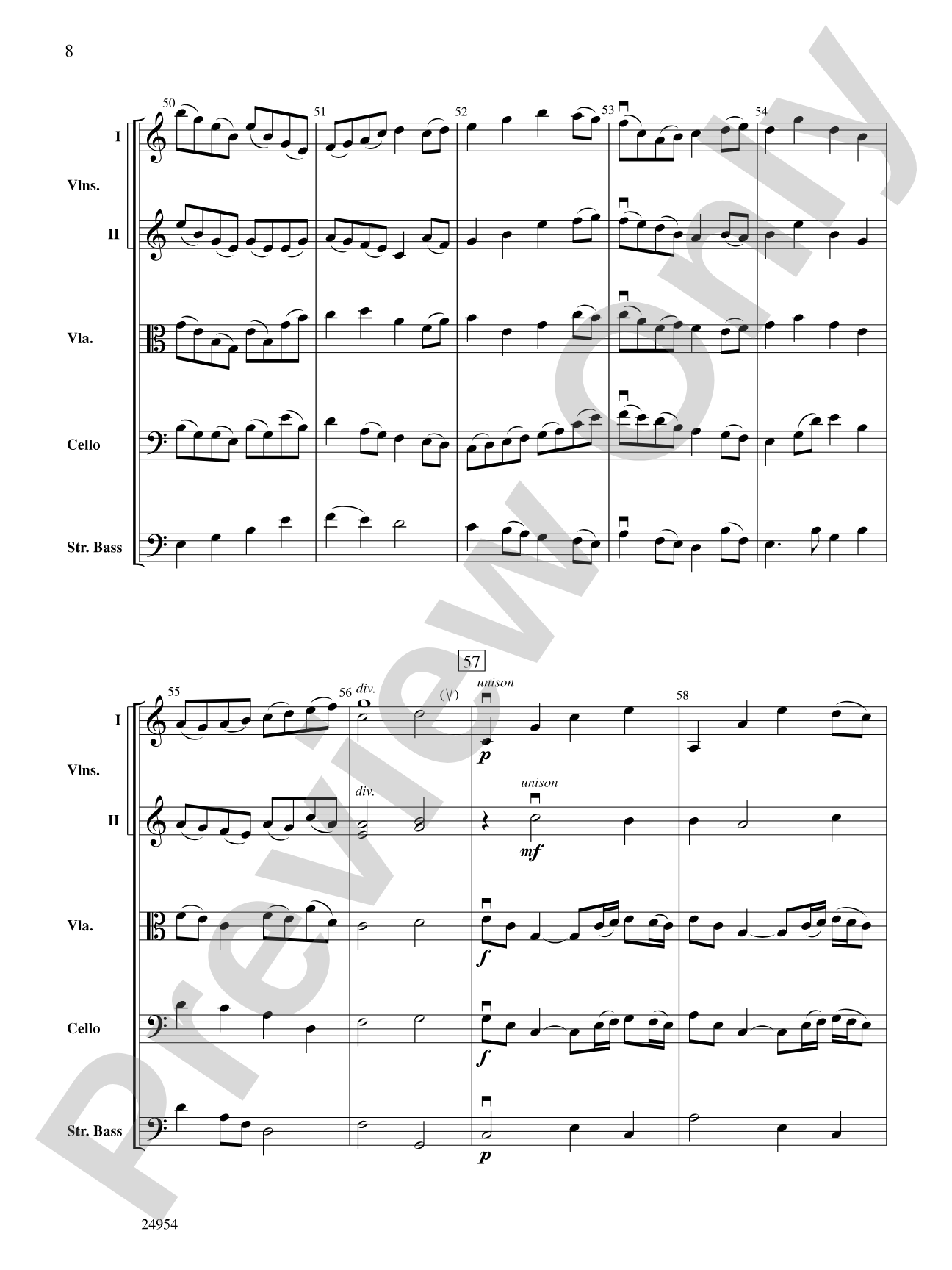
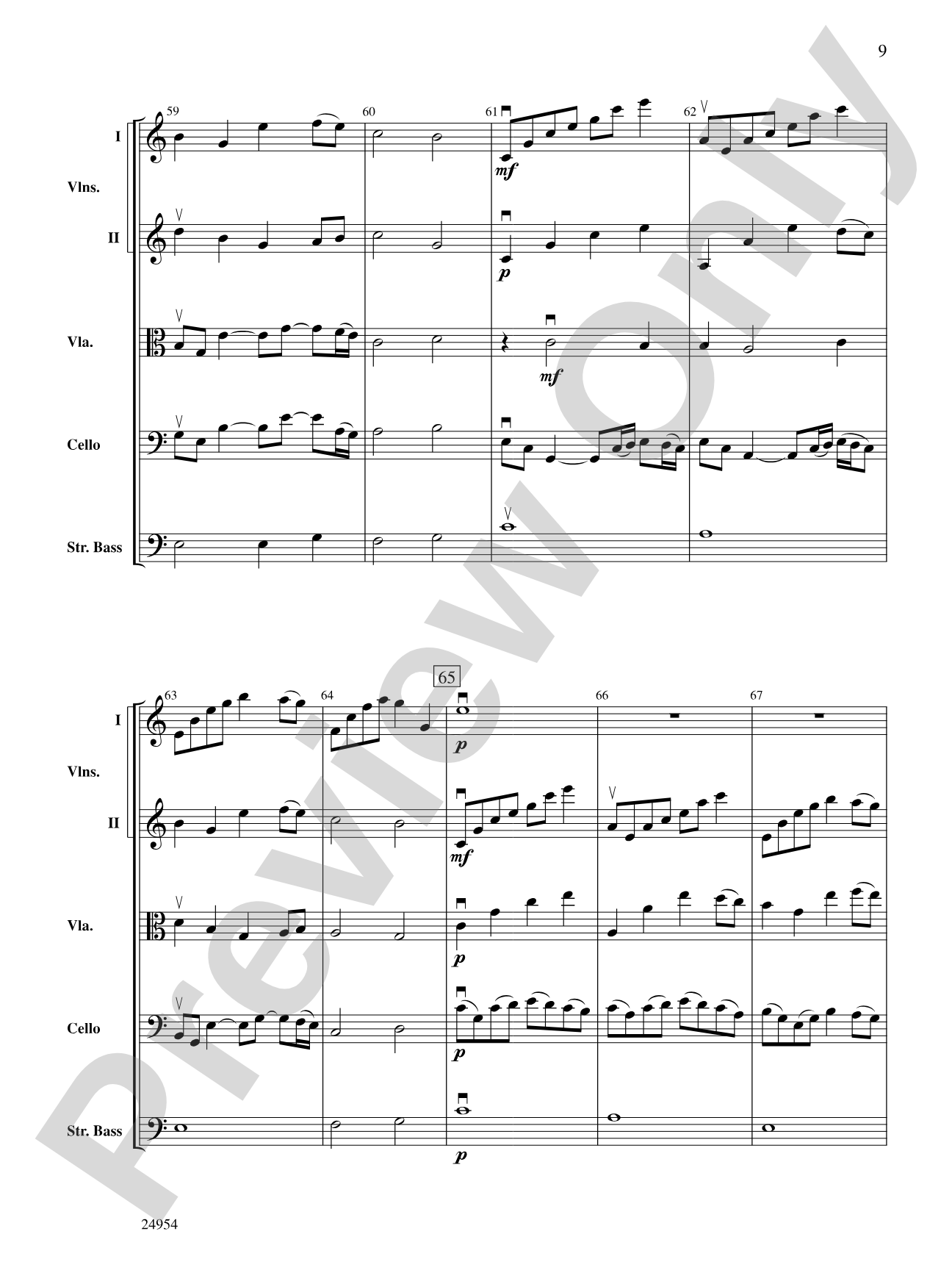
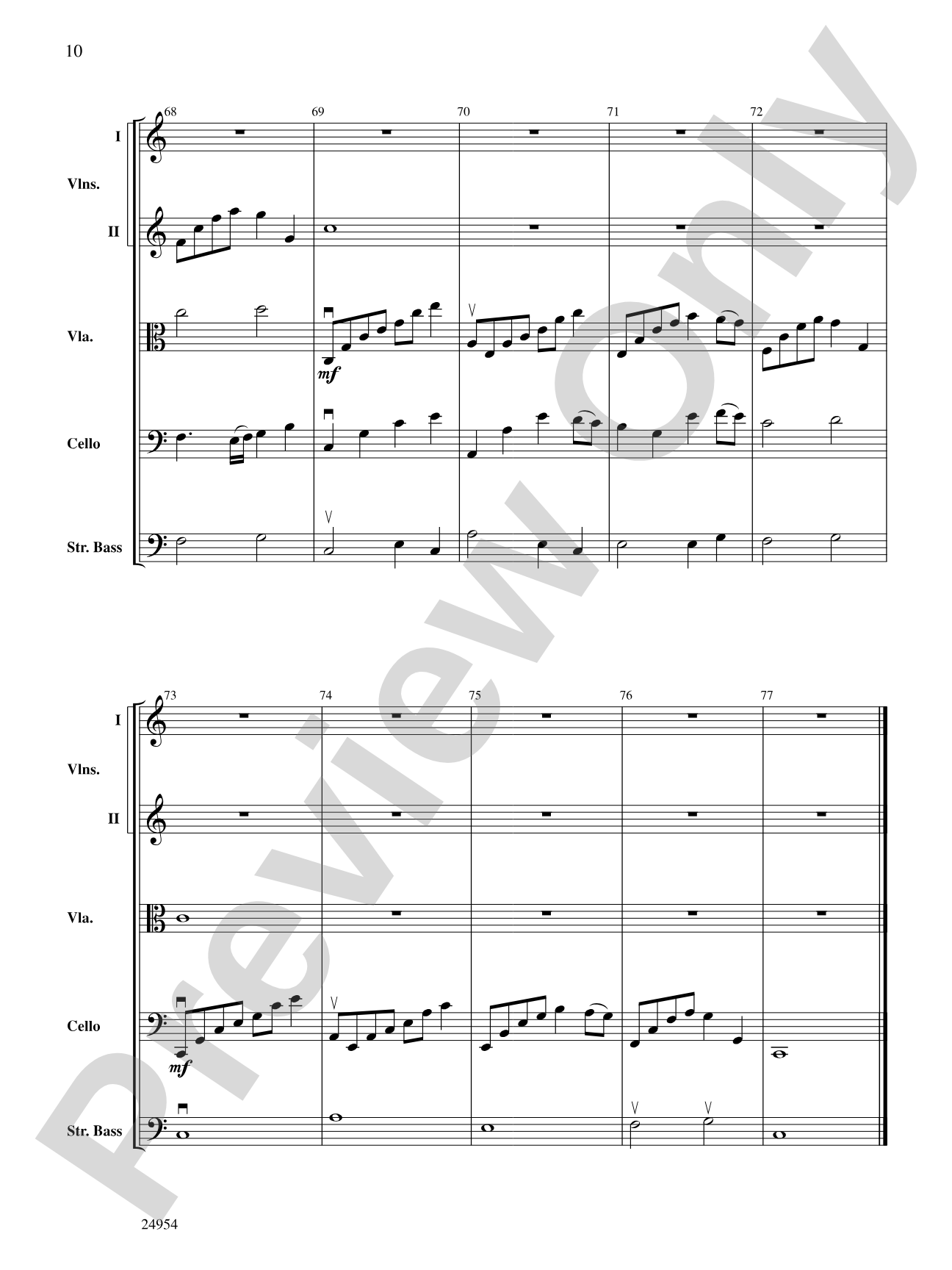
Circinus is a Latin word meaning circle. And in music, a circle of organized sound is a canon. The theme of this canon weaves itself through the voices; sometimes in unison, octaves, as a duet, a trio, or in imitation until it completes the circle and ends where it began.


Don't just read it, hear it, play along with it, and watch your students grow with it. In MakeMusic Cloud, Circinus: Score comes alive with professional accompaniment, adjustable tempo, and built-in practice tools that turn solo practice into real progress.
Open in the Player
Jump straight in and assign it today.
Start Your Free Trial
Open this title and explore the full library in minutes.
Sample Audio
1
Audio File
--:--
0:00
0:00
Sample Video
No sample videos found.
Additional Details
Series:
Highland/Etling String Orchestra
Publisher:
Alfred Music
Page Count:
72
SKU:
00-PR-0000937
More about this title
About the Composer: Shirl Jae Atwell

Shirl Jae Atwell holds degrees from Kansas State Teachers College and the University of Louisville, where she earned her Master of Music Theory/Composition degree. She completed four years of advanced composition study at the University of South Carolina, establishing herself as a prolific composer across multiple genres.
Why we love this
Atwell's use of canon as both structural and thematic device gives string orchestras a sophisticated compositional study wrapped in accessible Grade 3.5 writing. The way the melodic material transforms across different voice combinations and textures keeps student performers engaged and listening actively, making this a rewarding piece to rehearse.
What to expect
Circinus feels like watching a musical idea pass through a prism, refracting into new colors and combinations while maintaining its essential shape. The piece has intellectual clarity without coldness, letting students experience how a single theme can generate depth and interest through skillful voice writing and structural discipline.
Who it's for
This piece suits Grade 3.5 string orchestras preparing for contest or festival performance. It works equally well for conductors seeking a teaching piece that develops listening skills and demonstrates compositional architecture without overwhelming younger or intermediate ensembles.
How to get the most out of it
- Emphasize the clarity of each voice as the theme passes through the orchestra. Mark in your score where the melody moves between sections so players understand when to listen and when to lead.
- Work the unison passages with particular attention to tone matching and rhythmic precision. These moments anchor the canon and deserve careful ensemble tuning.
- Balance the octave doublings carefully so that neither reinforces the other too heavily. The ear should track the melodic line, not the doublings.
- Shape the imitative sections as conversations between voice groups. This mindset helps students hear how the canon unfolds rather than simply playing their parts.
How to use it
Program this as a centerpiece for a concert focused on compositional technique or form. Its contest-friendly pedigree makes it ideal for festival entries, and its length and varied textures give audiences a complete musical statement that showcases what intermediate string orchestras can accomplish.
Skills your students will build
- Tracking a melodic line across voice changes and instrumental combinations
- Listening to and balancing harmonic doublings
- Ensemble precision in unison passages
- Understanding canon and imitative forms through performance
- Shaping phrase continuity when the melody moves between sections