
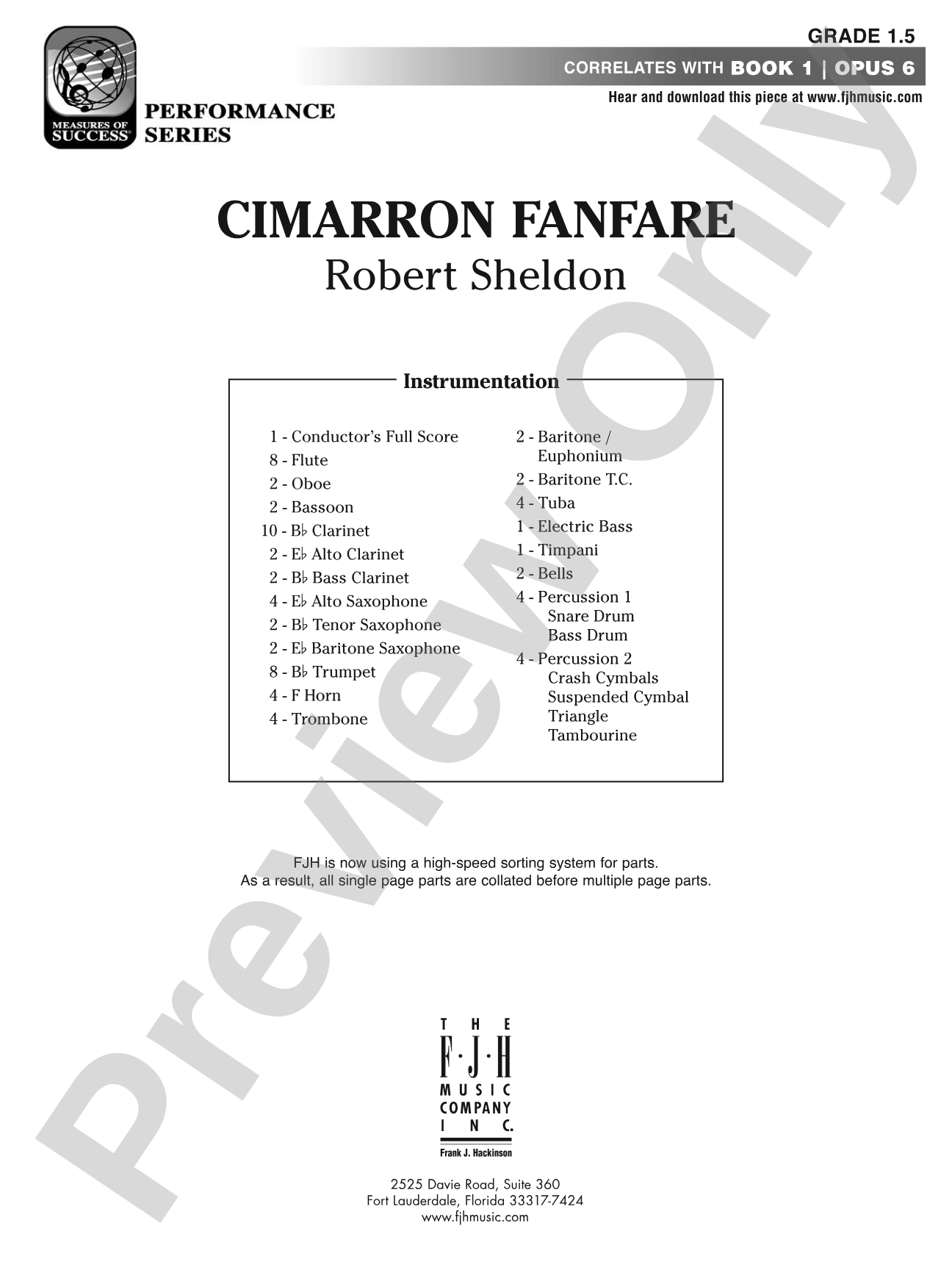
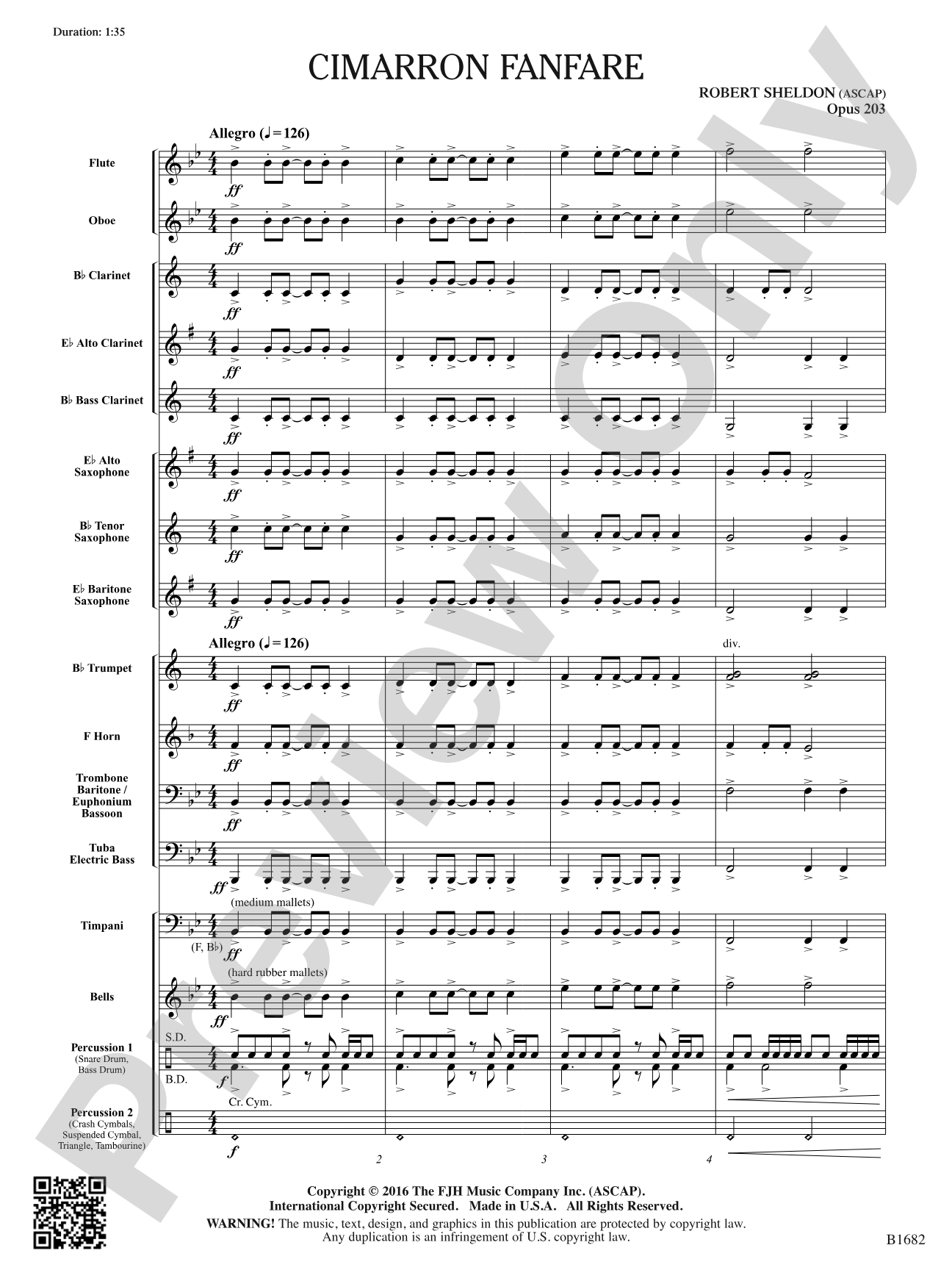
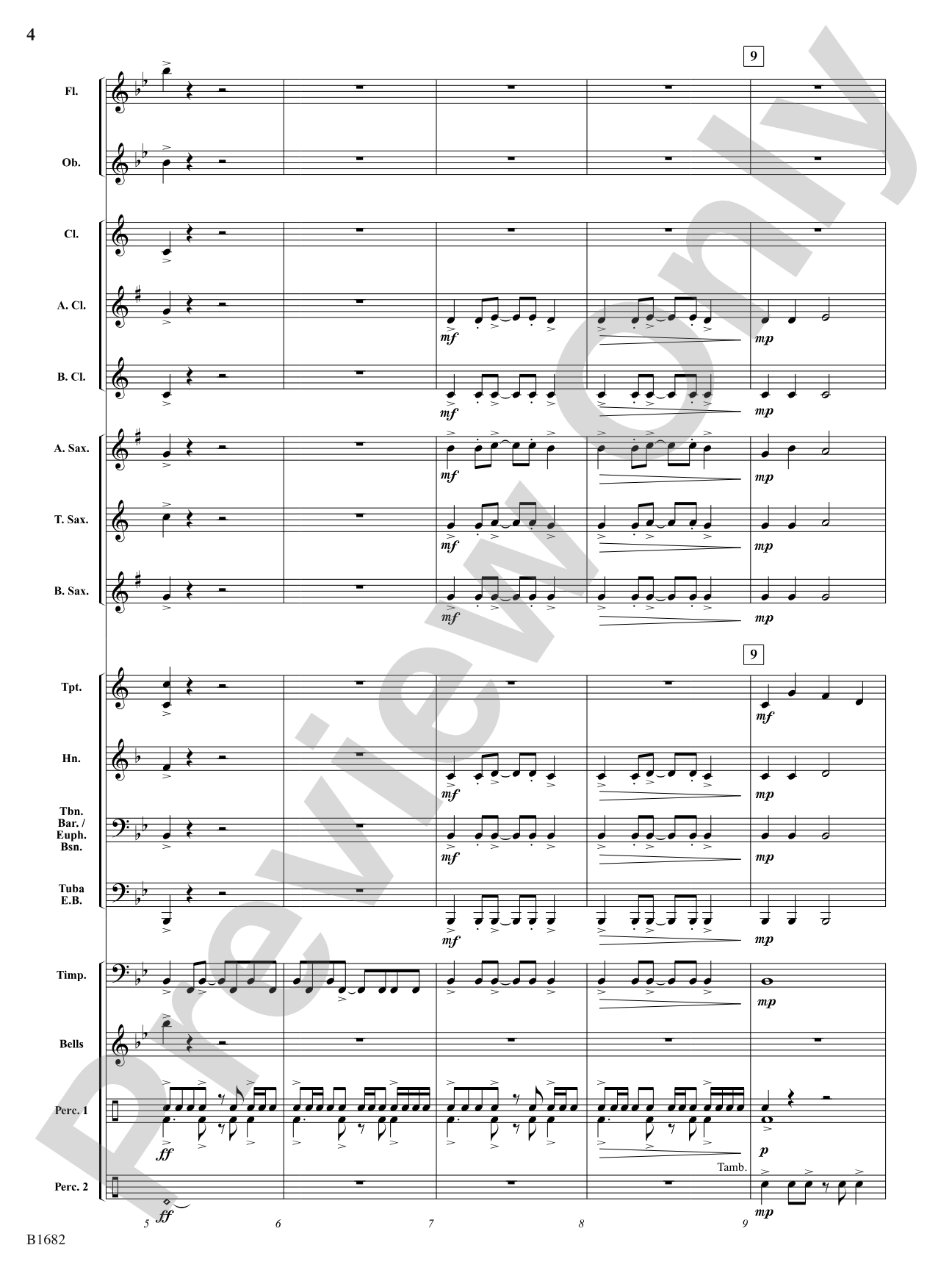
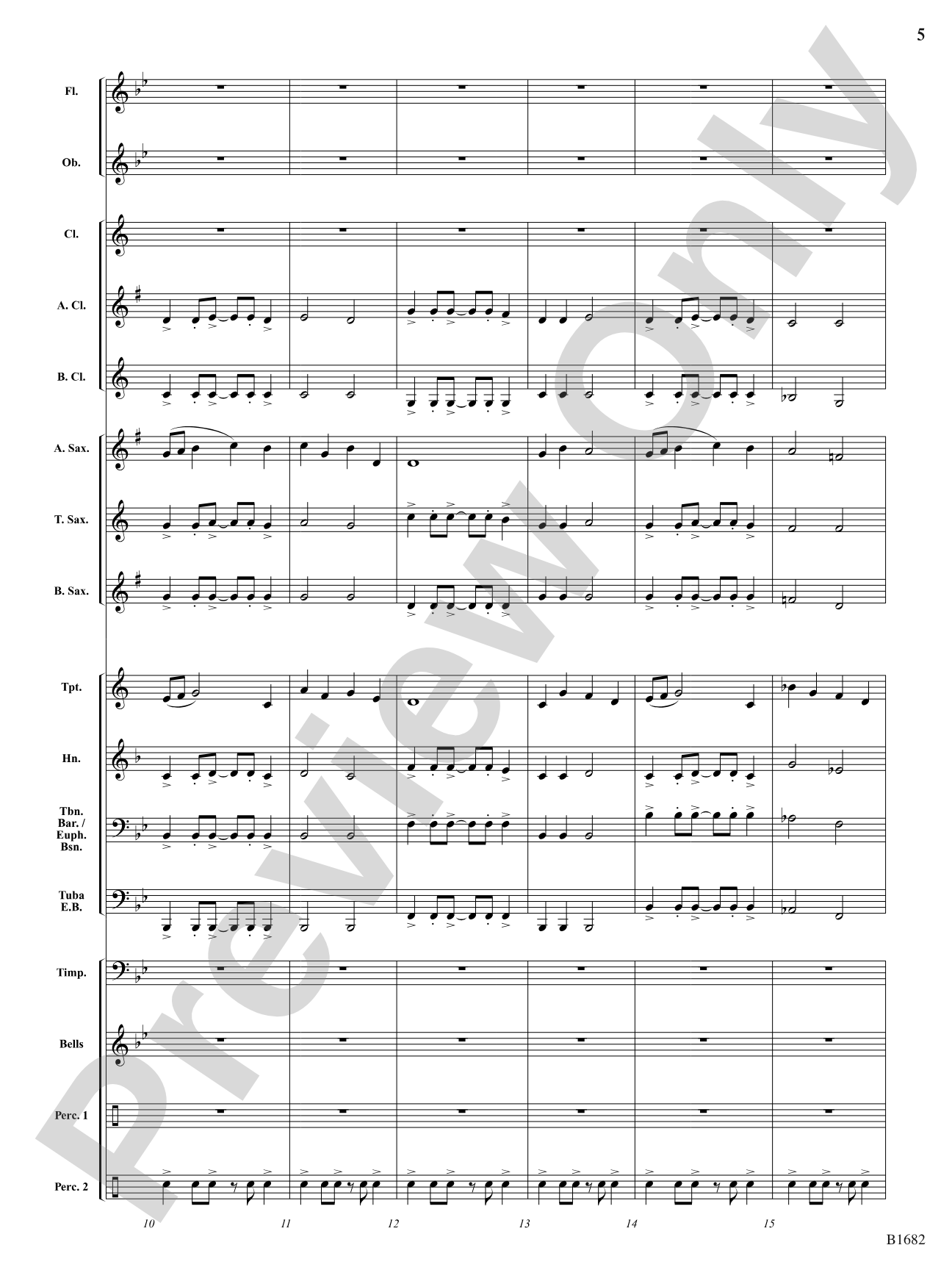
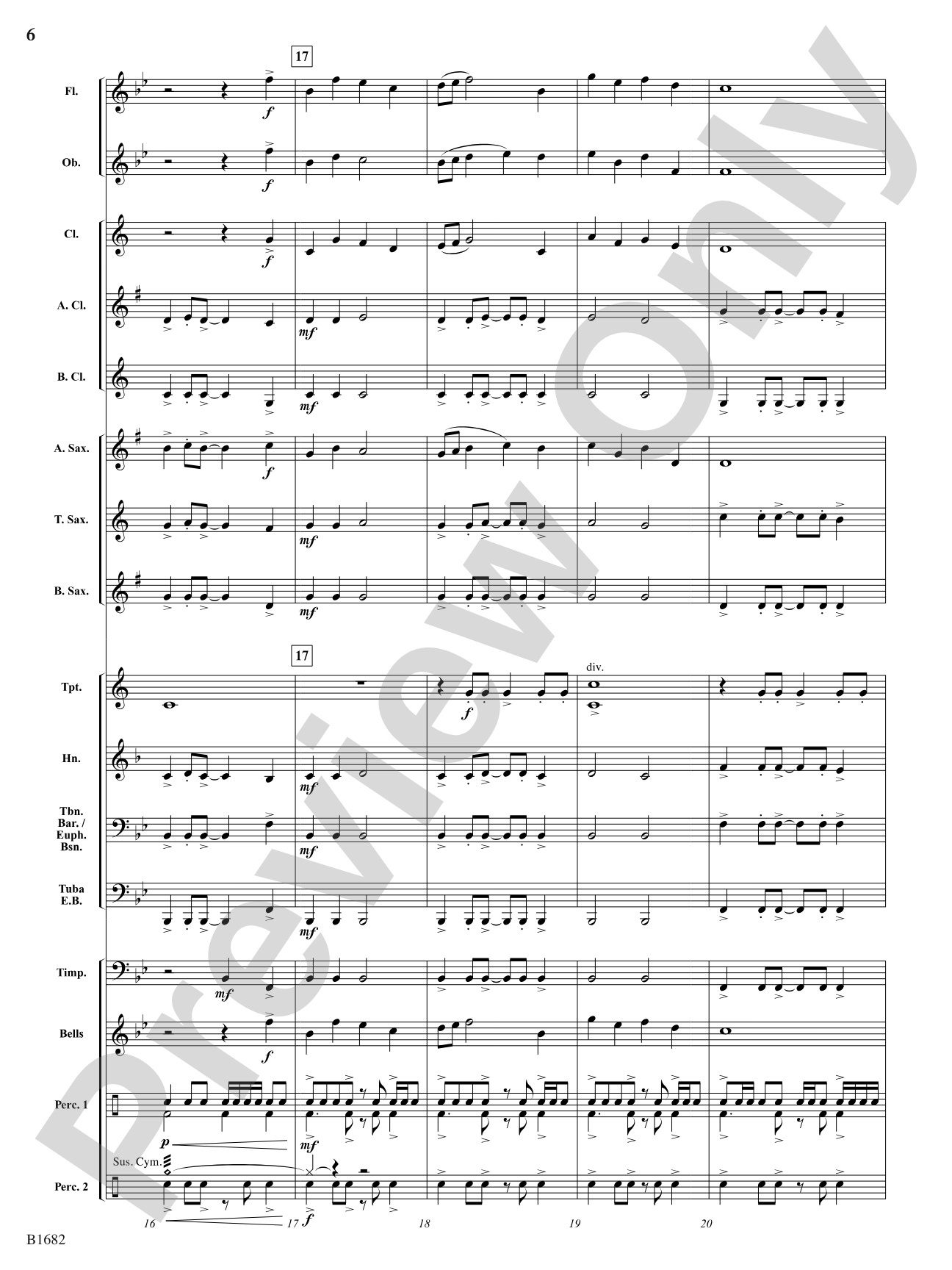
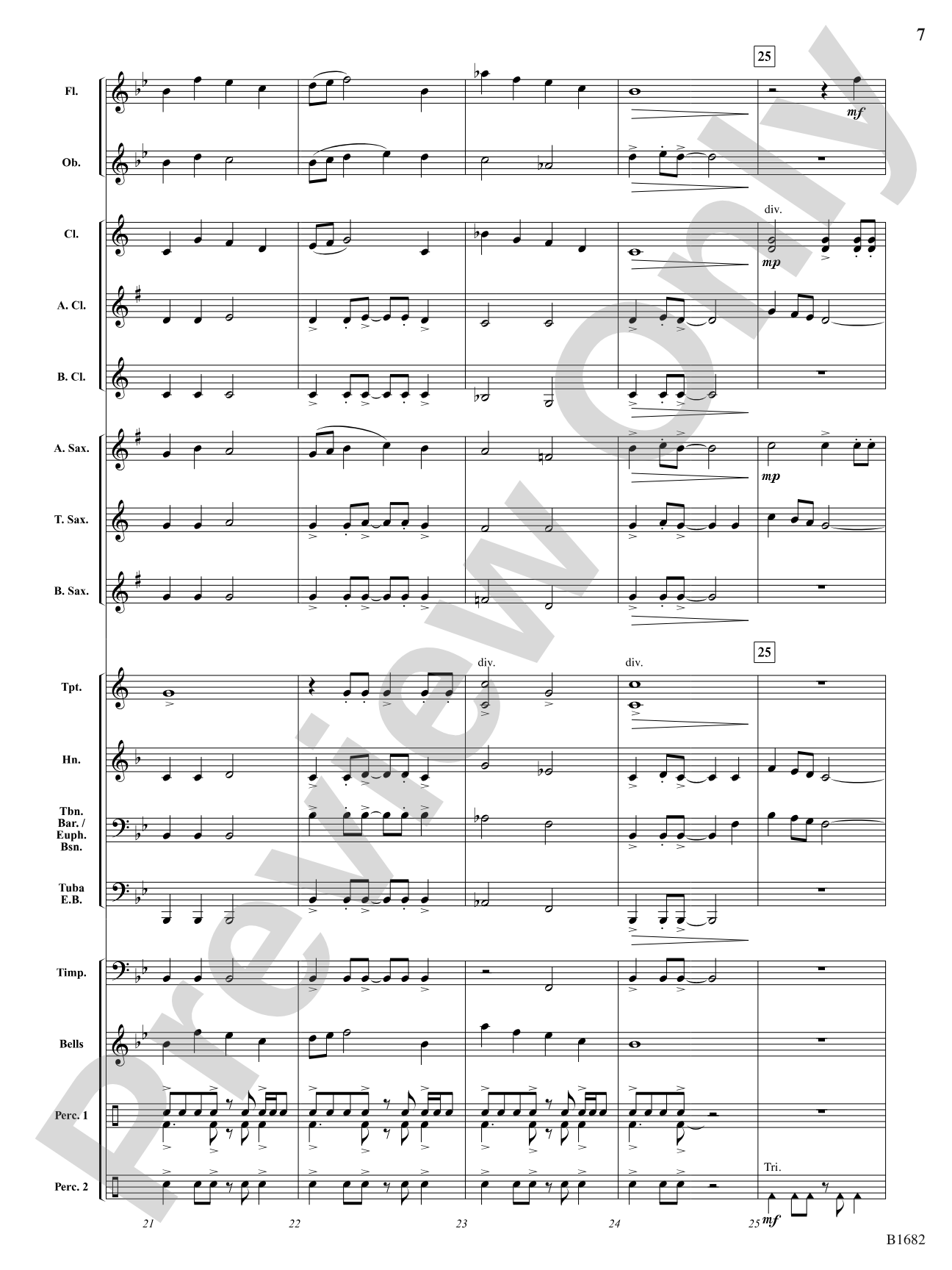
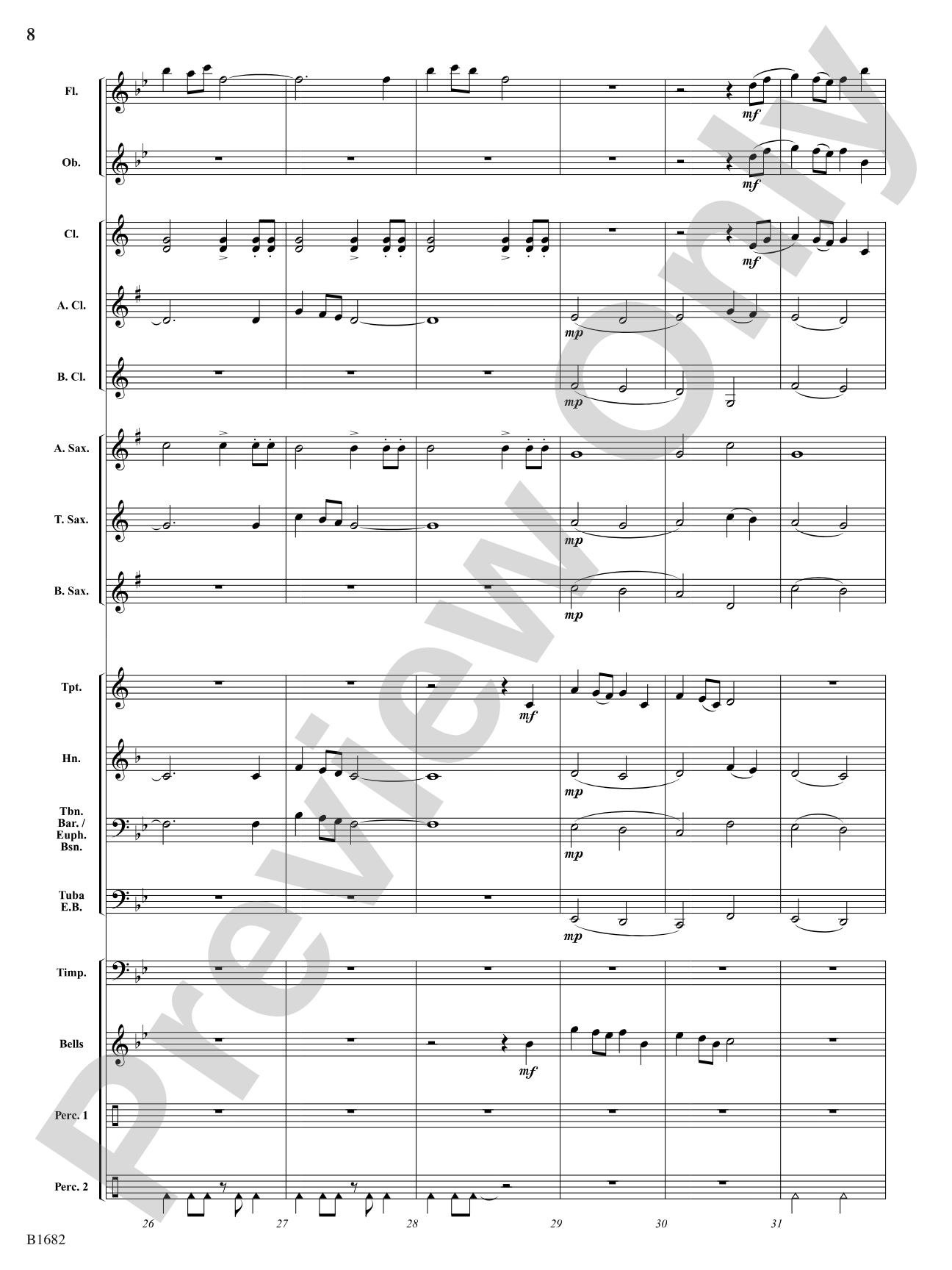

Cimarron Fanfare: Concert Band Conductor Score & Parts
By Robert Sheldon
Grade: 1.5
Item: 98-DB1682

$55.00
Pickup currently not available
Buy Extra Parts (Digital PDF Download)
| Product | Price | Quantity |
|---|---|---|
| Cimarron Fanfare: Score | $12.00 | |
| Cimarron Fanfare: Flute | $7.00 | |
| Cimarron Fanfare: Oboe | $7.00 | |
| Cimarron Fanfare: Bassoon | $7.00 | |
| Cimarron Fanfare: B-flat Clarinet | $7.00 | |
| Cimarron Fanfare: E-flat Alto Clarinet | $7.00 | |
| Cimarron Fanfare: B-flat Bass Clarinet | $7.00 | |
| Cimarron Fanfare: E-flat Alto Saxophone | $7.00 | |
| Cimarron Fanfare: B-flat Tenor Saxophone | $7.00 | |
| Cimarron Fanfare: E-flat Baritone Saxophone | $7.00 | |
| Cimarron Fanfare: B-flat Trumpet | $7.00 | |
| Cimarron Fanfare: F Horn | $7.00 | |
| Cimarron Fanfare: Trombone | $7.00 | |
| Cimarron Fanfare: Baritone / Euphonium | $7.00 | |
| Cimarron Fanfare: Baritone T.C. | $7.00 | |
| Cimarron Fanfare: Tuba | $7.00 | |
| Cimarron Fanfare: Electric Bass | $7.00 | |
| Cimarron Fanfare: Timpani | $7.00 | |
| Cimarron Fanfare: Bells | $7.00 | |
| Cimarron Fanfare: Percussion 1 | $7.00 | |
| Cimarron Fanfare: Percussion 2 | $7.00 |
Parts Added to Cart!
Description
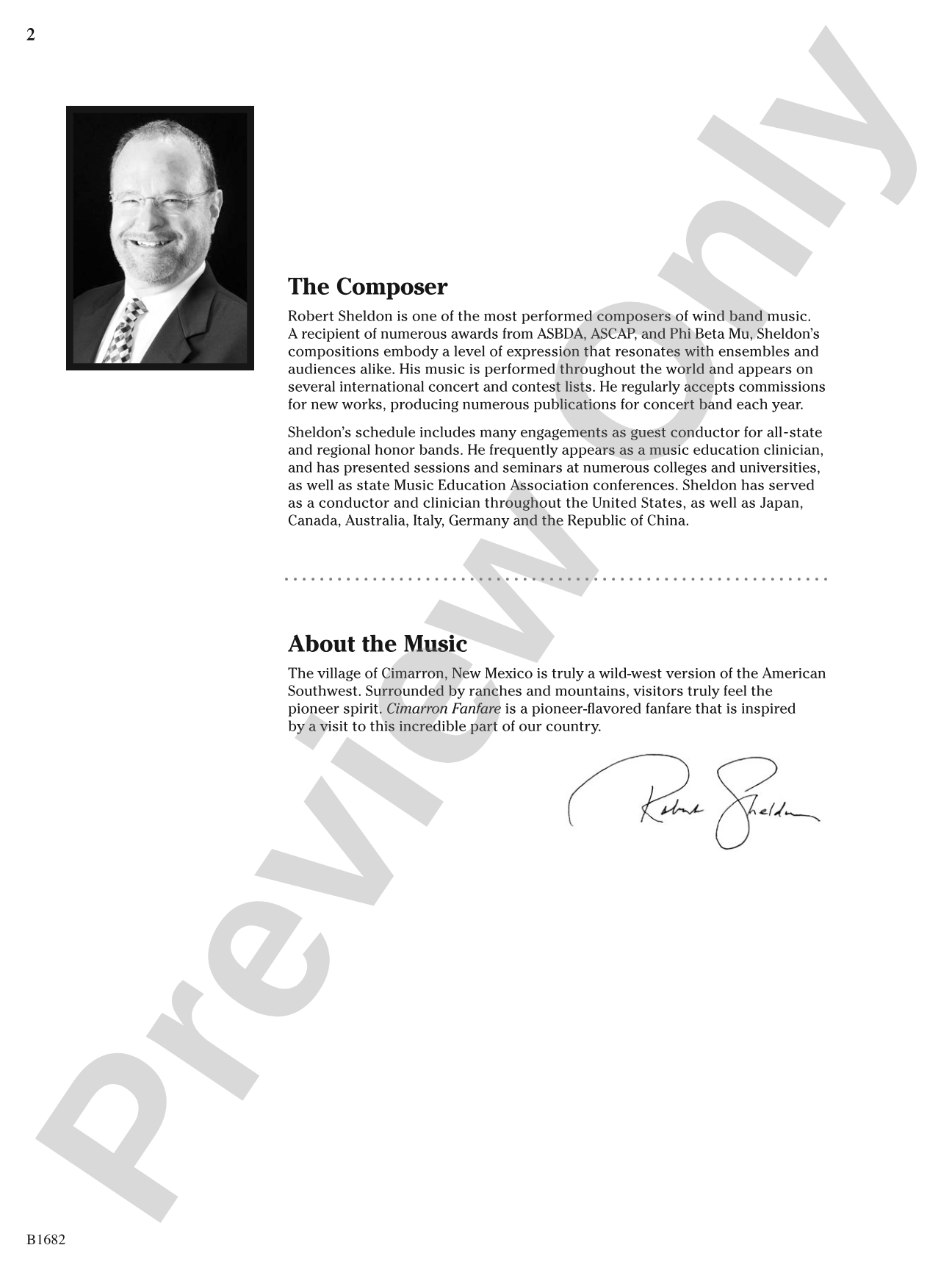
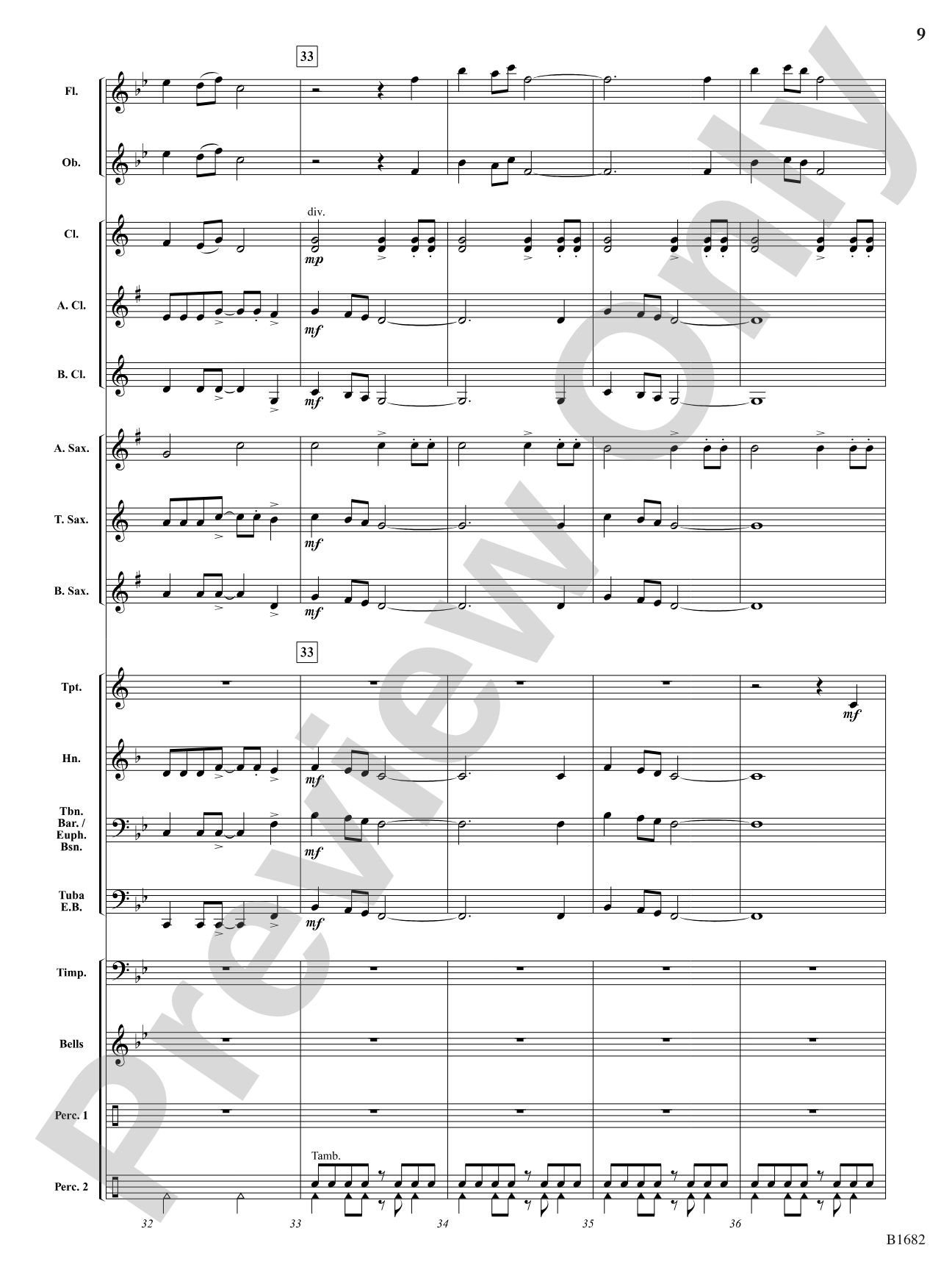
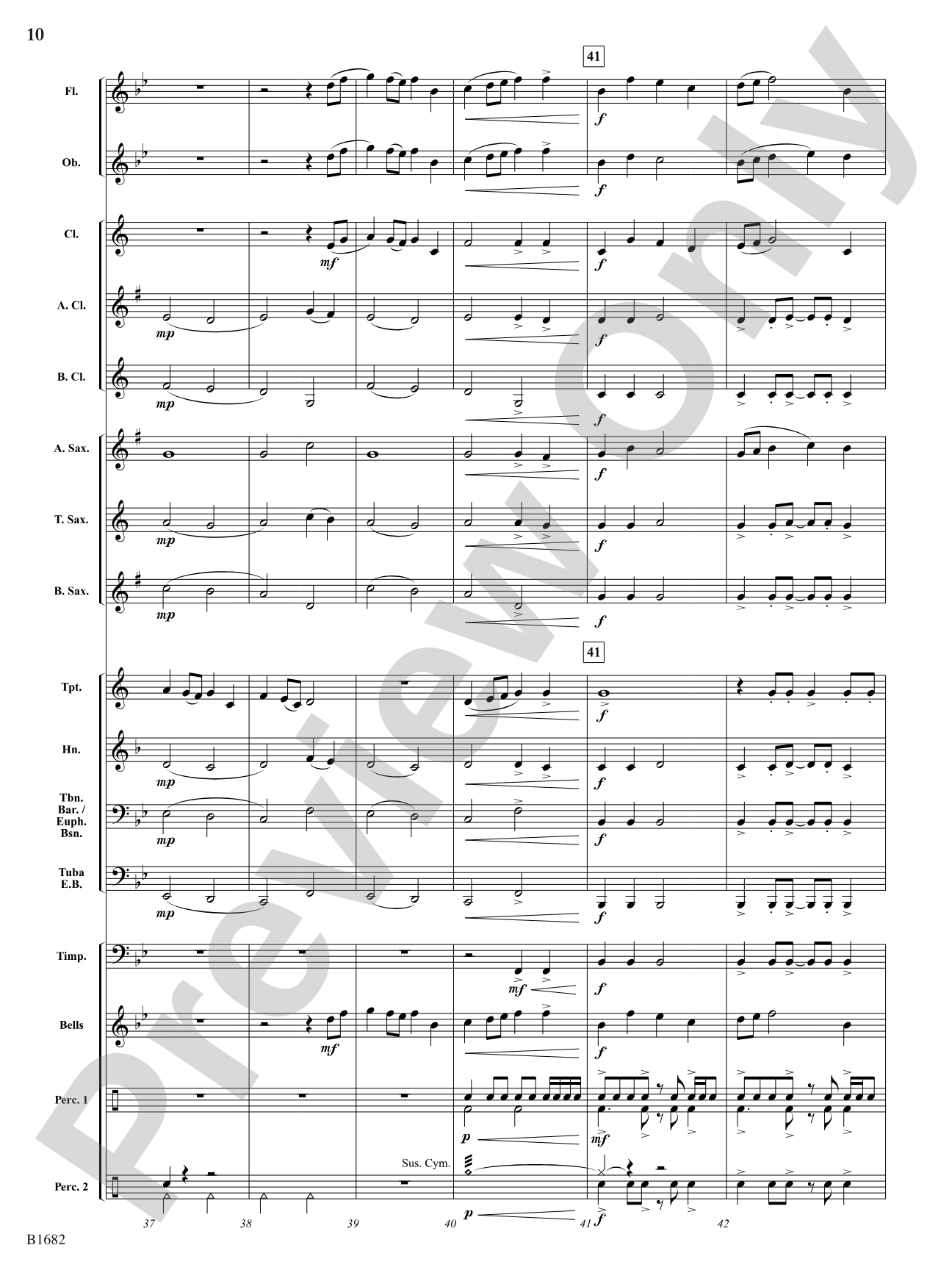
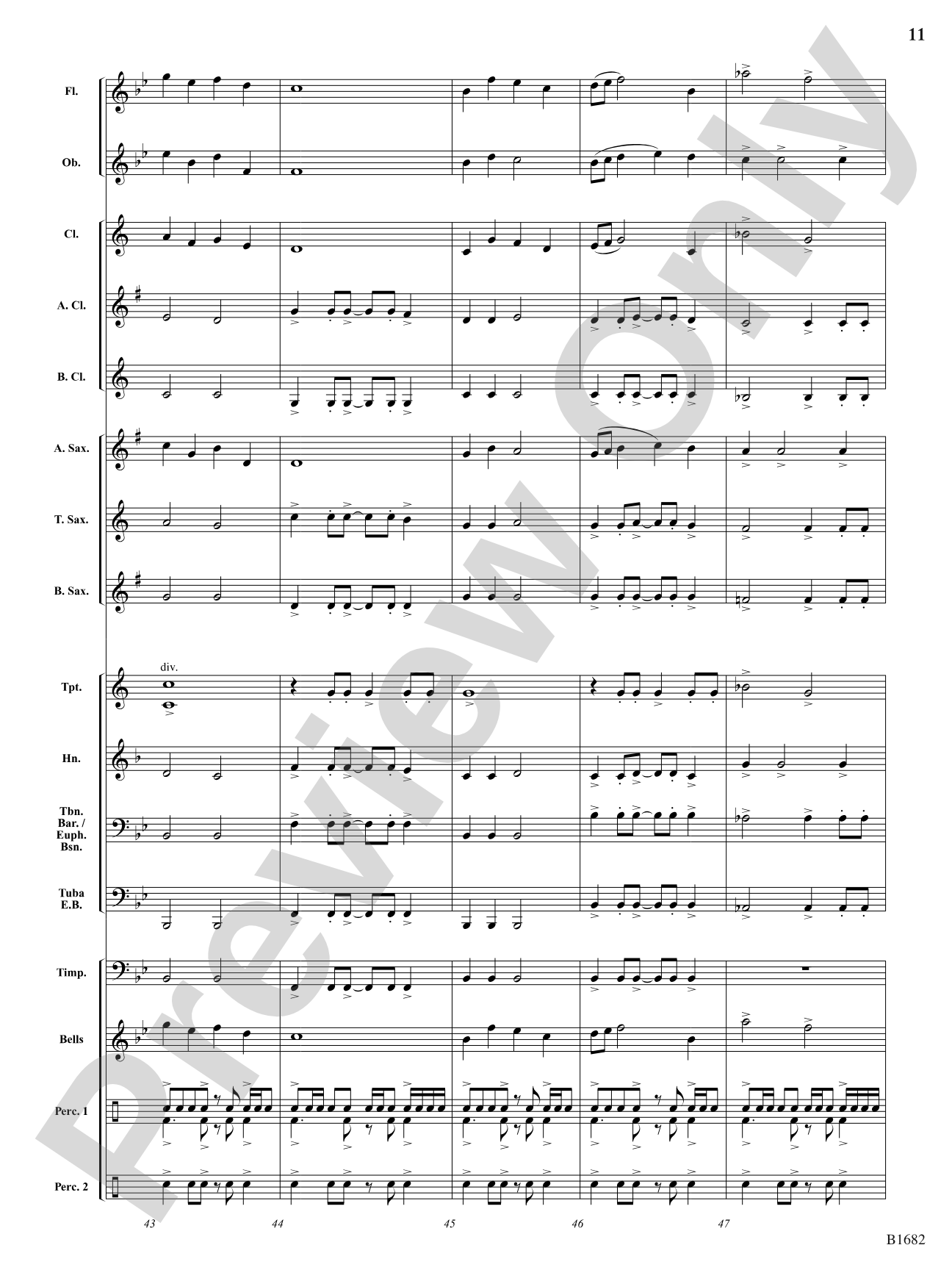
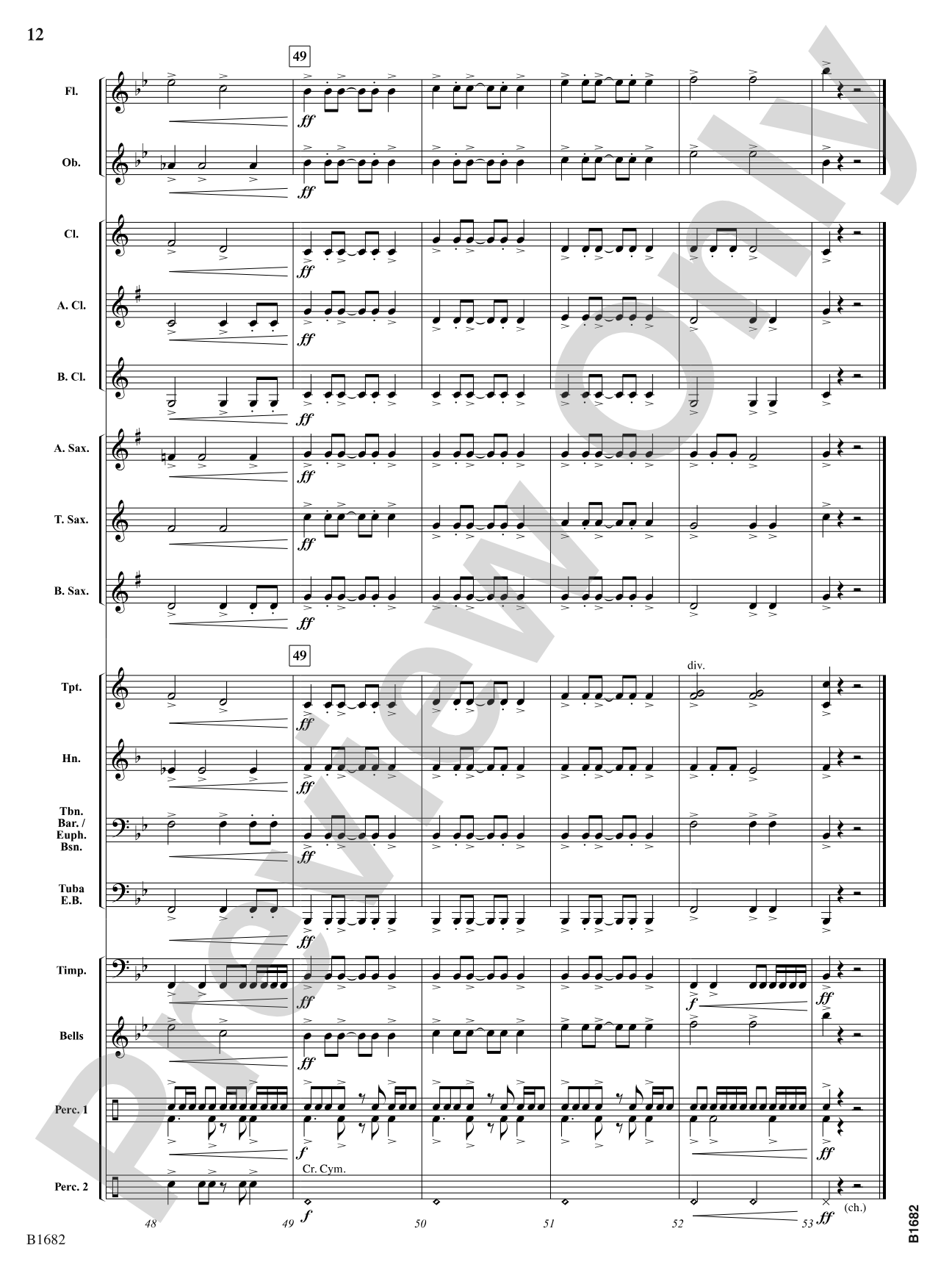
The village of Cimarron, New Mexico is truly a wild-west version of the American Southwest. Surrounded by ranches and mountains, visitors feel the pioneer spirit. Cimarron Fanfare is a pioneer-flavored fanfare that is inspired by a visit to this incredible part of the country.


Don't just read it, hear it, play along with it, and watch your students grow with it. In MakeMusic Cloud, Cimarron Fanfare: Concert Band Conductor Score & Parts comes alive with professional accompaniment, adjustable tempo, and built-in practice tools that turn solo practice into real progress.
Open in the Player
Jump straight in and assign it today.
Start Your Free Trial
Open this title and explore the full library in minutes.
Sample Audio
1
Audio File
--:--
0:00
0:00
Sample Video
No sample videos found.
Additional Details
Series:
FJH MOS Performance
Publisher:
The FJH Music Company, Inc.
SKU:
98-DB1682
More about this title
About the Composer: Robert Sheldon

Robert Sheldon stands among the most frequently performed composers of wind band repertoire in America. His works appear on contest and concert programs worldwide, and his commissions continue to grow each year. He has received recognition from the American School Band Director's Association, Phi Beta Mu, and the American Society of Composers, Authors and Publishers for his contributions to the field.
Beyond composing, Sheldon co-authored Sound Innovations for Concert Band and maintains an active schedule as a guest conductor and clinician. He has conducted at Carnegie Hall, Orchestra Hall, Boston Symphony Hall, the Sydney Opera House, and the Kennedy Center, and has taught at universities and conferences across the United States, Japan, Canada, Italy, Germany, Australia, and China. In 2020, VanderCook College of Music awarded him an honorary doctorate.
Why we love this
Sheldon writes fanfares that sit perfectly at the Grade 1.5 level without sacrificing musical integrity or character. This piece captures the spirit of the American West with clarity and directness, making it both accessible to younger bands and genuinely engaging for audiences. It works beautifully in contest and festival settings where bands benefit from material that sounds mature while remaining well within their technical reach.
What to expect
Open skies, dusty trails, and the undeniable courage of settlers moving westward. The fanfare announces arrival with bright brass and steady rhythm, evoking the pioneer spirit without sentimentality. It feels both ceremonial and spirited, the kind of music that makes an audience sit up and listen.
Who it's for
Grade 1.5 concert bands preparing for festival or contest performance. This piece works equally well for younger groups seeking substantial repertoire with western Americana flavor and more experienced bands building a short, impactful opener. The manageable technical demands free rehearsal time to focus on interpretation and ensemble balance.
How to get the most out of it
- Balance the brass choir to let the distinctive melodic lines emerge without forcing; at this level, blend often matters more than volume.
- Shape the fanfare sections with subtle dynamic curves rather than sudden changes, which helps younger players hear the phrasing naturally.
- Establish a steady, confident tempo from the start; the western character depends on rhythmic security, not speed.
- Let the woodwinds support the harmonic foundation; they anchor the piece even when the brass carries the melody.
How to use it
Open a concert or contest set with this piece to establish energy and confidence immediately. Its brief duration and clear musical arc make it an ideal warm-up for audiences while giving your band a strong first impression. Pair it with lyrical or more complex repertoire later in the program to show range and depth.
Skills your students will build
- Balancing a brass-driven melody with supporting woodwind and lower brass voices
- Shaping short musical phrases and fanfare-style articulation patterns
- Maintaining steady rhythm and ensemble cohesion in straightforward harmonic progressions
- Reading and executing score markings for style and character in a western Americana idiom