
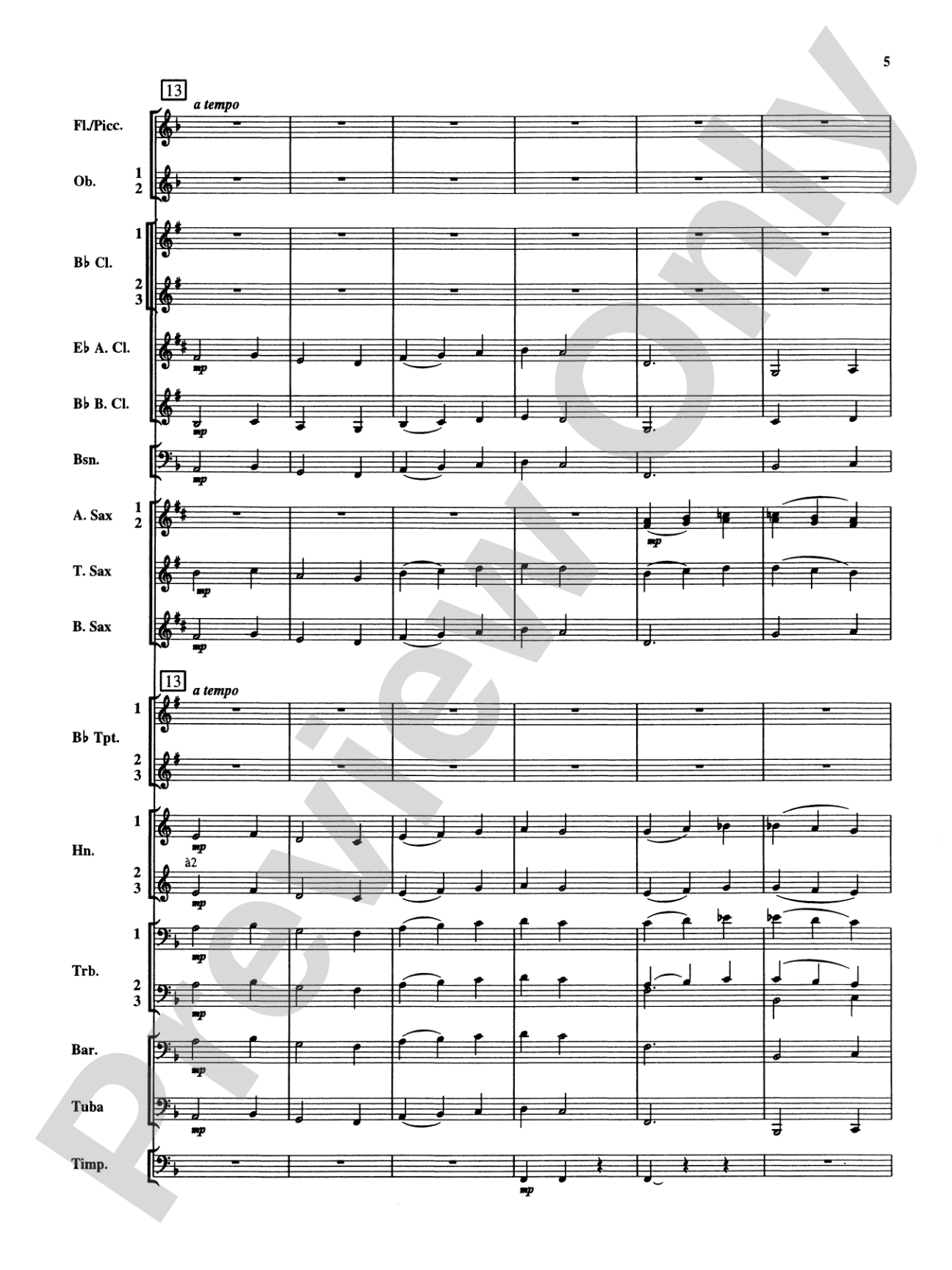
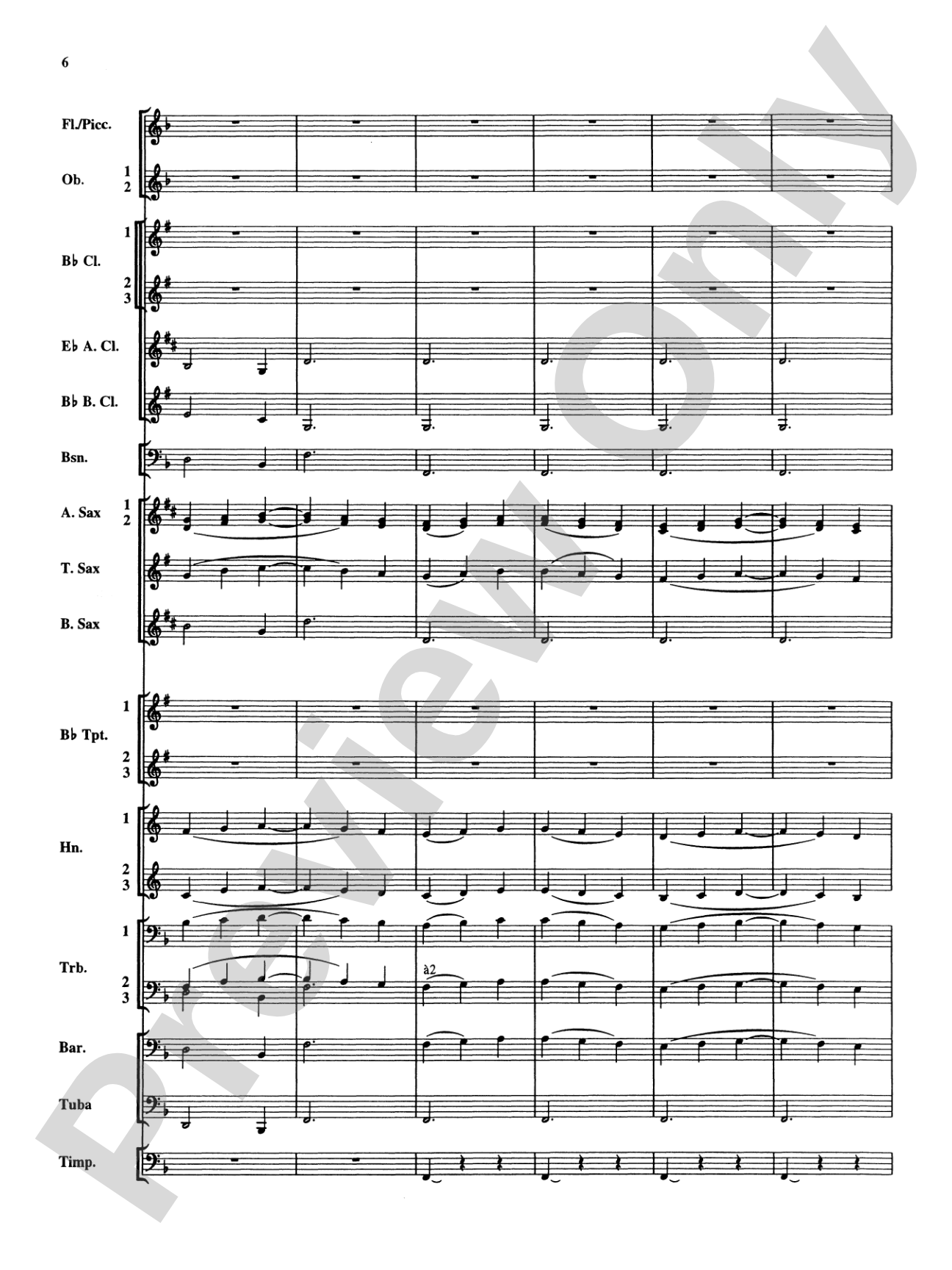
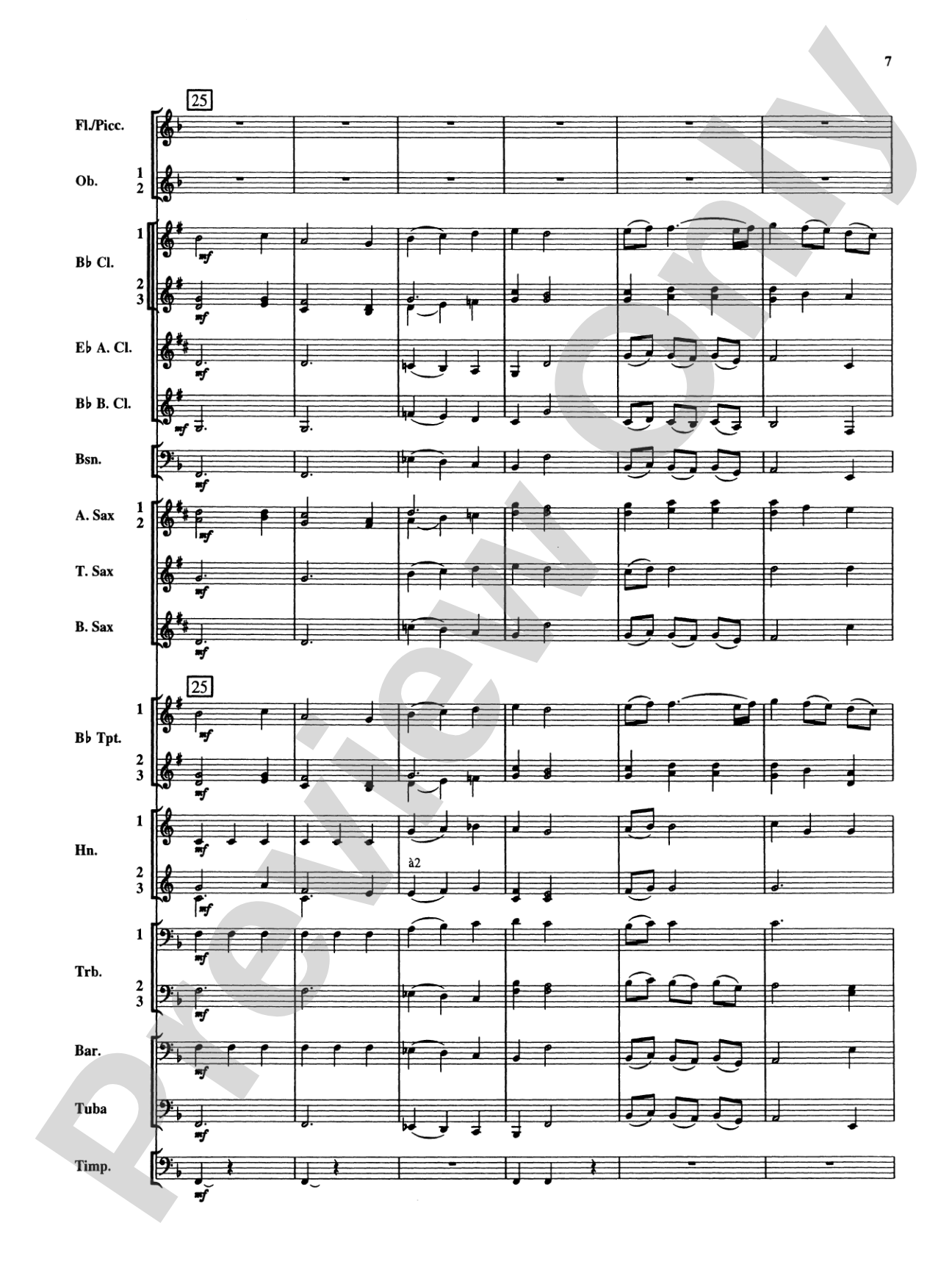
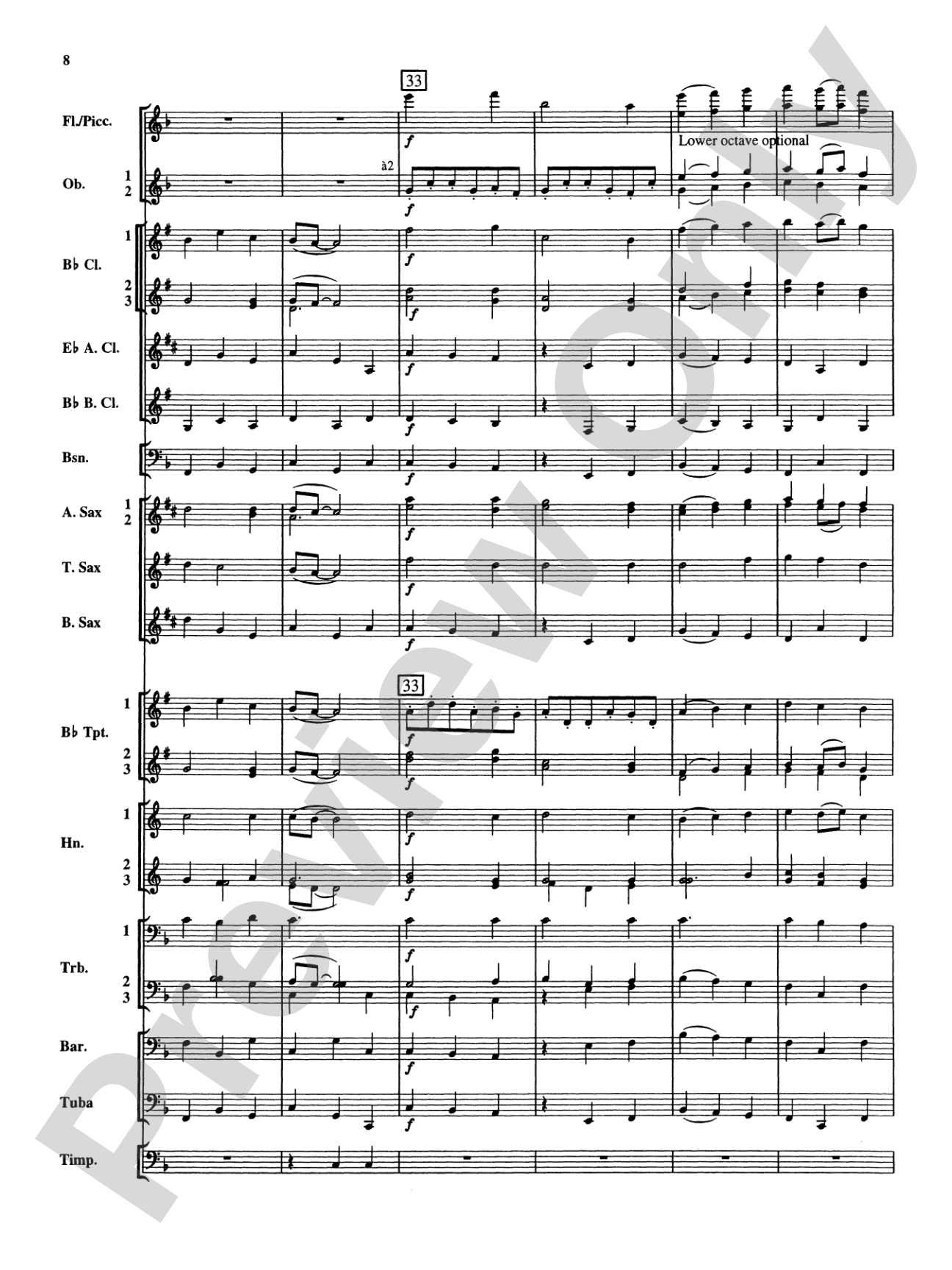
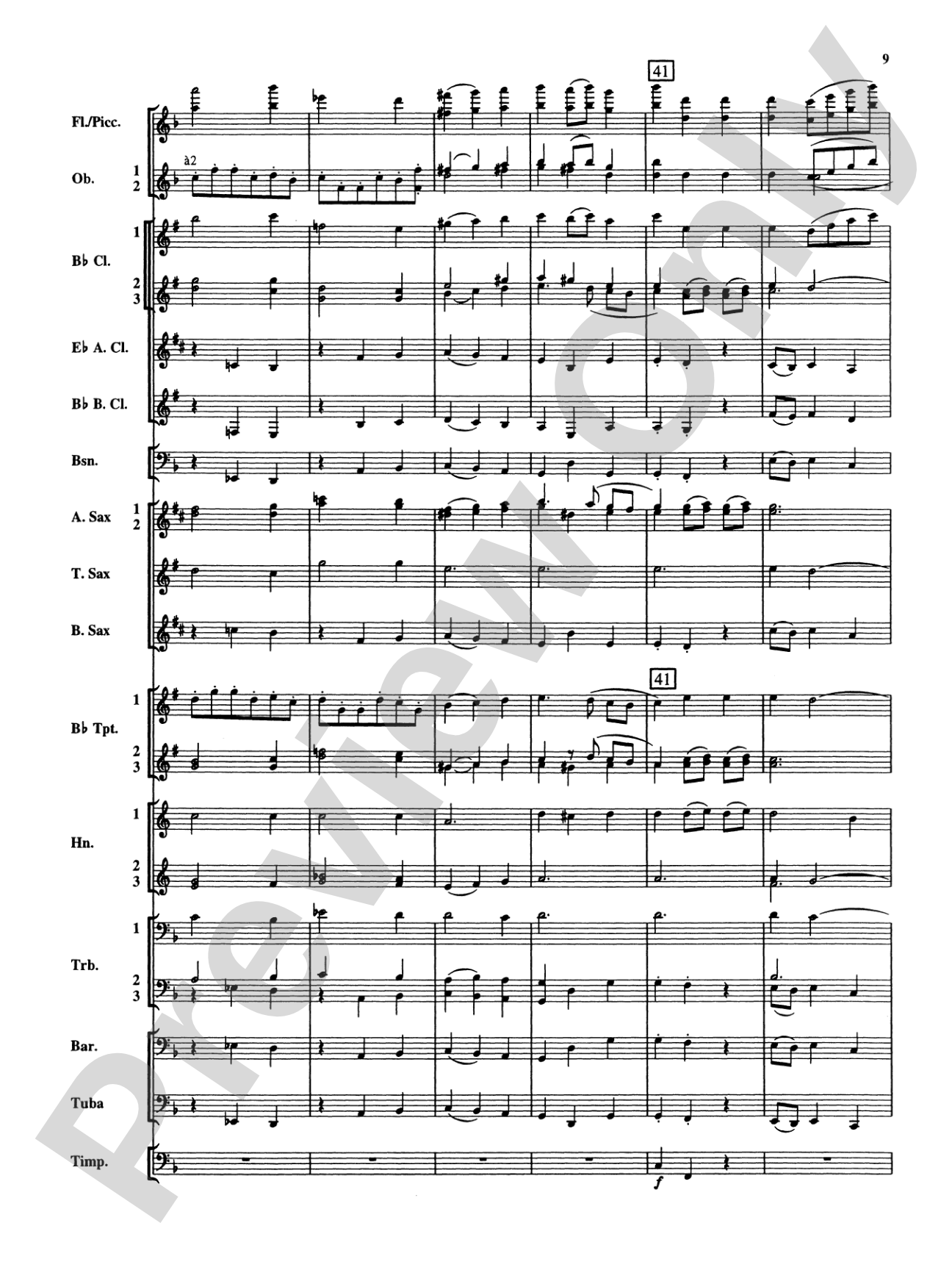
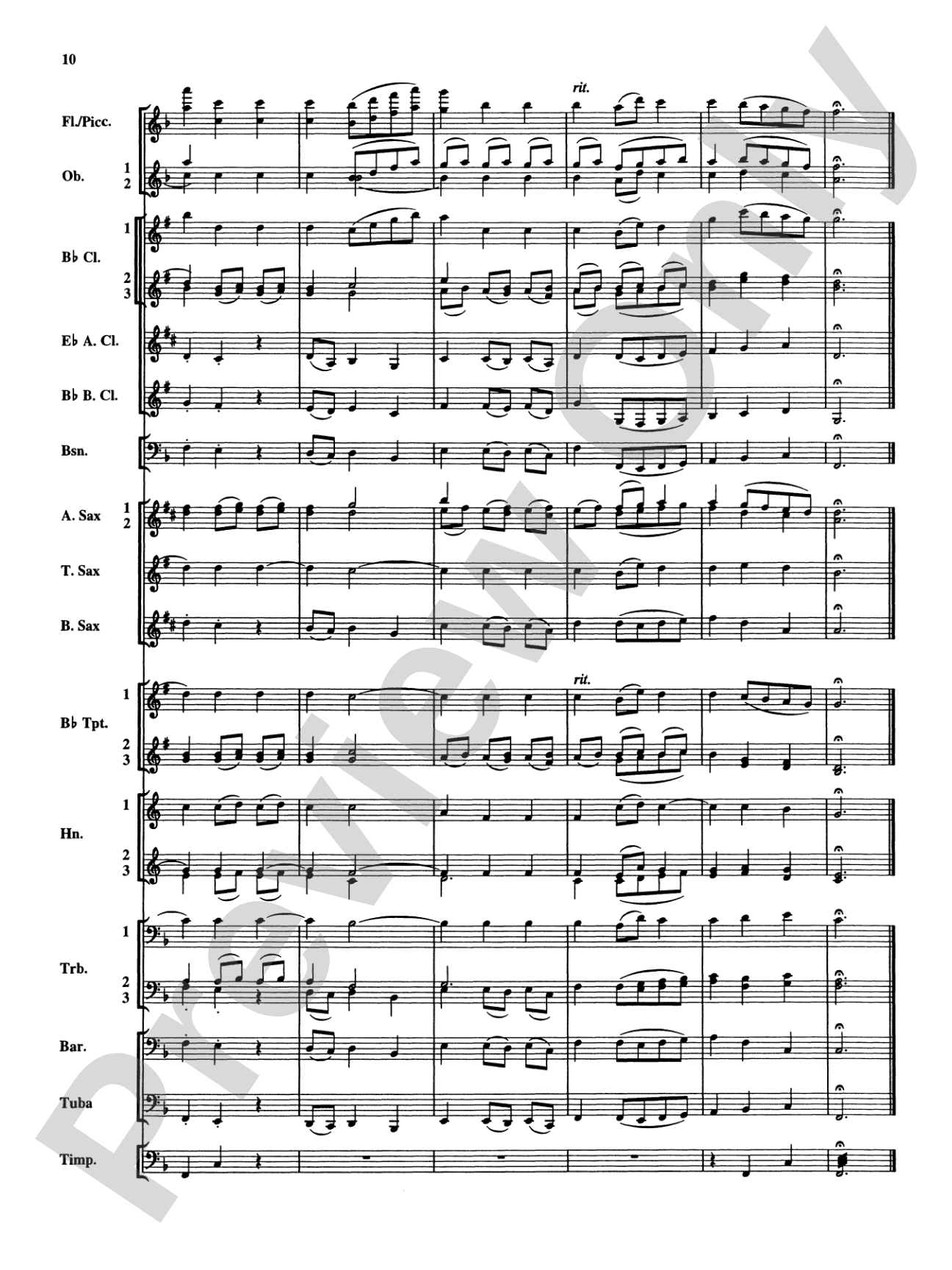
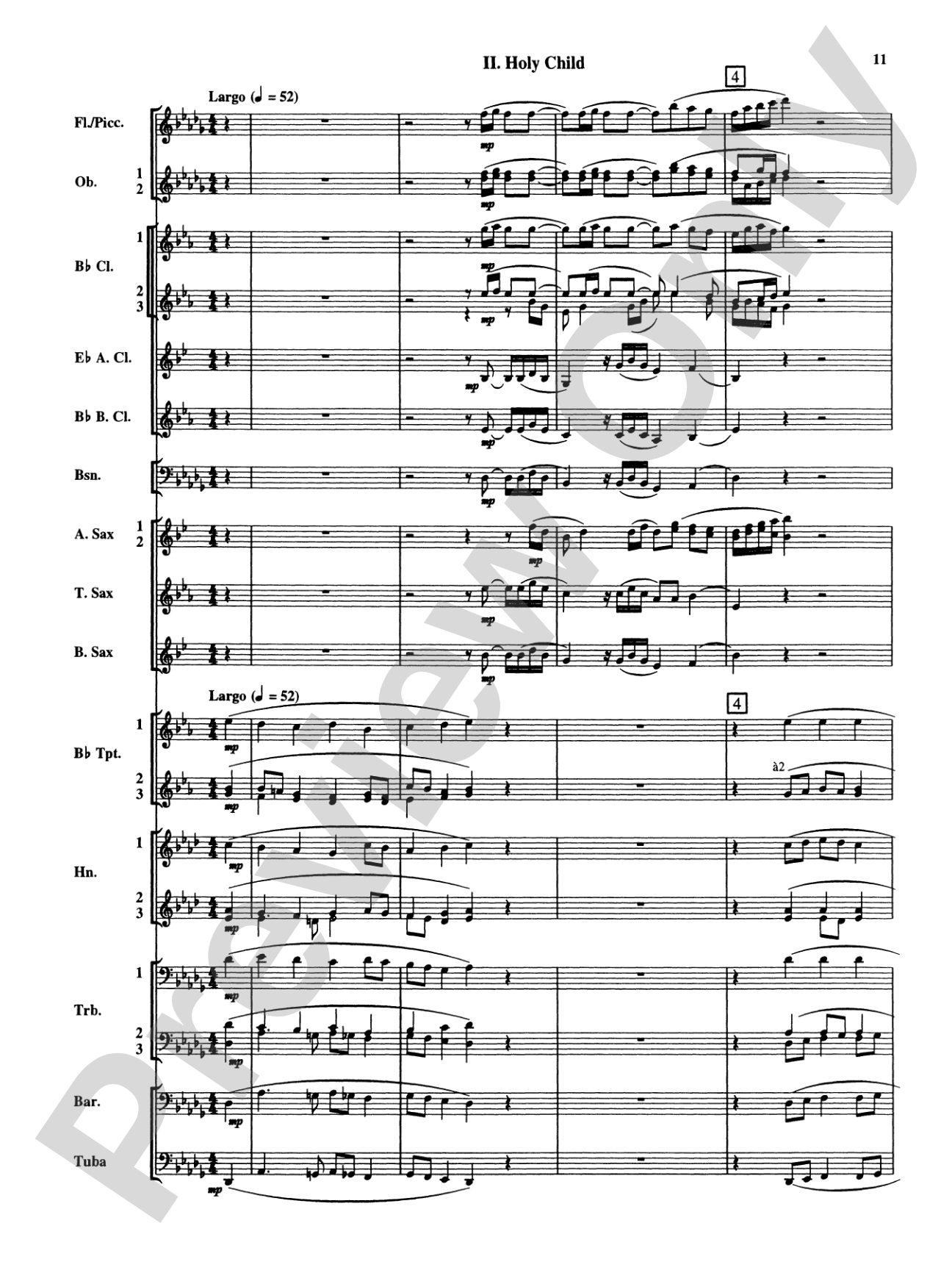
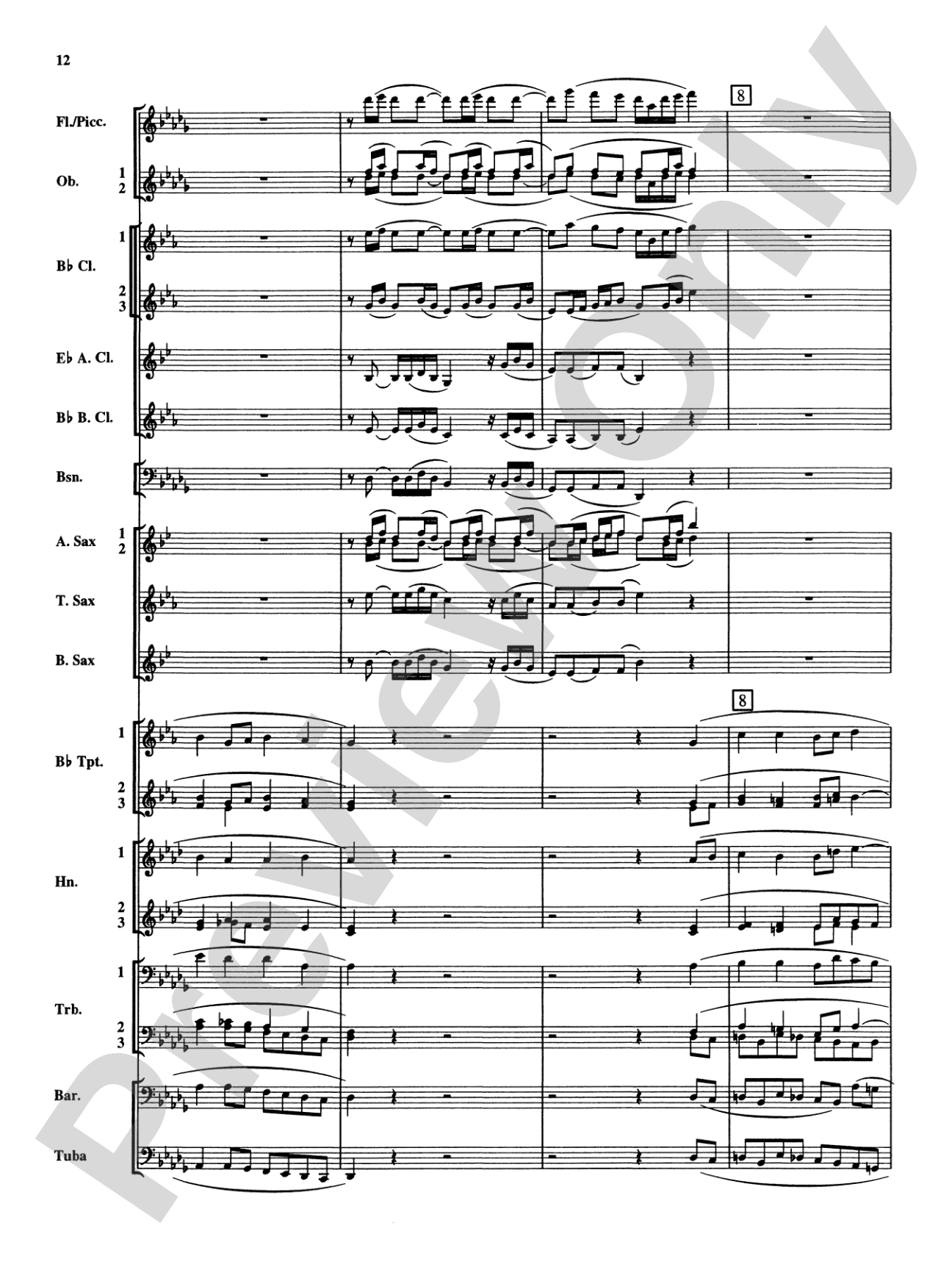
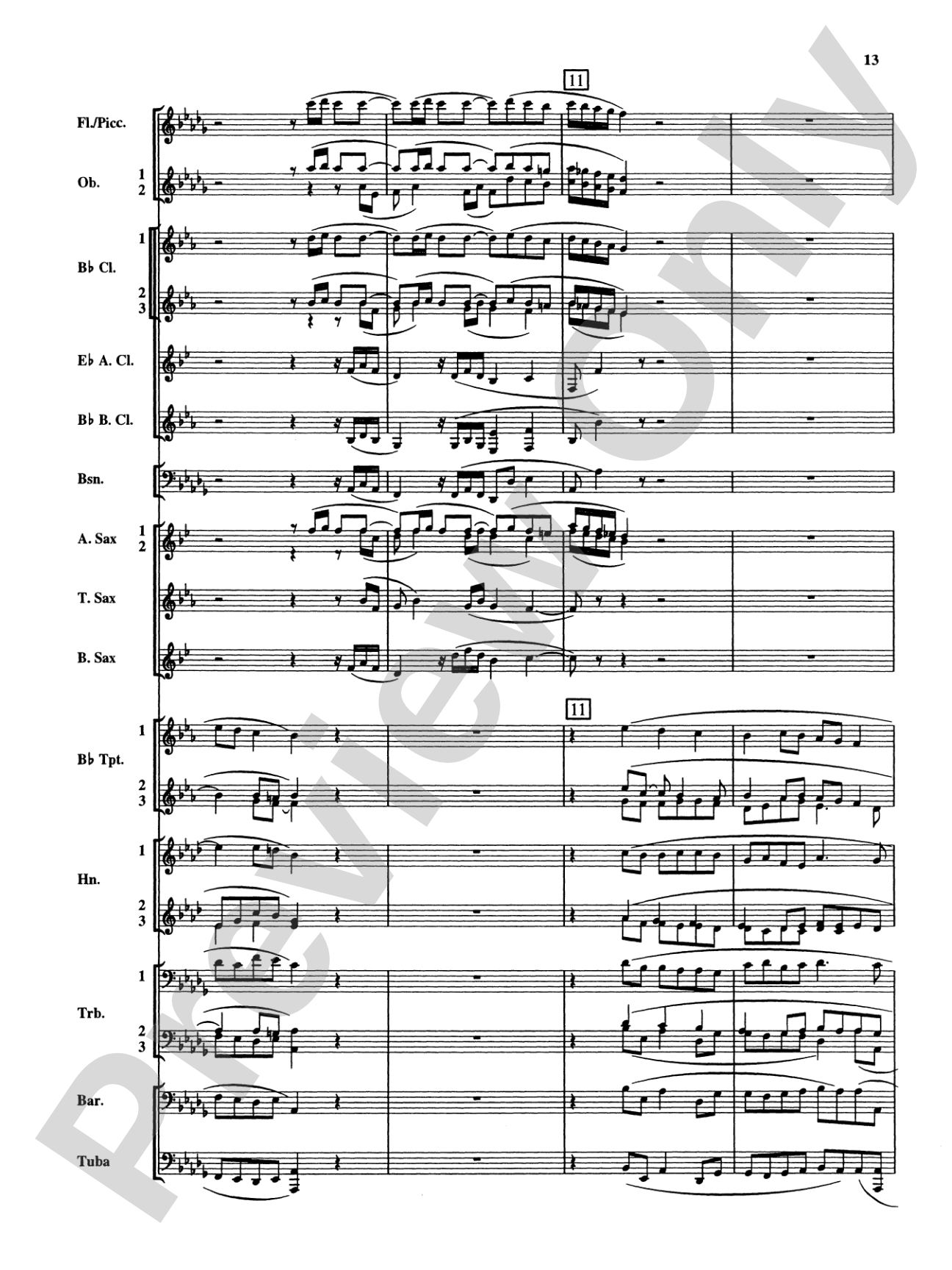
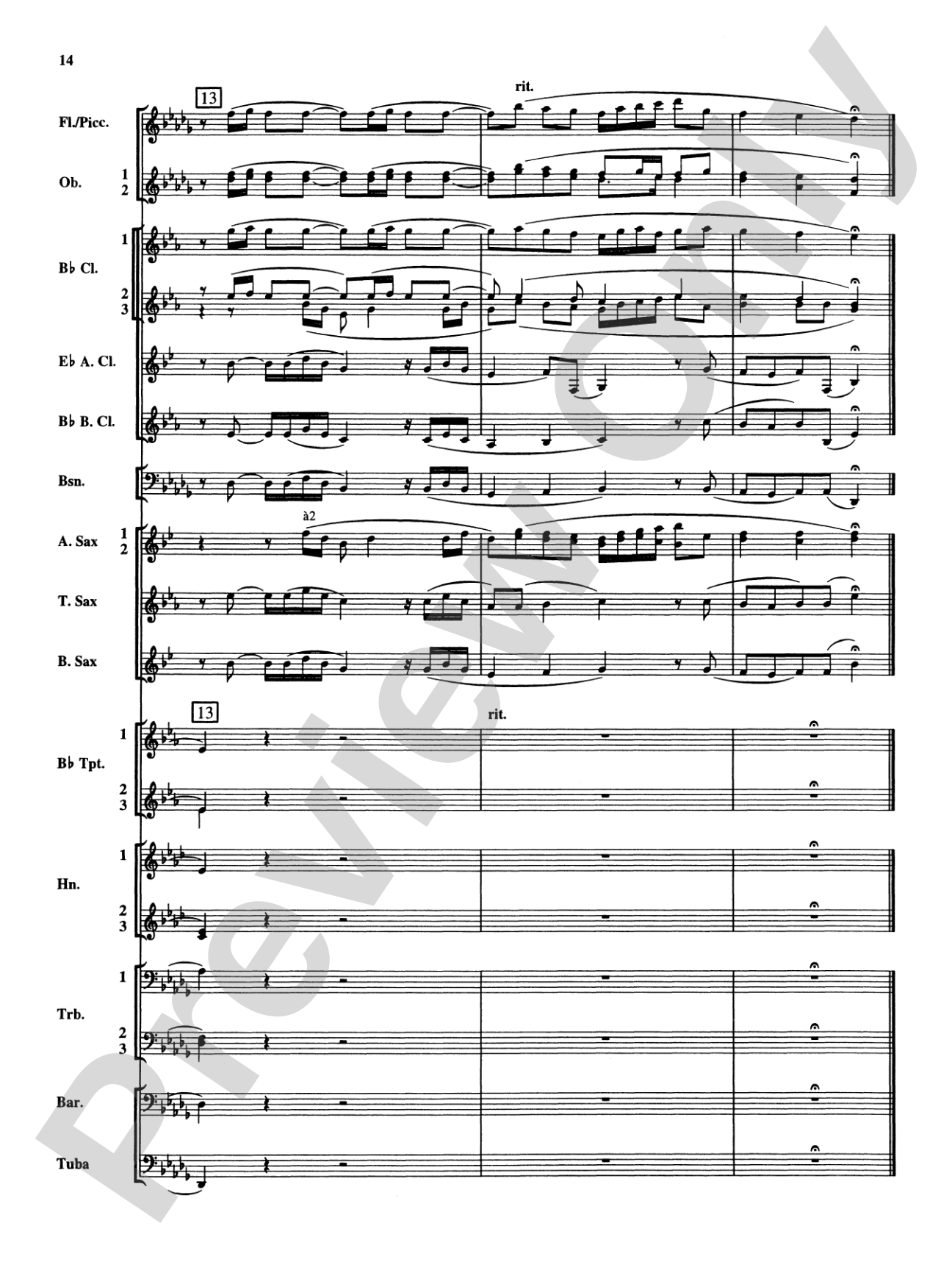
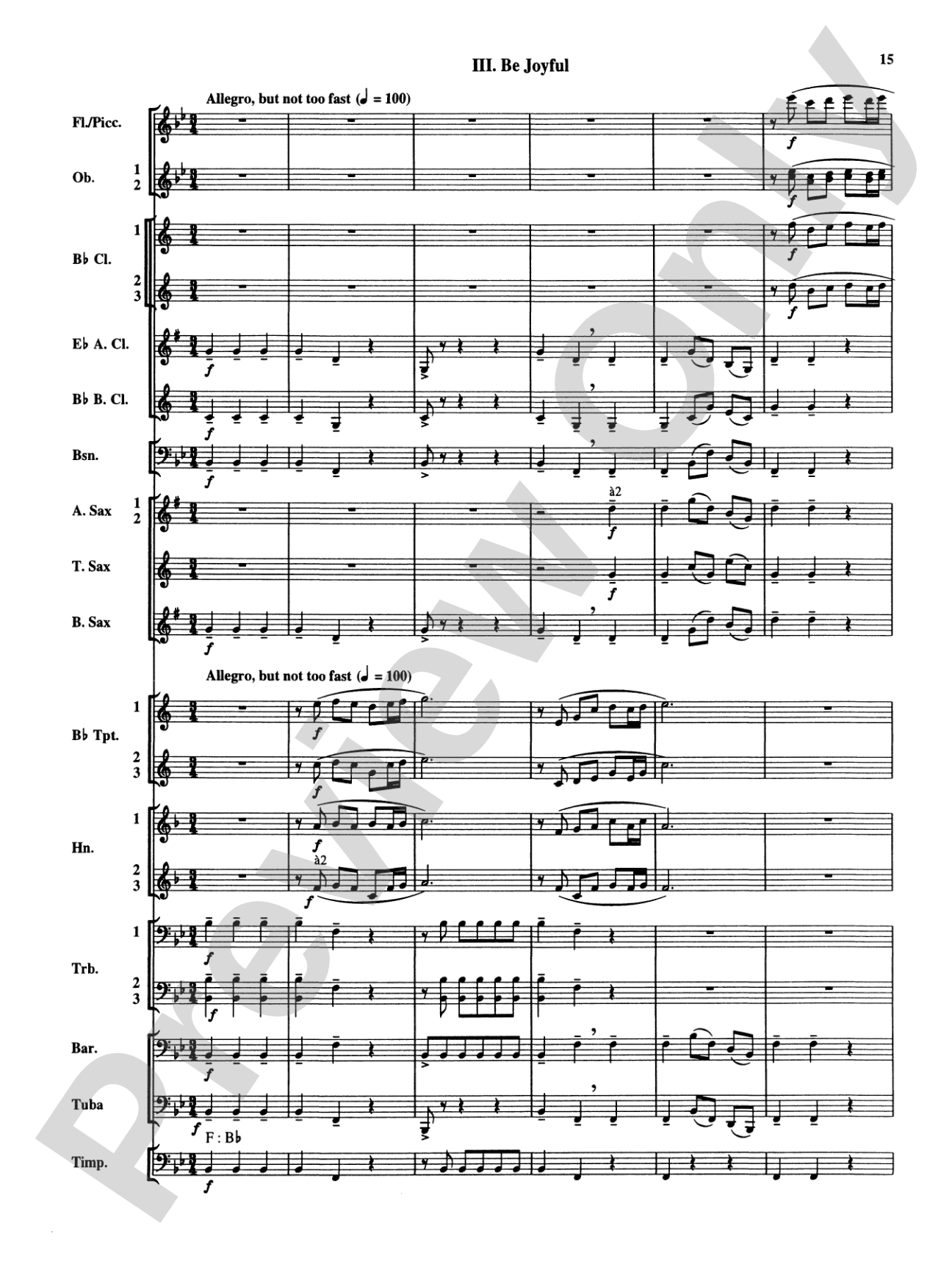
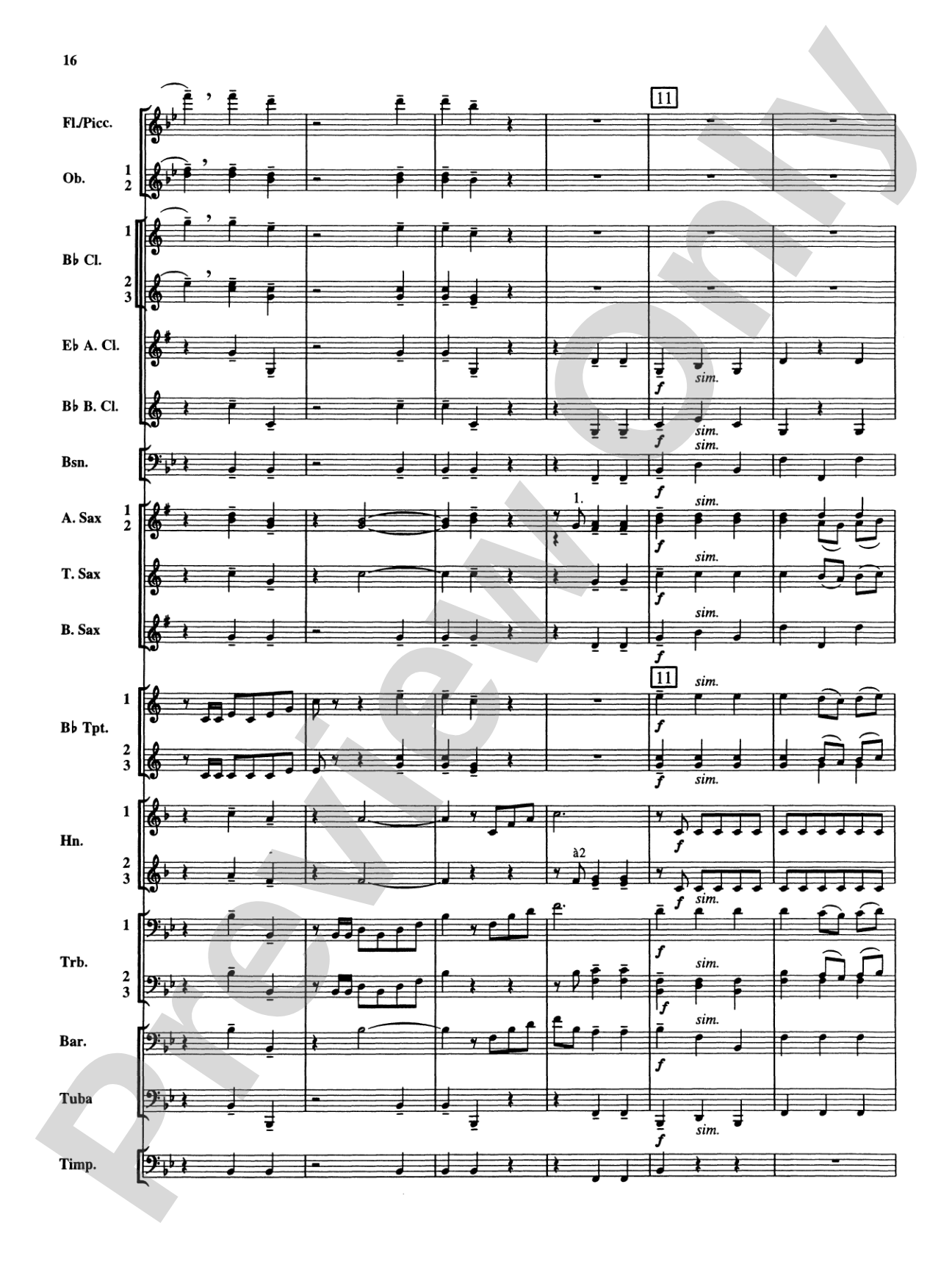
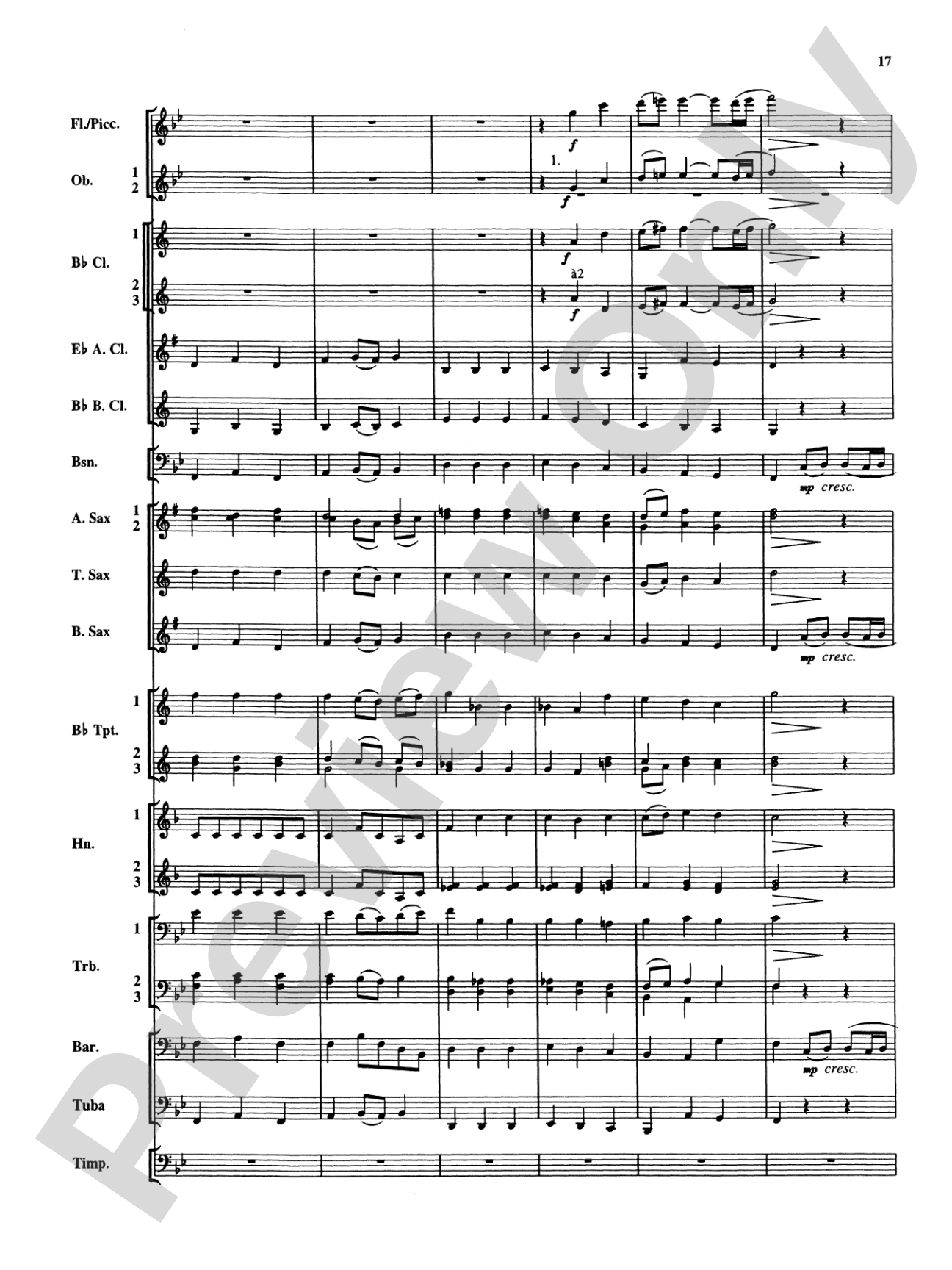
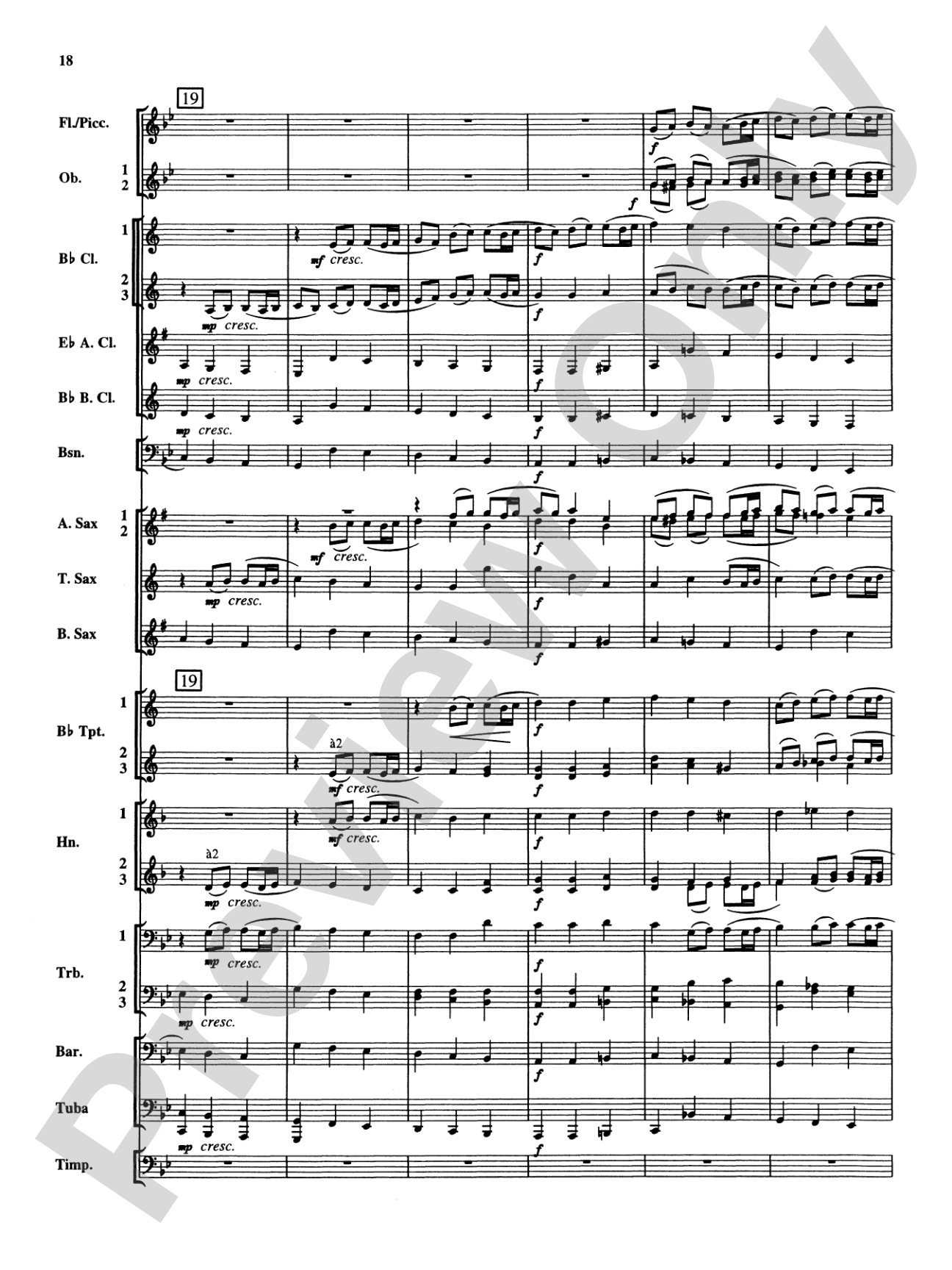
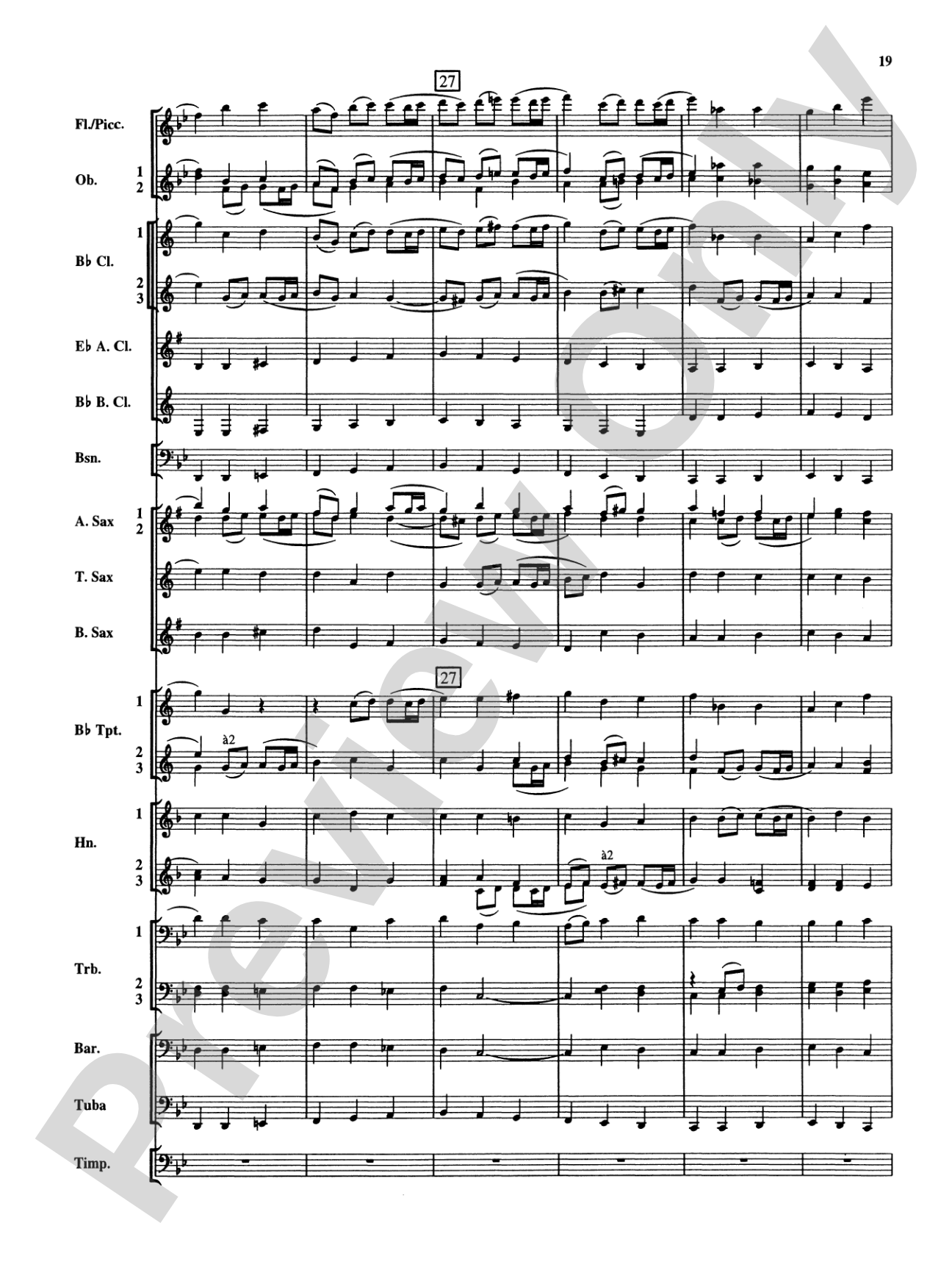
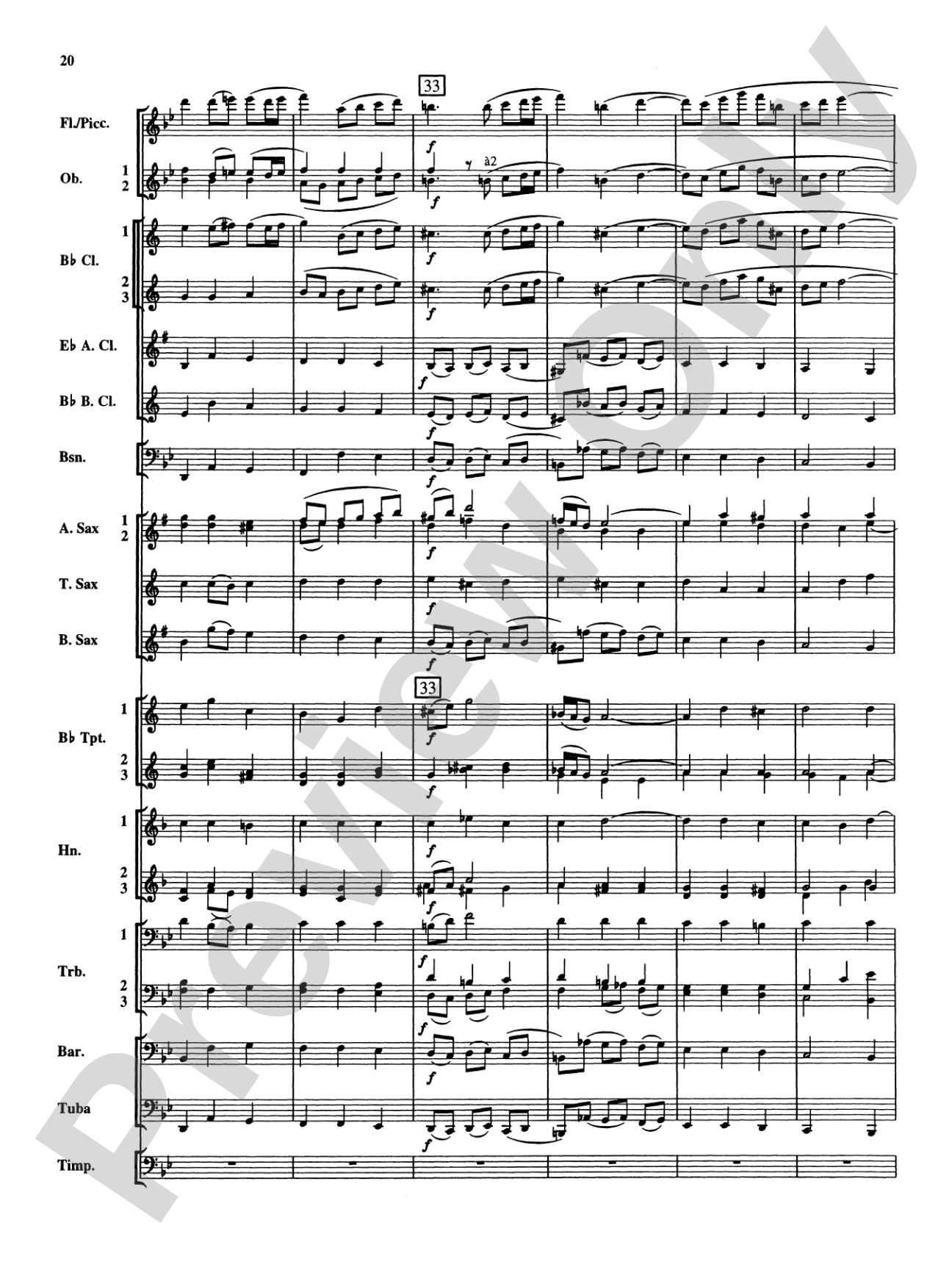
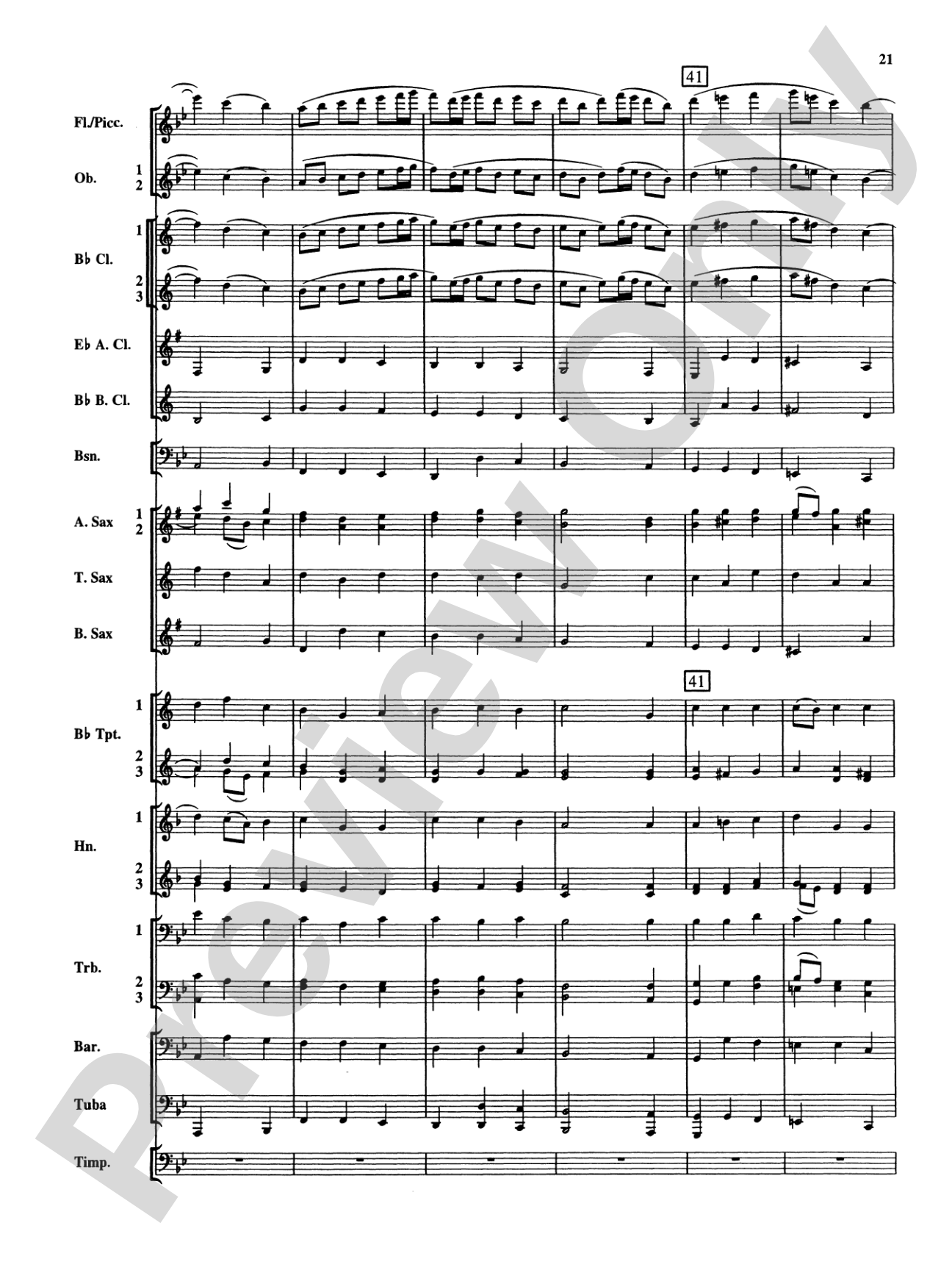
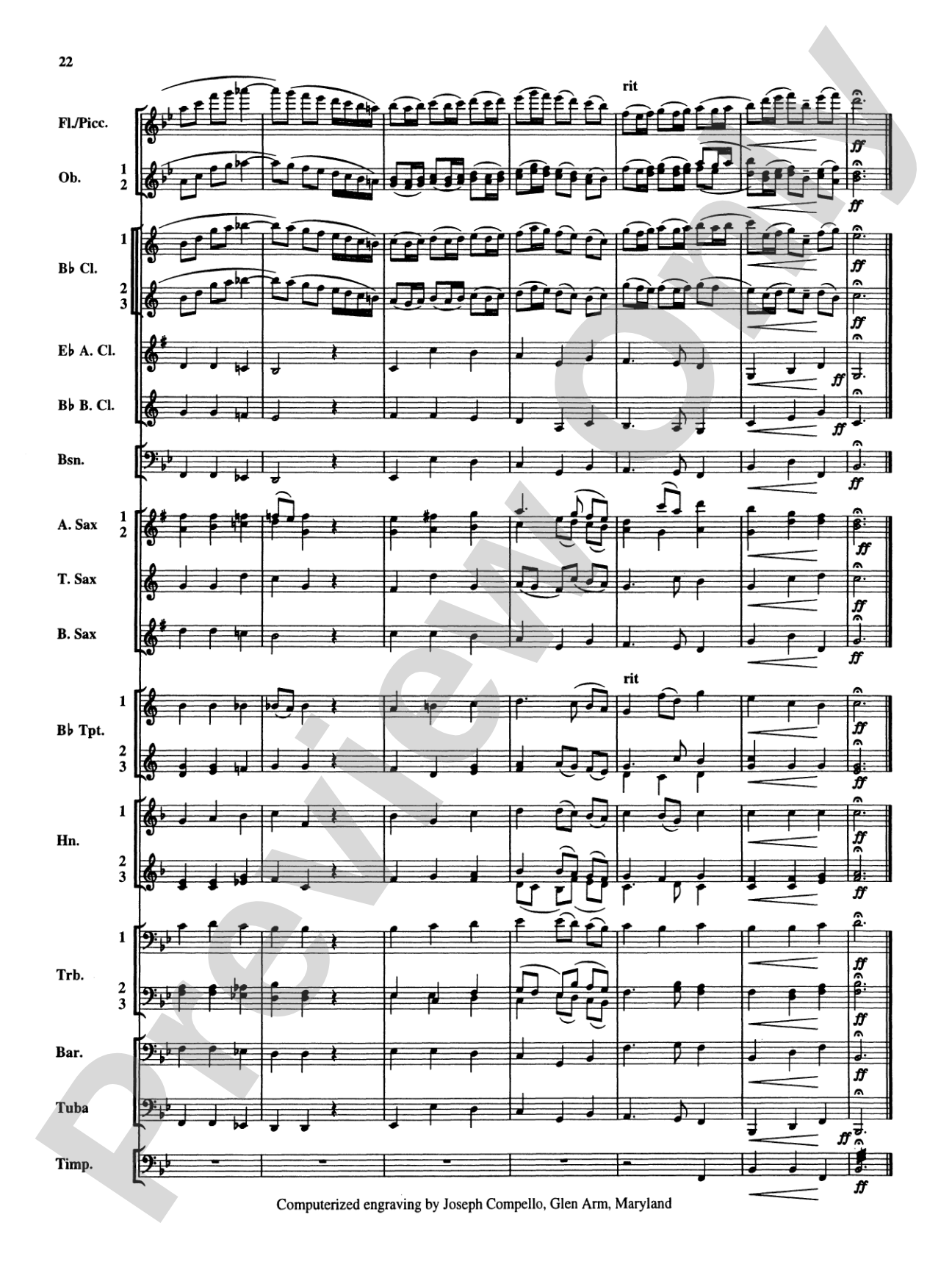



Christmas Music from Bach: Concert Band Conductor Score & Parts
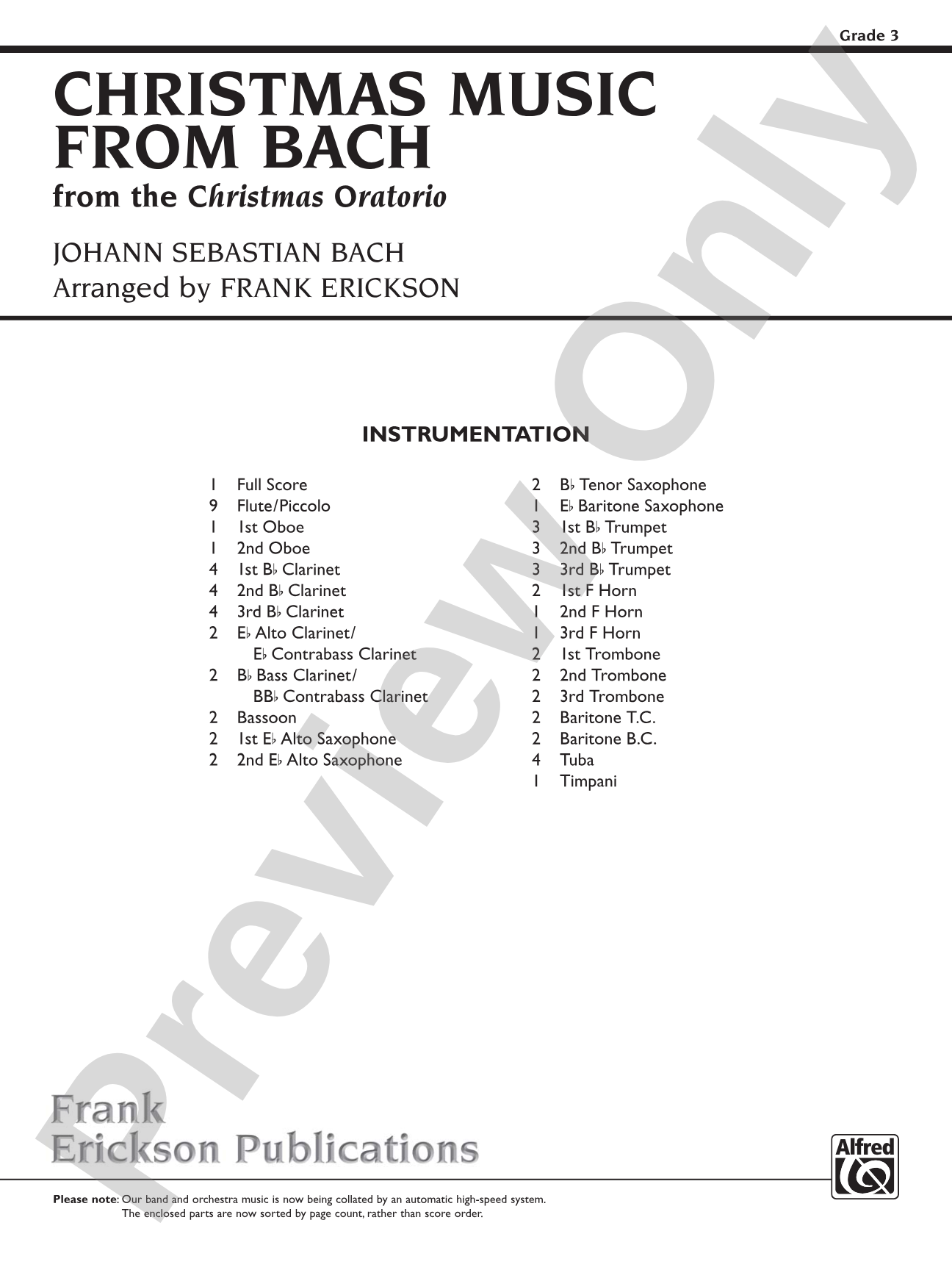
By Johann Sebastian Bach / arr. Frank Erickson
Grade: 3 (Medium Easy)
Item: 00-PK-0001642

$60.00
Pickup currently not available
Buy Extra Parts (Digital PDF Download)
Parts Added to Cart!
Description
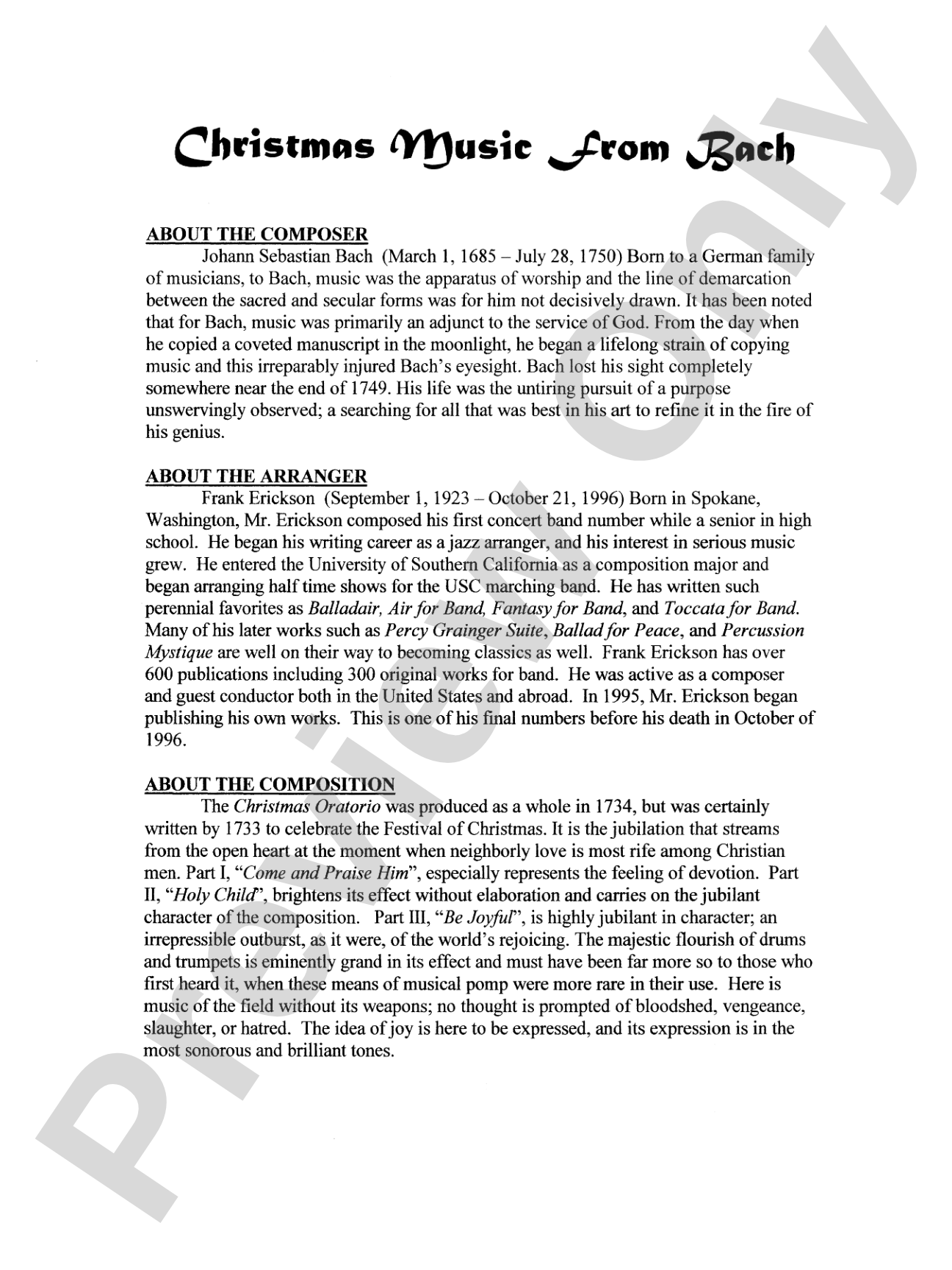
The Christmas Oratorio was produced as a whole in 1734, but was certainly written by 1733 to celebrate the Festival of Christmas. It is the jubilation that streams from the open heart at the moment when neighborly love is most rife among Christian men. The majestic flourish of drums and trumpets is eminently grand in its effect. The idea of joy is here to be expressed, and its expression is in the most sonorous and brilliant tones.


Don't just read it, hear it, play along with it, and watch your students grow with it. In MakeMusic Cloud, Christmas Music from Bach: Concert Band Conductor Score & Parts comes alive with professional accompaniment, adjustable tempo, and built-in practice tools that turn solo practice into real progress.
Open in the Player
Jump straight in and assign it today.
Start Your Free Trial
Open this title and explore the full library in minutes.
Sample Audio
No sample audio found.
Sample Video
No sample videos found.
Additional Details
Series:
Frank Erickson Publications
Publisher:
Alfred Music
Page Count:
256
SKU:
00-PK-0001642
More about this title
About the Composer: Johann Sebastian Bach
Johann Sebastian Bach (1685, 1750) was a German composer and organist whose output across every major Baroque form became the foundation for Western music theory and practice. His mastery of counterpoint, harmonic language, and structural architecture shaped centuries of composition that followed. For music educators, Bach's work serves as the essential reference point: his music teaches clarity of voice-leading, architectural thinking, and the discipline required to balance complexity with expressive power.
Why we love this
Frank Erickson's arrangement brings Bach's Baroque splendor within reach of Grade 3 bands without sacrificing the majestic character that makes this work endure. The brass writing sparkles authentically, and the overall texture respects the original's ceremonial weight while remaining accessible to players still building technical facility. Programming this signals to your audience that concert band literature extends far beyond 20th-century classics.
What to expect
The music radiates warmth and ceremony; Bach's original expression of neighborly love and Christian joy translates through bright brass fanfares, crisp rhythmic figures, and harmonic progressions that feel both stately and human. There's a quality of celebration that feels earned rather than imposed, jubilation emerging naturally from musical substance rather than seasonal obligation.
Who it's for
This score and parts package serves band directors seeking substantial Baroque repertoire that challenges students to navigate period style and contrapuntal texture without overwhelming them. It is equally valuable for conductors building a Christmas concert program that demands musicianship and ensemble refinement beyond typical holiday fare.
How to get the most out of it
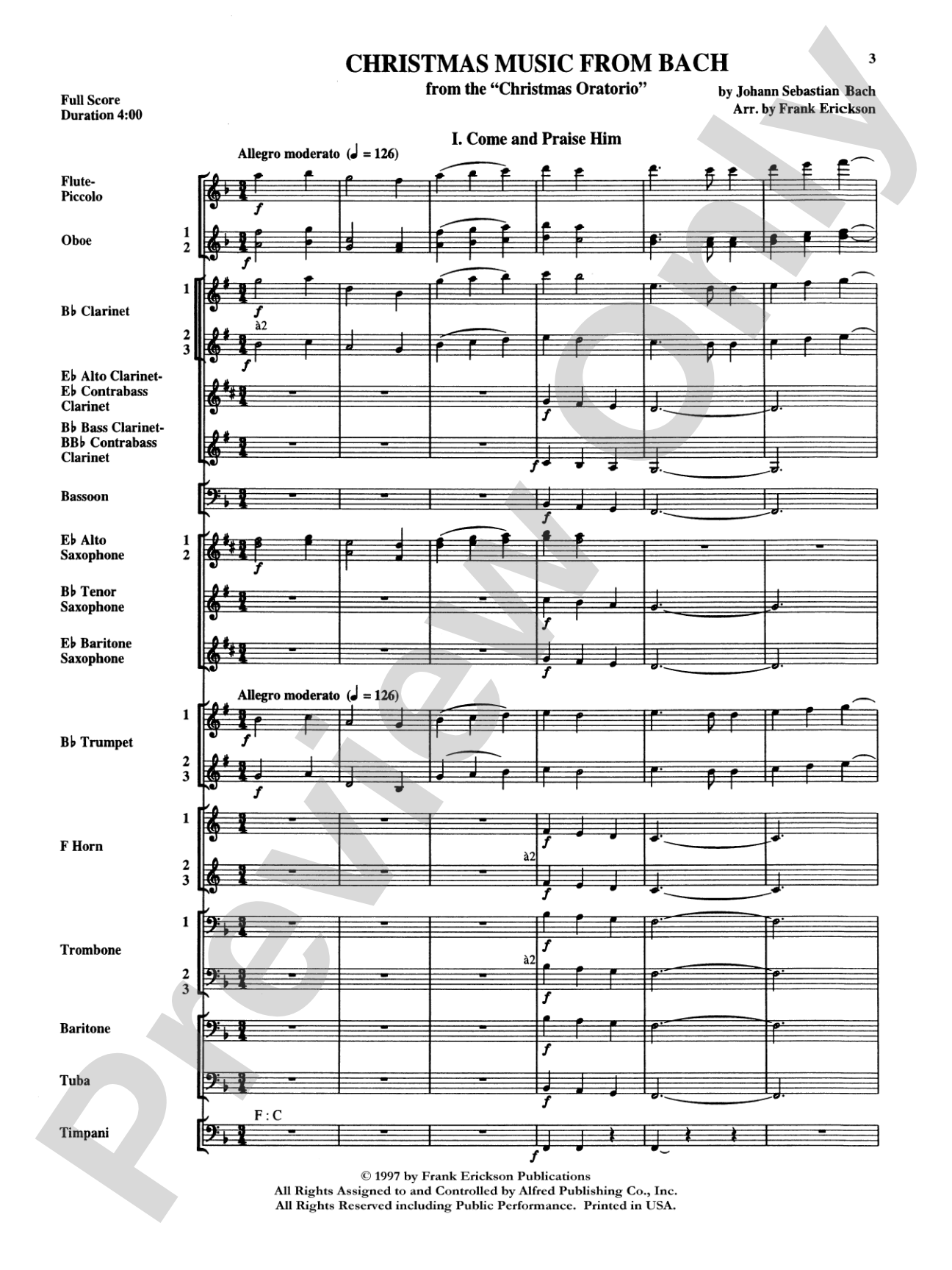
- Shape the opening fanfare with clear articulation in the trumpet section; Bach's ceremonial intent depends on crisp, unified attacks that project confidence.
- Balance the melodic lines between upper woodwinds and brass so that countermelodic material in the inner voices remains audible without drowning out the primary theme.
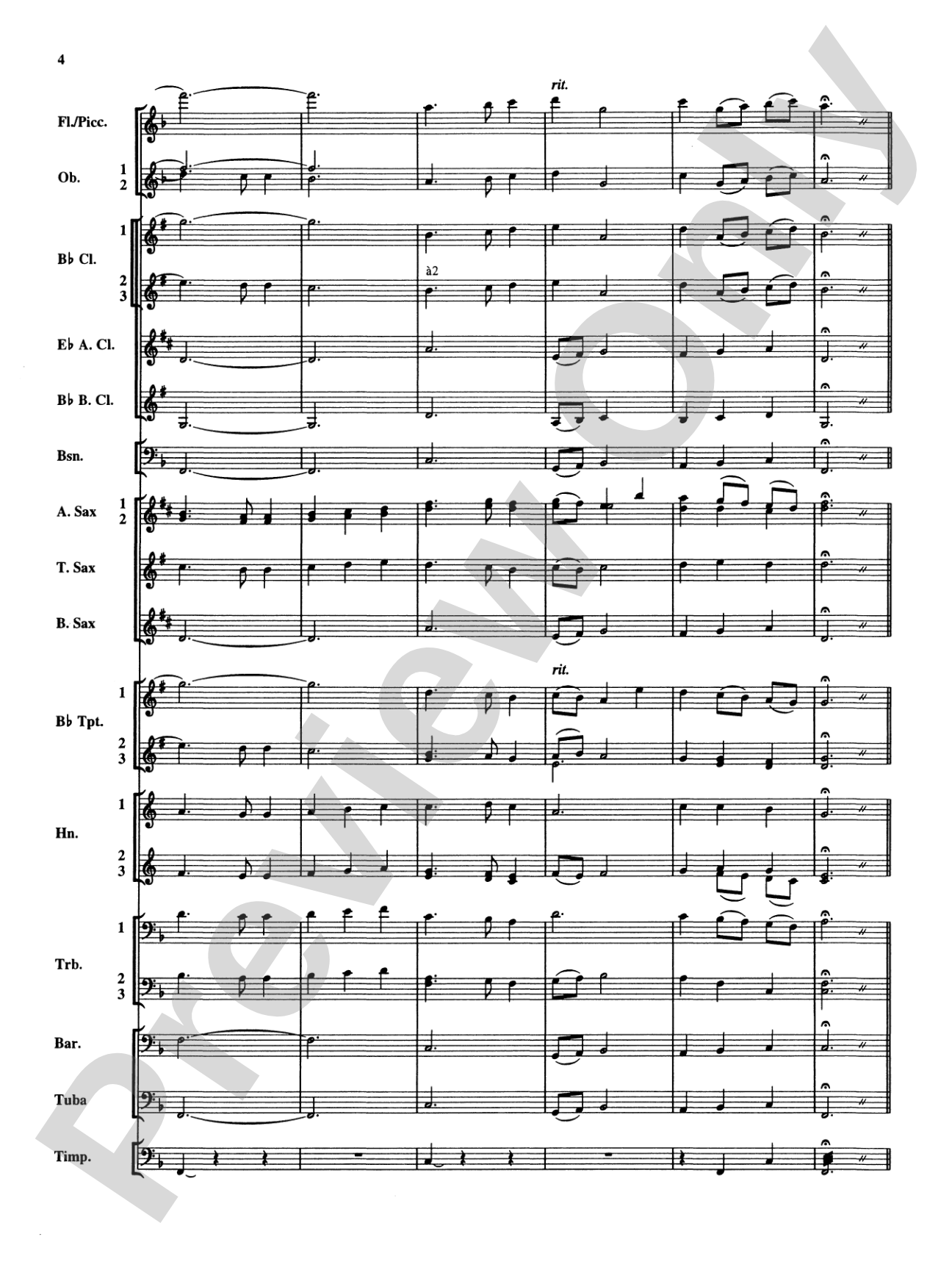
- Approach the hymn-like chorales with steady, singing tone quality; resist the urge to rush these moments, which create structural repose within the movement.
- Use the dynamic markings as architectural signposts; the contrast between the brilliant outer sections and quieter inner movements reveals Bach's formal design.
How to use it
Position this as the centerpiece of a winter concert, anchoring a program that might otherwise rely on lighter holiday selections. It also pairs effectively with other Baroque or Renaissance arrangements, establishing a thematic programming arc that demonstrates the band's expressive range.
Skills your students will build
- Reading and performing Baroque phrase structure and harmonic language
- Balancing independent melodic lines in polyphonic textures
- Executing period-appropriate articulation and ornamentation
- Ensemble precision in fanfare figures and rhythmically unified passages
- Responding to detailed conductor interpretation of dynamic and textural contrasts