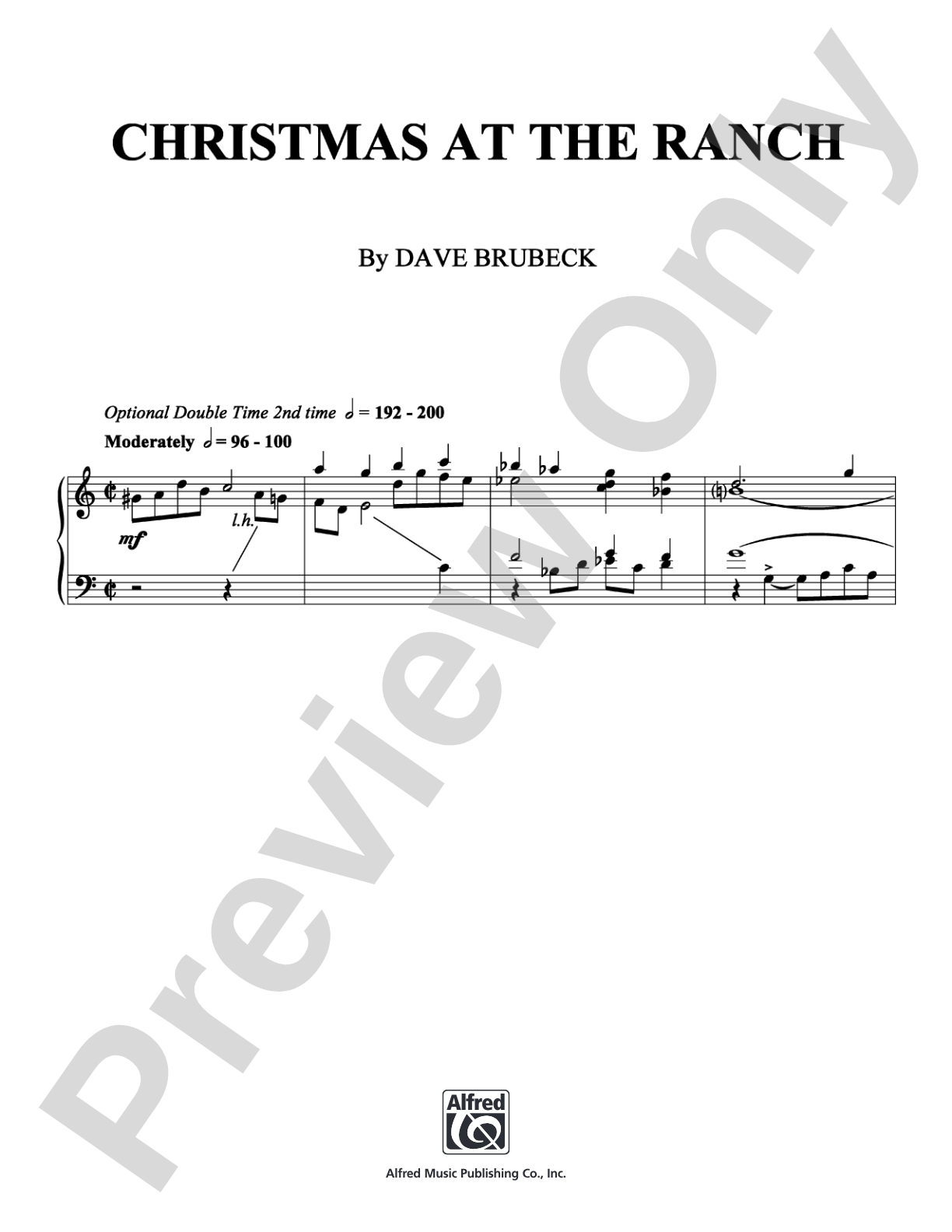
Christmas at the Ranch: Piano Digital Sheet Music

Christmas at the Ranch: Piano Digital Sheet Music

Dave Brubeck

Item: 00-PS-0001008

Digital Download
$3.99
Description

Christmas at the Ranch: Piano Digital Sheet Music isn't in MakeMusic Cloud just yet...but it could be. Let us know you'd like to see it, and you'll help shape what comes next. In the meantime, start a free trial and dive into thousands of interactive titles your students can play along with today.

Sample Audio
No sample audio found.
Sample Video
Additional Details
SKU: 00-PS-0001008

More about this title

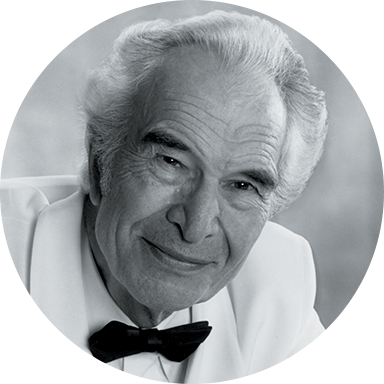
About the Artist: Dave Brubeck

Dave Brubeck

Dave Brubeck stands as one of jazz's most influential pianists and a composer whose reach extended far beyond the jazz idiom. His improvisational mastery became legendary, yet he dedicated equal energy to crafting fully notated compositions across genres: choral works, hymns, orchestral pieces, chamber music, ballet suites, and large-scale works for chorus and orchestra. His album "Time Out" made history as the first jazz recording to exceed a million copies in sales, while "Take Five" remains one of the most recognized jazz compositions ever written.

Brubeck's impact extended beyond music itself. He was a pioneer in breaking racial barriers during the mid-twentieth century, and his later sacred works, including the mass "To Hope!" and oratorios such as "The Voice of the Holy Spirit" and "Beloved Son," were recorded by major orchestral ensembles including the London Symphony Orchestra. His education under French composer Darius Milhaud at Mills College profoundly shaped his aesthetic, encouraging him to synthesize jazz language with classical tradition. Throughout his career, Brubeck received the Grammy Lifetime Achievement Award, the Presidential Medal of the Arts, and in 2003 was elected to the American Classical Music Hall of Fame.

Why we love this

Brubeck's jazz sensibility brings a sophisticated harmonic palette and rhythmic ease to holiday music that feels refreshingly candid rather than sentimental. Programming a Brubeck Christmas piece signals that you recognize jazz as concert-worthy literature, not background music, and appeals to pianists who appreciate the challenge of authentic jazz voicings and phrasing. It's a conversation starter in a holiday season dominated by traditional carols and Tin Pan Alley arrangements.

What to expect

Warm and urbane, with the sophisticated harmonies and rhythmic ease that define Brubeck's style. The piece captures holiday atmosphere through jazz vocabulary rather than nostalgia, creating a sense of musical conversation and intimacy that feels both modern and timeless.

Who it's for

This piece appeals to pianists with jazz training or strong interest in jazz idiom who want to explore Brubeck's compositional voice during the holiday season. It also works for advanced pianists seeking contemporary alternatives to standard Christmas arrangements, and for programs looking to represent jazz as a legitimate concert tradition alongside classical repertoire.

How to get the most out of it

  • Let the harmonic language breathe; Brubeck's voicings benefit from slight space between chords rather than rhythmic strictness that would flatten their color.
  • Pay attention to rhythmic swing and feel. Even written passages benefit from the subtle elasticity that defines jazz phrasing rather than classical exactness.
  • Honor the notated dynamics carefully. Brubeck composed with intention, and his dynamic shaping creates the emotional arc.

How to use it

Feature this as a solo piece in a holiday recital to demonstrate jazz piano alongside classical selections, or include it in a concert that celebrates American composers and jazz heritage. It works equally well as a sophisticated prelude to a concert or as a centerpiece in a jazz-focused holiday performance.

Skills your students will build

  • Jazz harmonic voicing and substitution
  • Swing rhythm and rubato in a notated context
  • Interpreting jazz phrasing from written notation
  • Managing sophisticated harmonic progressions
  • Balance between composed structure and improvisational feel

You May Also Like