

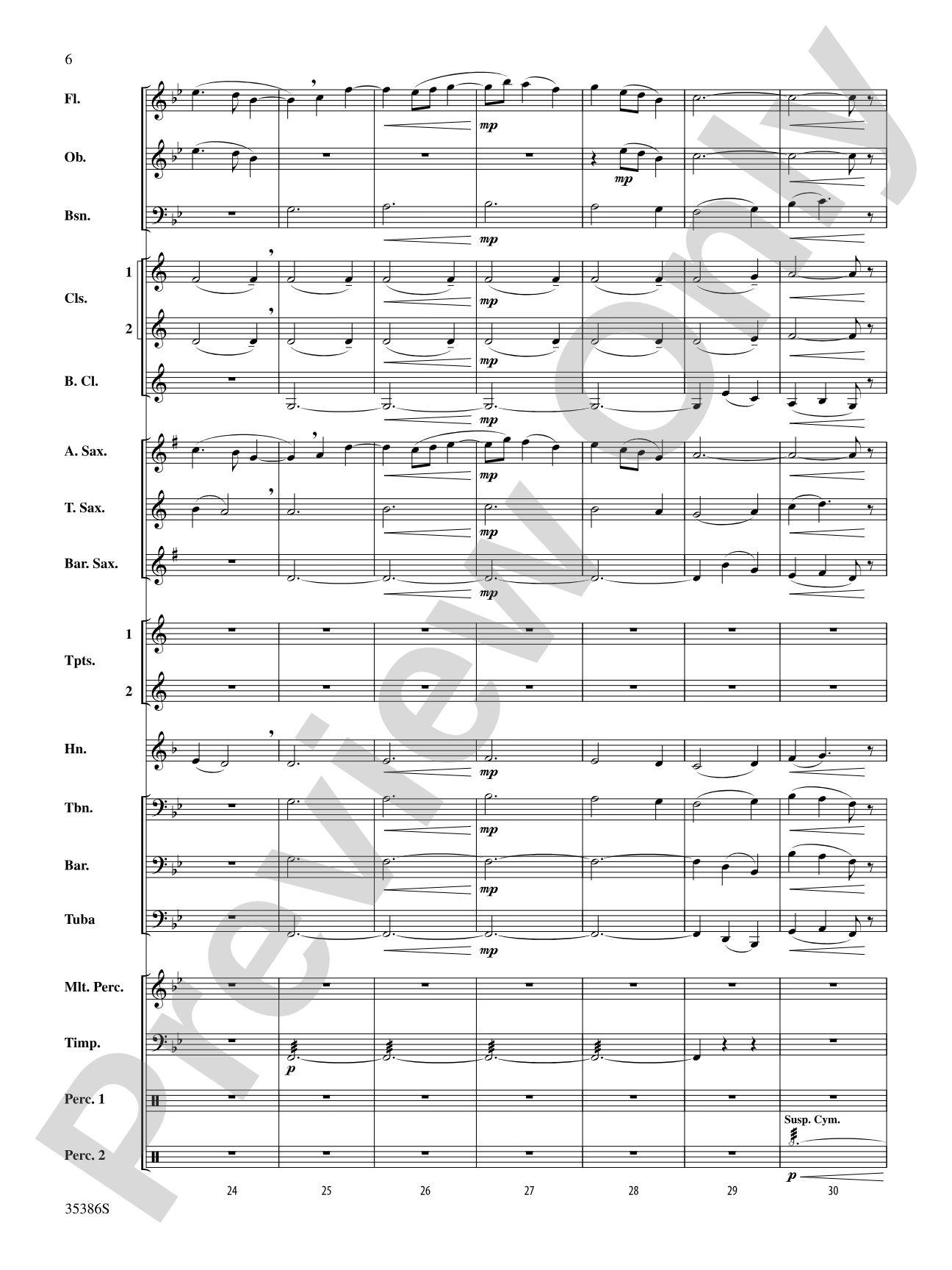
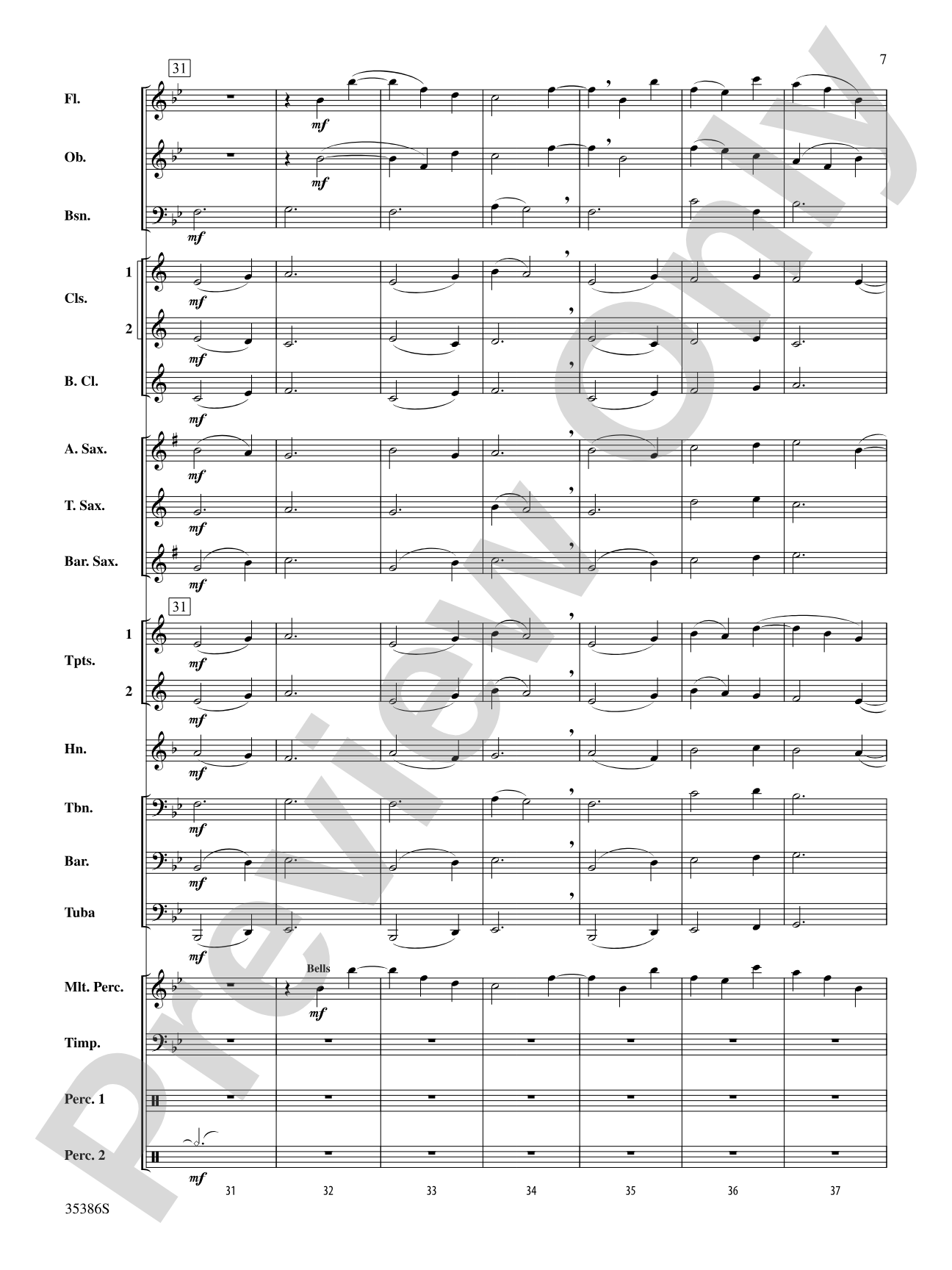
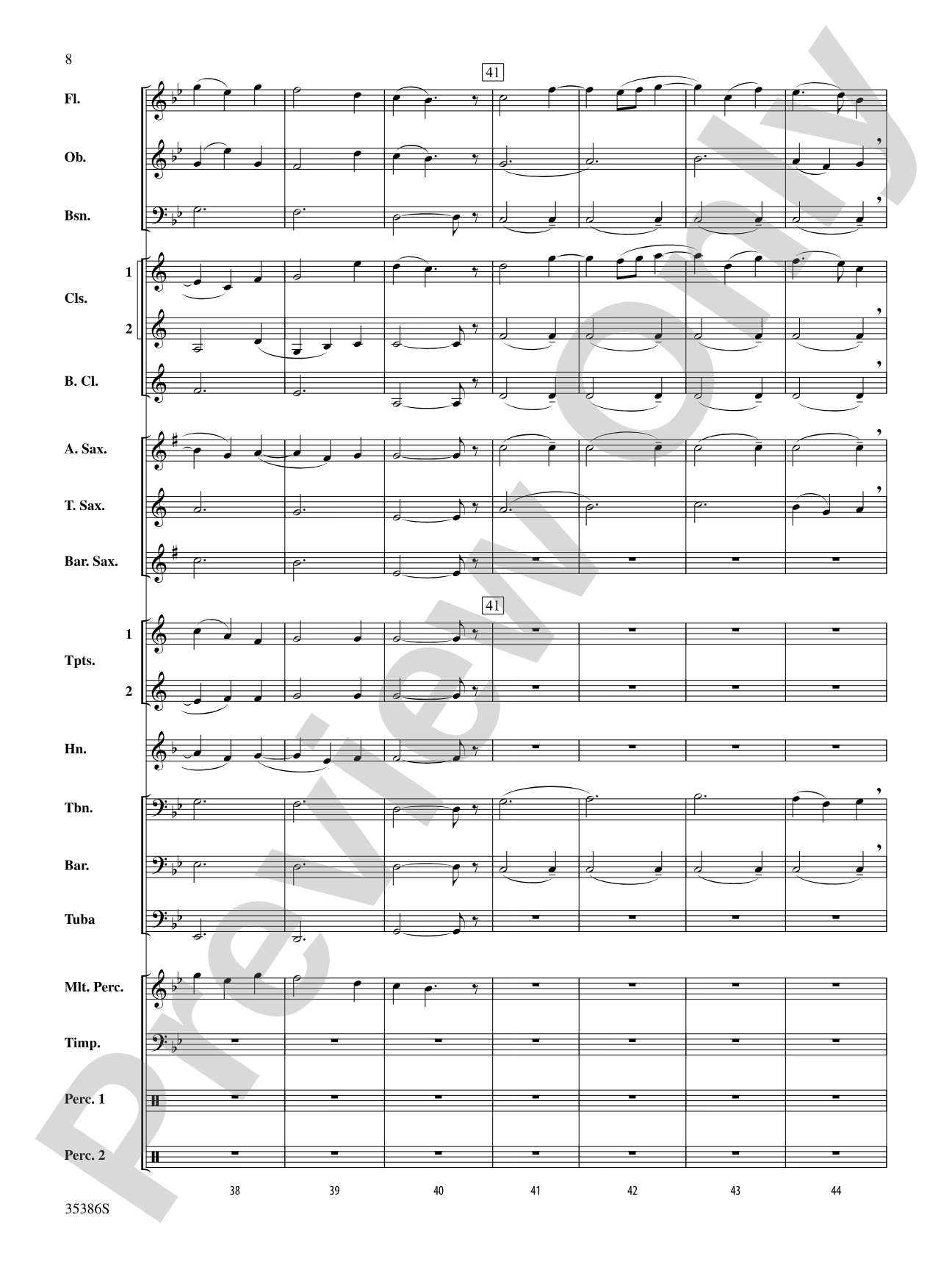
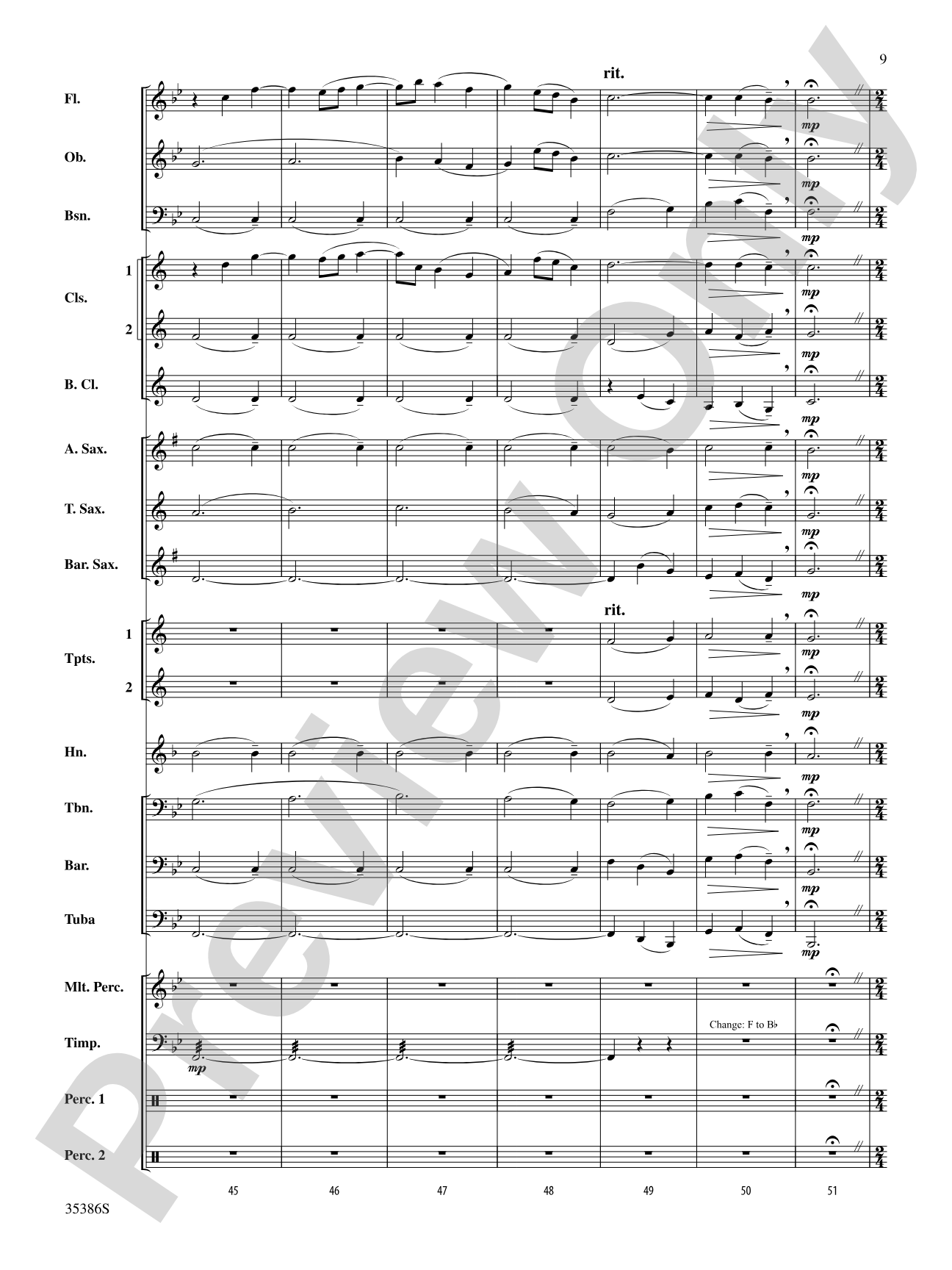
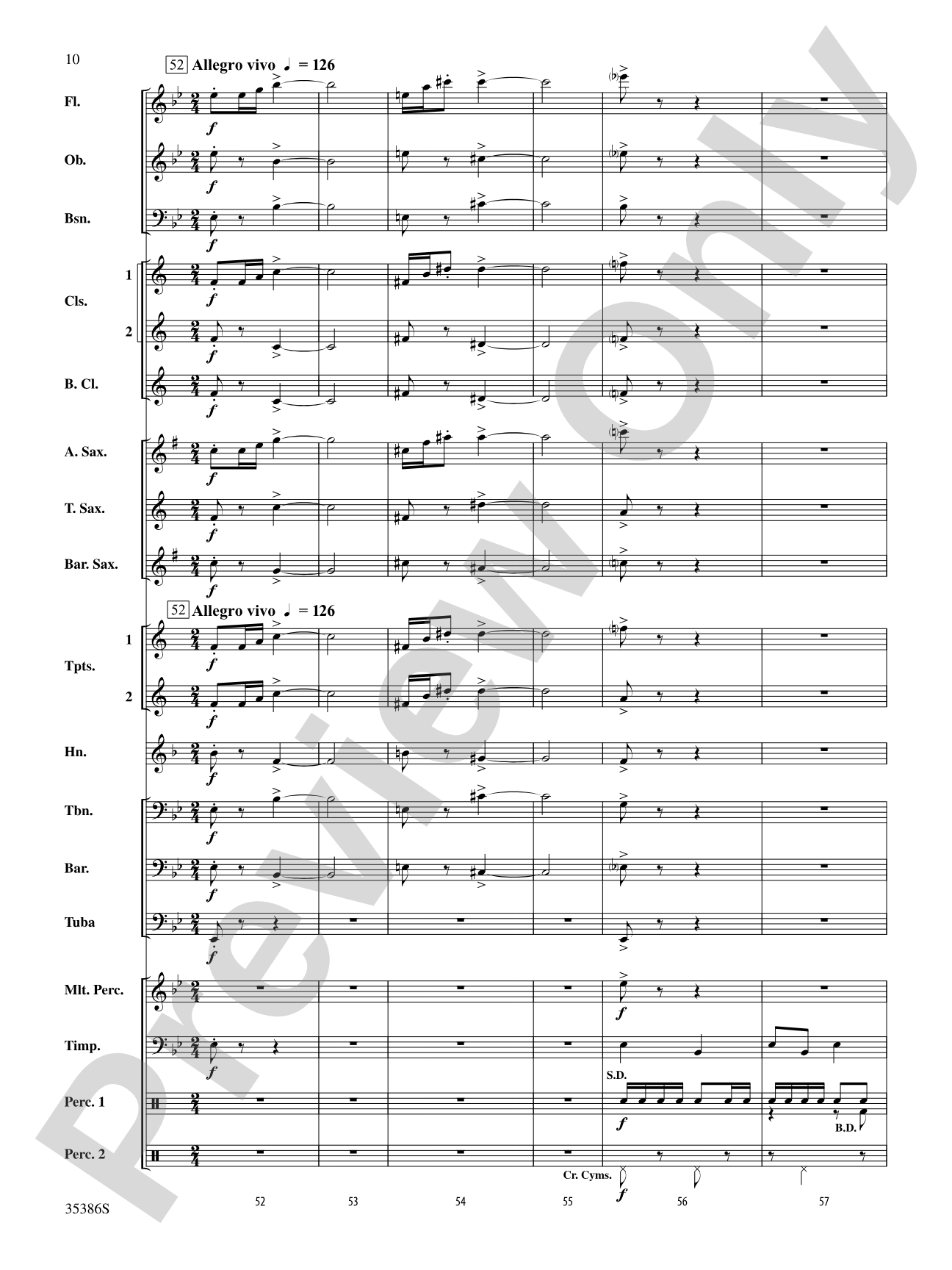
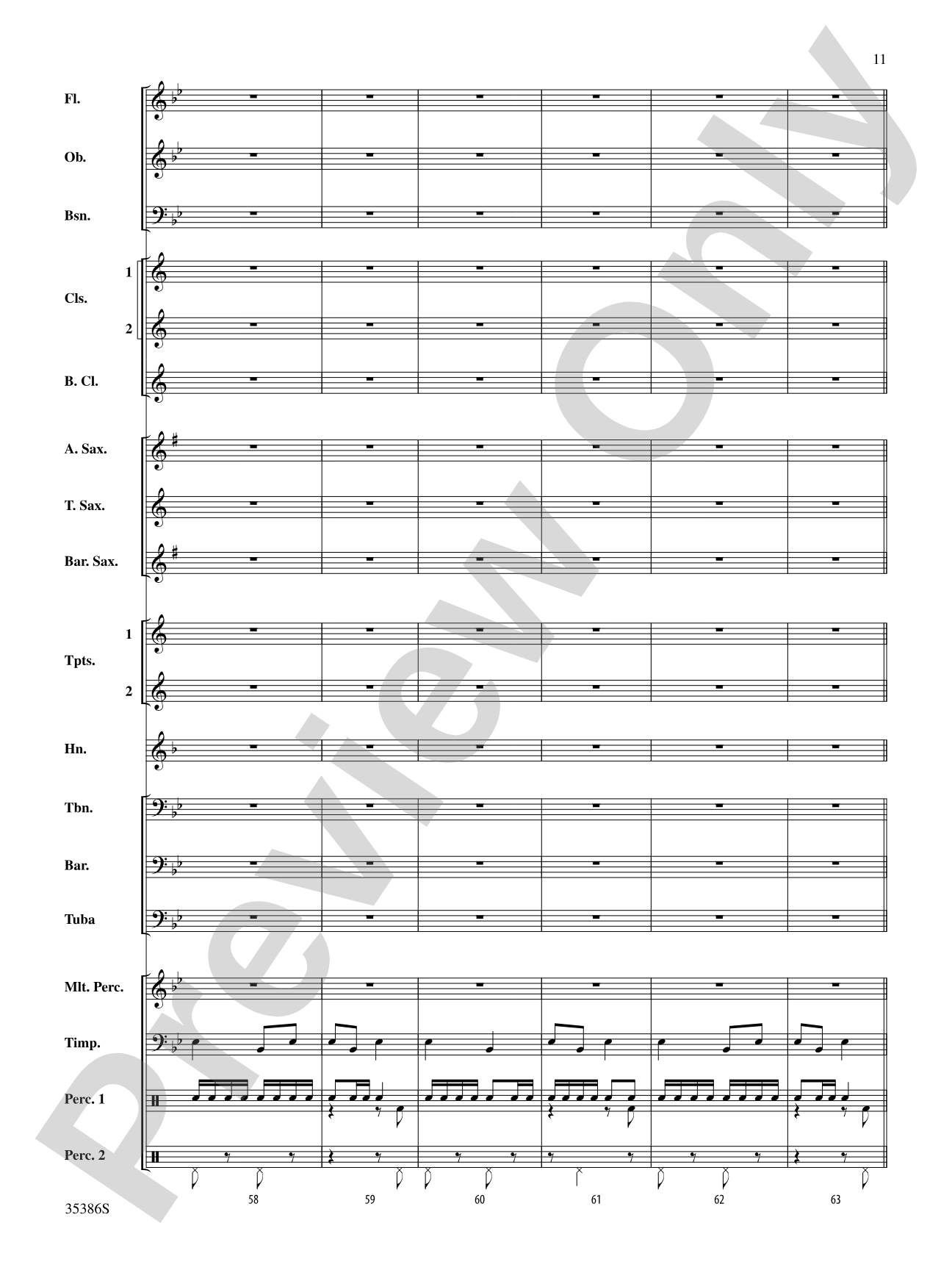
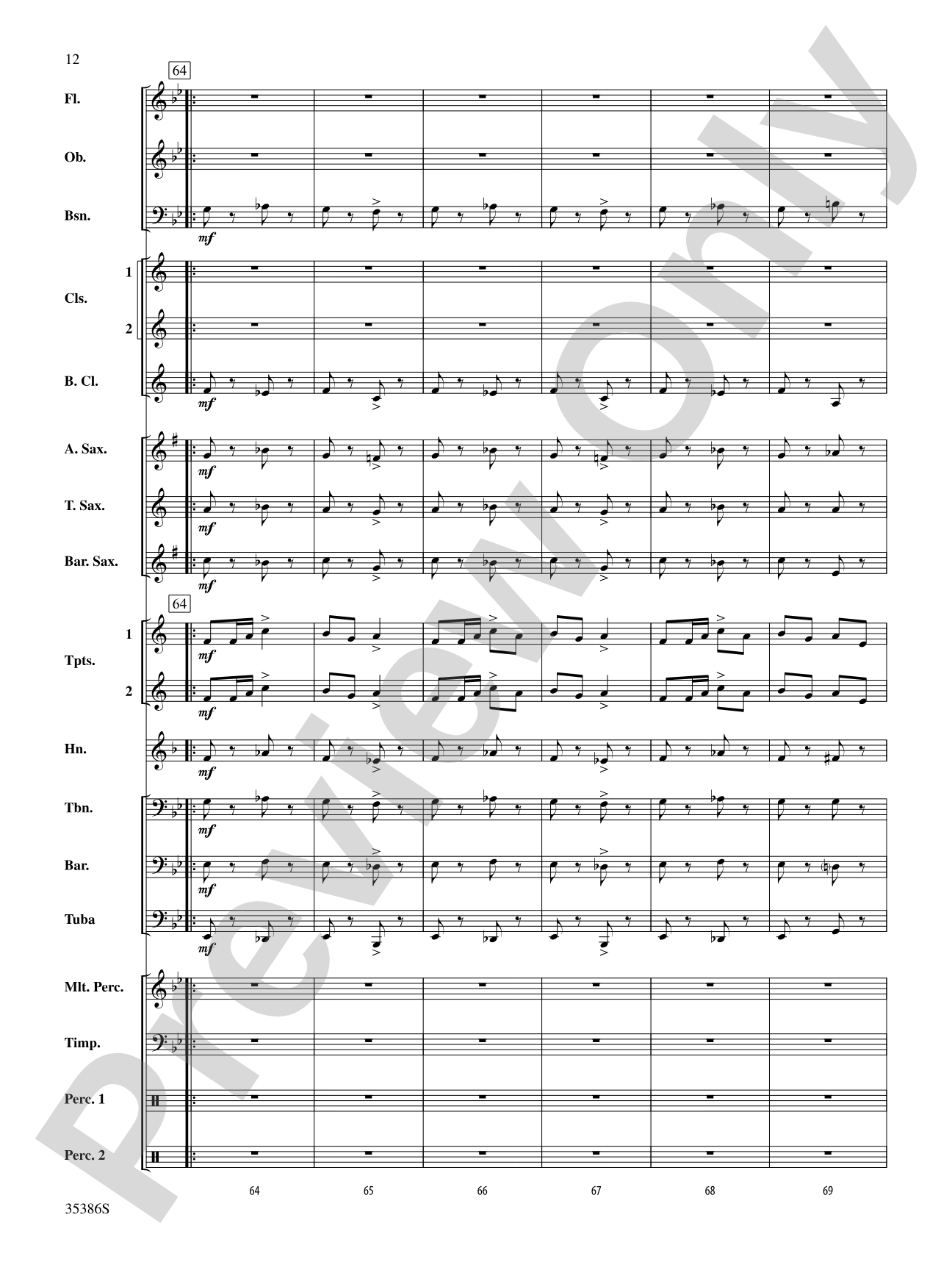
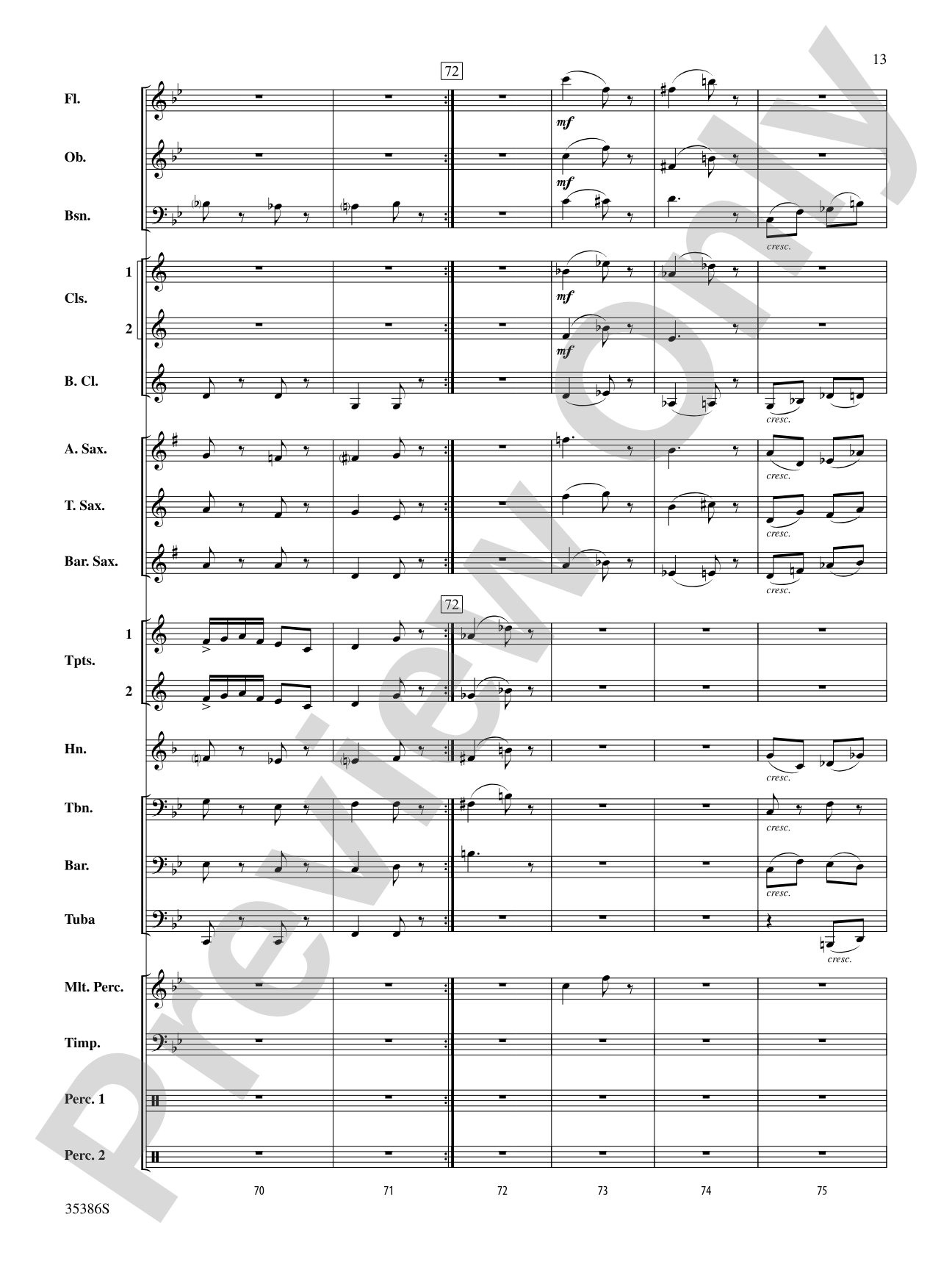
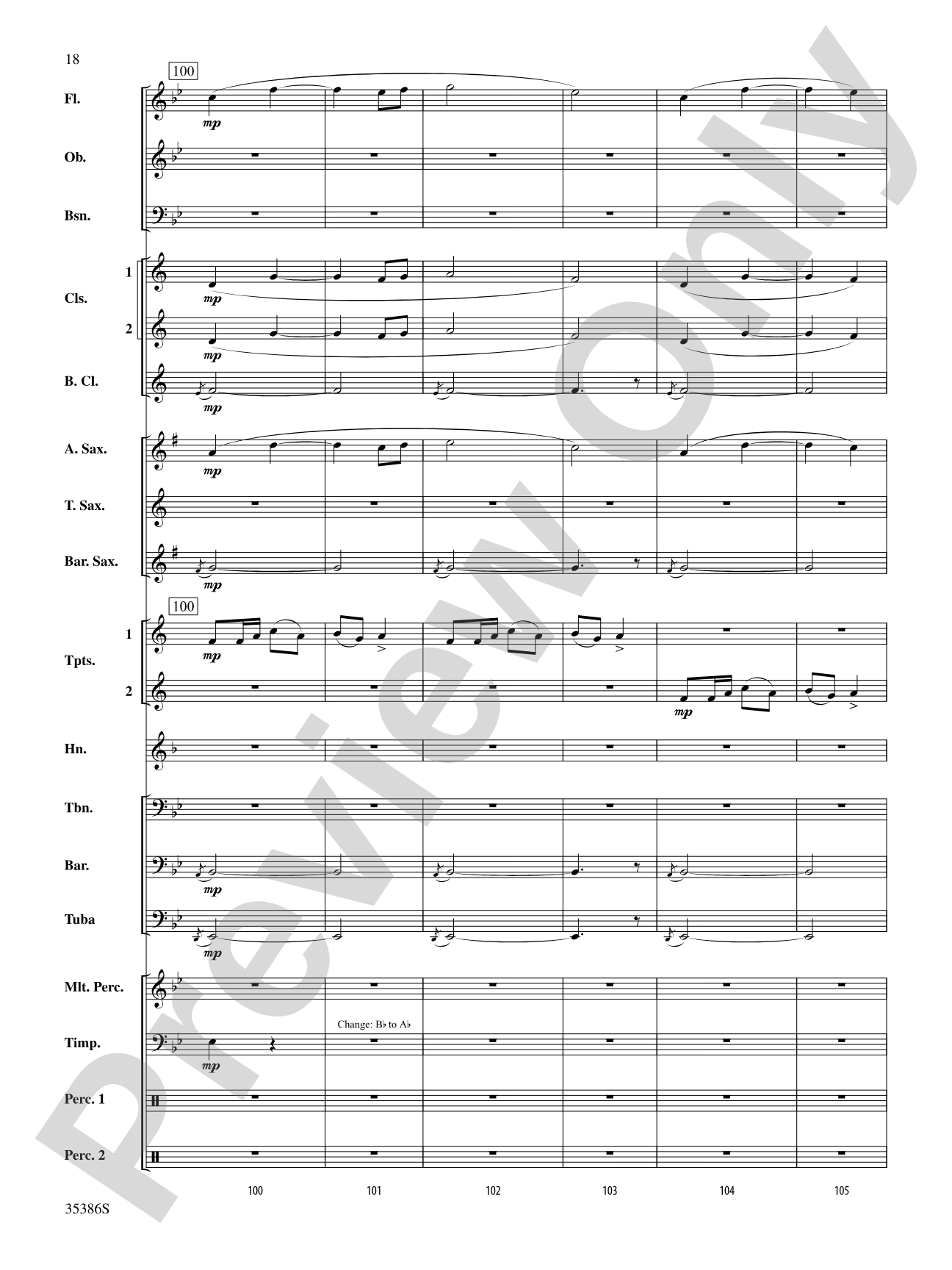
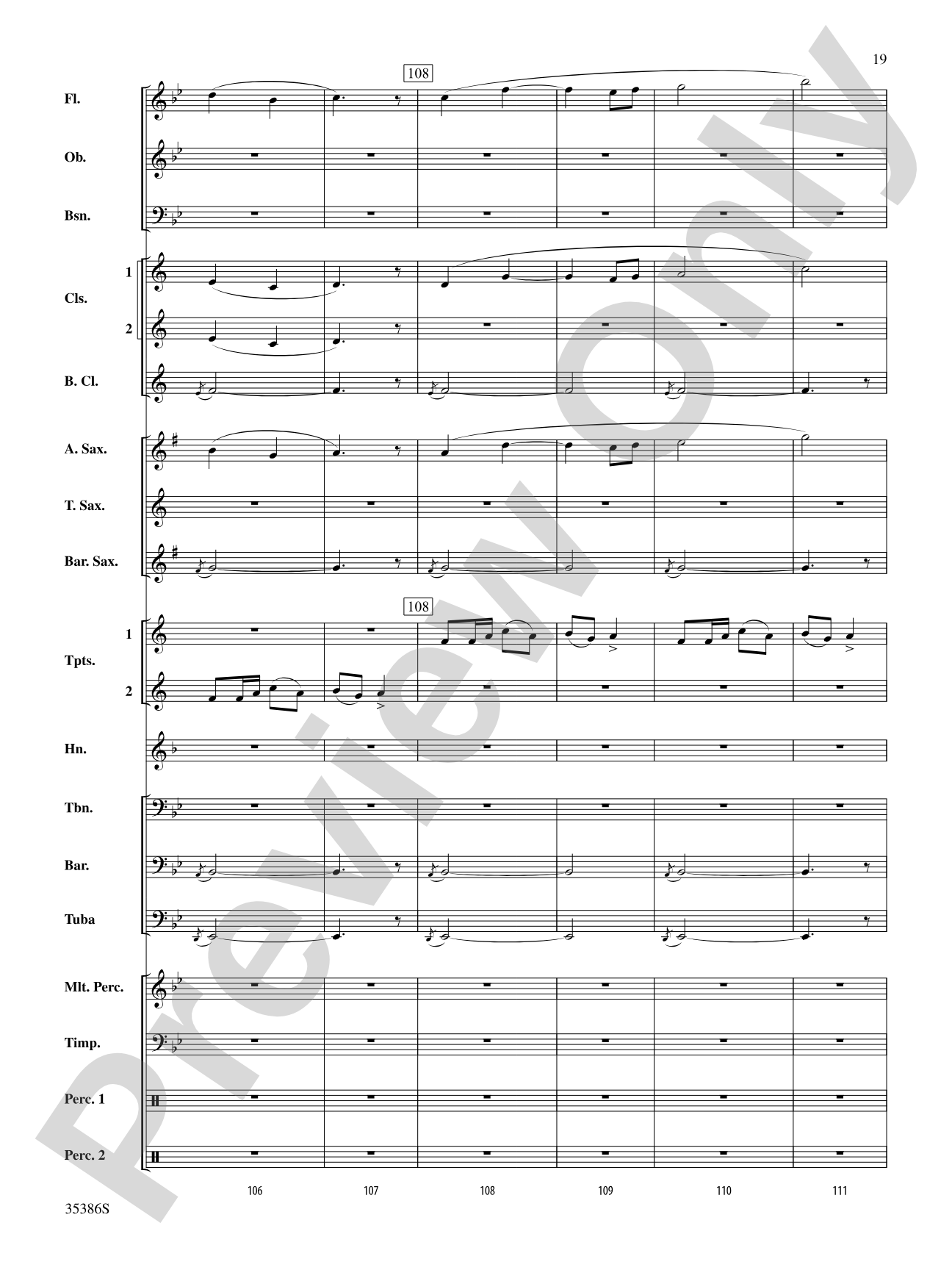
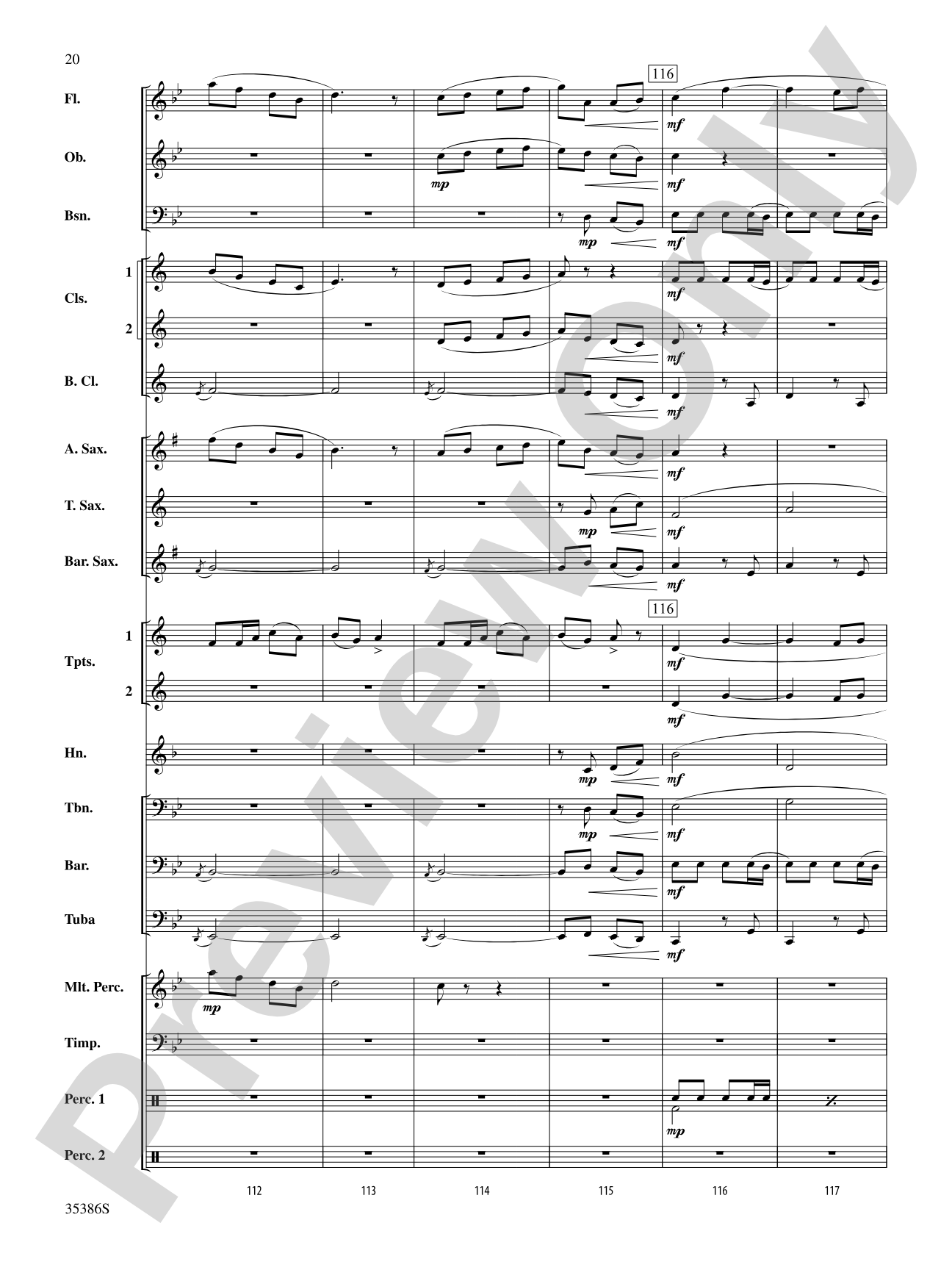
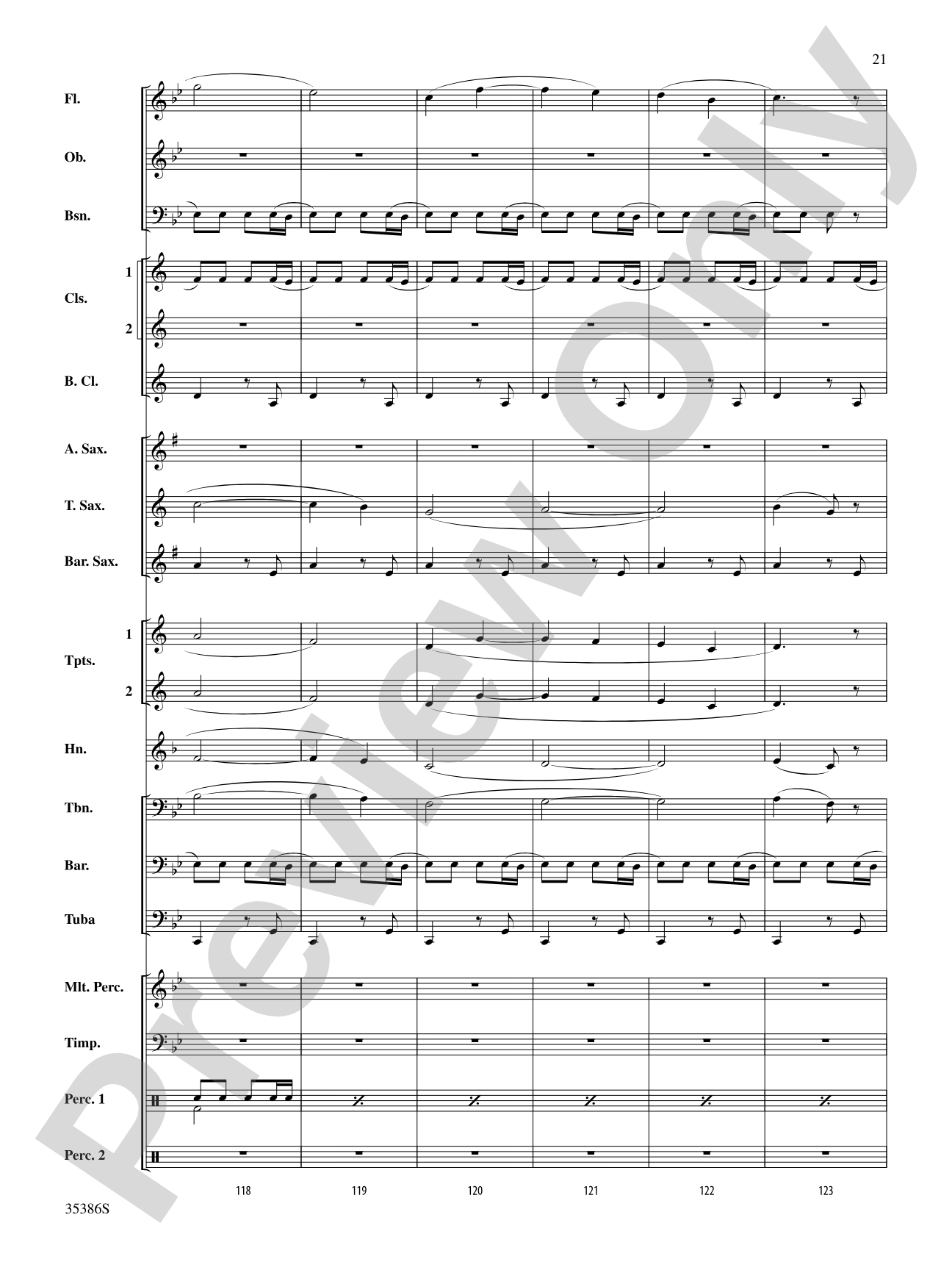
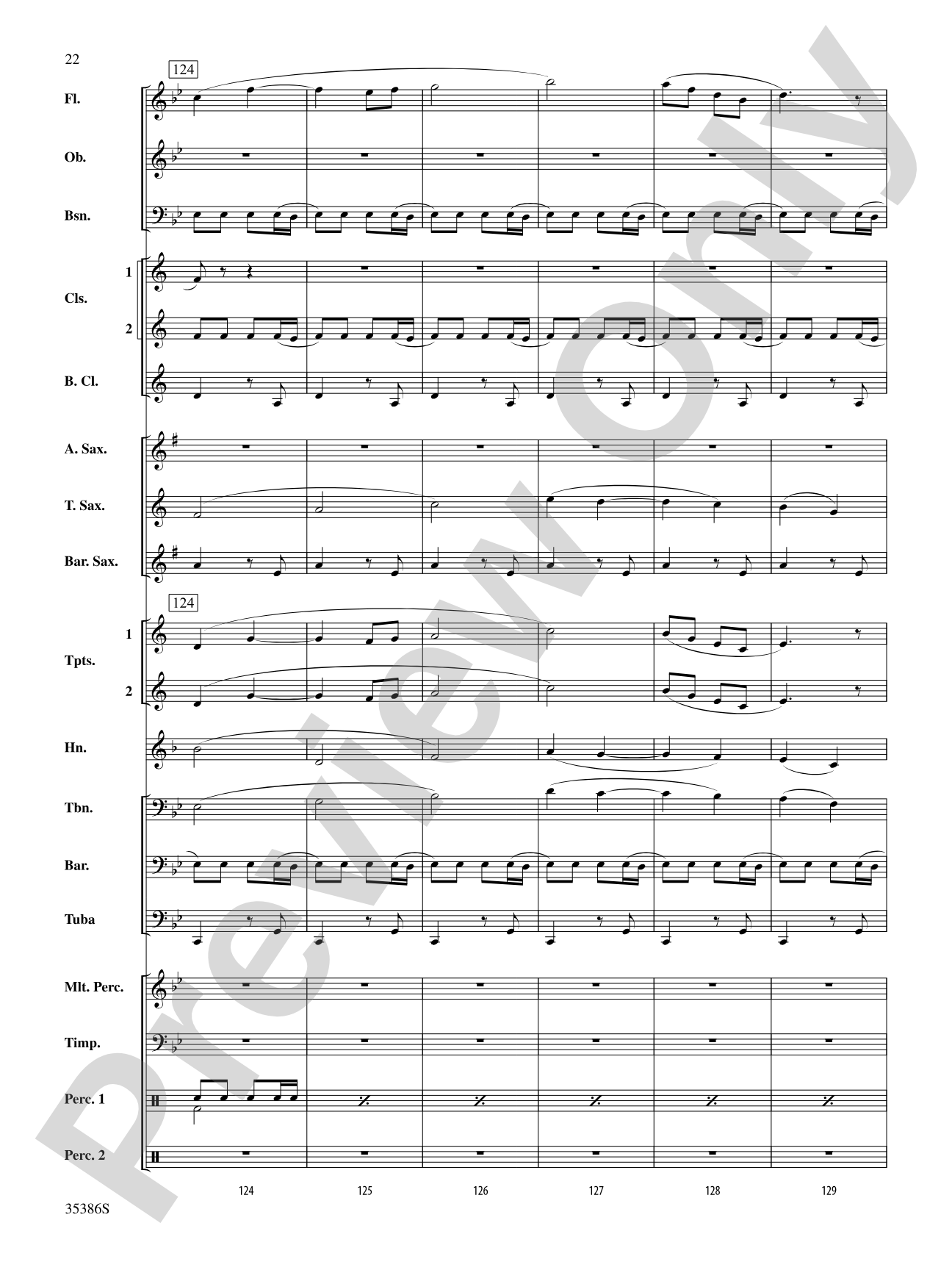
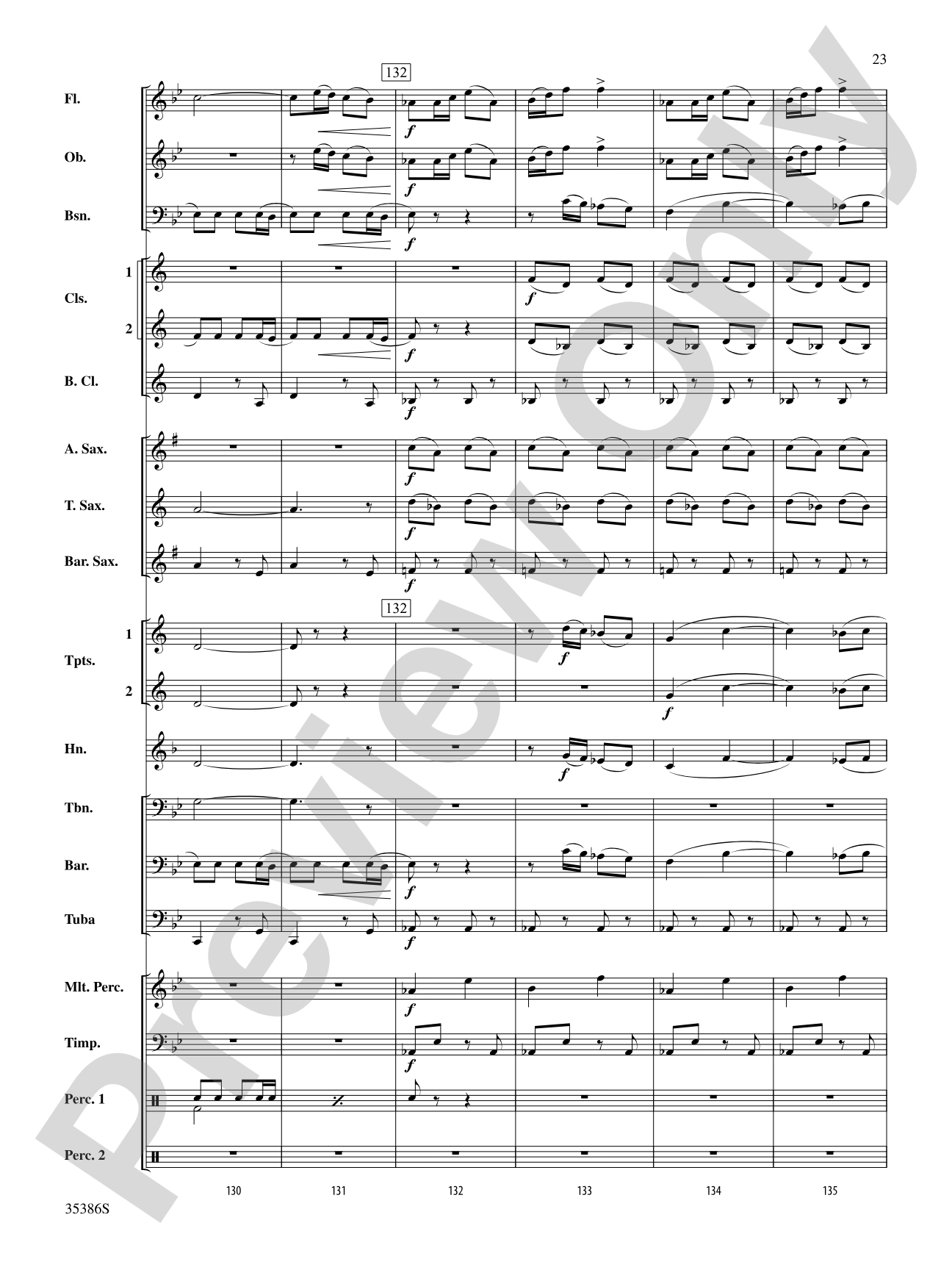
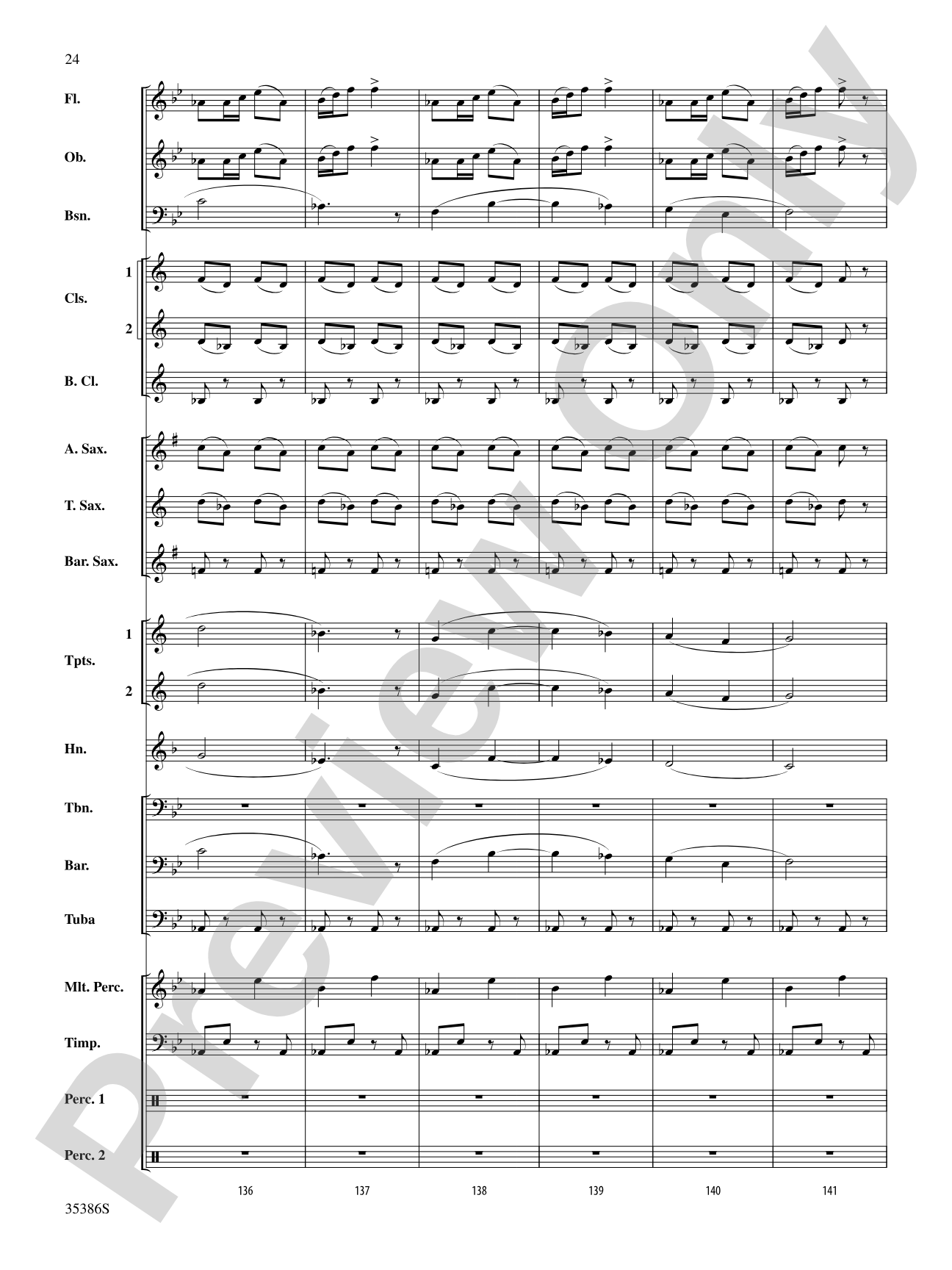
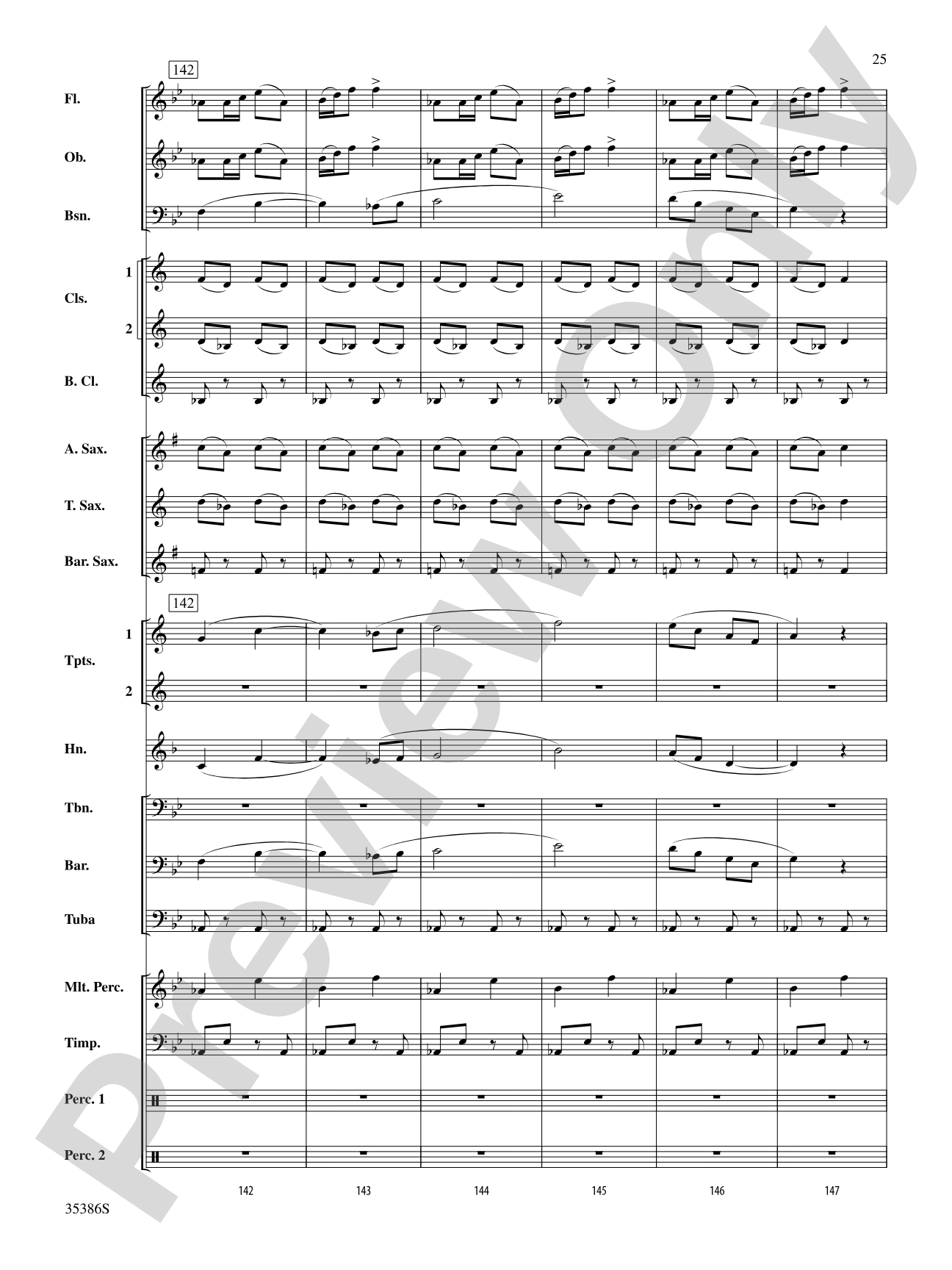
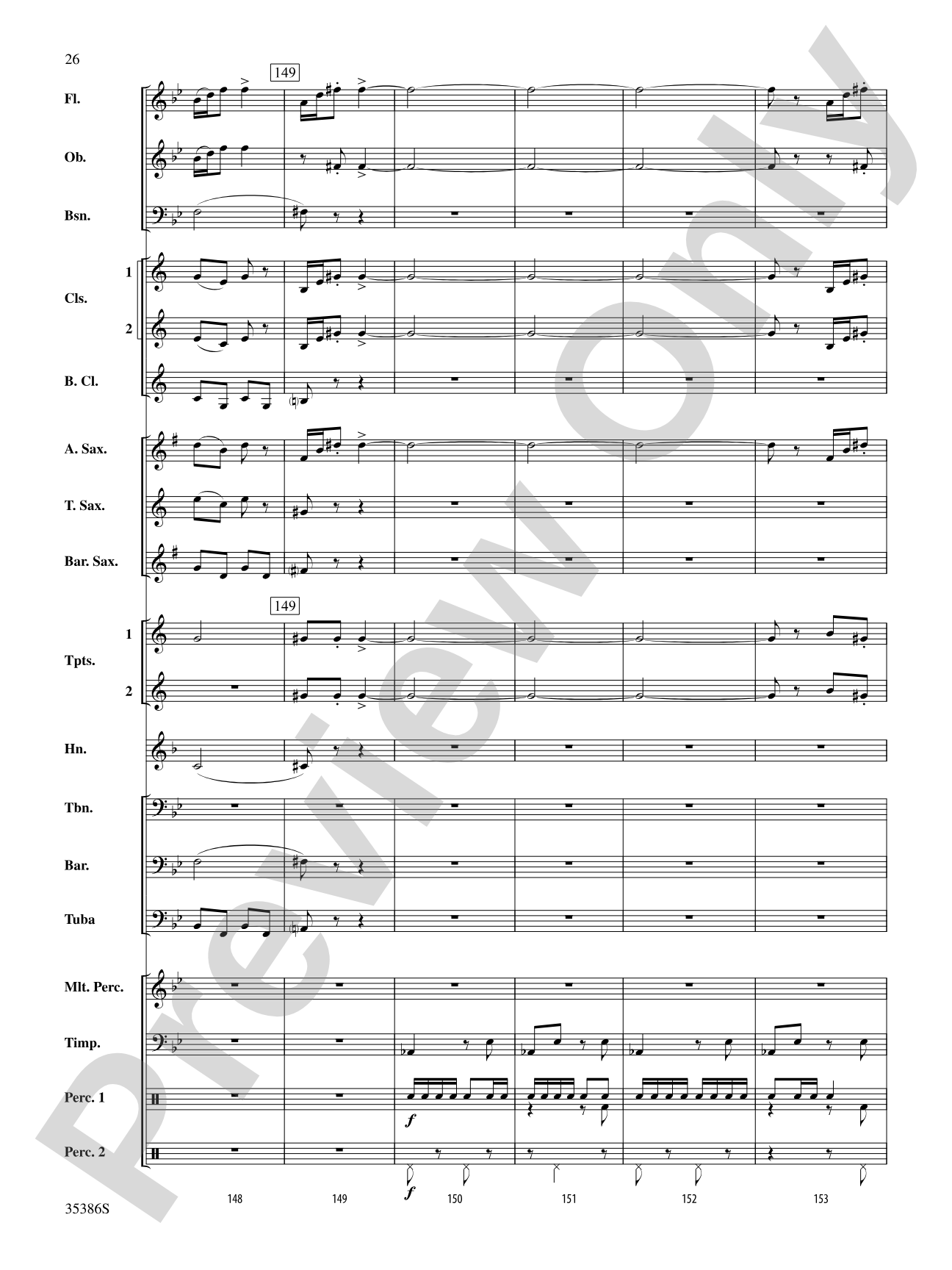
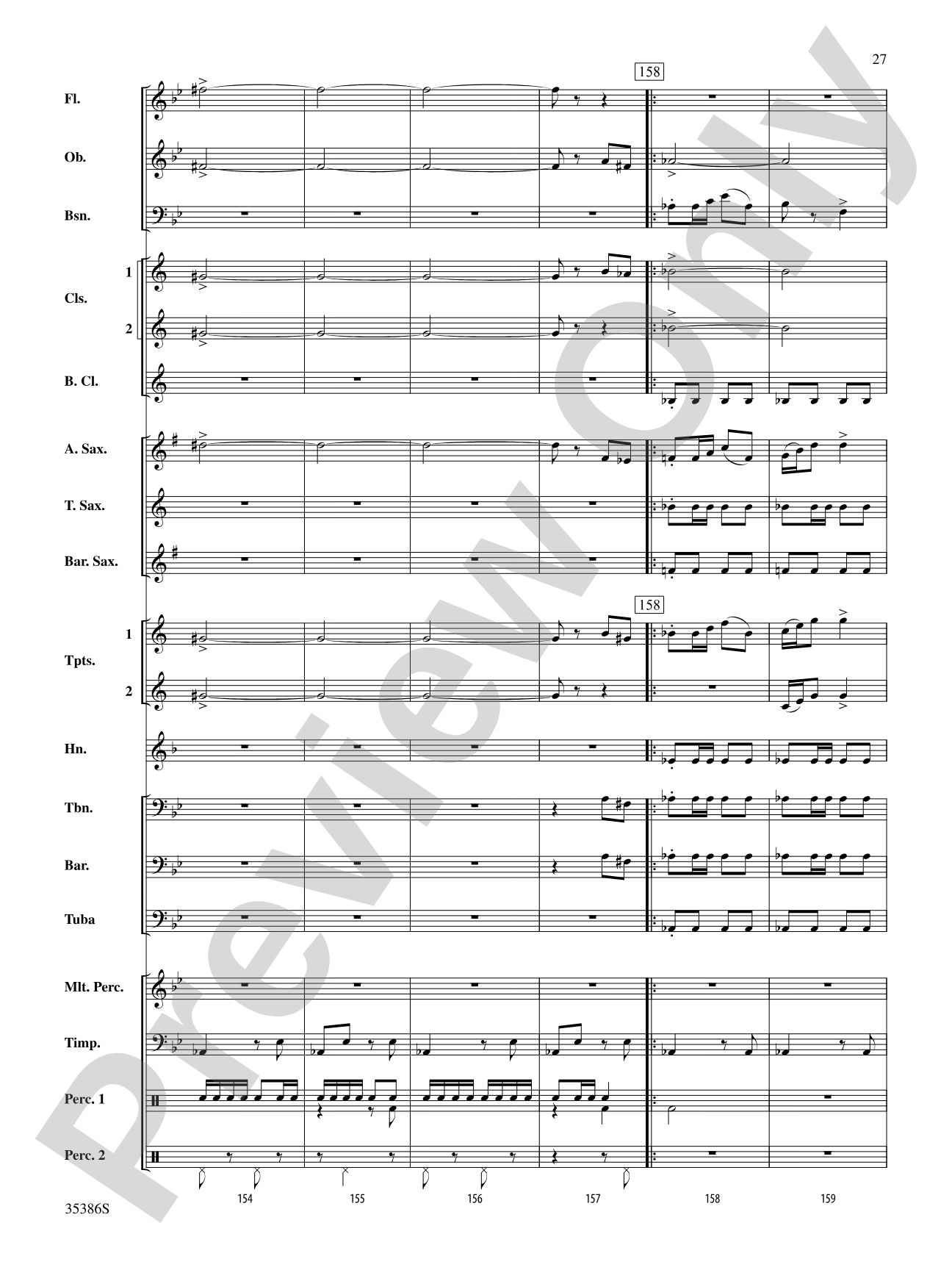
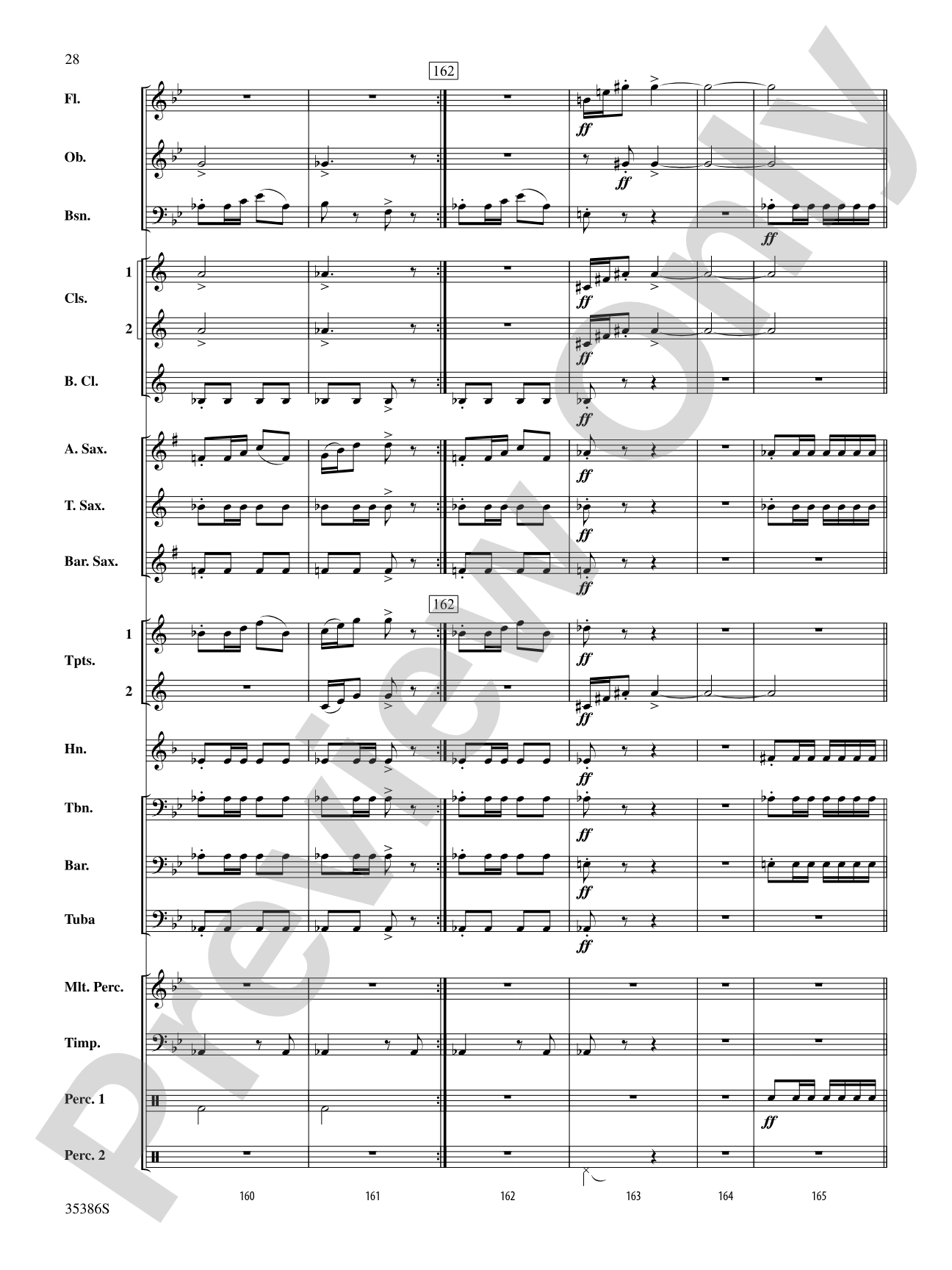
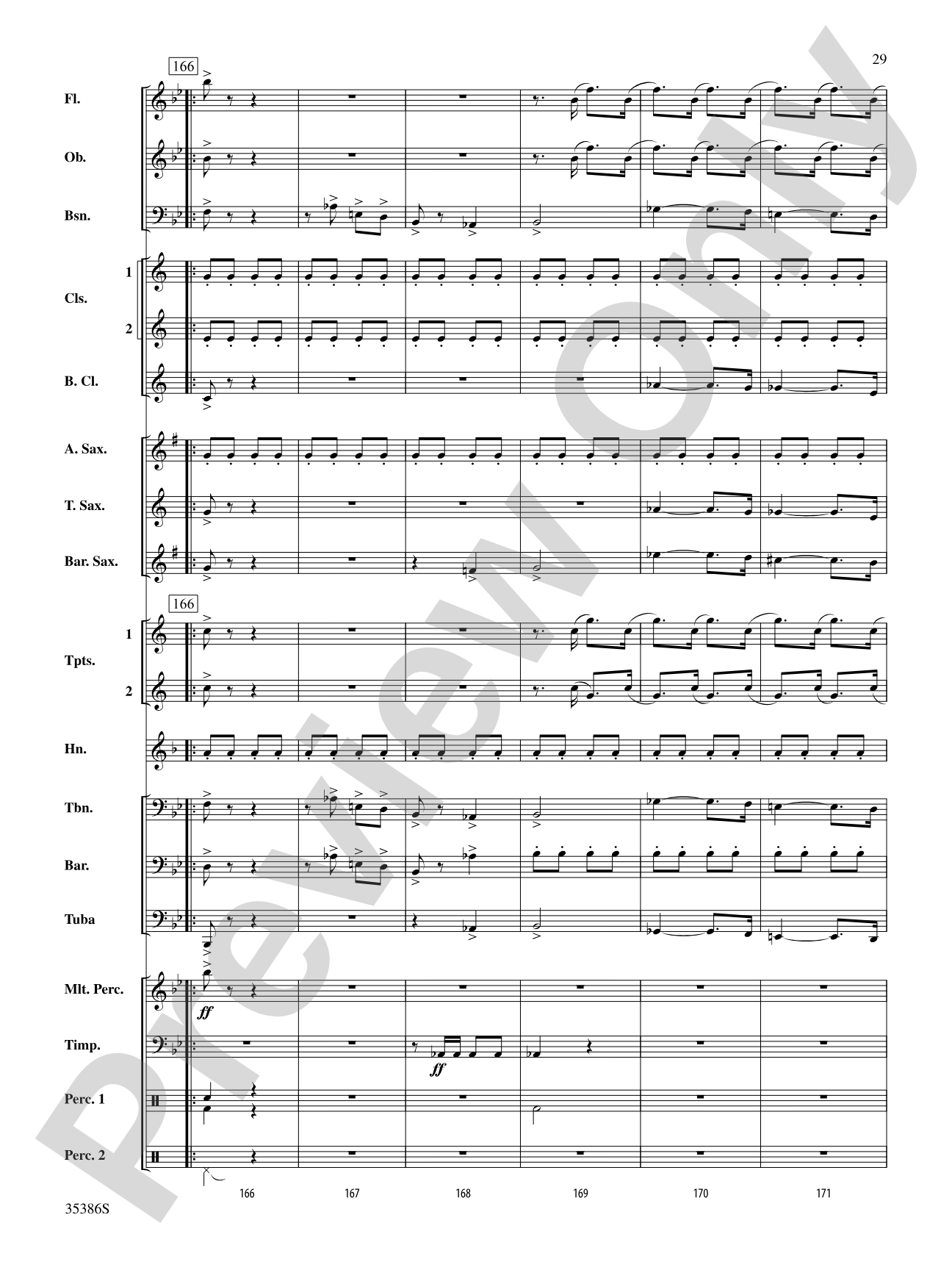
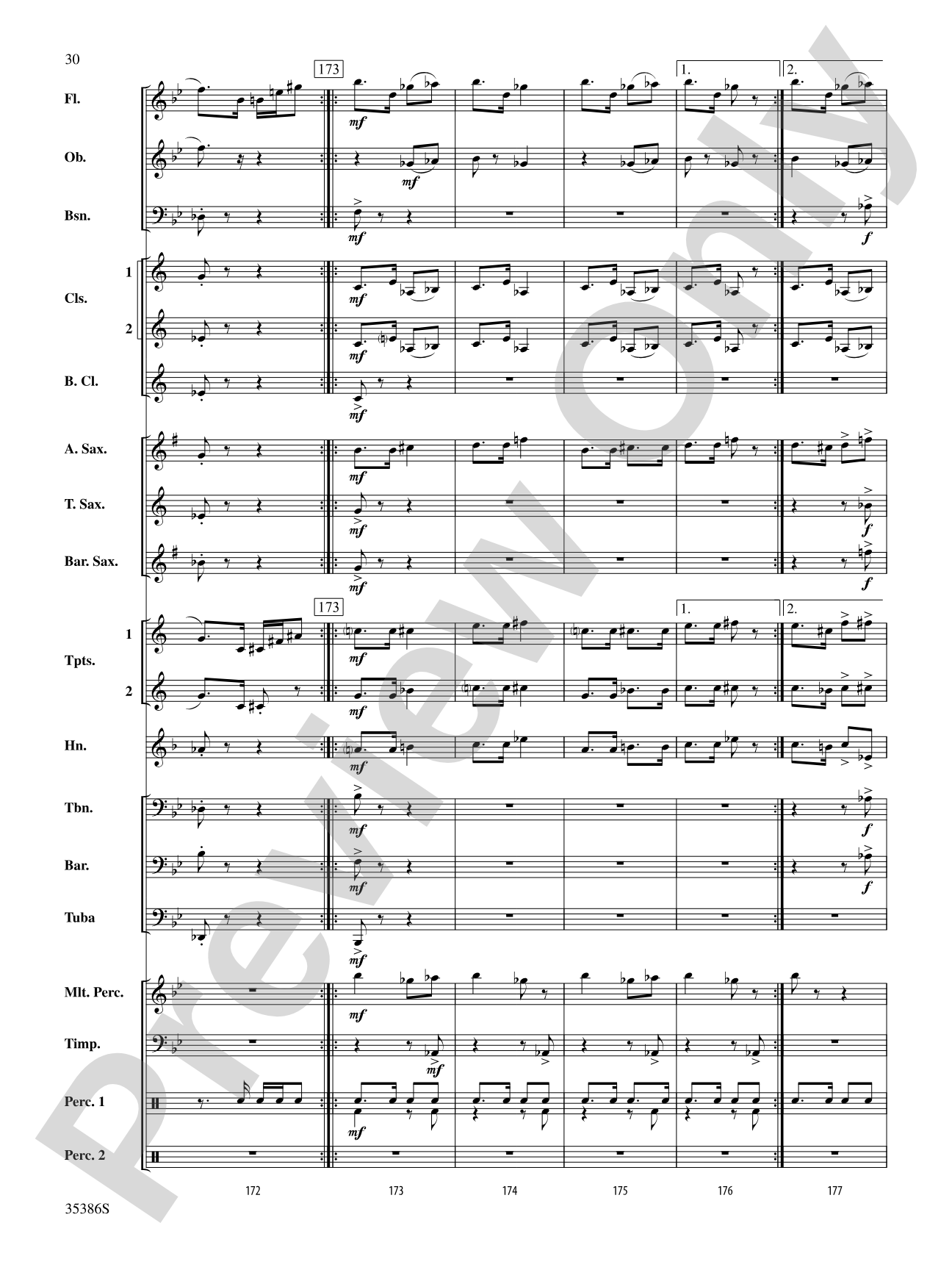
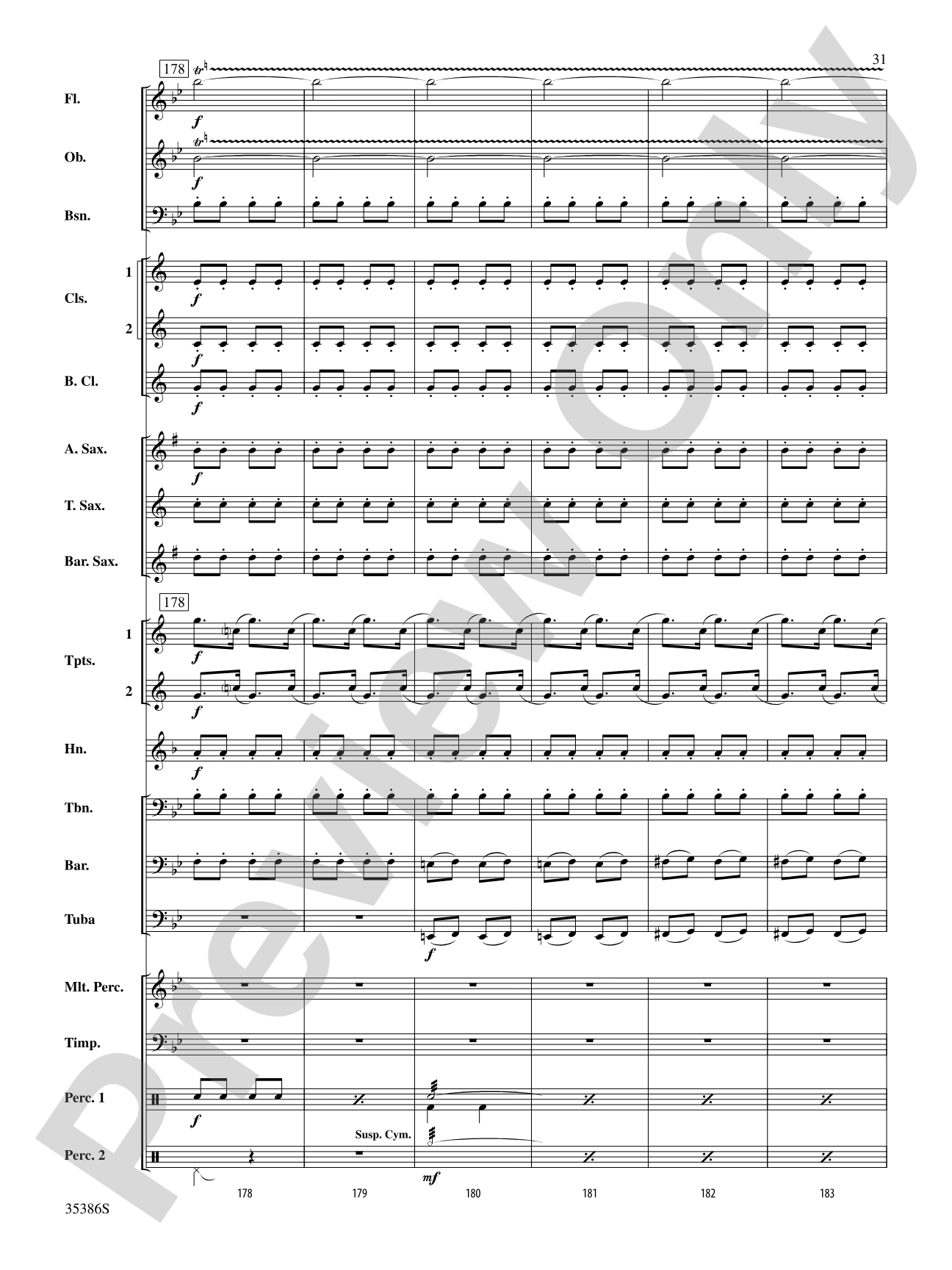
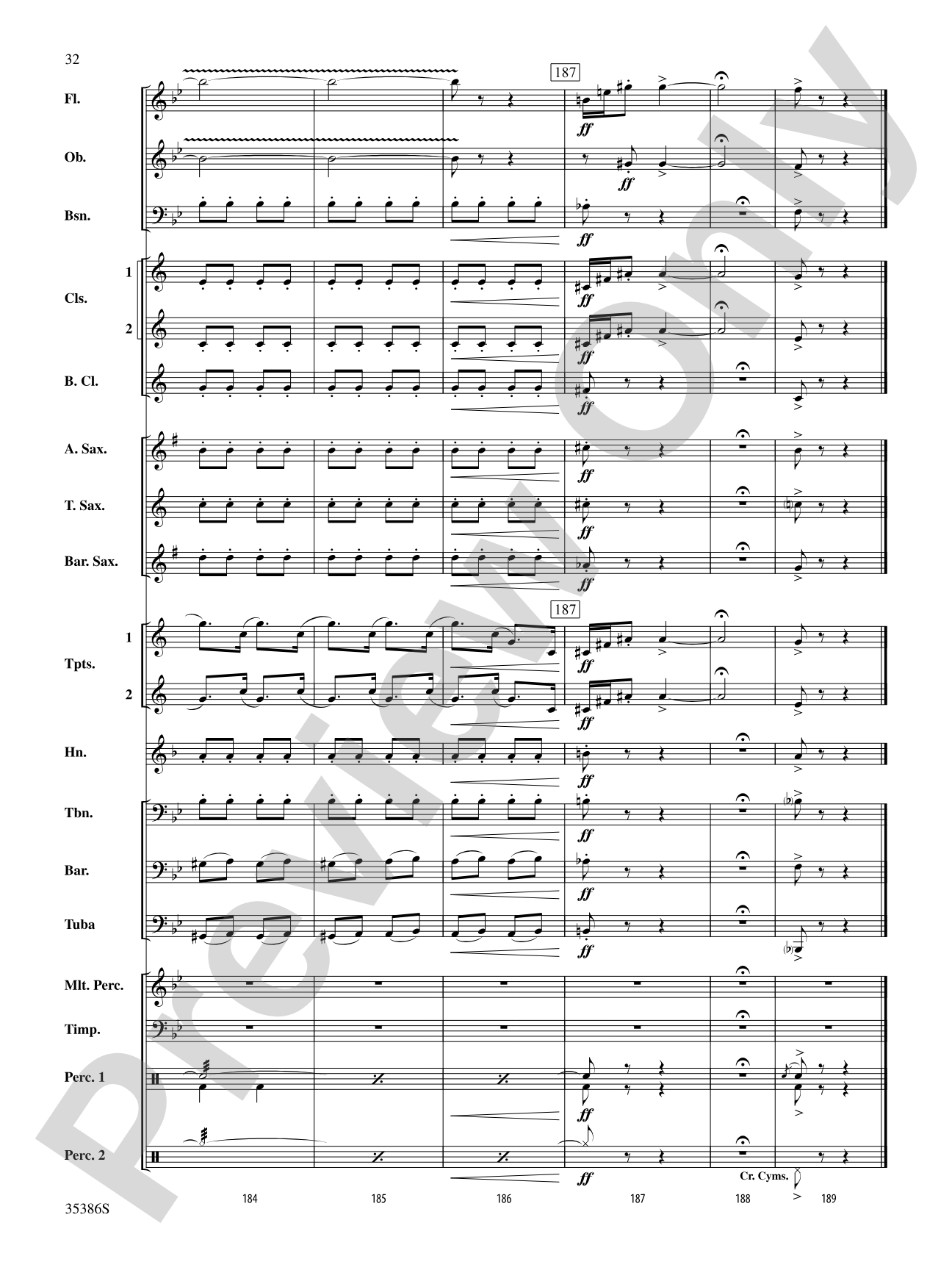

Chorale and March: Concert Band Conductor Score & Parts
From "Symphonic Suite"
By Clifton Williams / arr. Douglas E. Wagner
Grade: 2 (Easy)
Item: 00-PK-0004646

$67.00
One moment…
Description
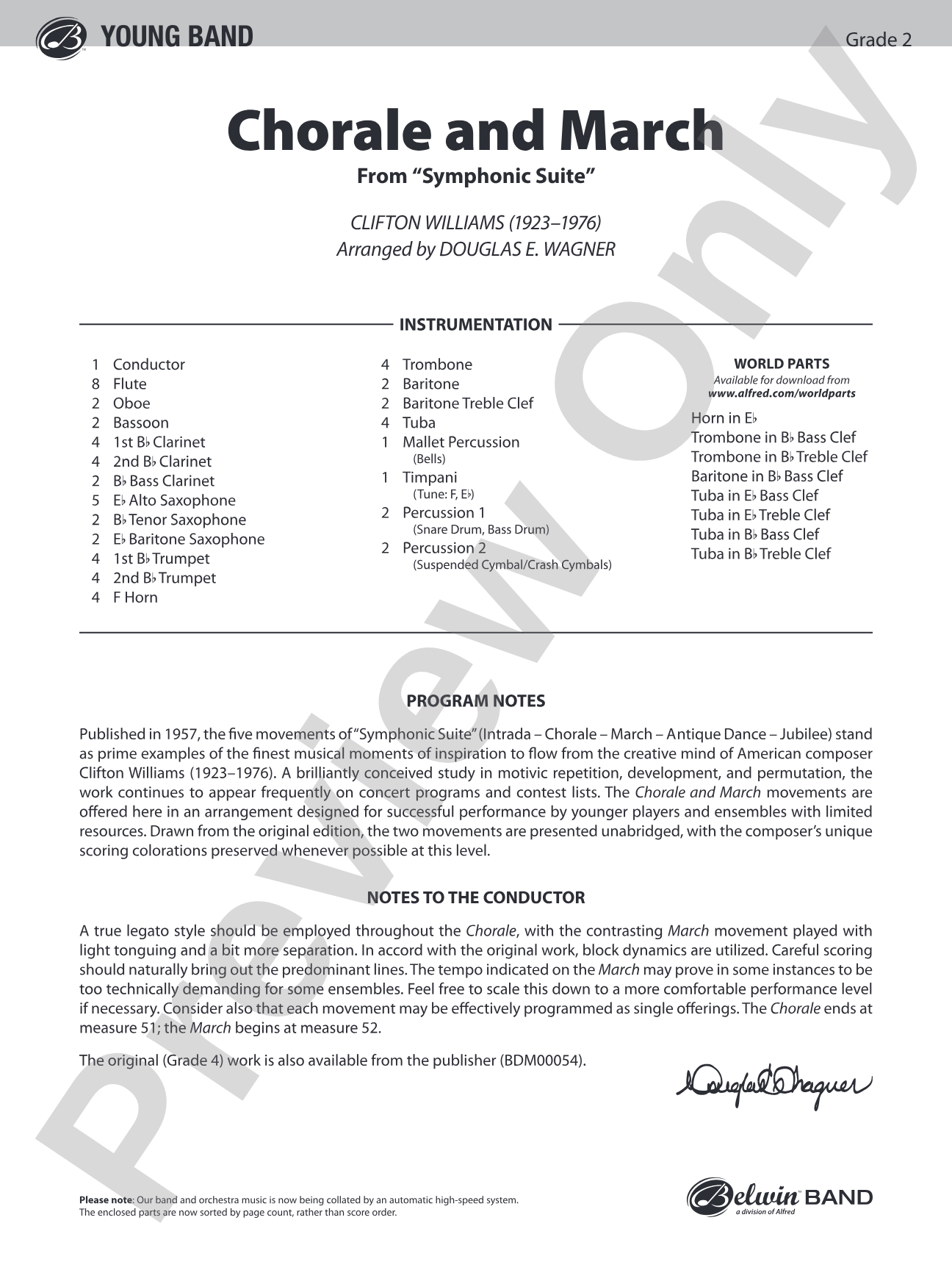
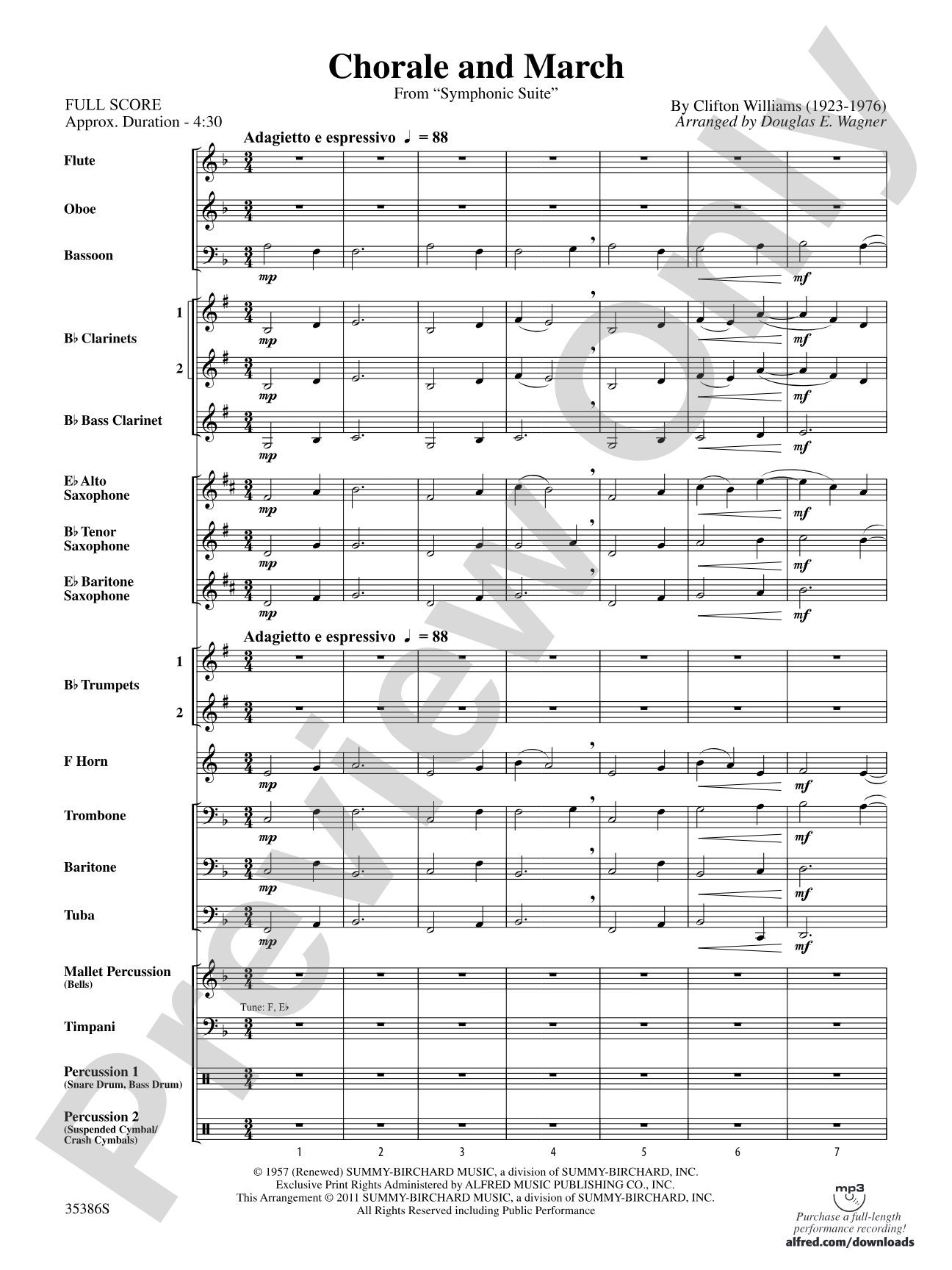
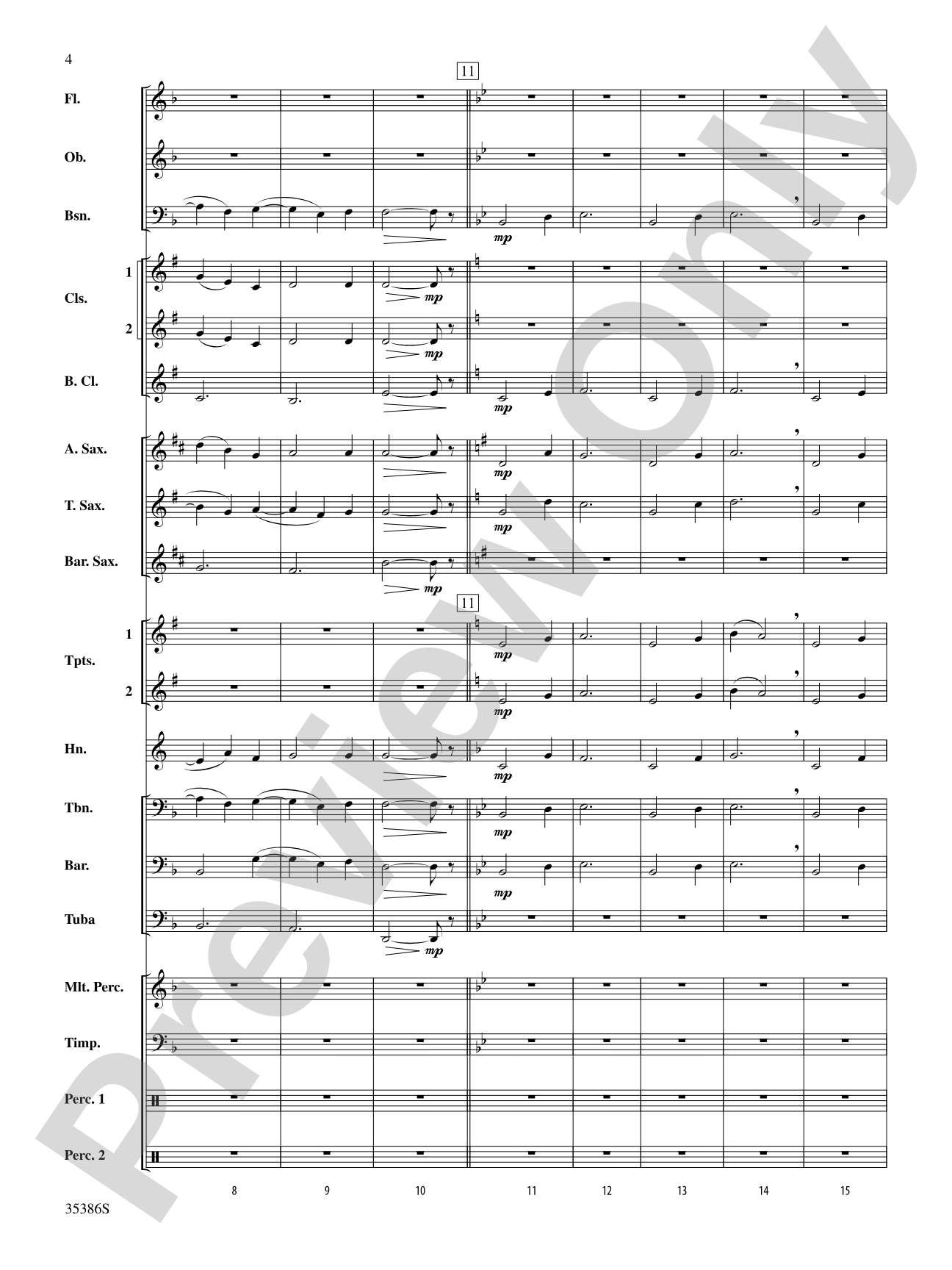
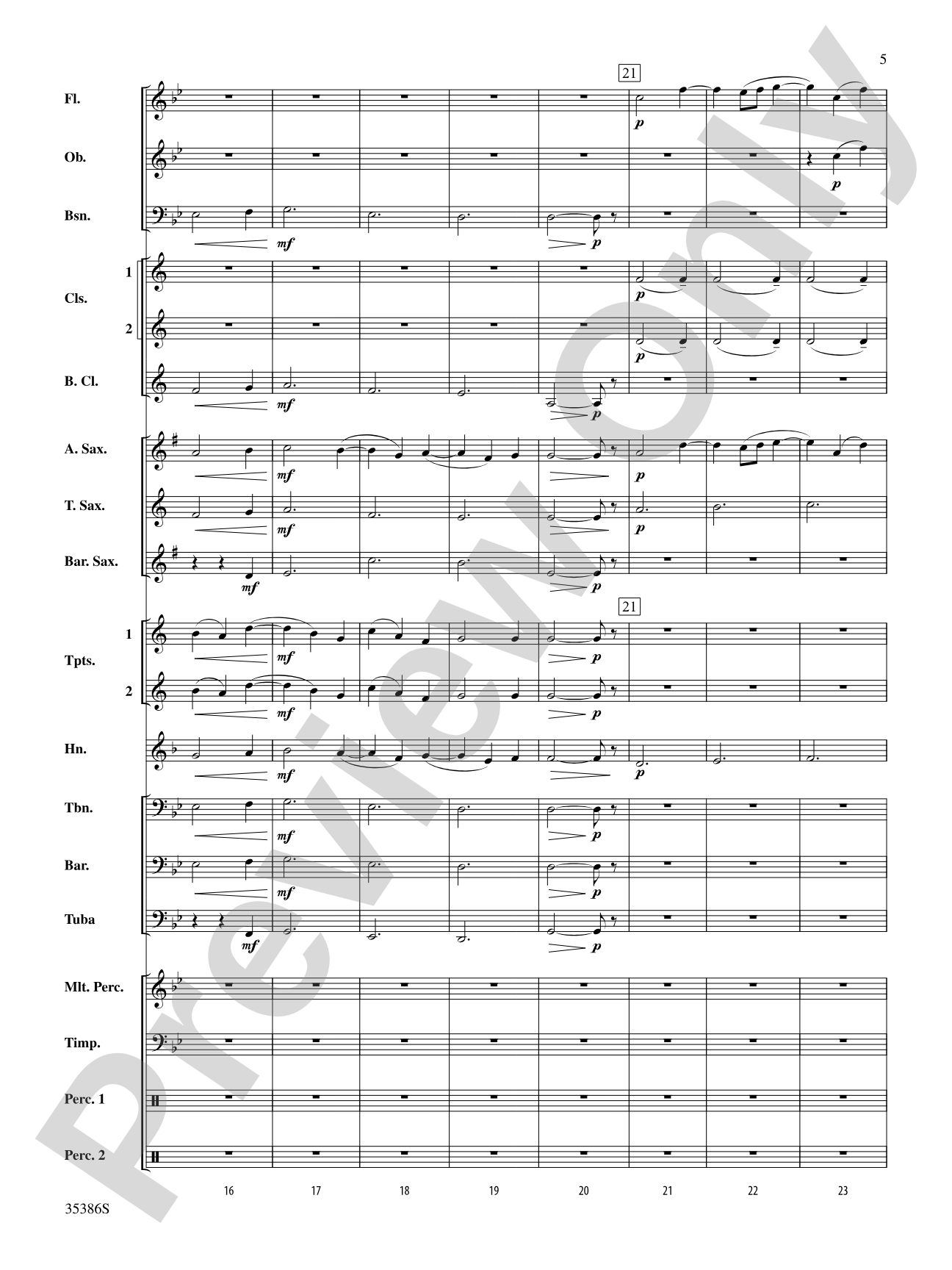
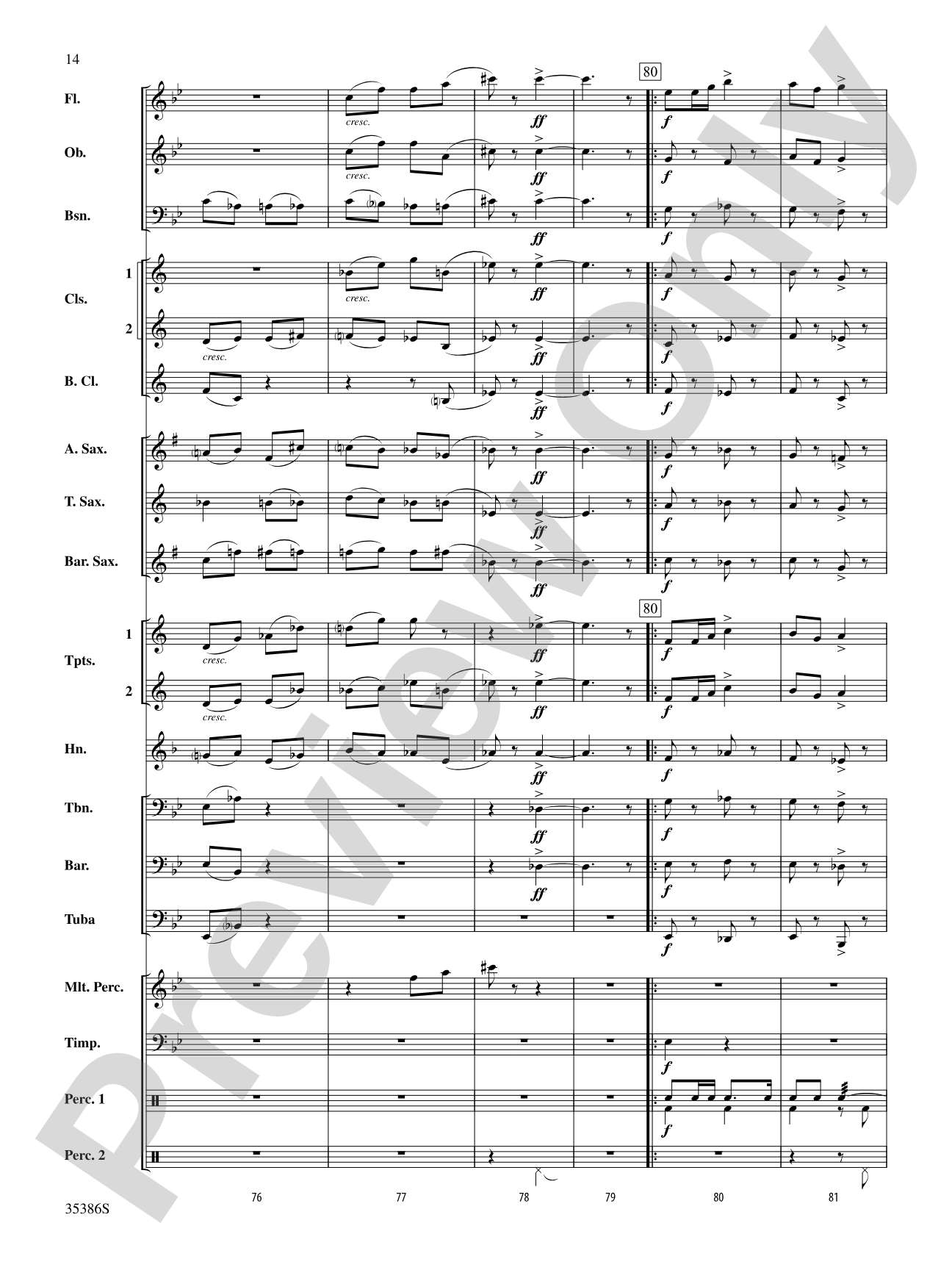
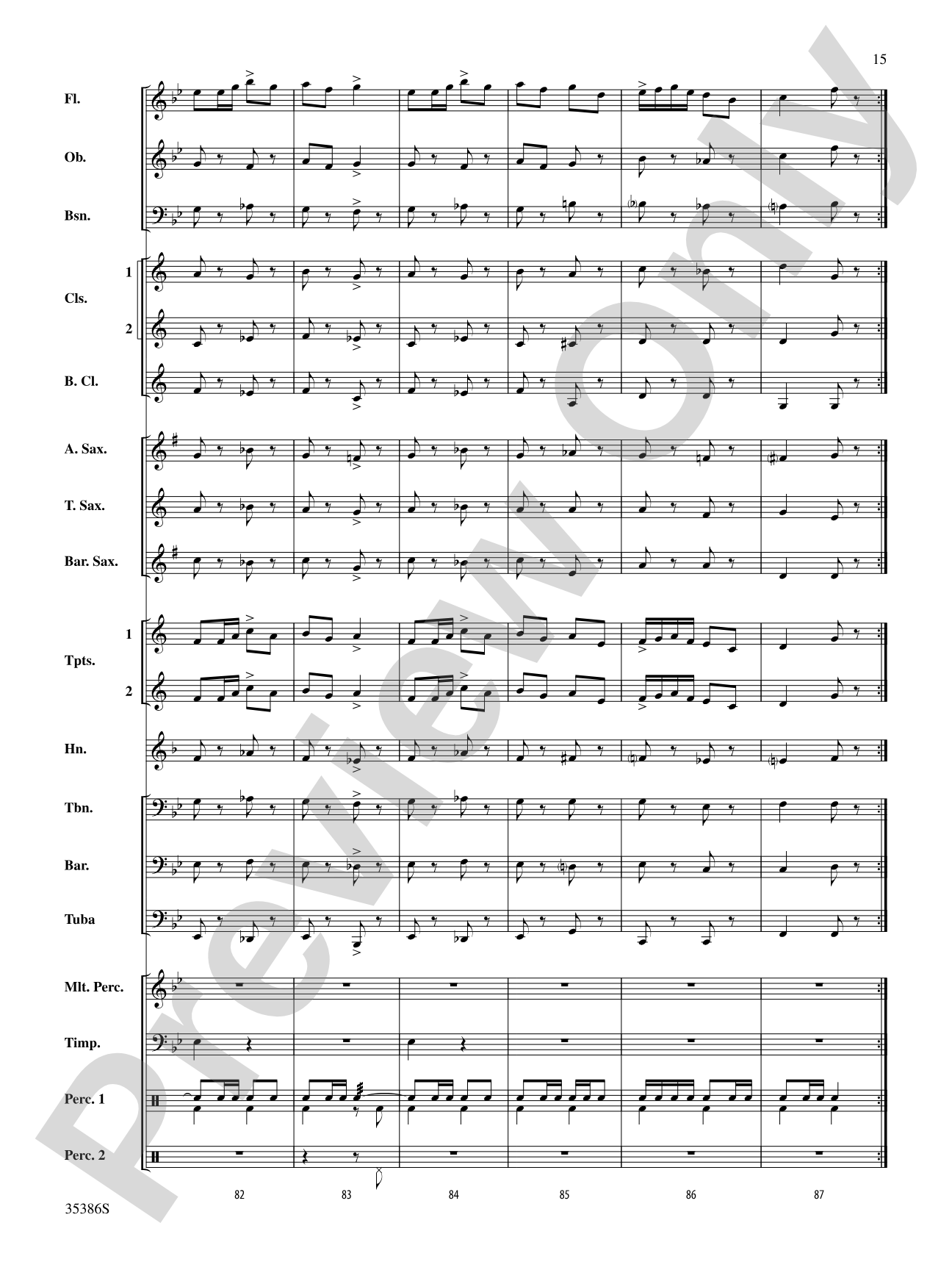
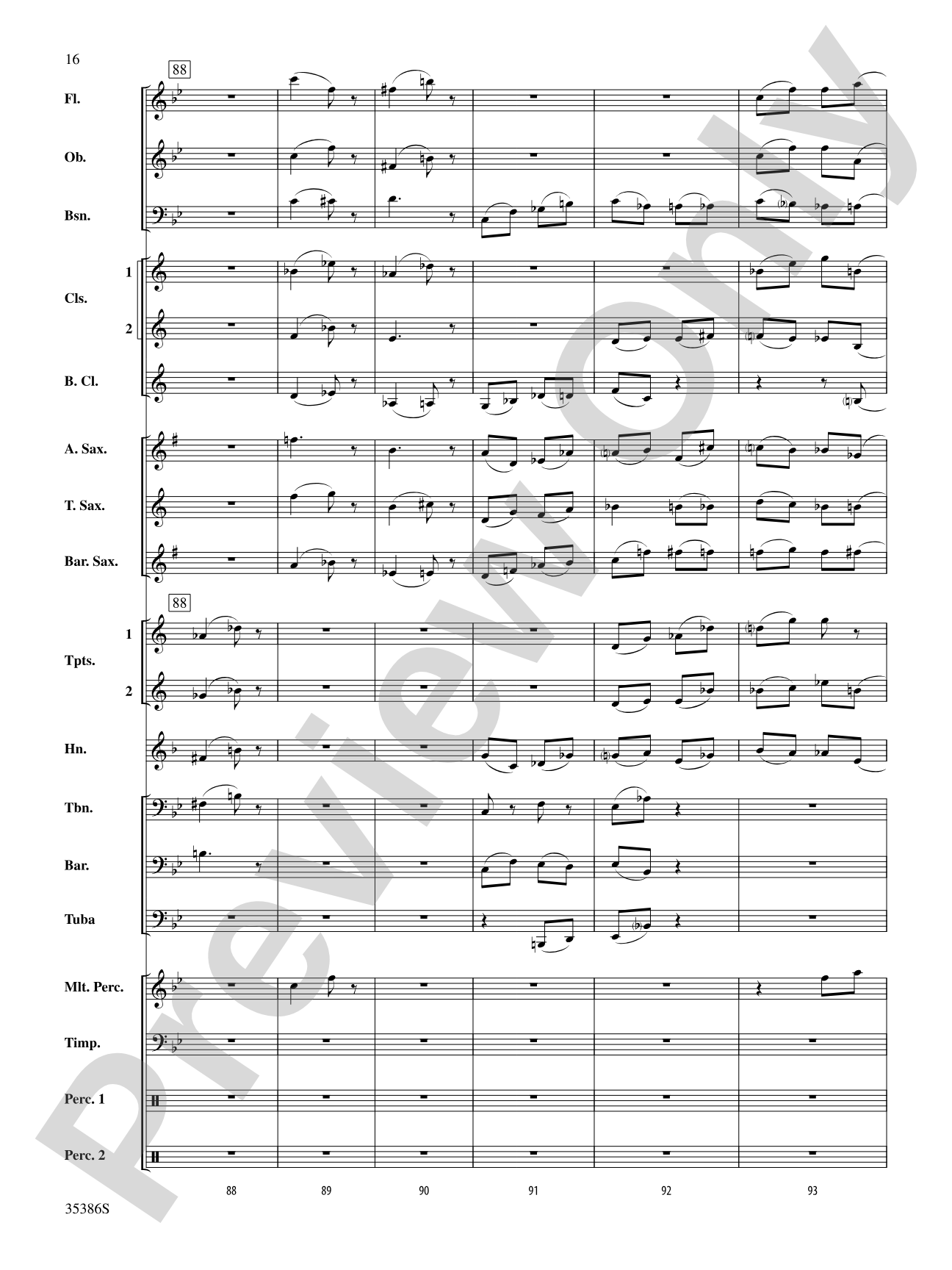
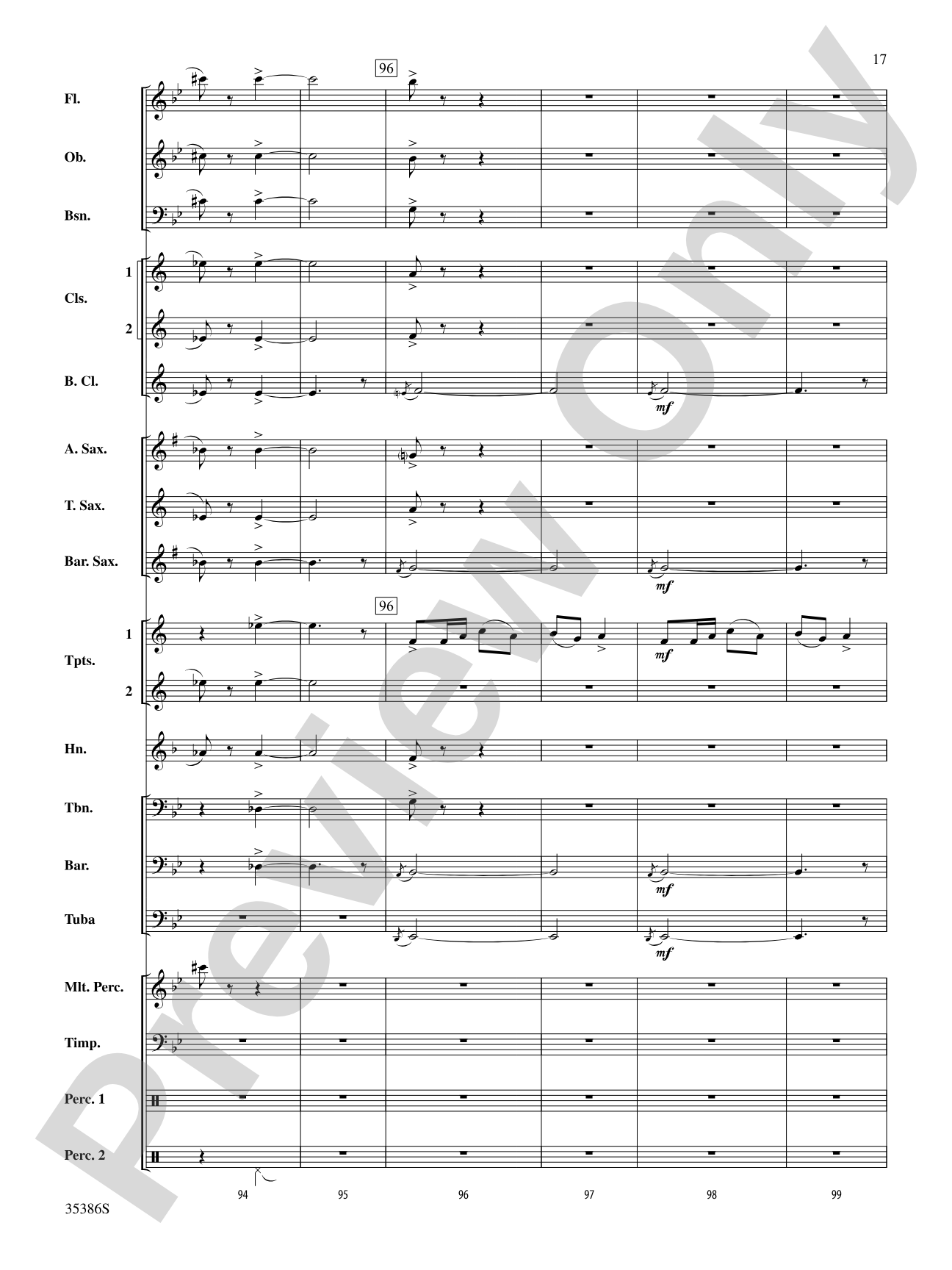
Originally published in 1957, with five diverse movements, American composer J. Clifton Williams' Symphonic Suite includes: "Intrada," "Chorale," "March," "Antique Dance," and "Jubilee." A brilliantly conceived study in motivic repetition, development, and permutation, Douglas Wagner has selected the contrasting "Chorale" and "March" movements in this arrangement designed for successful performance by younger players. Drawn from the original edition, the two movements are presented unabridged, with the composer's unique scoring colorations preserved whenever possible. A cherished new setting for the young band repertoire. This title is available in MakeMusic Cloud.


Don't just read it, hear it, play along with it, and watch your students grow with it. In MakeMusic Cloud, Chorale and March: Concert Band Conductor Score & Parts comes alive with professional accompaniment, adjustable tempo, and built-in practice tools that turn solo practice into real progress.
Open in the Player
Jump straight in and assign it today.
Start Your Free Trial
Open this title and explore the full library in minutes.
Sample Audio
1
Audio File
--:--
0:00
0:00
Sample Video
No sample videos found.
Additional Details
Series:
Pop Young Band
Publisher:
Alfred Music
Page Count:
244
SKU:
00-PK-0004646
More about this title
About the Composer: Clifton Williams
J. Clifton Williams (1923-1976) was an influential American composer and conductor whose concert band works became cornerstones of the young and intermediate band repertoire. His gift for orchestration and structural clarity made his pieces both teachable and musically substantial, earning him a lasting place in band programs across the country. Williams understood the developmental needs of student musicians and wrote music that challenged without overwhelming them.
Why we love this
Wagner's selection of these two contrasting movements gives your young band access to authentic Williams without overwhelming rehearsal schedules. The Chorale provides a masterclass in ensemble balance and blend, while the March delivers the rhythmic precision and clarity that Grade 2 players need to develop. Both movements preserve Williams' sophisticated voice-leading and motivic writing, proving that accessible doesn't mean simplistic.
What to expect
The Chorale unfolds with dignity and warmth, built on layered harmonies that shift gently beneath a singing melodic line. The March arrives with ceremonial energy, its crisp rhythmic figures and bright orchestration creating a sense of purposeful forward motion that feels both celebratory and controlled.
Who it's for
Grade 2 concert bands ready to explore structured classical forms and composer-driven musical ideas. This arrangement works especially well for bands with solid fundamentals in blend and intonation who are beginning to tackle repertoire that rewards musical maturity rather than technical facility.
How to get the most out of it
- Listen closely to the Chorale's inner voices during sectional rehearsals; Williams writes meaningful parts for every instrument, and younger players often need help hearing how their line supports the overall harmonic structure.
- Shape the March's march rhythms with precision but without stiffness. A light, forward articulation lets the piece breathe and maintains its ceremonial dignity.
- Balance the scoring colorations Williams specified in each movement. His original orchestration choices are intentional; preserving them teaches your band how orchestration creates color and depth.
How to use it
Program these movements in sequence to showcase your band's range in a single concert appearance. The Chorale-to-March progression mirrors the structure of Williams' original suite and demonstrates your ensemble's ability to shift between intimate ensemble work and bold, cohesive sound.
Skills your students will build
- Sustaining warm, blended tone across the full ensemble
- Balancing melodic and harmonic lines without prominence shifts
- Precise rhythmic coordination in march style with clean articulation
- Following motivic development and structural repetition
- Responding to conductor's shaping in contrasting tempos and dynamics