

Chorale: Concert Band Conductor Score & Parts
By Paul Cook
Grade: 1 (Very Easy)
Item: 00-PK-0006481

$51.00
Pickup currently not available
Buy Extra Parts (Digital PDF Download)
| Product | Price | Quantity |
|---|---|---|
| Chorale: Score | $9.00 | |
| Chorale: Flute | $3.00 | |
| Chorale: Oboe | $3.00 | |
| Chorale: 1st B-flat Clarinet | $3.00 | |
| Chorale: B-flat Bass Clarinet | $3.00 | |
| Chorale: E-flat Alto Saxophone | $3.00 | |
| Chorale: B-flat Tenor Saxophone | $3.00 | |
| Chorale: E-flat Baritone Saxophone | $3.00 | |
| Chorale: 1st B-flat Trumpet | $3.00 | |
| Chorale: 1st F Horn | $3.00 | |
| Chorale: 1st Trombone | $3.00 | |
| Chorale: Baritone T.C. | $3.00 | |
| Chorale: Tuba | $3.00 | |
| Chorale: Mallets | $3.00 | |
| Chorale: 1st Percussion | $3.00 | |
| Chorale: Timpani | $3.00 |
Parts Added to Cart!
Description
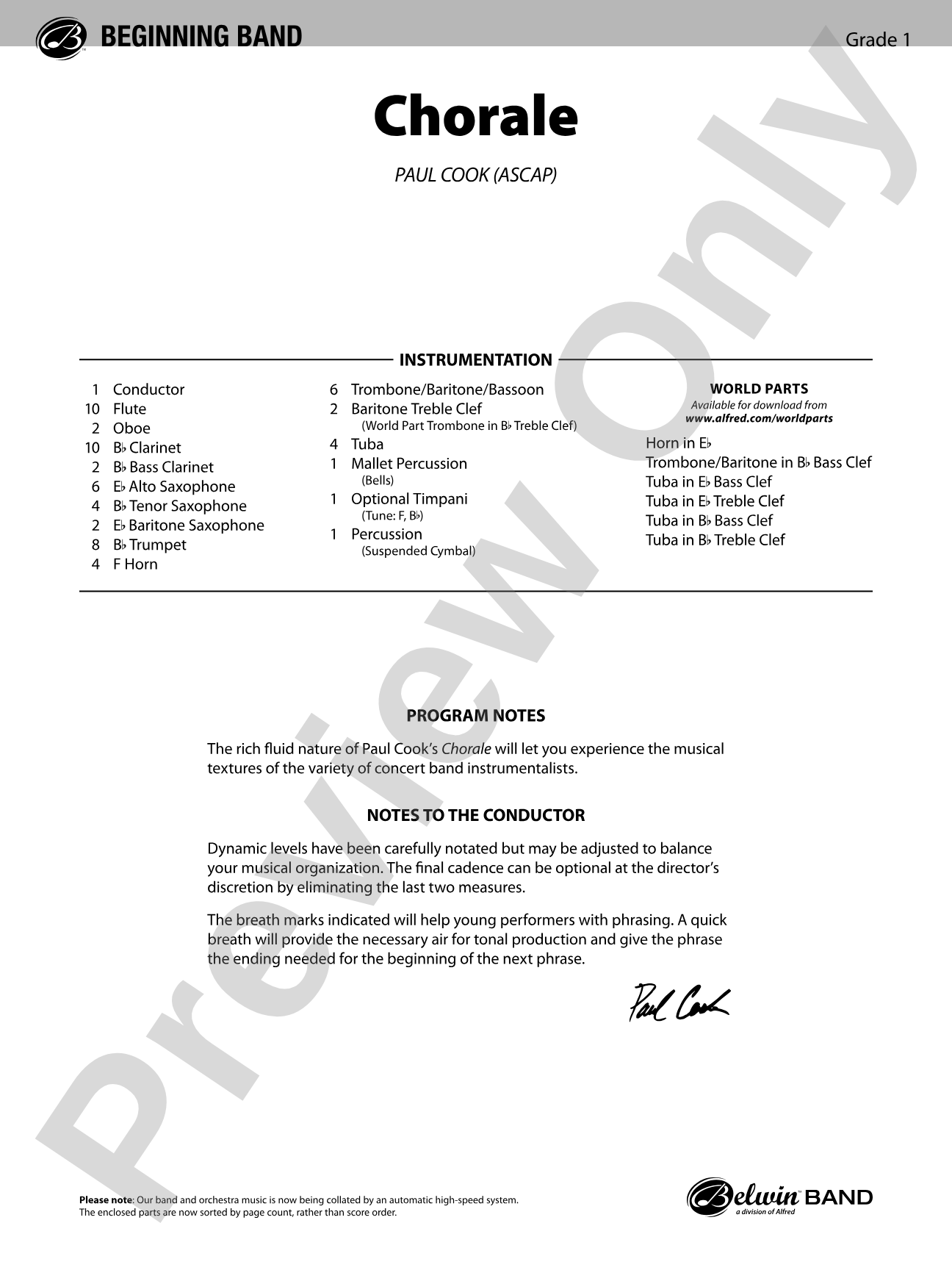
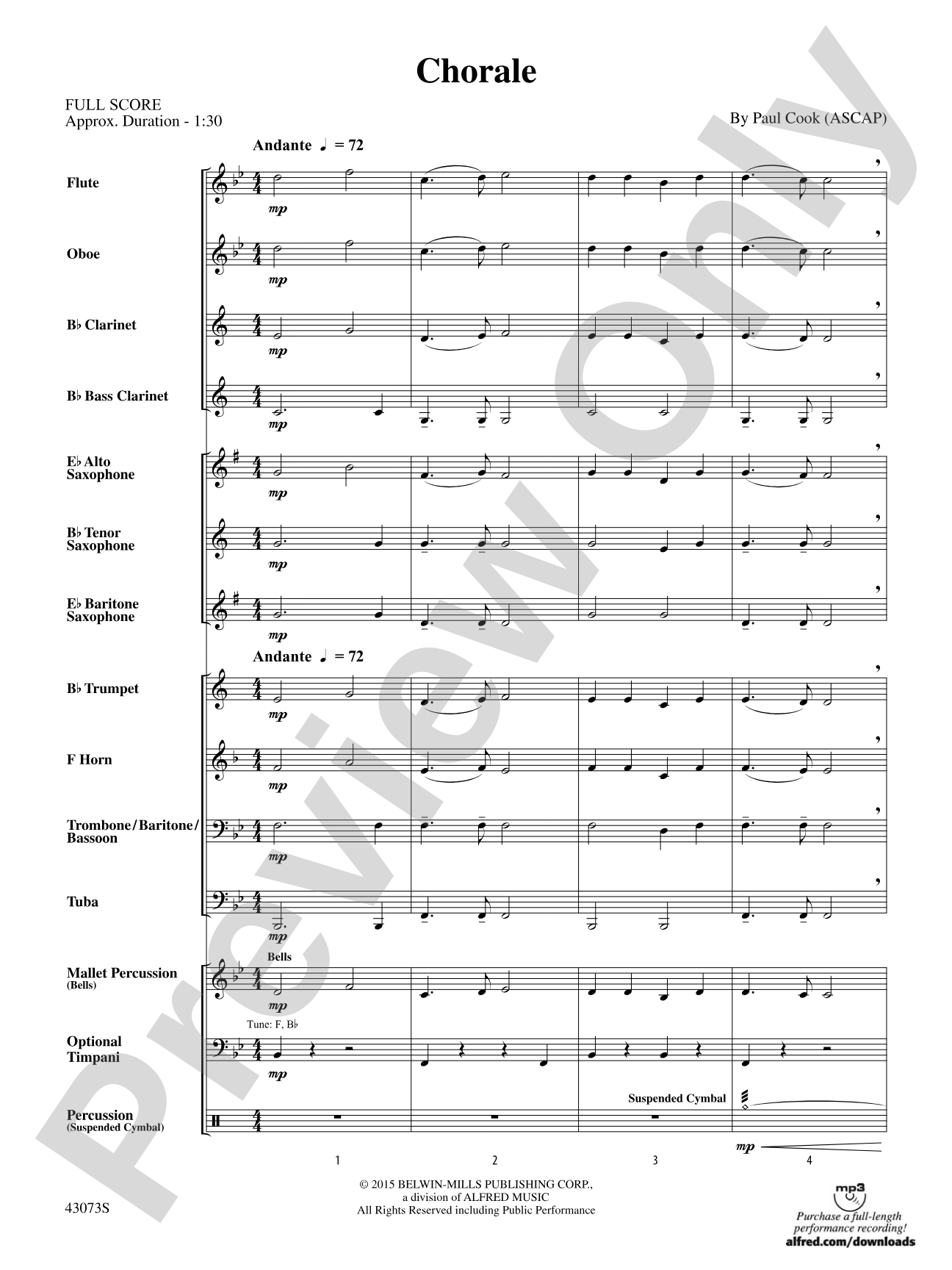
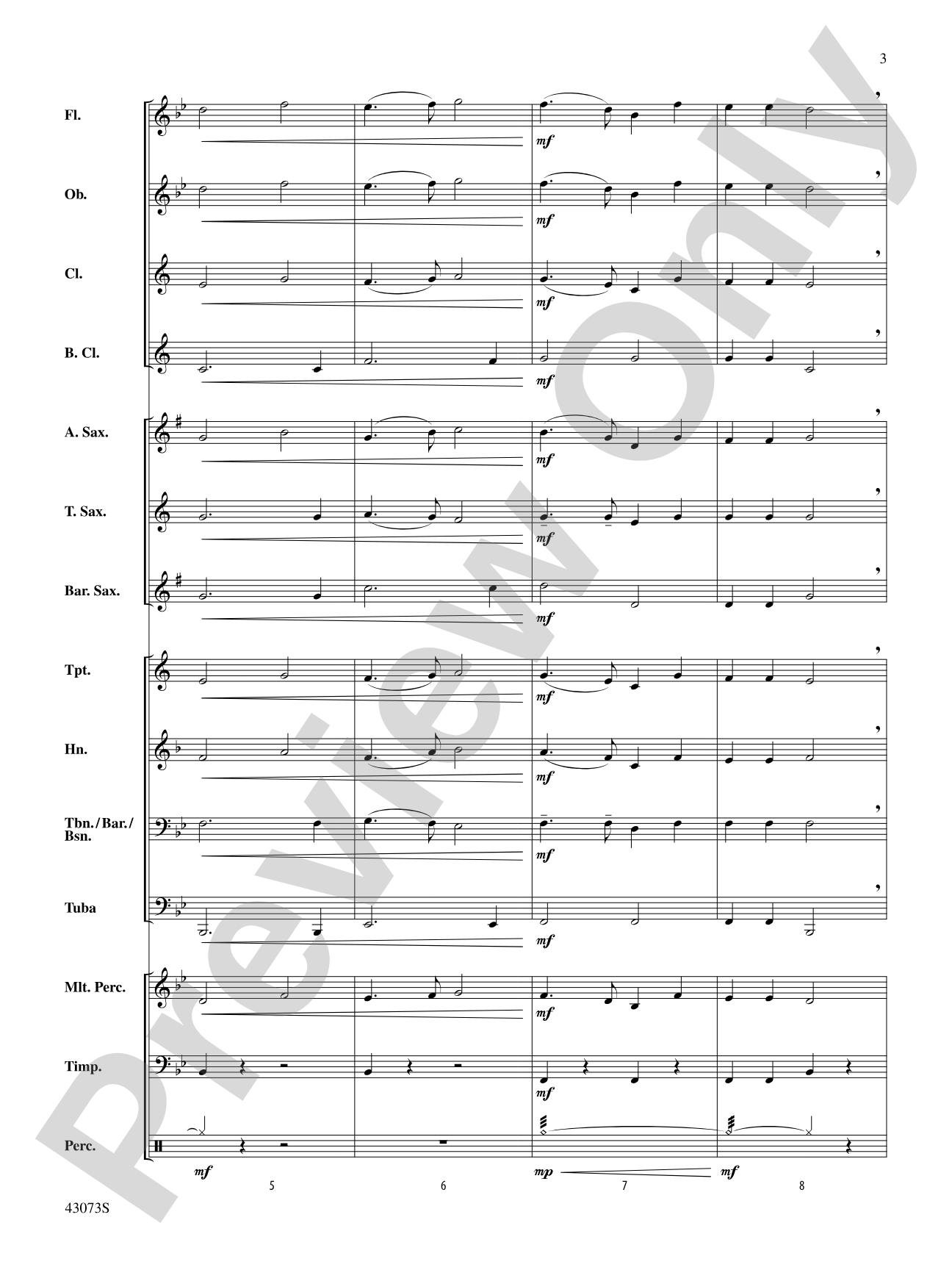
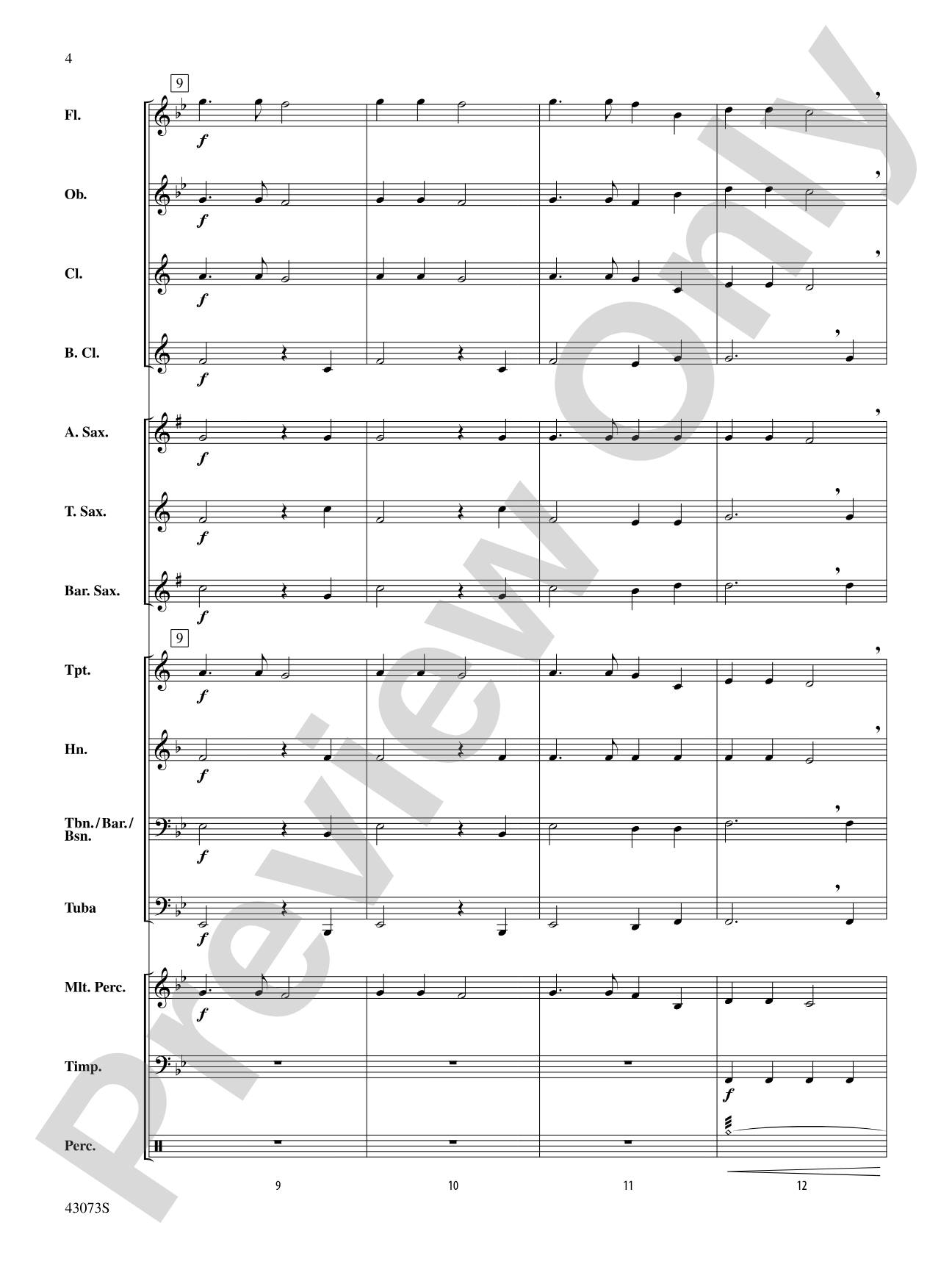
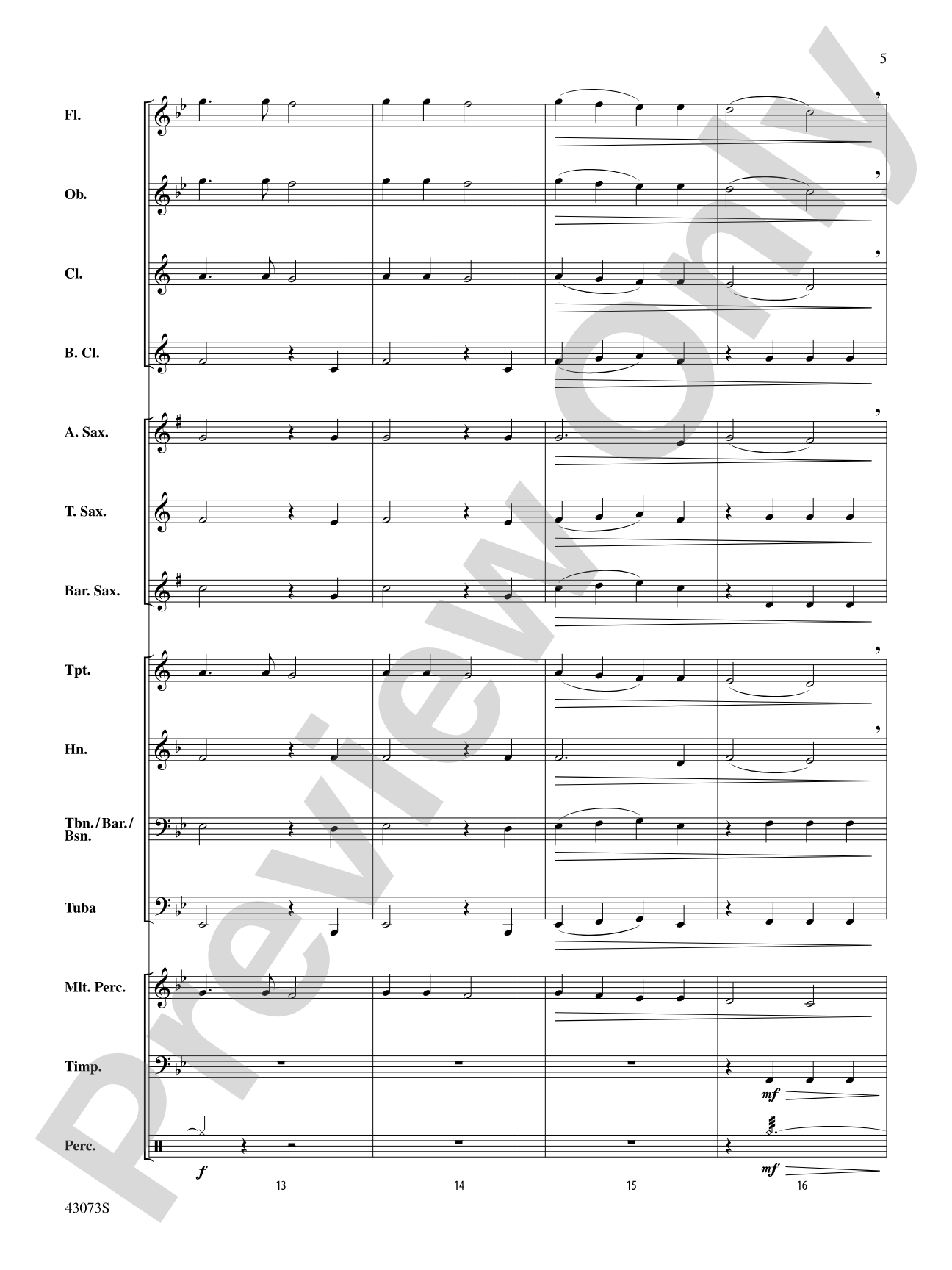
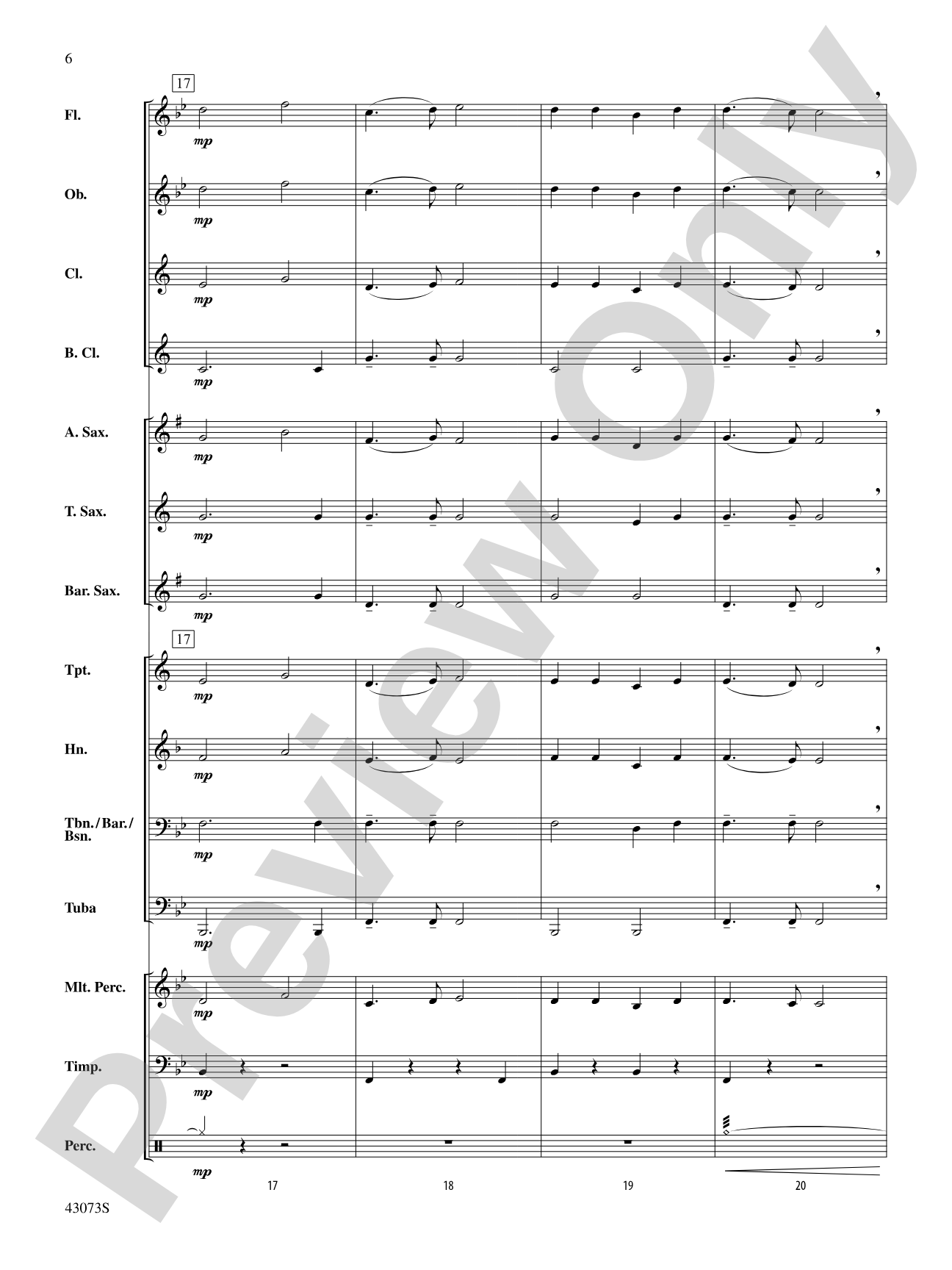
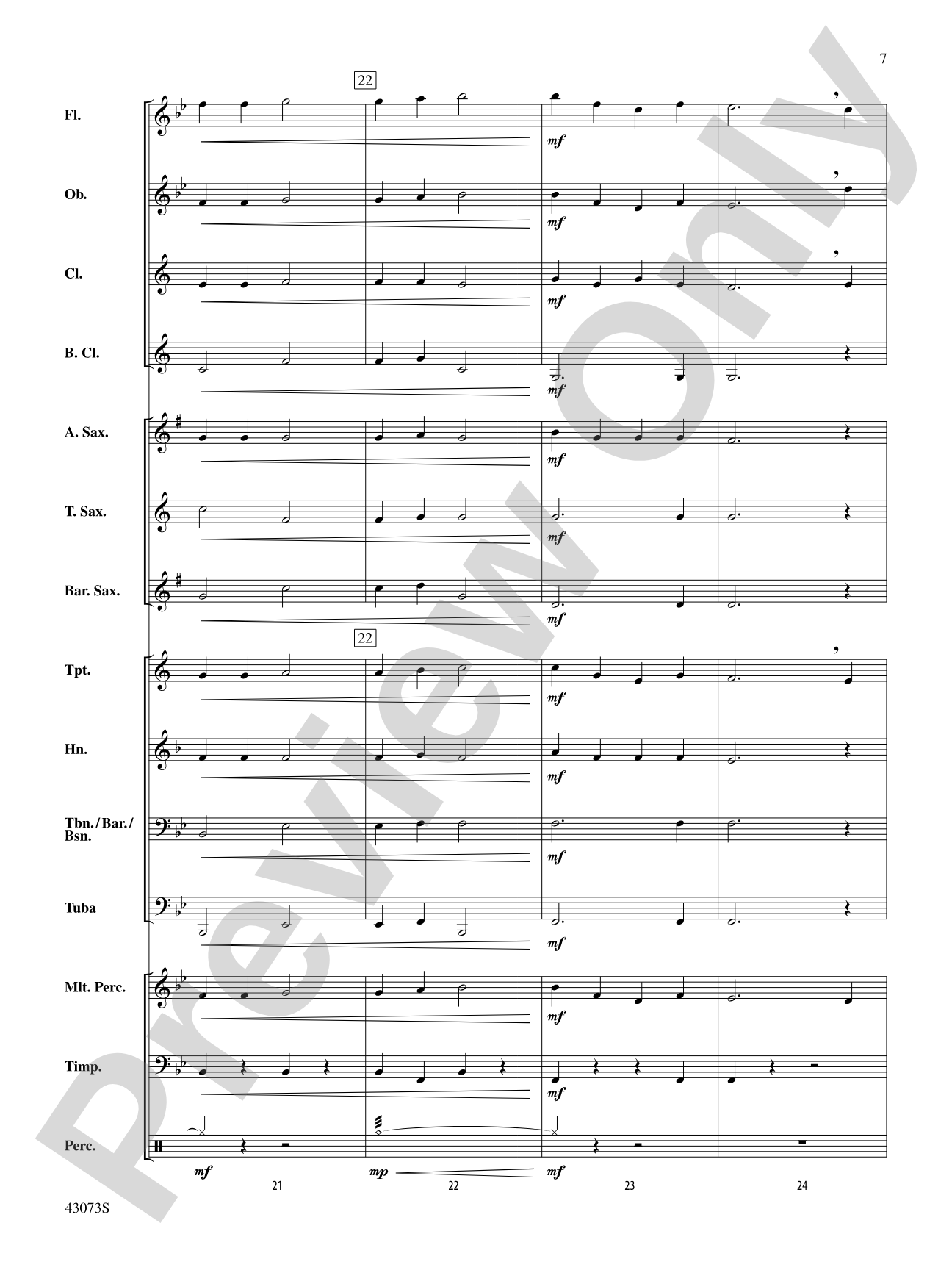
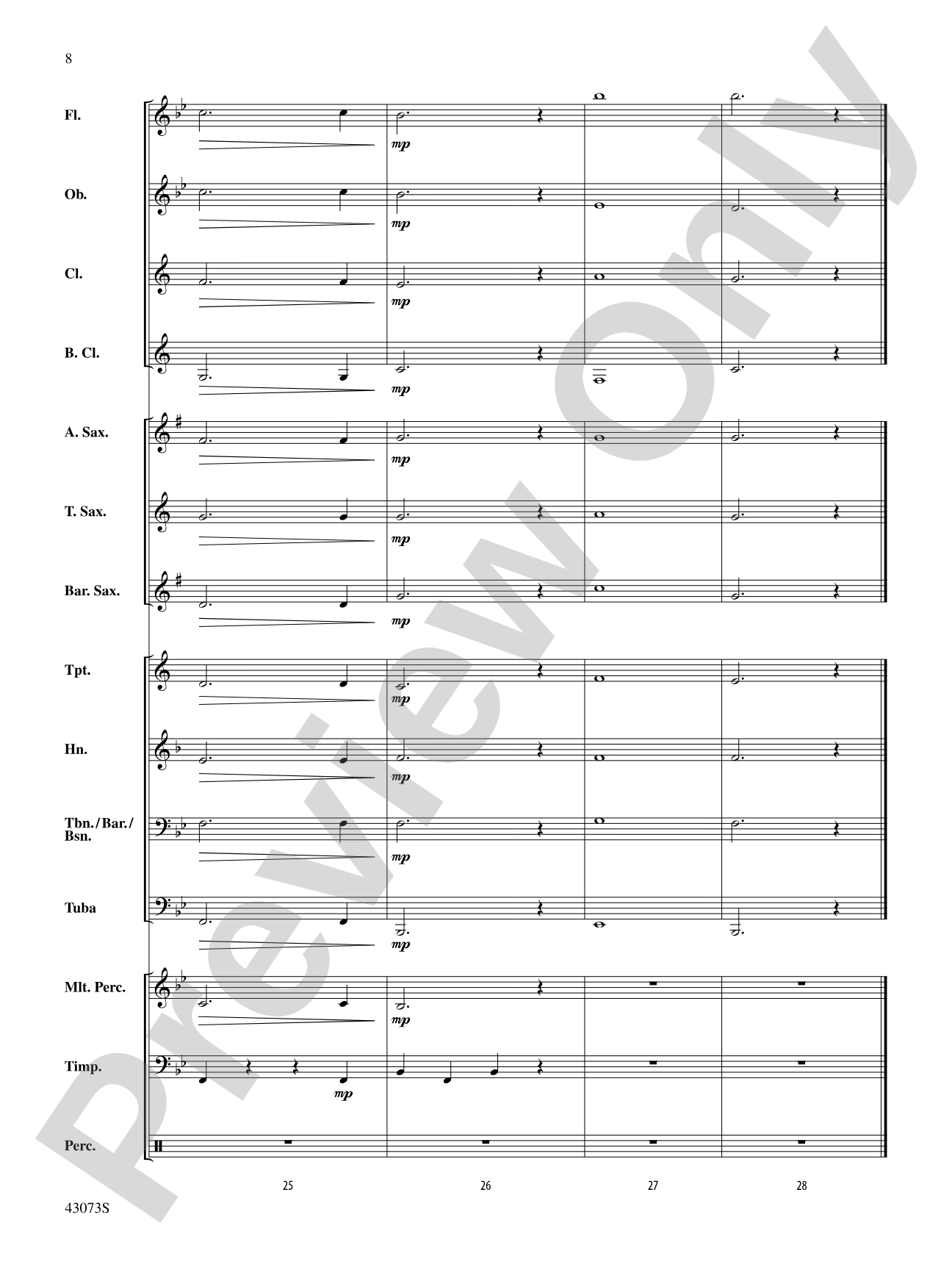
Written for first year performers, "Chorale" will provide a charming musical addition to programming, warm-up, and instrumental study---especially the introduction or reinforcement of dotted-quarter notes. Careful attention to balance, blend, dynamics, and phrasing will enhance your students' musicianship. (1:30)


Don't just read it, hear it, play along with it, and watch your students grow with it. In MakeMusic Cloud, Chorale: Concert Band Conductor Score & Parts comes alive with professional accompaniment, adjustable tempo, and built-in practice tools that turn solo practice into real progress.
Open in the Player
Jump straight in and assign it today.
Start Your Free Trial
Open this title and explore the full library in minutes.
Sample Audio
1
Audio File
--:--
0:00
0:00
Sample Video
No sample videos found.
Additional Details
Series:
Belwin Beginning Band
Publisher:
Alfred Music
Page Count:
126
SKU:
00-PK-0006481
More about this title
Why we love this
Paul Cook designed this piece specifically for young ensembles, and it shows in every measure. The writing sits comfortably in the first-year range while asking musicians to engage with genuine musical decisions about balance and phrasing, not just notes. It's the kind of piece that sounds purposeful and complete even at Grade 1, which is harder to pull off than it looks.
What to expect
A warm, flowing piece that feels more like music than a etude. The chorale style creates space for young players to hear each other and respond musically without overwhelming complexity.
Who it's for
Beginning band conductors working with first-year students who are still building fundamental skills. This is ideal for ensembles that have covered basic rhythmic figures and are ready to tackle dotted quarters in a musical context rather than an exercise.
How to get the most out of it
- Isolate the dotted-quarter rhythms in sectionals before full ensemble rehearsal. Have each section clap or tap the pattern independently, then layer parts together gradually.
- Shape phrases as complete musical thoughts rather than stopping at phrase breaks. Let the line breathe but keep the line alive.
- Balance the melodic voice against supporting parts by having non-melody sections listen critically during rehearsal. Remind them that their job is to support, not compete.
How to use it
Program this early in a concert to establish musicianship as a priority from the start. It works well as a warm-up vehicle when you need to address balance and phrasing in front of an audience, or pair it with contrasting repertoire to show range within the beginning band level.
Skills your students will build
- Reading and executing dotted-quarter note rhythms
- Listening for balance between melody and harmony parts
- Shaping musical phrases with intentional breath placement
- Responding to dynamic markings and phrasing indications in ensemble context