

Chopin: Twenty-Five Preludes, Op. 28-45
By Frédéric Chopin
Item: 00-PC-0003023
$0.99
Pickup currently not available
Description
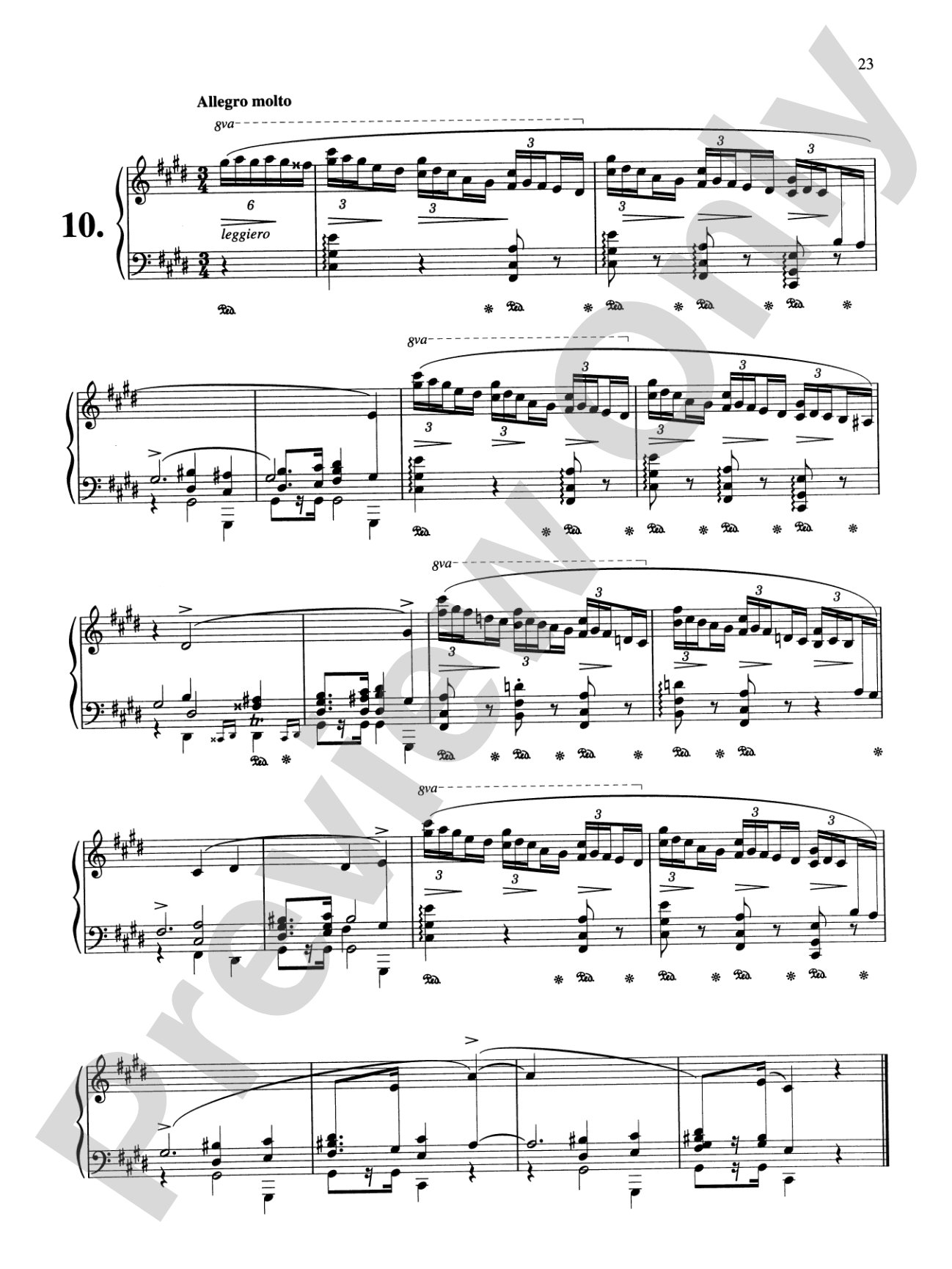
"Newly engraved 2000 Edition with larger notation for easier reading." Chopin's 24 Preludes, Op. 28, are a set of short pieces for piano, one in each of the twenty-four keys, originally published in 1839. The Prelude in C-sharp minor, Op. 45 (sometimes listed as Prelude No. 25), was composed in 1841. Although the term "prelude" is generally used to describe an introductory piece, Chopin's preludes stand as self-contained units, each conveying a specific idea or emotion.


Don't just read it, hear it, play along with it, and watch your students grow with it. In MakeMusic Cloud, Chopin: Twenty-Five Preludes, Op. 28-45 comes alive with professional accompaniment, adjustable tempo, and built-in practice tools that turn solo practice into real progress.
Open in the Player
Jump straight in and assign it today.
Start Your Free Trial
Open this title and explore the full library in minutes.
Sample Audio
No sample audio found.
Sample Video
No sample videos found.
Additional Details
Series:
Kalmus Edition
Publisher:
Alfred Music
Page Count:
76
SKU:
00-PC-0003023
More about this title
About the Composer: Frédéric Chopin
Frédéric Chopin (1810-1849) was a Polish composer and virtuoso pianist whose innovations in keyboard writing transformed nineteenth-century music. His output, though modest in size, reveals a compositional mind obsessed with melody, harmonic subtlety, and the expressive possibilities of the piano itself. Chopin's influence on piano pedagogy and repertoire remains profound; his works demand both technical refinement and interpretive maturity from performers.
Though Chopin composed in many forms, his preludes represent a watershed moment in musical literature. Where Bach's Well-Tempered Clavier sought to demonstrate technical facility across all keys, Chopin's Op. 28 set treats each key as a distinct emotional and textural landscape. These pieces function as miniature character studies, each self-contained yet collectively forming a comprehensive journey through harmonic and stylistic terrain.
Why we love this
This newly engraved 2000 edition restores clarity to works that have suffered through generations of dense, cramped editions. The larger notation dramatically improves readability during learning and performance, reducing the cognitive load of deciphering small print and allowing students to focus on interpretation. For advanced pianists exploring the complete opus, this collection offers all 25 preludes in a single, manageable volume.
What to expect
Chopin's preludes sweep across a landscape of moods: from tender introspection and melancholic beauty to stormy urgency and virtuosic brilliance. Each piece occupies its own emotional world, yet together they form a comprehensive portrait of Romantic sensibility, where intimate lyricism and explosive passion coexist. Performing these works connects you to one of the piano's most influential voices.
Who it's for
Advanced pianists preparing recitals, conservatory students studying Romantic-era repertoire, and experienced amateurs seeking substantial, artistically rewarding material at the professional level. This collection suits performers ready to engage with works that demand technical precision alongside nuanced musical expression.
How to get the most out of it
- Study the harmonic structure of each prelude before diving into technical detail; Chopin's voice leading often reveals the emotional architecture underneath the surface figuration.
- Approach tempo markings as interpretive guideposts rather than metronomic absolutes. The Op. 28 preludes benefit from rubato and subtle flexibility within an overall sense of direction.
- Attend closely to pedal markings and experiment with half-pedal techniques to achieve the sonorous, blended textures Chopin intended, especially in the more lush harmonic progressions.
- Practice each prelude in its neighboring keys for several weeks before returning to the original; this deepens your understanding of why Chopin chose specific tonal centers for each piece.
How to use it
Feature individual preludes within themed recital programs (for example, pairing the Prelude in E minor, Op. 28 No. 4 with other somber nocturnes or character pieces). Alternatively, program a complete cycle of the Op. 28 set as a standalone concert event, a tradition well established in recital halls. Selections from the collection also pair effectively with works by Liszt, Brahms, or other Romantic-era composers exploring keyboard color and harmonic innovation.
Skills your students will build
- Interpreting rubato and flexible tempo within structured harmonic frameworks
- Understanding chromatic voice leading and Chopin's approach to harmonic progression
- Executing complex pedaling techniques to achieve transparency and sonority simultaneously
- Building fluency across all major and minor keys through systematic study
- Balancing virtuosic passage work with lyrical singing tone
- Reading larger engraved notation with confidence and accuracy