
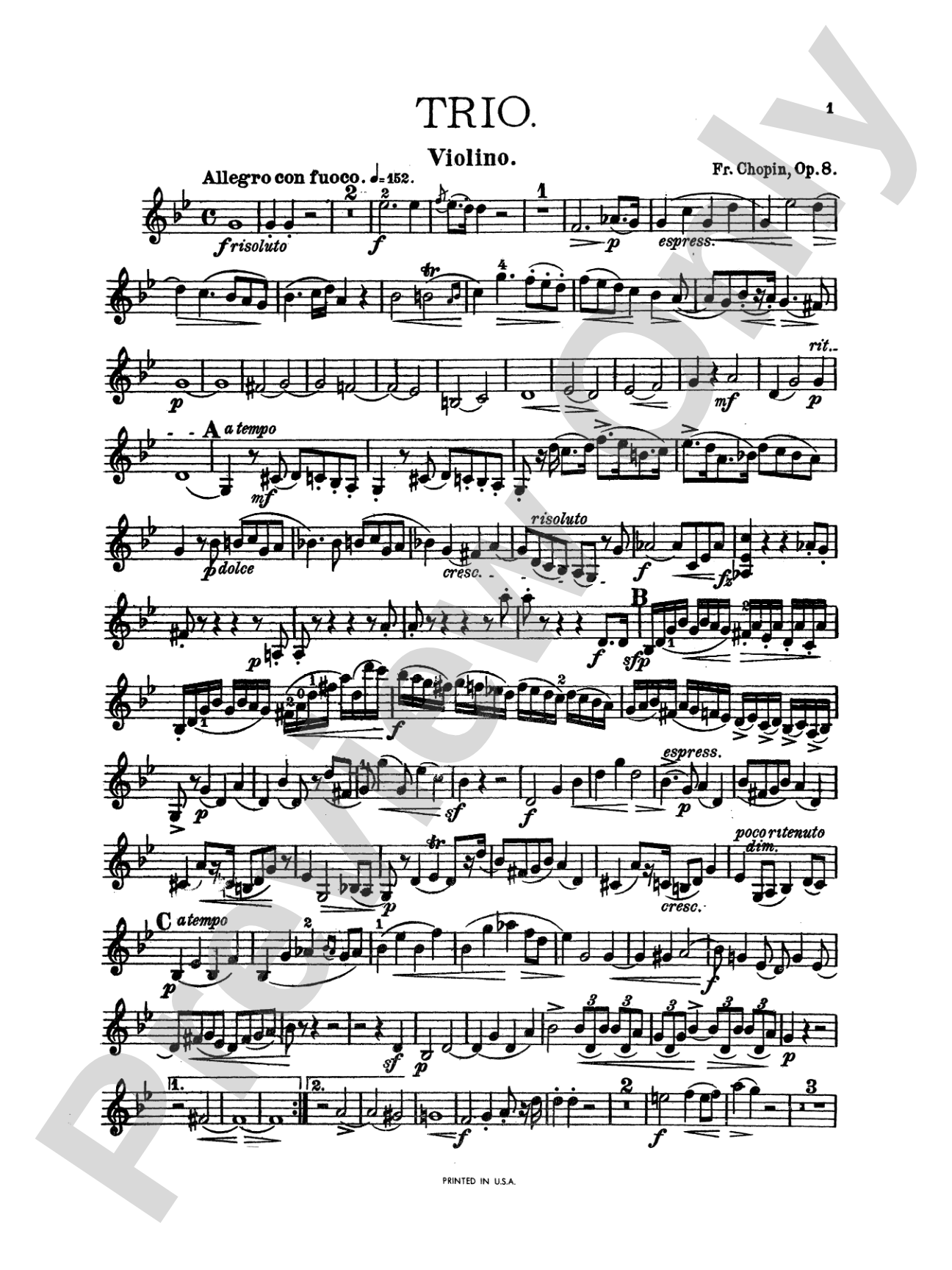
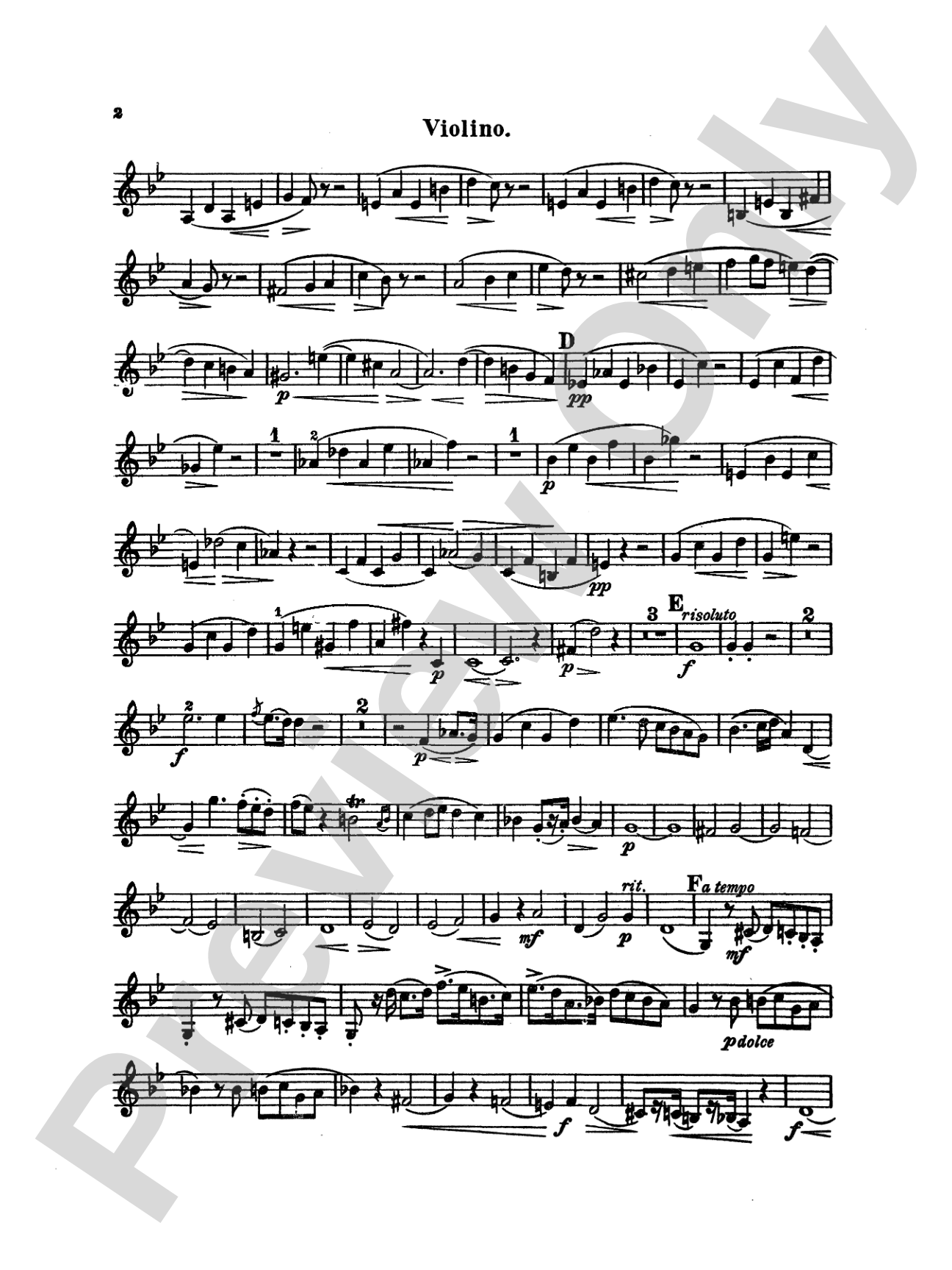
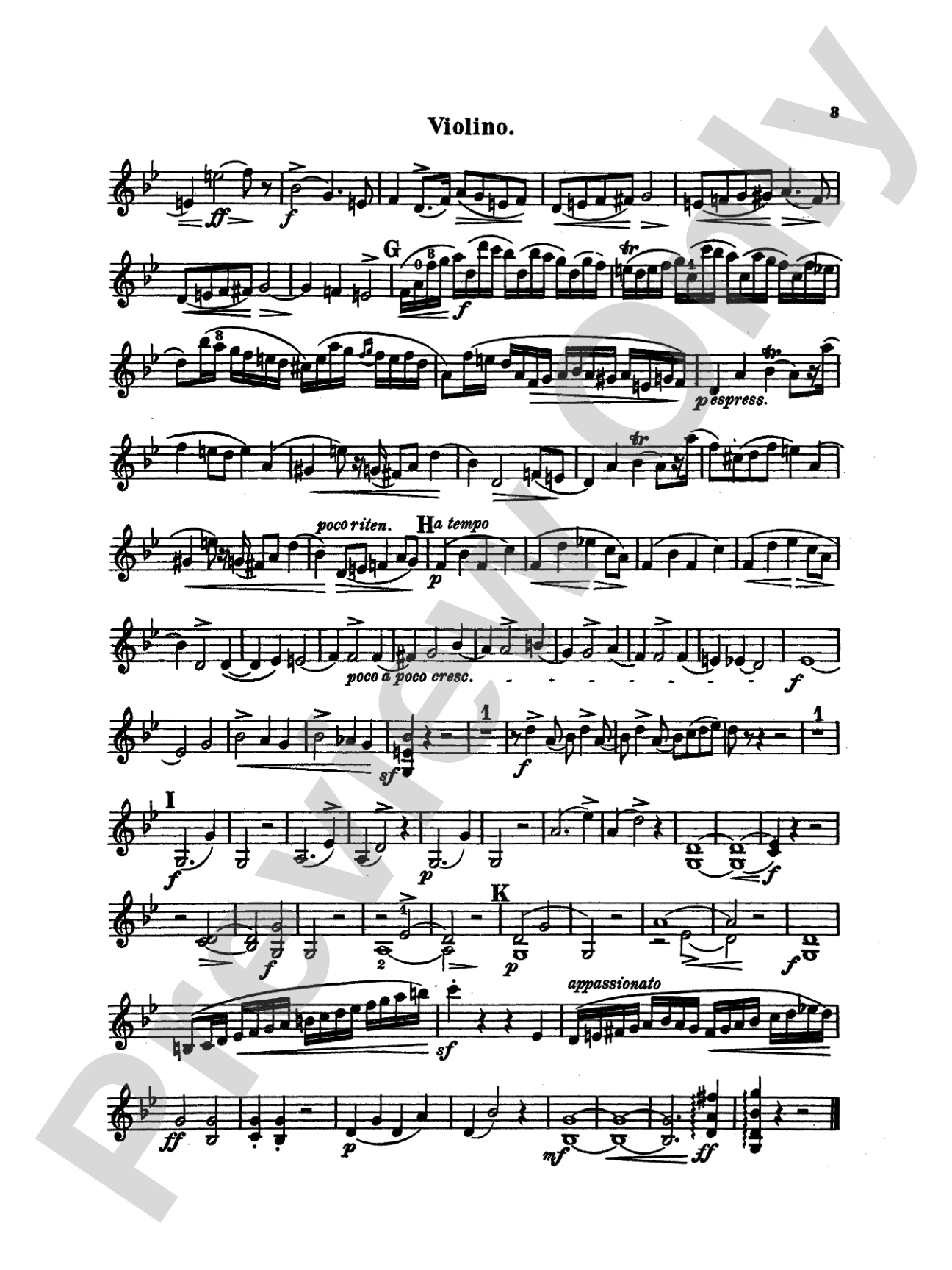
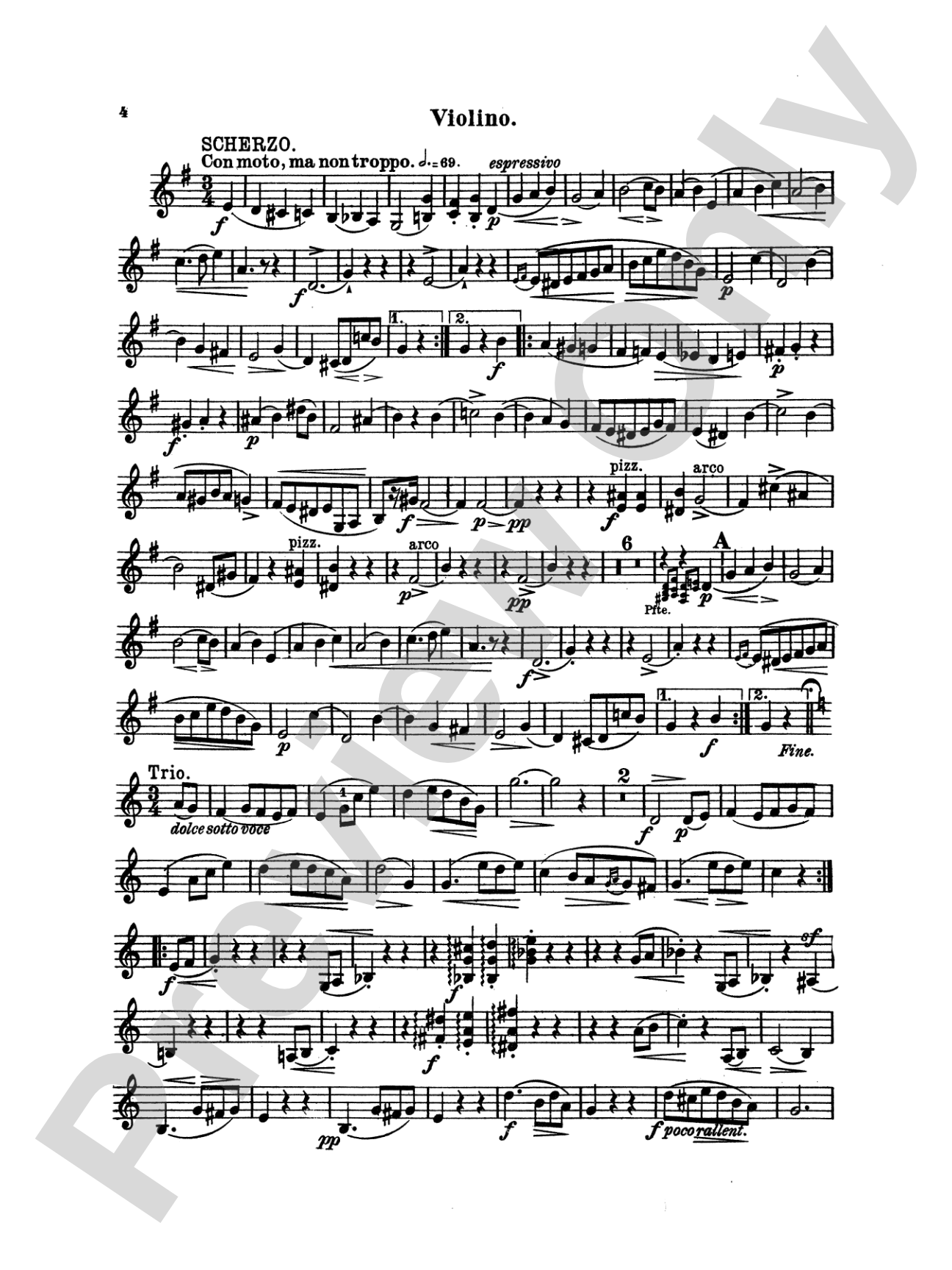
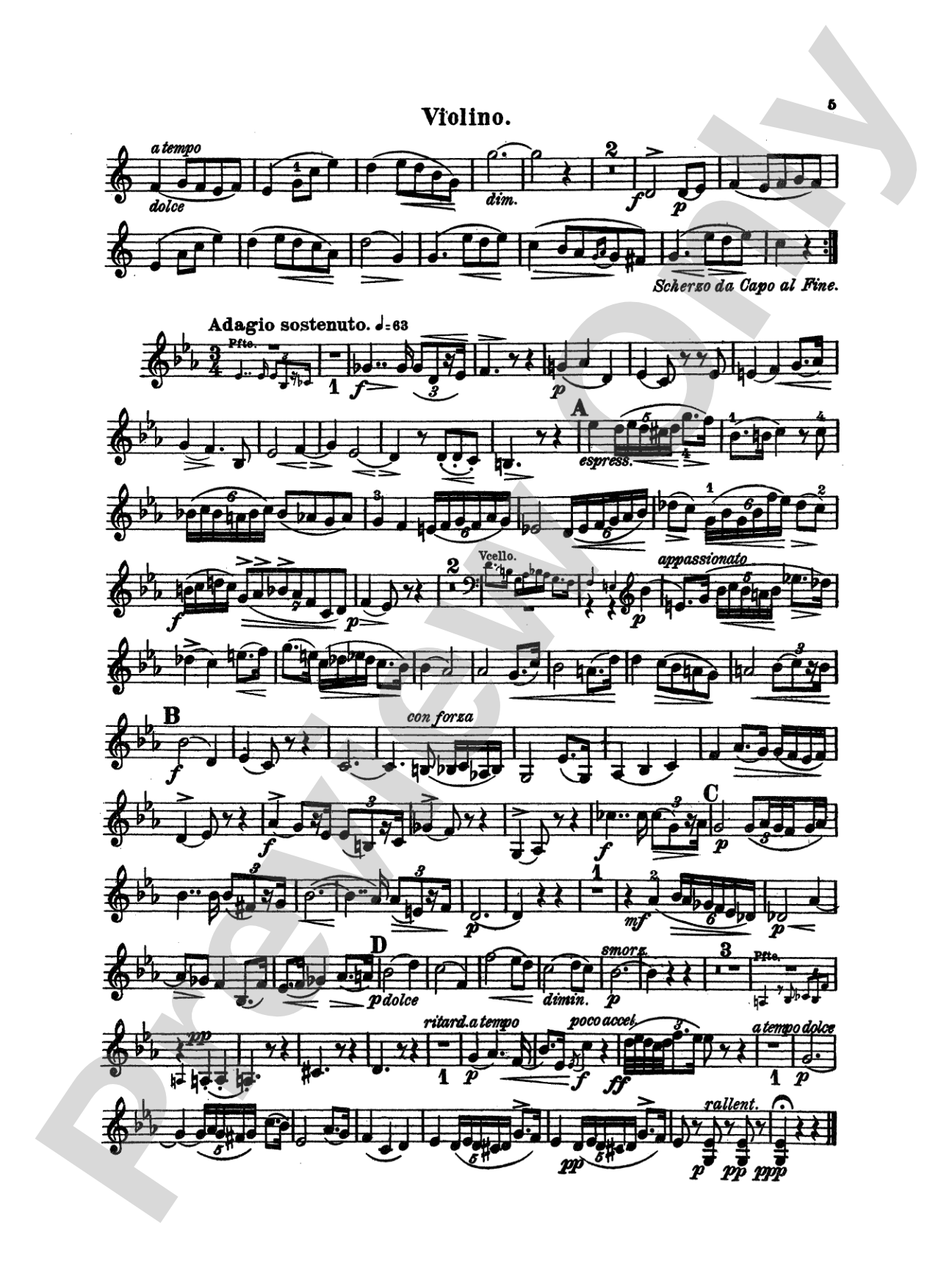
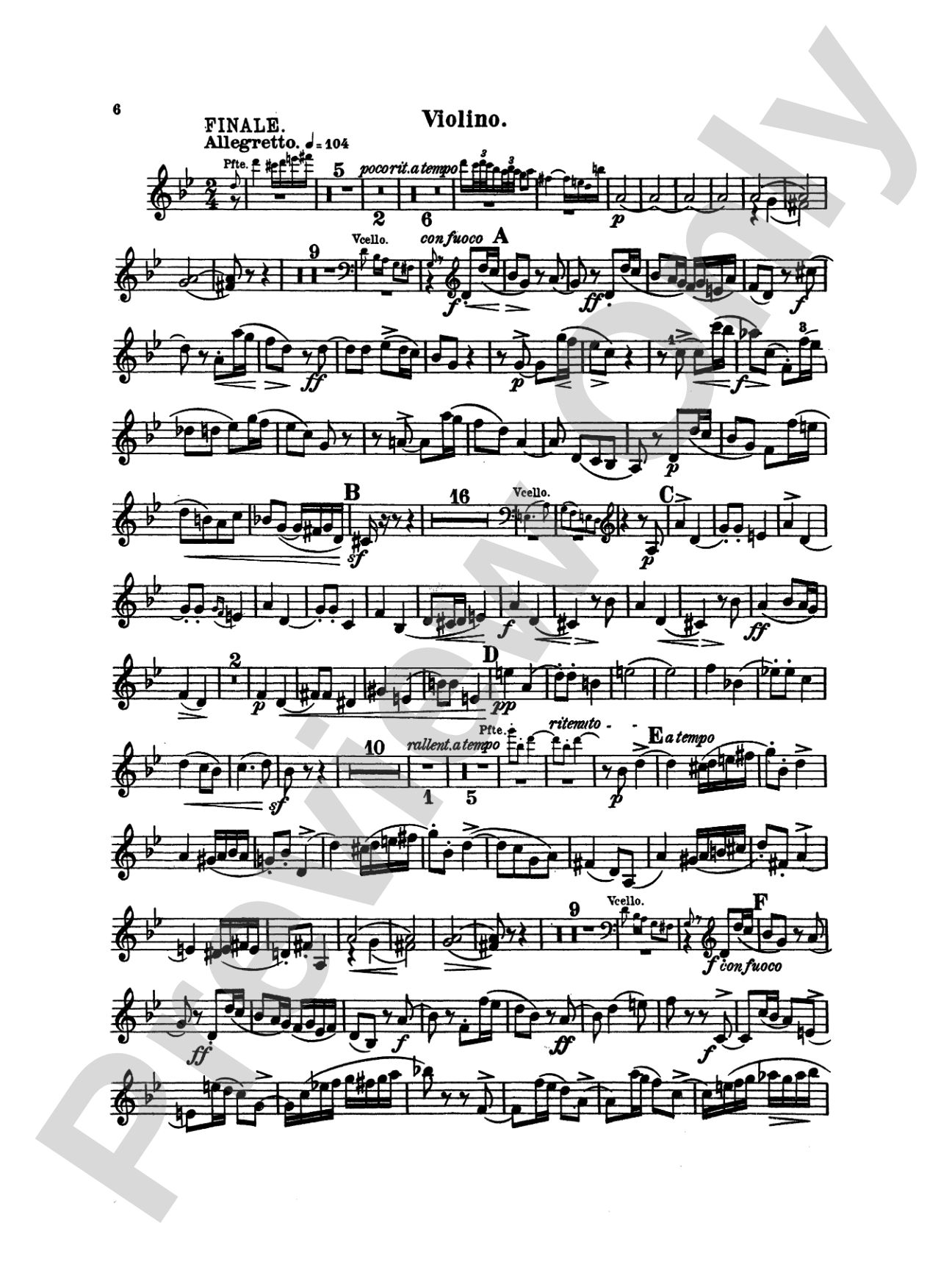
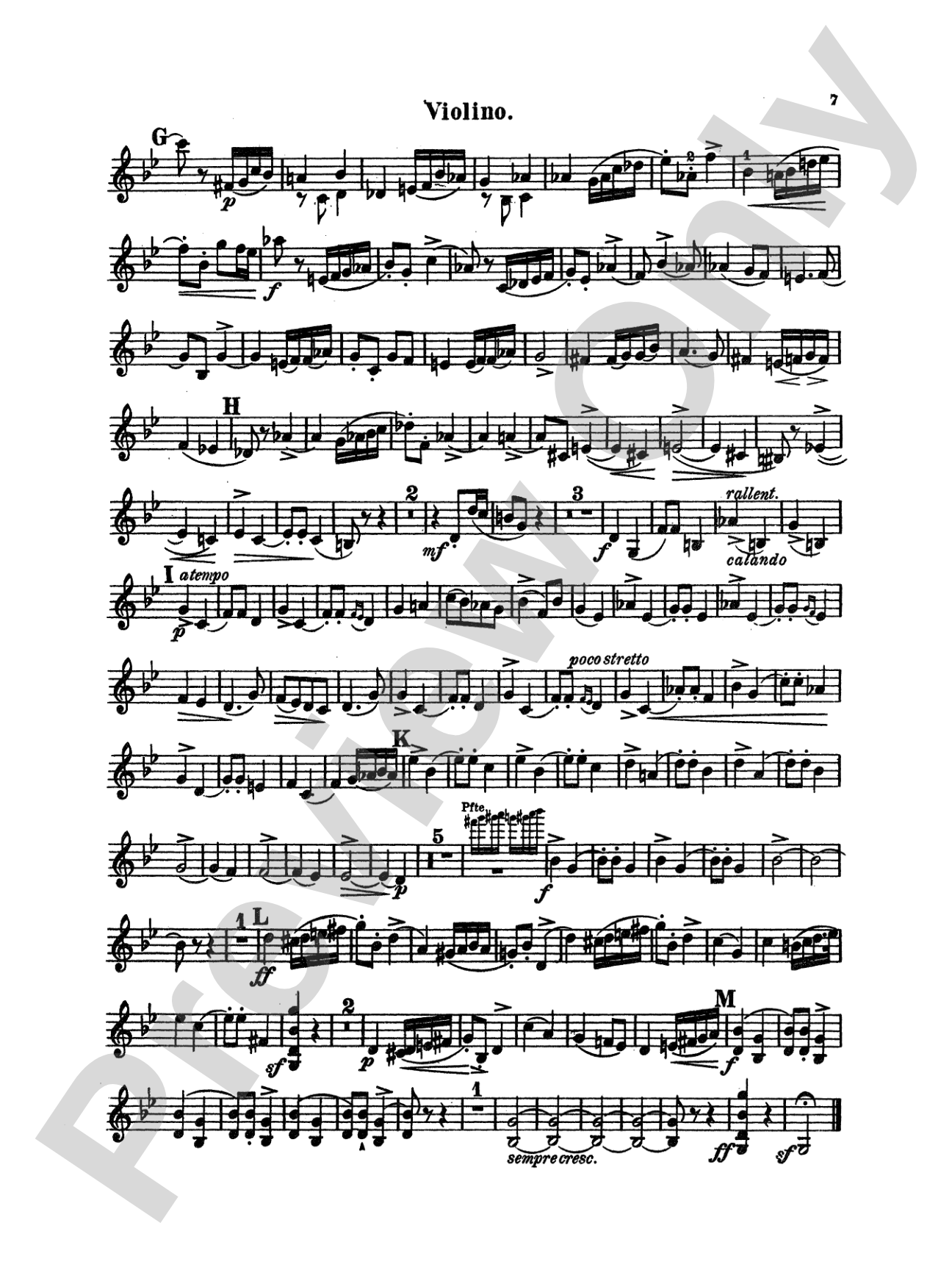


Chopin: Trio in G Minor, Op. 8: Chamber Trio Book
By Frédéric Chopin; Edited by Mily Alexeyevich Balakirev
Item: 00-PK-0003815
$17.99
Pickup currently not available
Buy Extra Parts (Digital PDF Download)
| Product | Price | Quantity |
|---|---|---|
| Chopin: Trio in G Minor, Op. 8 | $4.99 | |
| Chopin: Trio in G Minor, Op. 8 | $4.99 | |
| Chopin: Trio in G Minor, Op. 8 | $4.95 |
Parts Added to Cart!
Related Items
Piano Trio in G Minor, Opus 8: Chamber Trio Book |
$17.95
|
View |
Description
Composed by Frédréric Chopin, this trio is written for Violin, Cello, and Piano.


Chopin: Trio in G Minor, Op. 8: Chamber Trio Book isn't in MakeMusic Cloud just yet...but it could be. Let us know you'd like to see it, and you'll help shape what comes next. In the meantime, start a free trial and dive into thousands of interactive titles your students can play along with today.
Request This Title
Tell us you want it.
Start Your Free Trial
Explore everything that's ready to play right now.
Sample Audio
No sample audio found.
Sample Video
No sample videos found.
Additional Details
Series:
Kalmus Edition
Publisher:
Alfred Music
Page Count:
64
SKU:
00-PK-0003815
Instrumentation:
Piano, Violin & Cello
More about this title
About the Composer: Frédéric Chopin
Frédéric Chopin (1810-1849) transformed the piano into a vehicle for intimate expression and brought Romantic sensibility to chamber music. Though celebrated primarily for his solo piano works, Chopin composed three chamber masterworks that reveal his gift for writing across the ensemble, combining lyrical depth with structural sophistication.
Chopin's approach to ensemble writing prioritized the voice of each instrument while maintaining the poetic intensity that defines his style. The Trio in G Minor stands as proof that his genius extended beyond the keyboard, offering chamber musicians the chance to explore one of the nineteenth century's most substantial works for this configuration.
Why we love this
This trio balances technical demands with genuine musical substance, making it ideal for advancing chamber ensembles. The work requires secure ensemble coordination and stylistic maturity but rewards careful preparation with one of Romantic music's most rewarding collaborative experiences. Programming this piece signals serious artistic intent and exposes musicians to chamber repertoire that sits comfortably alongside the concert standards.
What to expect
Brooding elegance defines the opening, where the piano's restless accompaniment supports a melancholic violin melody that the cello soon echoes. The work unfolds with the introspection of Chopin's Nocturnes, interrupted by moments of passion and yearning that feel both intimate and dramatically urgent. By its final pages, this trio achieves a kind of Romantic resignation, intimate yet profound.
Who it's for
Advanced chamber ensembles seeking substantial Romantic repertoire and musicians ready for the interpretive demands of Chopin's writing. Violin, cello, and piano players preparing for festival performances, competitions, or serious recital programming will find technical and musical challenges that merit deep study.
How to get the most out of it
- Establish rhythmic flexibility early in rehearsals. Chopin's phrases breathe, and the piano part especially requires rubato that the strings must follow without rushing; lock the basic tempo first, then shape the lines together.
- Balance the violin and cello solos against the piano's accompanying texture. The piano often carries harmonic and textural responsibility; resist the urge to fill every space, allowing the strings to sing.
- Attend to dynamic shaping across multiple measures rather than within individual phrases. Chopin builds intensity through subtle accumulation, not sudden gestures; plan your long-arc crescendos collectively.
- Identify the emotional pivot points in each movement and rehearse transitions deliberately. This work shifts character unexpectedly; moving through these moments with intention keeps the ensemble unified.
How to use it
This trio works powerfully as the centerpiece of a chamber recital or as a major selection in a festival that features Romantic repertoire. Pair it with other nineteenth-century chamber works to contextualize Chopin's approach to ensemble writing, or program it alongside his solo piano music to show the breadth of his compositional voice.
Skills your students will build
- Romantic-era rubato and phrasing across an ensemble
- Long-line dynamic shaping and tension building
- Balancing three independent voices while maintaining ensemble unity
- Stylistic interpretation of lyrical, song-like melodic material
- Coordinating complex cross-rhythms between strings and piano
- Sustaining musical focus through introspective passages without rushing