
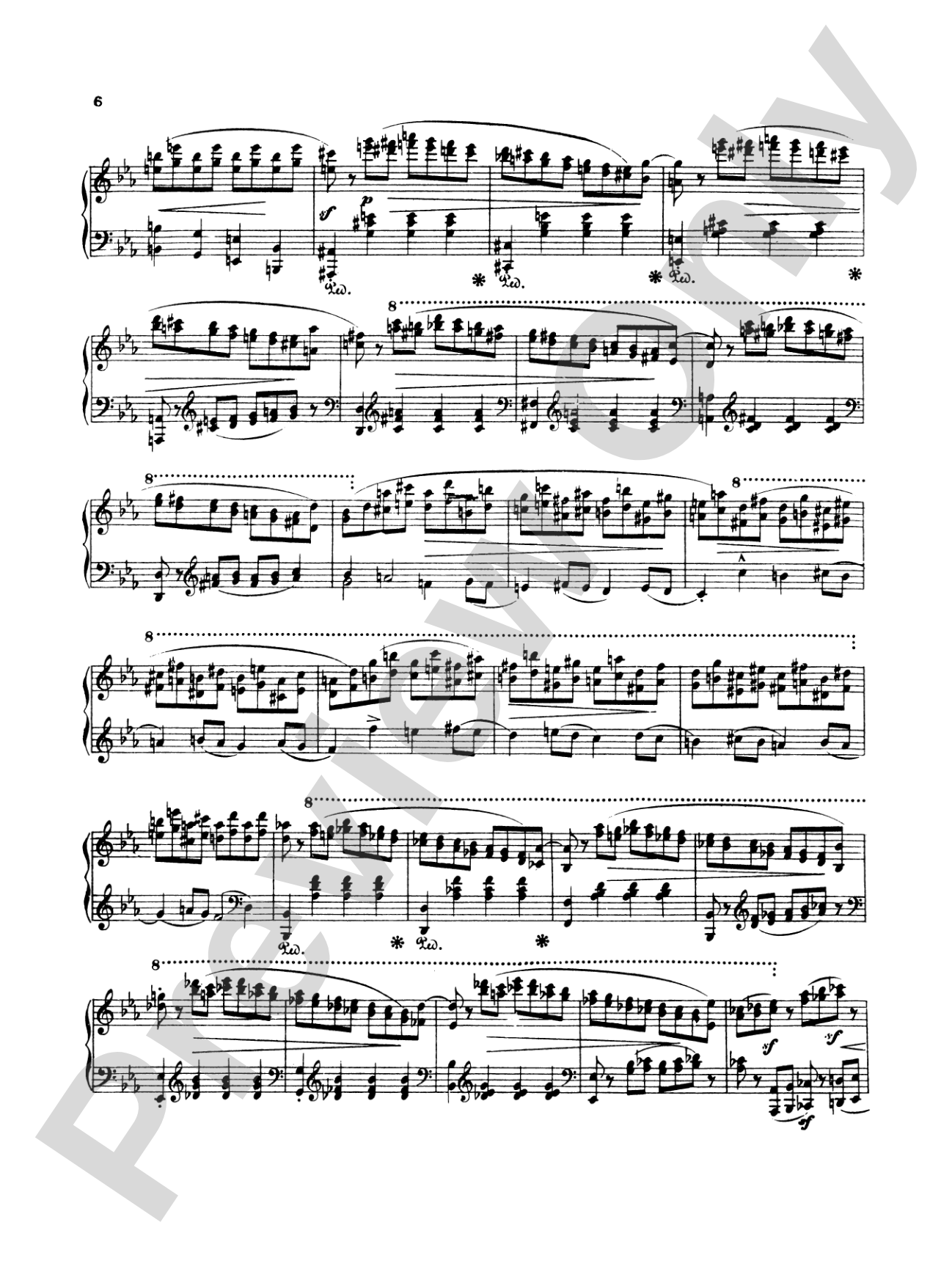
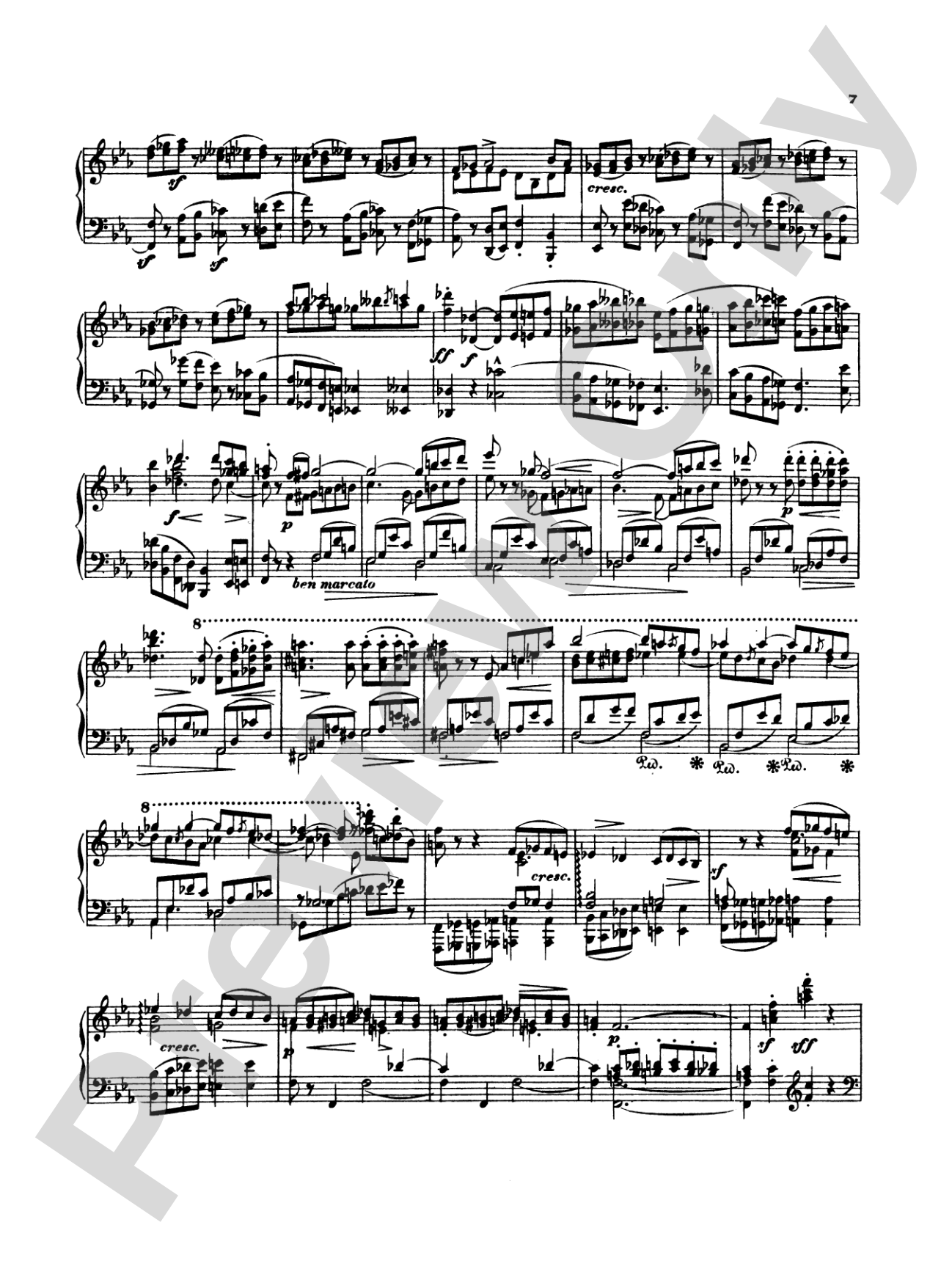
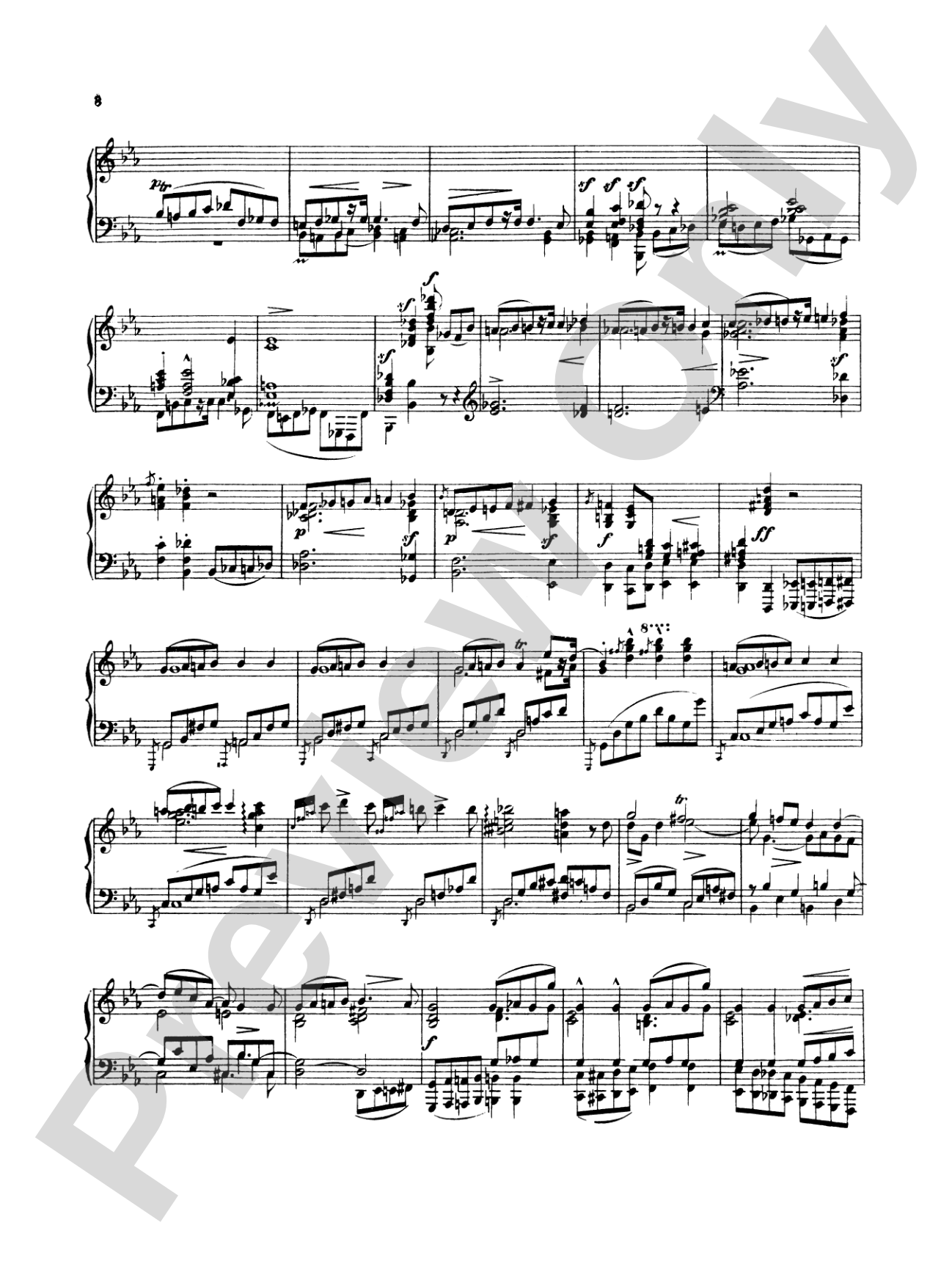
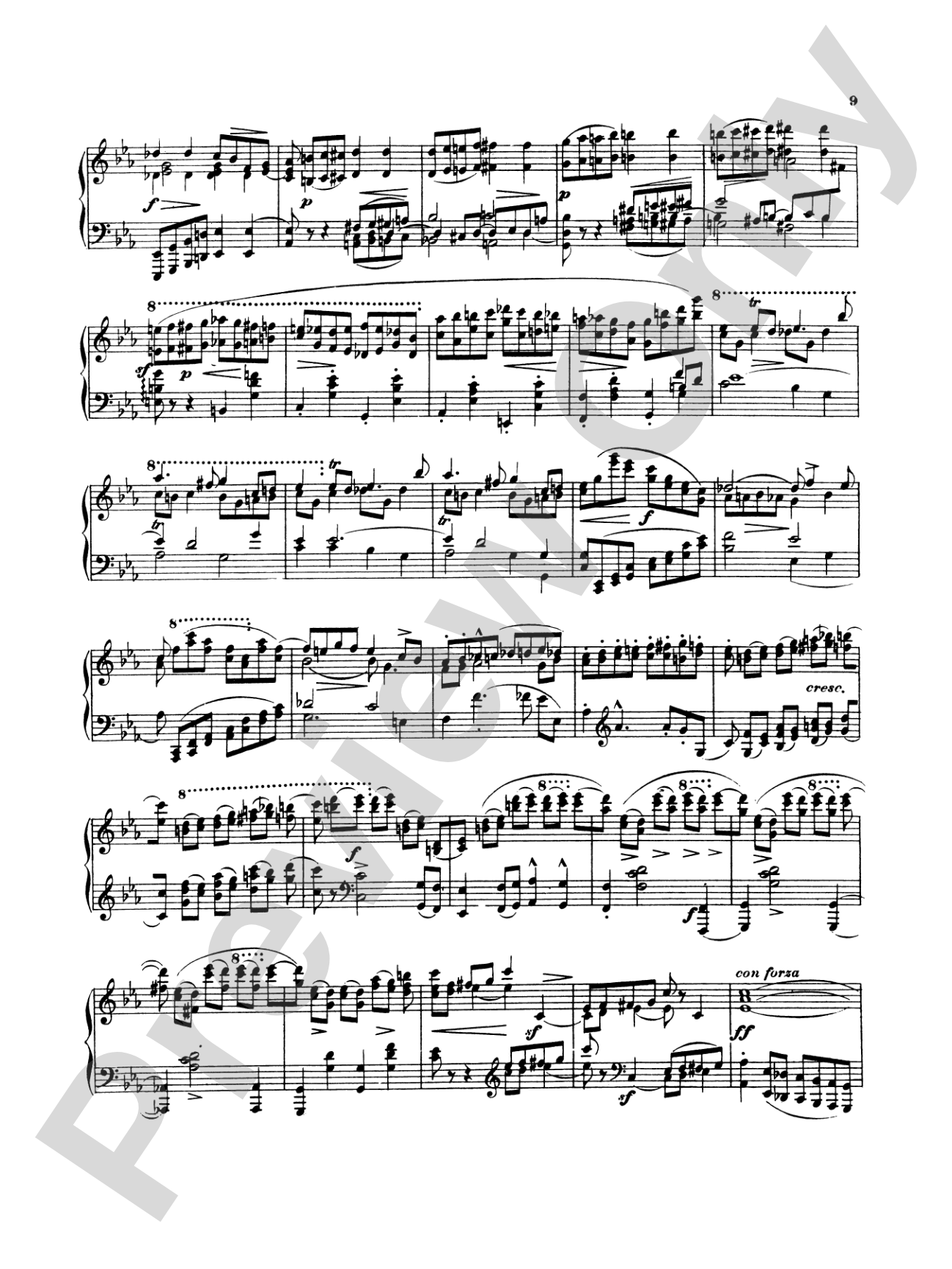
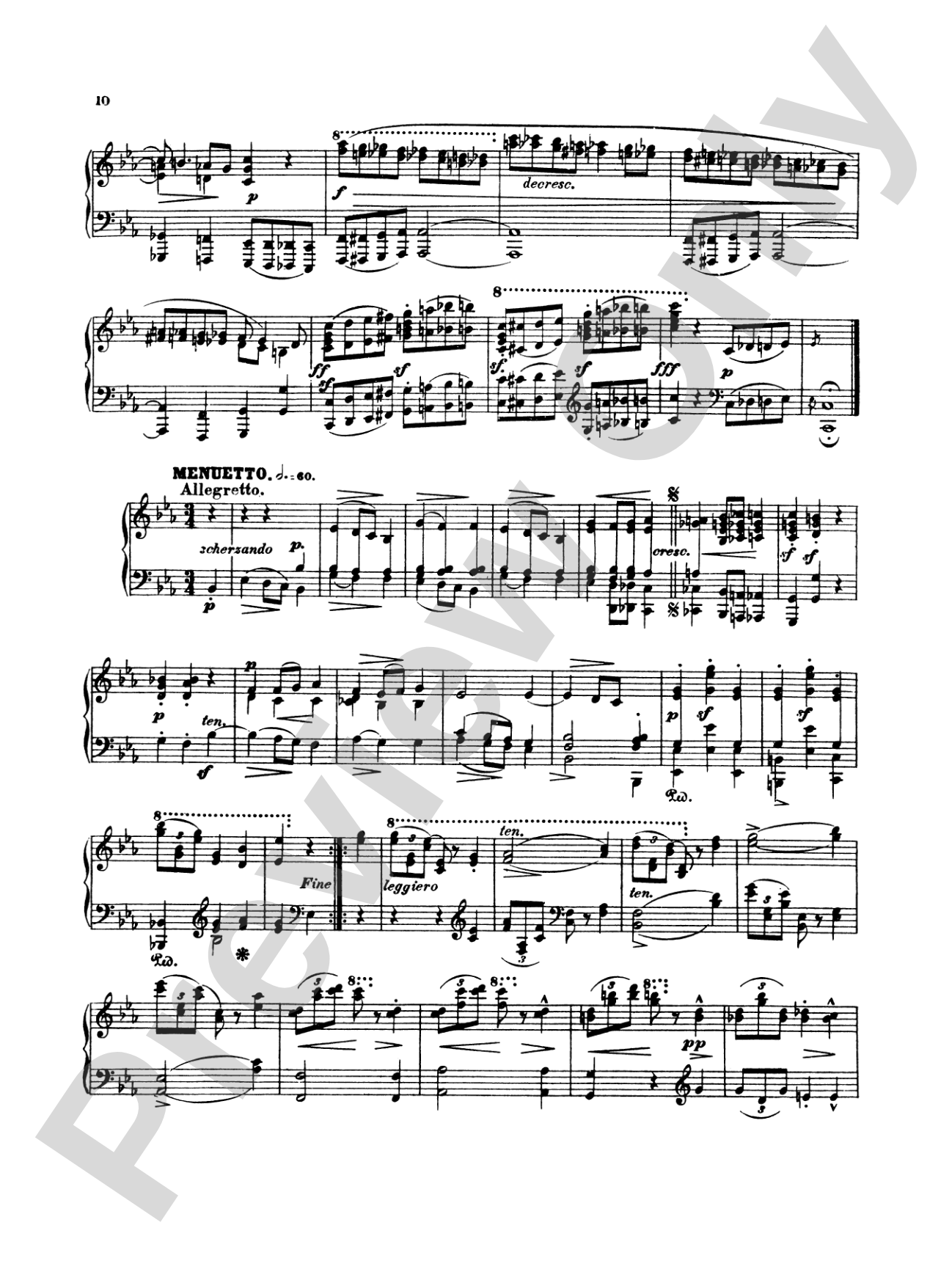
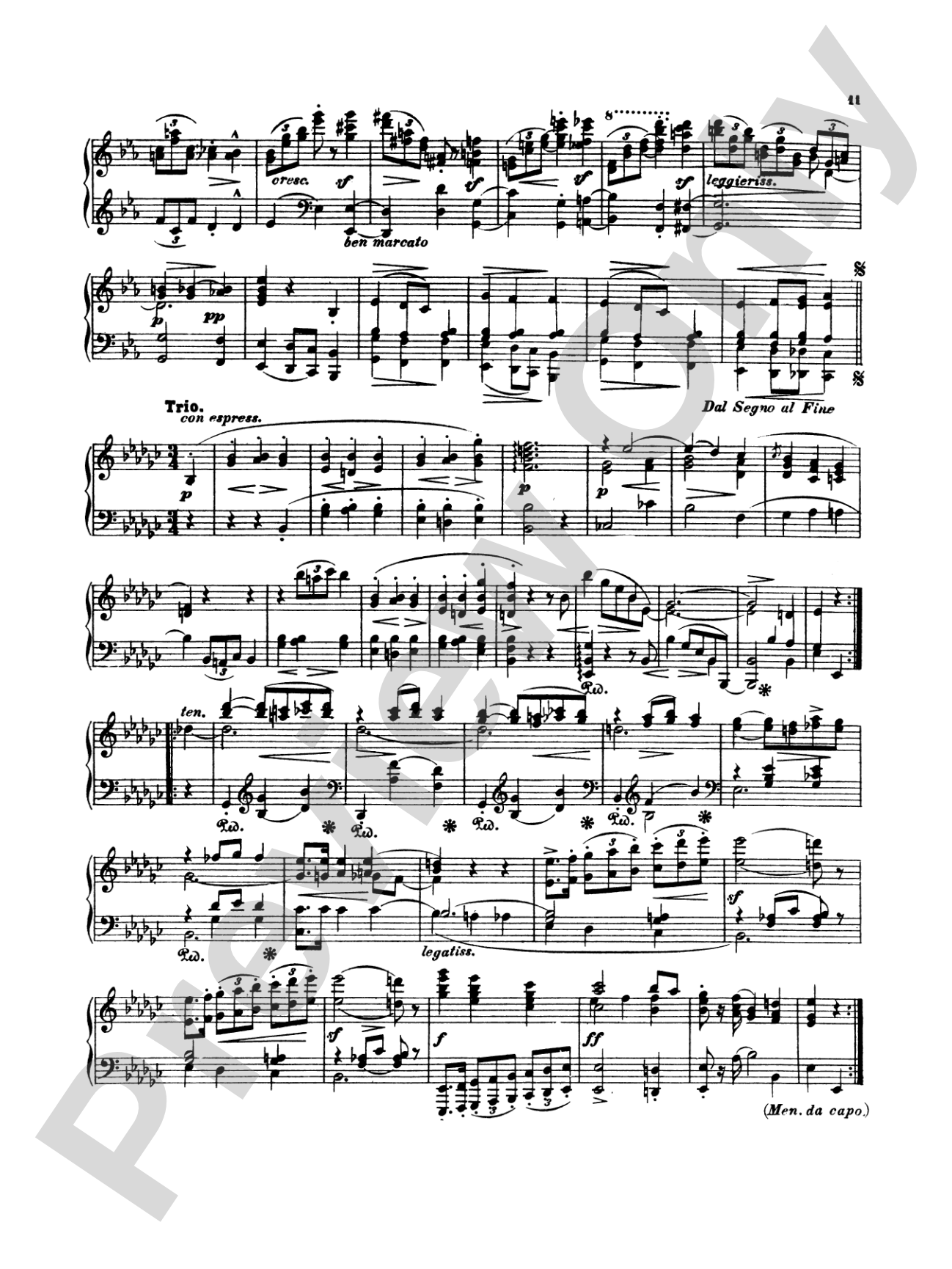
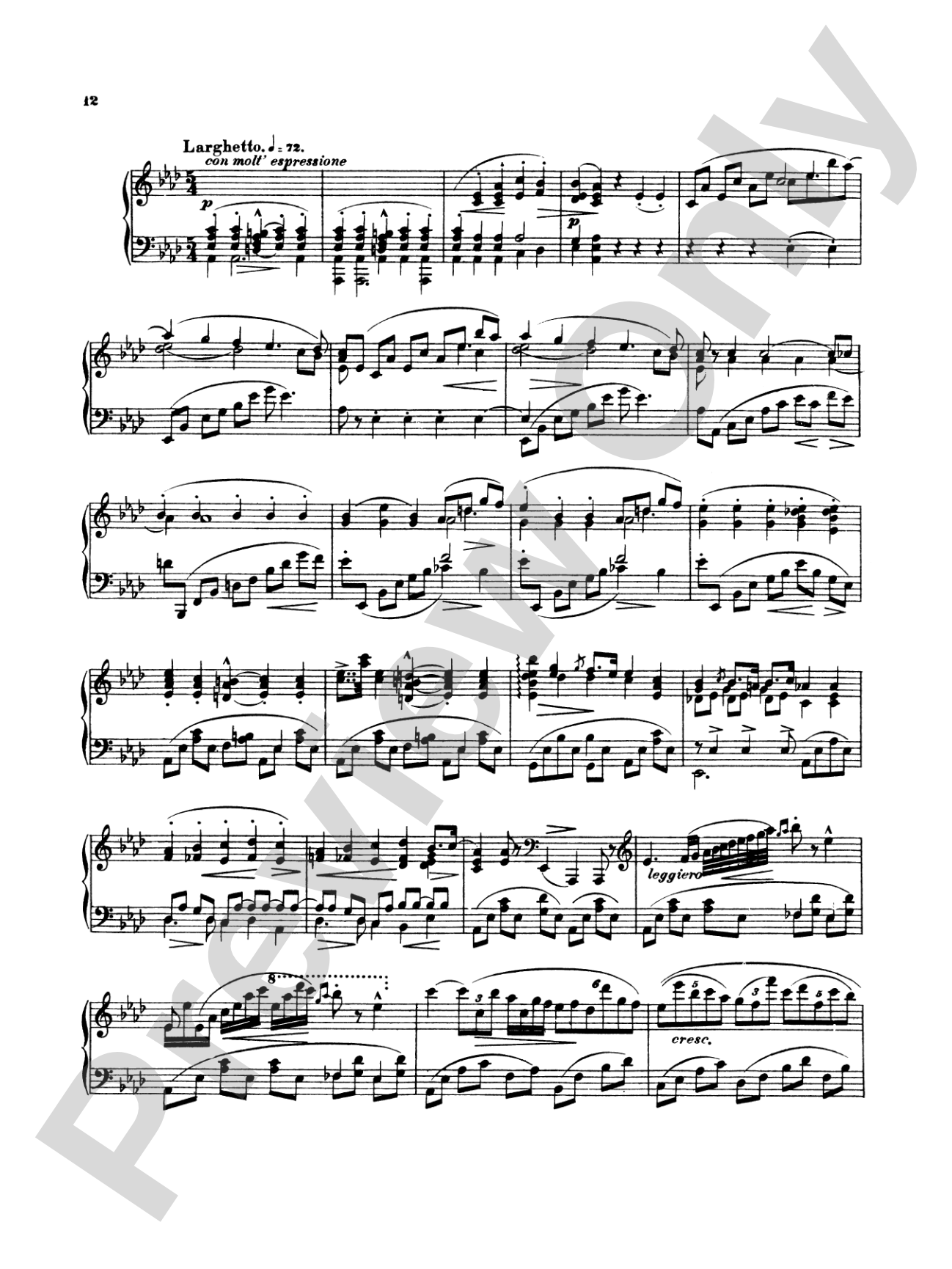
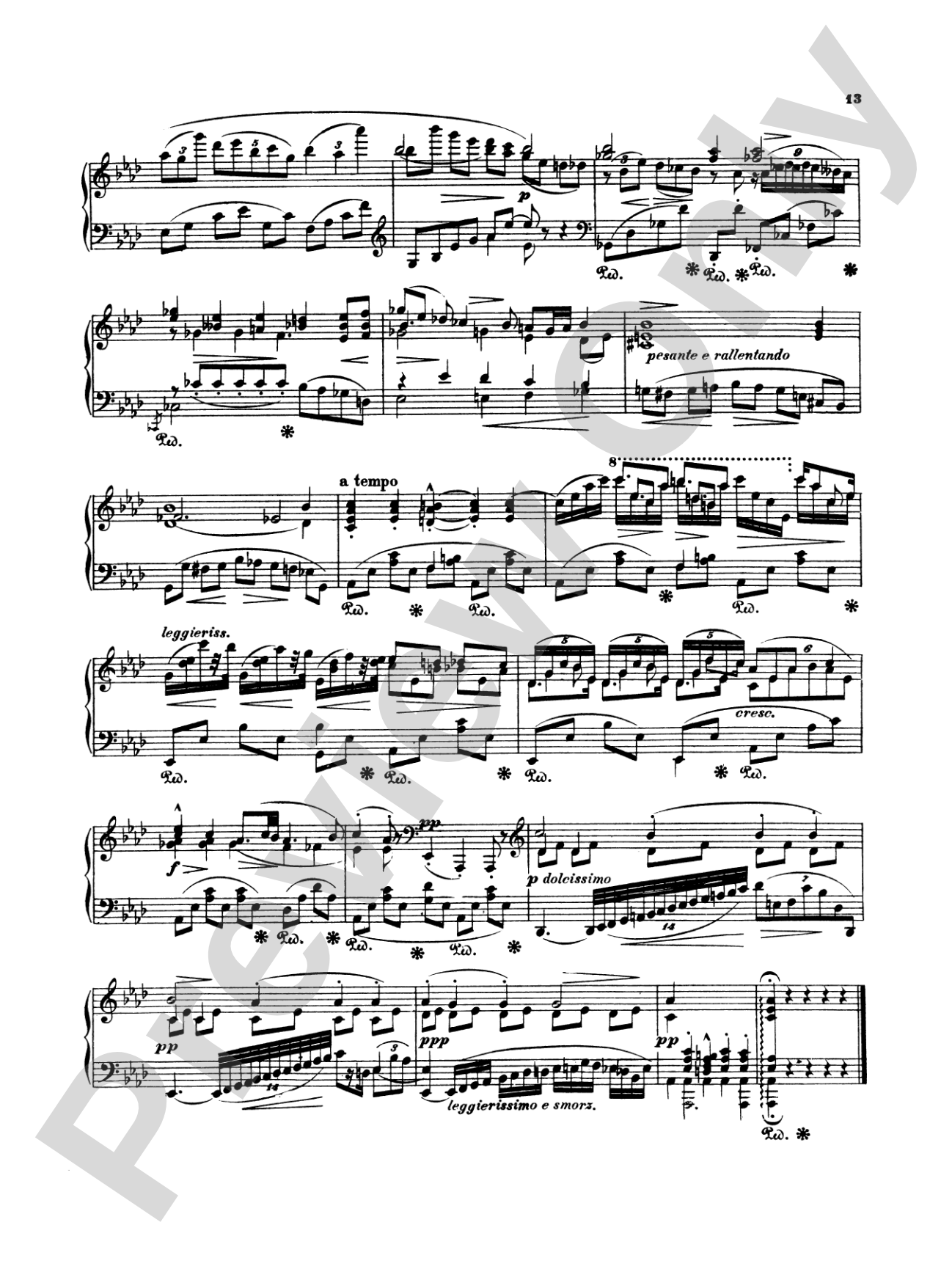

Chopin: Three Sonatas (Ed. Franz Liszt): Piano Book
By Frédéric Chopin / ed. Franz Liszt
Level: Advanced
Item: 00-PK-0003025

$9.99
Pickup currently not available
Buy Extra Parts (Digital PDF Download)
| Product | Price | Quantity |
|---|---|---|
| Chopin: Three Sonatas (Ed. Franz Liszt) | $2.95 | |
| Chopin: Three Sonatas (Ed. Franz Liszt) | $2.99 | |
| Chopin: Three Sonatas (Ed. Franz Liszt) | $2.95 |
Parts Added to Cart!
Related Items
Three Sonatas: Piano Book |
$9.95
|
View |
Description
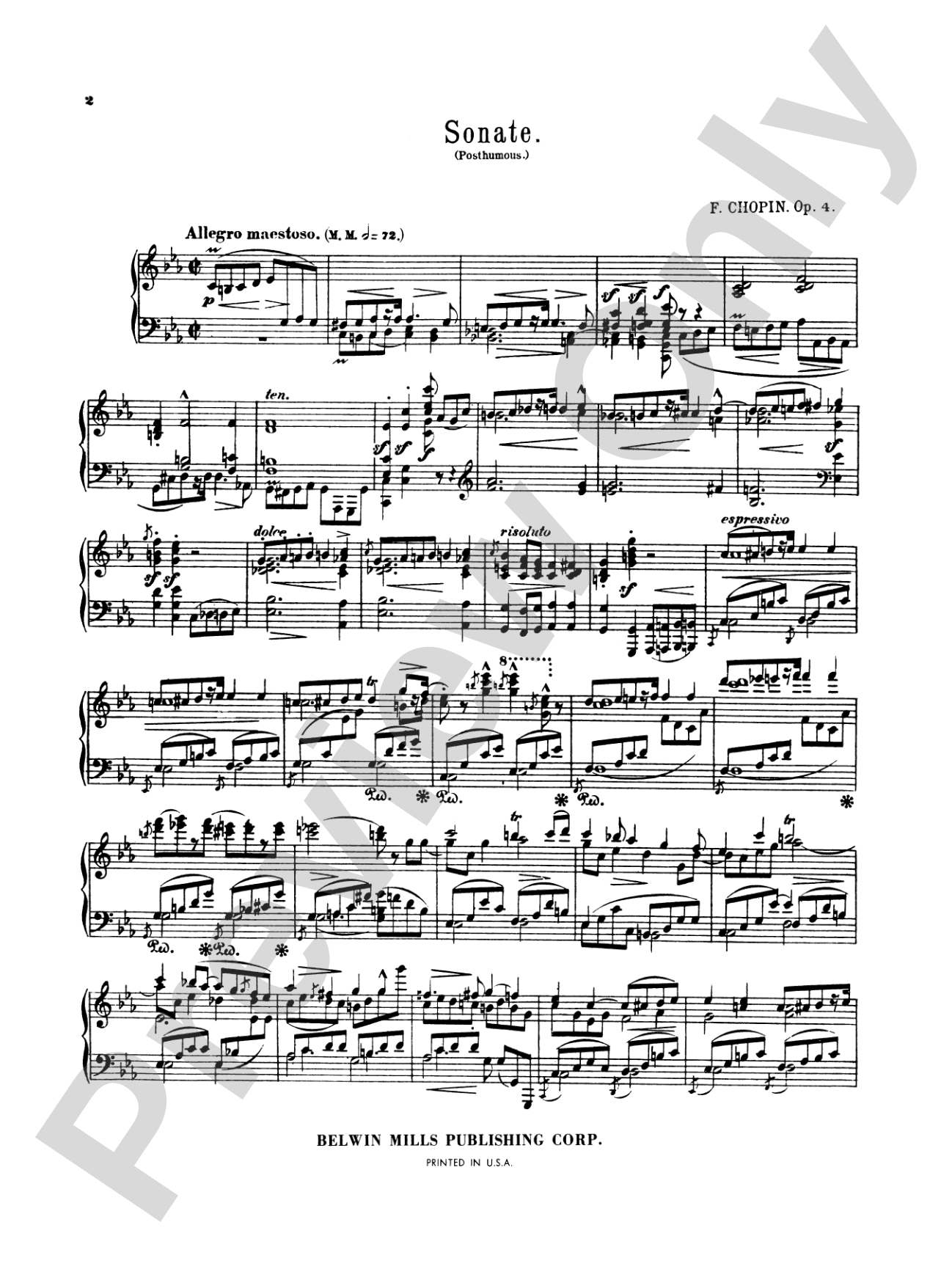
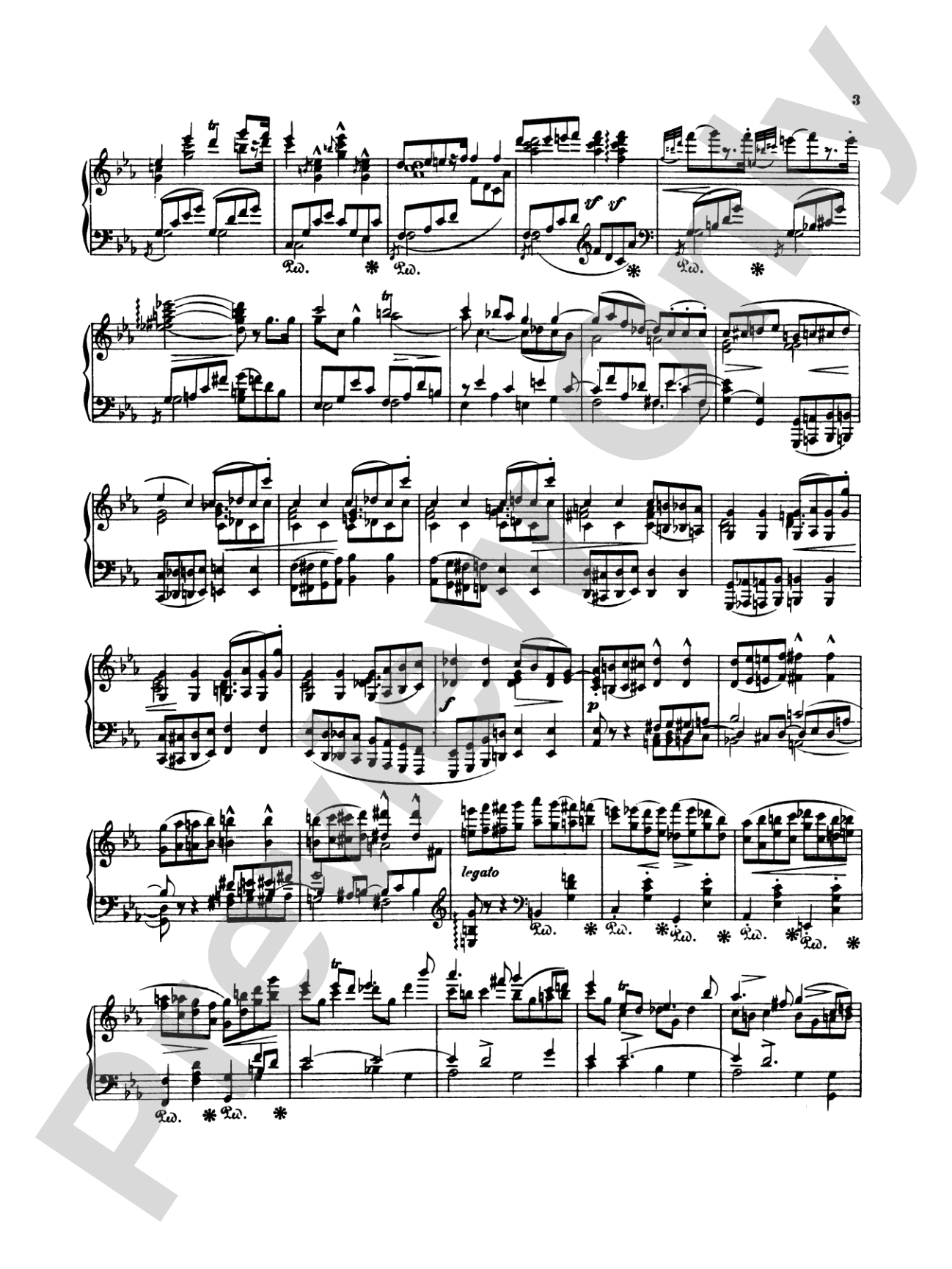
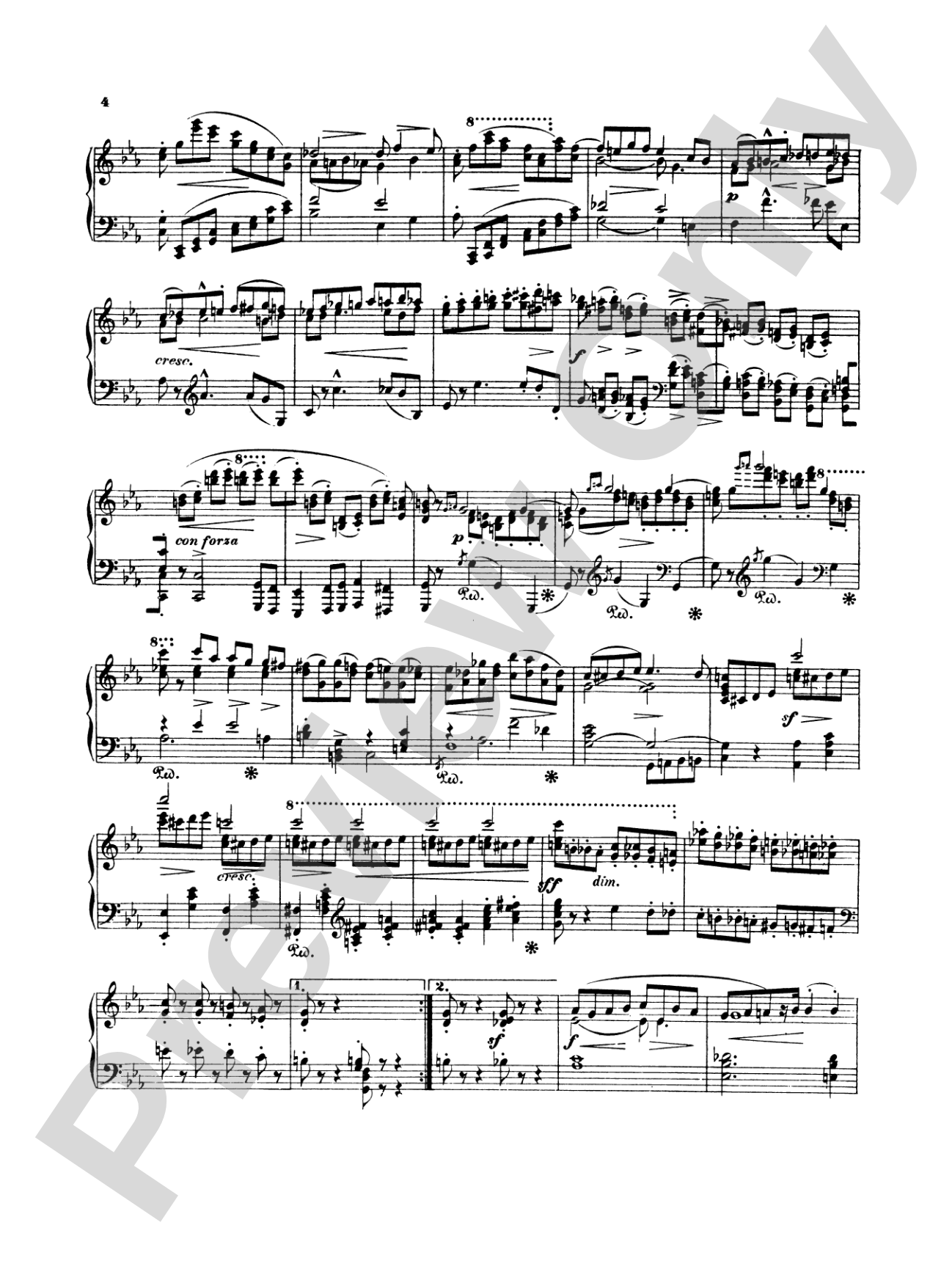
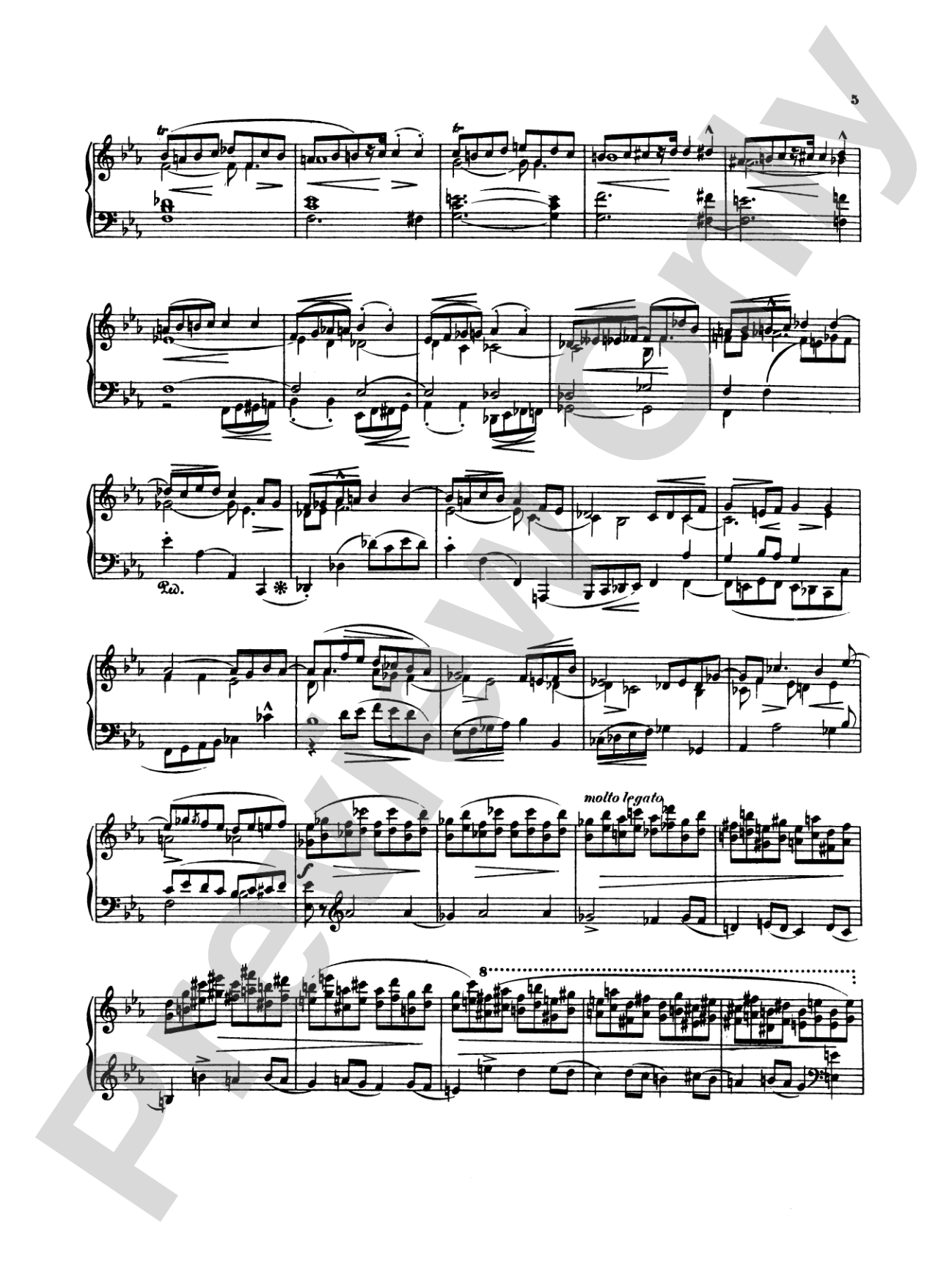
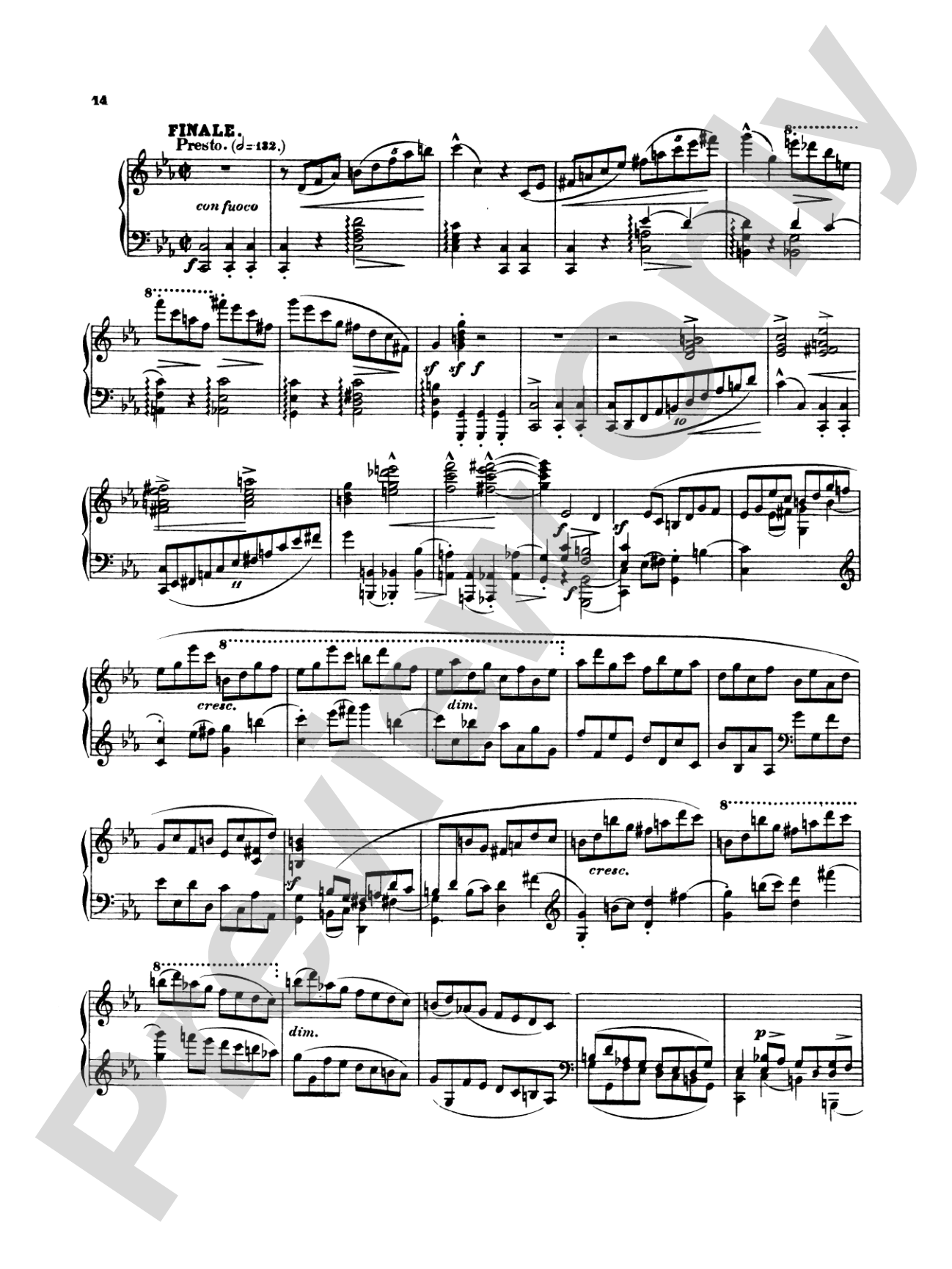
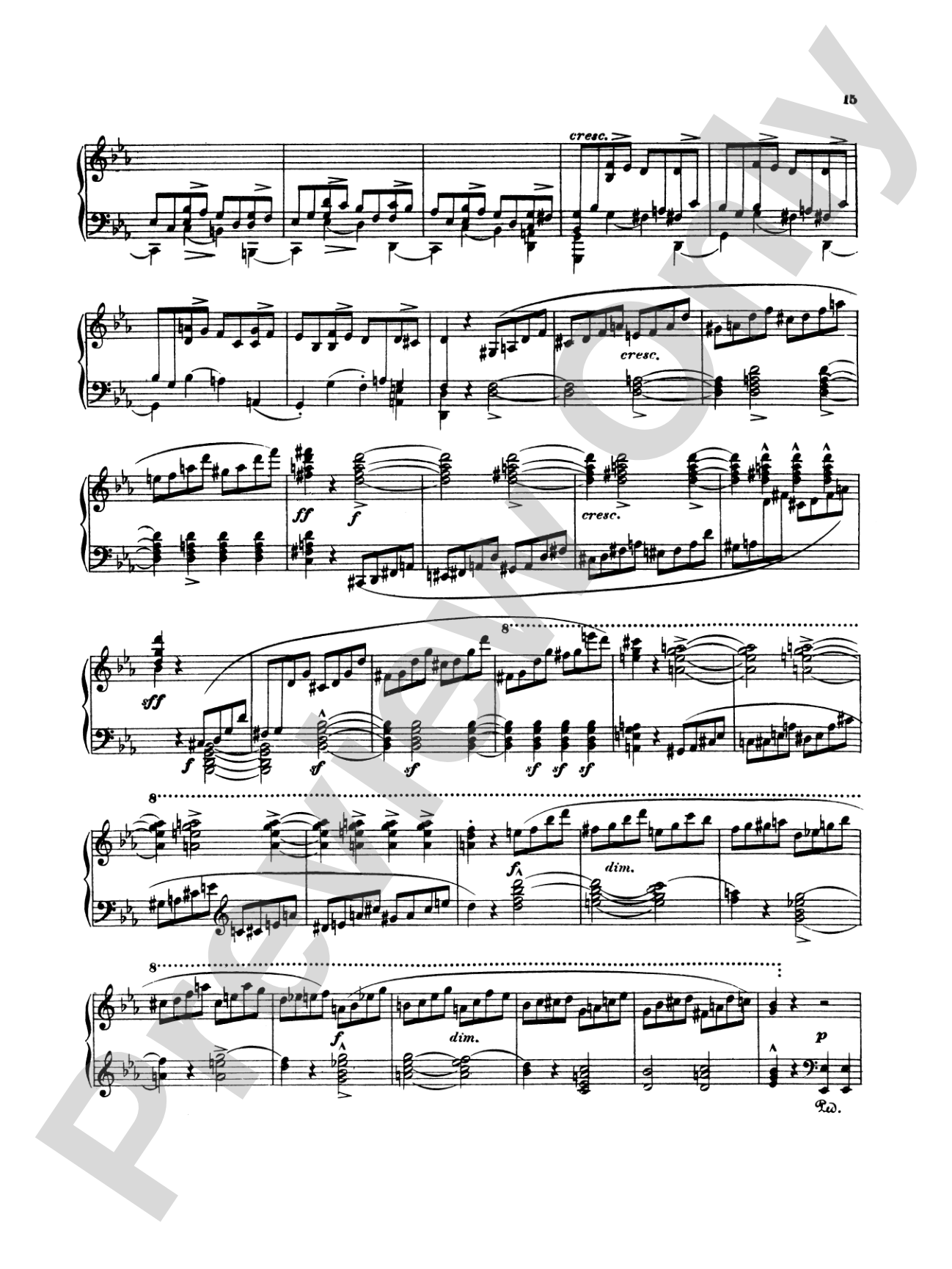
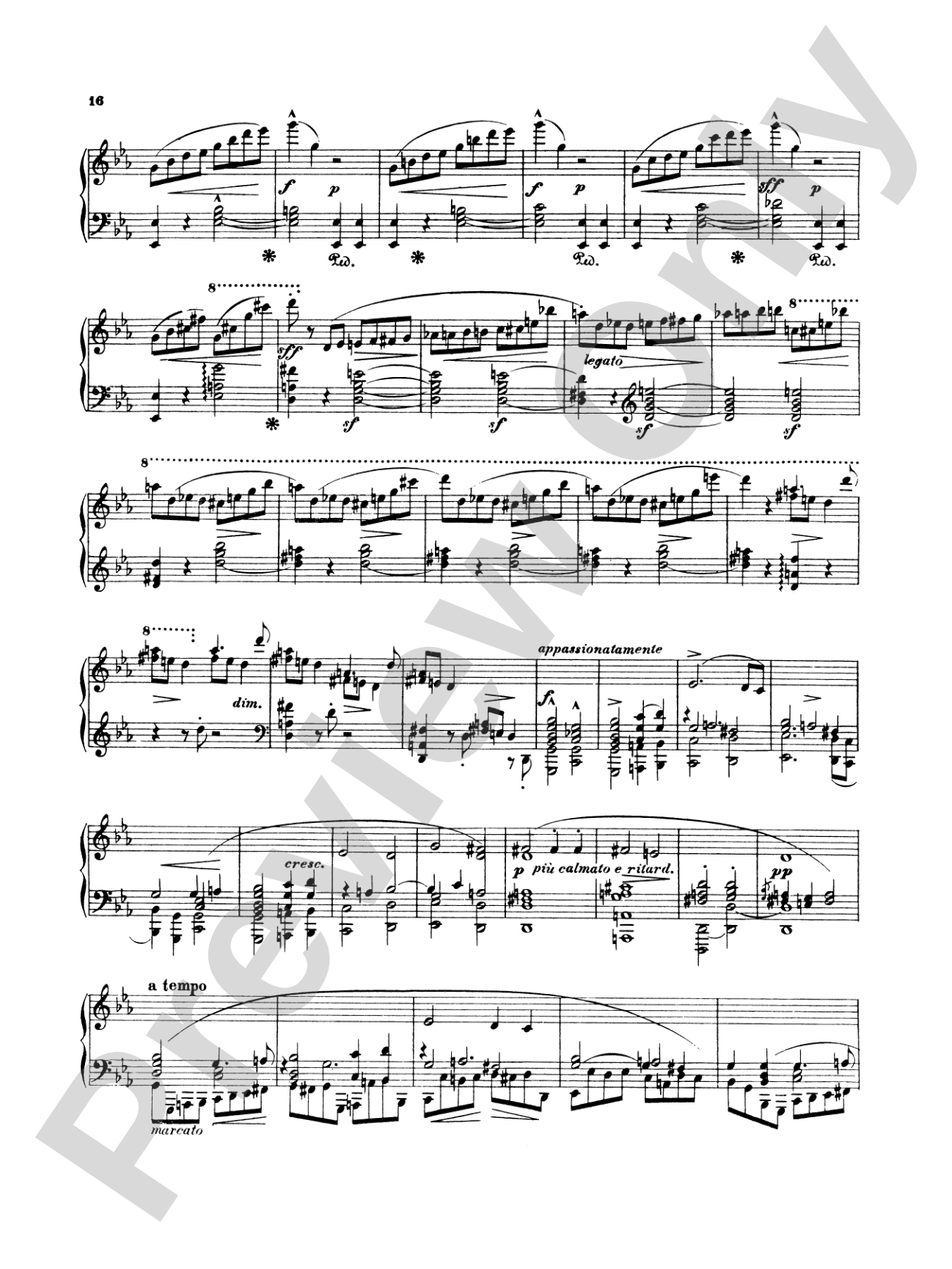
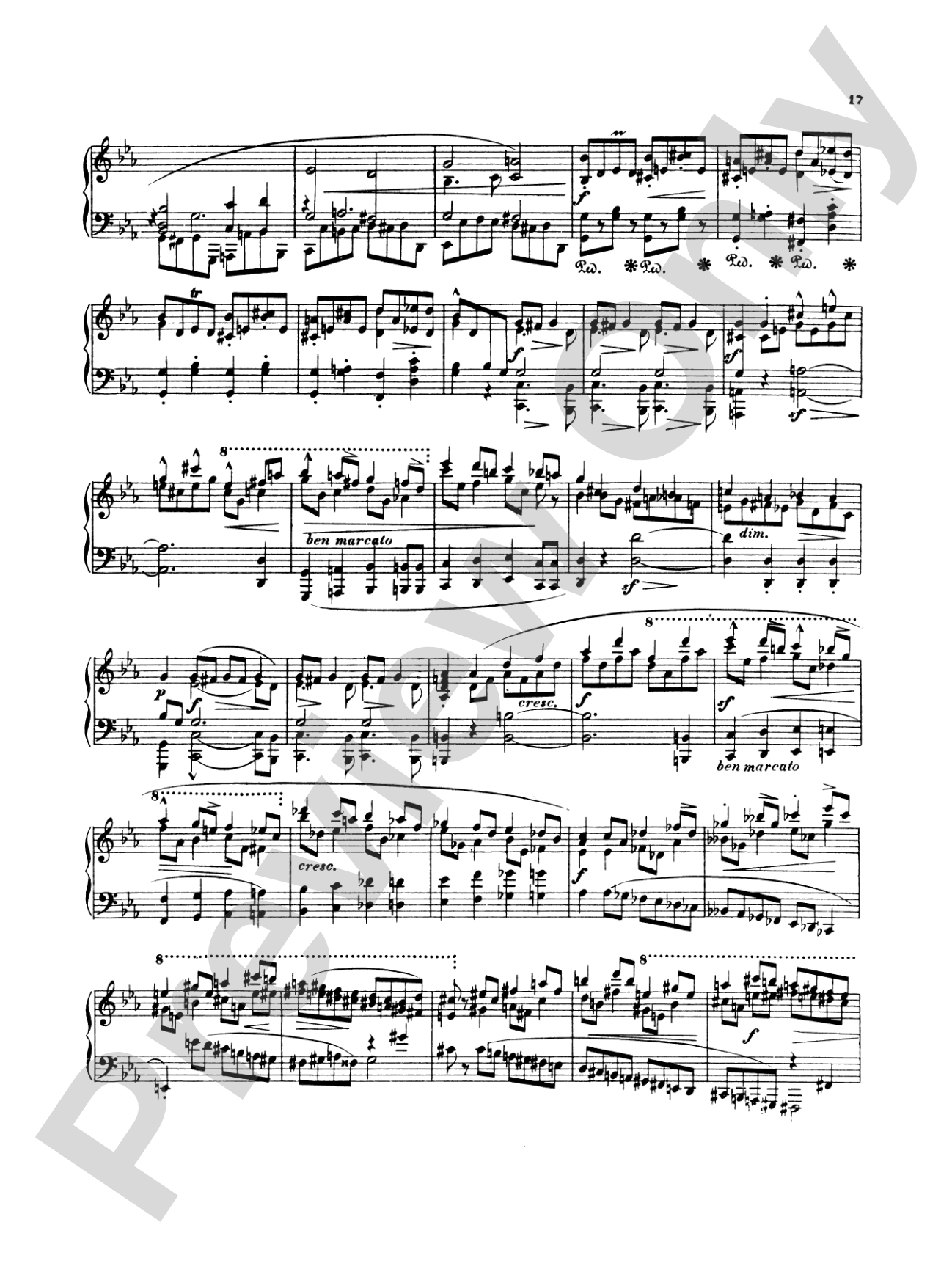
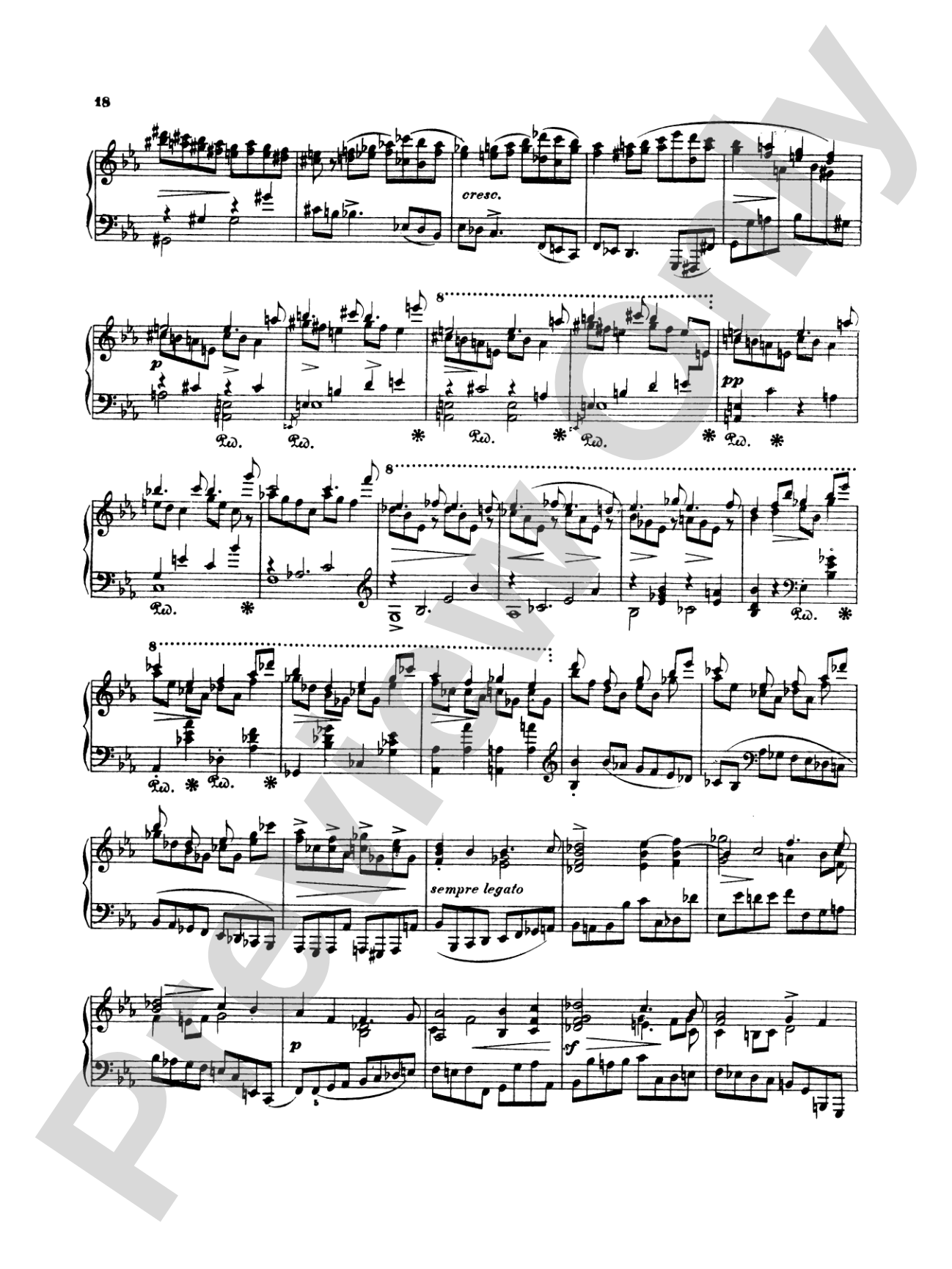
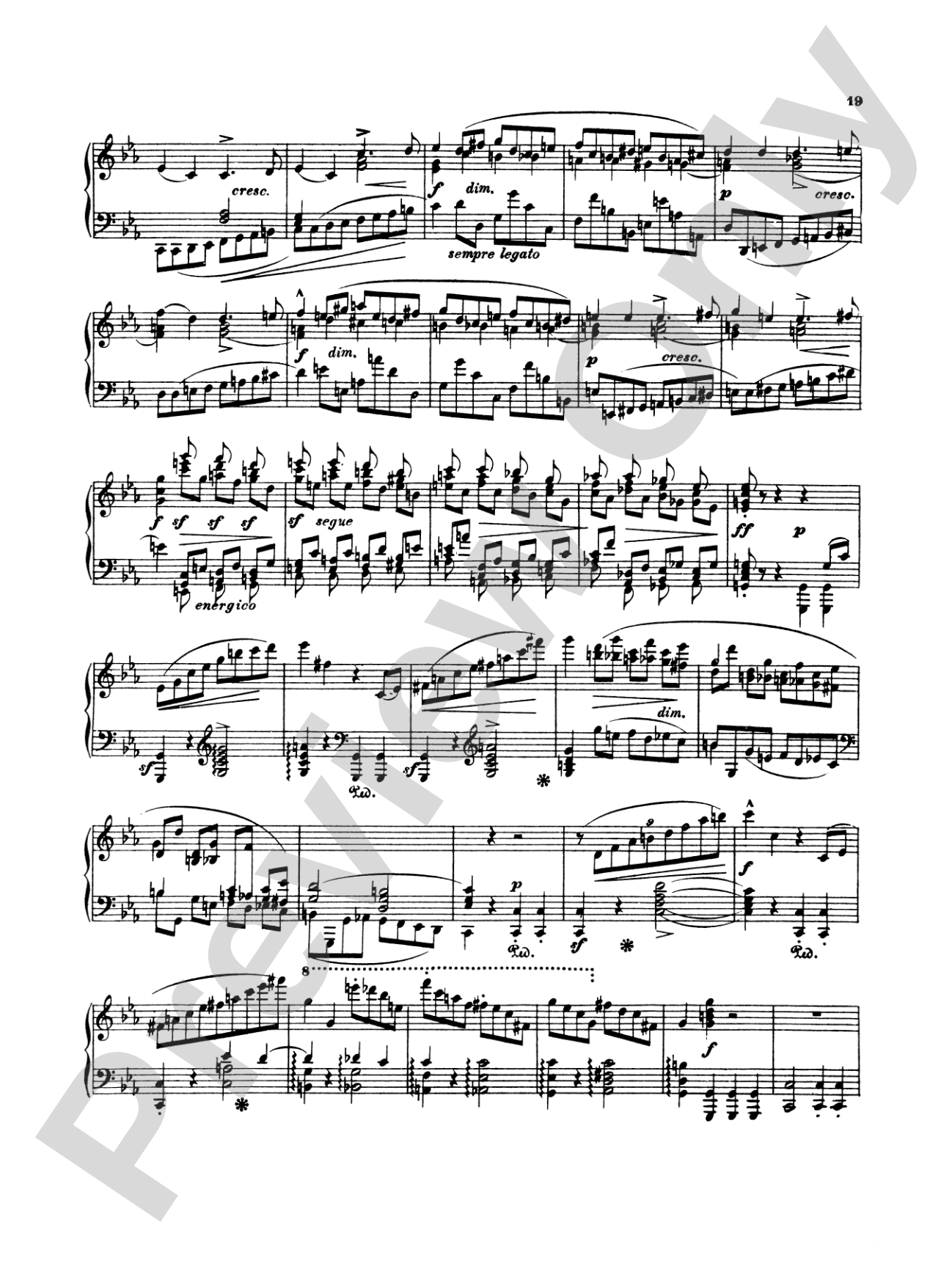
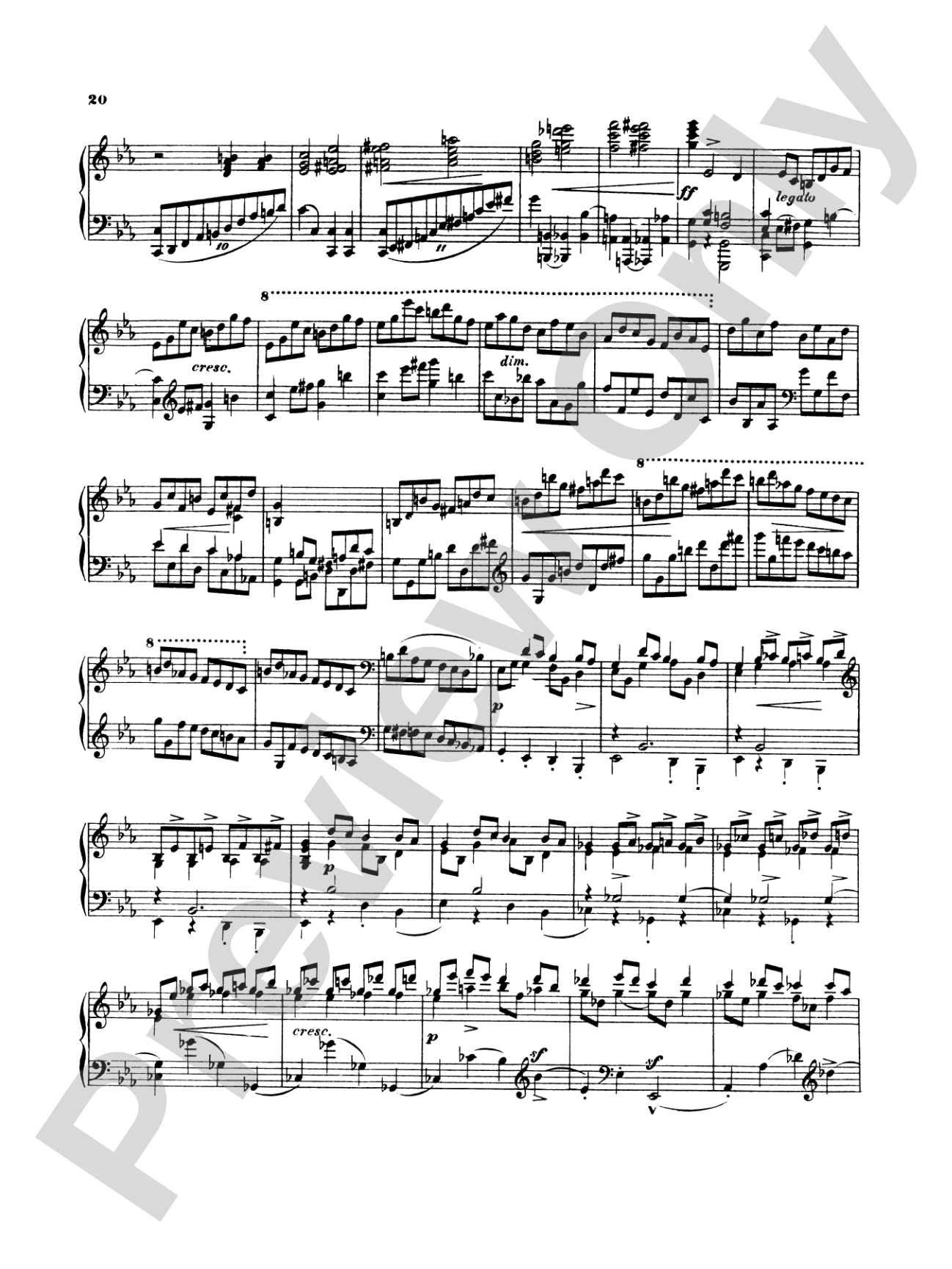
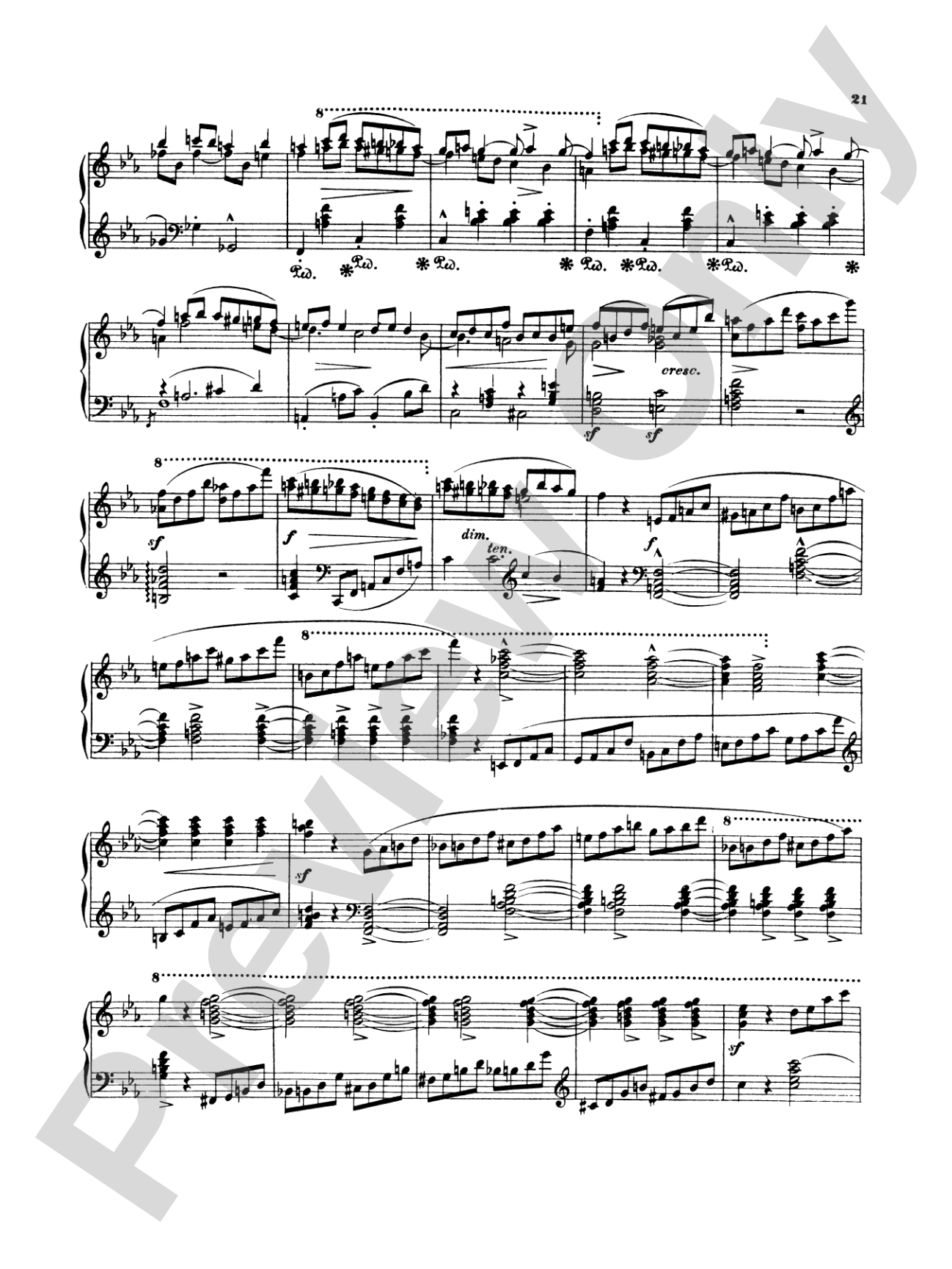
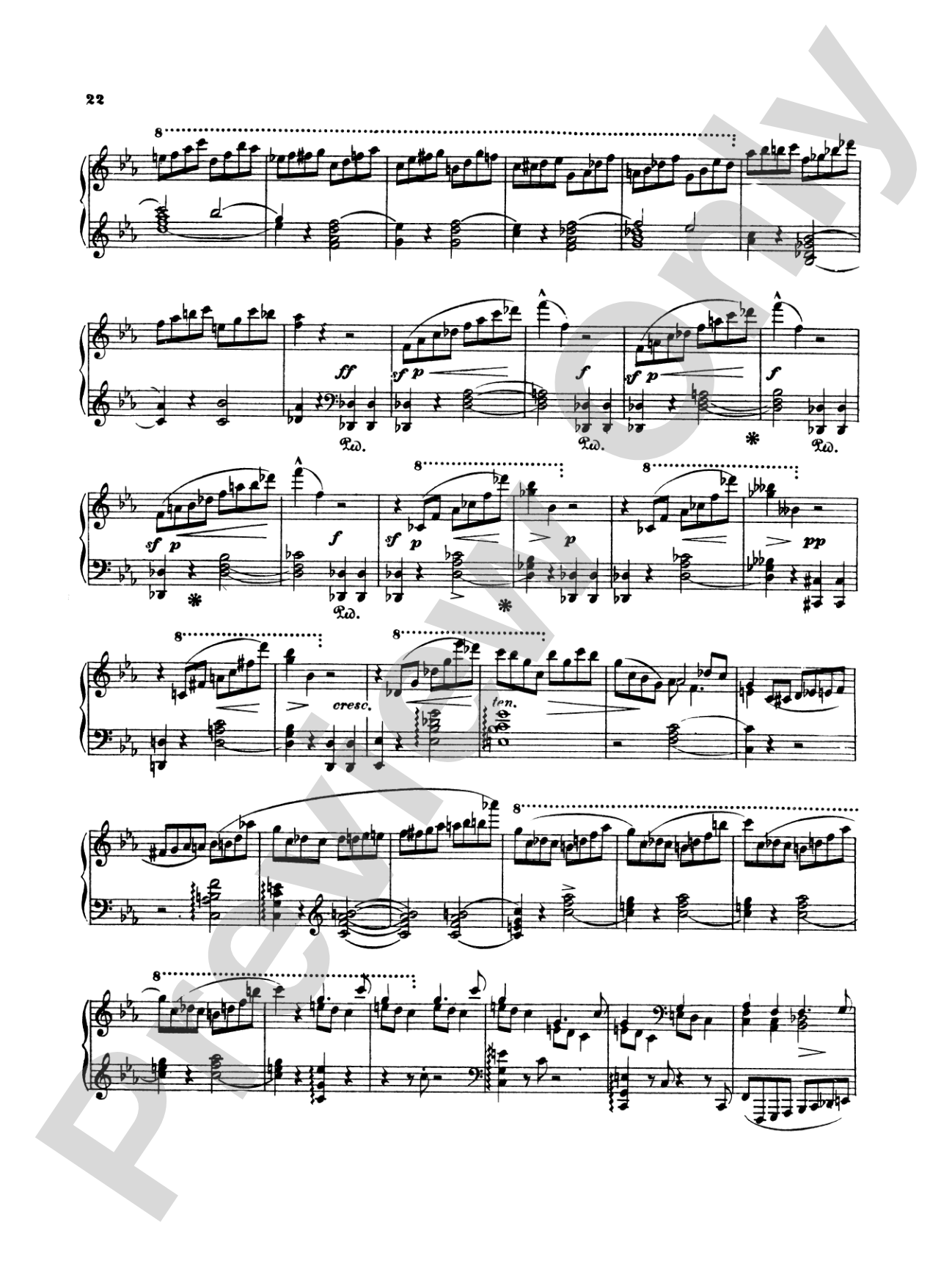
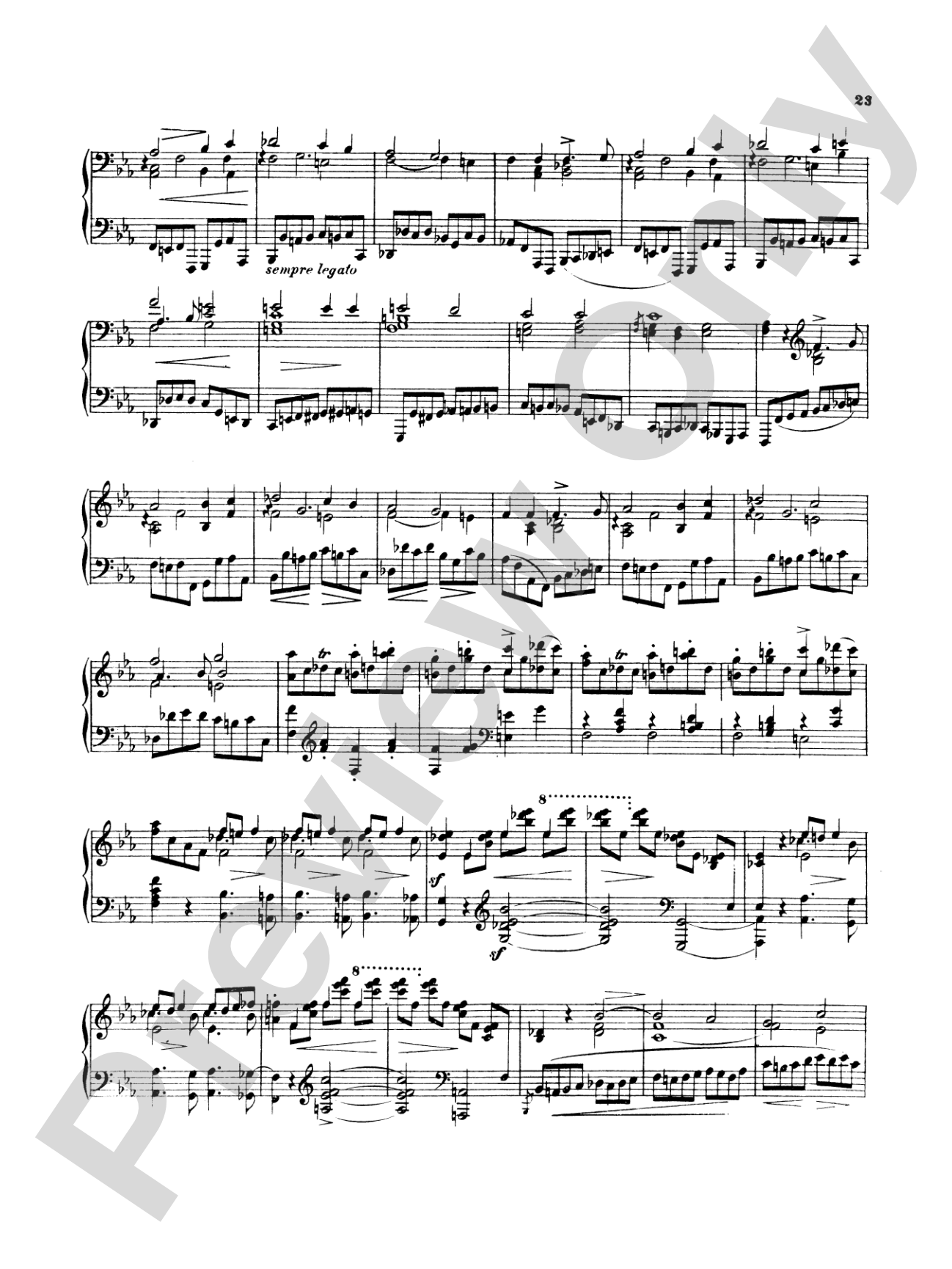
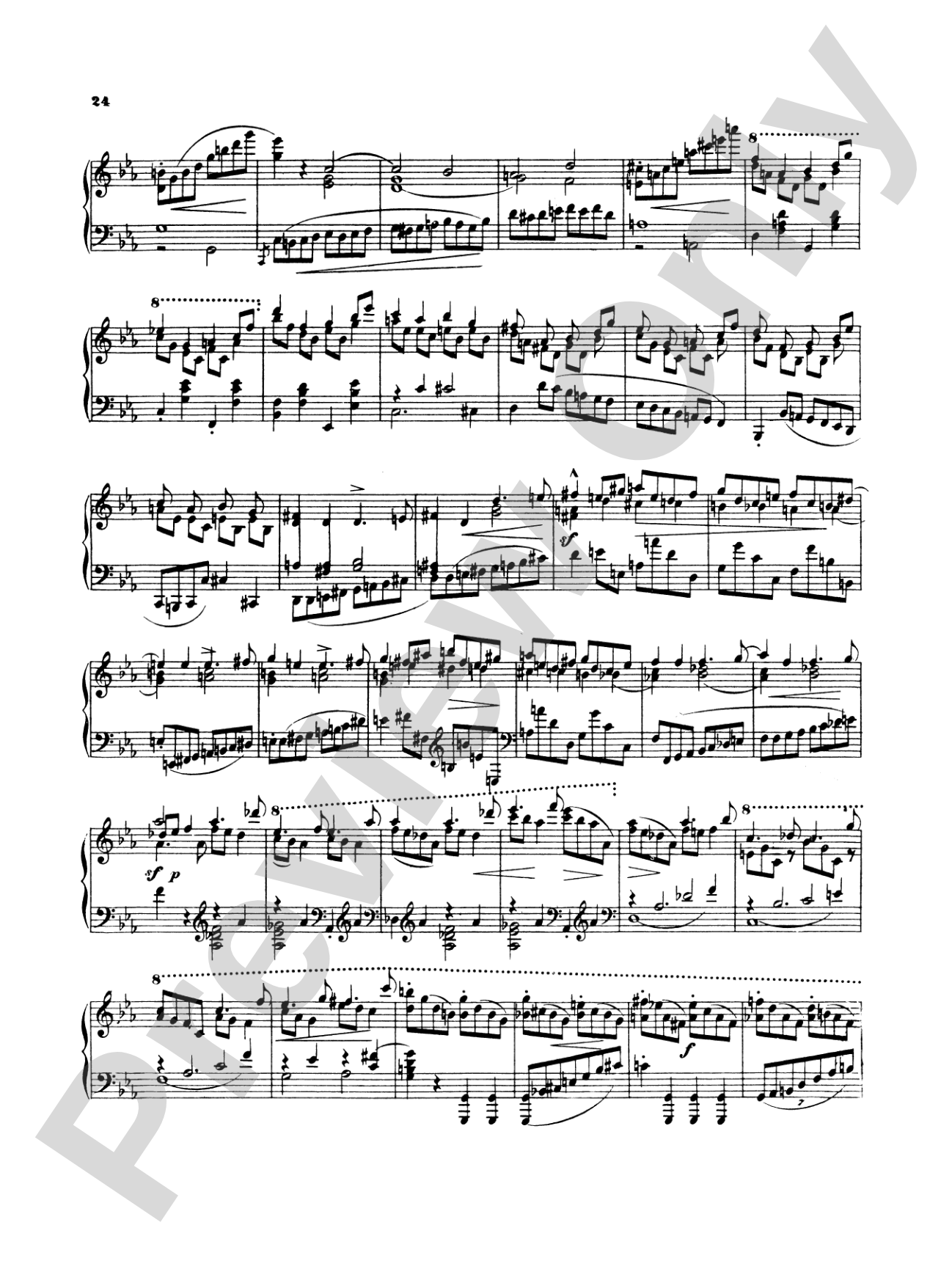
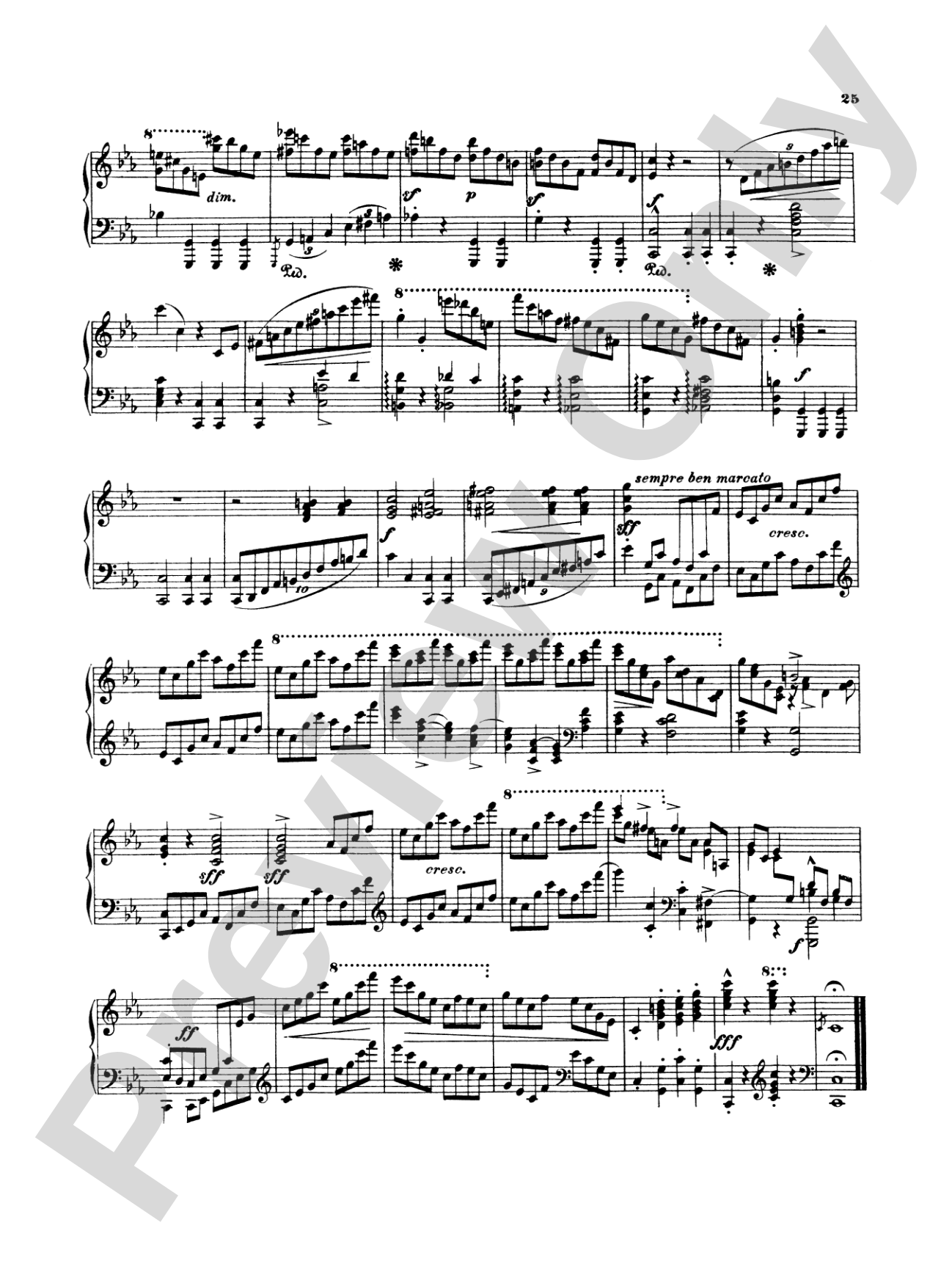
Frederic Chopin wrote three Sonatas for piano solo. This volume is a reproduction of the Belwin Mills "First Critically Revised Collected Edition" and contains: Sonata, Op. 4, in C minor * Sonata, Op. 45, in B-flat minor * Sonata, Op. 58, in B minor.


Don't just read it, hear it, play along with it, and watch your students grow with it. In MakeMusic Cloud, Chopin: Three Sonatas (Ed. Franz Liszt): Piano Book comes alive with professional accompaniment, adjustable tempo, and built-in practice tools that turn solo practice into real progress.
Open in the Player
Jump straight in and assign it today.
Start Your Free Trial
Open this title and explore the full library in minutes.
Sample Audio
No sample audio found.
Sample Video
No sample videos found.
Additional Details
Series:
Kalmus Edition
Publisher:
Alfred Music
Page Count:
68
SKU:
00-PK-0003025
More about this title
About the Composer: Frédéric Chopin
Frédéric Chopin (1810, 1849) was a Polish composer and pianist who fundamentally transformed what the piano could express. His three sonatas represent some of the most ambitious works in the Romantic piano repertoire, each one a study in structural innovation, harmonic daring, and emotional depth. Chopin's writing for the instrument is idiomatic in the truest sense: he understood the piano's capacities for color, resonance, and intimacy in ways that influenced every major composer who followed.
For music education, Chopin's sonatas are essential repertoire for advanced pianists ready to engage with the complexities of large-scale form, rubato, and interpretive independence. These works demand technical command but reward it with some of the most beautiful music ever written for the instrument.
Why we love this
This Liszt edition offers authoritative text grounded in careful scholarship, making these demanding works more navigable for serious students and conservatory pianists. The three sonatas span Chopin's creative life and demand the full range of a mature pianist's technical and interpretive resources, rewarding deep study across months or years of performance preparation.
What to expect
Chopin's sonatas unfold with aristocratic restraint and introspection, moving between intimate nocturne-like passages and dramatic, forceful climaxes. They feel spacious and sometimes austere, rewarding listeners who sit with harmonic ambiguity and unexpected melodic turns rather than expecting Romantic excess.
Who it's for
Advanced pianists pursuing serious solo repertoire, conservatory students preparing recitals or degree requirements, and teachers seeking substantial works to develop their students' musicianship over extended study periods. These sonatas demand mature technique and interpretive judgment.
How to get the most out of it
- Balance the lyrical cantabile lines against the harmonic complexity; Chopin expects singing tone without sacrificing structural clarity in the fast movements.
- Shape the larger formal architecture by attending to tempo relationships between movements; rushing connections between sections erodes the sonata's emotional arc.
- Invest in accurate pedal technique, as Chopin's harmonic language relies on carefully controlled resonance rather than blurred sonority.
- Study the scherzando and minuet sections with attention to rhythmic precision and articulation; these passages often sit between comedy and pathos in Chopin's hands.
How to use it
Feature one complete sonata on a solo recital to anchor a program thematically, or pair individual movements with smaller Chopin works to build a complete Chopin evening. These pieces also serve as capstone performances in studio settings, representing the culmination of a student's technical and musical development.
Skills your students will build
- Large-scale form and structural coherence across multi-movement works
- Advanced pedal control and harmonic listening
- Lyrical phrasing and cantabile tone production at virtuosic tempo
- Interpretation of Romantic-era notation and historical performance conventions
- Technical execution of rapid passagework, hand independence, and complex chord voicings