
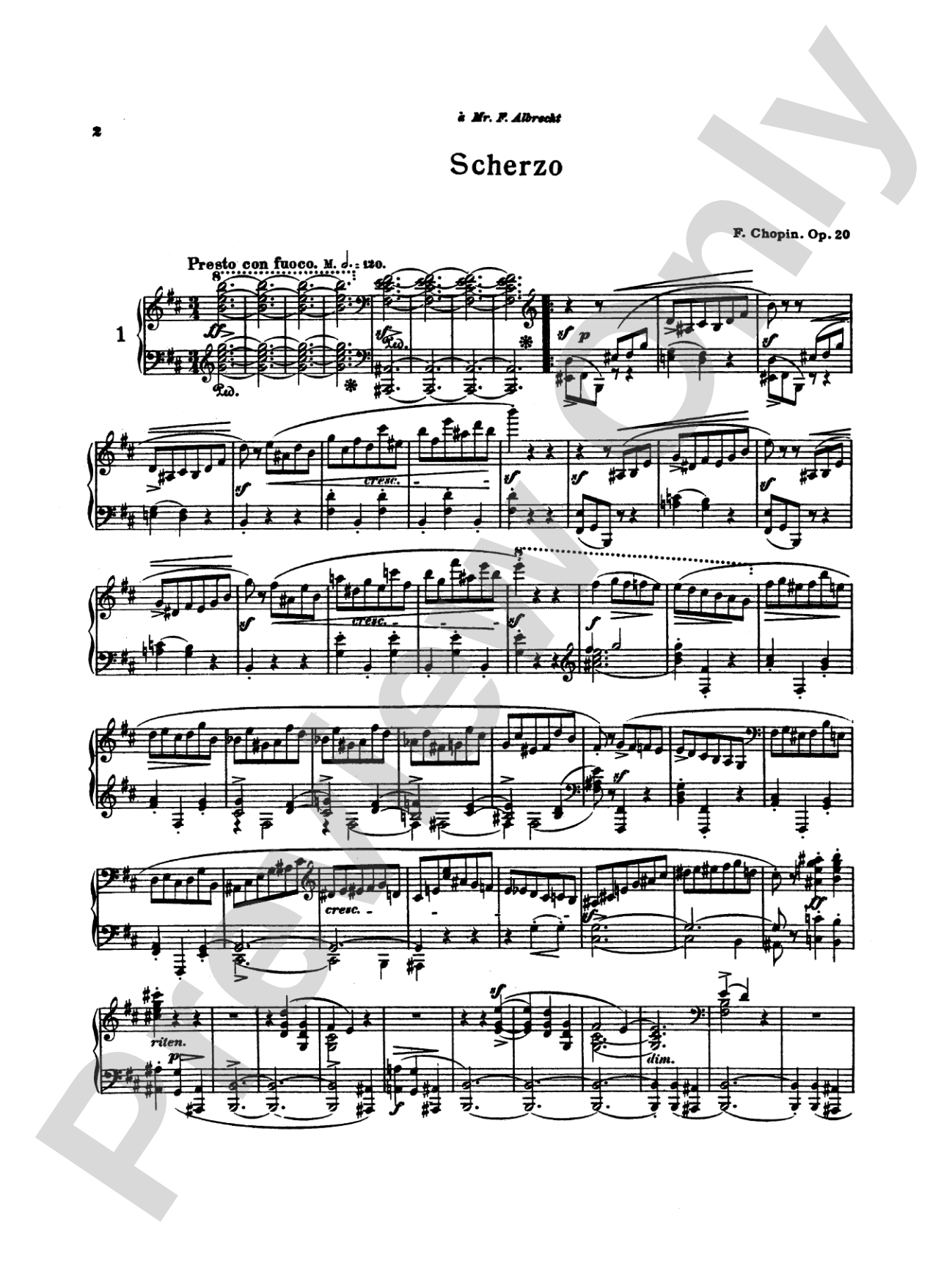
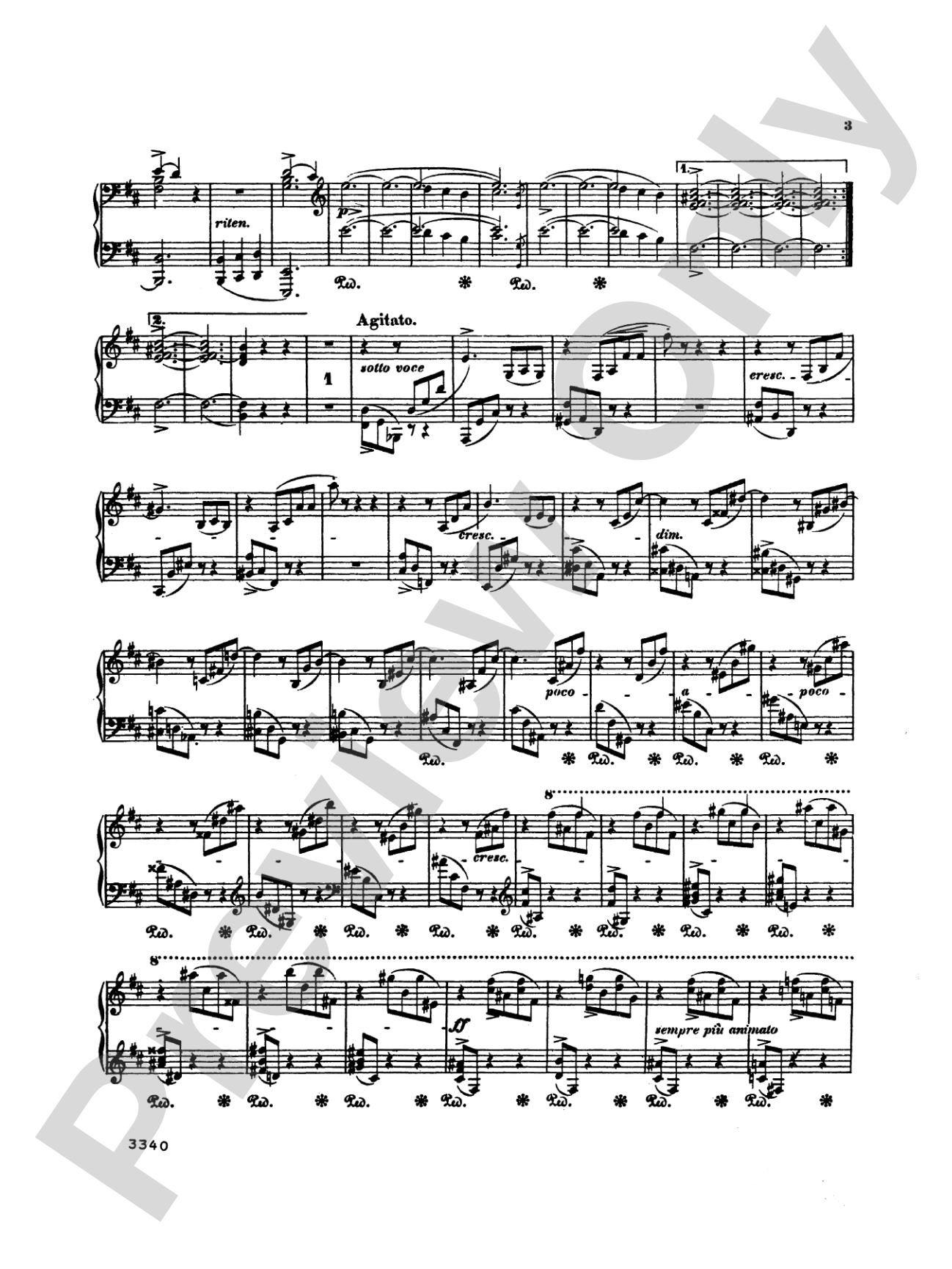
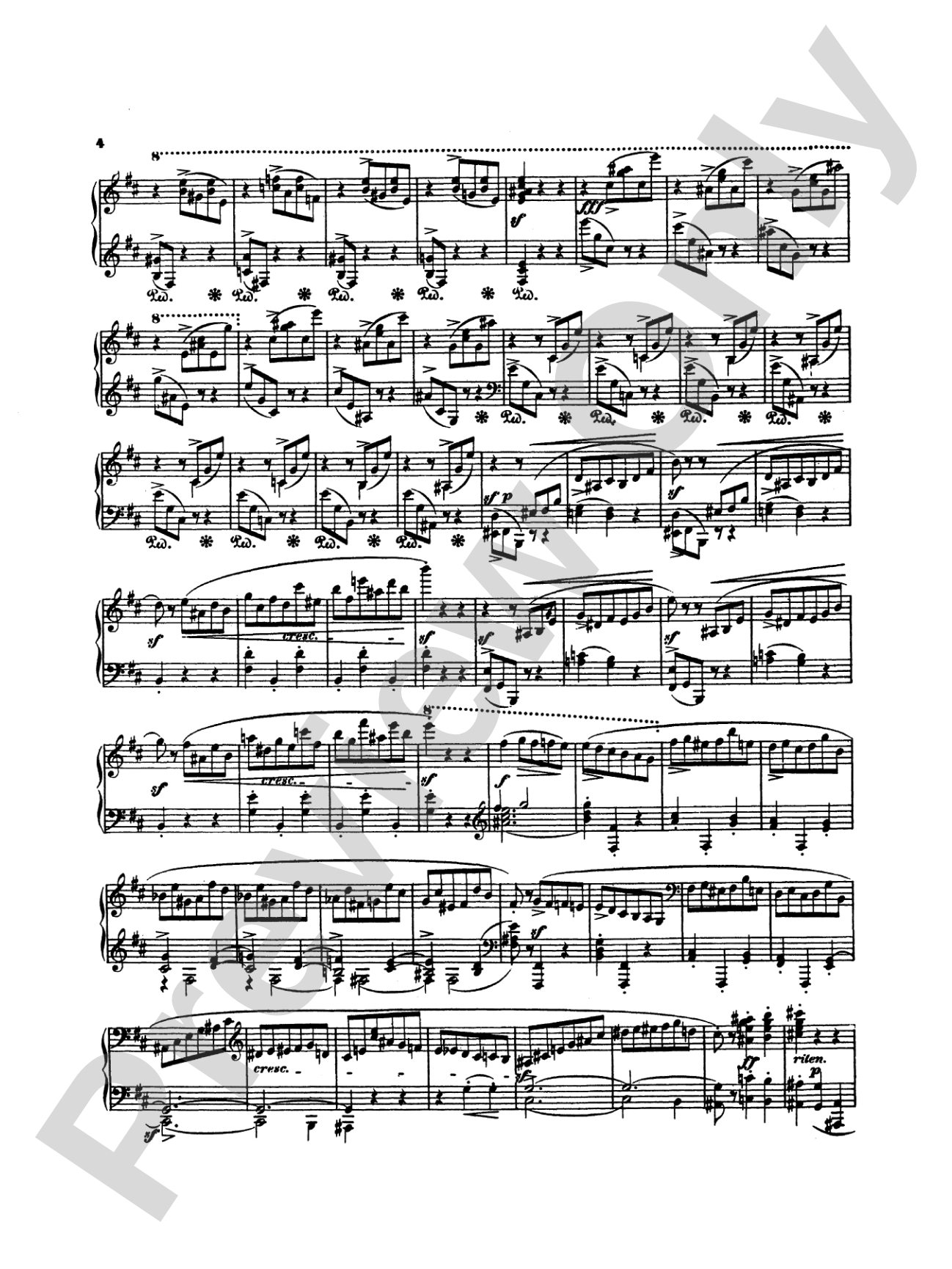
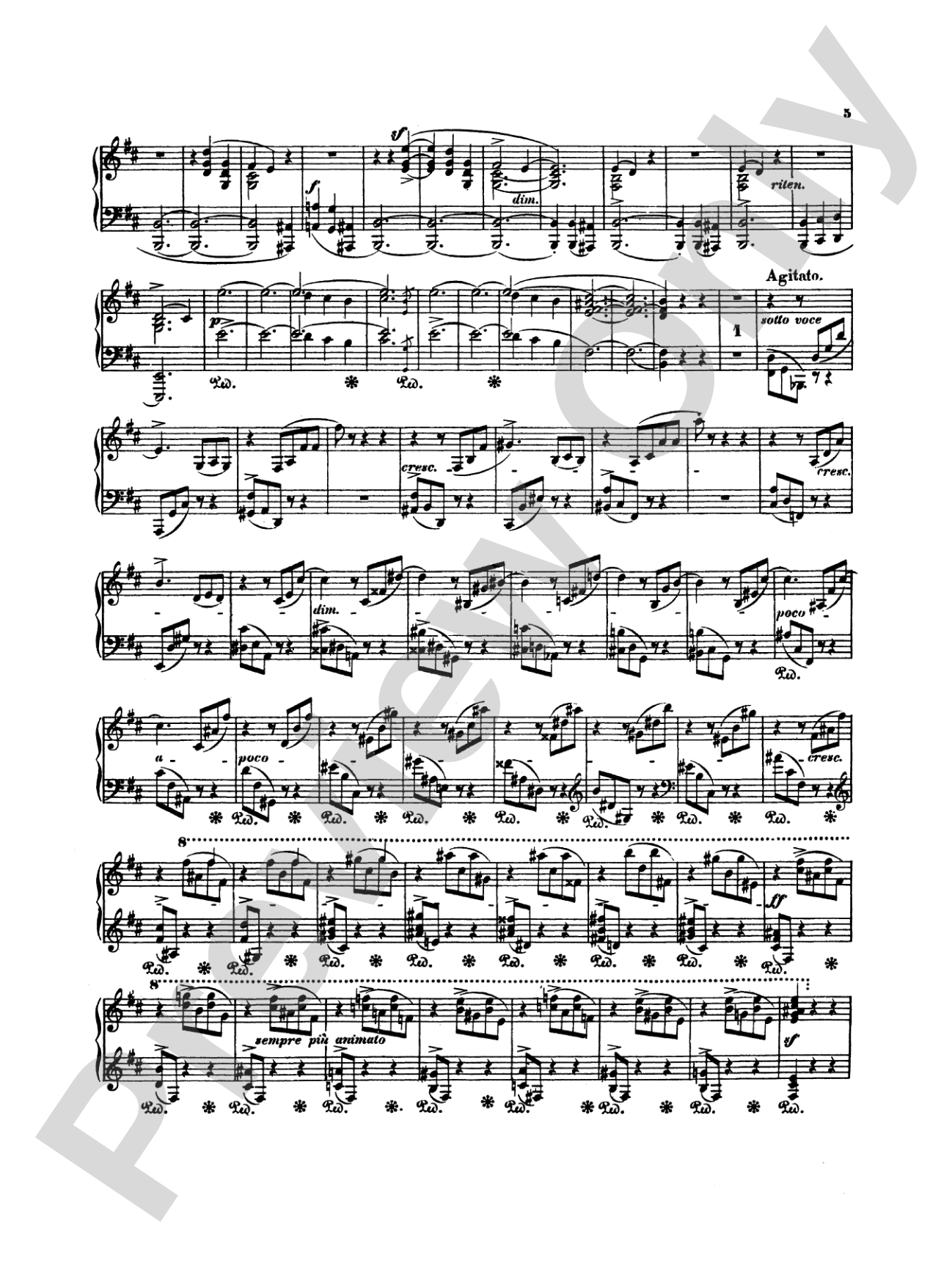
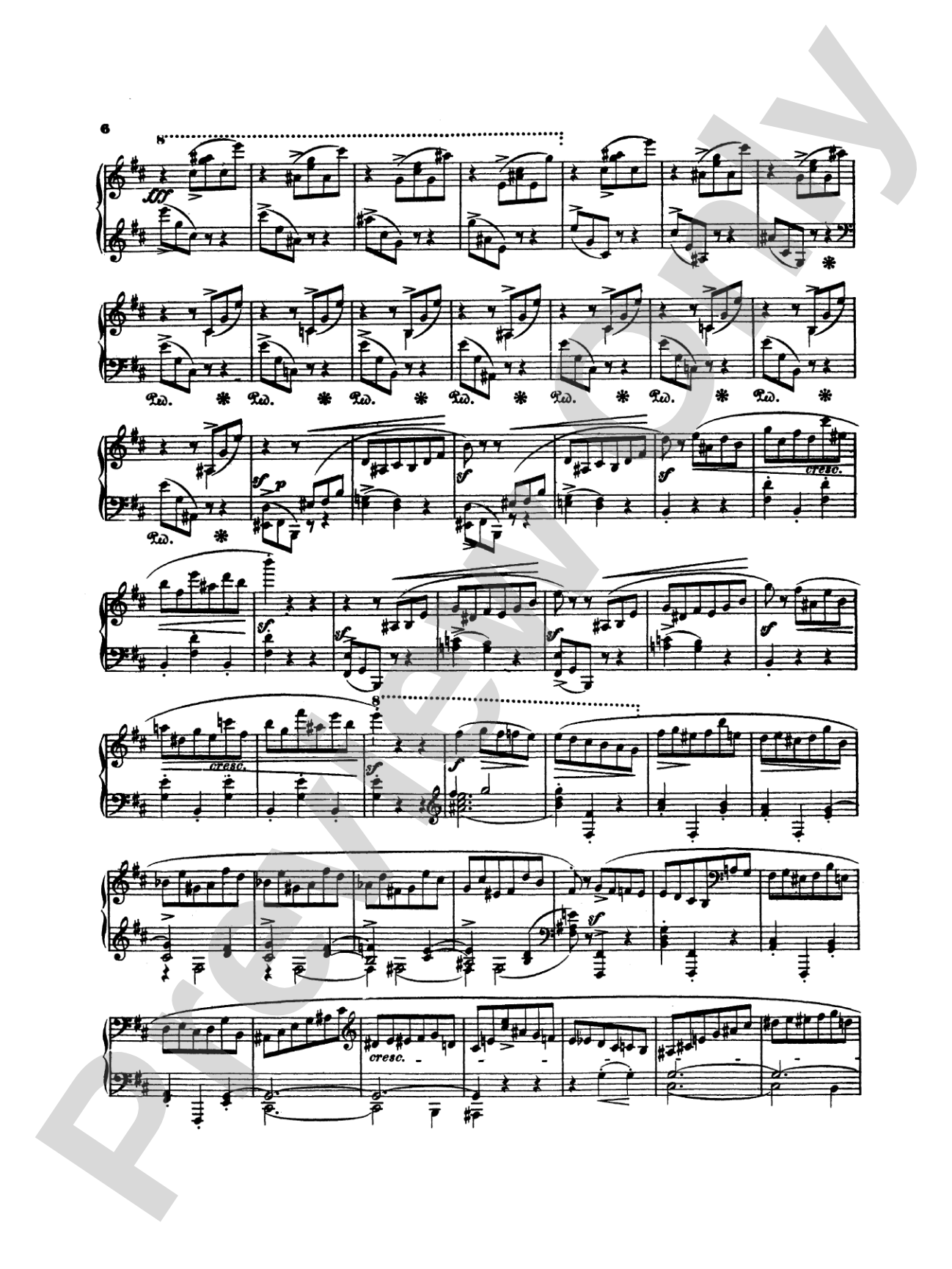
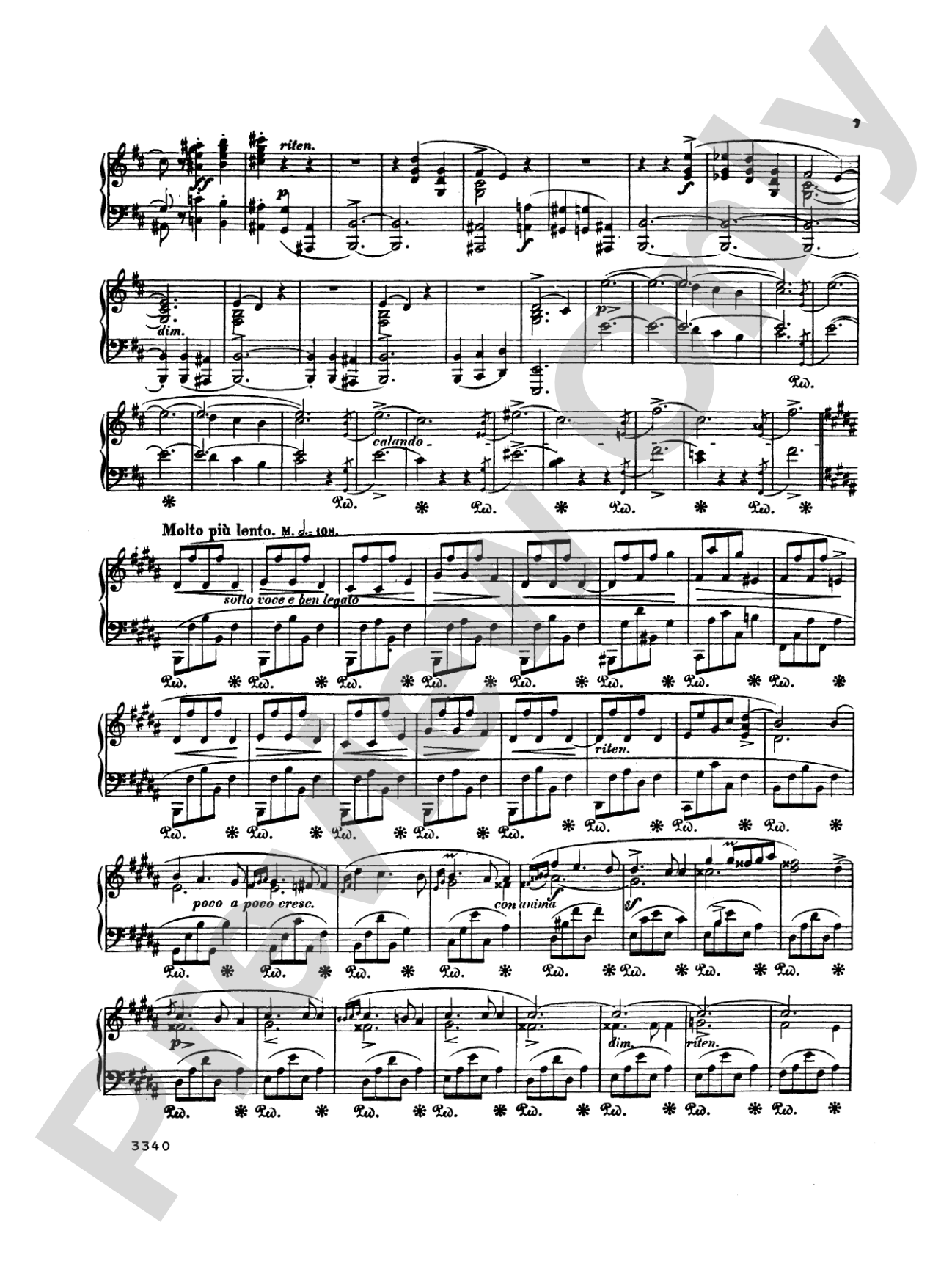
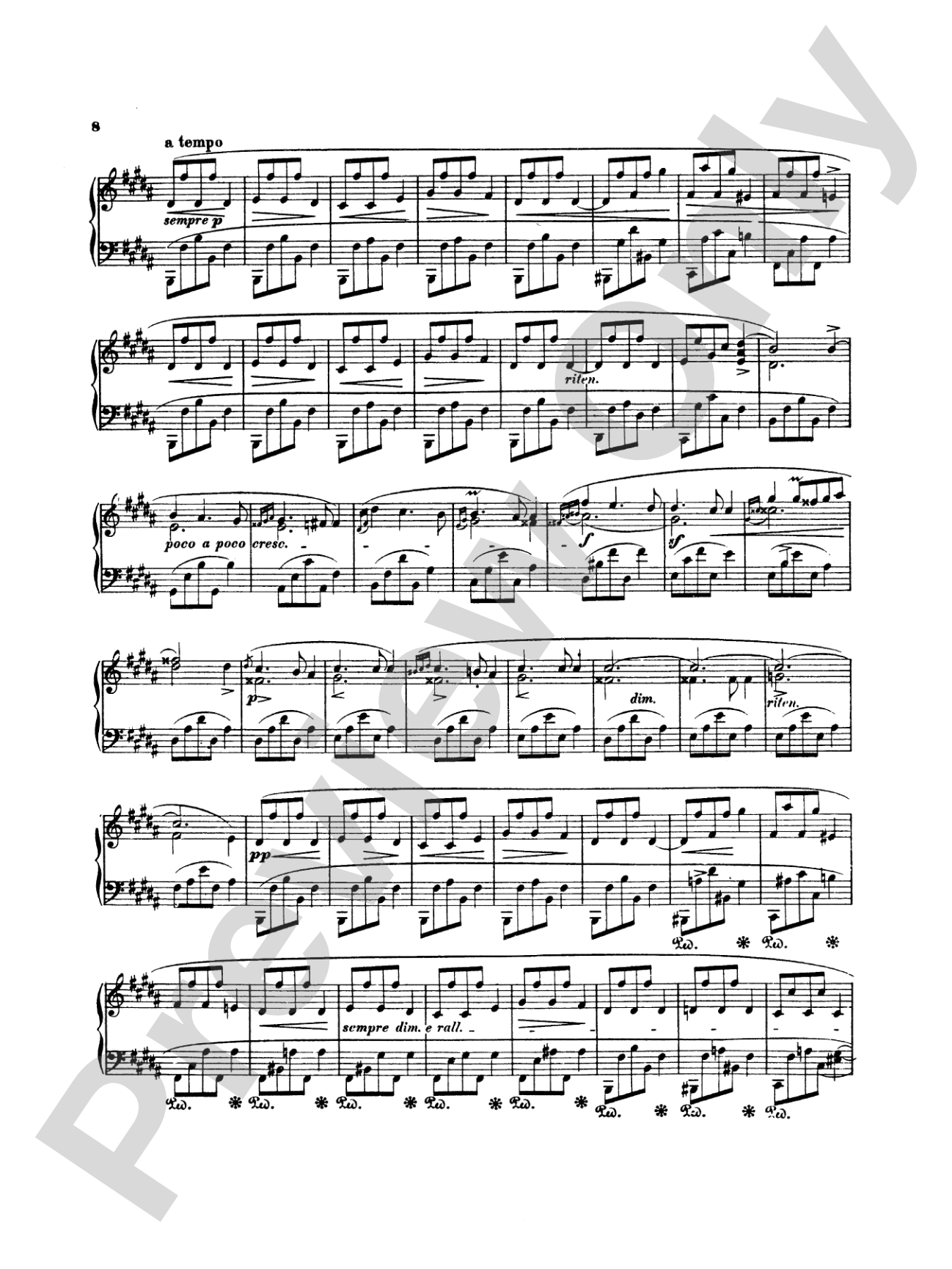
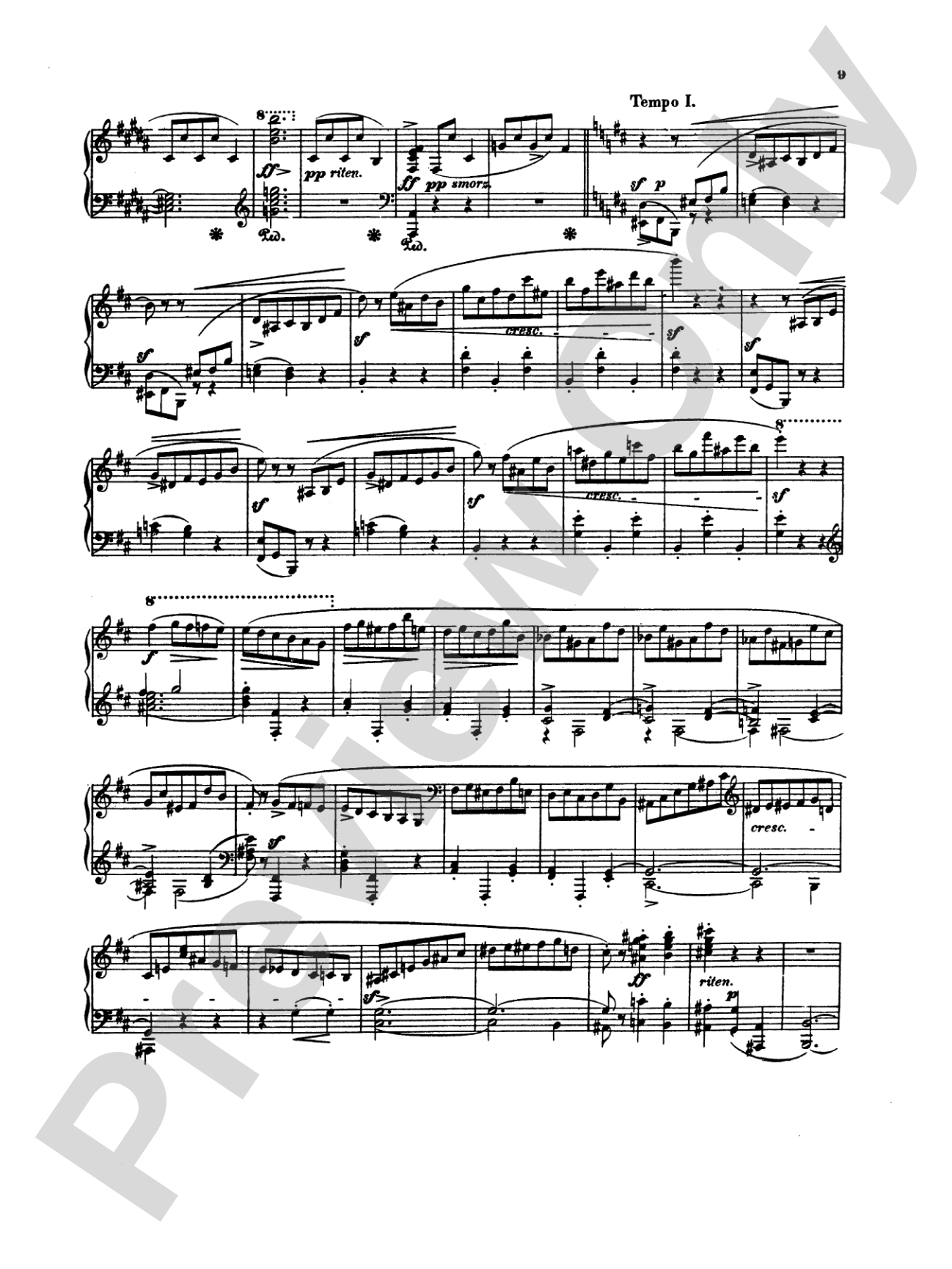
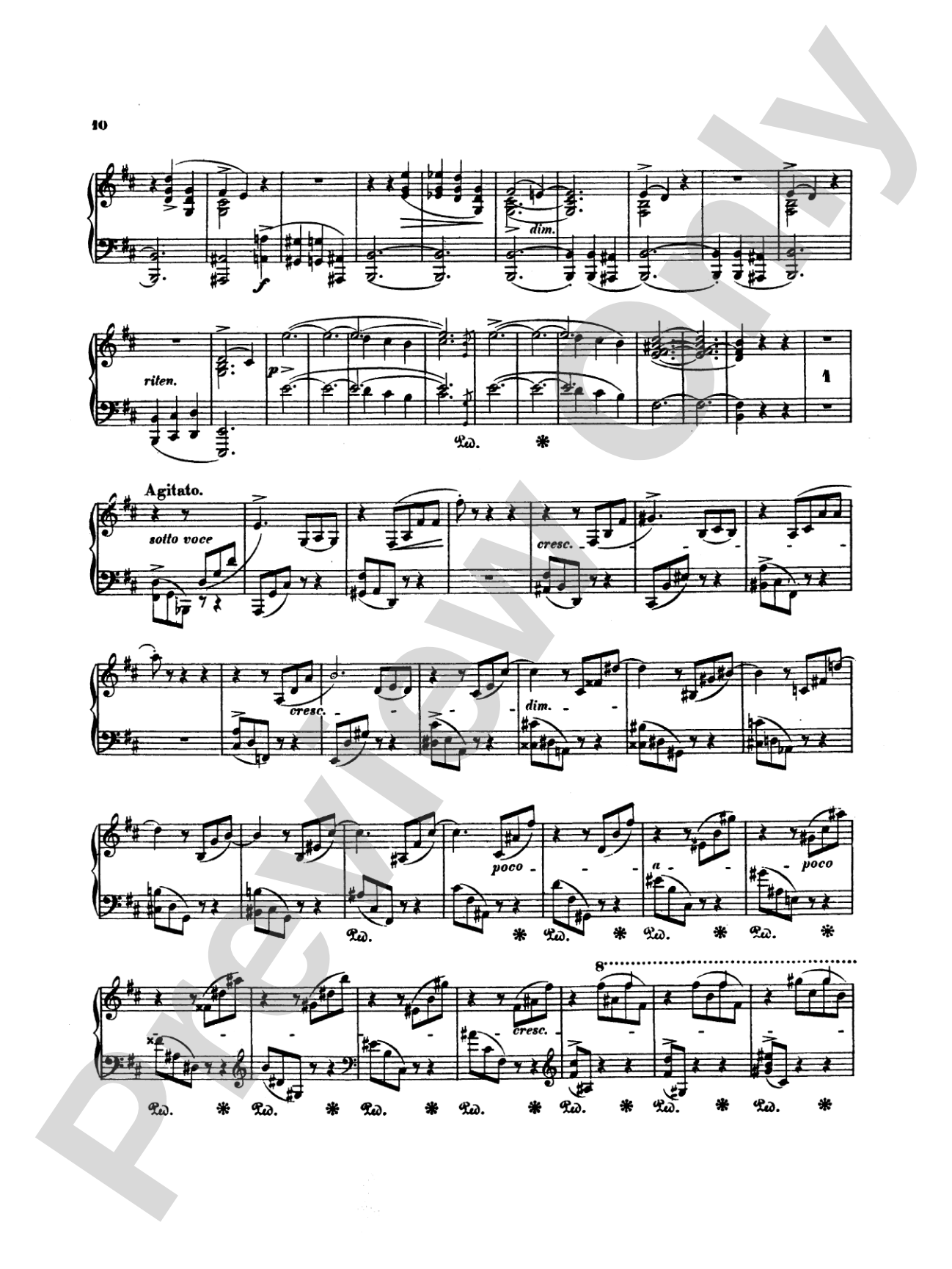
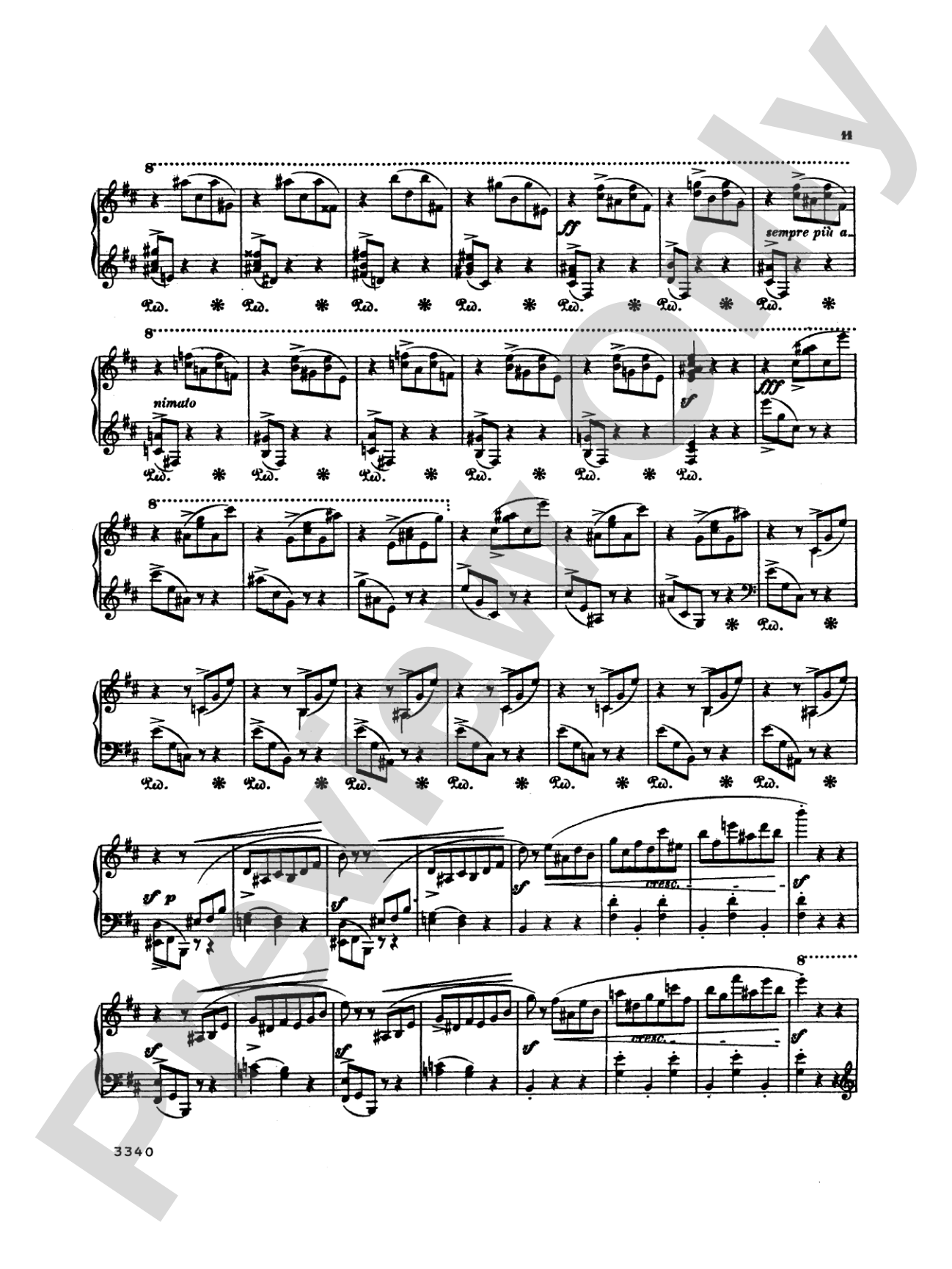
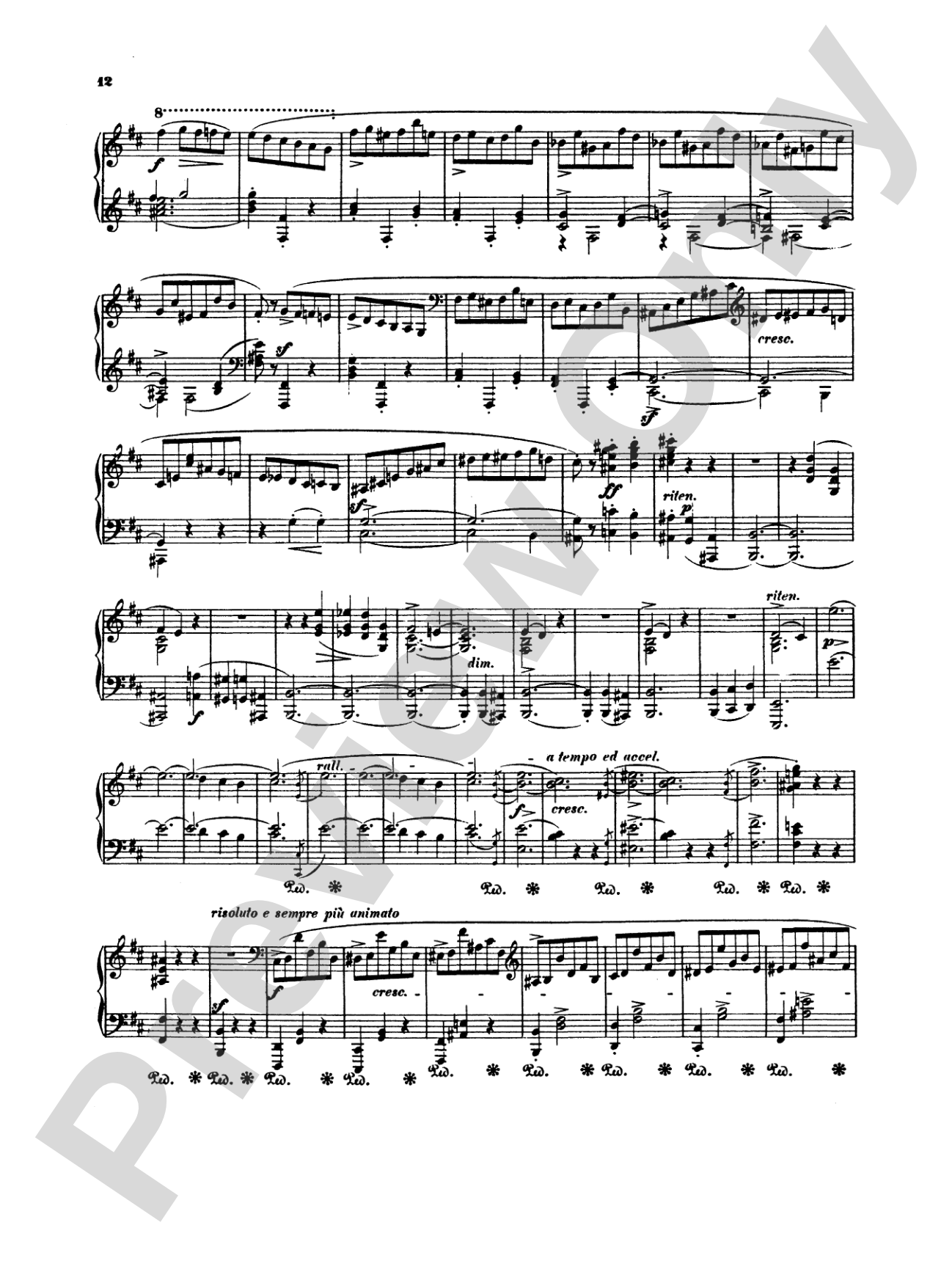
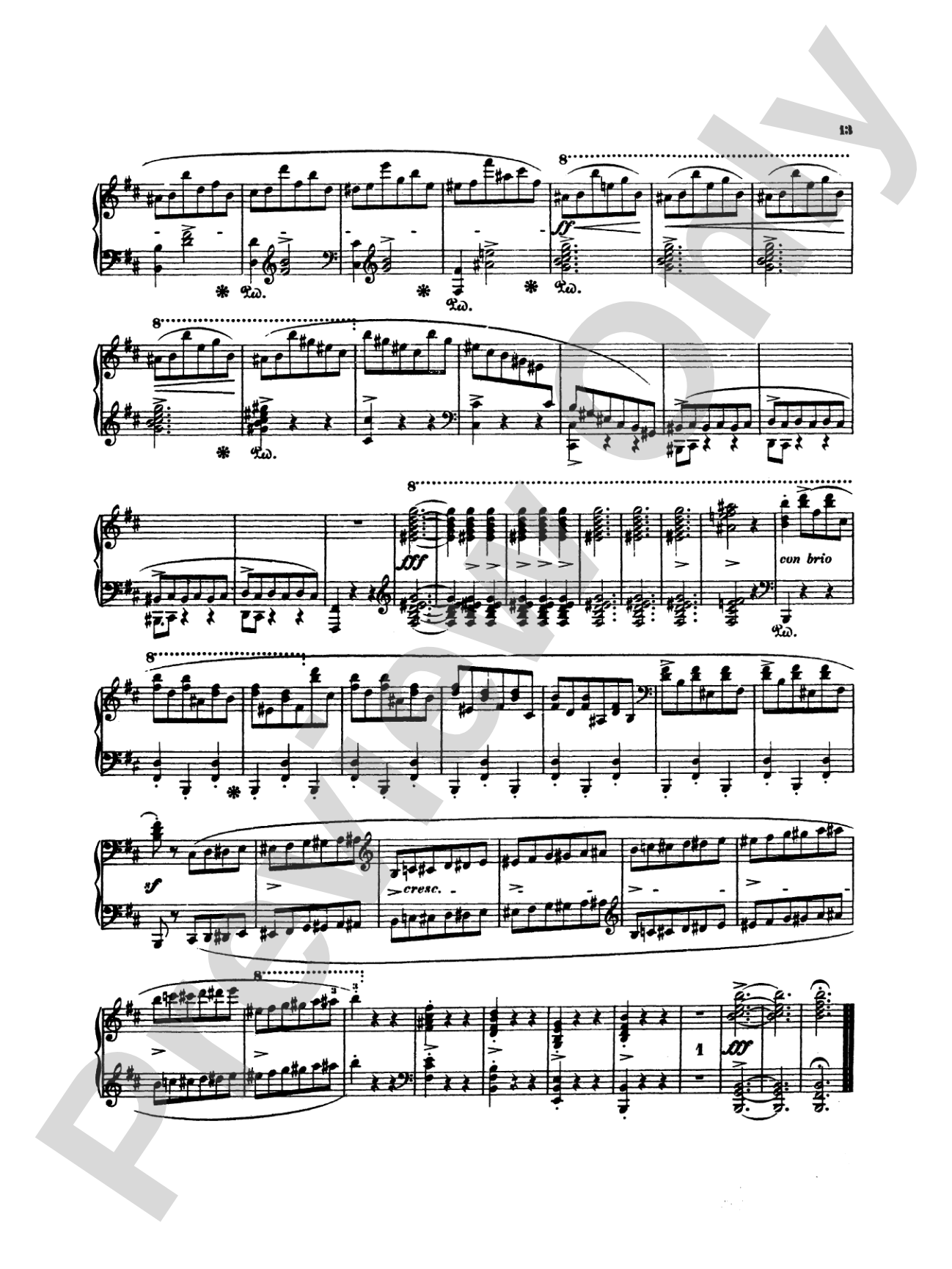

Chopin: Scherzi and Fantasy in F Minor (Ed. Franz Liszt): Piano Book
By Frédéric Chopin / ed. Franz Liszt
Item: 00-PK-0003024

$9.99
Pickup currently not available
Buy Extra Parts (Digital PDF Download)
Parts Added to Cart!
Related Items
Scherzi and Fantasy in F Minor: Piano Book |
$9.95
|
View |
Description
The Scherzo No. 1 in B minor, written between 1831 and 1832, is marked "Presto con fuoco". The piece is very dark, dramatic, and lively. The Scherzo No. 2 in B-flat minor, was composed and published in 1837, and described by Schumann as "overflowing with tenderness, boldness, love and contempt." The Scherzo No. 3 in C-sharp minor is the most tightly constructed and grandest of the four scherzos. His final Scherzo, No. 4 in E major, was written in 1842, is generally calmer, and is based on a Polish folk song. The Fantasy in F minor was composed in 1842, 7 years before Chopin's death in Paris.


Don't just read it, hear it, play along with it, and watch your students grow with it. In MakeMusic Cloud, Chopin: Scherzi and Fantasy in F Minor (Ed. Franz Liszt): Piano Book comes alive with professional accompaniment, adjustable tempo, and built-in practice tools that turn solo practice into real progress.
Open in the Player
Jump straight in and assign it today.
Start Your Free Trial
Open this title and explore the full library in minutes.
Sample Audio
No sample audio found.
Sample Video
No sample videos found.
Additional Details
Series:
Kalmus Edition
Publisher:
Alfred Music
Page Count:
72
SKU:
00-PK-0003024
More about this title
About the Composer: Frédéric Chopin
Frédéric Chopin (1810, 1849) transformed the piano from a drawing-room instrument into a vehicle for profound poetic expression. A virtuoso performer as well as composer, he wrote almost exclusively for the instrument, crafting works that demanded technical mastery while prioritizing lyrical singing tone and intimate emotional communication. His music bridged the Classical and Romantic eras, rooted in traditional forms yet revolutionary in harmony, ornamentation, and the integration of Polish folk idioms.
Chopin's influence on piano pedagogy remains unmatched. His works appear in curricula worldwide because they teach students to think beyond mechanics, to shape phrases with the sensitivity required of art song, and to understand how technical difficulty serves expressive purpose rather than existing for its own sake.
Why we love this
Chopin's scherzos demolish the assumption that scherzos must be light or playful. Each one presents a distinct character and structural challenge, and together with the Fantasy, they offer advanced pianists a concentrated study in Romantic texture, harmonic innovation, and architectural mastery. The Liszt edition provides editorial clarity for navigating these technically and musically demanding works.
What to expect
Dark, tempestuous, introspective, occasionally fierce. The scherzos swing between moments of tender lyricism and surging dramatic intensity, while the Fantasy unfolds like an emotional soliloquy, its episodic structure reflecting the turbulent inner life of Chopin's final creative period. You emerge from these pieces emotionally spent and intellectually engaged.
Who it's for
This collection serves pianists preparing for advanced recitals, graduate auditions, or examination programs that require substantial Romantic repertoire. These works demand secure technique, mature musicality, and comfort with the technical and interpretive challenges of mid-to-late Chopin.
How to get the most out of it
- Establish the emotional architecture of each scherzo before diving into technique. The B-minor and C-sharp minor scherzos demand a clear dramatic trajectory; rushing the tempo undermines their rhetorical power.
- Shape the trio sections with restraint. These moments of relative calm will vanish if you treat them with the same intensity as the outer material.
- Approach the Fantasy in F minor as a journey through contrasting emotional states rather than a collection of passages. The piece rewards pianists who think in terms of larger structural gestures across the 72 pages.
- Pay close attention to Chopin's pedal markings and texture indications. His use of the sustain pedal creates harmonic color that's central to the sound world, not an optional effect.
How to use it
Feature one complete scherzo as the centerpiece of a Romantic-era recital program, or pair the Fantasy with smaller Chopin works to create a focused evening devoted to his later compositional voice. These pieces also work well in a concert program pairing Chopin with other 19th-century keyboard composers exploring similar expressive territory.
Skills your students will build
- Managing rapid passagework and arpeggiation across a wide dynamic range
- Shaping long, lyrical melodic lines within a polyphonic texture
- Reading and interpreting 19th-century Romantic notation and performance indications
- Executing trill figures and ornaments within Romantic harmonic contexts
- Sustaining musical coherence across extended, non-traditional formal structures
- Pedal control in creating and dissolving harmonic color