

Chopin: Masters for the Young
By Frédéric Chopin
Item: 00-PK-0003797

$9.99
Pickup currently not available
Buy Extra Parts (Digital PDF Download)
| Product | Price | Quantity |
|---|---|---|
| Chopin: Masters for the Young | $0.99 | |
| Chopin: Masters for the Young | $0.99 | |
| Chopin: Masters for the Young | $0.99 | |
| Chopin: Masters for the Young | $0.99 | |
| Chopin: Masters for the Young | $0.99 | |
| Chopin: Masters for the Young | $0.99 | |
| Chopin: Masters for the Young | $0.99 | |
| Chopin: Masters for the Young | $0.99 |
Parts Added to Cart!
Description
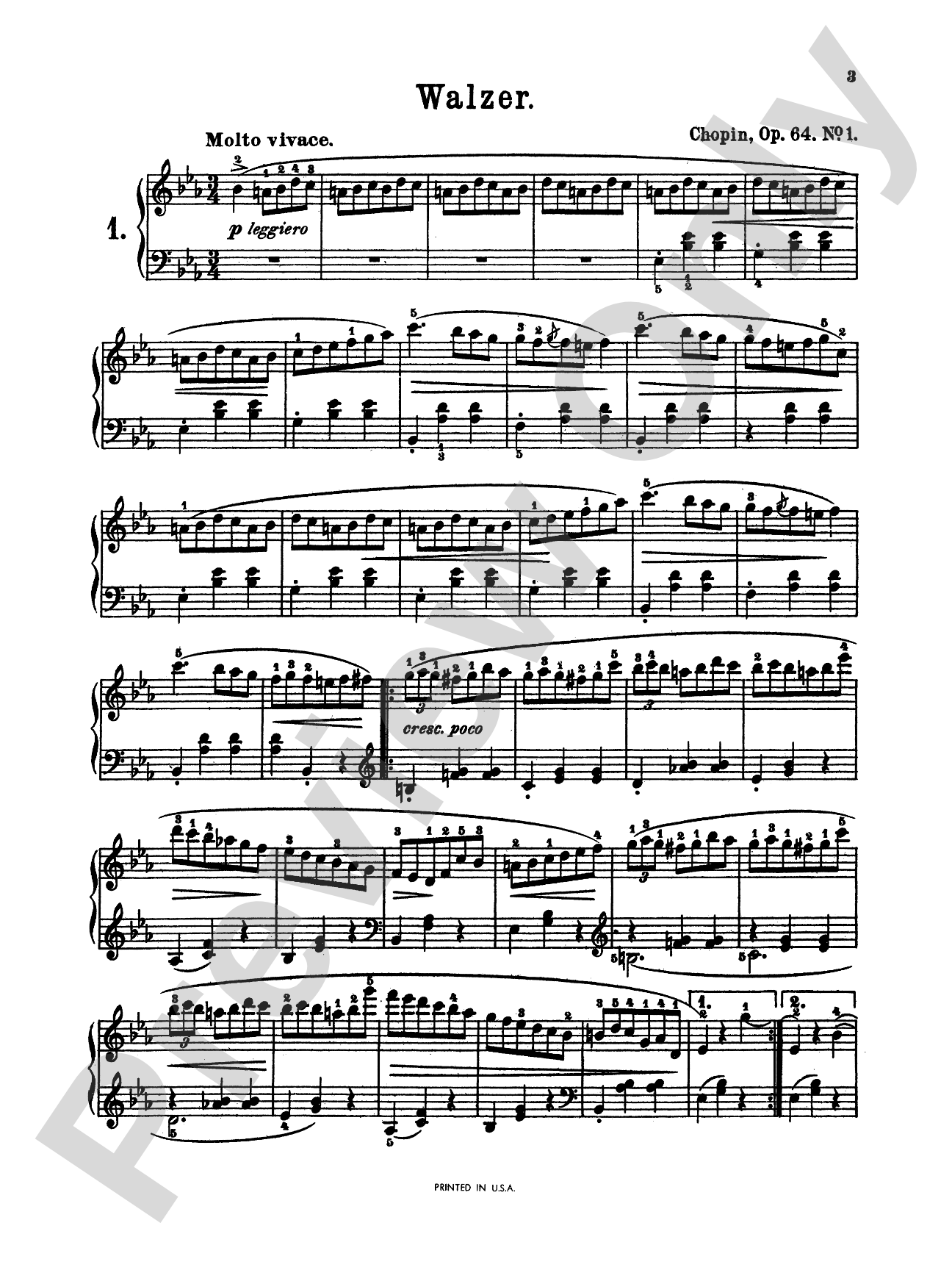
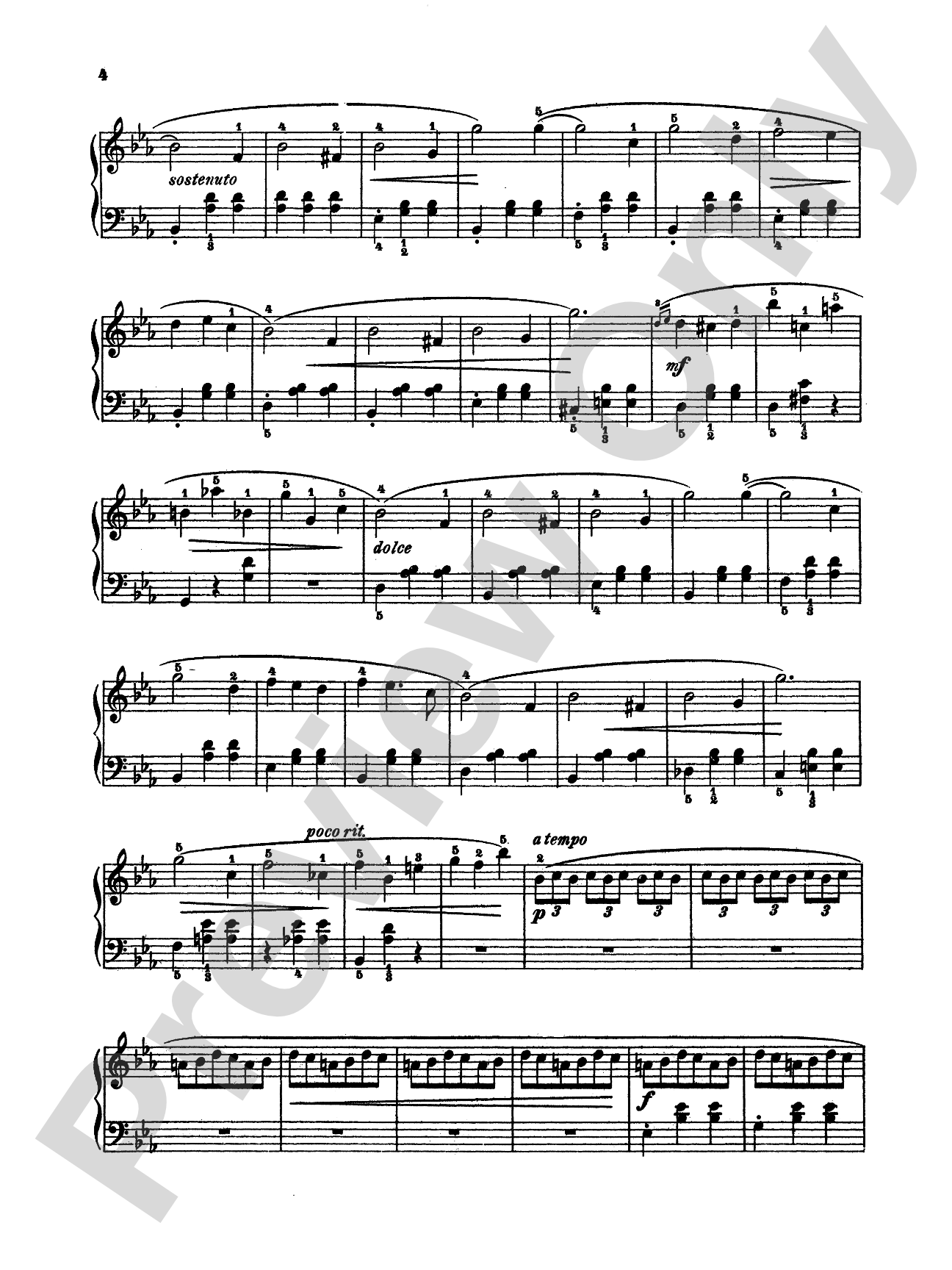
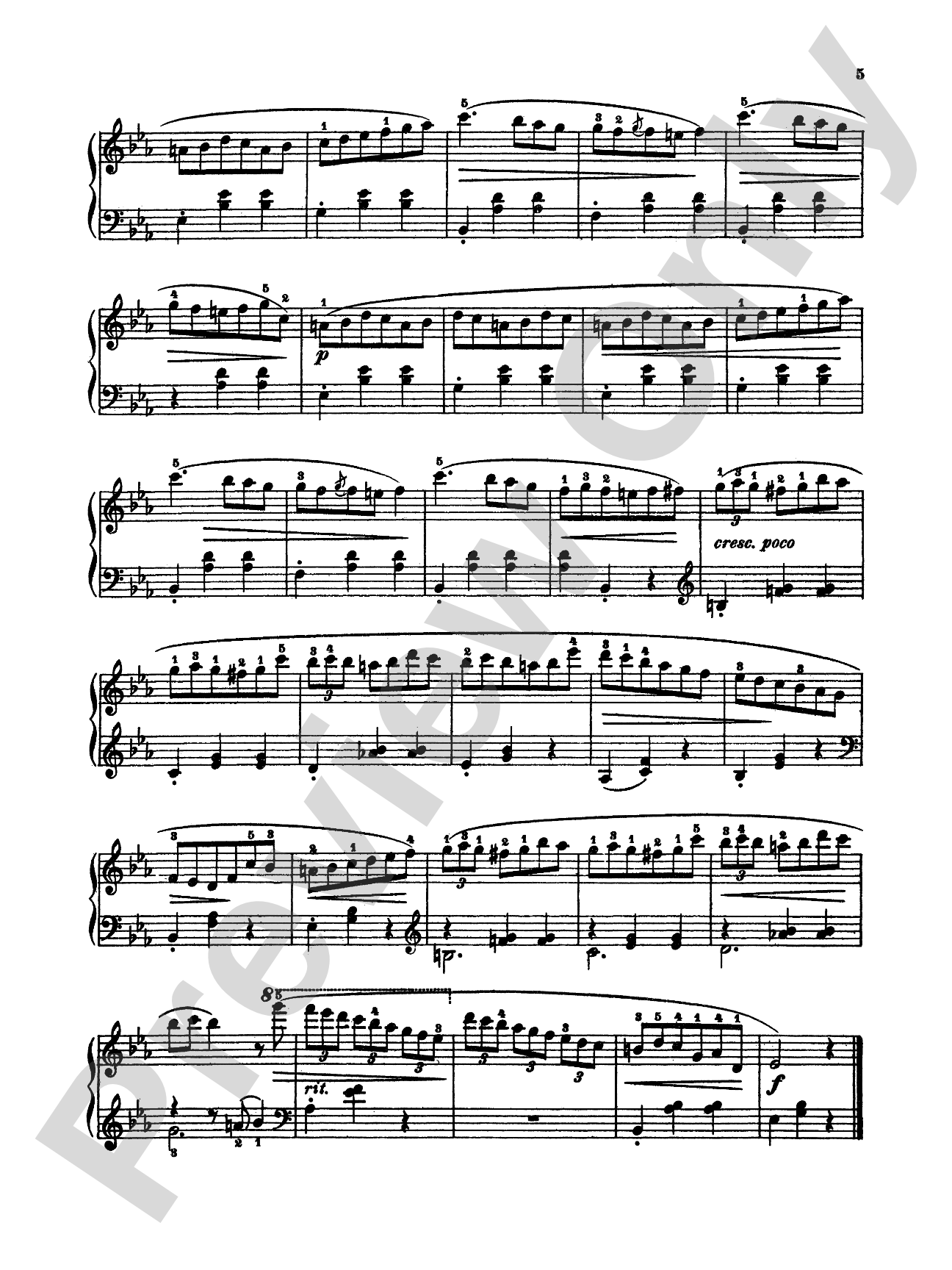
This is a collection of well-known Chopin works, arranged with simplified key signatures and easier reaches for smaller hands. Includes: Waltz, Op. 64, No. 1 (Minute Waltz) * Mazurka, Op. 7, No. 1 * Nocturne, Op. 9, No. 2 * Waltz, Op. 18 * Mazurka, Op. 33, No. 2 * Polonaise, Op. 40, No. 1 * Romanze, Op. 11 * Marche Funebre.


Don't just read it, hear it, play along with it, and watch your students grow with it. In MakeMusic Cloud, Chopin: Masters for the Young comes alive with professional accompaniment, adjustable tempo, and built-in practice tools that turn solo practice into real progress.
Open in the Player
Jump straight in and assign it today.
Start Your Free Trial
Open this title and explore the full library in minutes.
Sample Audio
No sample audio found.
Sample Video
No sample videos found.
Additional Details
Series:
Kalmus Edition
Publisher:
Alfred Music
Page Count:
24
SKU:
00-PK-0003797
More about this title
About the Composer: Frédéric Chopin
Frédéric Chopin (1810-1849) transformed the piano from an accompanying instrument into a vehicle for profound personal expression. His innovations in harmony, rubato, and pianistic texture established him as a cornerstone of Romantic music and shaped how composers approached the instrument for generations.
Chopin's output was remarkably focused: nearly all his works were written for solo piano or piano with other instruments, allowing him to develop an extraordinarily refined compositional voice within that medium. His influence extends far beyond his own era, making his works essential repertoire for pianists seeking to understand the Romantic imagination.
Why we love this
Chopin's music reaches into the emotional core of what makes piano playing rewarding, and this collection opens that door to younger students without requiring the hand span or technical facility of the originals. The simplified key signatures and accessible voicings preserve the harmonic beauty and character that make these pieces endure, while the carefully selected repertoire spans the full range of Chopin's genius—from the dance forms that flow under the fingers to the lyrical depths of the Nocturne.
What to expect
These pieces carry the elegance and emotional depth of Chopin's originals—the Nocturne breathes with intimate introspection, the Waltzes dance with sprightly grace, the Polonaise radiates nobility. Because the technical barriers have been thoughtfully lowered, young pianists can focus on the music itself and experience the satisfaction of playing repertoire that moves them and their listeners alike.
Who it's for
Students in grades 4-7 who have solid hand position and basic sight-reading skills and are ready to encounter genuine artistic substance. Teachers seeking to introduce Romantic piano literature without waiting for students to reach advanced technical levels will find these arrangements unlock doors that would otherwise remain closed for years.
How to get the most out of it
- Shape each phrase with genuine rubato rather than metronomic precision; Chopin's music breathes, and younger players benefit from hearing how small tempo adjustments follow the natural contours of the melody.
- Pedal selectively and listen carefully to how it colors the harmony; the simplified voicings still reward attention to resonance and clarity, and overuse of pedal will muddy the texture.
- Bring character to the dance forms by feeling their rhythmic pulse; the Waltz and Polonaise have distinct personalities that emerge through confident, stylistically aware articulation.
- Practice the ornaments and passage work hands separately at first, then layer them back together with attention to balance; in these adaptations, the accompaniment should never overshadow the singing line.
How to use it
Build a recital around one or two pieces from this collection as anchor points for a Romantic-era program, pairing them with other accessible 19th-century works to give students exposure to an era that shaped modern piano playing. These pieces also work beautifully in a young artist showcase or studio recital where demonstrating artistic growth matters as much as technical prowess.
Skills your students will build
- Pedal control and awareness of how sustain affects harmonic color
- Rubato and expressive timing within a structured pulse
- Left-hand accompaniment patterns typical of the Romantic era (alberti bass, broken chords, rhythmic figures)
- Phrasing and voice leading in chordal textures
- Ornament execution (turns, trills, grace notes) in period style
- Interpretation of tempo and character markings in Italian