

Chopin: Album II (Ed. Hermann Scholtz)
By Frédéric Chopin / ed. Hermann Scholtz
Item: 00-PC-0006622
$0.99
Pickup currently not available
Description
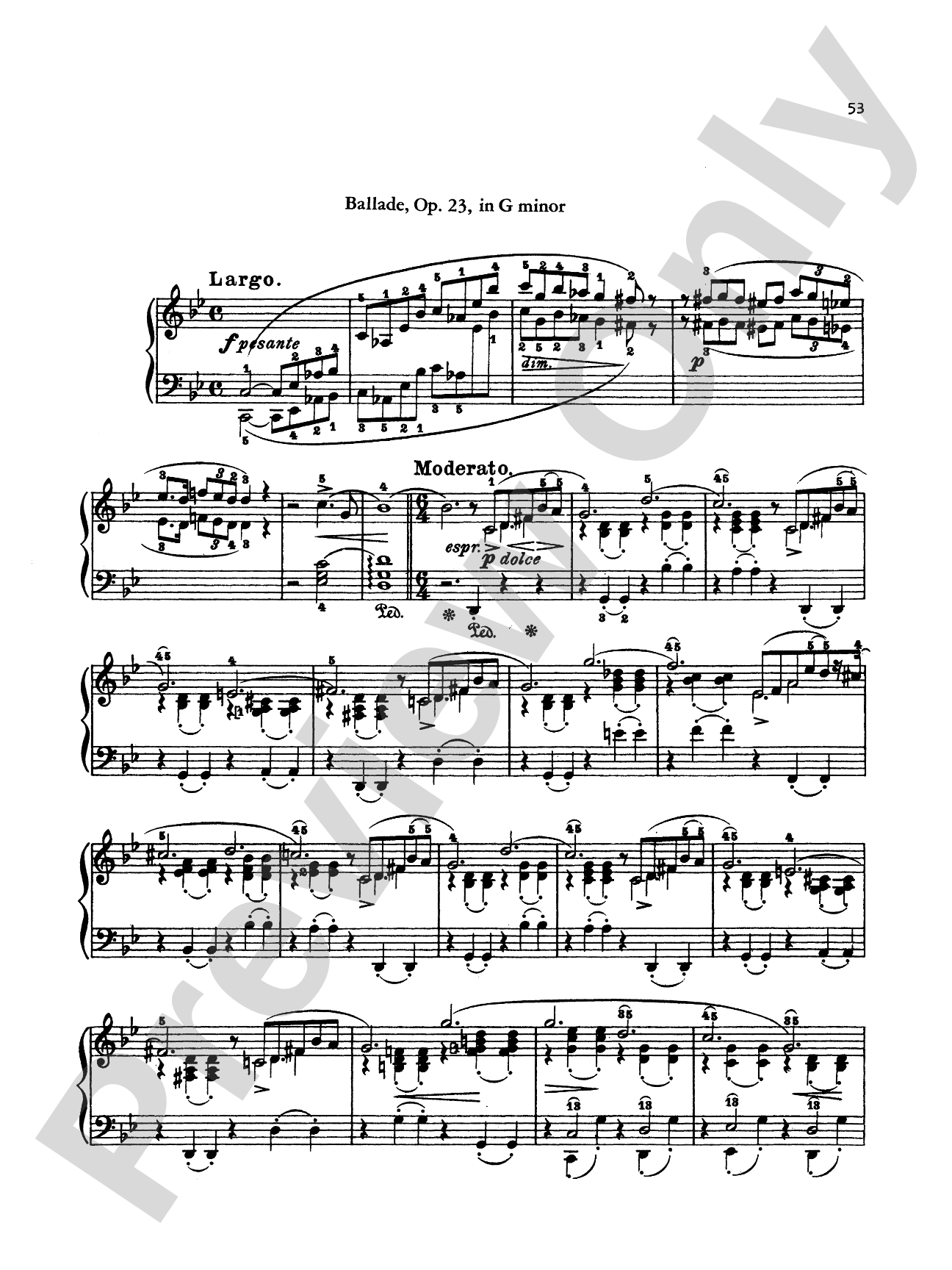
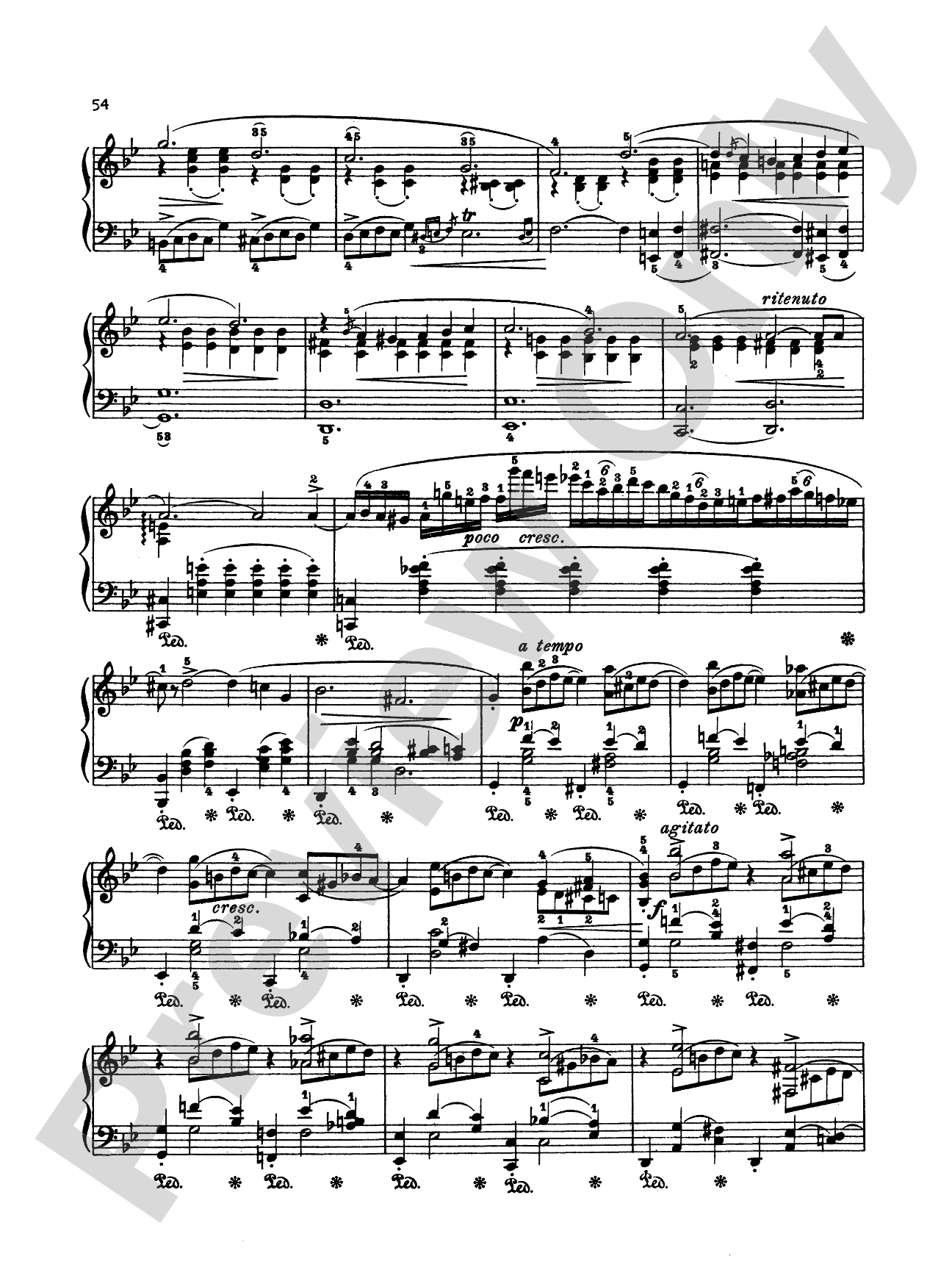
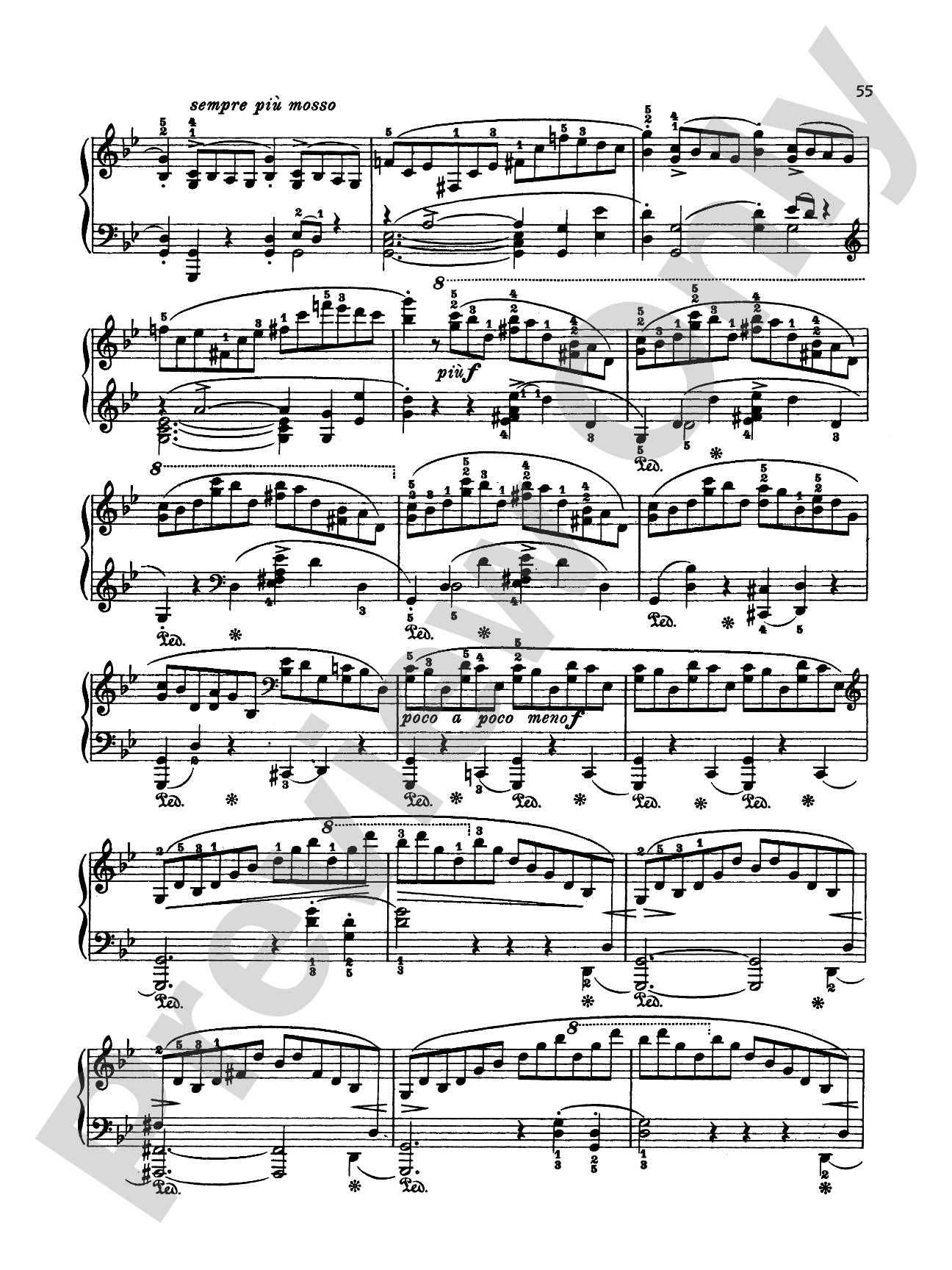
Album 2, unarranged and unabridged, compiled by Alexander Lipsky, contains: Etudes -- Op. 10, No. 3, in E major * Op. 10, No. 5, in G-flat major (Black Key) * Op. 25, No. 1, in A-flat major (Harp) * Op. 25, No. 2, in F minor * Op. 10, No. 12, in C minor (Revolutionary) * Op. 25, No. 9, in G-flat major (Butterfly) * Op. 25, No. 11, in A minor (Winter-Wind) * Op. 25, No. 12, in C minor * Posthumous Etude, No. 1, in F minor * Ballades -- Op. 47 in A-flat major * Op. 23 in G minor * Fantasie, Op. 49, in F minor * Sonata, Op. 35 in B-flat minor * Scherzo, Op. 31, in B-flat minor * Berceuse, Op. 57.


Don't just read it, hear it, play along with it, and watch your students grow with it. In MakeMusic Cloud, Chopin: Album II (Ed. Hermann Scholtz) comes alive with professional accompaniment, adjustable tempo, and built-in practice tools that turn solo practice into real progress.
Open in the Player
Jump straight in and assign it today.
Start Your Free Trial
Open this title and explore the full library in minutes.
Sample Audio
No sample audio found.
Sample Video
No sample videos found.
Additional Details
Series:
Kalmus Edition
Publisher:
Alfred Music
Page Count:
128
SKU:
00-PC-0006622
More about this title
About the Composer: Frédéric Chopin
Frédéric Chopin (1810-1849) fundamentally reshaped what the piano could express. A Polish composer and virtuoso pianist who spent much of his career in Paris, Chopin wrote almost exclusively for his instrument, creating a body of work that remains central to the piano repertoire. His innovations in harmony, texture, and keyboard technique transformed the instrument from a vehicle for display into a medium for profound musical intimacy.
For music students, Chopin's works represent an essential bridge between technical mastery and artistic maturity. The pieces in this album span his career and demonstrate his evolution as a composer while offering pianists at various levels concrete models for how to build musicality, independence of the hands, and a sophisticated approach to color and phrasing.
Why we love this
This collection assembles Chopin's most teachable and performed works in a single, authoritative edition. The sequencing moves through etudes, ballades, fantasie, sonata, scherzo, and berceuse, creating natural pathways for students to deepen their engagement with Chopin's language across multiple forms. The Scholtz edition provides clear, practical text that respects the composer's intentions without unnecessary editorial intrusion.
What to expect
These pages contain some of the most intimate and virtuosic writing ever committed to the piano. You'll encounter crystalline passagework that spins out like thought itself, lyrical passages of aching beauty, and moments of dramatic weight that demand both technical control and emotional conviction. The journey moves through brilliant technical challenge into profound introspection, mirroring Chopin's own artistic concerns.
Who it's for
Advanced pianists and serious students preparing for conservatory-level study, competitions, or a mature recital repertoire. Teachers of high school and college piano will find this edition invaluable for students who have developed secure technique and are ready to engage with Romantic-era expression and form.
How to get the most out of it
- Shape the musical line as if you were singing it. Chopin's cantabile tradition demands that even technically complex passages (especially in the etudes) serve the melodic phrase, not overshadow it.
- Pedal with precision rather than habit. Chopin's harmonic language relies on careful resonance; experiment with partial pedal and quick changes to clarify chords without muddying texture.
- Honor the tempo markings as emotional anchors, not metronome settings. Chopin notated subtle variations in pace (tempo rubato) that shape phrasing; allow the music room to breathe within a stable pulse.
- Listen to the relationship between hands vertically, not just horizontally. Many of these pieces balance a lyrical right hand against a rhythmically independent left hand; practice them separately until each hand's voice is clear, then layer deliberately.
How to use it
Program individual pieces as recital anchors or as a thematic concert devoted entirely to Chopin. The Black Key Etude and Revolutionary Etude work brilliantly as opening or closing statements; the Ballade in G minor and Fantasie in F minor serve as substantial solo pieces that showcase mature artistry. Use the shorter works (Berceuse, Scherzo) as encores or as stepping stones for students not yet ready for the full-length works.
Skills your students will build
- Independence and coordinated control of the hands in contrasting rhythmic and textural roles
- Harmonic sophistication, particularly chromatic voice-leading and non-functional harmony
- Tone production and voicing of multi-layered textures (melody, countermelody, accompaniment)
- Tempo rubato and expressive timing within a stable pulse
- Octave technique, rapid figuration, and hand position shifts across the keyboard
- Large-scale formal architecture (ballade and sonata forms)
- Pedal technique and its relationship to harmonic clarity