

Chopin: Album I (Ed. Hermann Scholtz)
By Frédéric Chopin / ed. Hermann Scholtz
Item: 00-PC-0006610
$0.99
Pickup currently not available
Description
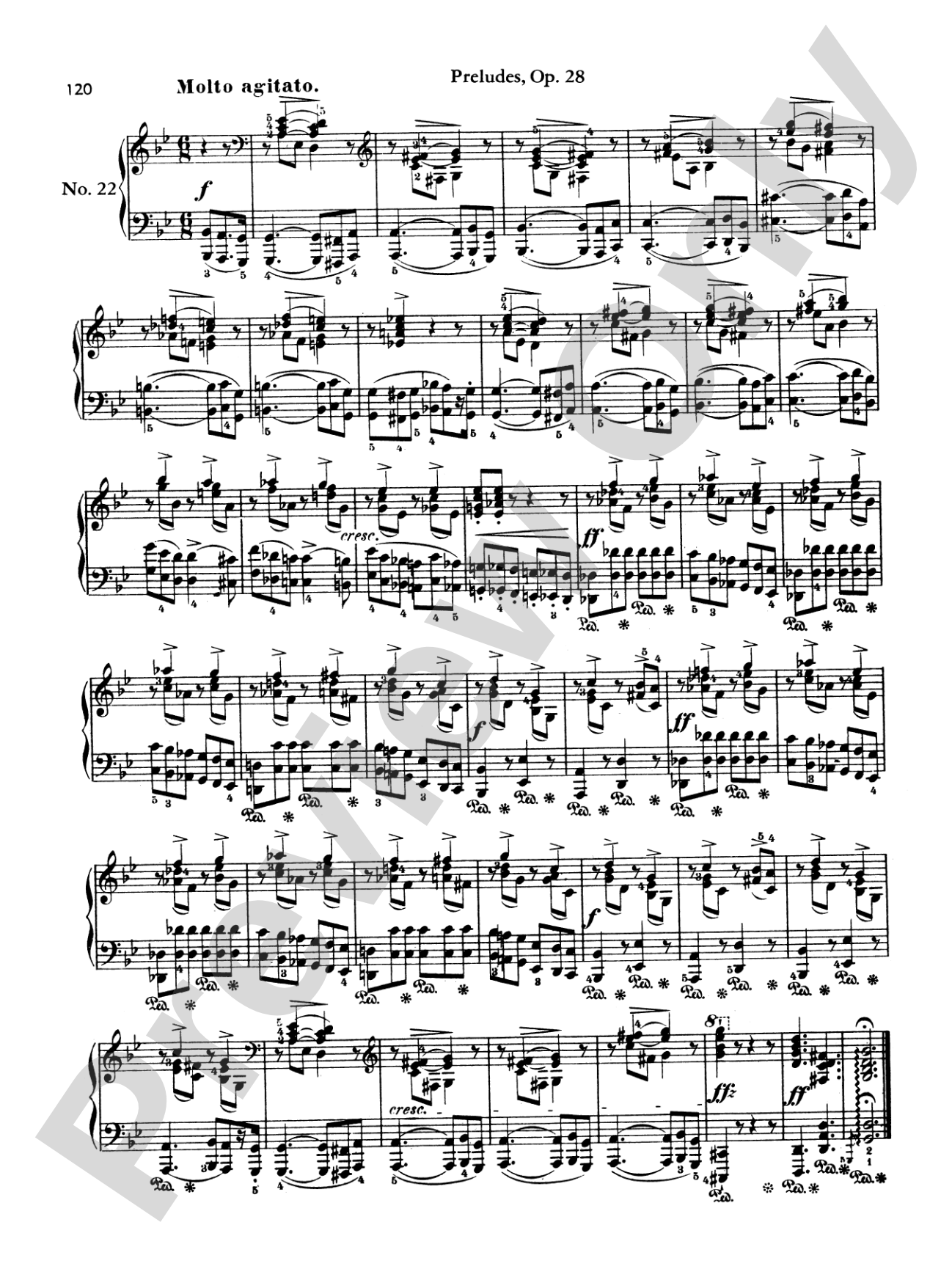
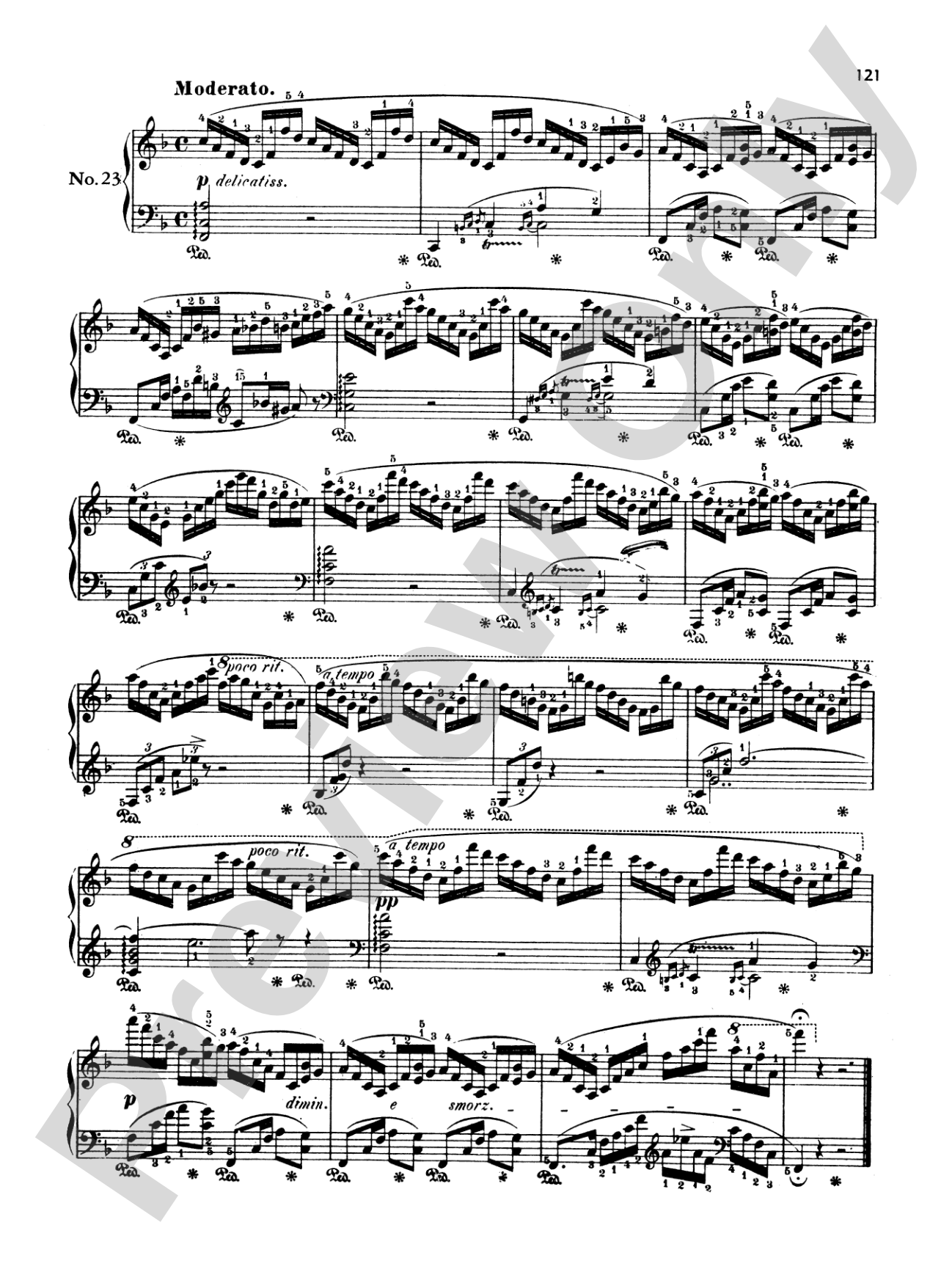
Album 1, Urtext Edition, of the piano works of Frédéric Chopin, contains: Waltzes -- Op. 34, No. 1 * Op. 34, No. 2 * Op. 64, No. 1 * Op. 69, No. 2 * Op. 70, No. 1 * E minor (post.) * Mazurkas -- Op. 7, No. 1 * Op. 17, No. 4 * Op. 33, No. 4 * Op. 6, No. 4 * Polonaises -- Op. 40, No. 1 (Military) * Op. 53, in A-flat major * Nocturnes -- Op. 9, No. 2 in E-flat major * Op. 27, No. 2 * Op. 15, No. 2 * Op. 37, No. 1 * Op. 48, No. 1 * Fantasie-Impromptu * Impromptu, Op. 29 * Preludes, Op. 28, Nos. 1, 2, 3, 4 * Preludes, Op. 28, Nos. 6, 7, 8 * Preludes, Op. 28, Nos. 20, 21 * Preludes, Op. 28, Nos. 22, 23, 24 * Prelude, Op. 28, No. 15 (Raindrop).


Don't just read it, hear it, play along with it, and watch your students grow with it. In MakeMusic Cloud, Chopin: Album I (Ed. Hermann Scholtz) comes alive with professional accompaniment, adjustable tempo, and built-in practice tools that turn solo practice into real progress.
Open in the Player
Jump straight in and assign it today.
Start Your Free Trial
Open this title and explore the full library in minutes.
Sample Audio
No sample audio found.
Sample Video
No sample videos found.
Additional Details
Series:
Kalmus Edition
Publisher:
Alfred Music
Page Count:
128
SKU:
00-PC-0006610
More about this title
About the Composer: Frédéric Chopin
Frédéric Chopin (1810-1849) was a Polish composer and pianist who fundamentally transformed the piano's expressive possibilities during the Romantic era. His innovations in harmony, rubato, and pedal technique established new technical and interpretive standards that pianists still grapple with today. Working primarily in small forms, he demonstrated that intimate, personal expression could rival the grand architectural ambitions of symphonic works.
Chopin's influence on piano pedagogy remains immense. His compositions demand not just technical mastery but also refined control of tone, timing, and voicing. Teachers return to his work across all advanced levels because each piece, whether a brief prelude or a substantial nocturne, contains layers of musical and technical instruction that reward lifelong study.
Why we love this
This Urtext edition captures the full spectrum of Chopin's genius in one essential collection, spanning his most frequently performed works across all the major genres he mastered. The selection moves logically between forms, making it an ideal reference for students navigating the progression from shorter character pieces to larger works, and directors appreciate having authoritative texts of both canonical pieces (the Military Polonaise, Raindrop Prelude) and lesser-known gems in a single source.
What to expect
Chopin's music inhabits a realm of refined melancholy, intricate ornamentation, and restless emotional subtlety. These pieces shimmer with poetic intimacy one moment and surge with dignified, even martial authority the next; they reward attention to minute gradations of tone and timing, inviting performers and listeners into conversations that feel both deeply personal and universally resonant.
Who it's for
Advanced pianists and serious students who have moved beyond early intermediate repertoire and are ready to engage with works that demand both technical control and mature interpretive sensibility. This collection serves musicians preparing for recitals, competitions, or degree-level study, as well as teachers seeking authoritative texts of cornerstone Romantic piano literature.
How to get the most out of it
- Balance the independence of voices in the nocturnes by imagining the melody as a virtuosic vocalist accompanied by delicate figures; avoid blending them into a homogeneous texture.
- In the preludes, attend closely to Chopin's dynamic and articulation markings, which often contradict conventional harmonic expectations and require deliberate interpretive choice.
- Shape the waltzes with a conversational sense of phrasing rather than strict metronomic regularity; allow the natural weight of melodic peaks to guide tempo fluctuations.
- Explore the full palette of pedal colors Chopin indicates, particularly in the mazurkas where rhythmic and harmonic resonance transform the character of the dance.
How to use it
Build a recital around a single genre from this collection, pairing waltzes or nocturnes with works by contemporaries to highlight Chopin's distinctive harmonic language and formal innovation. Alternatively, weave representative pieces throughout a season to anchor study of Romantic piano aesthetics, using the preludes as accessible entry points and the polonaises and fantasie-impromptu as capstone works that synthesize the collection's technical and expressive demands.
Skills your students will build
- Rubato and flexible pulse control in the context of Romantic idiom
- Left-hand independence and rhythmic flexibility in the mazurkas
- Pedal technique for sustaining harmony across wide registers
- Voicing polyphonic textures without sacrificing legato in nocturnes
- Interpretation of ornaments and figured passages with stylistic authenticity
- Navigation of rapid scalar and arpeggionic figurations in impromptus and waltzes