
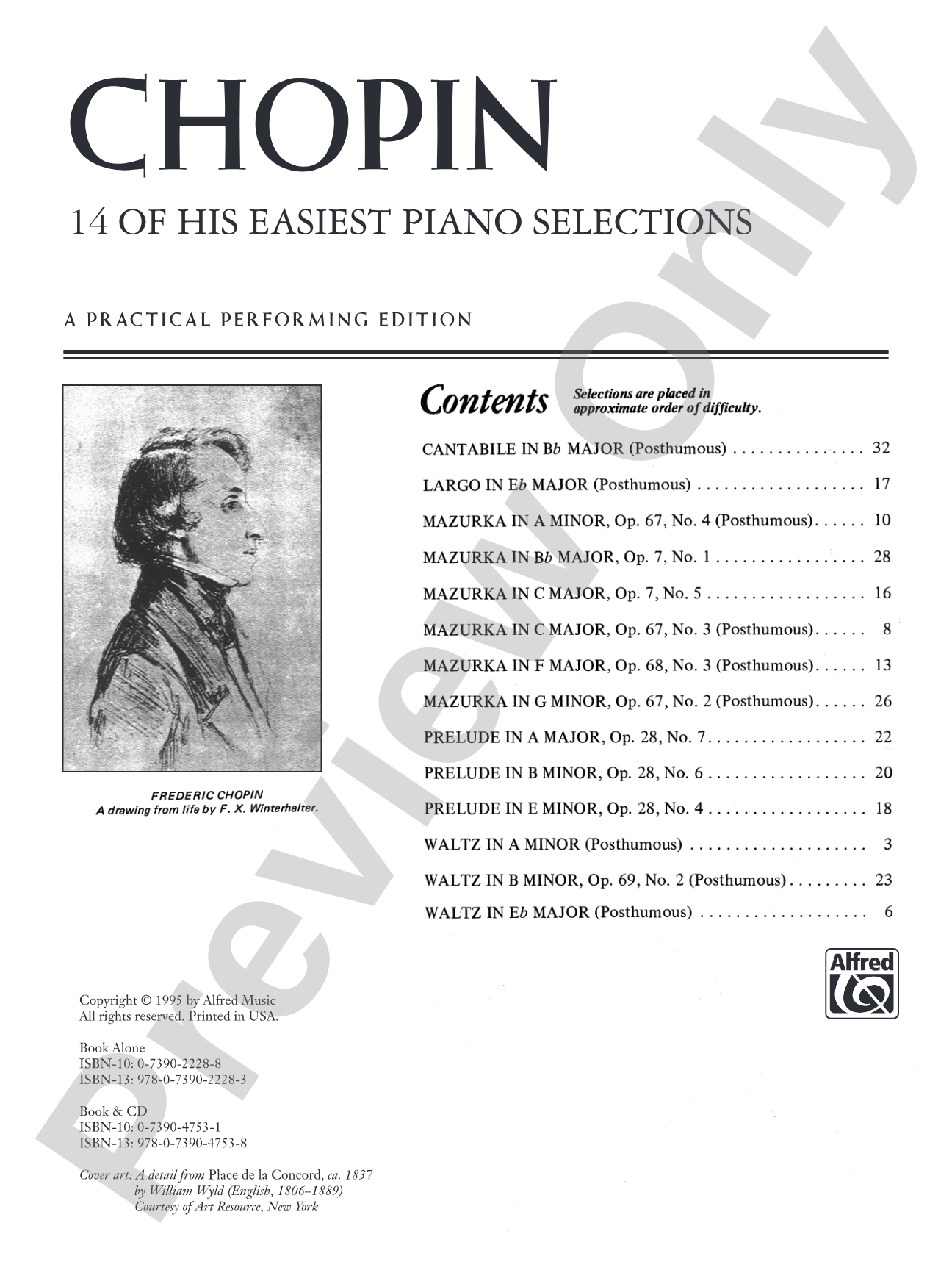

Chopin: 14 of His Easiest Piano Selections: A Practical Performing Edition: Piano
A Practical Performing Edition
By Frédéric Chopin
Level: Intermediate / Late Intermediate
Item: 00-PB-0000868
$9.99
Pickup currently not available
Related Items
Chopin: 14 of His Easiest Piano Selections: Piano Book |
$9.99
|
View |
Description
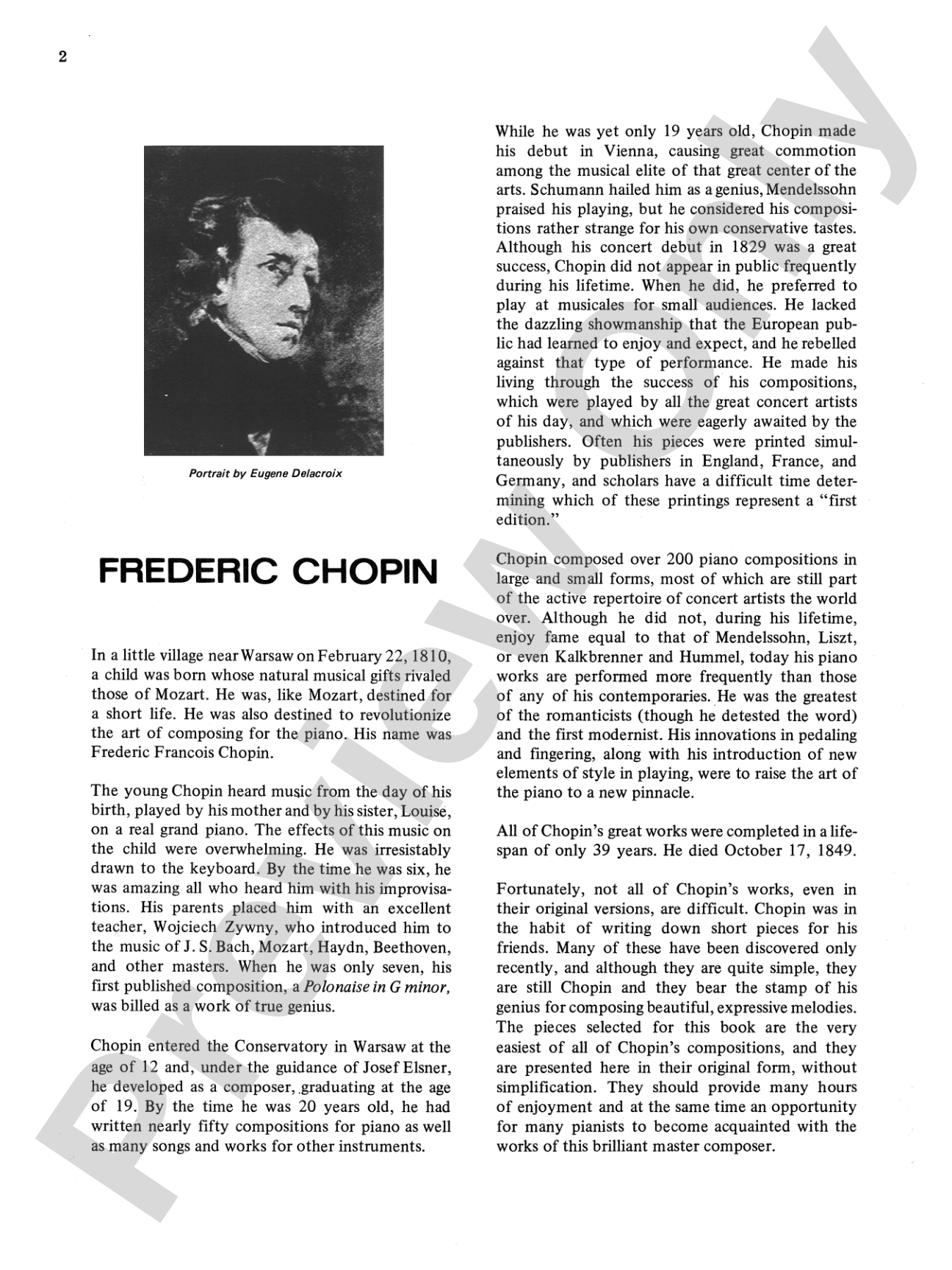
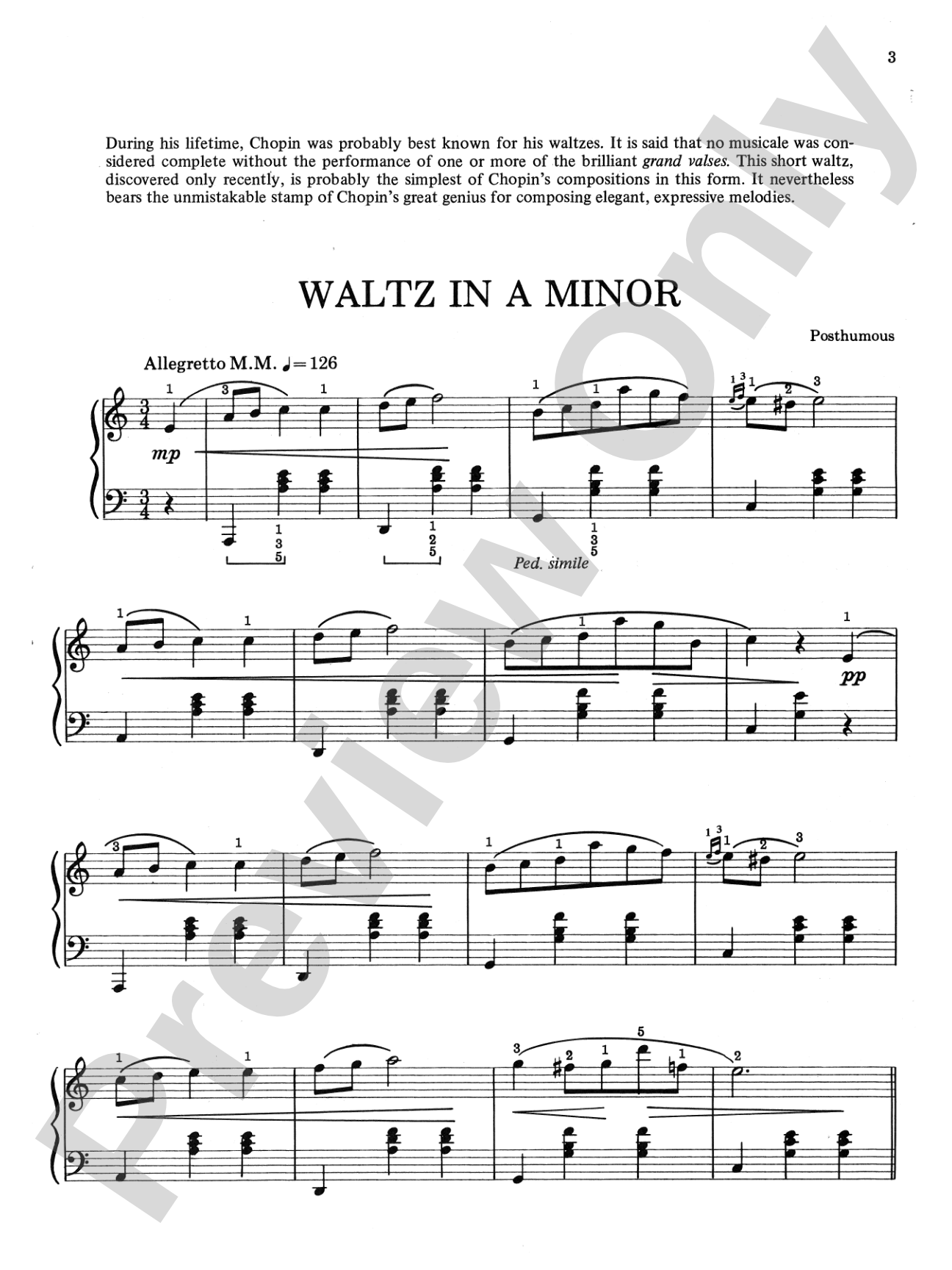
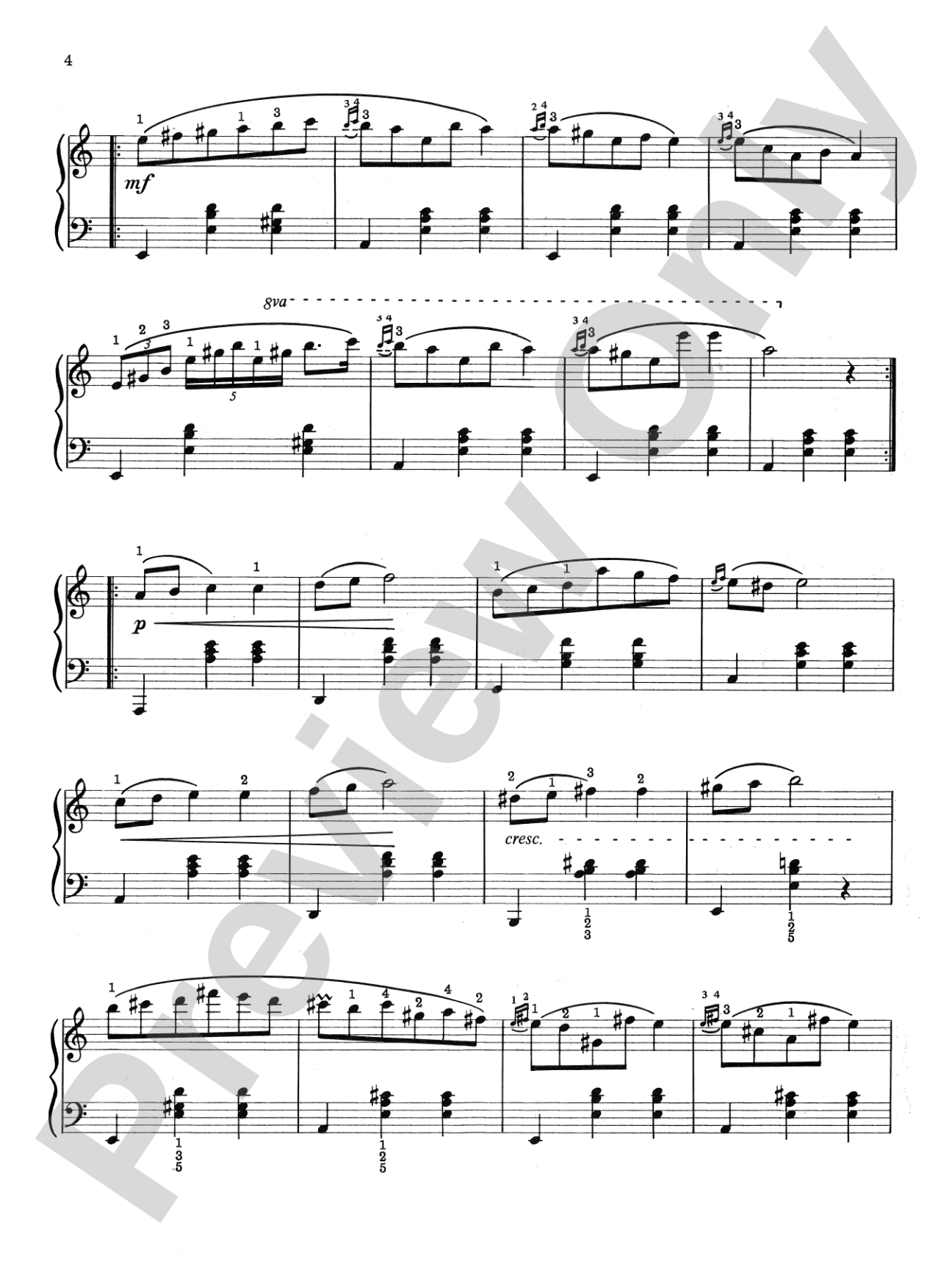
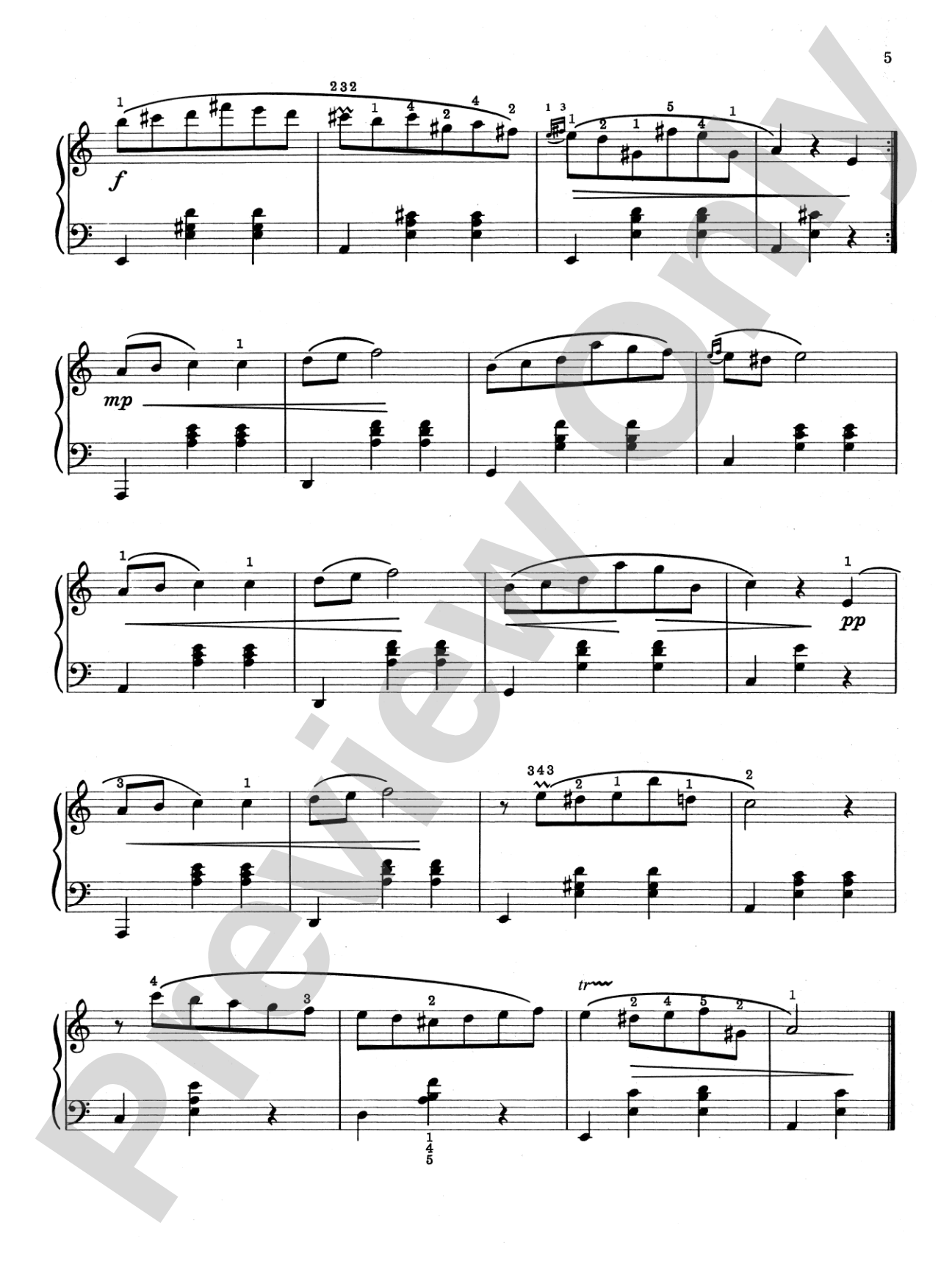
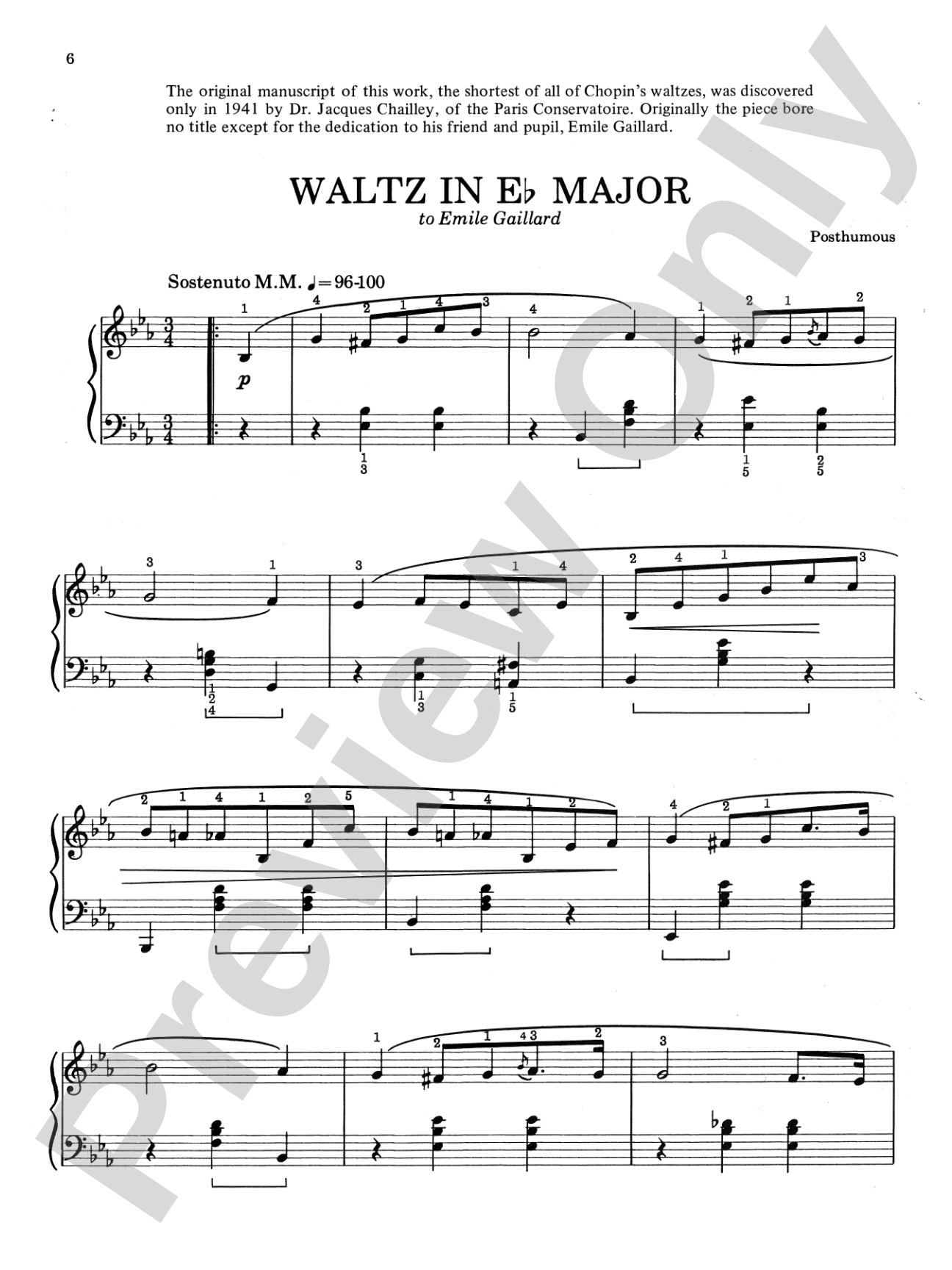
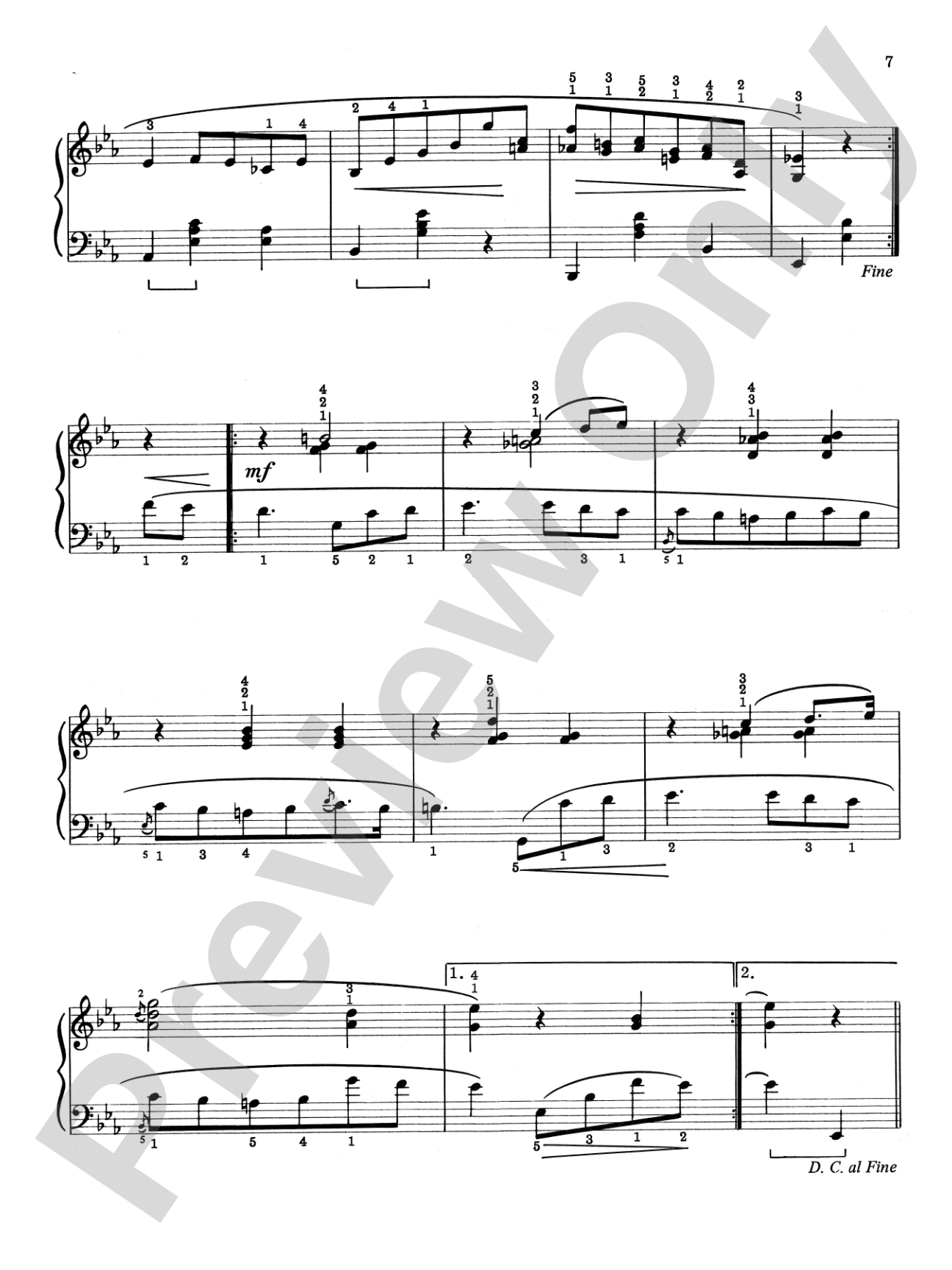
This Practical Performing Edition is a well-rounded introduction to Chopin's easiest piano pieces. It contains the familiar "Prelude in A Major," "Prelude in B Minor" and "Prelude in E Minor," three waltzes (published posthumously), six mazurkas and additional works. Ornaments are realized and fingering and pedal suggestions are provided. Biographical information and a brief discussion of each work further assist students with Chopin's style. A Federation Festivals 2020-2024 selection.


Chopin: 14 of His Easiest Piano Selections: A Practical Performing Edition: Piano isn't in MakeMusic Cloud just yet...but it could be. Let us know you'd like to see it, and you'll help shape what comes next. In the meantime, start a free trial and dive into thousands of interactive titles your students can play along with today.
Request This Title
Tell us you want it.
Start Your Free Trial
Explore everything that's ready to play right now.
Sample Audio
No sample audio found.
Sample Video
Additional Details
Series:
Alfred Masterwork Edition
Publisher:
Alfred Music
Page Count:
32
SKU:
00-PB-0000868
More about this title
About the Composer: Frédéric Chopin
Frédéric Chopin (1810, 1849) transformed the piano into an instrument of intimate poetry. A Polish composer who spent much of his life in Paris, Chopin wrote almost exclusively for the piano, creating a vast catalog that ranges from virtuosic concert works to character pieces of remarkable depth. His harmonic innovations, use of rubato, and exploration of the instrument's lyrical capabilities made him a central figure in Romantic music and a lasting influence on how pianists approach tone, technique, and interpretation.
For students, Chopin represents an essential bridge between classical form and Romantic expression. His shorter works, particularly the preludes and mazurkas, introduce intermediate pianists to sophisticated harmonic language and the expressive possibilities of the modern piano without requiring the technical demands of his larger works.
Why we love this
This collection strips away the mythology of Chopin and offers genuine entry points into his musical language. The practical editorial choices, realized ornaments, fingering guidance, and pedal markings, remove barriers to interpretation so students can focus on the delicate balance between technical control and emotional expression that makes Chopin so rewarding to teach.
What to expect
These pieces inhabit the world of personal reflection and refined elegance. Melodies sing with a distinctly Romantic yearning, harmonies shift with unexpected warmth, and the piano becomes a voice capable of whisper and sudden passion in the same breath. It's music that asks something of the player's sensitivity rather than merely their technique.
Who it's for
Intermediate and late intermediate pianists ready to engage with Romantic-era idiom and composers beyond the standard pedagogical canon. Students preparing for festivals, recitals, or auditions benefit from the accessibility of these pieces, while teachers seeking to introduce Chopin's harmonic language without overwhelm will find this collection essential.
How to get the most out of it
- Honor the rubato indicated by Chopin's phrasing rather than imposing strict metronomic rhythm. The written tempo is a guide; let the melodic line breathe where the harmony suggests it.
- Lean into the three-beat character of the waltzes and mazurkas. These are dances, not concert etudes, so rhythmic buoyancy matters as much as technical precision.
- Differentiate pedal changes by measure rather than by harmonic intuition alone. The included pedal suggestions are editorial choices that will keep the sound clear and prevent muddiness at moderate tempos.
- Use the biographical notes to anchor each piece. Knowing whether you're playing a prelude meant for private reflection or a waltz from Chopin's salon circle changes how you voice the accompaniment and shape the phrase.
How to use it
Feature one of the familiar preludes as a concert opener to immediately establish artistic credibility, then follow with a mazurka or waltz to show Chopin's range within accessible repertoire. These selections also pair well in all-Romantic programs or as stepping stones before tackling Chopin's larger works in advanced study.
Skills your students will build
- Interpreting and executing rubato within notated time signatures
- Realizing ornaments in Romantic style with appropriate timing and ornamentation
- Voicing Romantic-era harmonic progressions to highlight color and movement
- Coordinating pedal changes with harmonic rhythm rather than phrase endings
- Distinguishing dance character (waltz, mazurka) through rhythmic articulation and weight distribution