

Chitty Chitty Bang Bang: String Orchestra Conductor Score & Parts
Words and music by Richard M. Sherman and Robert B. Sherman / arr. Bob Cerulli
Grade: 2
Item: 00-PK-0000994

$51.00
One moment…
Description
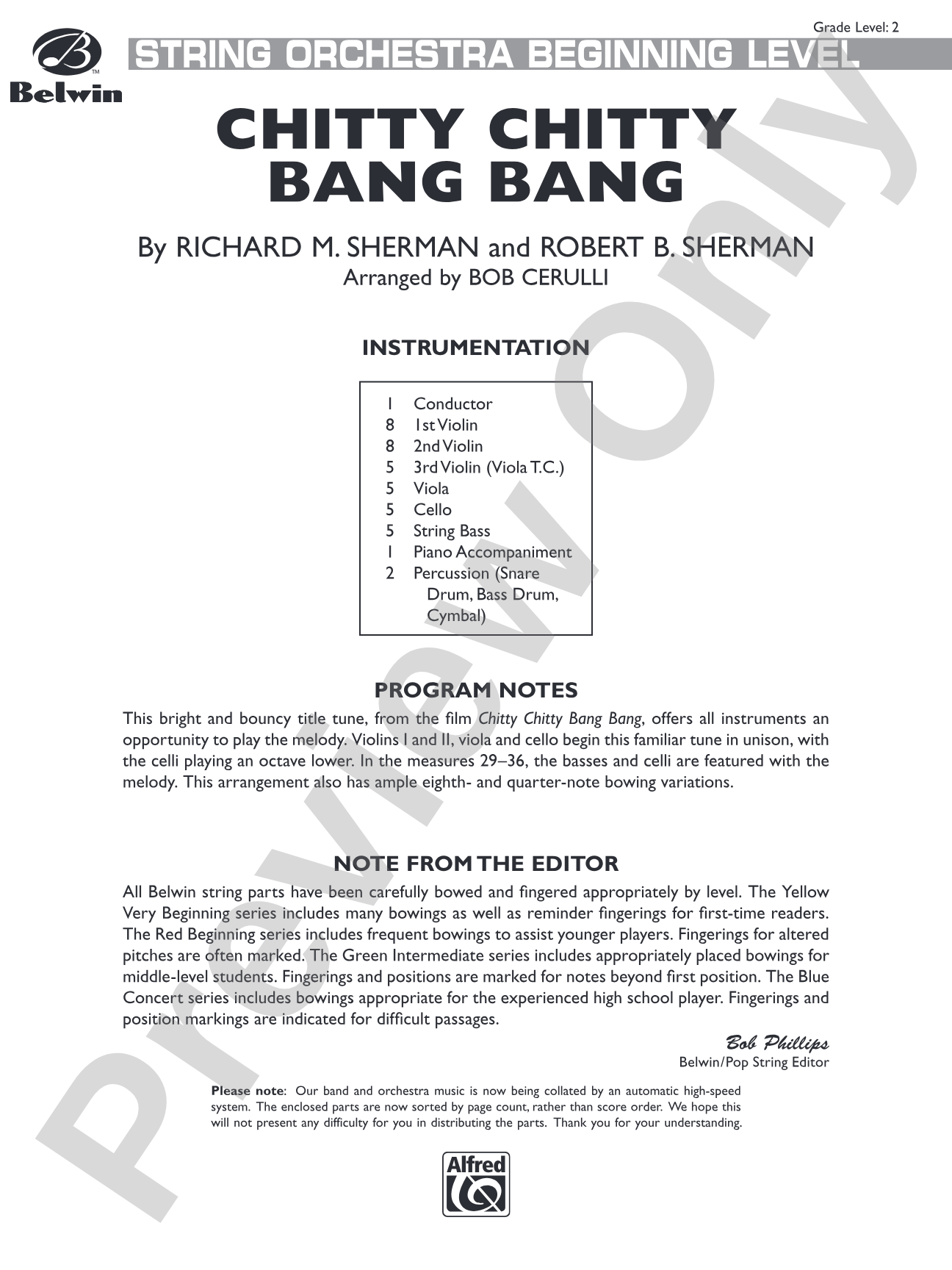
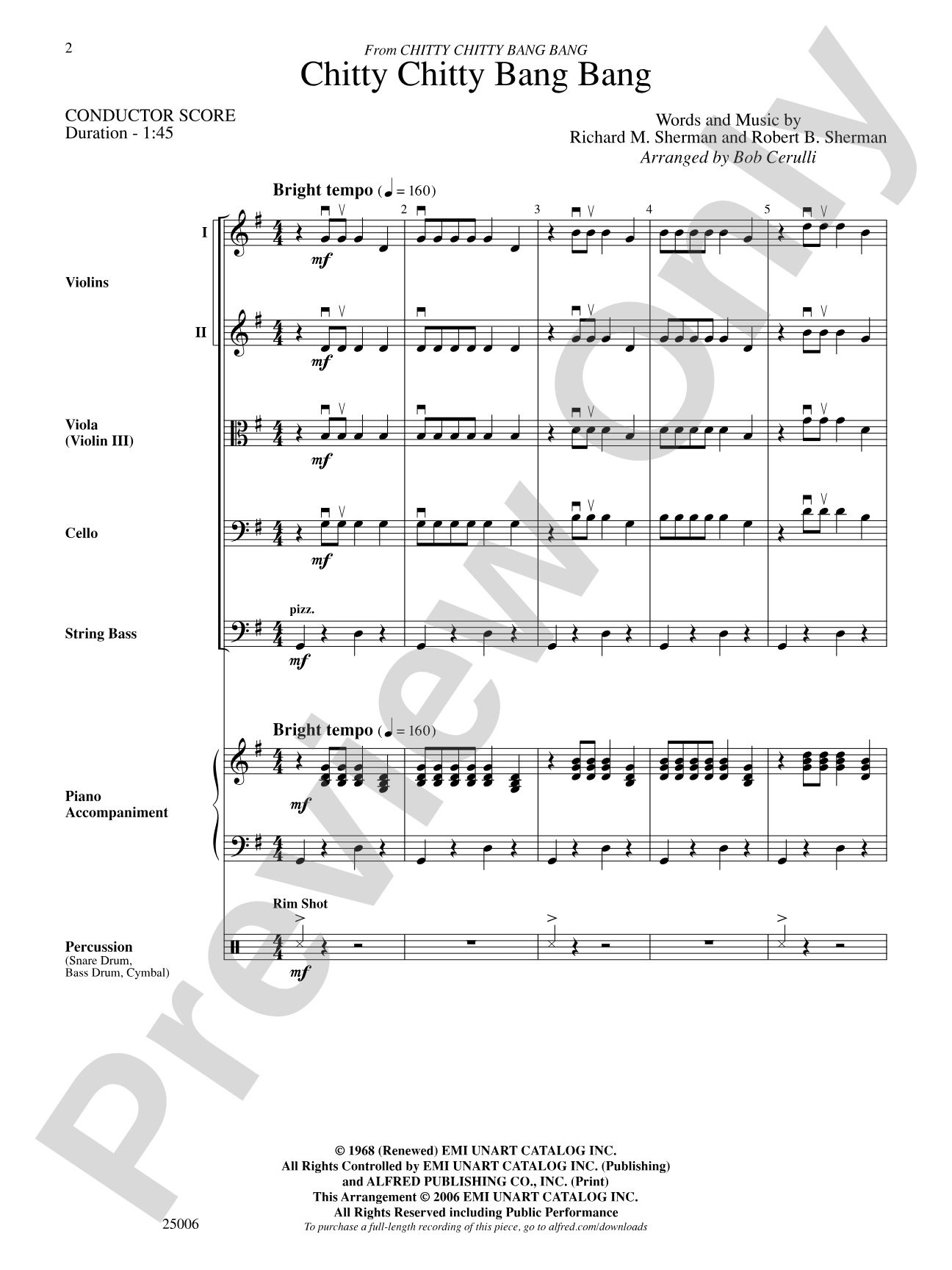
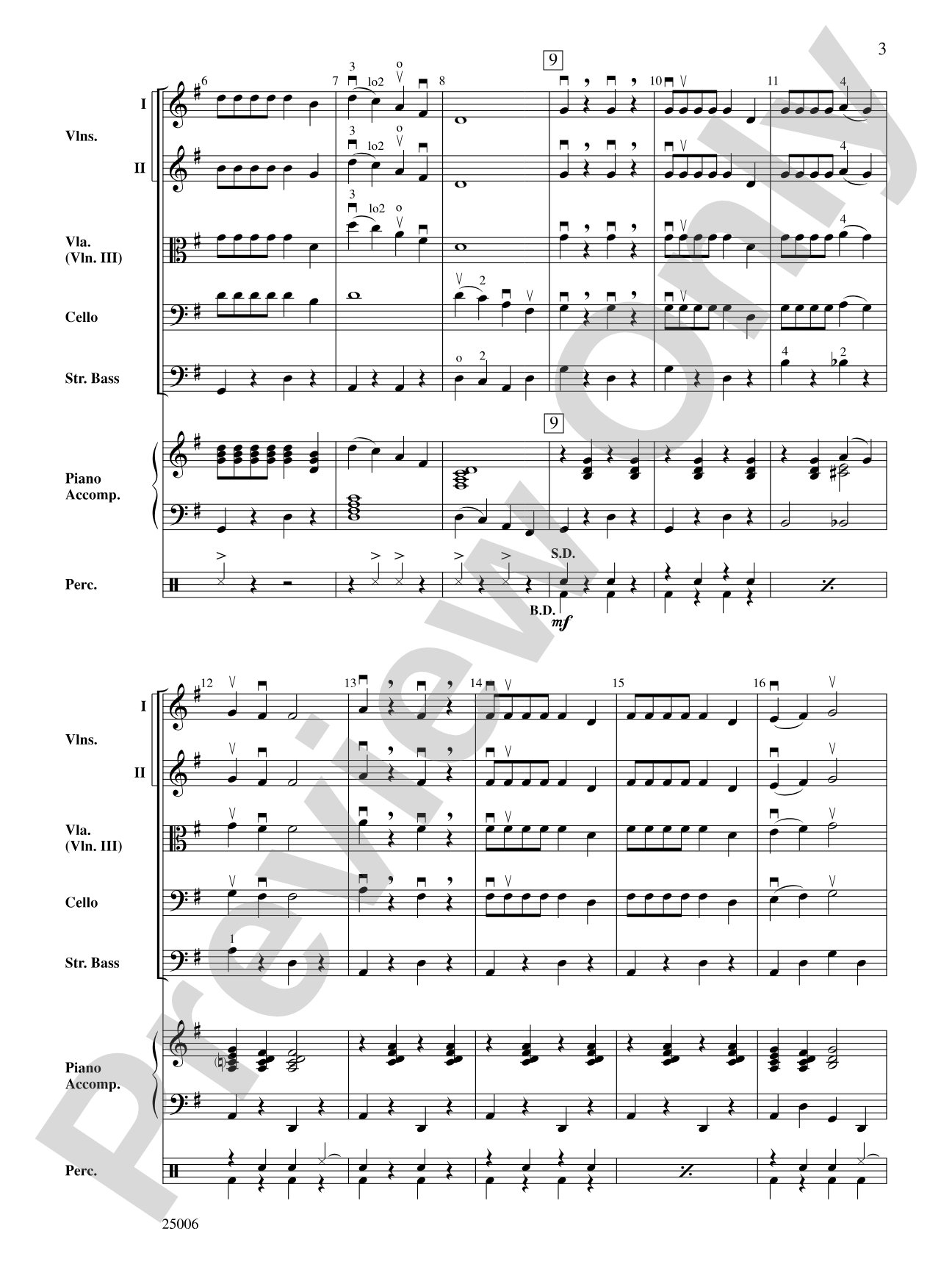
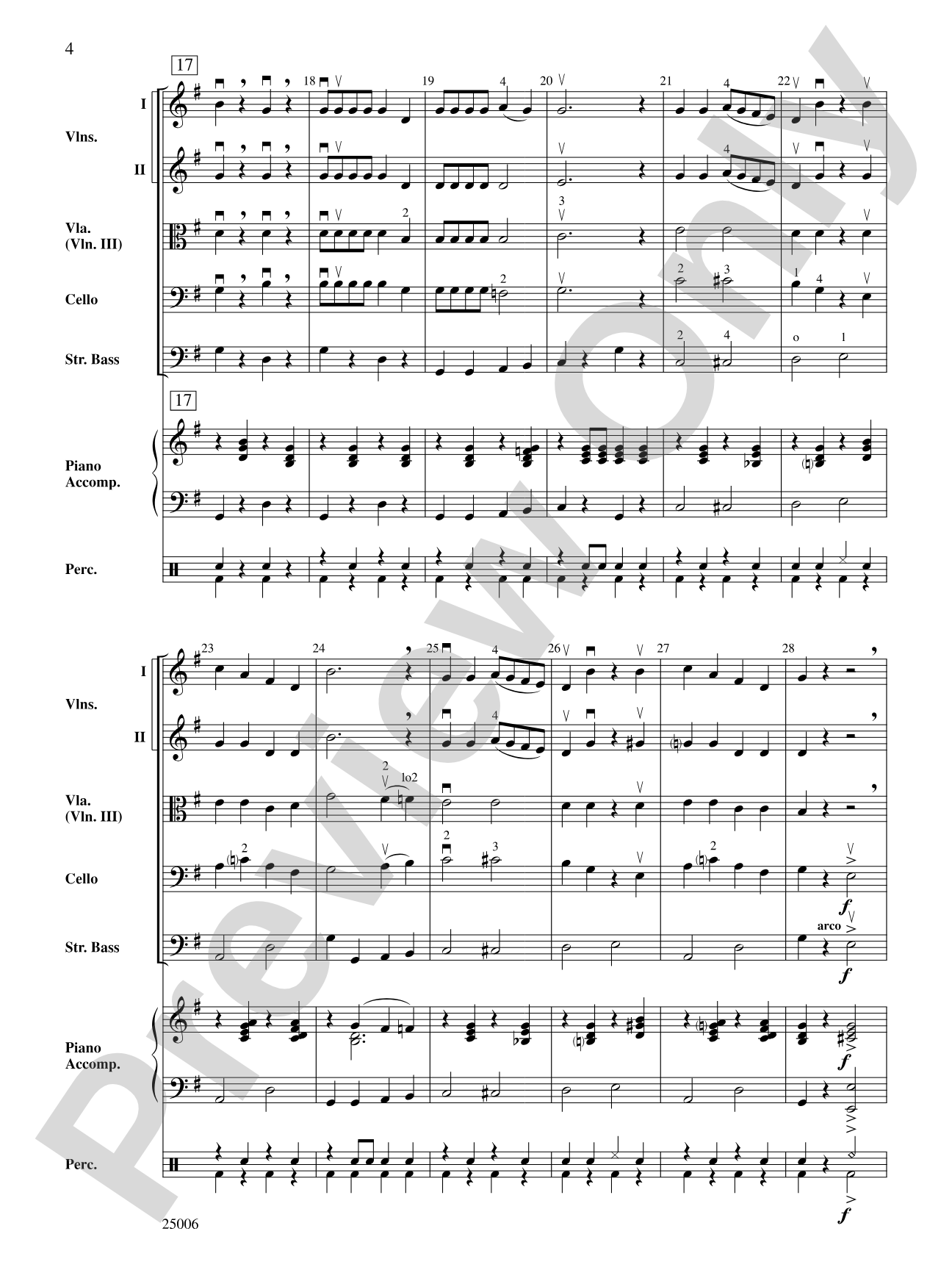
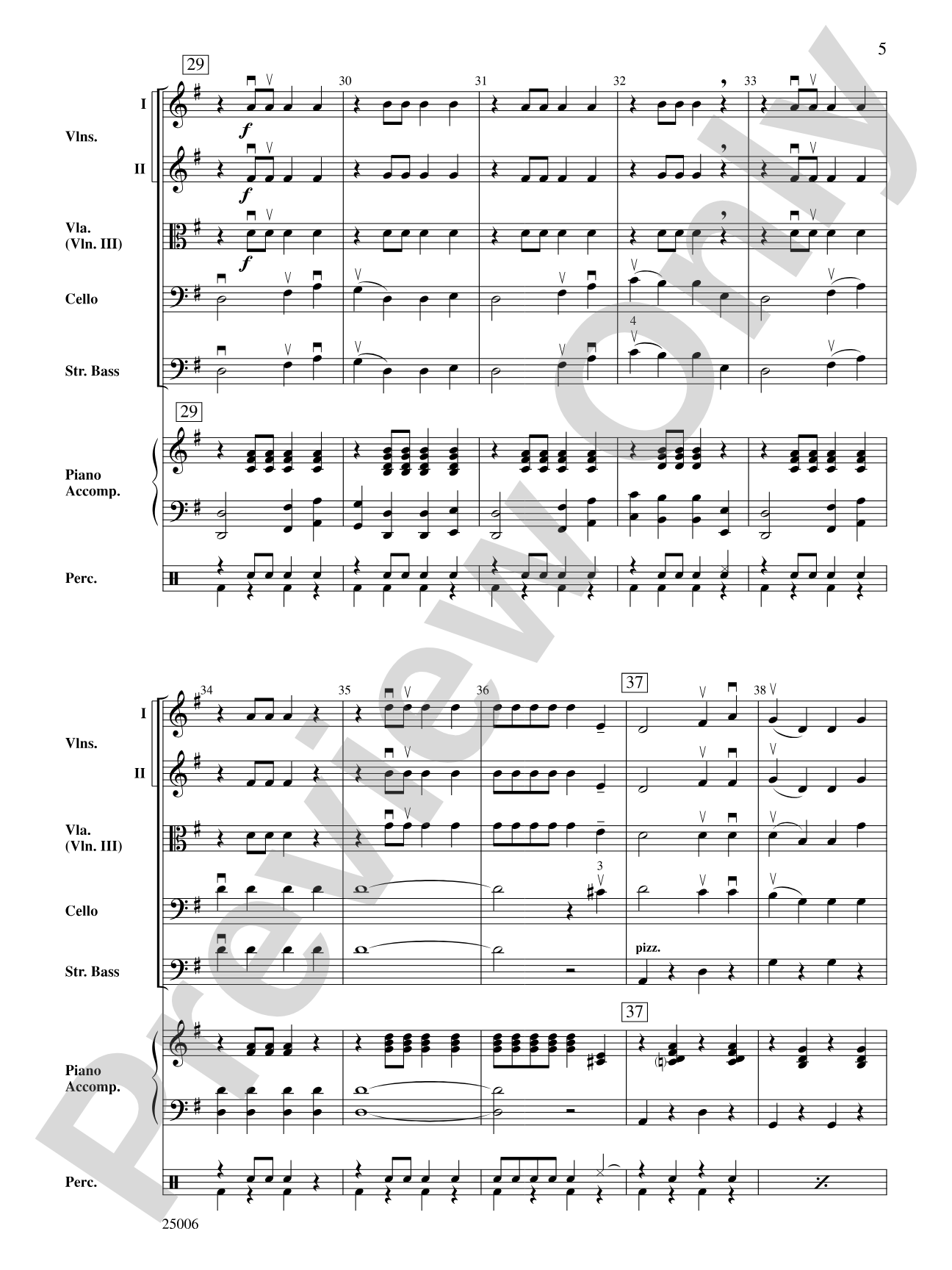
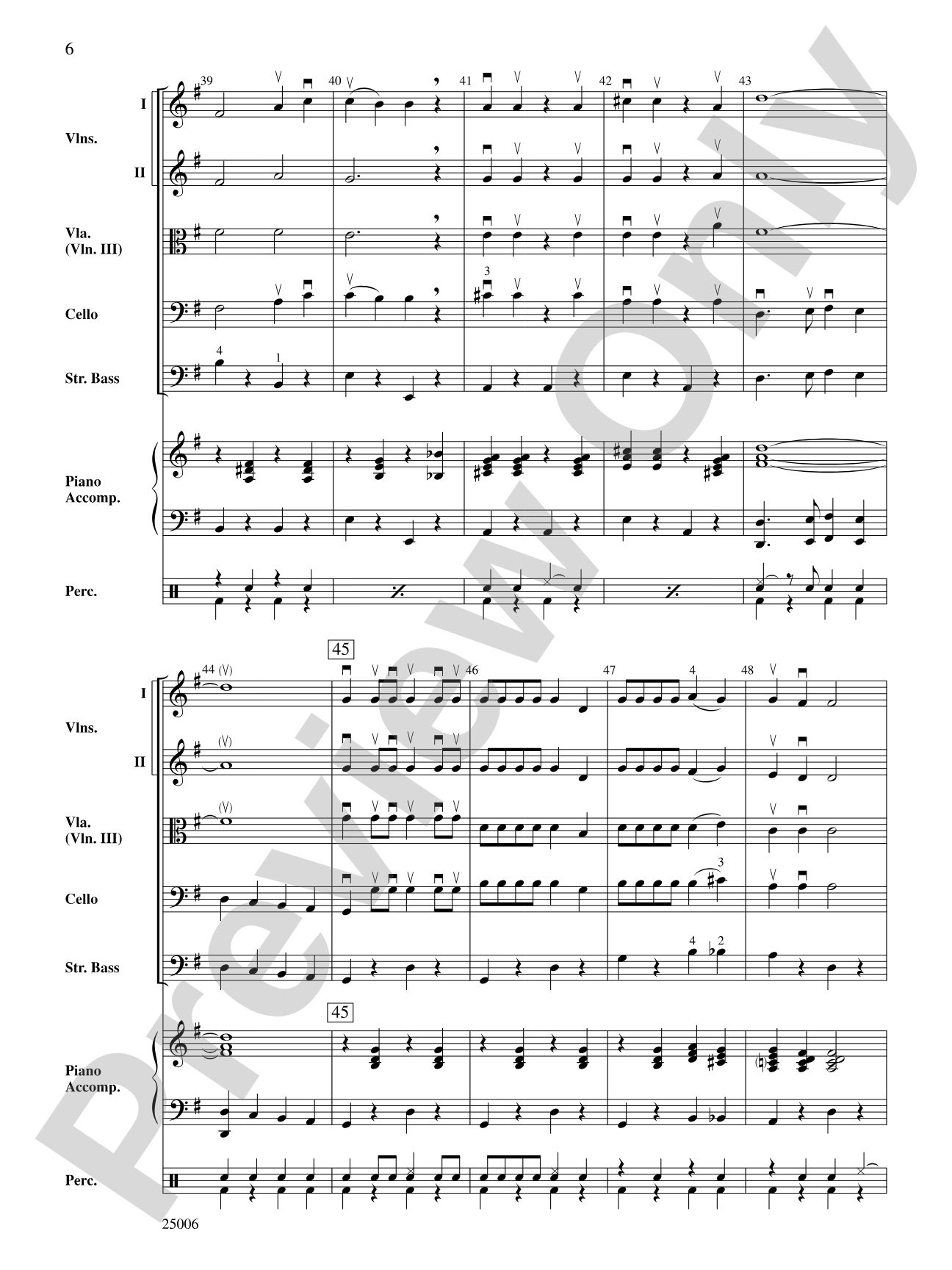
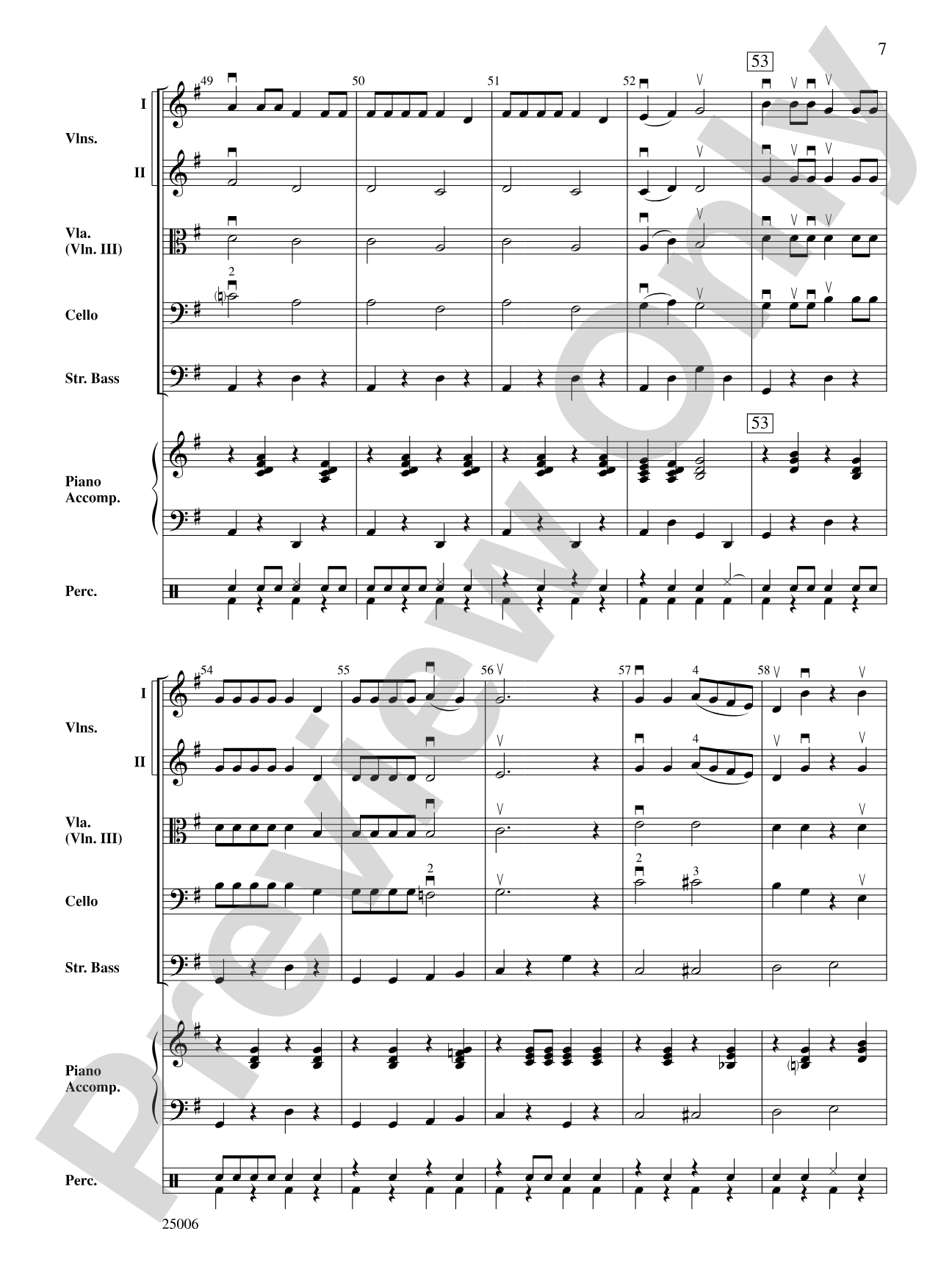
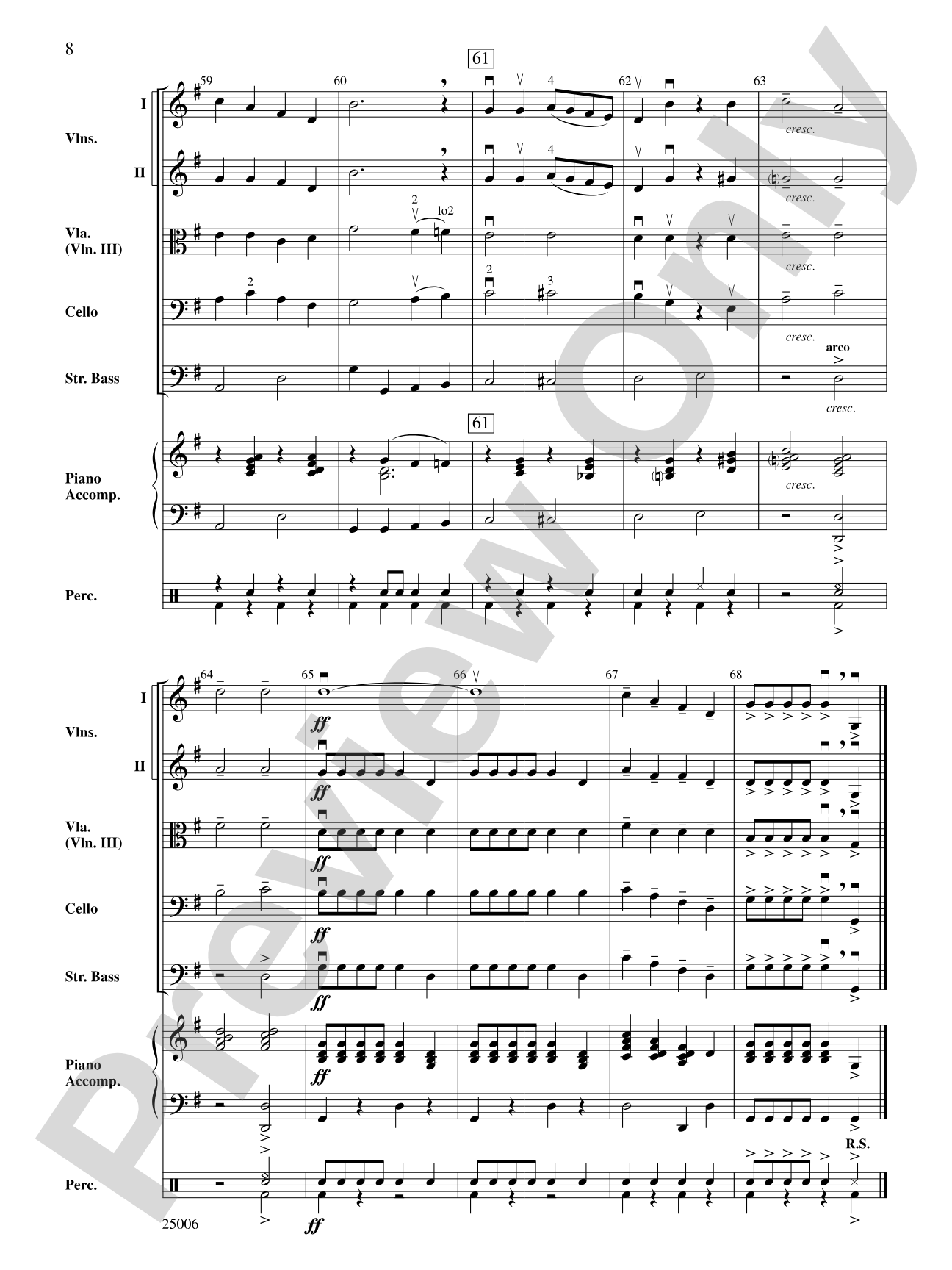
This bright and bouncy tune from the film, Chitty Chitty Bang Bang™, offers all instruments an opportunity to play the melody. Violins I and II and Viola begin this familiar tune in unison with the Celli an octave lower. With the pick up to 29 - 36, the Basses and Celli are featured with the melody. This arrangement also has ample eighth and quarter note bowing variations.


Don't just read it, hear it, play along with it, and watch your students grow with it. In MakeMusic Cloud, Chitty Chitty Bang Bang: String Orchestra Conductor Score & Parts comes alive with professional accompaniment, adjustable tempo, and built-in practice tools that turn solo practice into real progress.
Open in the Player
Jump straight in and assign it today.
Start Your Free Trial
Open this title and explore the full library in minutes.
Sample Audio
1
Audio File
--:--
0:00
0:00
Sample Video
No sample videos found.
Additional Details
Series:
Pop Beginning String Orchestra
Publisher:
Alfred Music
Page Count:
80
SKU:
00-PK-0000994
More about this title
About the Composer: Richard M. Sherman
Richard M. Sherman, along with his brother Robert B. Sherman, shaped the sound of American musical theatre and film for over six decades. The Sherman Brothers composed music for some of cinema's most iconic moments, from Mary Poppins to The Jungle Book, creating melodies that have become part of the cultural fabric. Their gift for writing accessible, singable tunes with genuine emotional warmth made them influential figures in music education contexts, where their songs remain teaching repertoire across countless classrooms.
Why we love this
This arrangement distributes melodic responsibility across your entire string section, ensuring no one sits idle while others carry the tune. The strategic shifts in who plays the melody (unison in the opening, then bass and cello featured in the bridge) keep rehearsals engaging and give every section a moment to shine. The bowing variations embedded throughout build real technical control without feeling like a exercise.
What to expect
Bright, propulsive, and endearing. The melody bounces along with the infectious energy of the film's whimsical car, and the arrangement keeps that lightness alive while building ensemble cohesion through strategic unison passages and clear melodic trading.
Who it's for
Grade 2 string orchestras that want contemporary repertoire with built-in accessibility and genuine musical payoff. This piece works especially well for groups with developing bow control and mixed ability levels, since the varied bowing provides natural differentiation and gives everyone a concrete technical target.
How to get the most out of it
- Shape the opening unison melody with a slight crescendo into measure 29 to signal the transition to the lower strings' feature section.
- Encourage violins to maintain a light, articulate bow stroke on the eighth and quarter note passages to capture the tune's buoyant character.
- Balance the bass and cello melody carefully around measure 29; these parts tend to disappear if not supported by a conductor who actively shapes dynamic weight.
- Mark your conductor score with clear cues for the bowing shifts so players understand why a passage uses detaché versus legato strokes.
How to use it
This pairs well as an opener on a concert where you want to establish energy and momentum right away. It also works as a bridge piece between more classical selections and contemporary fare, signaling to audiences that your young orchestra has range. Consider programming it alongside other film music to create a thematic set.
Skills your students will build
- Bowing control across multiple stroke types (detaché, legato, and mixed articulation)
- Ensemble unison playing with consistent tone production
- Melodic awareness and phrasing when melody passes between sections
- Dynamic balance when cello and bass carry the primary line