
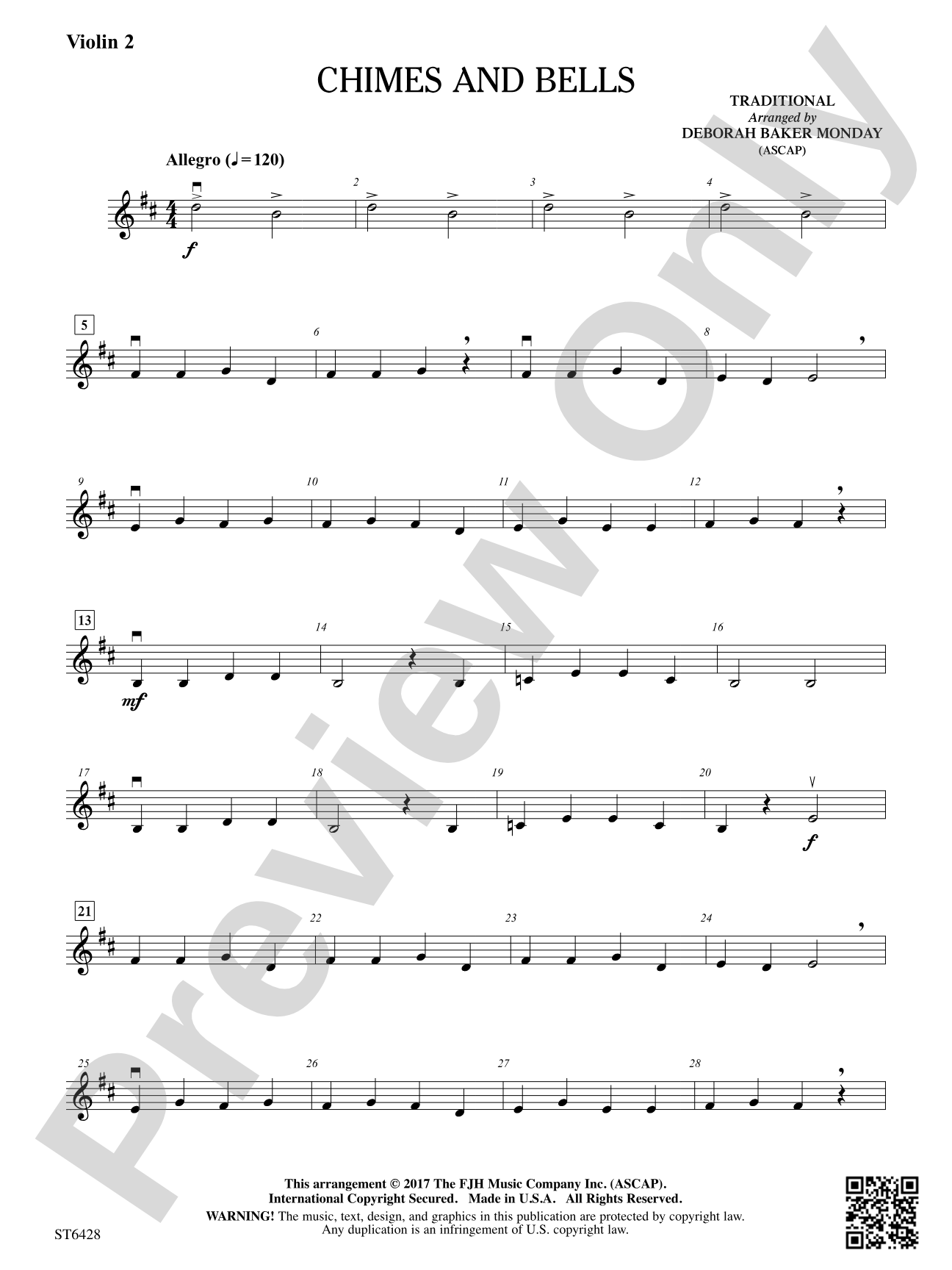

Chimes and Bells: Violin 2 (Viola T.C.)
Arranged by Deborah Baker Monday
Grade: 1.5
Item: 98-PC-DST6428_VN2
$7.00
Pickup currently not available
Description
A fun new piece to help "ring" in the holiday season! An original theme based on the sound of chimes in D major recurs (and includes a very simple vocal part if you choose to add choir!) throughout the work. In between refrains are melodies from Ding Dong Merrily on High and Jingle Bells. Optional keyboard and simple percussion adds a great deal of holiday spirit. This one will be easy for your beginners, and they will surely enjoy the sleigh riding spirit!


Don't just read it, hear it, play along with it, and watch your students grow with it. In MakeMusic Cloud, Chimes and Bells: Violin 2 (Viola T.C.) comes alive with professional accompaniment, adjustable tempo, and built-in practice tools that turn solo practice into real progress.
Open in the Player
Jump straight in and assign it today.
Start Your Free Trial
Open this title and explore the full library in minutes.
Sample Audio
1
Audio File
--:--
0:00
0:00
Sample Video
Additional Details
Series:
FJH Beginning Strings
Publisher:
The FJH Music Company, Inc.
SKU:
98-PC-DST6428_VN2
More about this title
About the Arranger: Deborah Baker Monday
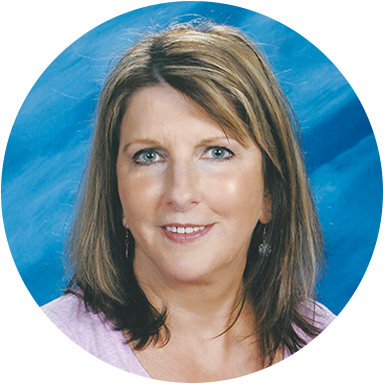
Deborah Baker Monday shaped string education in Logan City schools for 25 years, building a program recognized for excellence throughout Utah. She holds a B.M.E. from Florida State University (magna cum laude) with a focus on string pedagogy, an M.M. in composition from the University of Alabama, and completed doctoral coursework at Louisiana State University. Her studies in theory and composition with acclaimed mentors including Harold Schiffman, John Boda, and Dinos Constantinides informed both her teaching and her prolific output as a composer and arranger.
Monday has published over 130 works across seven educational music publishers, earning UtahASTA Composition Competition honors in 2006 and 2011. She has conducted clinics and presented at state conferences nationwide, the Midwest Clinic, and the Ohio State String Teachers Workshop. Now active as a guest clinician, conductor, and adjudicator, she continues to shape young string musicians while drawing on her own background as a bassist with regional orchestras.
Why we love this
This piece captures what makes teaching beginning strings rewarding: accessible writing that lets students sound like musicians immediately. The recurring original theme in D major anchors the piece with something genuinely memorable, while the familiar holiday melodies work as instant gratification for your ensemble and their audience alike.
What to expect
Bright and cheerful with a genuine spirit of movement and celebration. The chime sounds evoke winter clarity, while the familiar holiday melodies create immediate warmth and recognition. There's a sense of playful momentum throughout, with the sleigh-riding energy propelling the piece forward without ever feeling rushed or overly complicated.
Who it's for
Beginning string orchestras with mixed ability levels who need a programmatic piece that feels complete and polished without demanding advanced technique. Directors working with Grade 1.5 ensembles will find it approachable for students still building foundational skills, while the orchestration offers enough texture to keep stronger players engaged.
How to get the most out of it
- Bring out the original theme each time it returns; its simplicity makes it a natural focal point for the ensemble to lock together.
- If you add the optional vocal part, keep it light and conversational rather than formally sung; this preserves the instrumental character of the piece.
- Use the optional keyboard and percussion strategically to lift energy between sections rather than filling every bar, letting the strings breathe in the quieter moments.
- Shape the familiar melodies (Ding Dong Merrily on High and Jingle Bells) with subtle phrasing to distinguish them from the original theme, giving the form clear landmarks for your players.
How to use it
Program this as the anchor of a December concert where you want strong audience connection without sacrificing musicality. It works equally well as an opener that sets a festive tone or as a closer that sends the audience out smiling. The optional vocal component also makes it flexible for combined school-wide holiday concerts or performances where choir and orchestra can share the stage.
Skills your students will build
- Playing melodies with clear phrasing in D major
- Coordinating ensemble entries and exits
- Responding to optional percussion and keyboard cues
- Balancing original material against recognizable holiday themes
- Sustaining tone through repeated refrains