Chilli Salsa Cover Image

Chilli Salsa: String Orchestra Conductor Score & Parts

$45.00 USD
Sale price  $45.00 USD Regular price 
Skip to product information
Chilli Salsa Cover Image

Chilli Salsa: String Orchestra Conductor Score & Parts

By Loreta Fin

Grade: 1.5-2

Item: 76-32799

$45.00
Shipped

One moment…

Description
Syncopated rhythms require the musician to “feel” rather than “read” the notes. However, recognizing the “look” of a rhythm is helpful and indeed essential in order to be able to sight-read well. Similarly, the placement of accents can alter a very simple rhythm and turn it into a more complicated sounding one. This piece utilzses accents and different groupings of quavers to discover the wonderful rhythms used in Salsa music and dance. The key is G Major, so the first two basic finger patterns are reinforced. Most of the rhythms can be taught in groups, for example, the violins and violas play the same rhythm, against the celli and basses playing another, making the piece quick to teach in a busy term or semester. Simple percussion could be added to give this piece a real South American feel. (1:37)

Chilli Salsa: String Orchestra Conductor Score & Parts isn't in MakeMusic Cloud just yet...but it could be. Let us know you'd like to see it, and you'll help shape what comes next. In the meantime, start a free trial and dive into thousands of interactive titles your students can play along with today.

Sample Pages

Sample Audio
1 Caribbean Breeze --:--
2 Chant de Noel --:--
3 Chilli Salsa --:--
4 The Girl I Left Behind Me --:--

Caribbean Breeze

0:00
0:00
Sample Video
Additional Details
Series: Wilfin String Orchestra: Young String Ensemble Series
Publisher: Wilfin Music
Page Count: 66
UPC: 038081357072
SKU: 76-32799

More about this title

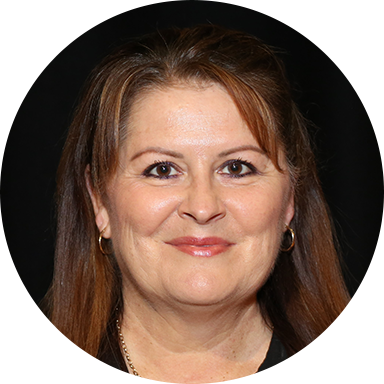
About the Composer: Loreta Fin
Loreta Fin

Loreta Fin AM is an Australian violist and string educator with deep roots in both performance and pedagogy. A graduate of the Sydney Conservatorium of Music and former first violinist with the Sydney Youth Orchestra, she spent over 25 years as Principal Viola player with the Queensland Pops Orchestra while building her reputation as Director of Strings at Somerville House School in Brisbane. Her work extends far beyond the classroom: she has presented at multiple American and Australian National String Teachers' Conferences, adjudicated competitions across Australia, and served as State and National President of the Australian Strings Association.

Fin has composed over 100 works for string orchestra published worldwide by Alfred Music, and her contributions to string education have earned her national recognition. She received the Queensland State Award for services to the Australian Strings Association in 2009 and the National Award for Services to Music and String Teaching in Australia. She currently serves as State Advisor for Strings with the Australian Music Examinations Board and has conducted the State and National Honours Ensembles Programs since 2015.

Why we love this

Fin understands what young string players need to tackle next. Rather than simply layering parts on top of each other, she uses rhythmic unison strategically: violins and violas lock together while cellos and basses establish a contrasting pattern. This economy of design means you're not juggling five different rhythmic ideas on the first day; instead, you build confidence section by section, then experience the payoff when the layers come together. The syncopated salsa idiom gives students a reason to internalize rhythm beyond reading it on the page.

What to expect

Warm, syncopated, and immediately recognizable as salsa without the complexity of fast passage work. The piece breathes with the infectious energy of South American dance rhythms, yet remains grounded in the foundational techniques your students are already building. At just over a minute and a half, it lands as both substantial and refreshingly concise.

Who it's for

String orchestras at the early intermediate level working toward stylistic awareness beyond classical phrasing. This works well for directors who want to introduce Latin American idiom in a manageable way, with built-in pedagogical structure that doesn't require students to be virtuosic readers.

How to get the most out of it

  • Teach the rhythmic groupings by section before full ensemble rehearsal. Have violins and violas tap their pattern together, then add cellos and basses. This builds security and keeps rehearsal time focused.
  • Lean into the accents intentionally. What looks like a simple quaver pattern becomes distinctly salsa-flavored once the accent placements are locked in. Spend time here; it's the gateway to understanding how rhythm and accent are inseparable.
  • If you add percussion, keep it minimal at first. A single clave player or one bass drum on the downbeat can anchor the ensemble without overwhelming the young string players who are still finding their footing rhythmically.

How to use it

Use this as a cultural bridge piece on a concert that also includes standard classical repertoire. It works especially well as the opener or closer of a lighter half, setting a bright tone and sending the audience out smiling. The short duration also makes it ideal for a pop concert, pops series, or end-of-semester celebration where you want variety without heavy lifting from your ensemble.

Skills your students will build

  • Recognizing and performing syncopated rhythmic patterns visually rather than by ear alone
  • Understanding how accent placement transforms the character of a simple rhythmic figure
  • Executing rhythms in G Major using first and second position finger patterns
  • Blending rhythm section parts where instrumental groups share rhythm while others provide contrast
  • Reading and performing music in a non-classical idiom with style awareness

You May Also Like