
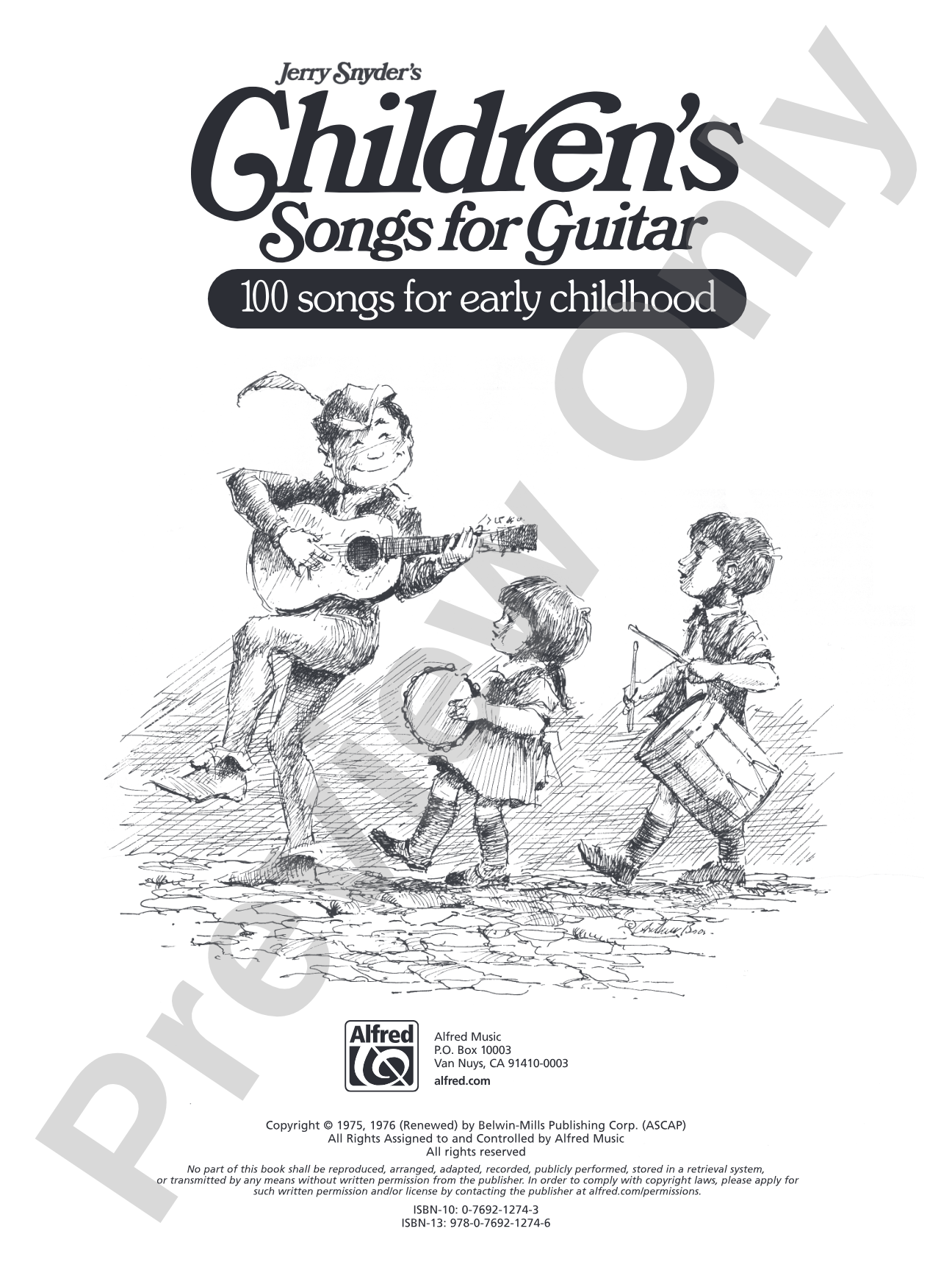






Children's Songs for Guitar: 100 Songs for Early Childhood: Solo Guitar
100 Songs for Early Childhood
By Jerry Snyder
Item: 00-PB-0002027
$17.99
Pickup currently not available
Related Items
Children's Songs for Guitar: Guitar Book |
$17.99
|
View |
Description
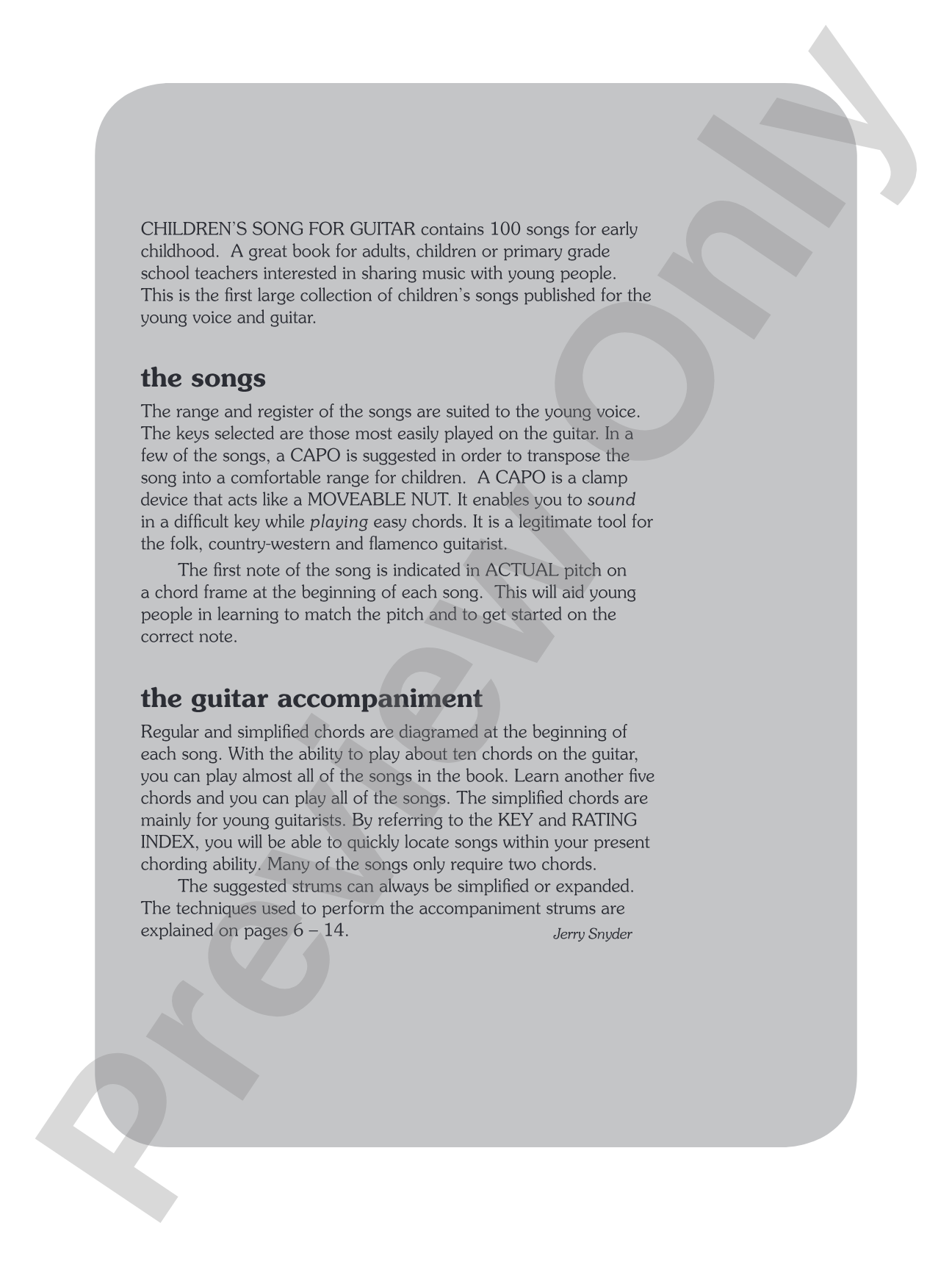
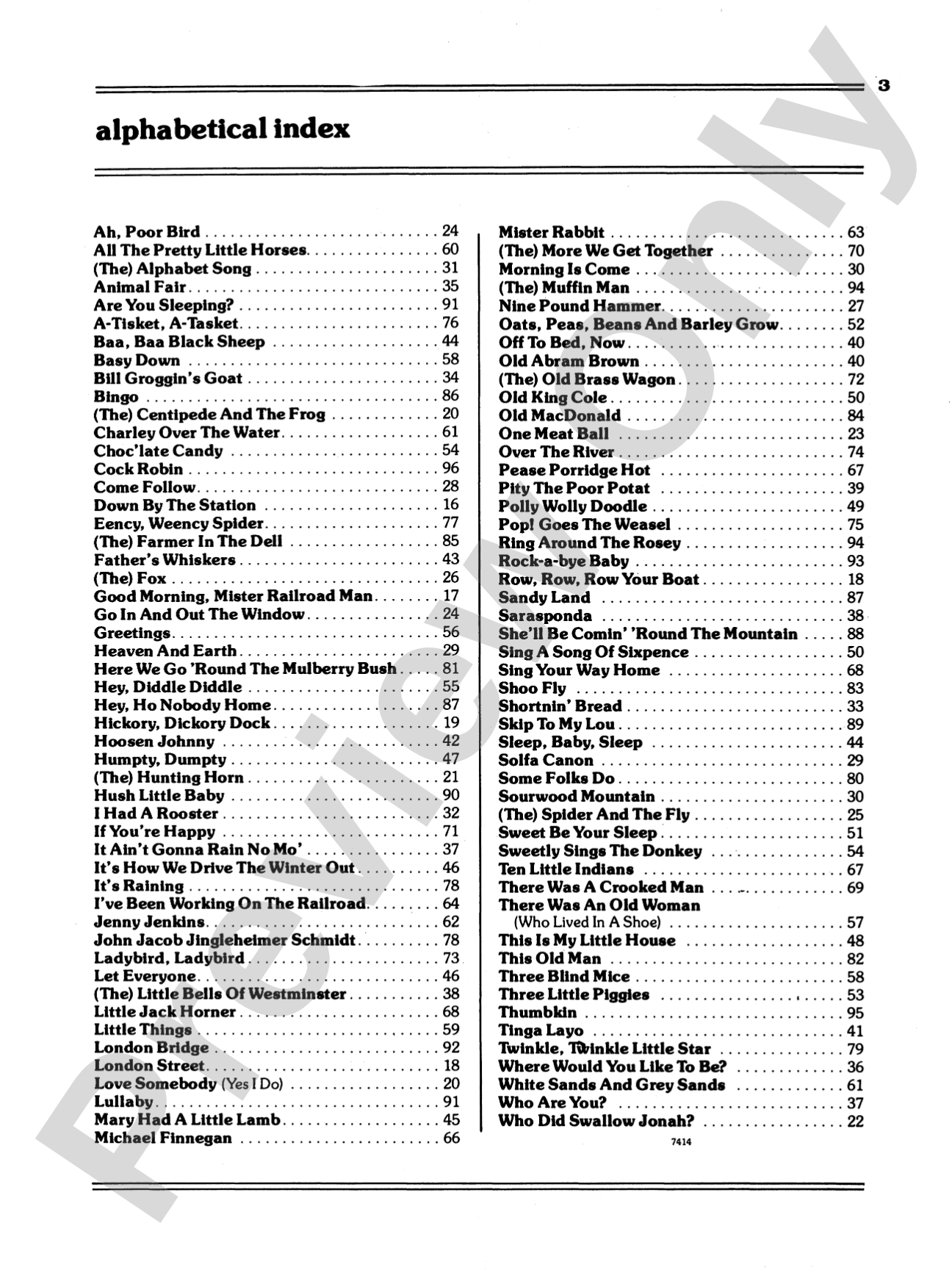
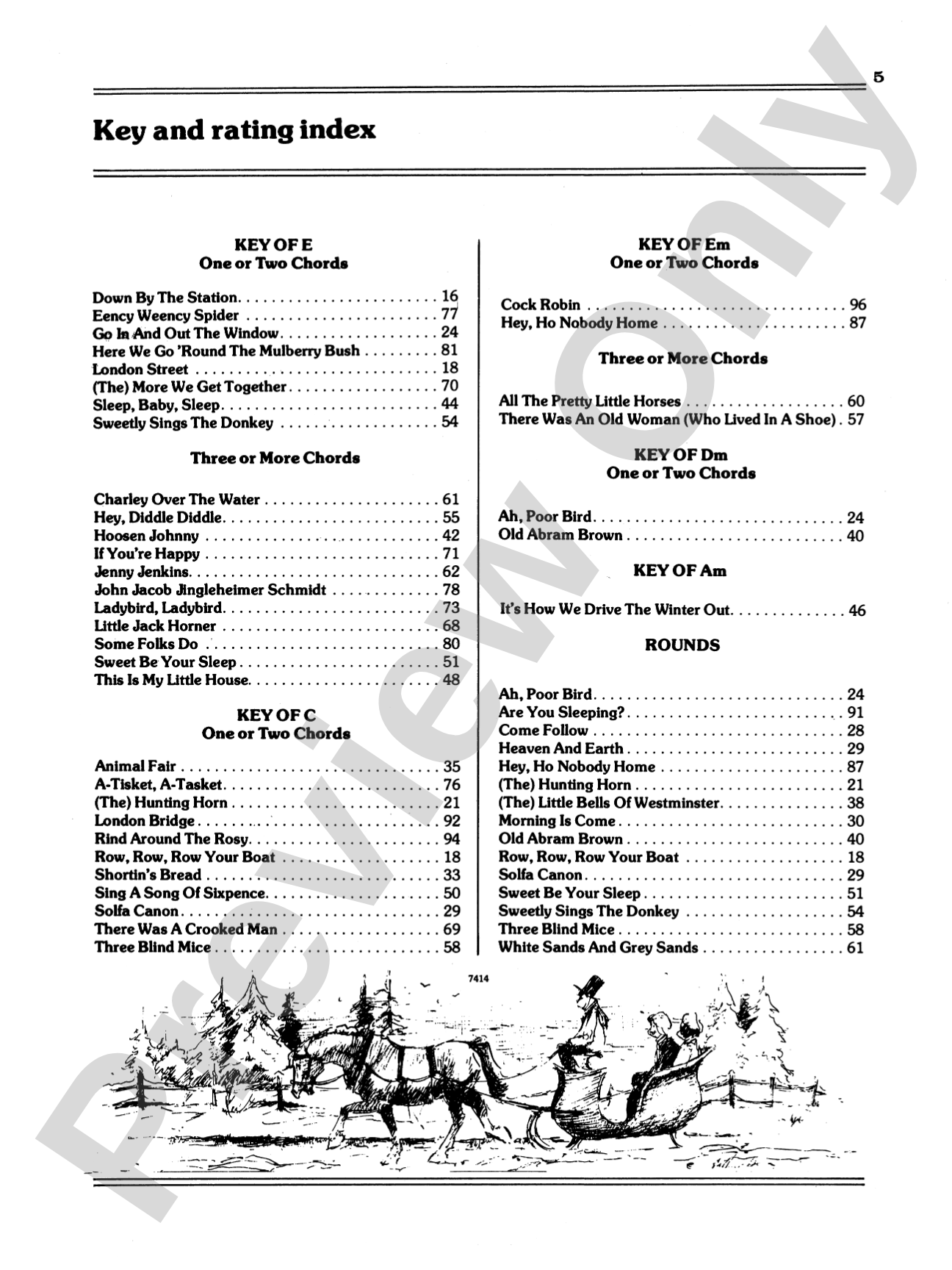
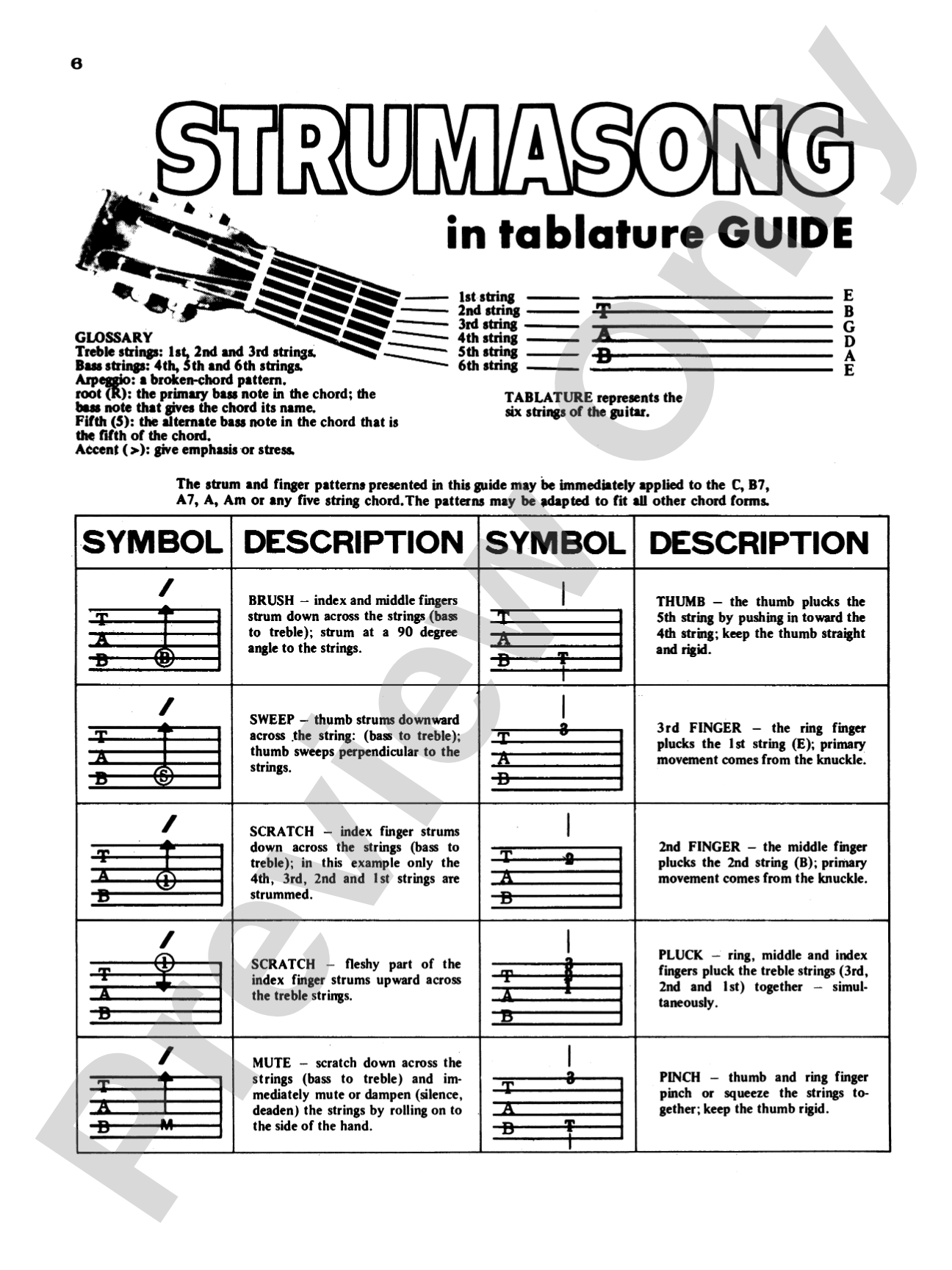
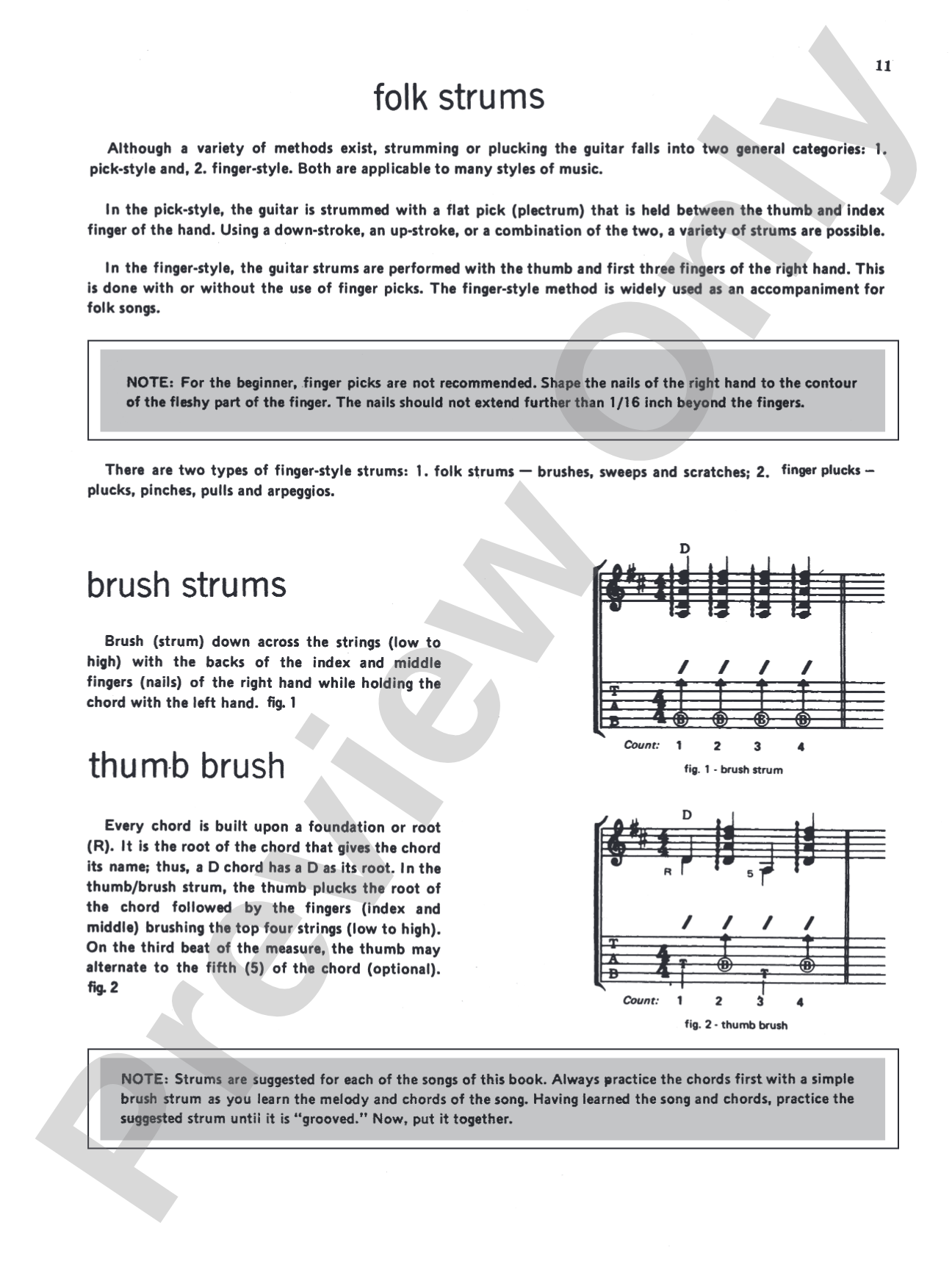
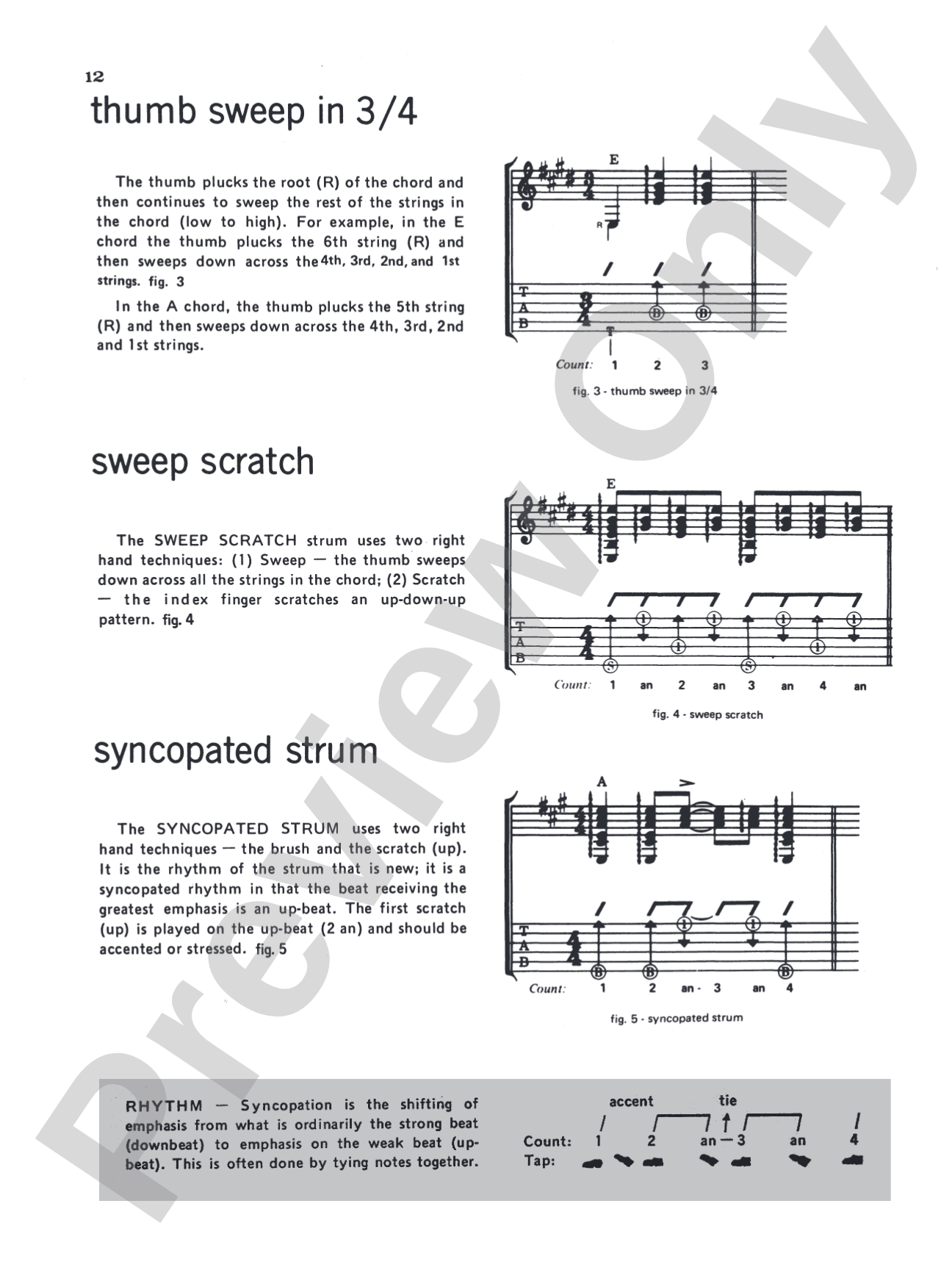
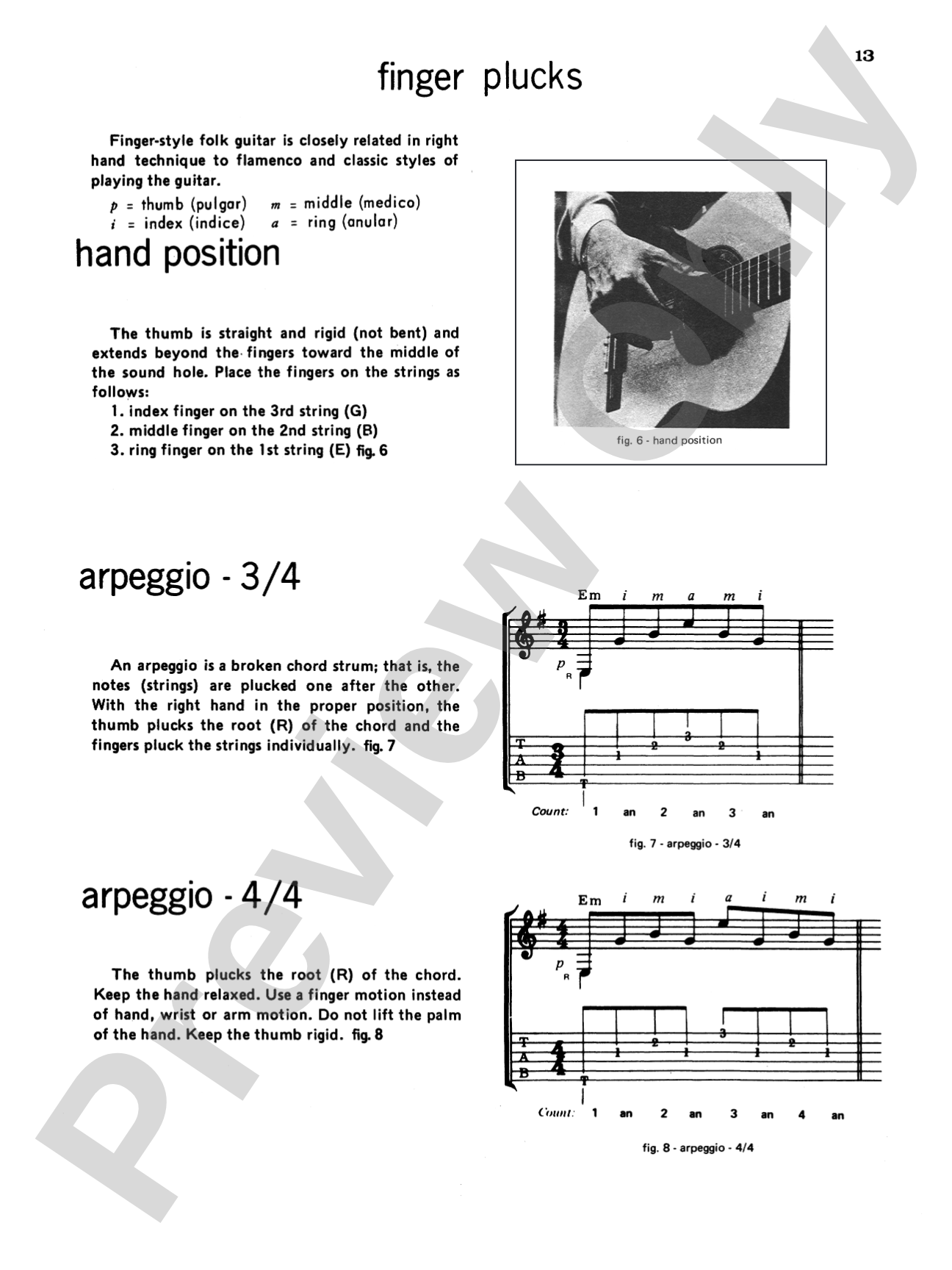
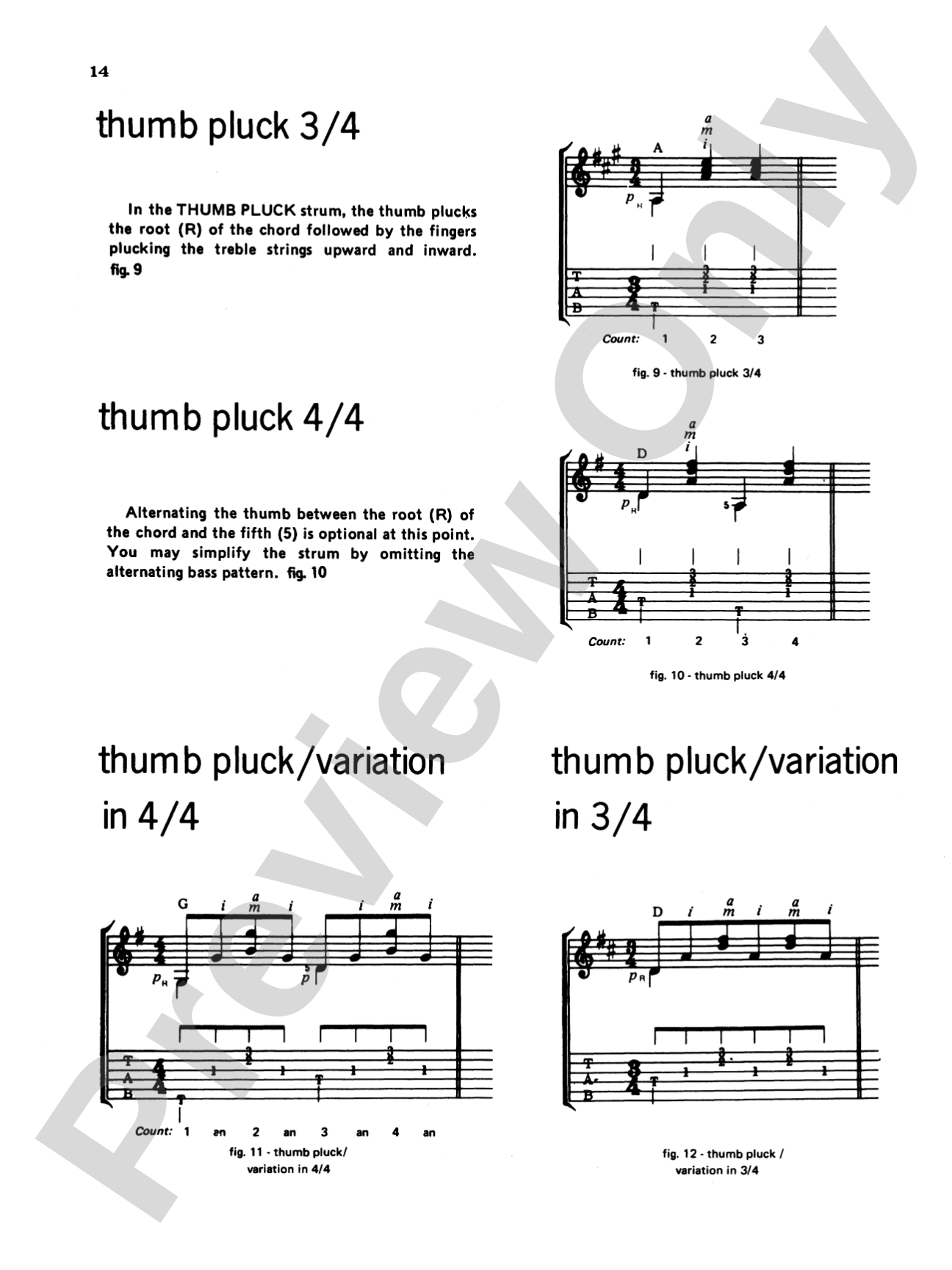
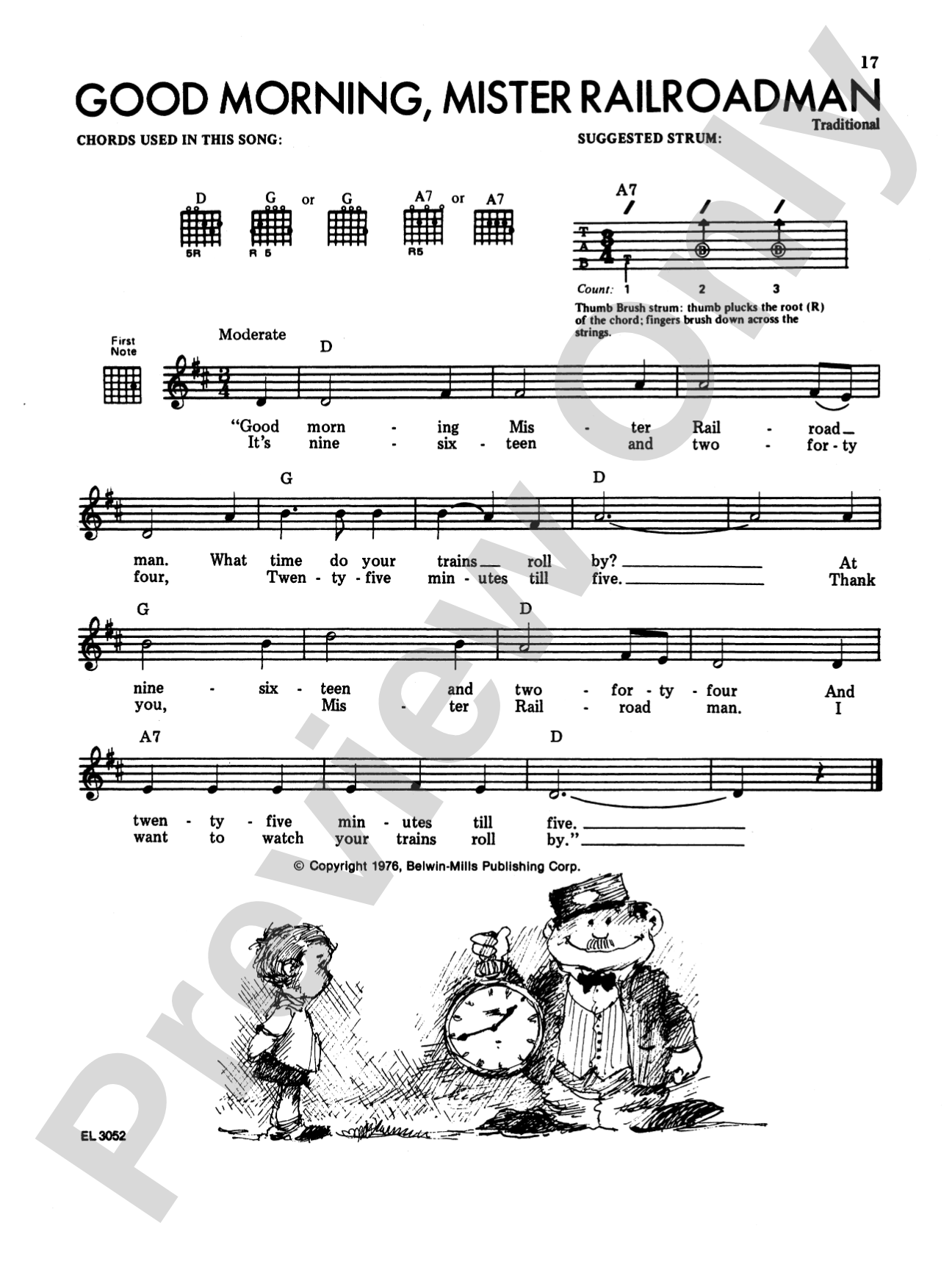
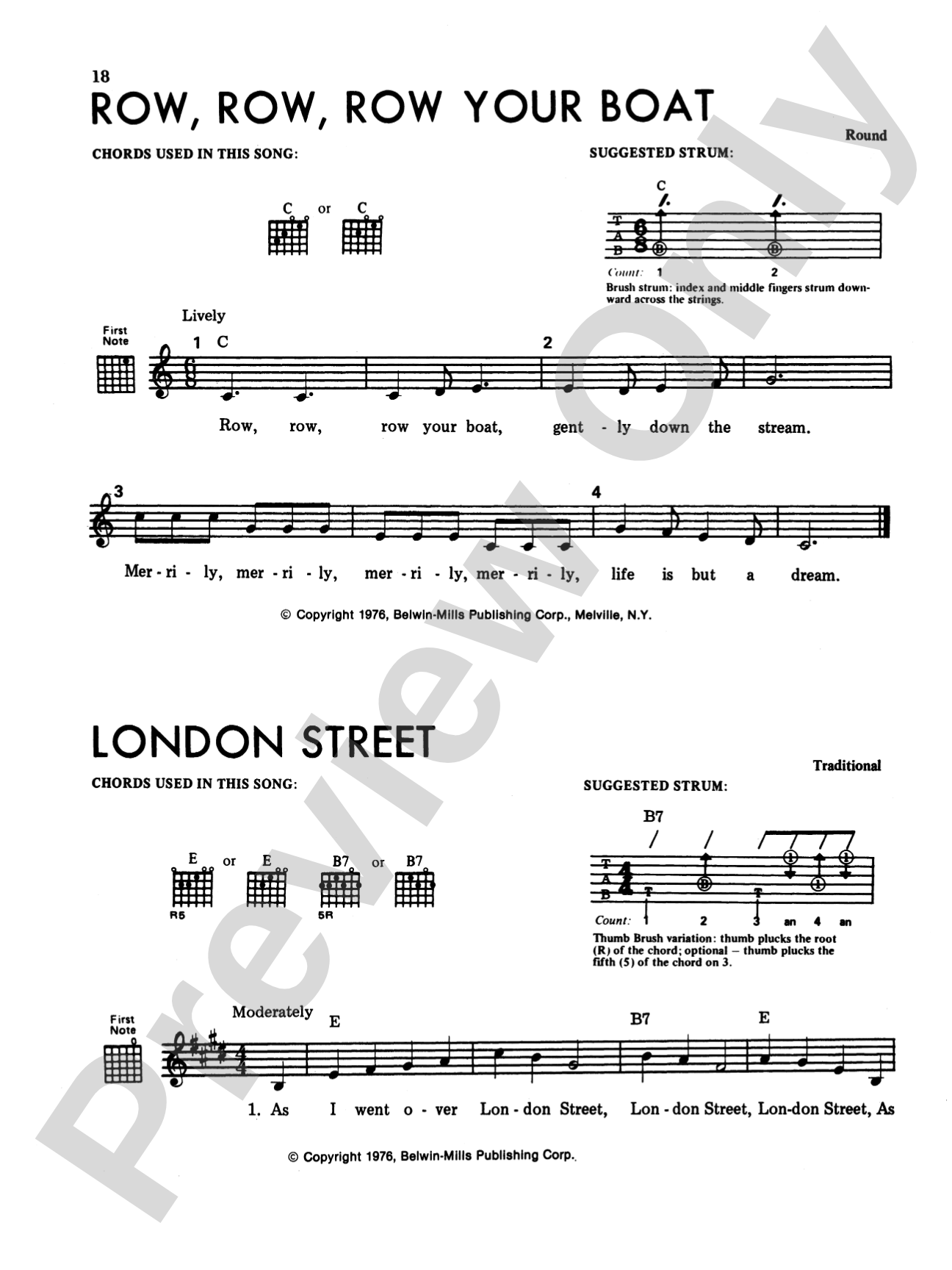
100 songs arranged in the correct ranges for children. Includes easy chords and suggested strums.


Children's Songs for Guitar: 100 Songs for Early Childhood: Solo Guitar isn't in MakeMusic Cloud just yet...but it could be. Let us know you'd like to see it, and you'll help shape what comes next. In the meantime, start a free trial and dive into thousands of interactive titles your students can play along with today.
Request This Title
Tell us you want it.
Start Your Free Trial
Explore everything that's ready to play right now.
Sample Audio
No sample audio found.
Sample Video
No sample videos found.
Additional Details
Publisher:
Alfred Music
Page Count:
100
SKU:
00-PB-0002027
More about this title
About the Composer: Jerry Snyder

Jerry Snyder brings four decades of classroom experience to every resource he creates. A multi-instrumentalist comfortable on guitar, banjo, bass, clarinet, and saxophone, he earned degrees from San Jose State University and spent 12 years coordinating performing arts across an entire high school district while teaching strings, orchestra, jazz, and band. His work as an editor and writer in music publishing for 15 years deepened his understanding of what actually works in schools.
Snyder has shaped guitar education in America since introducing his Comprehensive Guitar Method in 1971. He authored over 60 guitar publications, delivered more than 200 workshops nationwide, and continues teaching jazz and rock guitar at De Anza College. His dual commitment to performer and educator roles (performing with the San Jose Symphony and San Jose Musical Theater for decades) keeps his writing grounded in real musical life.
Why we love this
This collection reflects what Snyder learned teaching thousands of young guitarists: children need songs in accessible ranges with straightforward chord progressions that still feel musical. The 100 songs give you genuine repertoire flexibility rather than just exercises, so you can match material to each student's interests and developmental stage. Beginners gain real early wins by playing recognizable melodies within weeks rather than months.
What to expect
Like stepping into a music room where every child walks out humming. The songs sit comfortably in young voices, chords progress logically under the fingers, and students experience real musicality from their first weeks. There's joy in recognizing beloved tunes and the satisfaction of playing them correctly.
Who it's for
Guitar teachers working with early childhood and early elementary students who need immediate access to a broad, developmentally appropriate songbook. Classroom music teachers adding guitar to their general music program will find this especially useful for its organized approach to range and chord difficulty. Parents teaching young children at home benefit from the clear progression and familiar repertoire.
How to get the most out of it
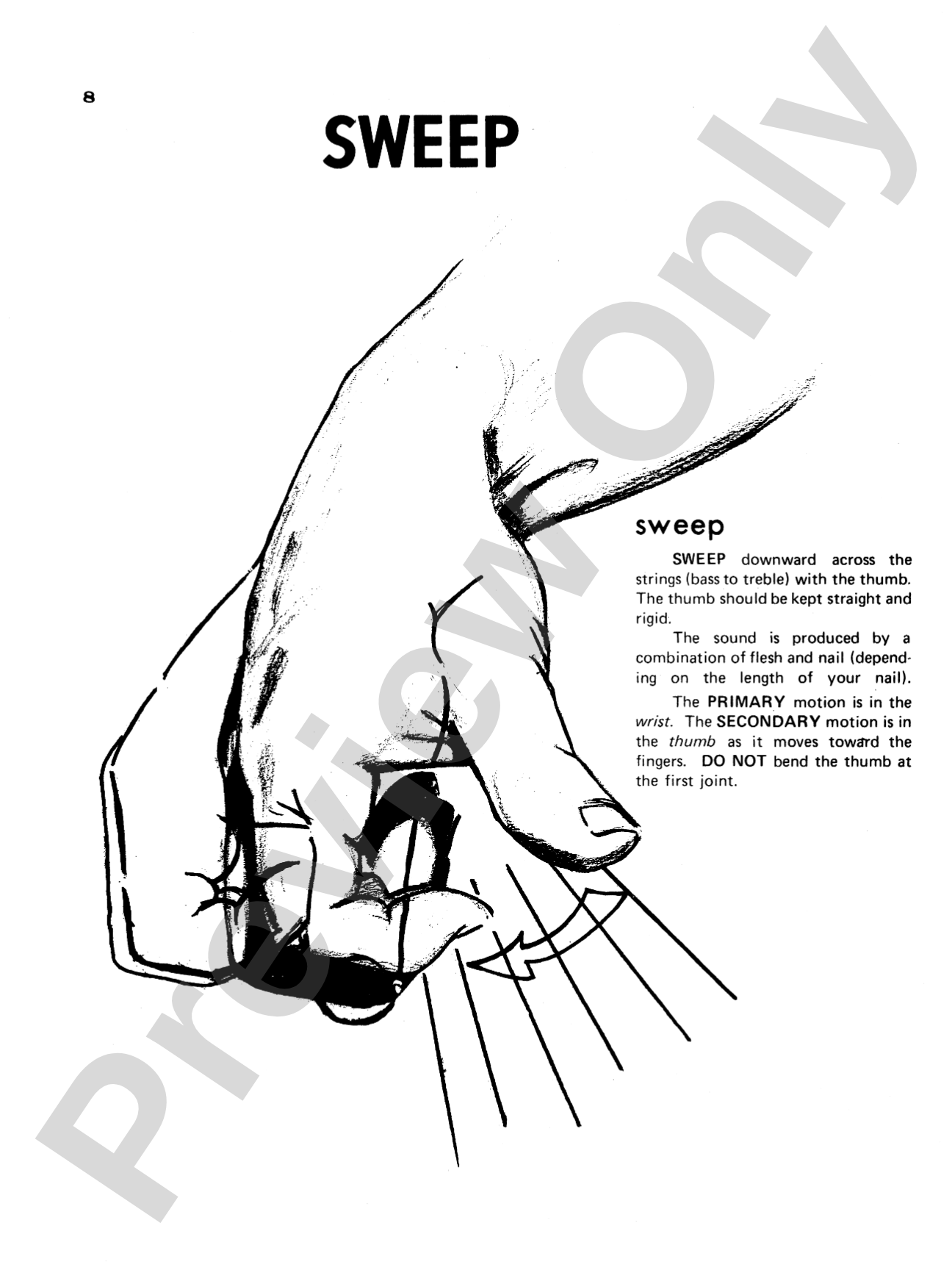
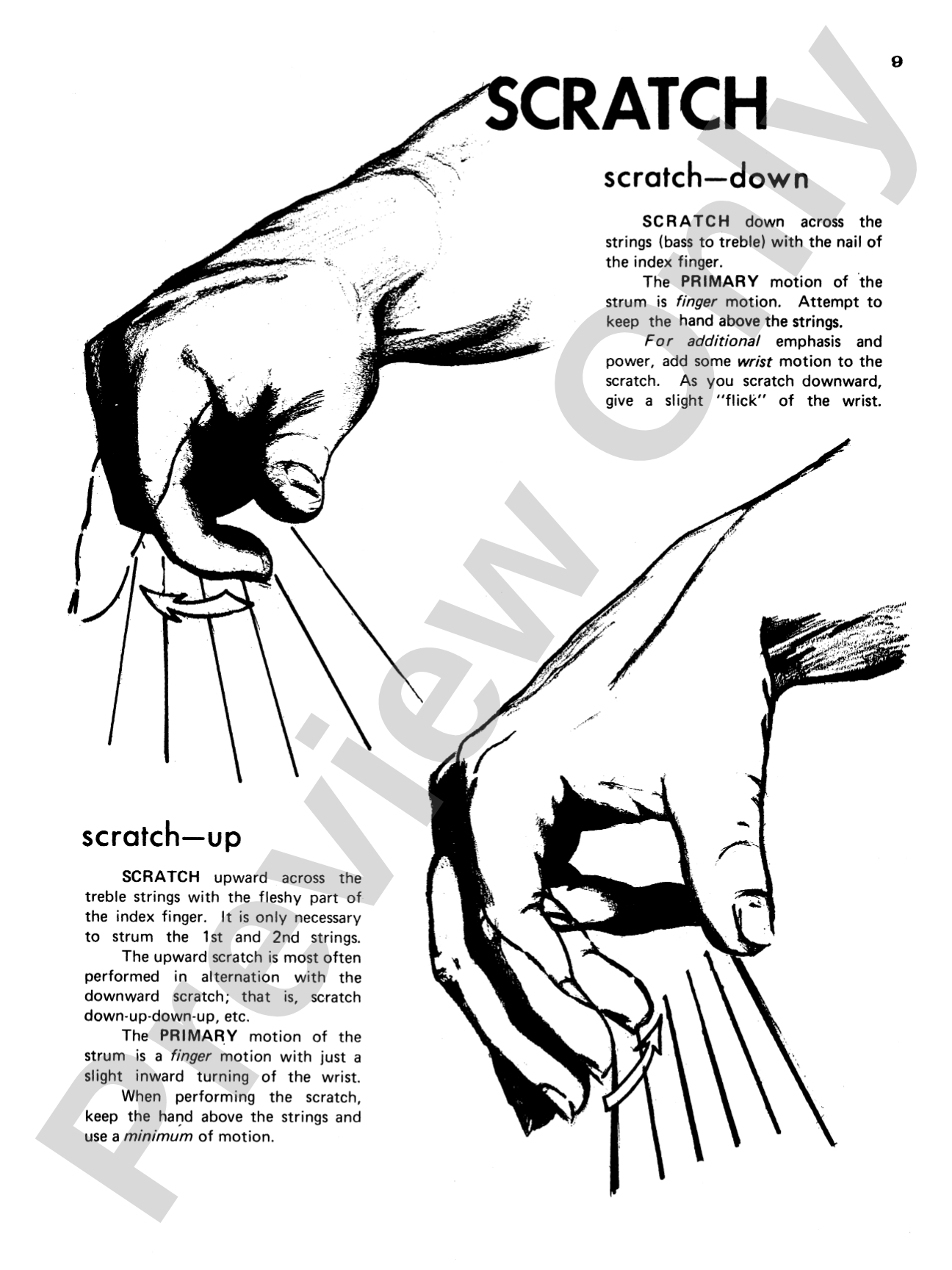
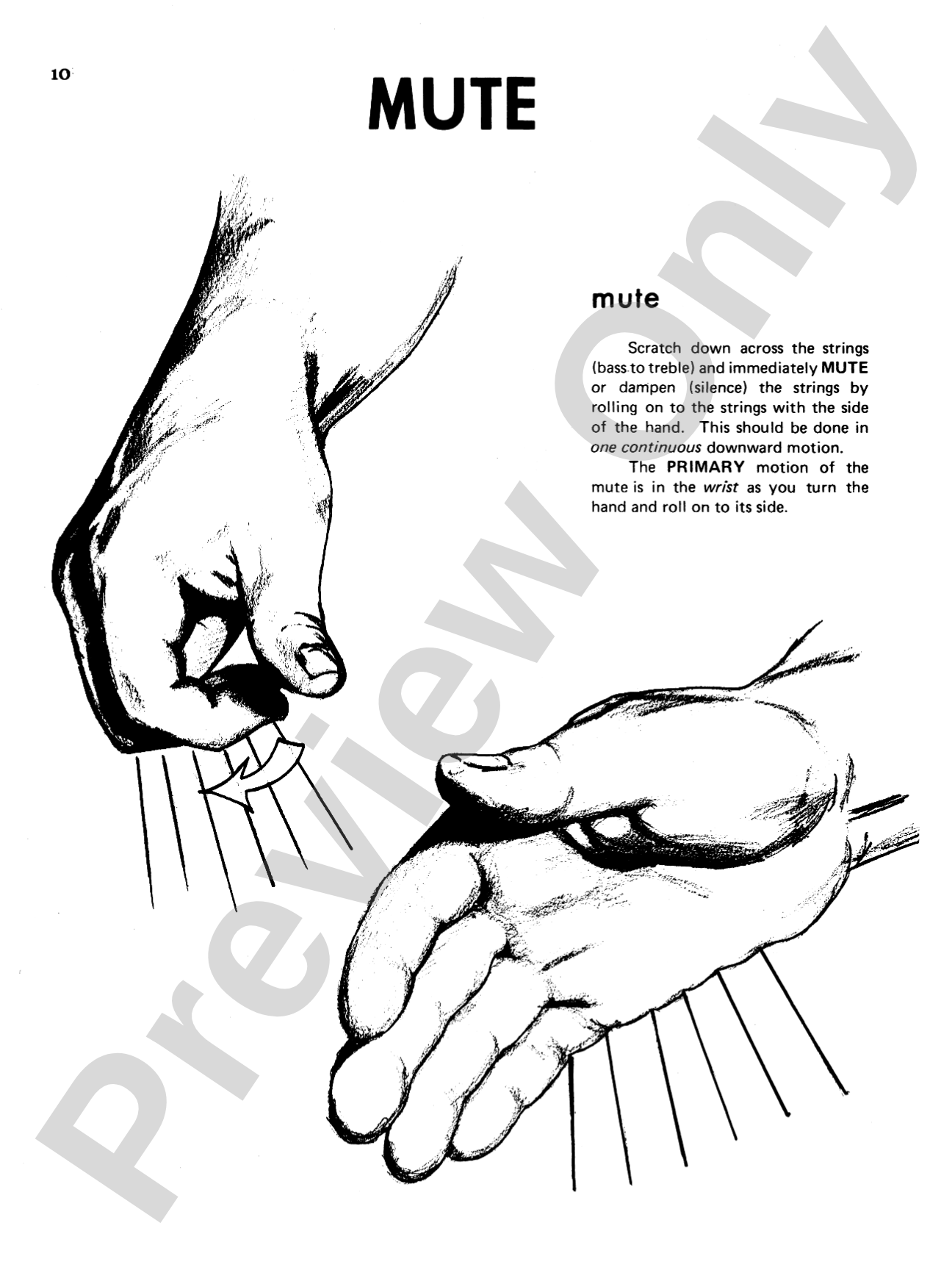
- Start with the suggested strum patterns exactly as written; they're designed to support the melodic contour and keep rhythm anchored while students focus on chord transitions.
- Choose songs that align with your students' singing range if you plan to have them sing along. The book's careful voicings make this pairing natural without requiring rewrites.
- Rotate between familiar songs and new material in the same lesson. The cognitive ease of a known tune allows students to concentrate on specific technical challenges with the chords or strumming patterns.
- Record simple accompaniment tracks for individual students or pairs. Hearing themselves play over a full texture motivates practice and clarifies rhythmic placement.
How to use it
Integrate this into your early-year guitar curriculum as your primary text; the 100 songs span enough difficulty levels to carry you through a full year of weekly lessons. Use selections for informal performances at school assemblies or family nights, since the repertoire includes songs families already know and enjoy. Pull individual pieces to reinforce specific technical concepts students are currently learning (basic strum patterns, chord switches, or melodic awareness).
Skills your students will build
- Chord transitions in open positions (C, G, D, A minor, E minor)
- Basic strum patterns and their rhythmic notation
- Reading melody and chord symbols simultaneously
- Matching pitch accuracy to song ranges appropriate for children's voices
- Finger placement and hand positioning for clean chord sound
- Tempo and rhythmic consistency with repetitive song structures