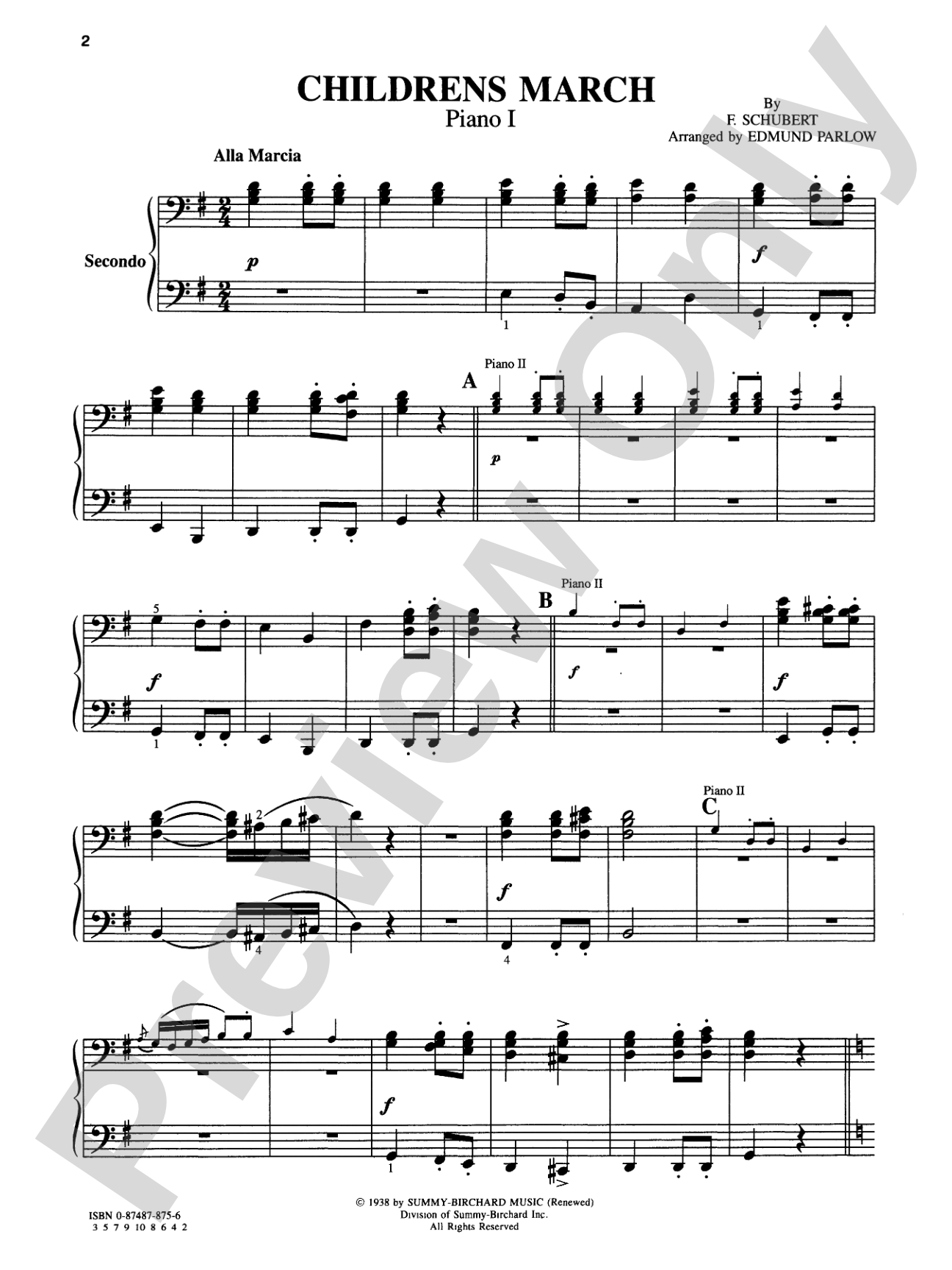
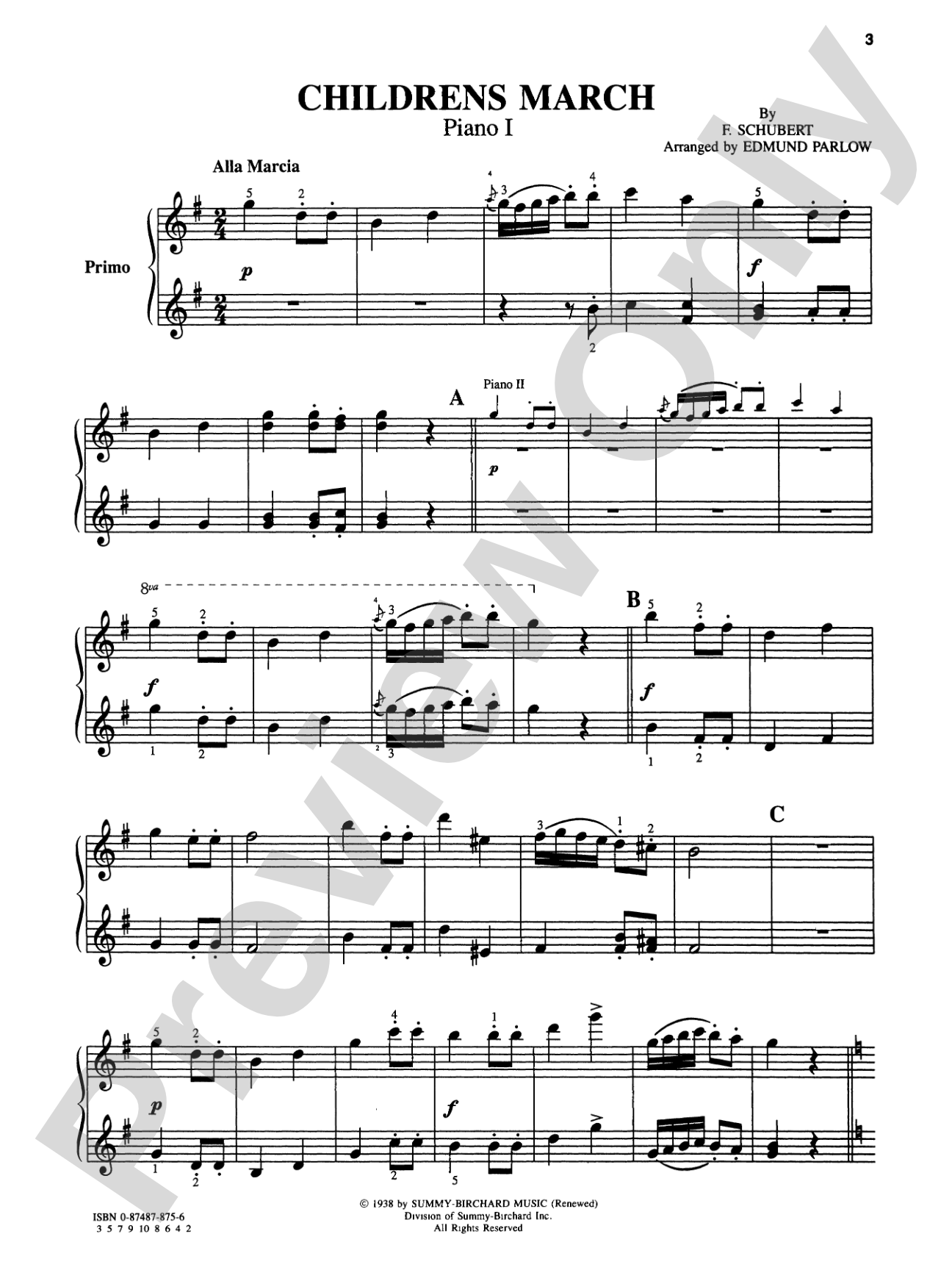
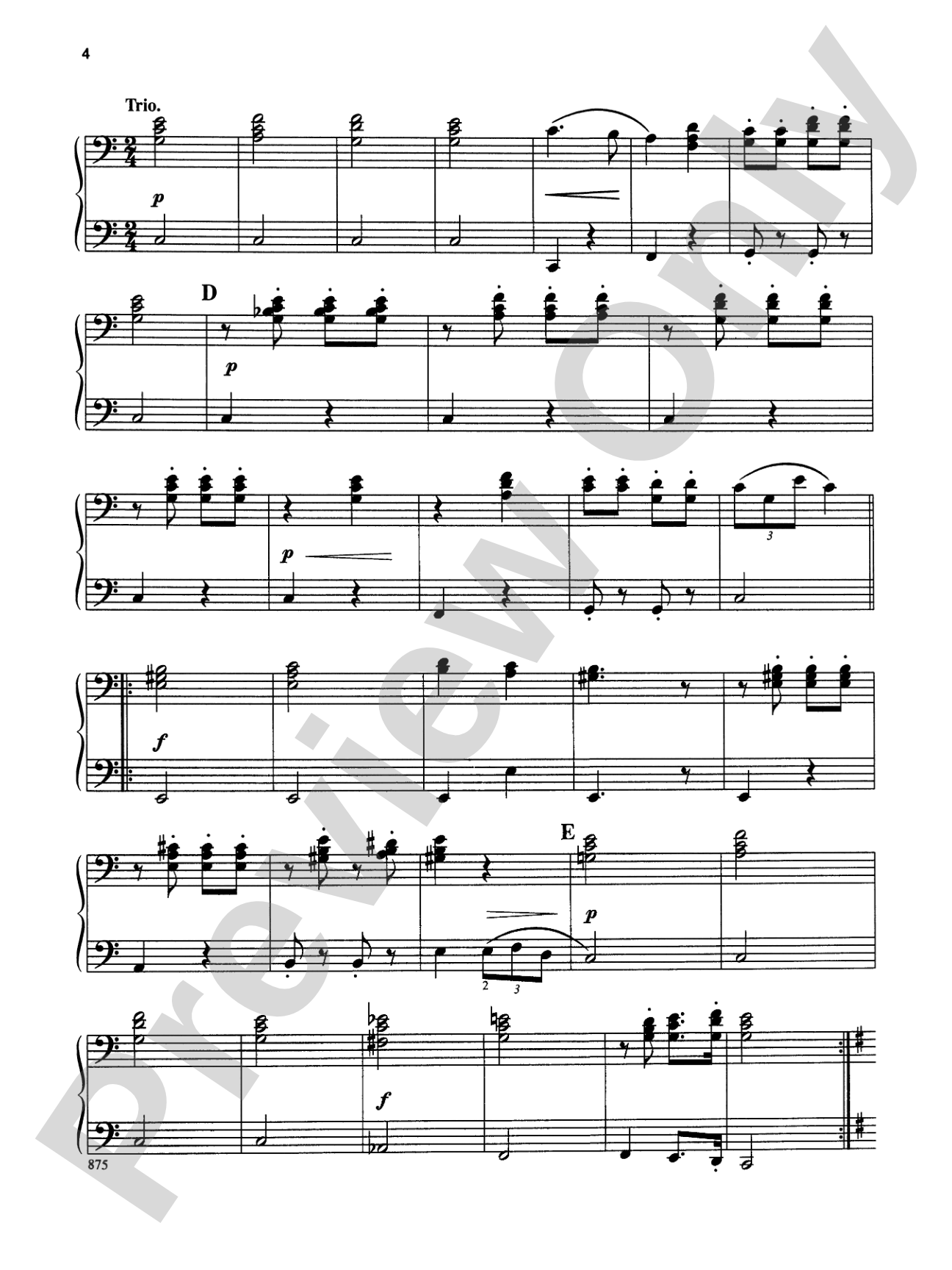
Franz Schubert (1797-1828) composed prolifically across every major genre despite his short life, leaving behind nearly 1,000 works that span symphonies, chamber music, vocal cycles, and piano pieces. His gift for melody and harmonic innovation shaped the Romantic era, and his ability to write music that feels both emotionally direct and structurally sophisticated makes his work enduringly relevant to performers of all levels.
For young pianists, Schubert's output offers exceptional pedagogical value. His marches, dances, and character pieces sit at the intersection of technical accessibility and musical substance, demanding genuine musicianship without requiring virtuosic fireworks. Teachers have long recognized that playing Schubert builds both interpretive maturity and respect for Classical form.