Children Of The World Sheet Music Preview

Children Of The World: 2-Part Choral Octavo

By Ruth Morris Gray

Item: 35-DS00207598

Digital Download
$2.99
Description

Children Of The World: 2-Part Choral Octavo isn't in MakeMusic Cloud just yet...but it could be. Let us know you'd like to see it, and you'll help shape what comes next. In the meantime, start a free trial and dive into thousands of interactive titles your students can play along with today.

Sample Audio
No sample audio found.
Sample Video
Additional Details
Publisher: Hal Leonard
Page Count: 10
SKU: 35-DS00207598

More about this title

About the Composer: Ruth Morris Gray

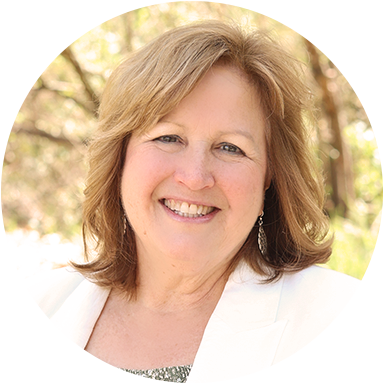
Ruth Morris Gray

Ruth Morris Gray brings two decades of classroom experience to her compositional work as Director of Choirs at Rosemead High School in California, a position she has held since 2004. Her formal training spans performance and composition across multiple institutions: a Bachelor of Music in Piano Performance and Composition from Biola University, a Master of Arts in Music Composition from UC Santa Barbara, and her California Single Subject Music Credential from Cal State Northridge. With more than 100 published choral works to her name, Gray writes from deep understanding of what student singers need and what directors can realistically achieve in rehearsal.

Beyond the music department, Gray pursues an active life that includes travel, swimming, reading, and cycling adventures with her husband, Douglas. This broader engagement with the world consistently informs her compositional sensibilities and her approach to fostering musical growth in her students.

Why we love this

Gray writes for the voices in front of you. Her two-part writing avoids artificial constraints and instead creates genuine musical interest within accessible ranges; every note serves the piece rather than displaying compositional cleverness. Programming this gives your singers a song about global community that they will actually want to sing and that audiences will genuinely hear.

What to expect

This piece carries genuine optimism without sentimentality. The melodic writing feels natural and singable, with moments of harmonic richness that surprise and delight. There is warmth in the concept of unity across cultures and spaces in the music itself to explore that warmth.

Who it's for

Middle school and high school choirs benefit most from this octavo, though the accessible writing works equally well for community or adult choirs seeking repertoire with substance and warmth. Singers at the intermediate level will find the two-part writing clear enough to learn efficiently while still offering rewarding musical challenges.

How to get the most out of it

  • Balance the two parts by having singers find their part's independent melodic shape before blending. Too often young singers default to mirroring the part above them; spending rehearsal time on sectional singing prevents this.
  • Let the text drive the phrasing. Mark breath points and phrase directions in pencil early, then trust singers to sustain emotional intention across longer phrases rather than stopping at every rest.
  • Explore the dynamic range marked in the score with intention. Gray typically includes dynamics that shape meaning; performing them as written rather than defaulting to mezzo-forte throughout reveals the composer's intentions.
  • Record a run-through before final rehearsals and listen as an ensemble. Students hear balance and blend issues they cannot detect from their own seat and gain ownership of the overall sound.

How to use it

Consider pairing this with other pieces that explore themes of community or connection, either as a thematic concert or as an opener that establishes an inclusive tone for a larger program. The 10-page octavo sits comfortably in a spring or year-end concert where you want singers and audience both to leave with something uplifting and human.

Skills your students will build

  • Two-part harmonic independence (singing their own line while hearing another)
  • Text expression and phrasing in contemporary sacred secular repertoire
  • Balancing dynamic control across a full range of marked expression levels
  • Sectional listening and blend awareness through independent part preparation

You May Also Like