
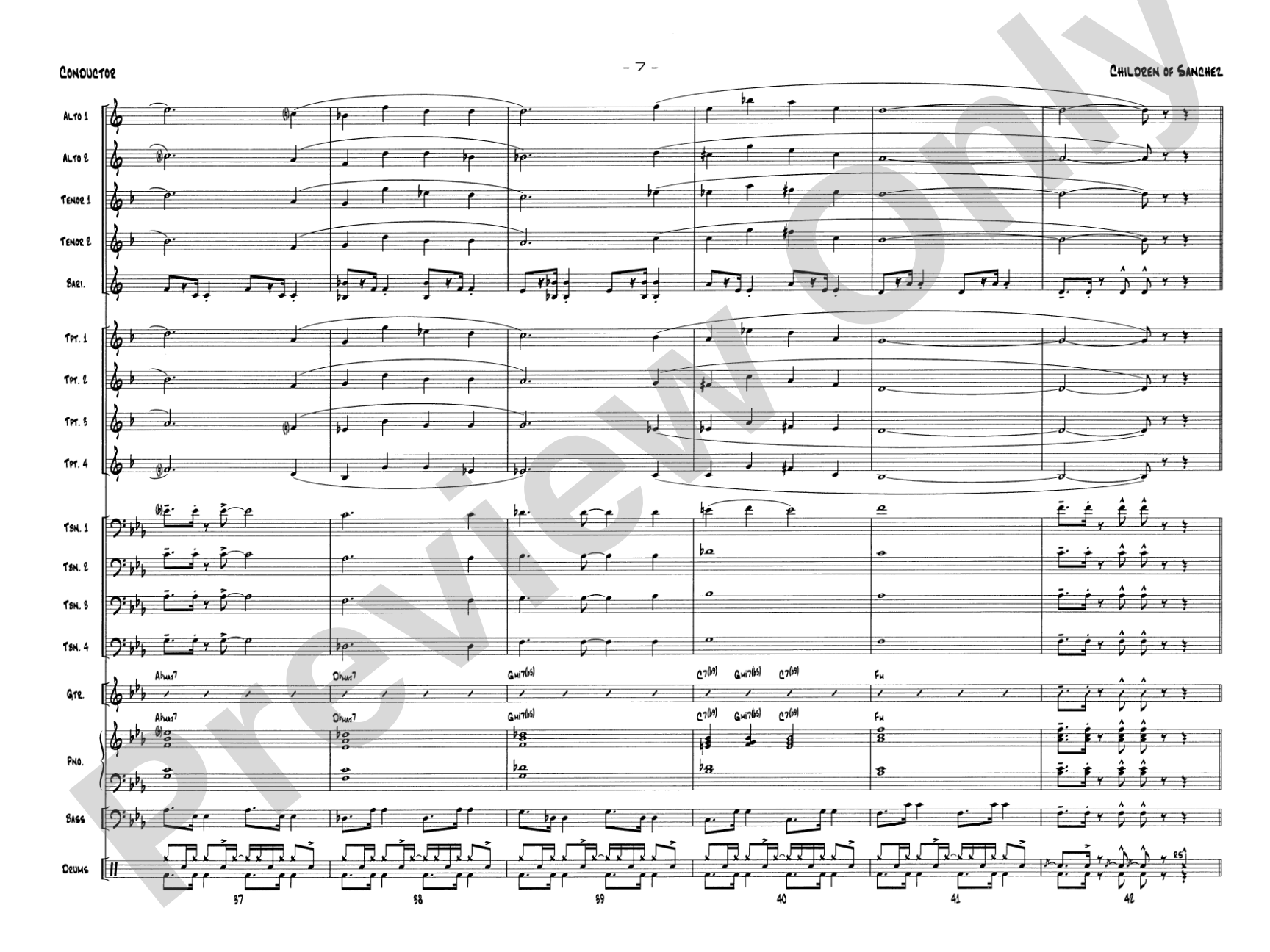
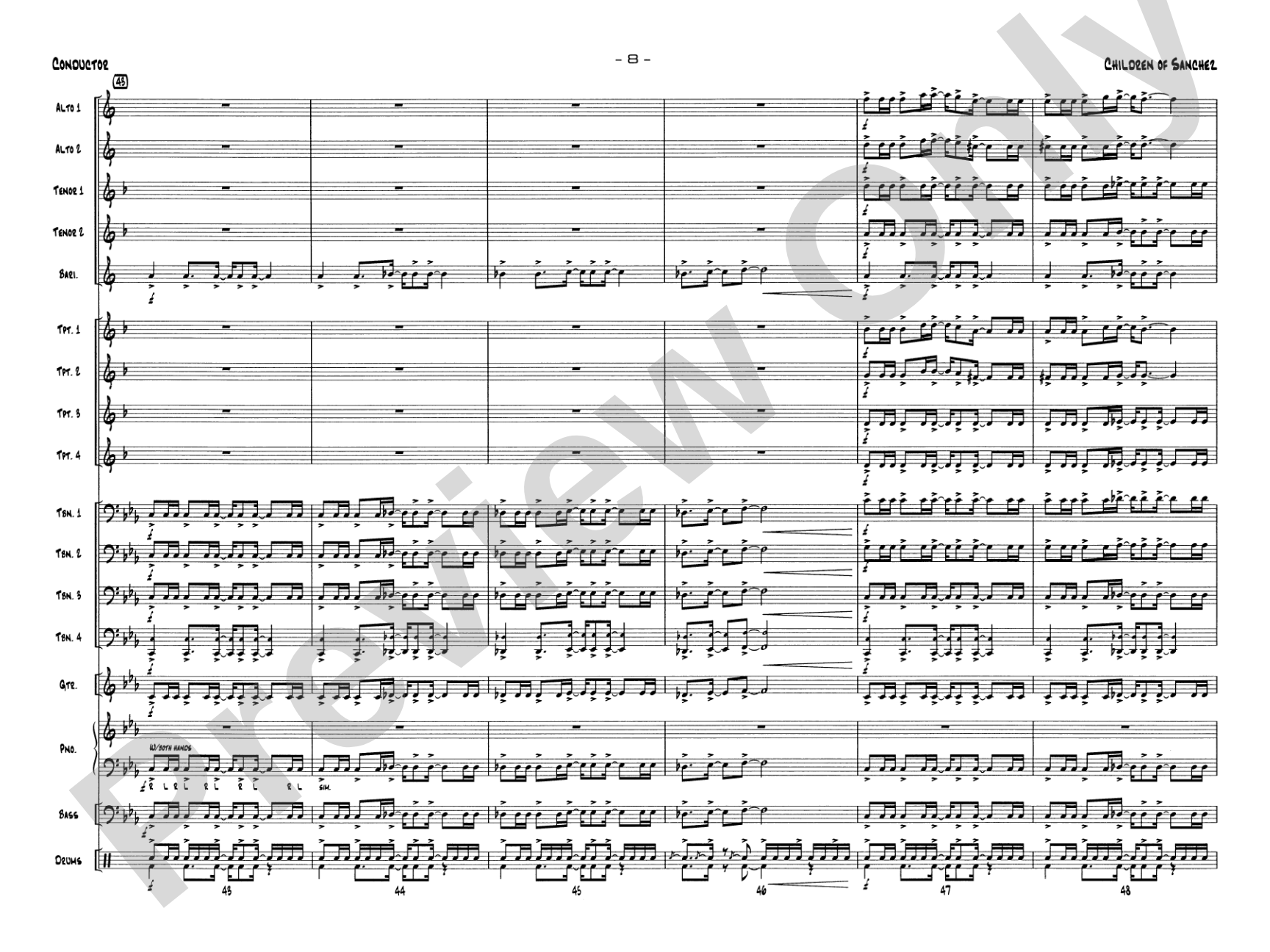
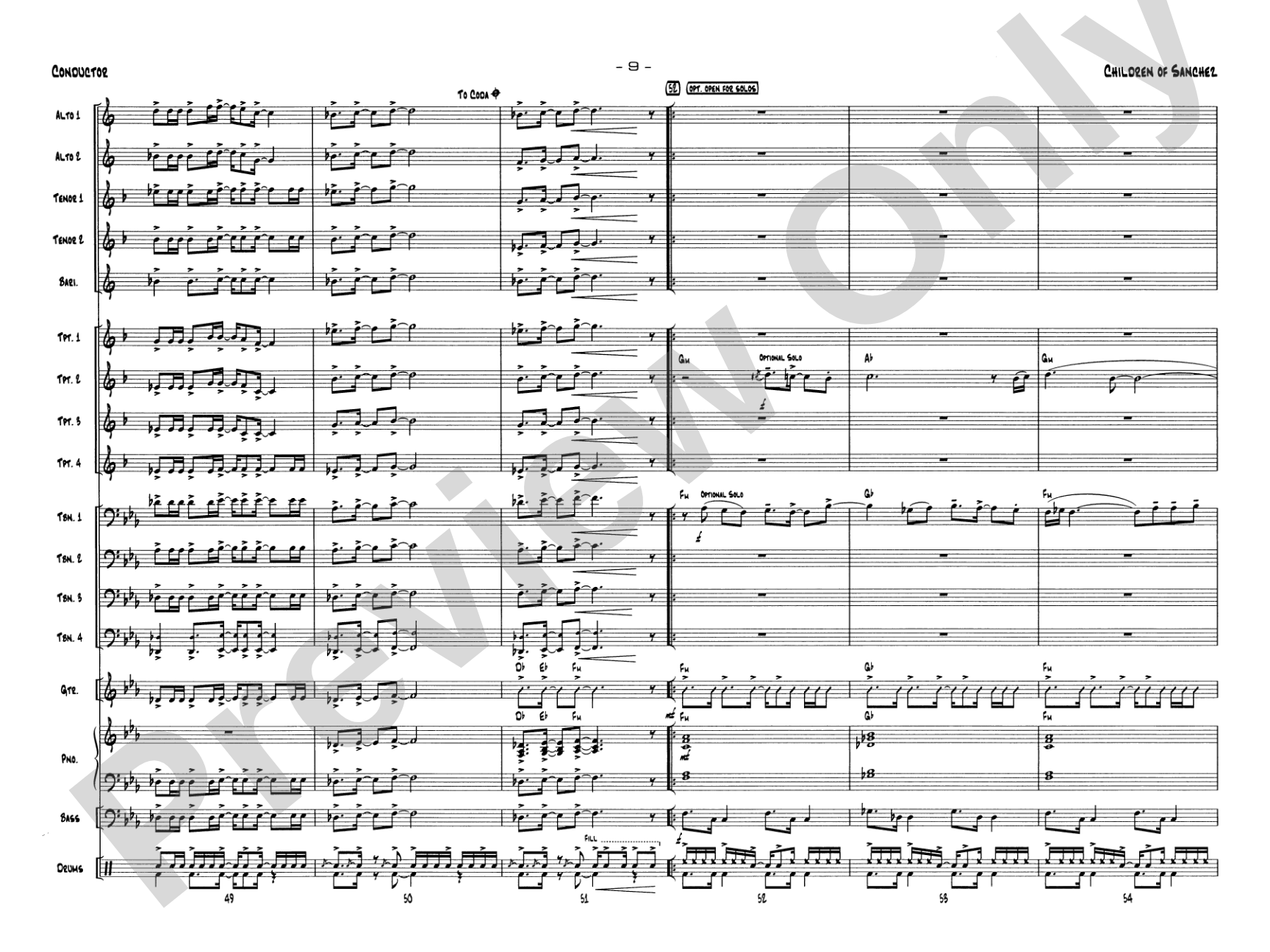
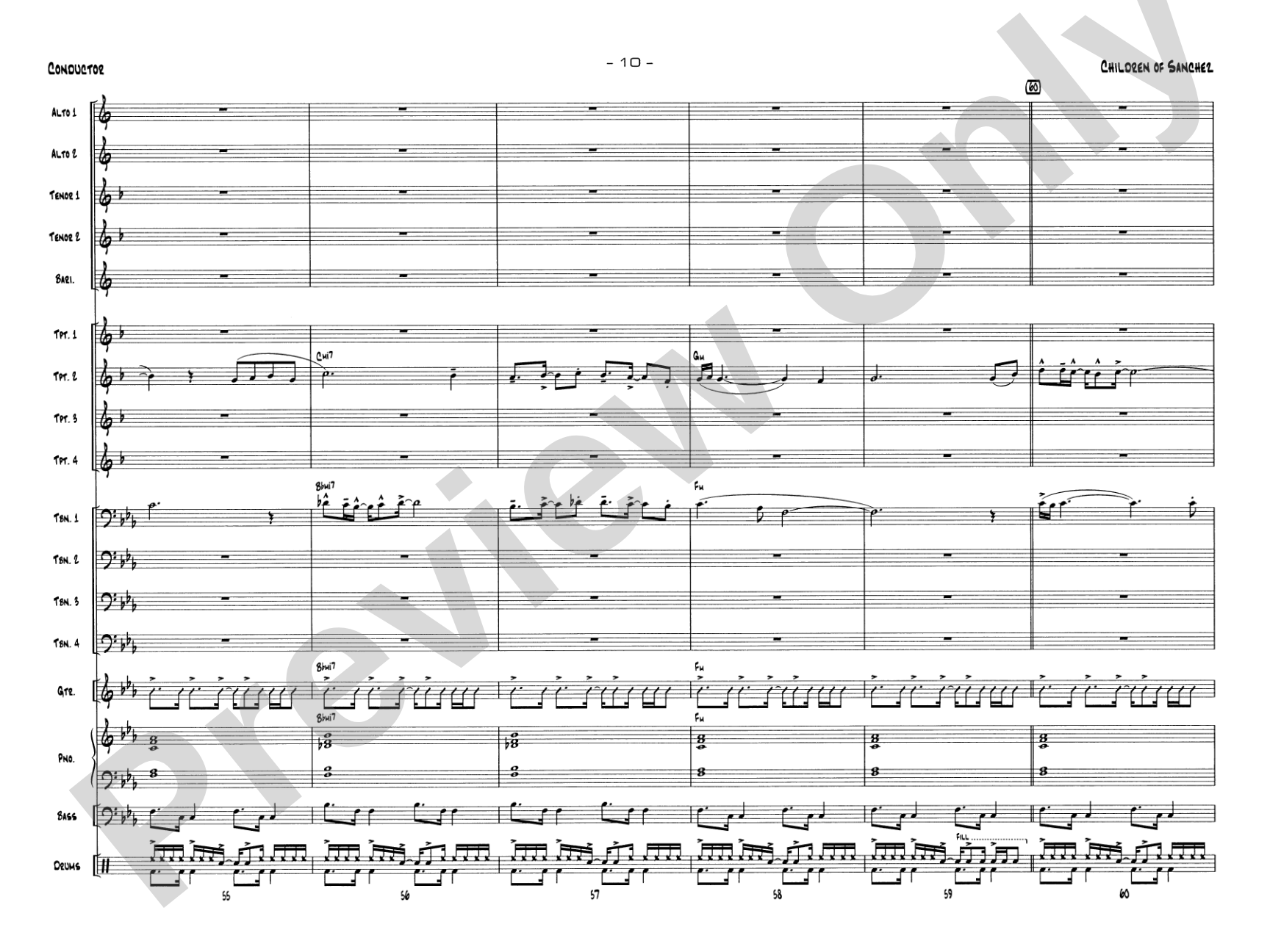
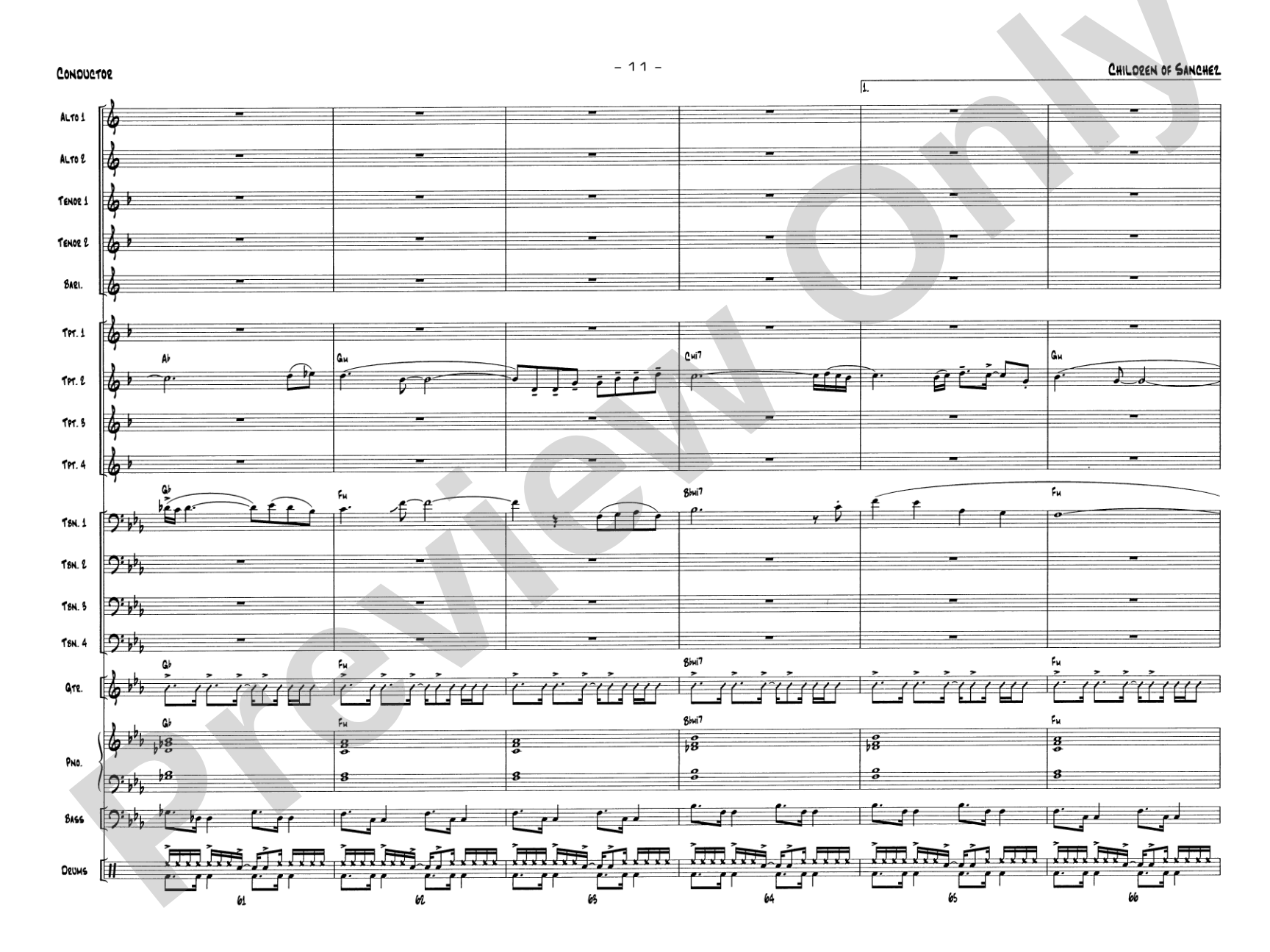
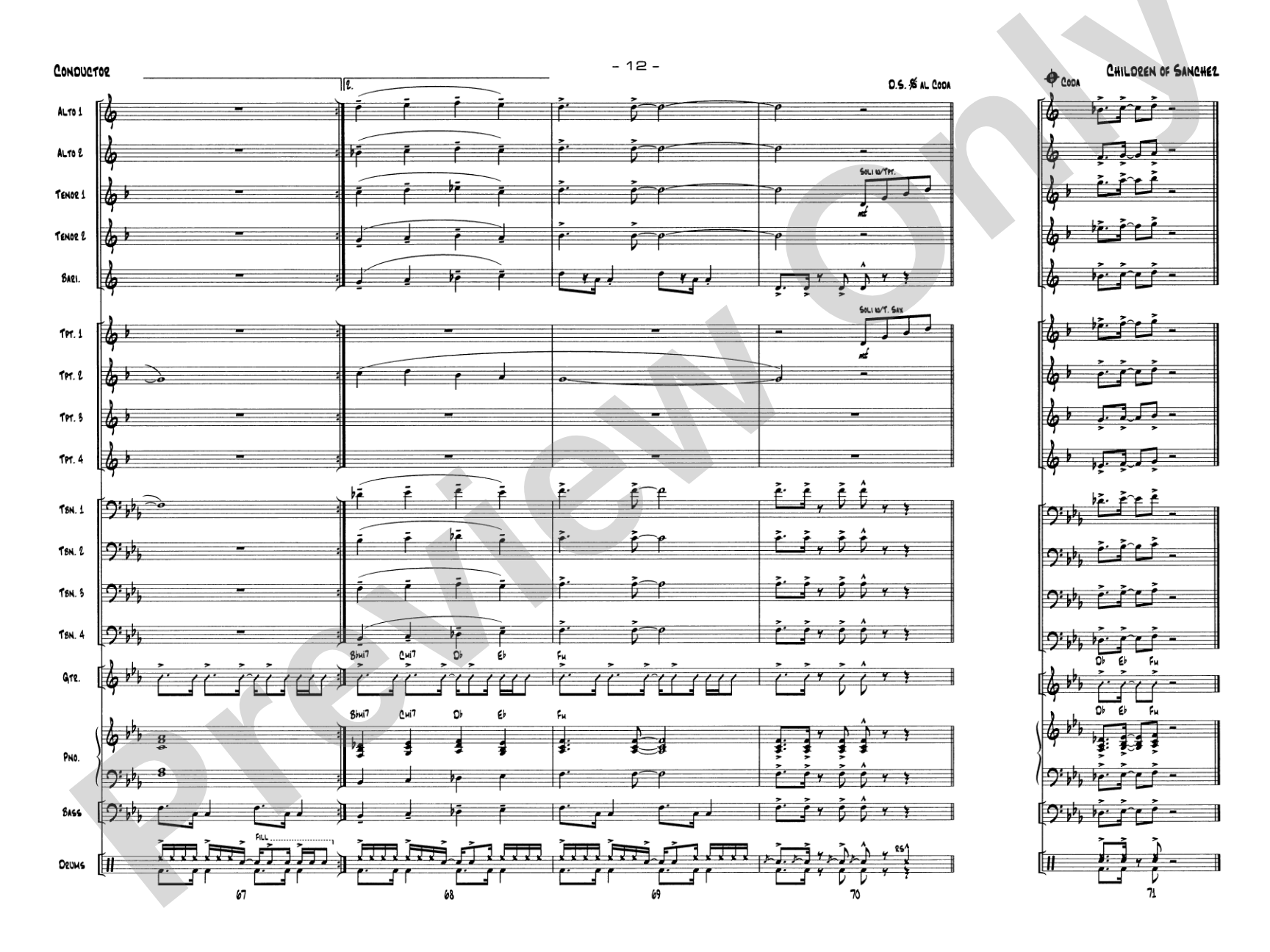



Children of Sanchez: Jazz Ensemble Conductor Score & Parts
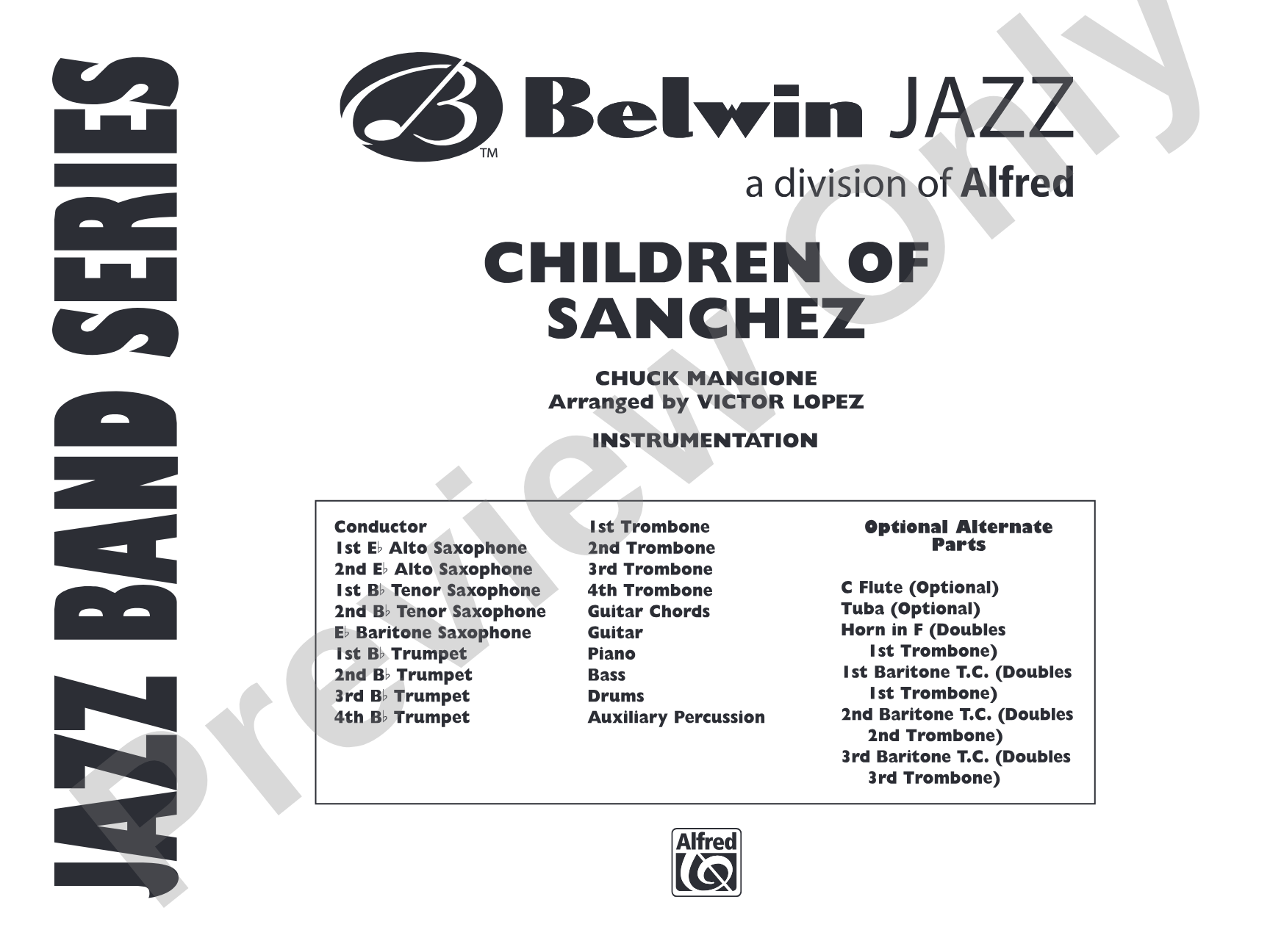
By Chuck Mangione / arr. Victor López
Grade: 3 (Medium)
Item: 00-PK-0002522

$52.00
One moment…
Description
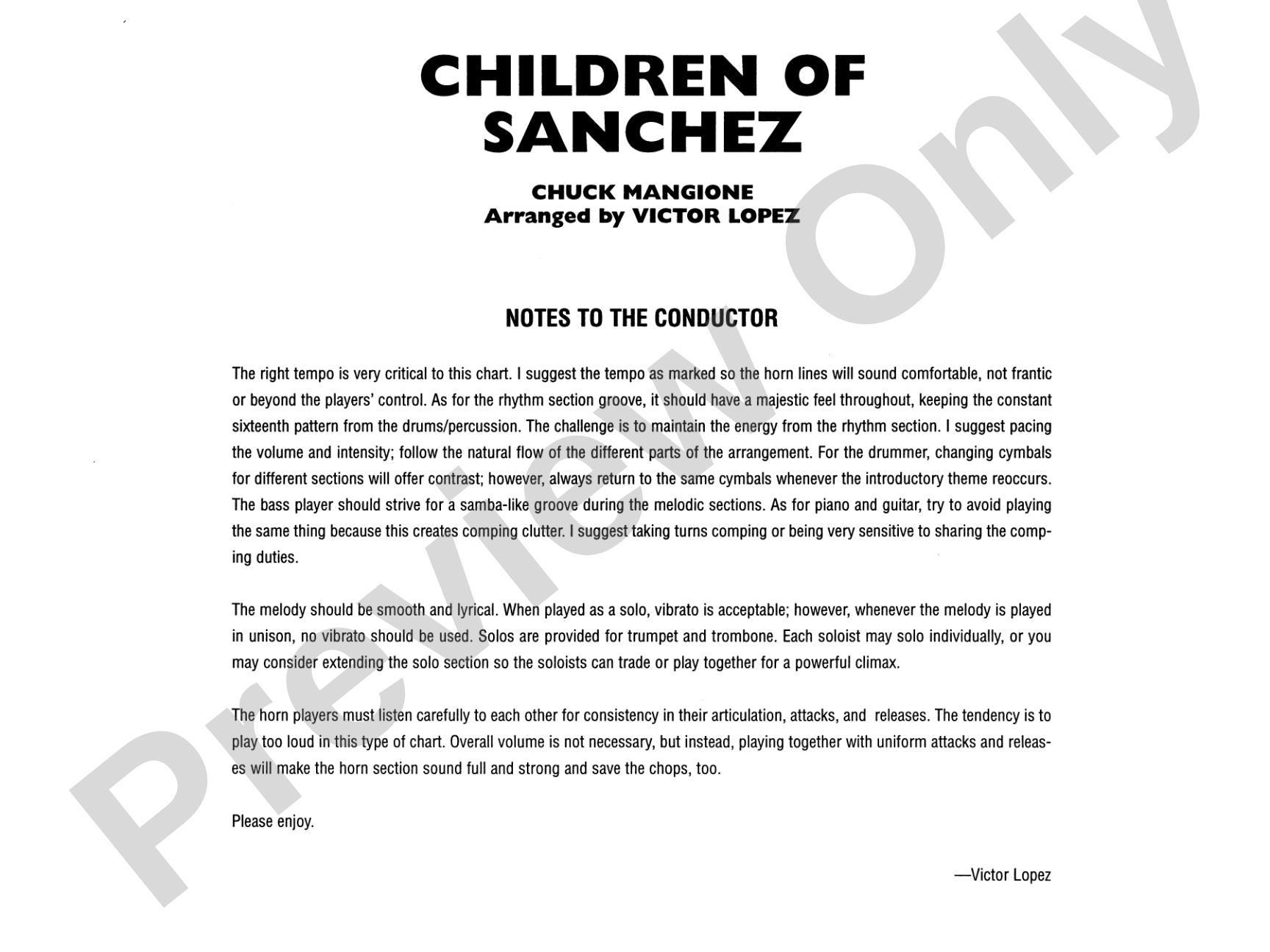
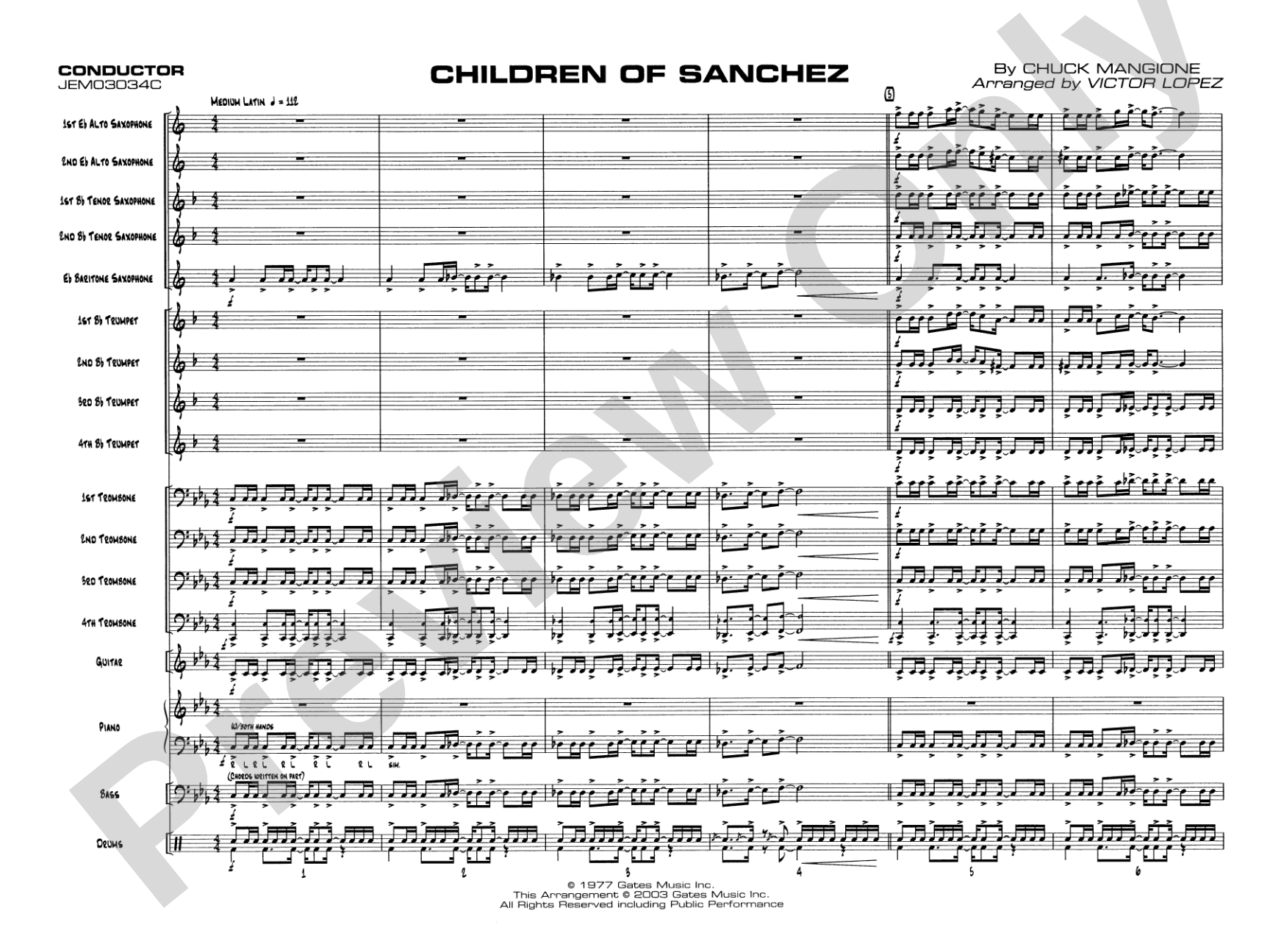
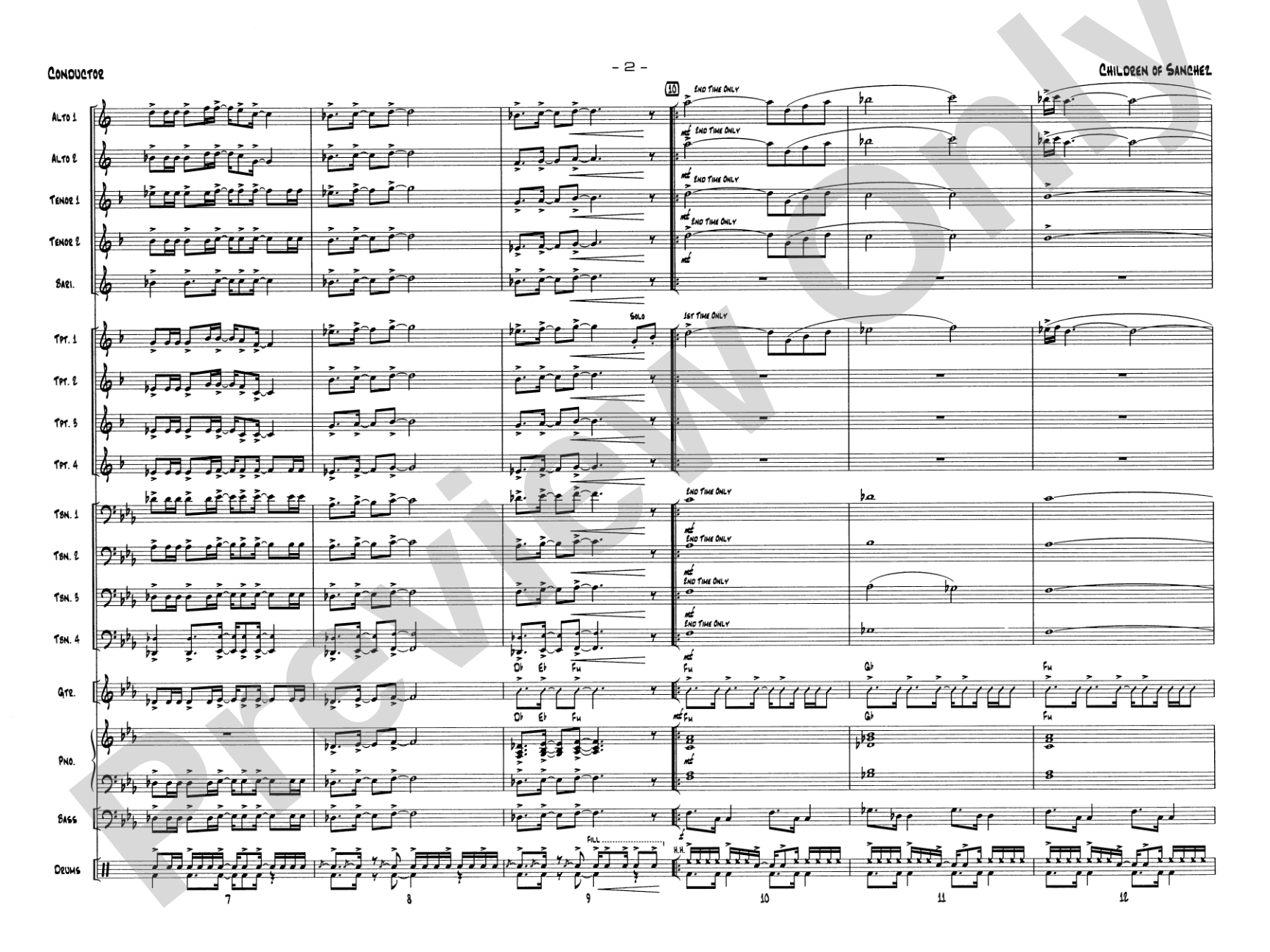
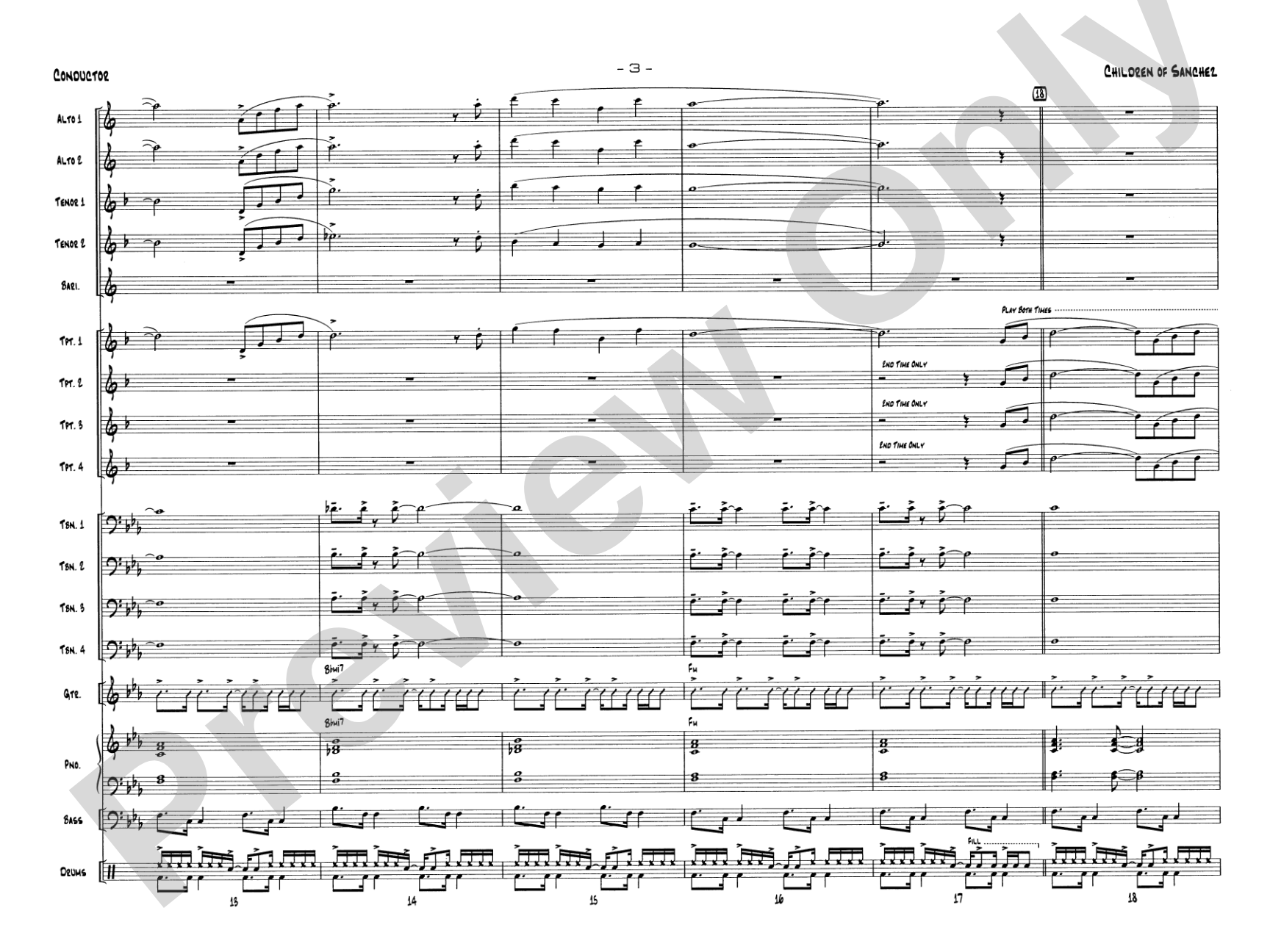
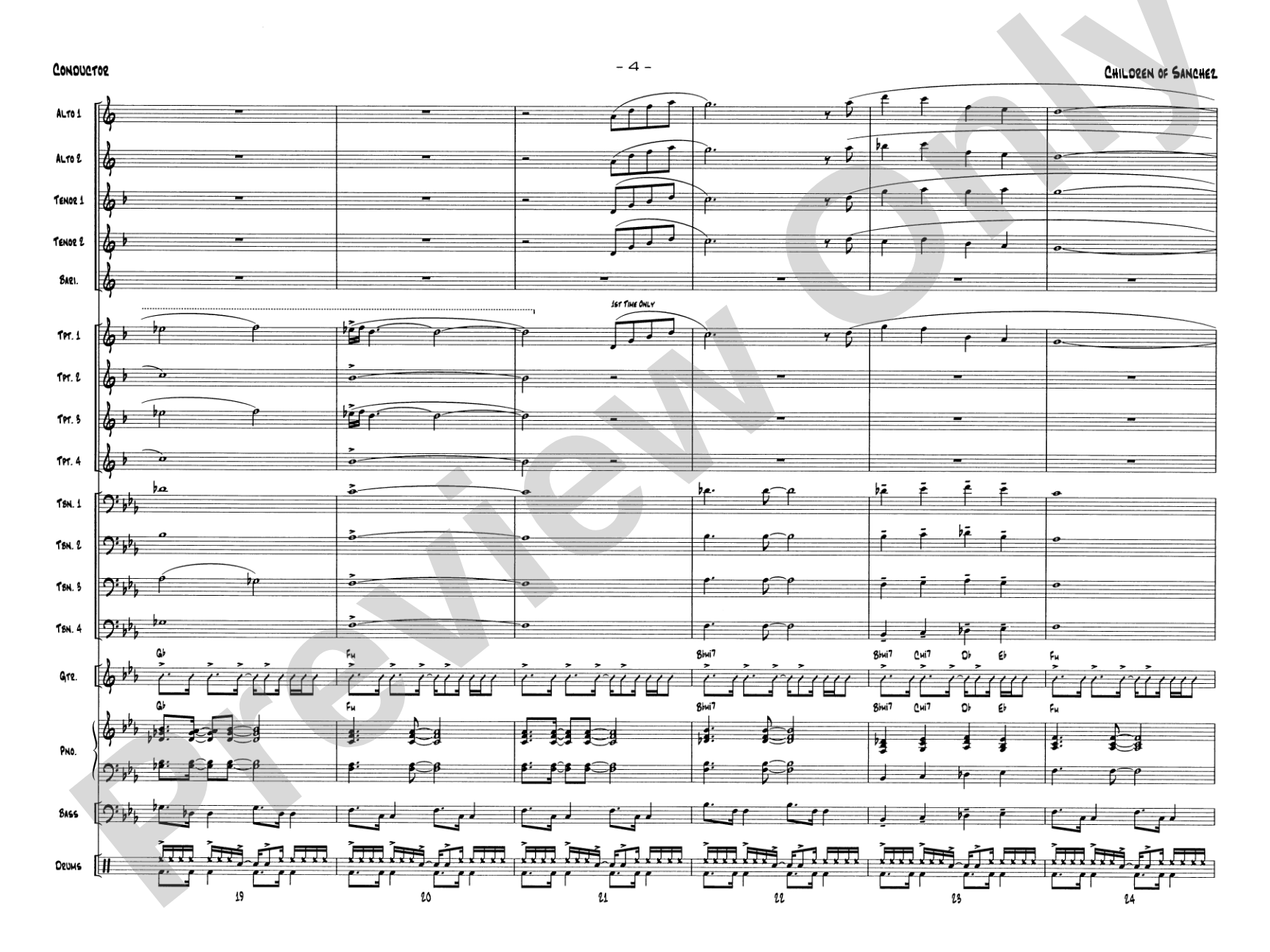
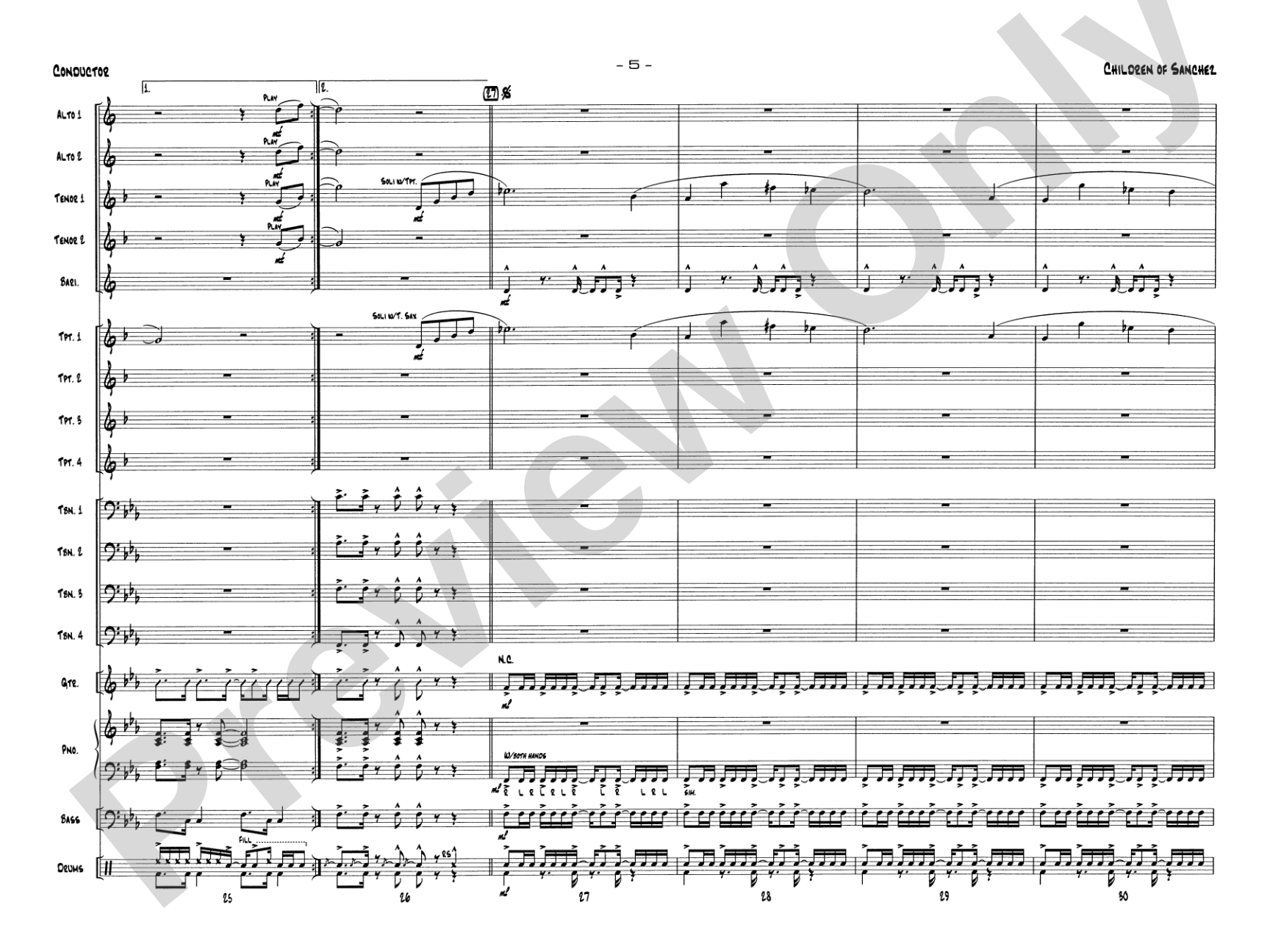
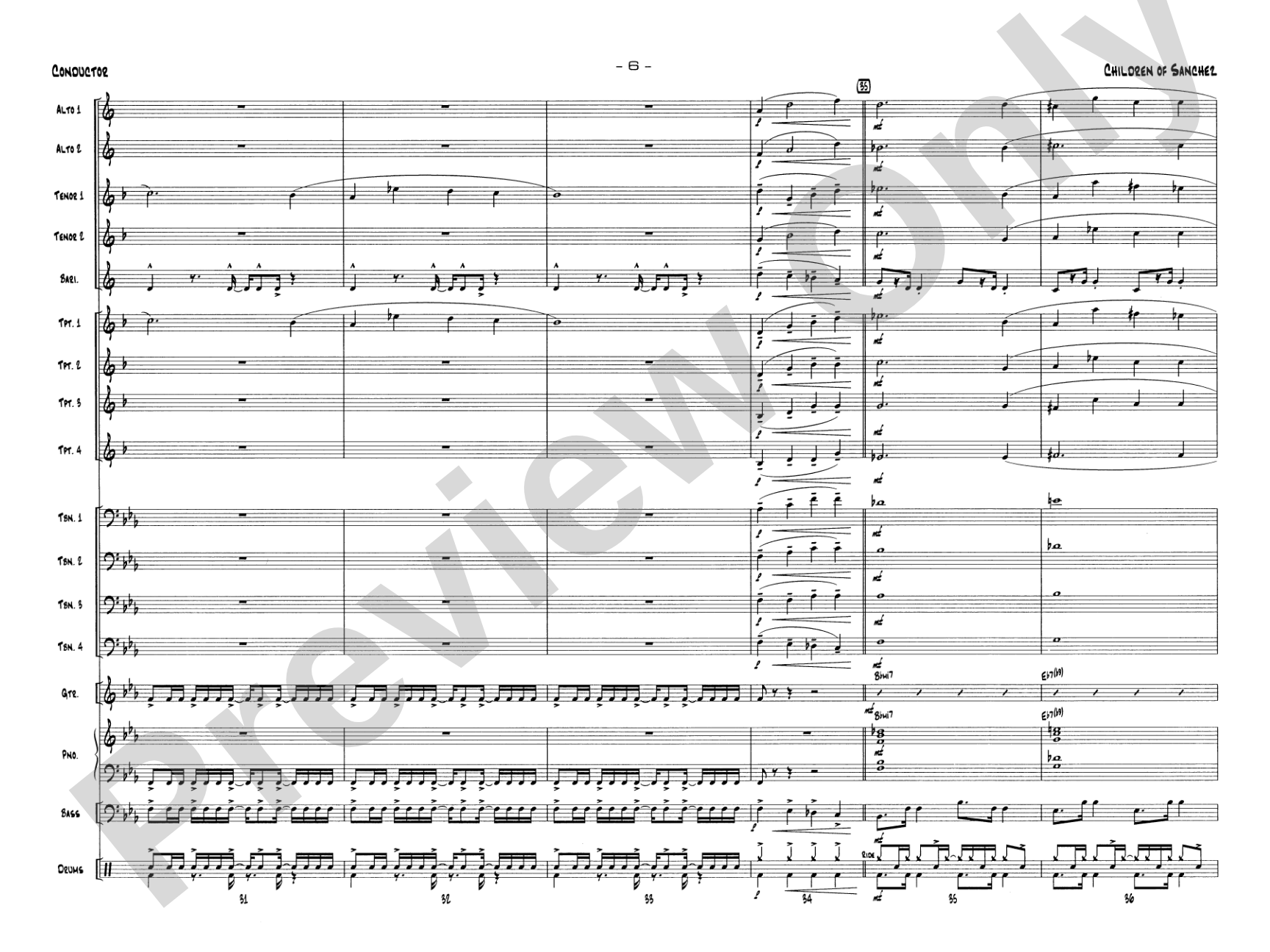
Victor López's chart for this fabulous tune is now accessible for the medium-level player. Chuck Mangione's captivating melody is full of energy and excitement and features written or ad-libbed solos for trumpet and trombone. High note for lead trumpet is only written A and F for trombone. Victor includes a percussion part along with optional flute, horn, baritone horn, and tuba. A must-have arrangement!


Don't just read it, hear it, play along with it, and watch your students grow with it. In MakeMusic Cloud, Children of Sanchez: Jazz Ensemble Conductor Score & Parts comes alive with professional accompaniment, adjustable tempo, and built-in practice tools that turn solo practice into real progress.
Open in the Player
Jump straight in and assign it today.
Start Your Free Trial
Open this title and explore the full library in minutes.
Sample Audio
1
Audio File
--:--
0:00
0:00
Sample Video
No sample videos found.
Additional Details
Series:
Jazz Band Series
Publisher:
Alfred Music
Page Count:
76
SKU:
00-PK-0002522
More about this title
About the Composer: Chuck Mangione
Chuck Mangione emerged as a distinctive voice in contemporary jazz during the 1970s and 1980s, blending accessible melodies with sophisticated harmonic sensibilities. His flugelhorn became his signature instrument, and his compositional gift for writing memorable, emotionally direct themes earned him both critical respect and broad popular appeal. Mangione's work consistently bridges the gap between jazz complexity and melodic clarity, making his compositions natural fits for educational ensembles seeking material that sounds professional without overwhelming developing players.
Why we love this
Victor López's adaptation strips away nothing essential while making the solos genuinely playable at the Grade 3 level. The melody itself carries the piece, so students hear immediately why this tune has endured, and the contained trumpet and trombone ranges keep focus on phrasing and ensemble balance rather than register anxiety.
What to expect
Warm, energetic, and instantly engaging. The melody has an unhurried grace despite its rhythmic vitality, creating a piece that feels both sophisticated and approachable. There's genuine joy in playing this tune together, and audiences connect to its humanity immediately.
Who it's for
Jazz ensembles at the Grade 3 level that want to program a tune with proven appeal and solid pedagogical value. Students who play trumpet, trombone, and rhythm instruments will find solos within reach, while the overall arrangement teaches ensemble cohesion and the joy of playing a recognizable standard.
How to get the most out of it
- Let the melody breathe. This tune's strength is its singability; resist the urge to rush the eighth-note passages and instead shape them as if vocalists were singing the line.
- Balance the rhythm section to support solo transparency. Soloists should feel grounded without being buried, which means your bass and drums need clarity and conversation with one another.
- Prepare soloists early for the improvised sections. Even if you choose to use the written solos, having players understand the chord changes and harmonic movement builds confidence and musicality.
How to use it
This works beautifully as a concert closer or a featured piece in a jazz showcase where you want to demonstrate musicianship without technical intimidation. It pairs naturally with other accessible standards or contemporary jazz charts in the same grade range.
Skills your students will build
- Phrasing and interpretation of a composed melody
- Soloing within a set harmonic structure
- Jazz comping and rhythm section interplay
- Ensemble balance and blend in a small-group setting
- Reading lead sheets and chord symbols
- Stylistic awareness of contemporary jazz idioms