
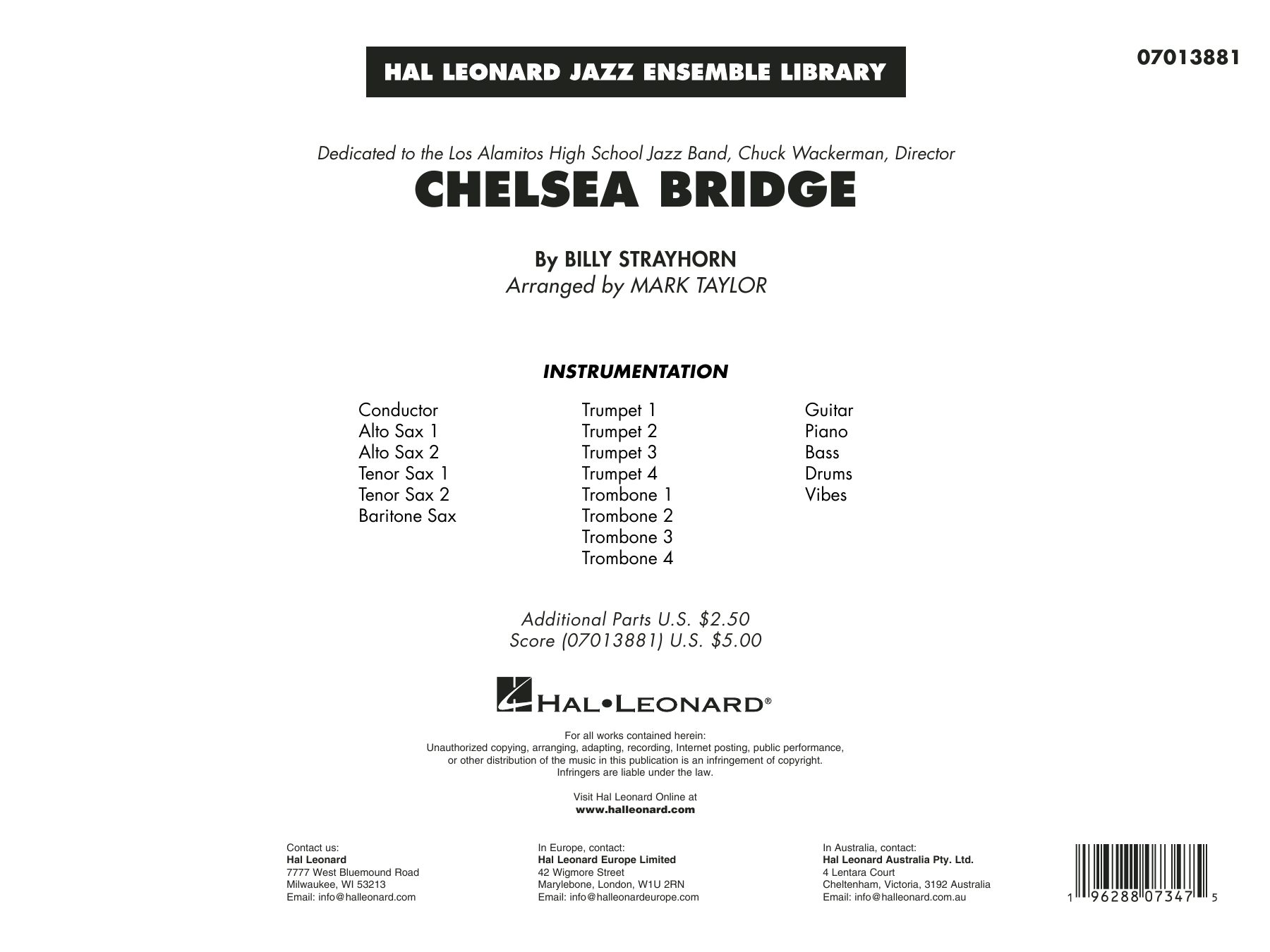

Chelsea Bridge (arr. Mark Taylor): Jazz Ensemble Conductor Score & Parts
By Billy Strayhorn / Arranged by Mark Taylor
Grade: 4
Item: 35-PK01084952
$55.00
Pickup currently not available
Buy Extra Parts (Digital PDF Download)
Parts Added to Cart!
Description
Composed by the legendary Billy Strayhorn, this is truly one of the masterpieces of jazz. Mark Taylor has beautifully crafted a feature for alto sax using a variety of styles and settings. Basically scored as a ballad, there is a jazz waltz section in the middle. This is followed by a powerful slow swing ensemble shout before returning to the soloist to finish out the chart in the original ballad style. Recorded by The Taylor/Fidyk Big Band on "A Perfect Match."


Chelsea Bridge (arr. Mark Taylor): Jazz Ensemble Conductor Score & Parts isn't in MakeMusic Cloud just yet...but it could be. Let us know you'd like to see it, and you'll help shape what comes next. In the meantime, start a free trial and dive into thousands of interactive titles your students can play along with today.
Request This Title
Tell us you want it.
Start Your Free Trial
Explore everything that's ready to play right now.
Sample Audio
No sample audio found.
Sample Video
No sample videos found.
Additional Details
Publisher:
Hal Leonard
SKU:
35-PK01084952
More about this title
About the Composer: Billy Strayhorn
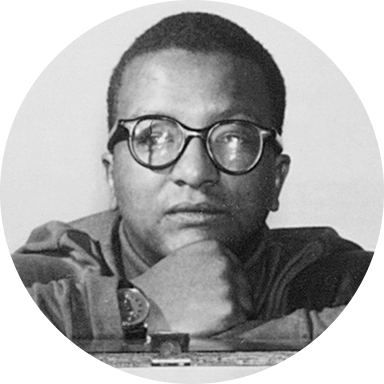
Billy Strayhorn emerged from Dayton, Ohio in 1915 to become one of the defining voices in American jazz composition. His partnership with Duke Ellington, which began in 1939, shaped the sound of jazz for decades. Though often overshadowed by his collaborators, Strayhorn authored some of the era's most enduring standards; "Take the 'A' Train" has served as the Duke Ellington Orchestra's theme since the 1940s, while "Lush Life," written when he was just 16, remains a harmonic and melodic benchmark that challenges every serious jazz vocalist.
Strayhorn's influence extends far beyond his most famous works. Recordings of his compositions read like a roster of jazz immortals: Ella Fitzgerald, Oscar Peterson, John Coltrane, Sonny Rollins, and countless others have interpreted his sophisticated harmonies and elegant melodies. Despite his prolific output and the universal recognition his music earned, Strayhorn himself remained largely unknown to the general public throughout his composing career. His decision to live openly as a Black gay man in mid-20th century America contributed to this public anonymity, yet his compositions continue to define what jazz standards can be.
Why we love this
Mark Taylor's arrangement respects the lyrical sophistication of Strayhorn's original while building in enough textural variety to keep an ensemble engaged. The alto sax feature allows a soloist to shine without demanding superhuman technical facility, and the shift into waltz time creates a genuine structural surprise that keeps the piece from feeling like a standard ballad showcase.
What to expect
Chelsea Bridge unfolds with the intimate quality of a quiet nightclub conversation. The ballad sections wrap the alto's voice in lush harmonies, while the unexpected waltz pushes into a dreamy, displaced feeling. When the full ensemble steps in for the shout, the piece builds into something warm and collective before retreating back into that contemplative solo space.
Who it's for
Jazz ensembles at the intermediate level who have a confident alto saxophonist and want to program a standard that audiences recognize while still offering ensemble writing worth rehearsing. Directors looking for a feature that teaches ballad playing and time feel without requiring professional-level soloist chops will find this accessible.
How to get the most out of it
- Let the rhythm section establish the ballad's quiet pocket during the first section. The alto's melodic beauty depends on hearing clear harmonic support underneath.
- The waltz section needs a gentle lilt rather than a rigid pulse. Discuss the feel with your drummer before rehearsal so everyone's on the same page about weight and swing.
- When the ensemble enters for the slow swing shout, resist the urge to push the tempo. This section draws power from restraint and vertical alignment, not speed.
- Your alto soloist should have time to explore the return to ballad style at the end. Accompany with space and sensitivity rather than filling every beat.
How to use it
This works beautifully as a mid-set ballad feature that gives audiences a familiar Strayhorn melody while showcasing your ensemble's restraint and attention to detail. Place it between up-tempo numbers to create emotional pacing, or use it as the opening piece of a set focused on standards and composition.
Skills your students will build
- Ballad phrasing and breath control in a jazz context
- Comping and harmonic sensitivity in rhythm section
- Reading and executing waltz time (3/4) in a jazz setting
- Listening for and responding to solo improvisation
- Ensemble blend and dynamic control in slow swing passages