
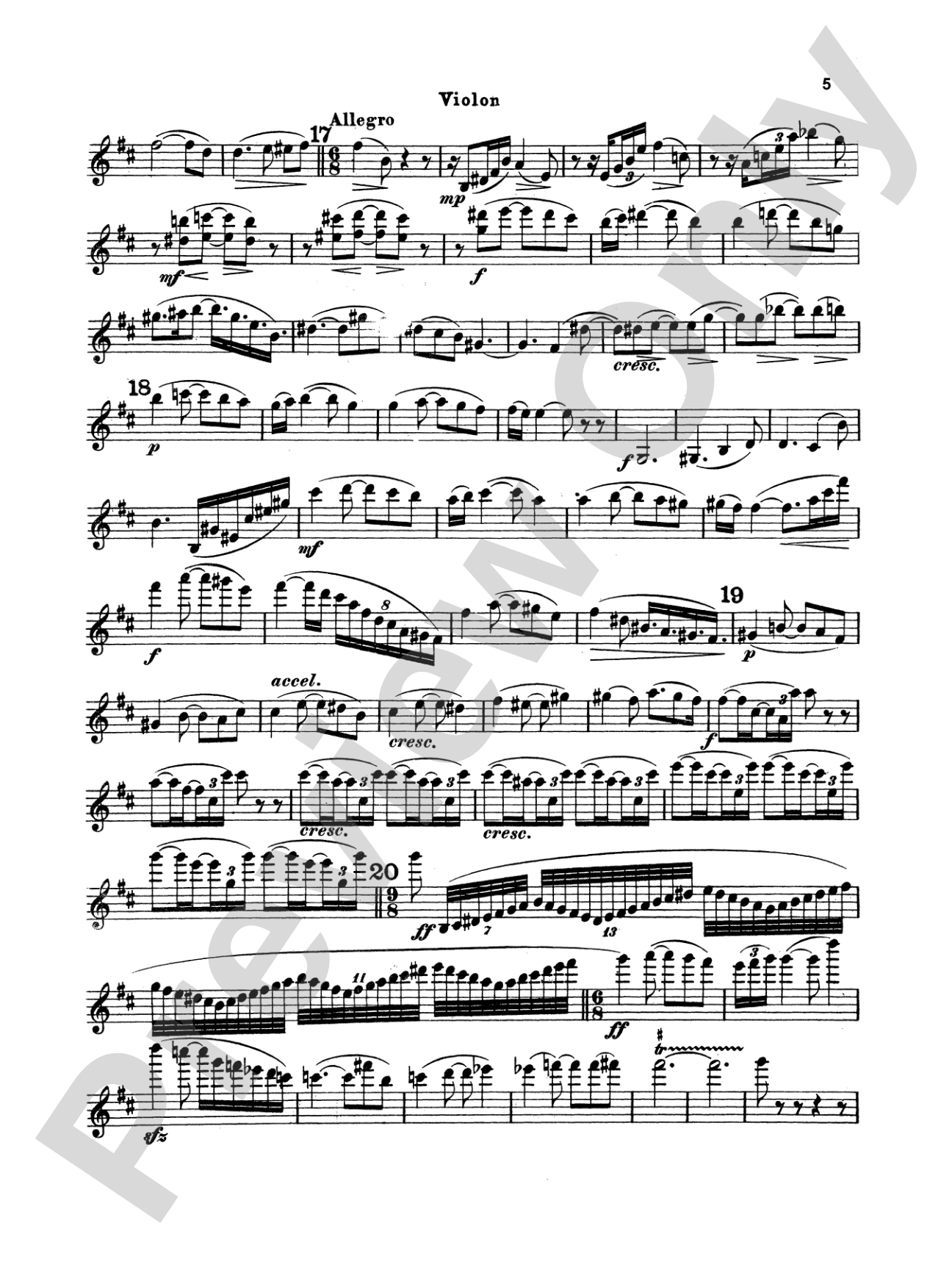
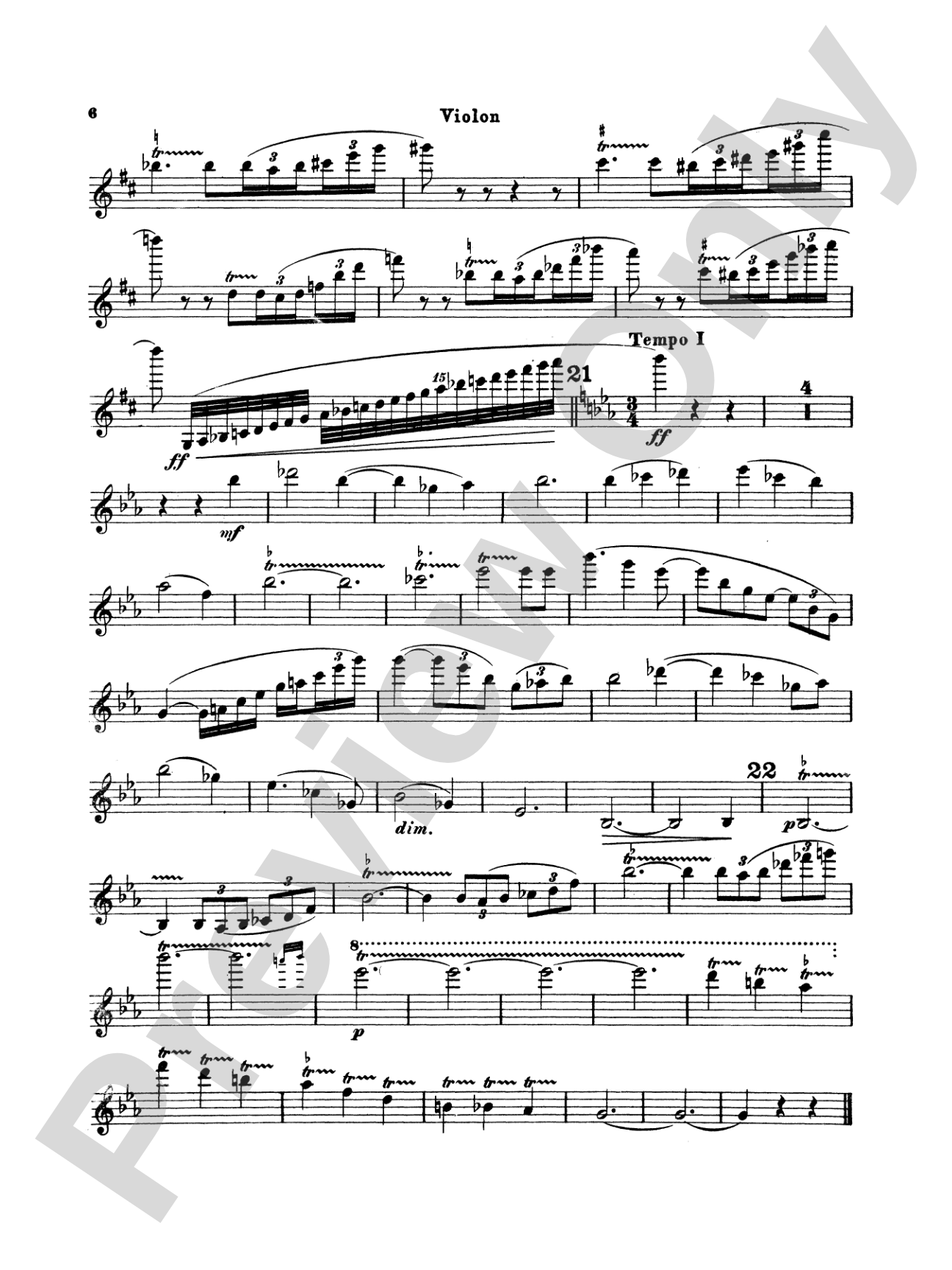



Chausson: Poème, Op. 25: Violin Book
By Ernest Chausson
Item: 00-PK-0002988

$9.99
Pickup currently not available
Buy Extra Parts (Digital PDF Download)
| Product | Price | Quantity |
|---|---|---|
| Chausson: Poème, Op. 25 | $3.99 | |
| Chausson: Poème, Op. 25 | $3.99 |
Parts Added to Cart!
Related Items
Poeme: Violin Book |
$9.99
|
View |
Description
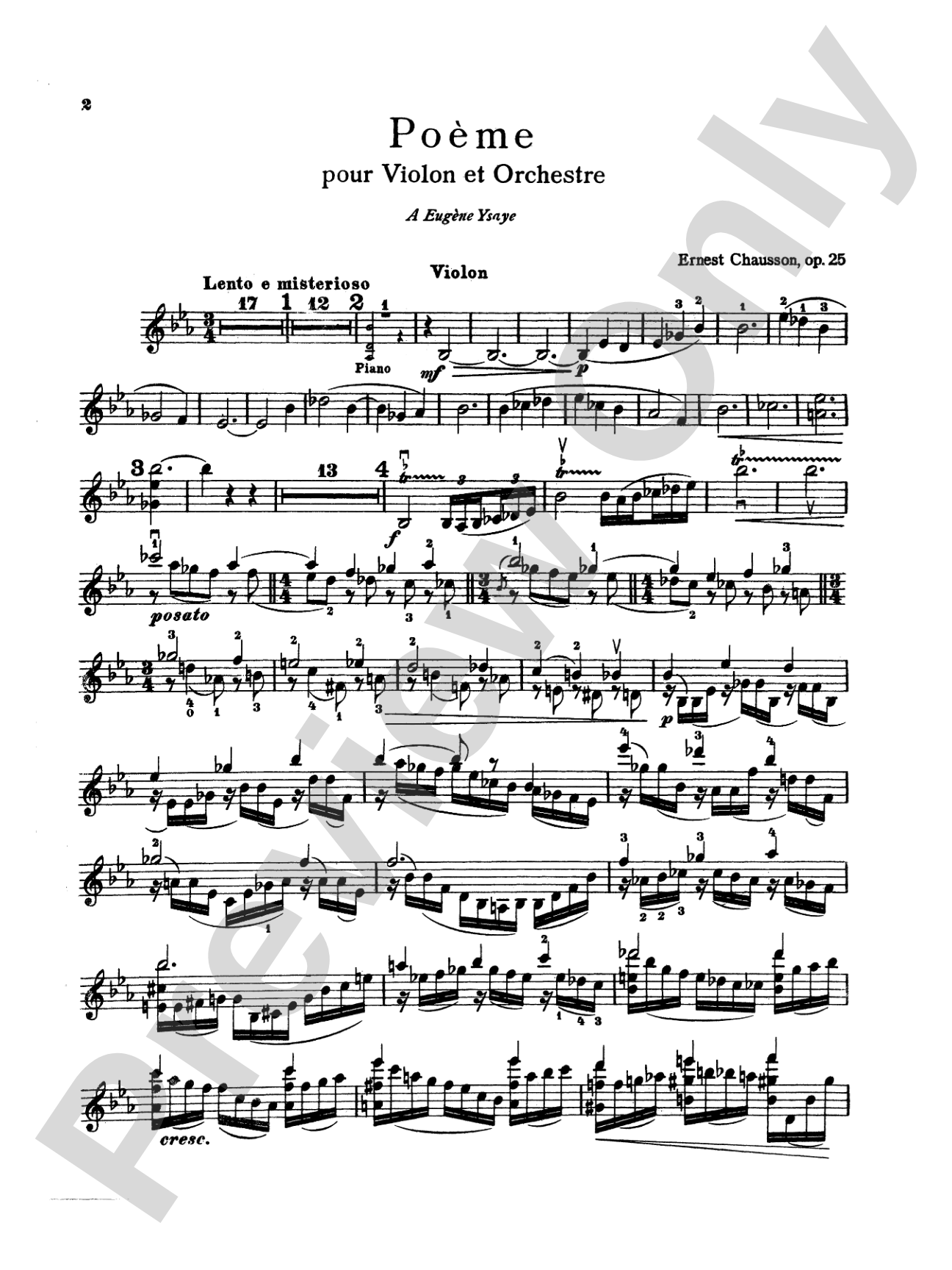
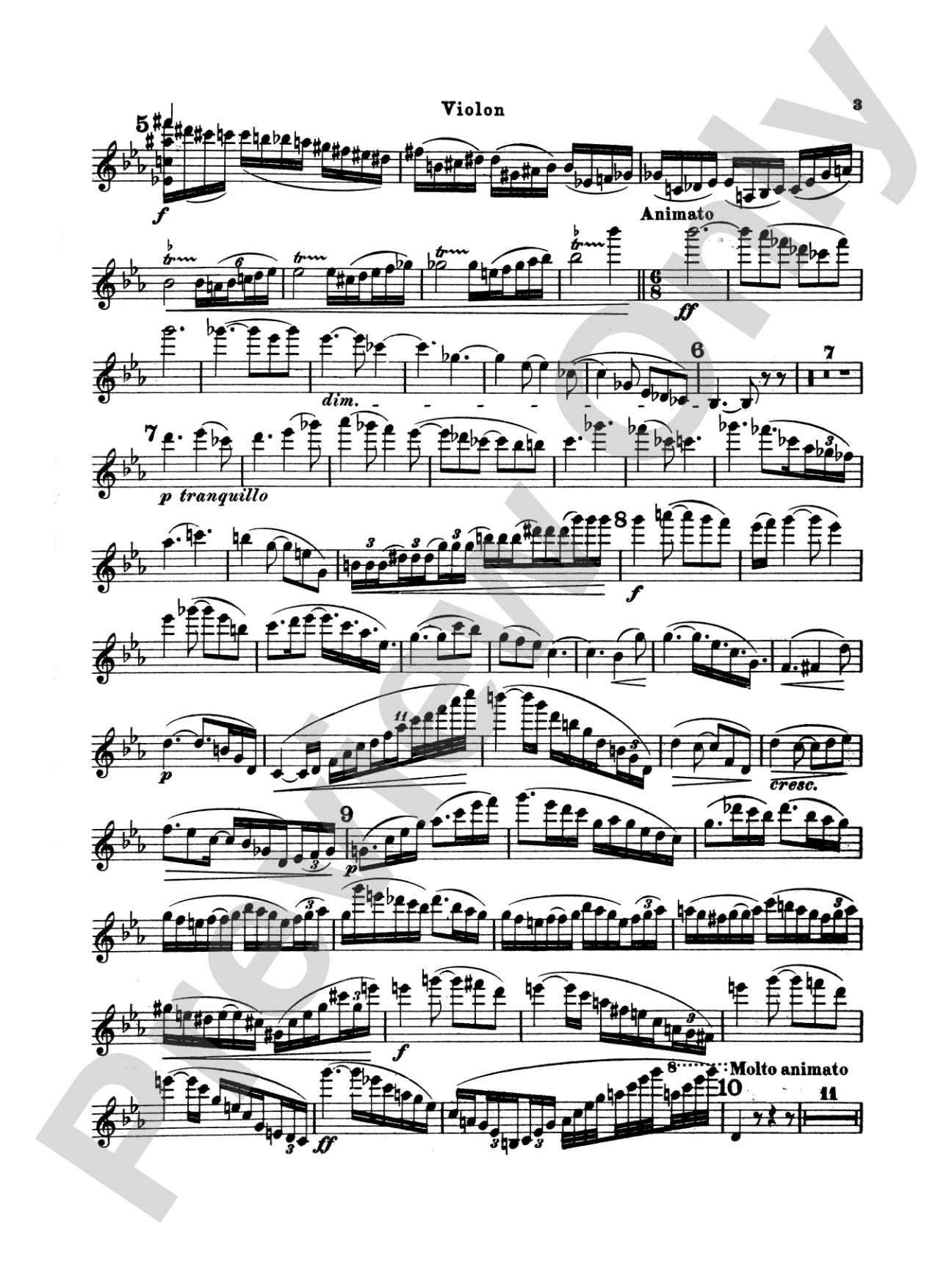
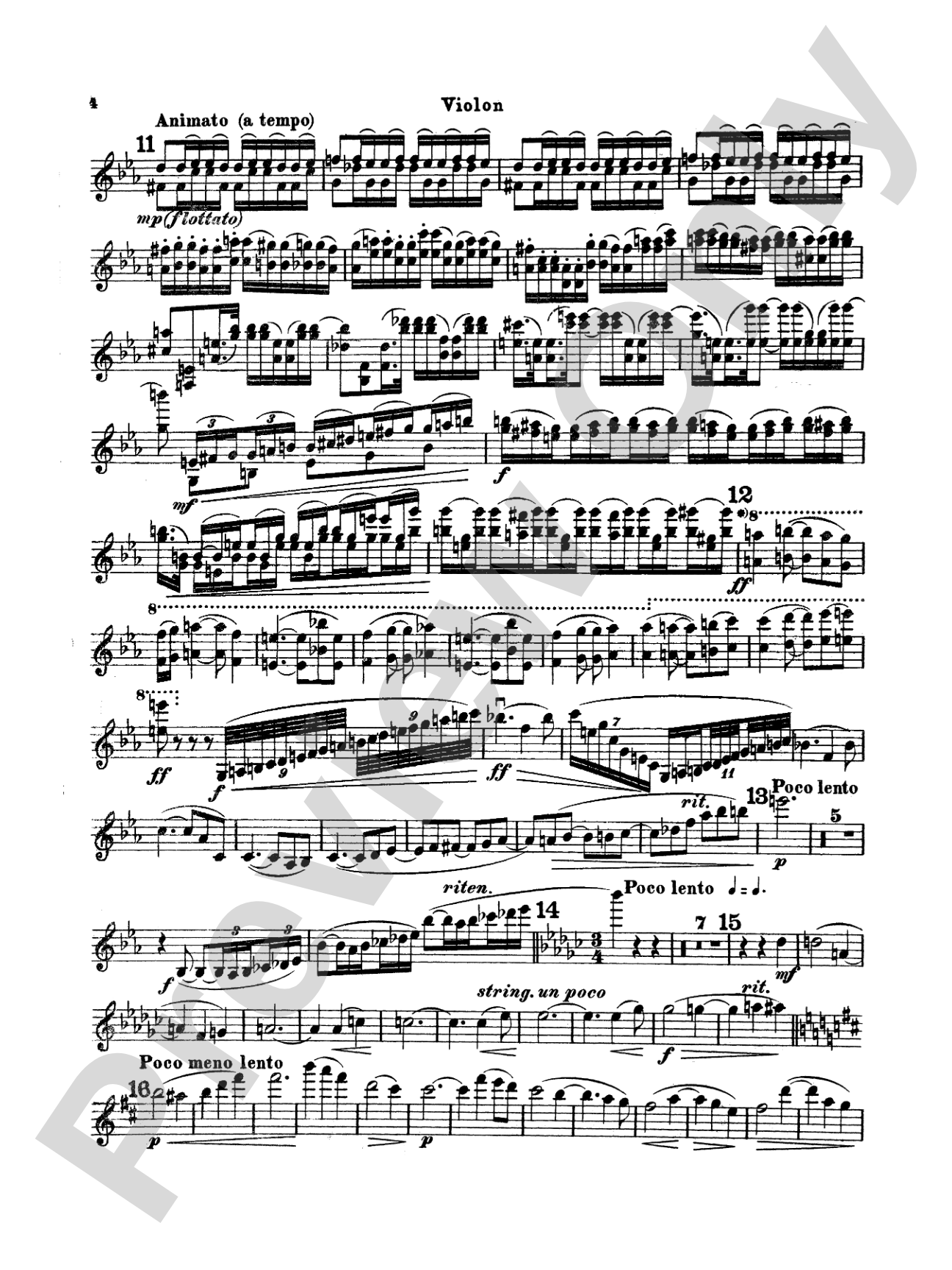
A Violin solo with Piano Accompaniment composed by Ernest Chausson.


Don't just read it, hear it, play along with it, and watch your students grow with it. In MakeMusic Cloud, Chausson: Poème, Op. 25: Violin Book comes alive with professional accompaniment, adjustable tempo, and built-in practice tools that turn solo practice into real progress.
Open in the Player
Jump straight in and assign it today.
Start Your Free Trial
Open this title and explore the full library in minutes.
Sample Audio
No sample audio found.
Sample Video
No sample videos found.
Additional Details
Series:
Kalmus Edition
Publisher:
Alfred Music
Page Count:
24
SKU:
00-PK-0002988
More about this title
About the Composer: Ernest Chausson
Ernest Chausson (1855, 1899) was a French composer whose refined sensibility bridged Romanticism and Impressionism. A student of Massenet and Franck, Chausson developed a distinctive harmonic language that influenced how later composers approached intimate chamber works and vocal writing.
Chausson's output remained relatively modest due to his short life, but his works for violin stand among the most rewarding in the romantic repertoire. The Poème, Op. 25, demonstrates his gift for long melodic lines and subtle orchestral color, making it a fixture in conservatory curricula and professional recitals alike.
Why we love this
The Poème stands apart from the typical Romantic violin concerto repertoire by forgoing display in favor of sustained lyricism and harmonic sophistication. Its twenty-four pages contain the kind of compositional depth that rewards repeated study and performance, offering violinists and audiences alike a window into French musical aesthetics at a pivotal historical moment. Programming this alongside works by Debussy, Franck, or Saint-Saëns creates a cohesive narrative about late 19th-century chamber music.
What to expect
The Poème unfolds as a single, sustained meditation rather than a dramatic narrative arc. Its impressionistic harmonies, flowing accompanimental figures, and deeply lyrical violin writing create an atmosphere of intimate introspection tinged with romantic longing. The work invites the violinist into a world of refined emotion and subtle structural sophistication.
Who it's for
The Poème is ideal for advanced high school violinists preparing for competitions, college auditions, or recitals, as well as undergraduate and graduate students building their standard repertoire. Teachers seeking repertoire that demands mature musicianship and rewards interpretive depth will find this work essential for students ready to move beyond early Romantic concertos. It is equally valuable for professional violinists exploring less frequently programmed chamber repertoire.
How to get the most out of it
- Shape the opening theme with patient phrasing; Chausson's melodies breathe best when given space rather than propelled forward by tempo. Let rubato emerge naturally from the harmonic movement.
- Balance the violin line carefully against the piano accompaniment, especially in passages where the keyboard provides harmonic support. The piano is never merely accompanying; it is a full musical partner.
- Pay attention to Chausson's dynamic markings and harmonic shifts as signposts for structural clarity. His transitions between sections can feel subtle if dynamics and tone color are not precisely controlled.
- Experiment with vibrato character and width to enhance the romantic warmth of the melodic line without sacrificing clarity of intonation or pitch.
How to use it
The Poème functions beautifully as a centerpiece for a chamber music recital or as part of a program exploring French musical Impressionism. It pairs naturally with other works by Chausson, Debussy, or Franck, and can effectively open a concert with its introspective character or serve as a bridge between more extroverted works. Schools preparing students for state or national competitions will find this an excellent choice for advancing violinists seeking repertoire with artistic substance.
Skills your students will build
- Sustaining long, singing lines across register changes with consistent tone quality
- Interpreting rubato and tempo flexibility within a clearly structured harmonic framework
- Balancing the violin line with a piano partner in a true duo context
- Reading and responding to impressionistic harmony and tonal color
- Developing mature interpretive choices based on form, texture, and musical intent rather than technical difficulty