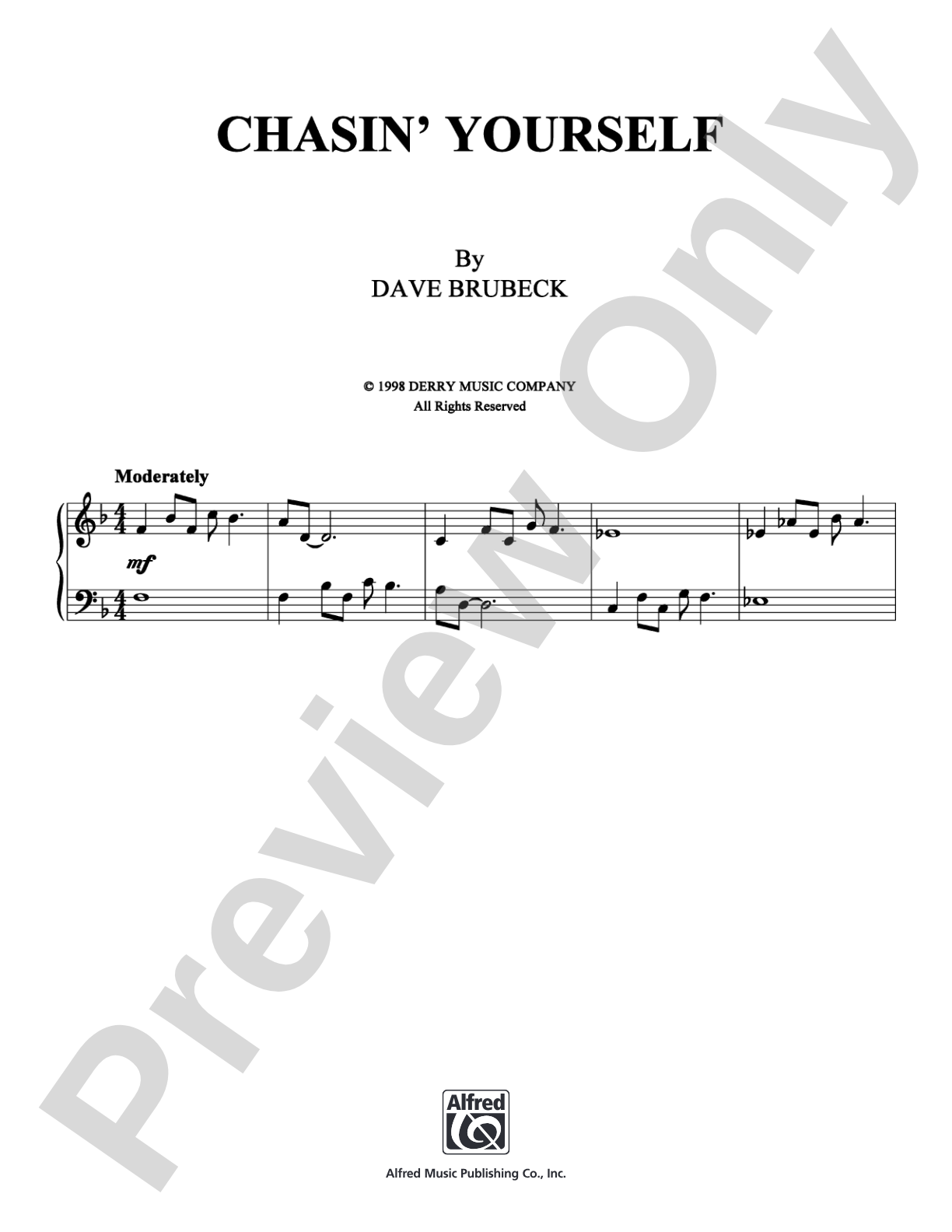
Chasin' Yourself: Piano Digital Sheet Music

Chasin' Yourself: Piano Digital Sheet Music

Dave Brubeck

Item: 00-PS-0001588

Digital Download
$3.99
Description

Chasin' Yourself: Piano Digital Sheet Music isn't in MakeMusic Cloud just yet...but it could be. Let us know you'd like to see it, and you'll help shape what comes next. In the meantime, start a free trial and dive into thousands of interactive titles your students can play along with today.

Sample Audio
No sample audio found.
Sample Video
Additional Details
SKU: 00-PS-0001588

More about this title

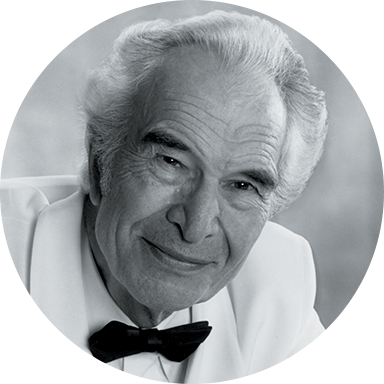
About the Artist: Dave Brubeck

Dave Brubeck

Dave Brubeck was a pianist and composer who reshaped American jazz through his blend of classical training and improvisational mastery. After studying with Darius Milhaud at Mills College following World War II, Brubeck developed a distinctive voice that drew equally from both worlds. His compositional output ranged far beyond jazz standards, encompassing choral works, orchestral pieces, chamber music, and large-scale collaborations with orchestras and choirs worldwide.

Brubeck's cultural impact extended beyond the concert hall. He pioneered racial integration in jazz during an era of profound segregation, and his 1959 album Time Out became the first jazz recording to exceed one million copies sold, introducing millions to the sophistication of modern jazz composition. His honors included the Grammy Lifetime Achievement Award, the Presidential Medal of the Arts, and election to the American Classical Music Hall of Fame. Works like To Hope! and the Pange Lingua Variations have been performed and recorded internationally by major orchestras and choral ensembles.

Why we love this

Brubeck's solo piano writing balances sophisticated harmonic thinking with accessibility that doesn't condescend. This piece demonstrates his gift for crafting melodies that singers and players genuinely want to return to, paired with jazz language that feels organic rather than overlaid. Programming a Brubeck composition signals respect for both jazz literacy and contemporary classical sensibility in your concert.

What to expect

The piece has the restless energy of its title, cycling through harmonic ideas that feel like the pianist is following a thought without quite catching it. There's a propulsive quality anchored by Brubeck's elegant melodic sense, creating tension between forward motion and reflection.

Who it's for

Jazz pianists looking to expand beyond standards into composed repertoire that requires real technique and harmonic sophistication. Advanced students preparing recitals or jazz portfolio pieces that demonstrate both classical training and jazz fluency. Teachers seeking teachable examples of how notated composition and improvisation coexist in serious jazz writing.

How to get the most out of it

  • Listen closely to the harmonic movement under the melody. Brubeck often uses unexpected chord substitutions that reward the listener who follows the inner voices rather than just the top line.
  • Shape the improvised sections (if present) with structural intention. Brubeck's improvisations always serve the piece's larger architecture, not self-indulgent display.
  • Pay attention to articulation and touch. Jazz phrasing lives in the spaces between notes and the weight you place on certain beats. Crisp definition keeps the rhythm section tight.

How to use it

Pair this with other composed jazz works in a recital to show depth beyond repertoire standards. It works equally well as a concert opener that establishes sophistication early or as a centerpiece that bridges set sections. Consider programming it alongside classical contemporary pieces to illustrate how jazz composition functions as concert music.

Skills your students will build

  • Reading jazz harmonies and chord substitutions
  • Balancing composed material with jazz phrasing and articulation
  • Understanding harmonic rhythm and voice leading in jazz contexts
  • Interpreting Brubeck's specific approach to rhythm and time feel

You May Also Like