Charming Czárdás Cover Image

Charming Czárdás: String Orchestra Conductor Score

$7.00 USD
Sale price  $7.00 USD Regular price 
Skip to product information
Charming Czárdás Cover Image

Charming Czárdás: String Orchestra Conductor Score

Hungarian Dance

By Loreta Fin

Grade: 2.5

Item: 76-48668S

$7.00
Shipped

One moment…

Description
Charming Czárdás by Loreta Fin opens with a slow D minor introduction, which leads into a moderately fast melody, featuring string crossings and is shared around the ensemble. The celli take the melody, accompanied by pizzicato in the other sections. The melody then returns to the upper strings, before a second slow lament. Finally, the dance returns, starting moderately, then accelerating continuously right through to the final bars. The piano part is optional. (3:45)

Charming Czárdás: String Orchestra Conductor Score isn't in MakeMusic Cloud just yet...but it could be. Let us know you'd like to see it, and you'll help shape what comes next. In the meantime, start a free trial and dive into thousands of interactive titles your students can play along with today.

Sample Pages

Sample Audio
0:00
0:00
Sample Video
Additional Details
Series: Wilfin String Orchestra: Young String Ensemble Series
Publisher: Wilfin Music
Page Count: 12
UPC: 038081559414
SKU: 76-48668S

More about this title

About the Composer: Loreta Fin
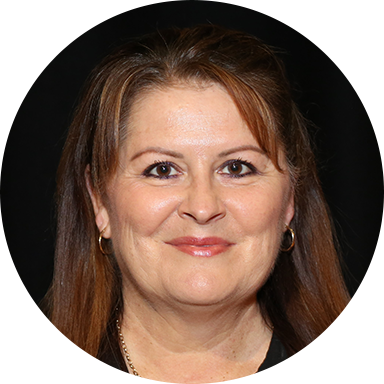
Loreta Fin

Loreta Fin studied violin at the Sydney Conservatorium of Music and performed as concertmaster with the Sydney Youth Orchestra before establishing herself as a chamber and orchestral musician. For over 25 years, she has served as Principal Viola with the Queensland Pops Orchestra while directing strings at Somerville House School in Brisbane since 1993. Her work extends across performance, education, and administration: she has presented research at multiple Australian and American string teaching conferences, adjudicated major competitions nationwide, and led the Australian Strings Association as both State and National President. She has also served the Queensland Symphony Orchestra's education initiatives and regularly conducts Honours Ensembles Programs.

Fin has published over 100 works for string orchestra through Alfred Music, with her compositions performed internationally. She holds examiner credentials with the Australian Music Examinations Board and currently advises the Queensland strings program. Her contributions to music education earned recognition through a 2009 Queensland State Award for services to strings, a 2017 ARIA nomination for Best Teacher, and the National Award for Services to Music and String Teaching in Australia. Since 2015, she has also conducted international youth music projects in Malaysia.

Why we love this

Fin understands how young orchestras actually play. The writing distributes the primary melody across different sections, so leadership passes naturally through the ensemble rather than resting always on first violins. The optional piano part means you program this whether or not you have keyboard support, and the clear structural architecture (slow introduction, dance, lament, accelerating return) gives students multiple musical moods to shape and contrast within a single piece.

What to expect

The opening unfolds like a folk memory, spare and minor-key wistful, before the piece springs to life with a dance that gradually wins over gravity. String crossings and the dialogue between pizzicato and arco create textural variety that keeps the middle section fresh, and the final push to the finish generates genuine excitement without requiring technical virtuosity.

Who it's for

String orchestras at the Grade 2-3 level with developing intonation control and basic ensemble balance skills. This piece works equally well for school orchestras and community youth ensembles where mixed ability levels are standard.

How to get the most out of it

  • Shape the D minor introduction with a full, singing tone; treat it as a lament that draws the ensemble into the czárdás rather than a technical warm-up.
  • Isolate the pizzicato accompaniment figures in rehearsal so the accompanying voices stay rhythmically locked while the celli carry the melody without rushing.
  • Mark the accelerando in the final section clearly during the first run-through so students understand it's a continuous push, not discrete tempo changes.
  • Balance the cello melody against the pizzicato texture by asking accompanists to stay lightly articulate and let the bows do the rhythmic work.

How to use it

Pair this with other European folk-inspired pieces to program a themed concert, or use it as a concert opener where its clear three-part structure signals to the audience that this is a complete musical statement despite the accessible difficulty level. The optional piano part also makes it suitable for chamber concerts where a full orchestra isn't available.

Skills your students will build

  • Balancing melody and accompaniment when different sections trade primary roles
  • Maintaining rhythmic precision in pizzicato figures while other voices carry the melody
  • Executing smooth string crossings within a flowing tempo
  • Shaping dynamic and tempo changes that build ensemble momentum (the final accelerando)
  • Responding to leadership that moves between sections rather than remaining in the first violins

You May Also Like