
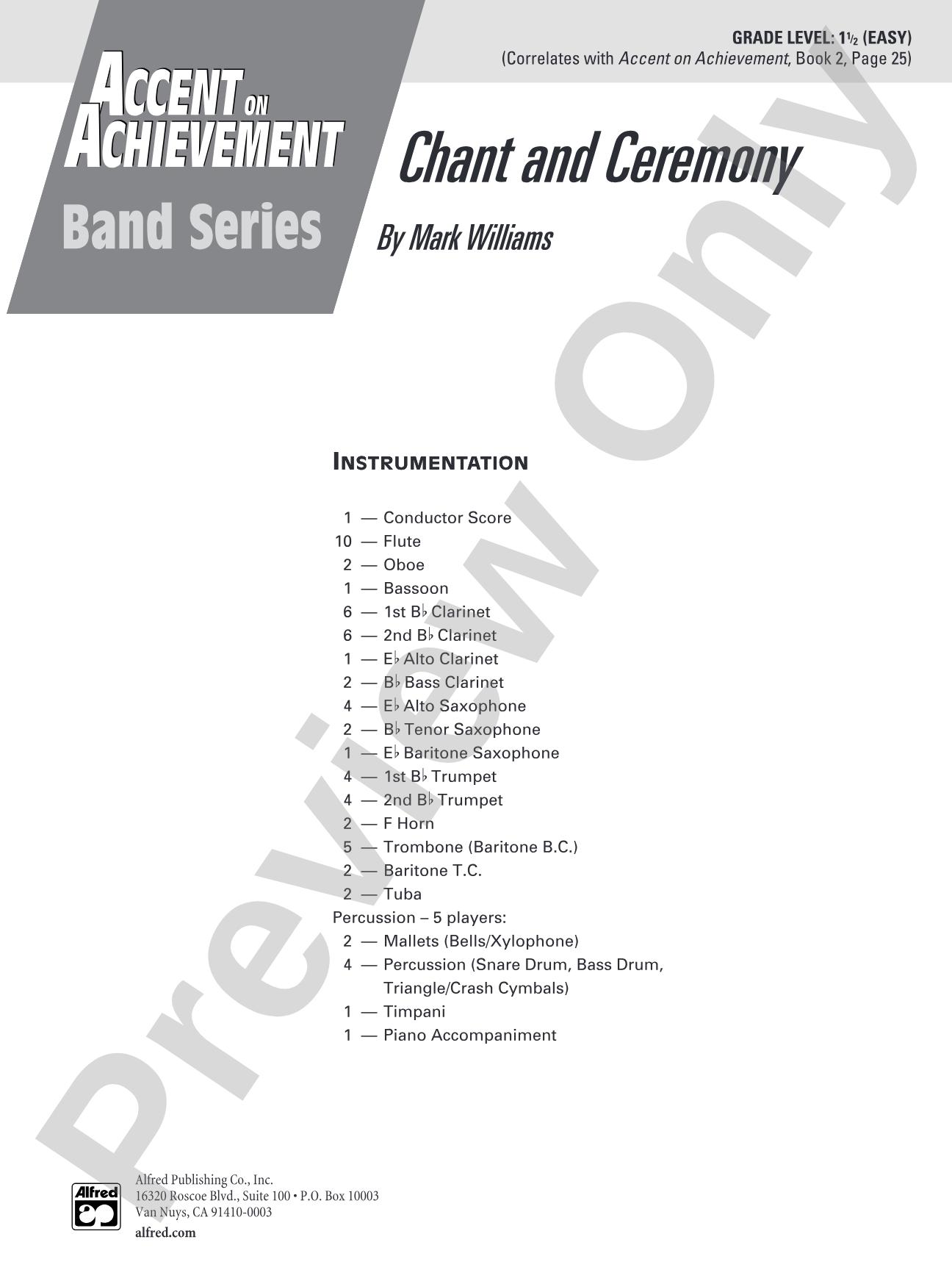

Chant and Ceremony: Concert Band Conductor Score & Parts
By Mark Williams
Grade: 1.5 (Easy)
Item: 00-PK-0000639

$42.00
Pickup currently not available
Buy Extra Parts (Digital PDF Download)
Parts Added to Cart!
Related Items
Chant and Ceremony: Concert Band Conductor Score |
$6.00
|
View |
Description
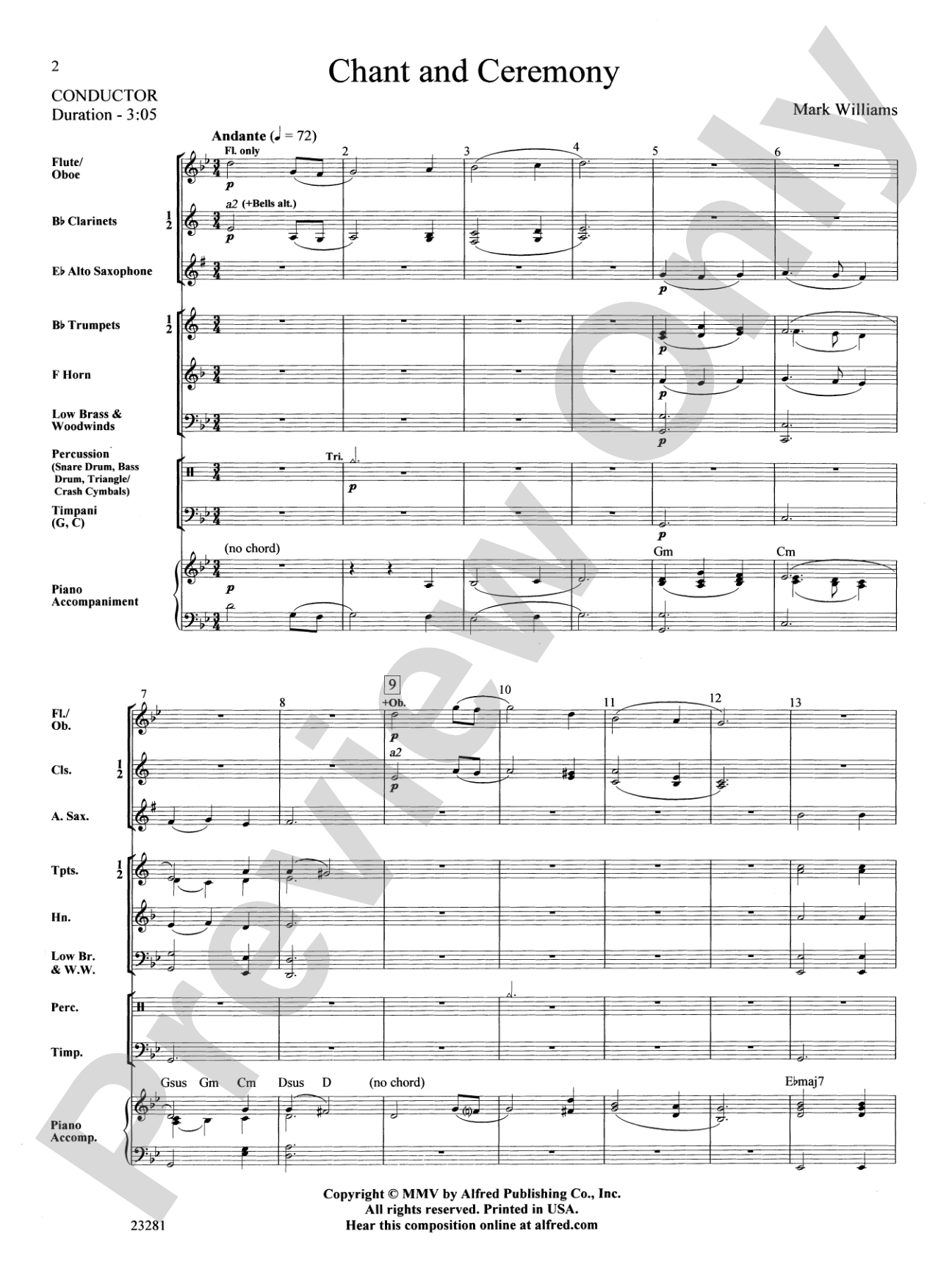
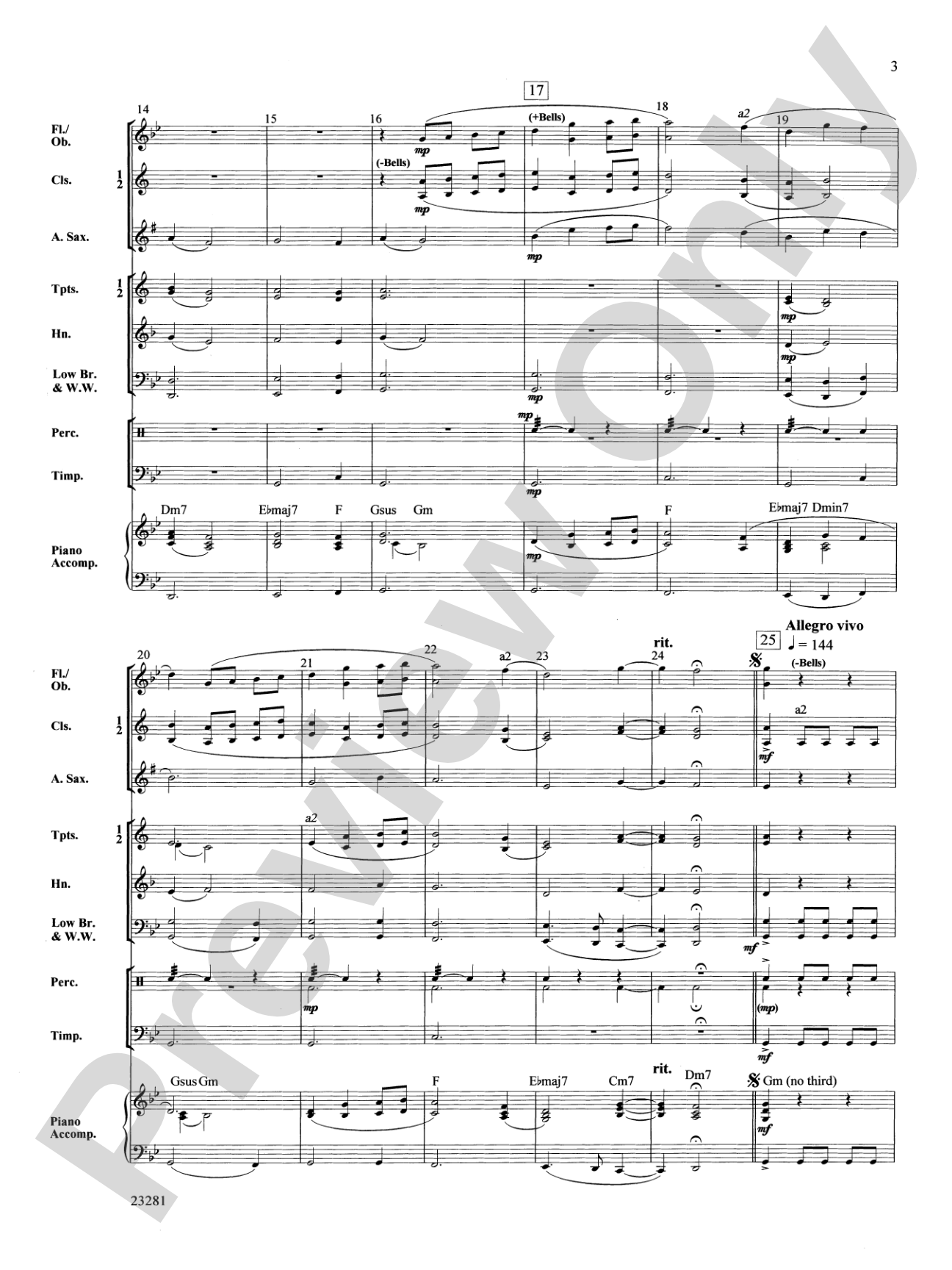
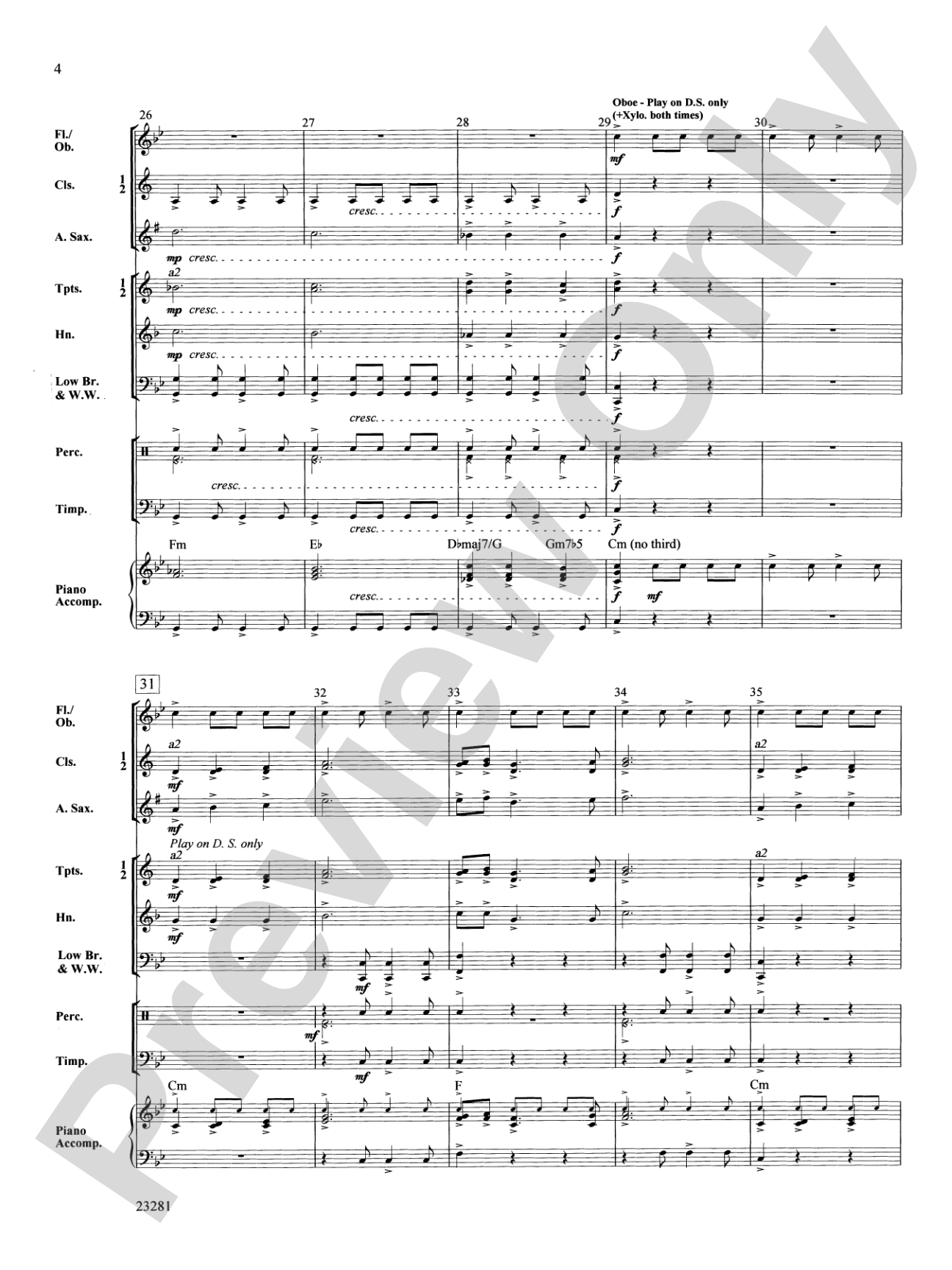
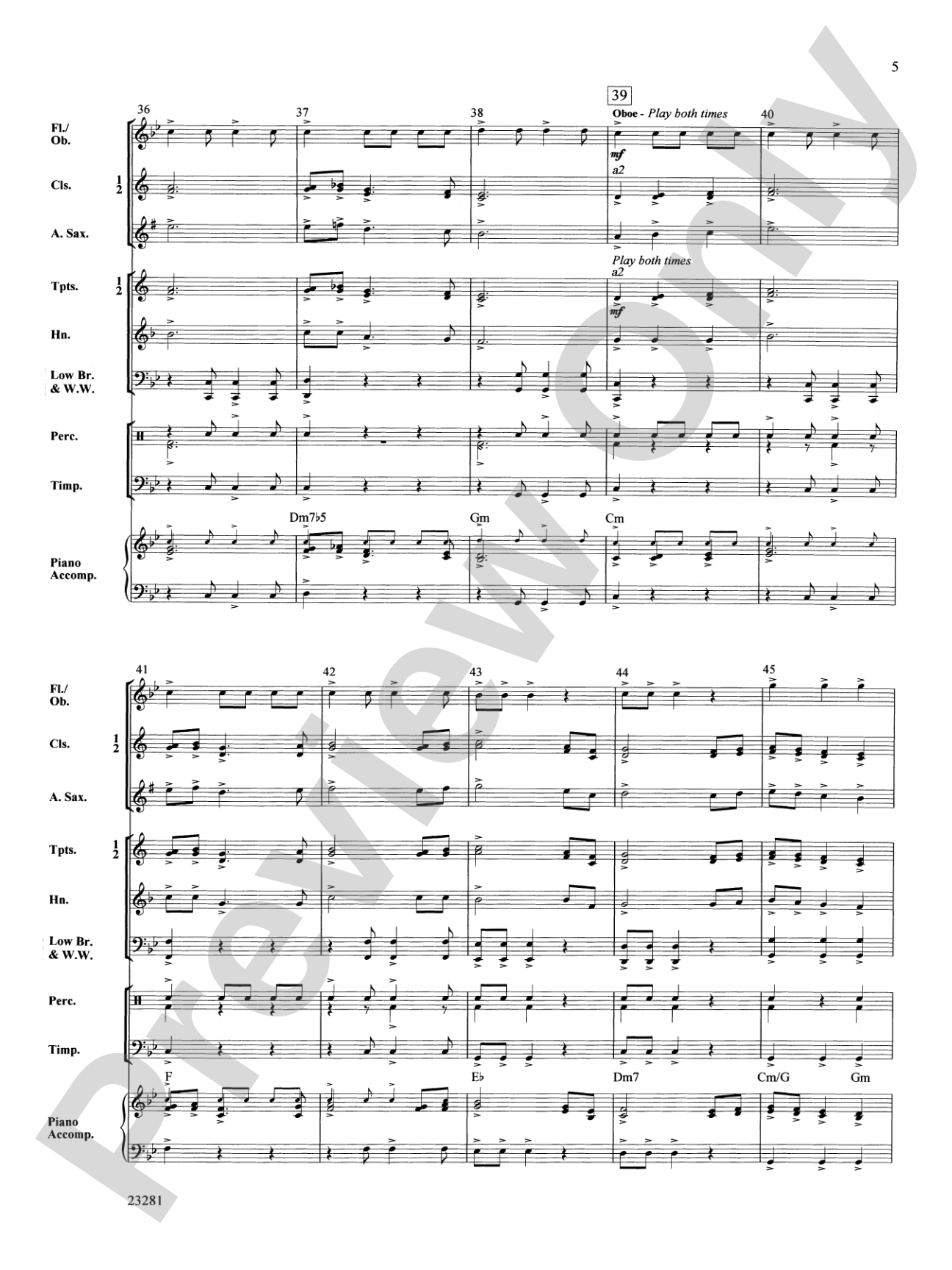
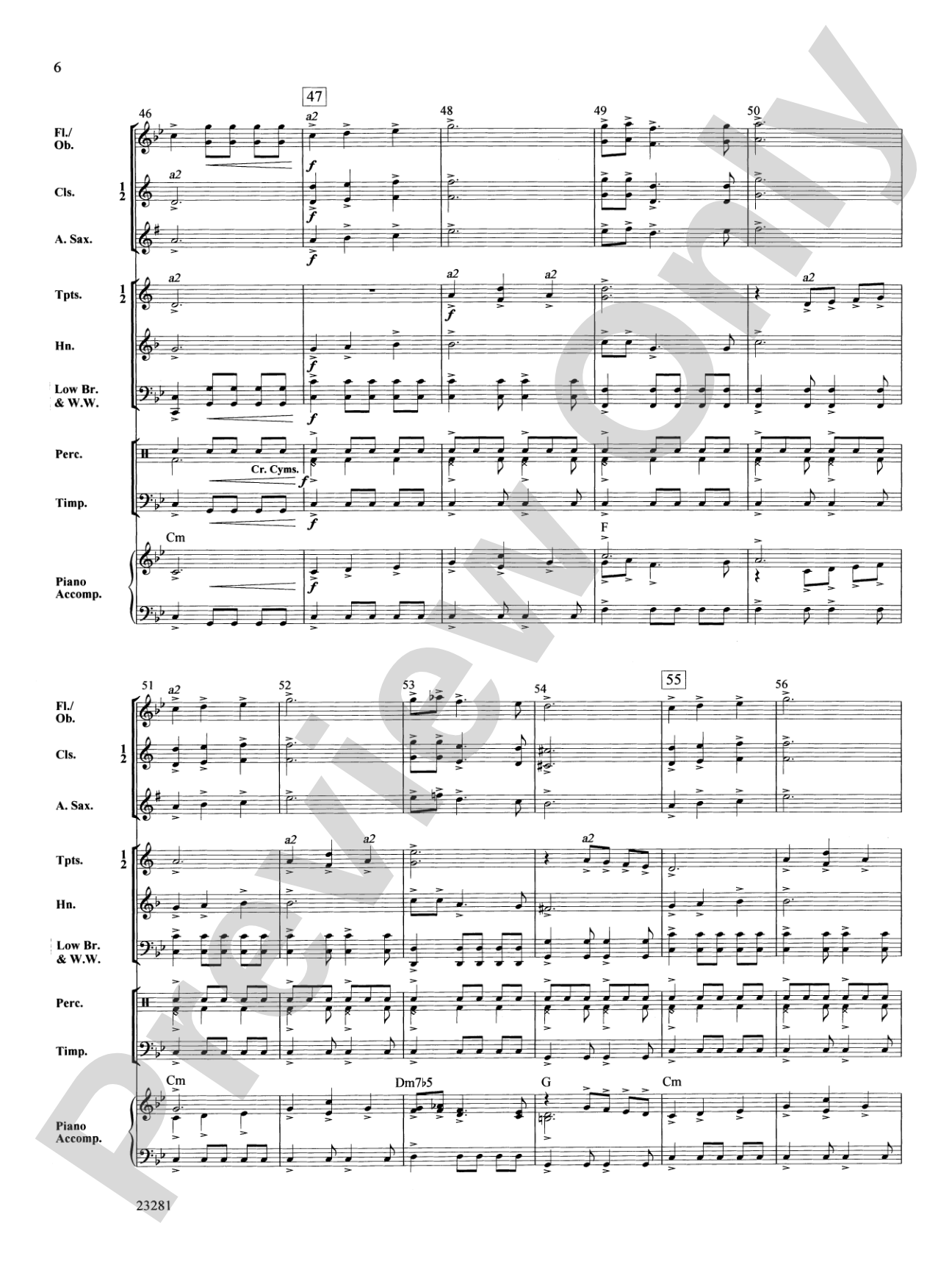
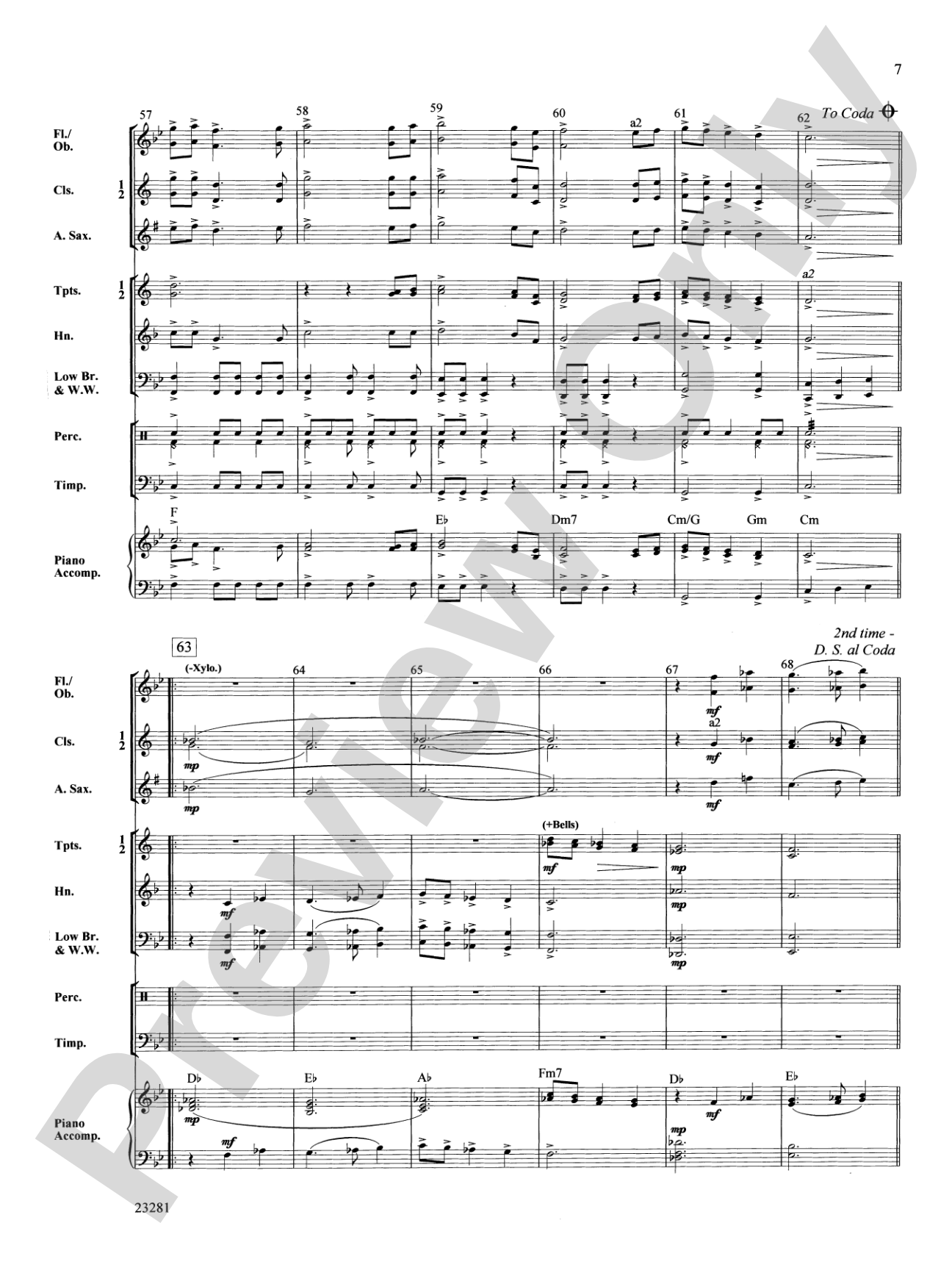
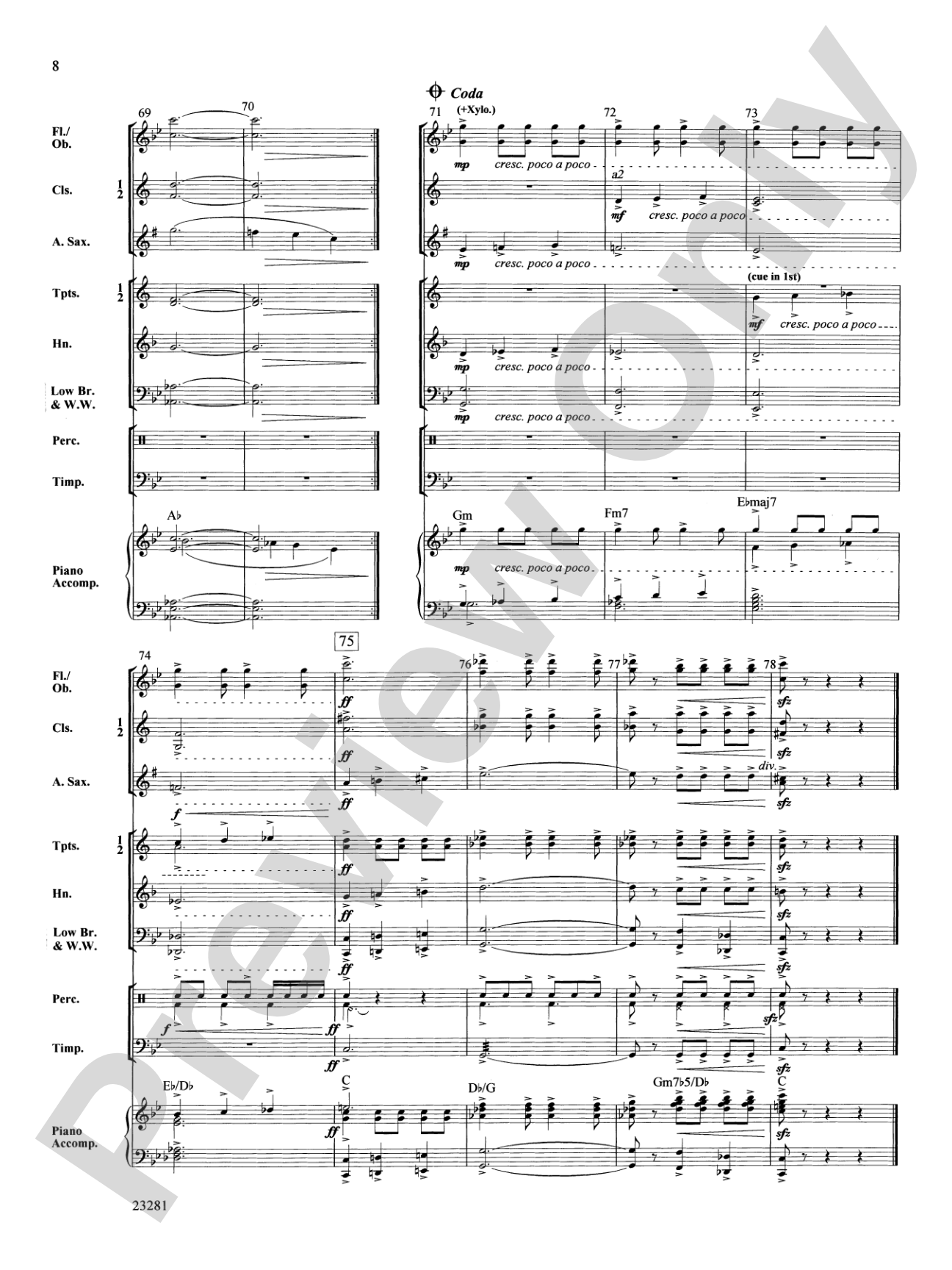
This colorful work begins with a reflective, call-and-response Andante section featuring rich harmonies and lush counterpoint. A brief transition leads to a bold Allegro vivo section in 3/4 (with 6/8-style syncopations). Filled with driving rhythms and sounds reminiscent of a heroic movie theme, this work will be popular with students and audiences alike. An excellent concert or contest selection. Correlates to Accent on Achievement, Book 2, page 25.


Don't just read it, hear it, play along with it, and watch your students grow with it. In MakeMusic Cloud, Chant and Ceremony: Concert Band Conductor Score & Parts comes alive with professional accompaniment, adjustable tempo, and built-in practice tools that turn solo practice into real progress.
Open in the Player
Jump straight in and assign it today.
Start Your Free Trial
Open this title and explore the full library in minutes.
Sample Audio
1
Audio File
--:--
0:00
0:00
Sample Video
No sample videos found.
Additional Details
Series:
Accent on Achievement
Publisher:
Alfred Music
Page Count:
126
SKU:
00-PK-0000639
More about this title
About the Composer: Mark Williams

Mark Williams built his reputation as one of the most prolific and respected composers for school bands. His catalog of over 200 works spans band, orchestra, and choral literature, and his co-authorship of the Accent on Achievement Band Method established him as a voice in instrumental music pedagogy. Williams earned a Bachelor of Arts in Education and Master of Education from Eastern Washington University and spent years teaching elementary band in Washington State, giving him direct insight into what students need and what audiences want to hear.
Beyond composition, Williams was a clinician and guest conductor whose influence extended across 34 states, five Canadian provinces, and Australia. He performed bassoon professionally with the 560th Air Force Band and served as conductor and artistic director of the Spokane British Brass Band. His honors included the Western International Band Clinic's Gralia Competition and multiple ASCAP Special Awards, recognition of his lasting impact on school music.
Why we love this
Williams knew exactly what Grade 1.5 ensembles could handle and what would excite them to play. The dramatic arc from introspective opening to heroic finale feels substantial without requiring advanced technique, and the syncopated 3/4 rhythms give students a genuine rhythmic challenge that stays playable. This is the kind of piece that sounds impressive in concert and holds its own at festival.
What to expect
The opening unfolds like a quiet ceremony, with voices entering and answering one another in a gentle tapestry of sound. Then the energy surges into something grand and driven, full of forward momentum and cinematic sweep, as if the quiet moment has sparked something heroic and unstoppable.
Who it's for
This works beautifully for Grade 1.5 concert bands seeking repertoire with real musical substance. Directors will appreciate the balance of accessibility and musicality, and students gain experience with mixed meters and thematic development without overextending their technical range.
How to get the most out of it
- Balance the call-and-response dialogue in the Andante opening by designating specific sections for each phrase; let the harmonic color speak rather than pushing volume.
- Establish a solid pulse before entering the Allegro vivo, since the 6/8-style syncopations against 3/4 will feel unsettled without a confident tempo and subdivision.
- Find the heroic quality in the Allegro by shaping phrases with intent and maintaining rhythmic drive; avoid letting the syncopations become rushed or sloppy.
How to use it
Program this as a centerpiece for a concert celebrating metric exploration, pairing it with other Grade 1.5-2 works that feature rhythmic variety. It also works perfectly at contest, where the combination of lyrical beauty and energetic drive appeals to adjudicators and audiences alike. Its alignment with Accent on Achievement, Book 2 makes it an ideal repertoire reinforcement during that curricular stage.
Skills your students will build
- Reading and performing mixed meters (3/4 with 6/8-style syncopations)
- Voice leading and balance in call-and-response texture
- Harmonic awareness through rich, lush counterpoint
- Tempo relationships and transitions between contrasting sections
- Rhythmic precision and articulation in syncopated figures