
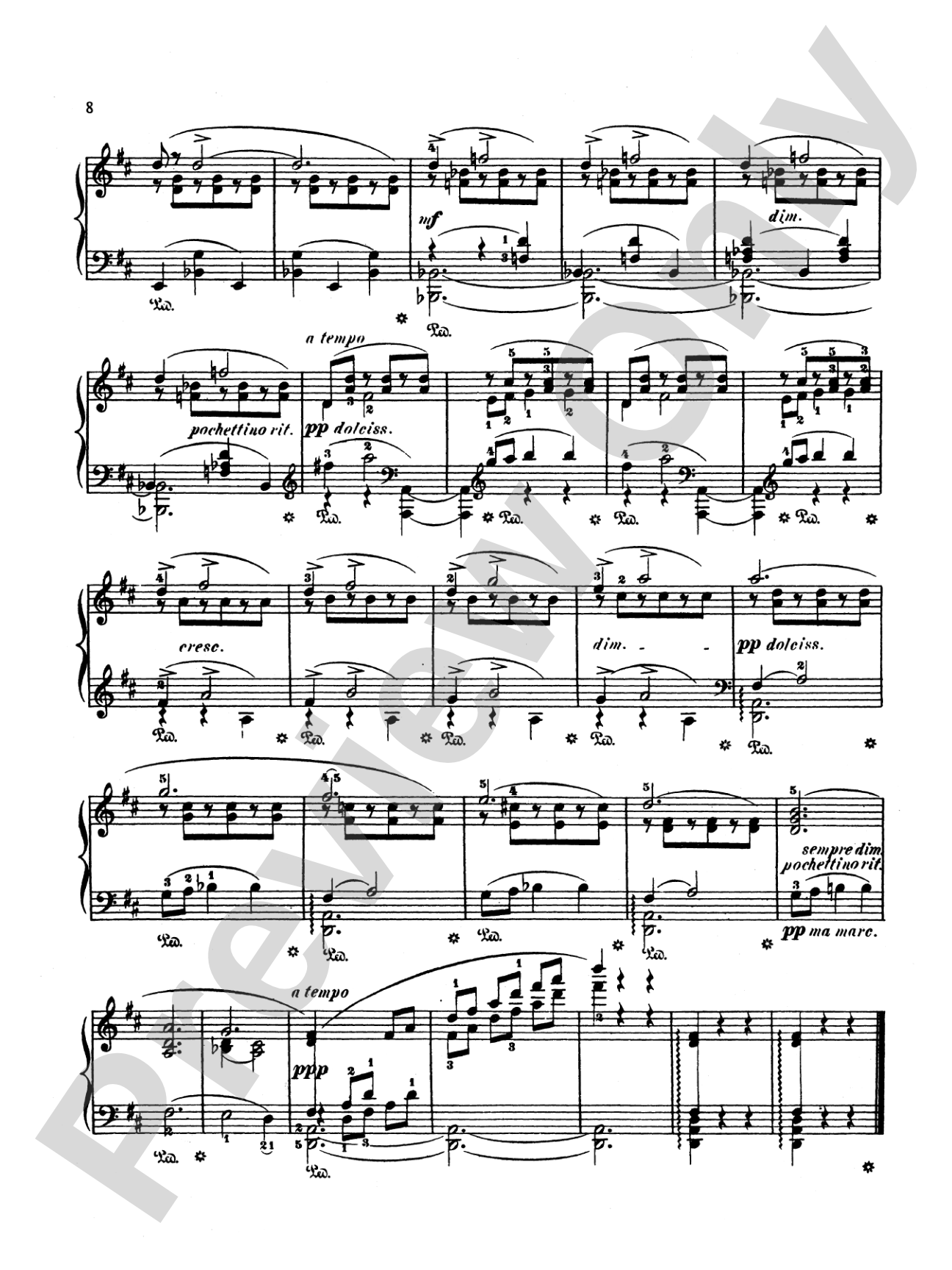

Chaminade: Selected Compositions: Piano Book
By Cécile Chaminade
Level: Early Advanced
Item: 00-PK-0002795

$15.99
Pickup currently not available
Buy Extra Parts (Digital PDF Download)
| Product | Price | Quantity |
|---|---|---|
| Chaminade: Selected Compositions | $0.99 | |
| Chaminade: Selected Compositions | $0.99 | |
| Chaminade: Selected Compositions | $0.99 | |
| Chaminade: Selected Compositions | $0.99 | |
| Chaminade: Selected Compositions | $0.99 | |
| Chaminade: Selected Compositions | $0.99 | |
| Chaminade: Selected Compositions | $0.99 | |
| Chaminade: Selected Compositions | $0.99 | |
| Chaminade: Selected Compositions | $0.99 | |
| Chaminade: Selected Compositions | $0.99 | |
| Chaminade: Selected Compositions | $0.99 | |
| Chaminade: Selected Compositions | $0.99 | |
| Chaminade: Selected Compositions | $0.99 | |
| Chaminade: Selected Compositions | $0.99 | |
| Chaminade: Selected Compositions | $0.99 | |
| Chaminade: Selected Compositions | $0.99 | |
| Chaminade: Selected Compositions | $0.99 |
Parts Added to Cart!
Related Items
Selected Compositions: Piano Book |
$15.95
|
View |
Description
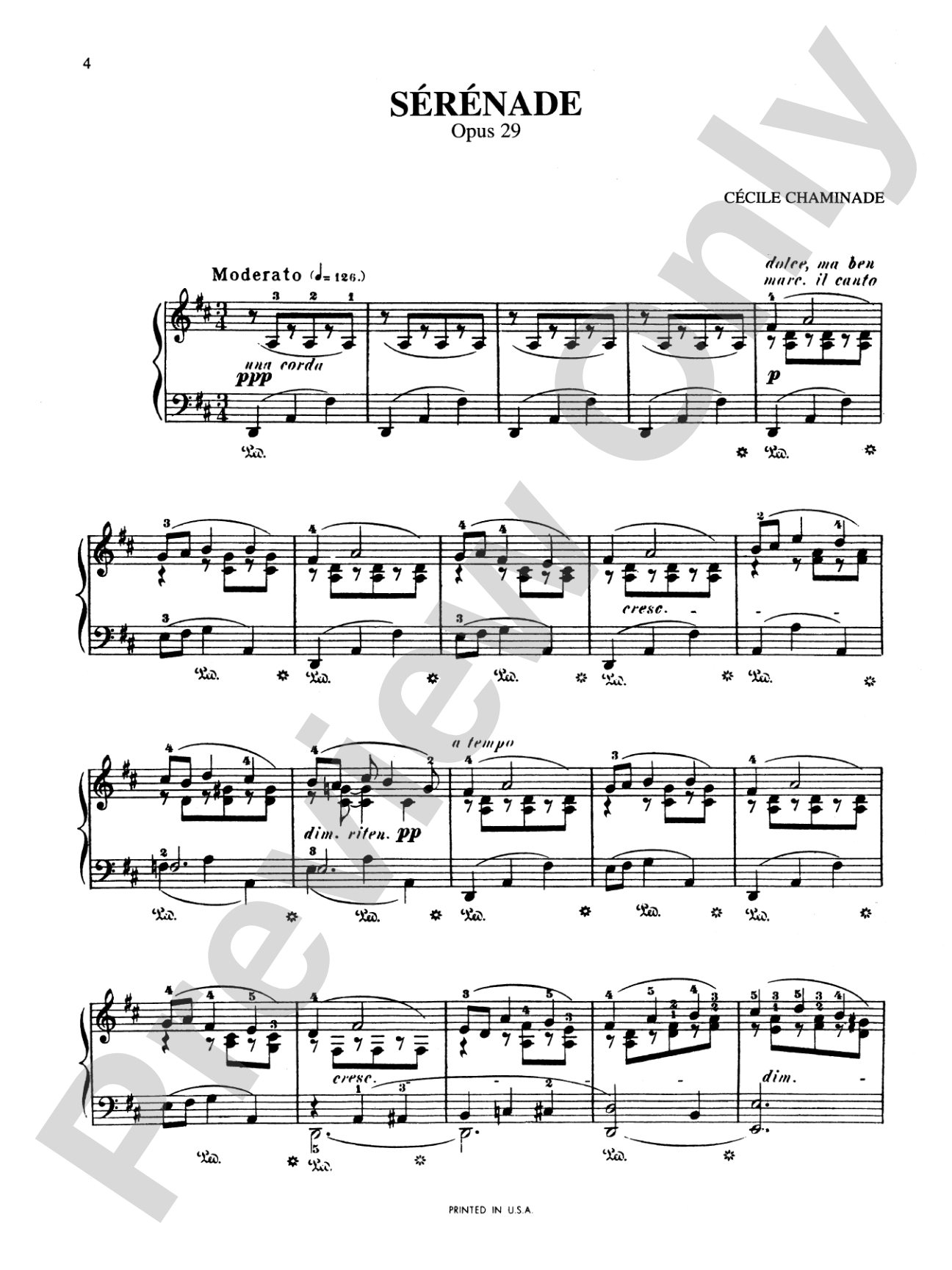
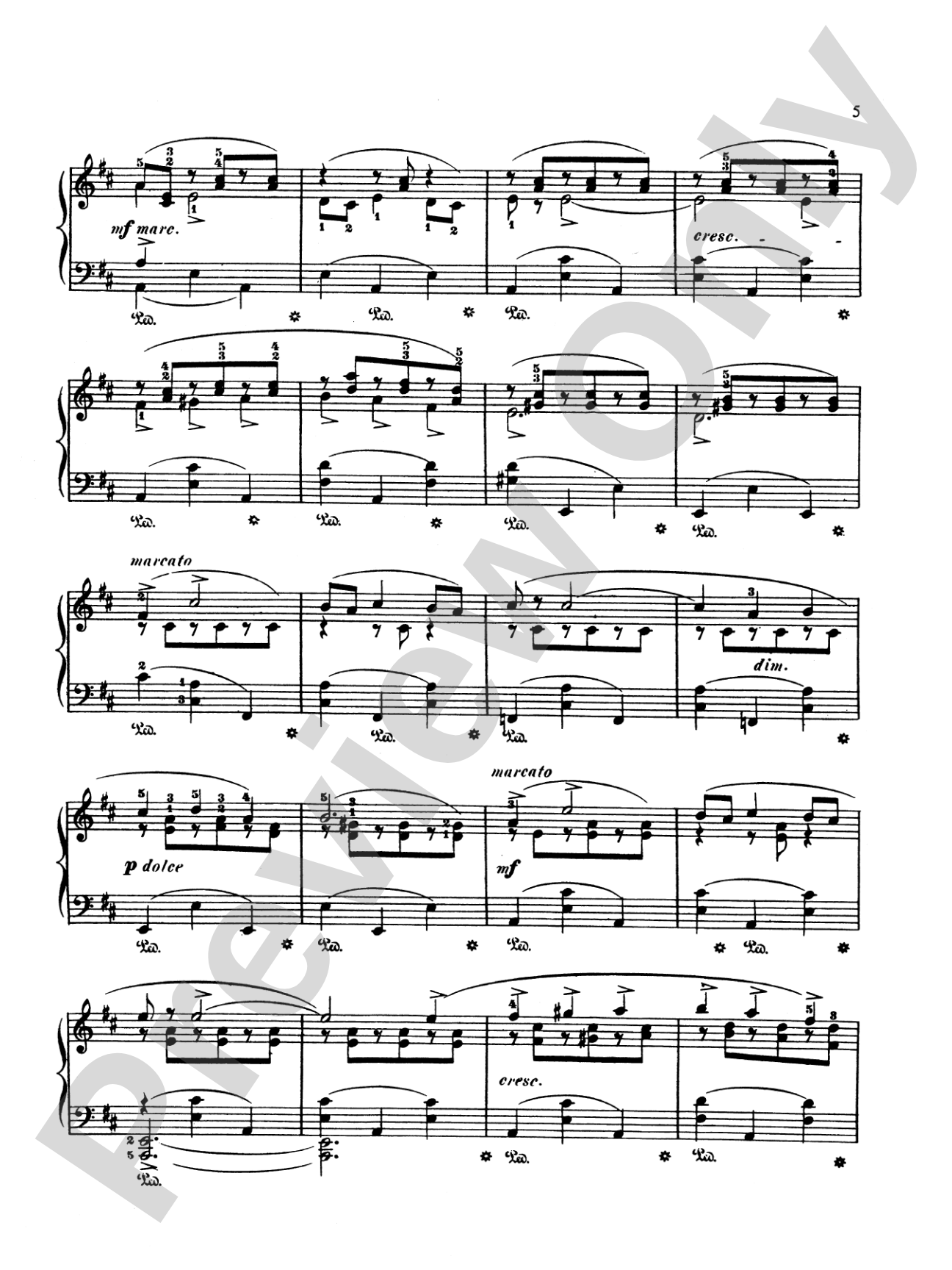
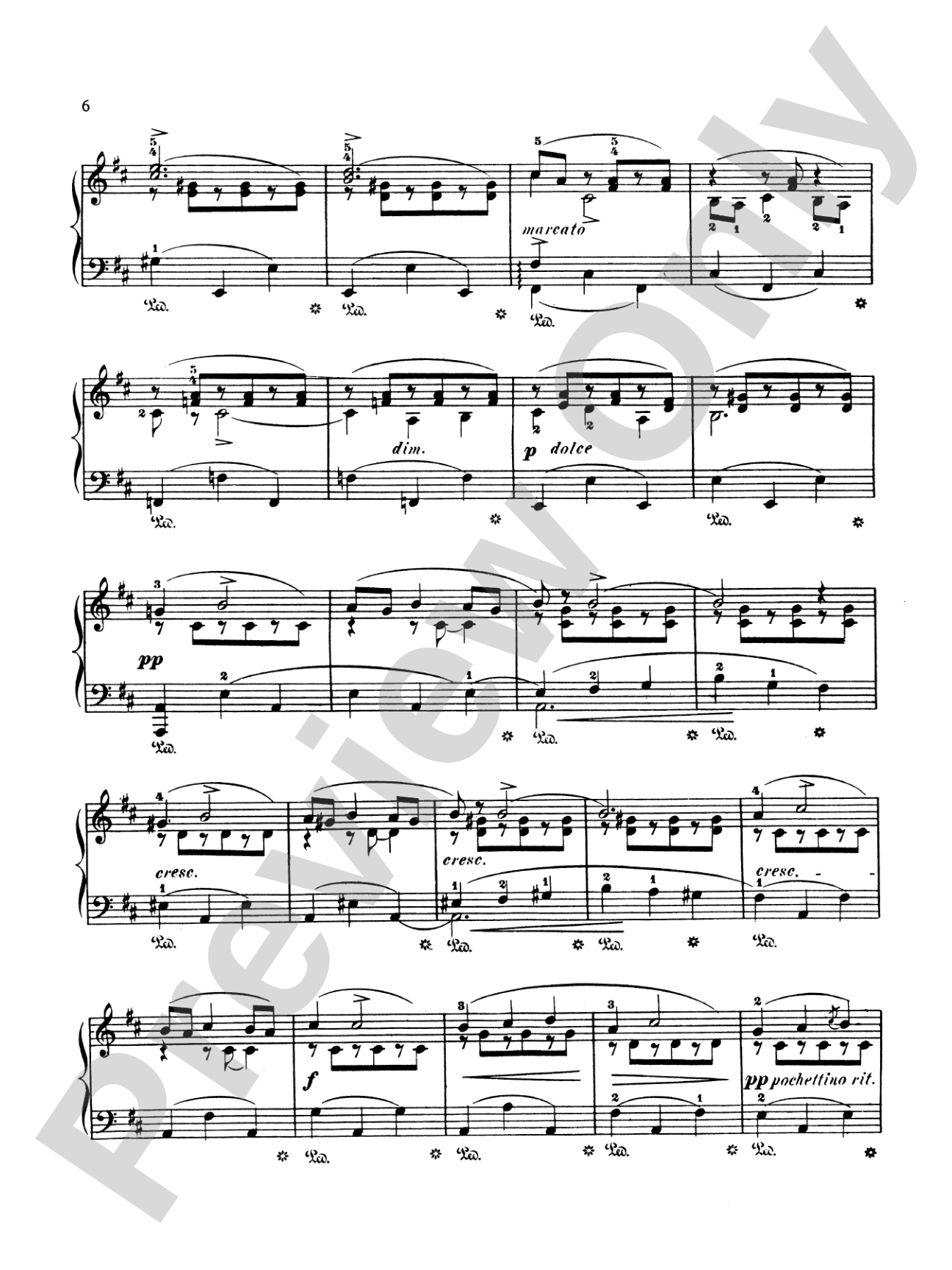
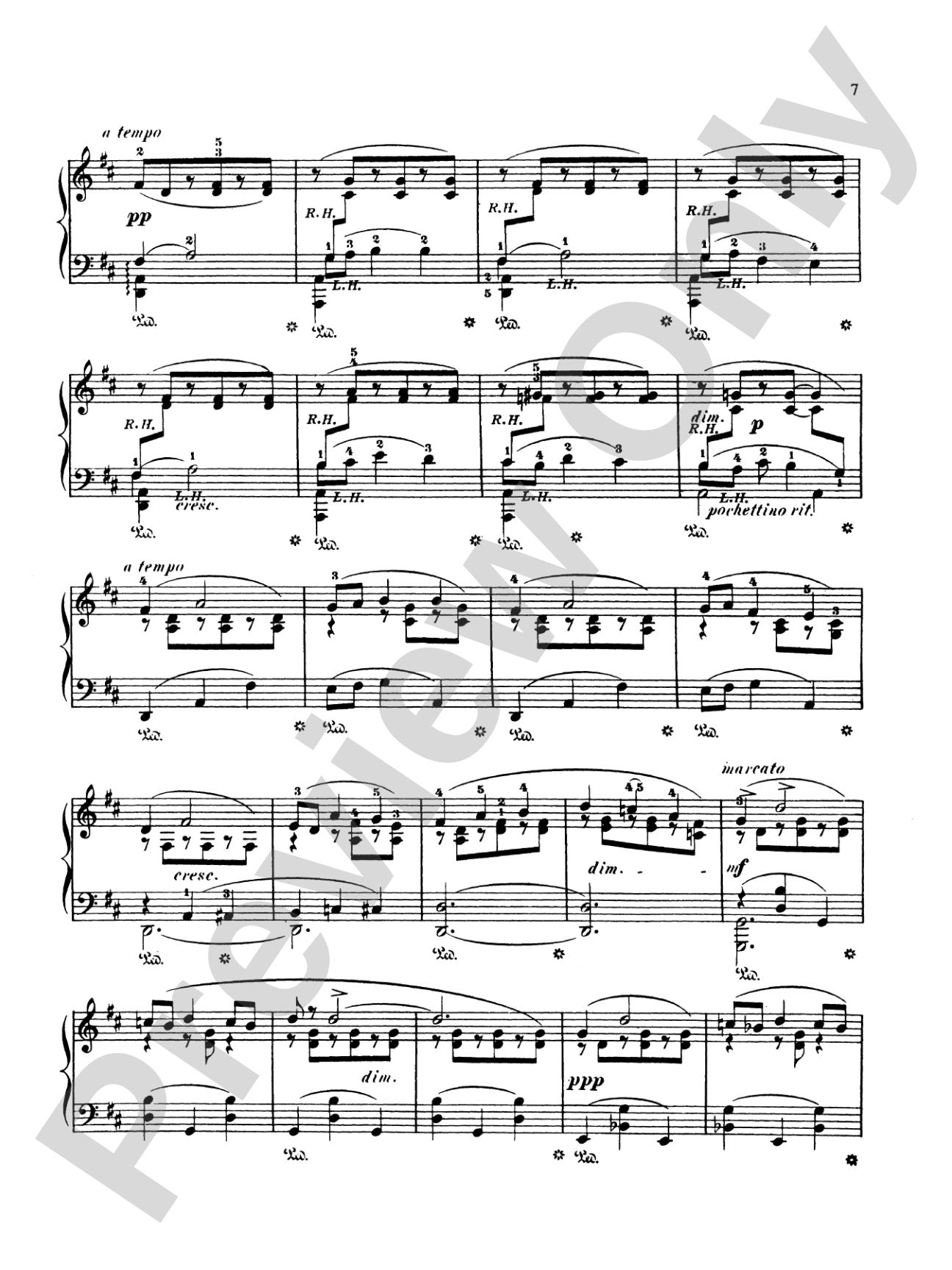
Includes seventeen piano solos by the French female composer Cecile Chaminade. Her work is known for the beauty of the melodic lines and harmonic structure. Titles: Sérénade, Op. 29 * Minuetto, Op. 23 * Air de Ballet, Op. 30 * Pas des Amphores, Op. 37, No. 2 * Callirhoë, Op. 37, No. 4 * Lolita, Op. 54 * Scarf Fance, Op. 37, No. 3 * Pièce Romantique, Op. 9, No. 1 * Gavotte, Op. 9, No. 2 * Pierrette, Op. 41 * La Lisonjera, Op. 50 * La Morena, Op. 67 * Les Sylvains, Op. 60 * Arabesque, Op. 61 * Valse-Caprice, Op. 33 * Danse Pastorale, Op. 37, No. 5 * Arlequine, Op. 53.


Don't just read it, hear it, play along with it, and watch your students grow with it. In MakeMusic Cloud, Chaminade: Selected Compositions: Piano Book comes alive with professional accompaniment, adjustable tempo, and built-in practice tools that turn solo practice into real progress.
Open in the Player
Jump straight in and assign it today.
Start Your Free Trial
Open this title and explore the full library in minutes.
Sample Audio
No sample audio found.
Sample Video
No sample videos found.
Additional Details
Series:
Kalmus Edition
Publisher:
Alfred Music
Page Count:
104
SKU:
00-PK-0002795
More about this title
About the Composer: Cécile Chaminade
Cécile Chaminade (1857, 1944) was one of the most performed and recorded composers of her era, earning international recognition across Europe and the Americas during her lifetime. A prolific writer for solo piano, she developed a distinctive voice that blended Romantic sensibility with a gift for memorable melody and accessible harmonic language, making her works central to the concert and salon repertoire of her time.
Why we love this
Chaminade's ear for elegant phrasing and natural voice leading makes these pieces rewarding to teach at the early advanced level. Students encounter genuine musical substance, charming without being simplistic, Romantic in spirit without the technical extremes that lock intermediate players out of the standard repertoire. The collection spans enough variety that you can program pieces individually or build recital programs entirely around her work.
What to expect
These pieces evoke the elegant, cultivated world of the Romantic salon: graceful, refined, and often tinged with a wistful romanticism that never becomes overwrought. The harmonic language is accessible but never simple, offering moments of genuine harmonic color and unexpected modulation that reward close listening. From the sprightly dances to the intimate character pieces, the collection captures a composer working across moods with equal conviction.
Who it's for
Early advanced pianists ready to explore a major Romantic voice beyond the standard canon will find these pieces both musically substantial and technically engaging. Teachers looking to program recitals with depth and historical breadth will appreciate Chaminade's range across multiple forms and moods. Students preparing competition or recital repertoire benefit from accessing works that are intrinsically musical and genuinely worth the practice time.
How to get the most out of it
- Shape the melodic line with dynamic contour rather than mechanical phrasing; Chaminade writes vocal-inspired themes that need breathing room and subtle intensity shifts.
- Attend to the harmonic progression in each piece's bridge or development section, these moments reveal her compositional craft and deserve clarity in voicing.
- Balance the relationship between right and left hand; her accompaniment patterns are never mere filler and often carry harmonic or rhythmic life that grounds the melody.
How to use it
These pieces work beautifully in student recitals where the focus is on musical storytelling over virtuosity. Consider pairing contrasting selections, perhaps a stately Gavotte followed by a character piece like Arlequine, to showcase Chaminade's range across a single program. Teachers can also use individual pieces as models for understanding song form and melodic writing when studying composition or music theory.
Skills your students will build
- Voicing melody-accompaniment textures in Romantic salon forms
- Executing ornamental figures (turns, grace notes) with clarity and control
- Pedal management across varied harmonic densities
- Shape and phrasing in multi-phrase structures without text
- Period-appropriate ornamentation and rubato in dances and character pieces
- Harmonic progression and voice leading through chromatic and diatonic movement