
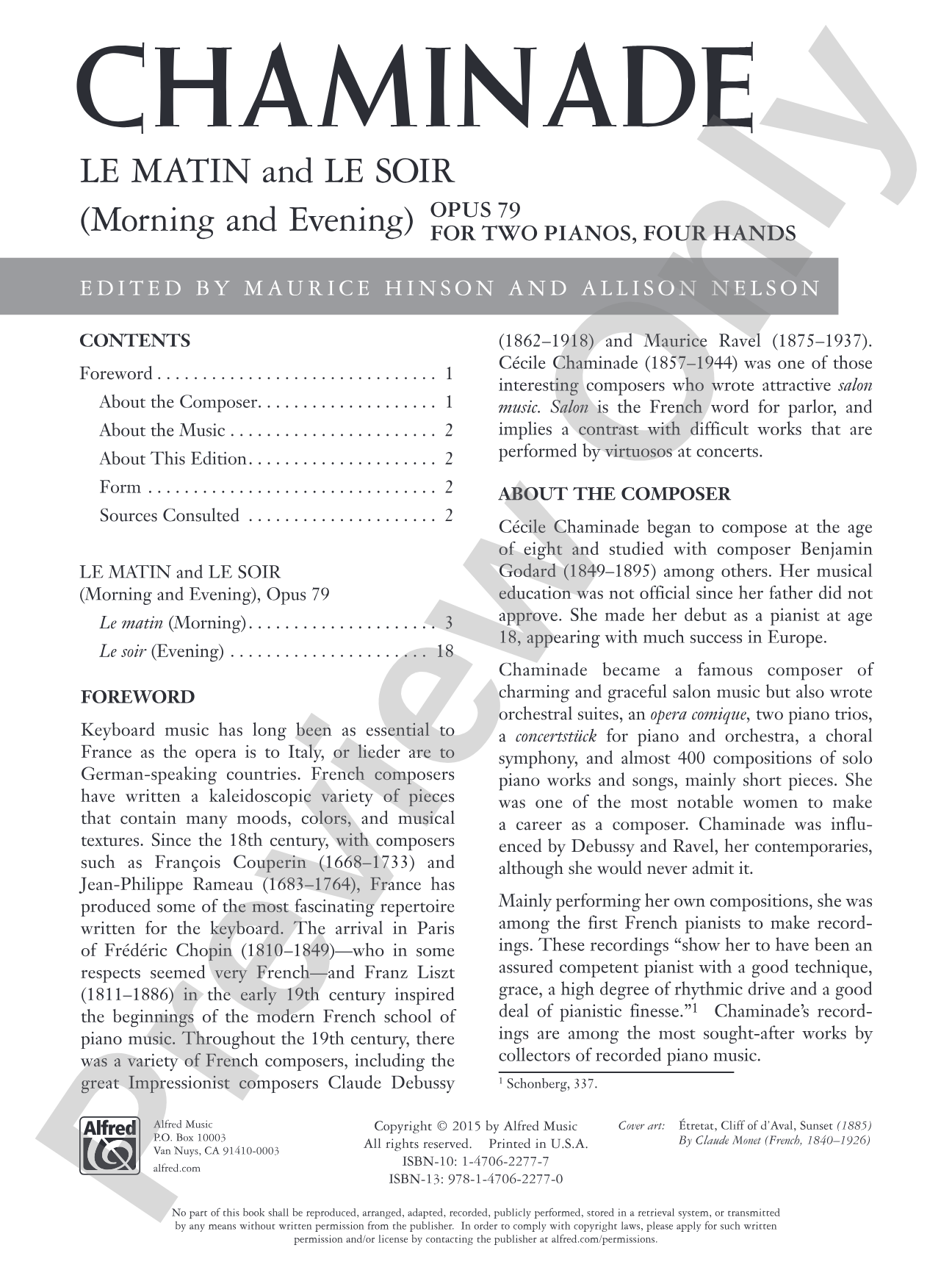

Chaminade: Le matin and Le soir (Morning and Evening), Opus 79 - Piano Duo (2 Pianos, 4 Hands): Piano Duets & Four Hands
By Cécile Chaminade / ed. Maurice Hinson and Allison Nelson
Level: Advanced
Item: 00-PB-0000583
$8.99
Pickup currently not available
Related Items
Chaminade: Le matin and Le soir (Morning and Evening), Opus 79: Piano Duo (2 Pianos, 4 Hands) Book (2 copies required) |
$8.99
|
View |
Description
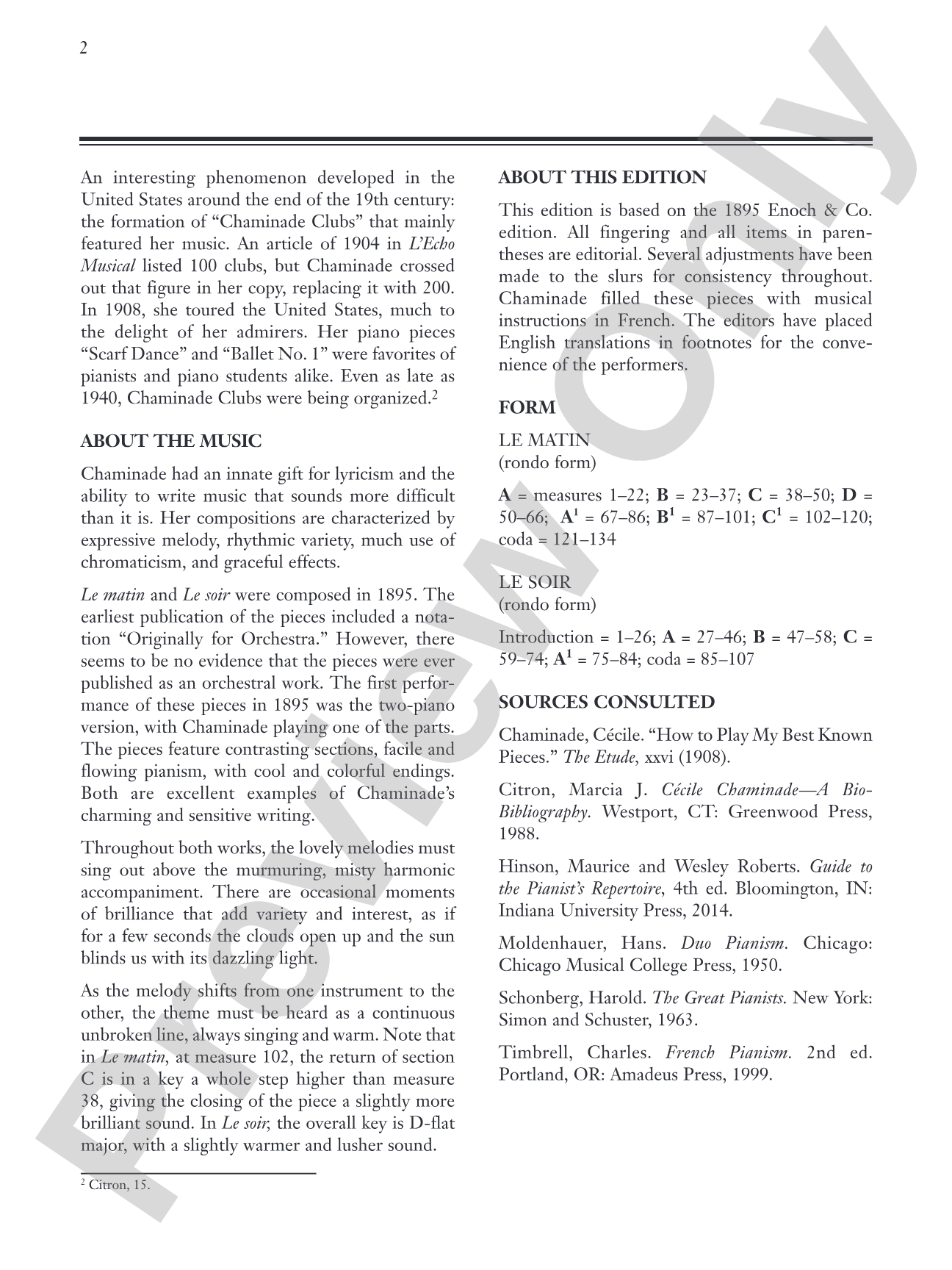
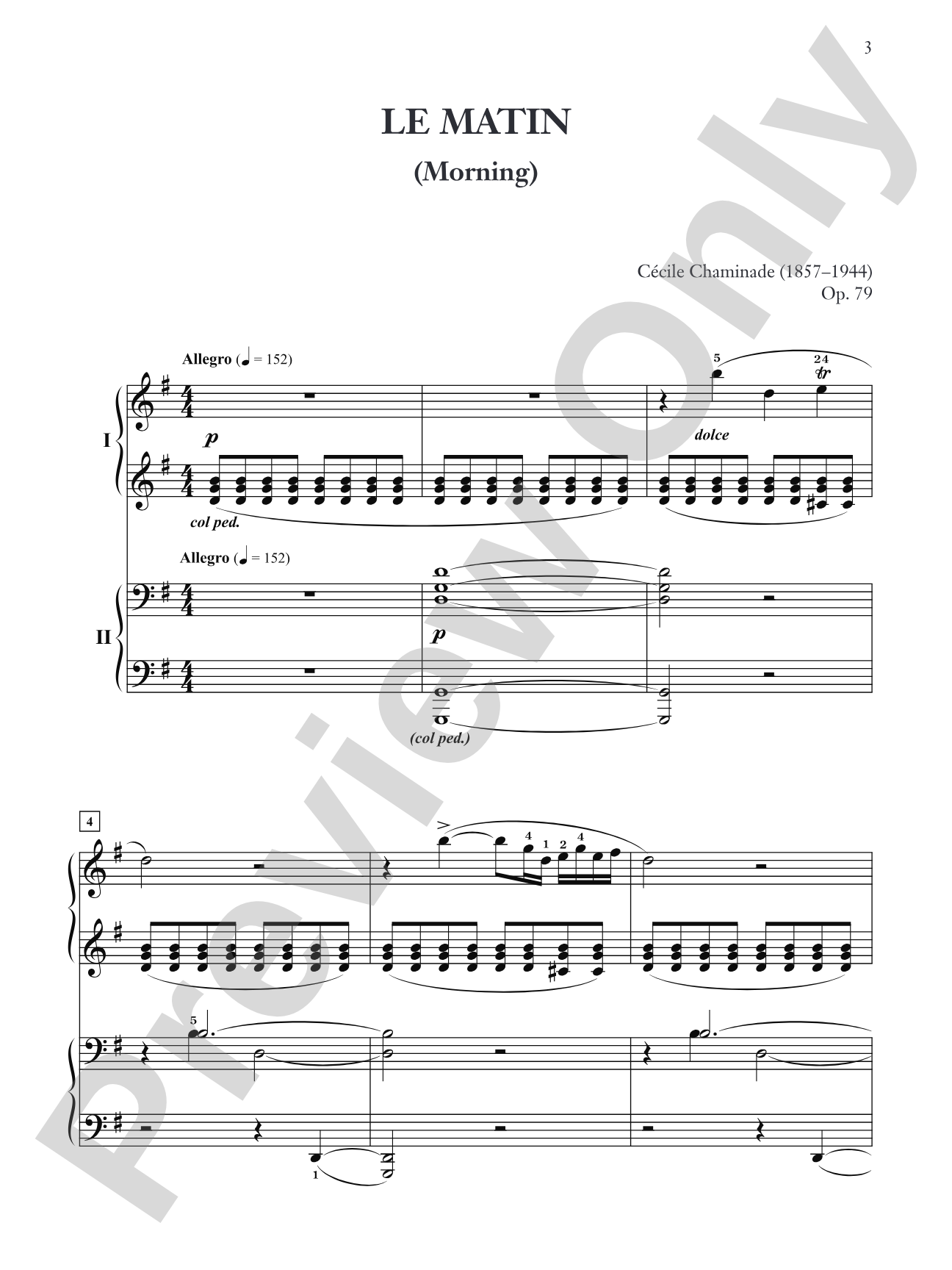
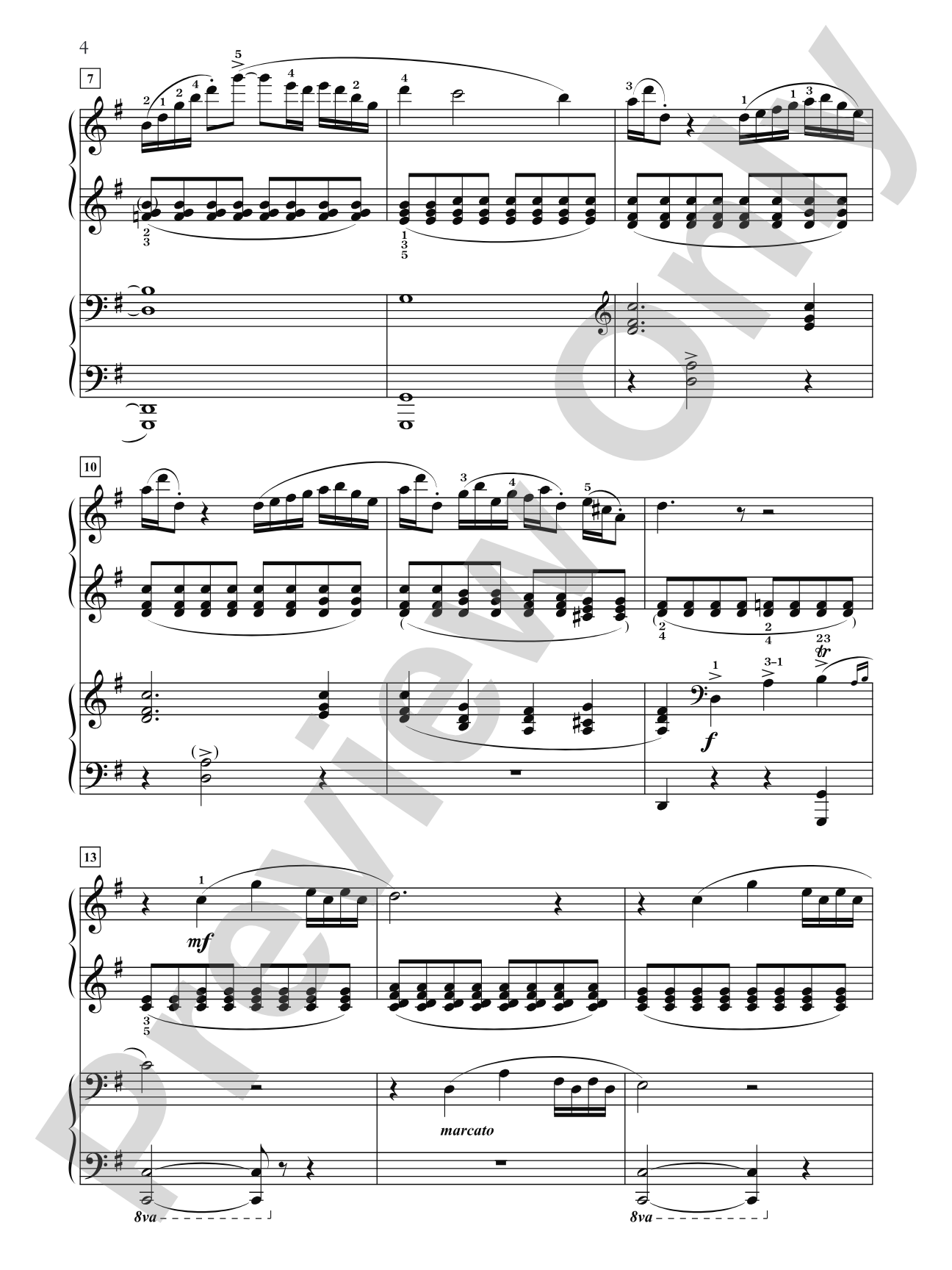
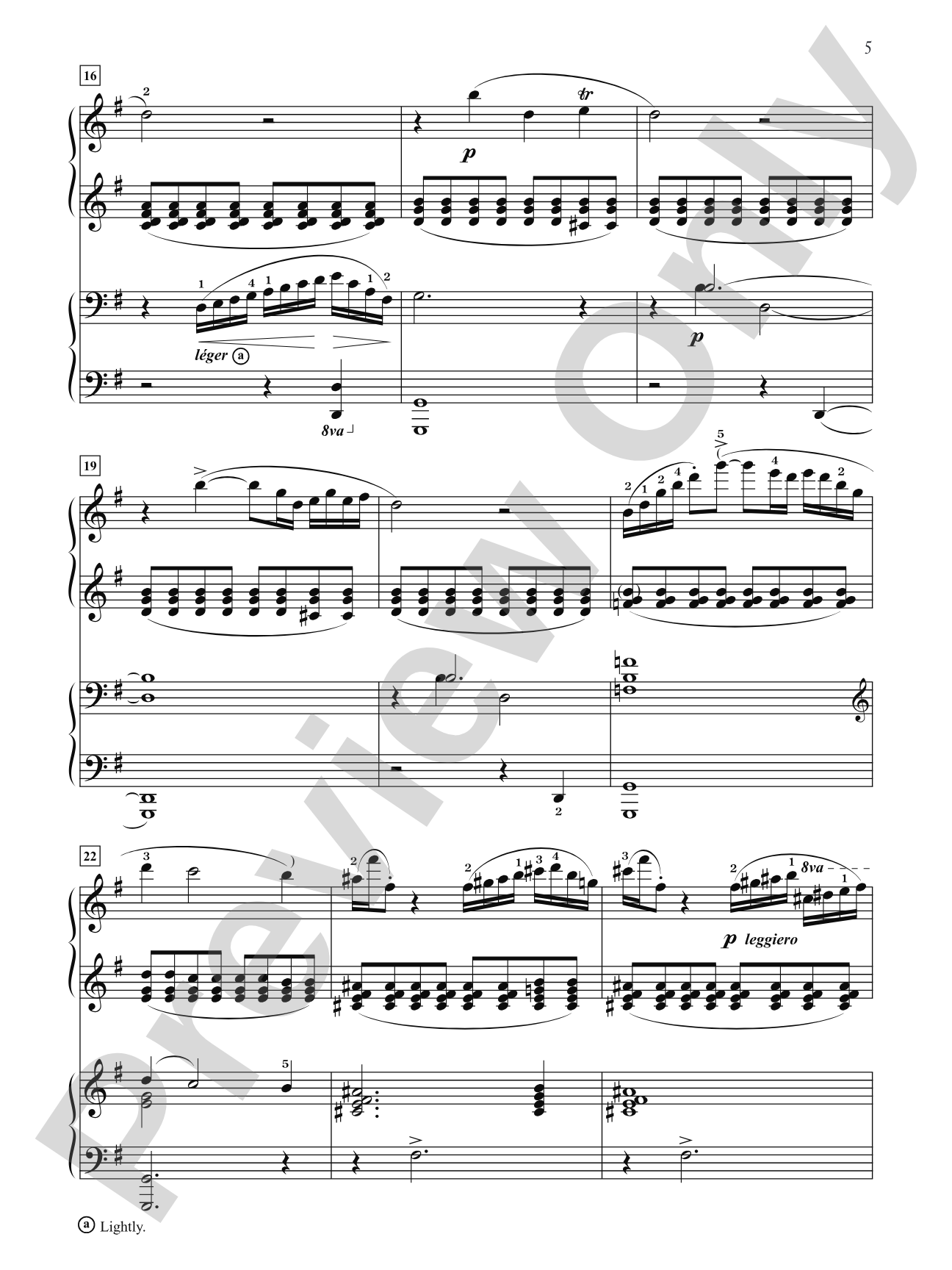
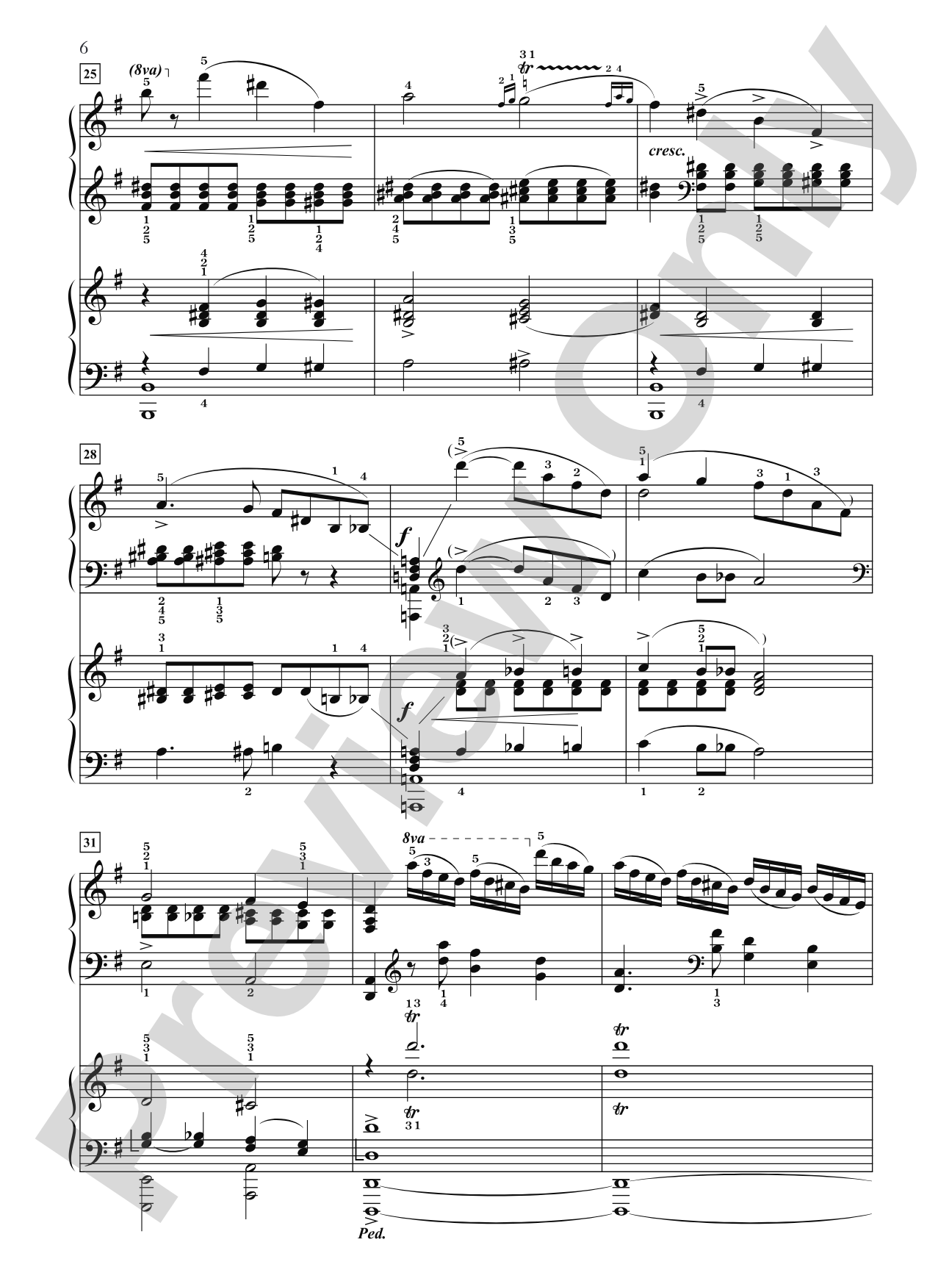
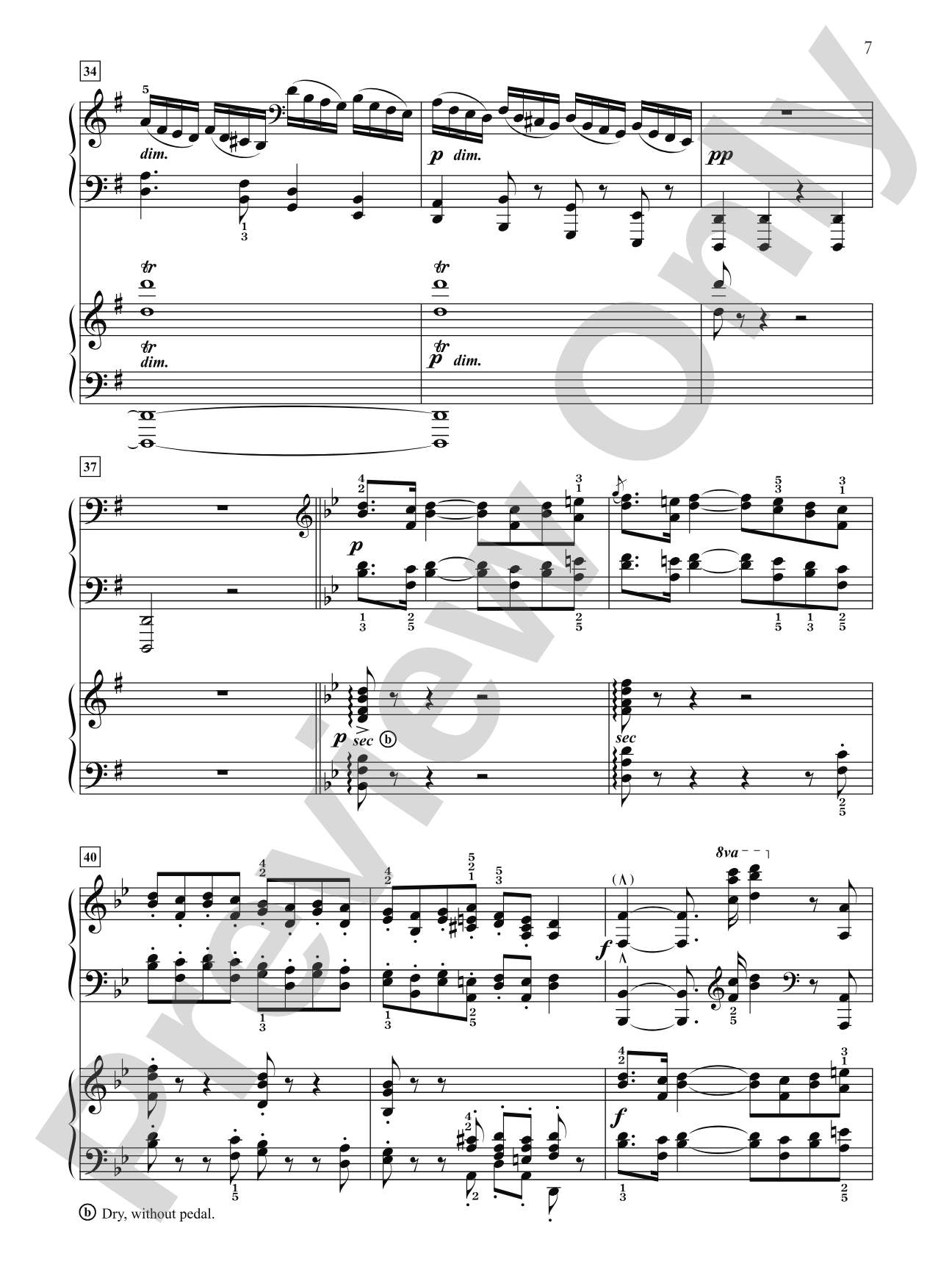
Le matin and Le soir were composed in 1895. The pieces feature contrasting sections, facile and flowing pianism, with cool and colorful endings. Both are excellent examples of Chaminade's charming and sensitive writing. This edition includes an analysis of the form as well as editorial fingering. A Federation Festivals 2024-2028 selection.


Chaminade: Le matin and Le soir (Morning and Evening), Opus 79 - Piano Duo (2 Pianos, 4 Hands): Piano Duets & Four Hands isn't in MakeMusic Cloud just yet...but it could be. Let us know you'd like to see it, and you'll help shape what comes next. In the meantime, start a free trial and dive into thousands of interactive titles your students can play along with today.
Request This Title
Tell us you want it.
Start Your Free Trial
Explore everything that's ready to play right now.
Sample Audio
No sample audio found.
Sample Video
Additional Details
Series:
Alfred Masterwork Edition
Publisher:
Alfred Music
Page Count:
32
SKU:
00-PB-0000583
More about this title
About the Composer: Cécile Chaminade
Cécile Chaminade (1857, 1944) was a French composer and pianist whose prolific output spanned nearly six decades. She wrote over 200 works across multiple genres, from solo piano pieces to orchestral compositions, yet remained understudied in many curricula despite her international reputation during her lifetime. Her music blends Romantic lyricism with accessible, idiomatic writing for performers, making her work particularly valuable for understanding late 19th-century French salon music.
Chaminade's duet and four-hand works occupy a special place in her catalog. These pieces were written for amateur musicians and music students, yet they contain the harmonic sophistication and structural clarity that define her best writing. She understood the pedagogical value of collaborative music and crafted pieces that reward careful study while remaining genuinely enjoyable to perform.
Why we love this
These paired pieces demonstrate how contrasting character studies can live side by side without feeling repetitive. The formal analysis included in this edition transforms what could be simple sight-reading into genuine study material. Students get to see Chaminade's architecture up close, and the editorial fingering removes guesswork so that interpretive choices become the real conversation in rehearsal.
What to expect
Le matin opens with a sense of gentle awakening, its flowing passagework suggesting morning light and movement. Le soir by contrast settles into reflection and quietude, both pieces sharing Chaminade's gift for melody that feels natural despite sophisticated harmonies underneath. Together they create a complete emotional arc, from brightness to twilight repose.
Who it's for
Advanced pianists working in duo or two-piano settings who want substantive repertoire that rewards careful study. These pieces also suit music students preparing for chamber music festivals or competitions looking for French Romantic repertoire with real pedagogical substance.
How to get the most out of it
- Treat the flowing passages in Le matin as one continuous melodic line rather than a series of individual phrases. This prevents the piece from fragmenting across the two piano parts.
- Explore the colorful harmonic shifts at the endings of both pieces with attention to pedal changes. The coolness Chaminade achieves comes partly from clarity of sonority.
- Balance ensemble sound carefully during the contrasting sections. These pieces often feature one pianist carrying the melody while the other provides accompaniment; the supporting role must remain present without overwhelming.
How to use it
Pair these as a complete set to open a chamber music recital or festival performance. Their contrasting moods make them effective bookends, and their moderate length means you can program additional repertoire on the same concert. They also work well in a curriculum unit exploring how Romantic composers approached the duet form.
Skills your students will build
- Reading and interpreting formal analysis notation
- Balancing melody and accompaniment in ensemble settings
- Executing flowing passagework while maintaining phrase coherence
- Collaborating across two piano parts with attention to harmonic color
- Managing pedal technique for tonal clarity and resonance