

Cha'La: Concert Band Conductor Score & Parts
Dance of the Volcano Goddess
By Randall D. Standridge
Grade: 2 (Medium Easy)
Item: 00-PK-0007793

$55.00
Pickup currently not available
Buy Extra Parts (Digital PDF Download)
| Product | Price | Quantity |
|---|---|---|
| Cha'La: Score | $8.00 | |
| Cha'La: Flute | $3.00 | |
| Cha'La: Oboe | $3.00 | |
| Cha'La: 1st B-flat Clarinet | $3.00 | |
| Cha'La: 2nd B-flat Clarinet | $3.00 | |
| Cha'La: B-flat Bass Clarinet | $3.00 | |
| Cha'La: E-flat Alto Saxophone | $3.00 | |
| Cha'La: B-flat Tenor Saxophone | $3.00 | |
| Cha'La: E-flat Baritone Saxophone | $3.00 | |
| Cha'La: 1st B-flat Trumpet | $3.00 | |
| Cha'La: 2nd B-flat Trumpet | $3.00 | |
| Cha'La: 1st F Horn | $3.00 | |
| Cha'La: 1st Trombone | $3.00 | |
| Cha'La: Baritone T.C. | $3.00 | |
| Cha'La: Tuba | $3.00 | |
| Cha'La: 1st Percussion | $3.00 | |
| Cha'La: 2nd Percussion | $3.00 | |
| Cha'La: 3rd Percussion | $3.00 | |
| Cha'La: 4th Percussion | $3.00 | |
| Cha'La: Timpani | $3.00 |
Parts Added to Cart!
Description
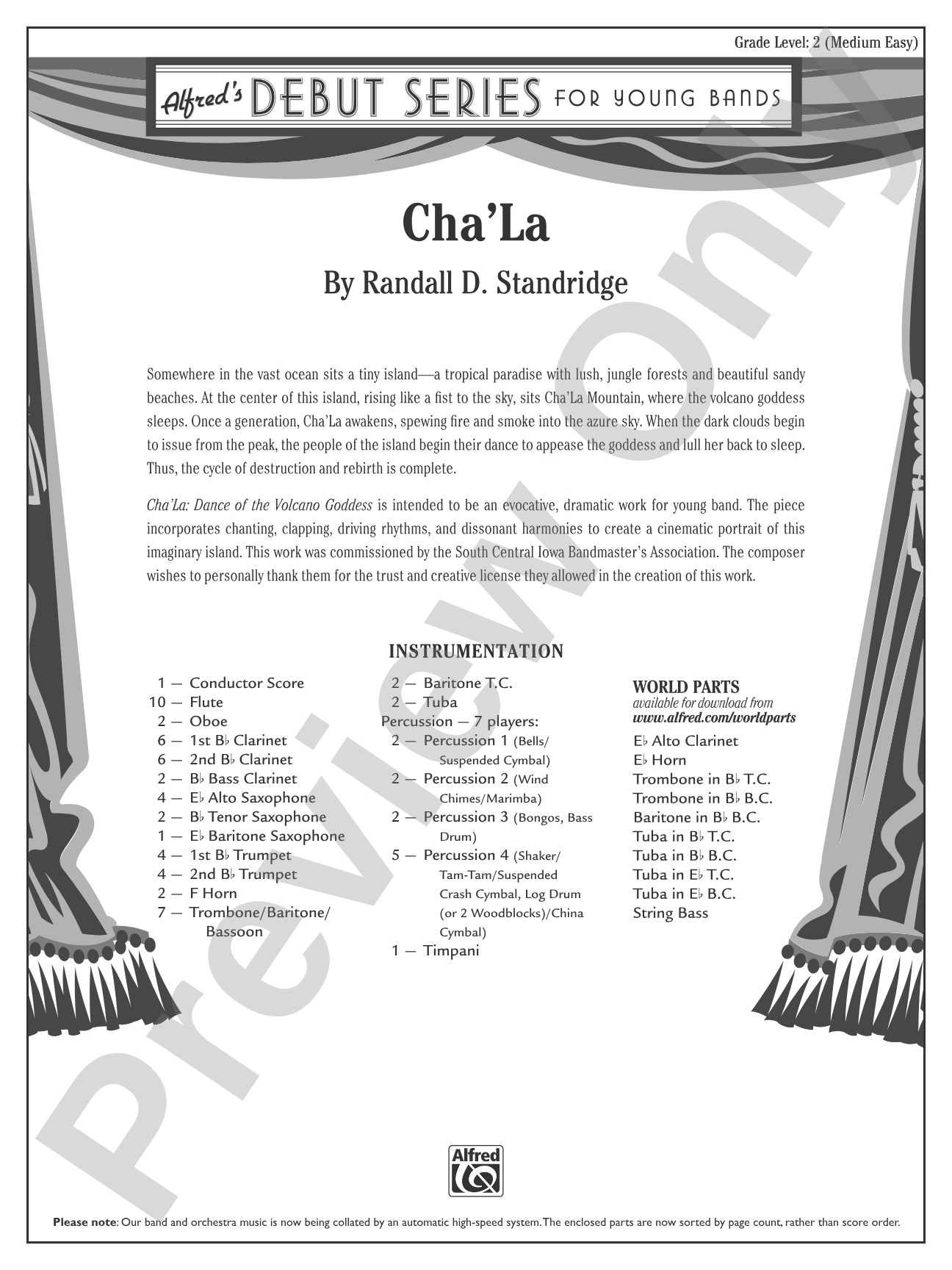
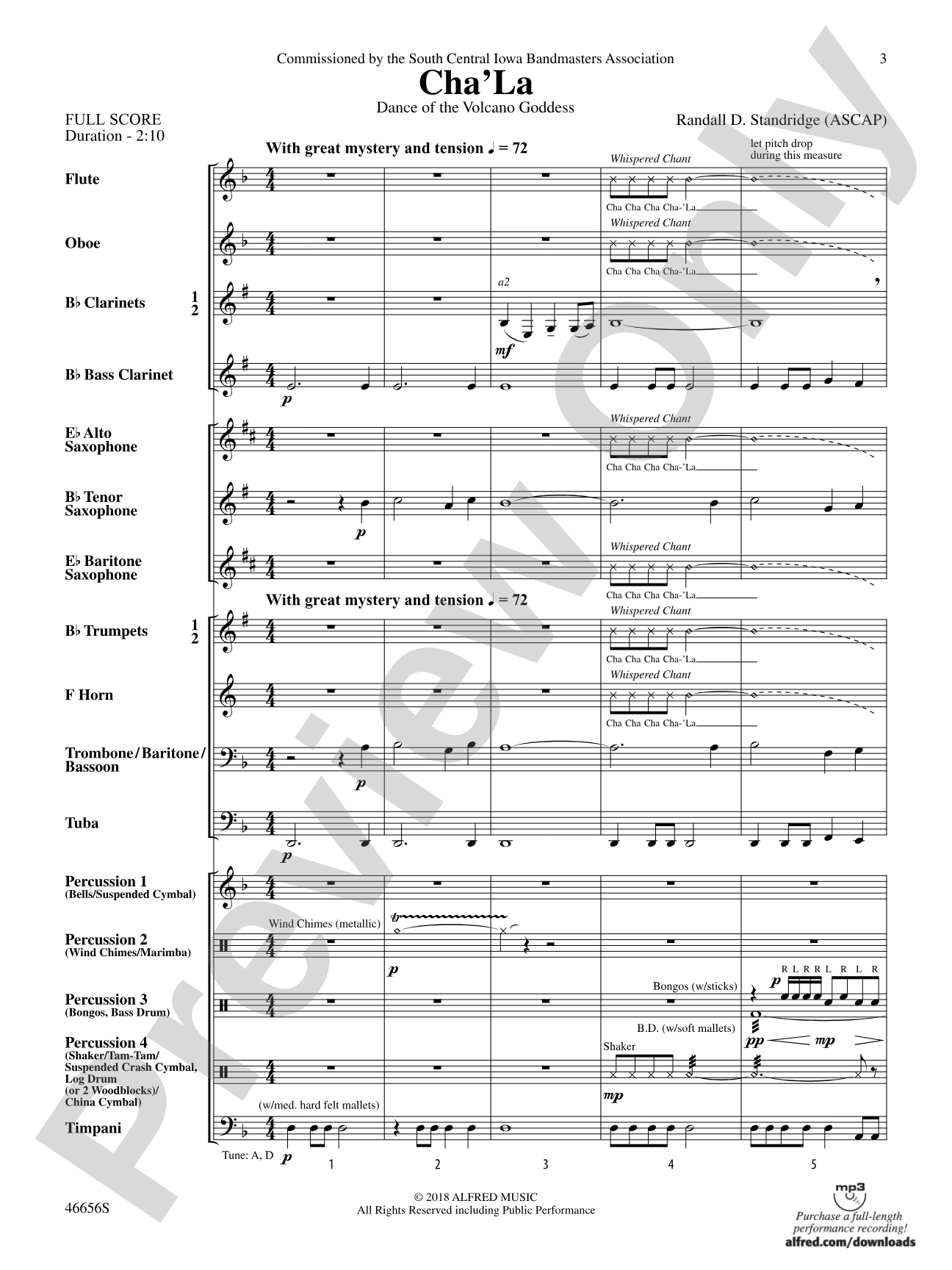
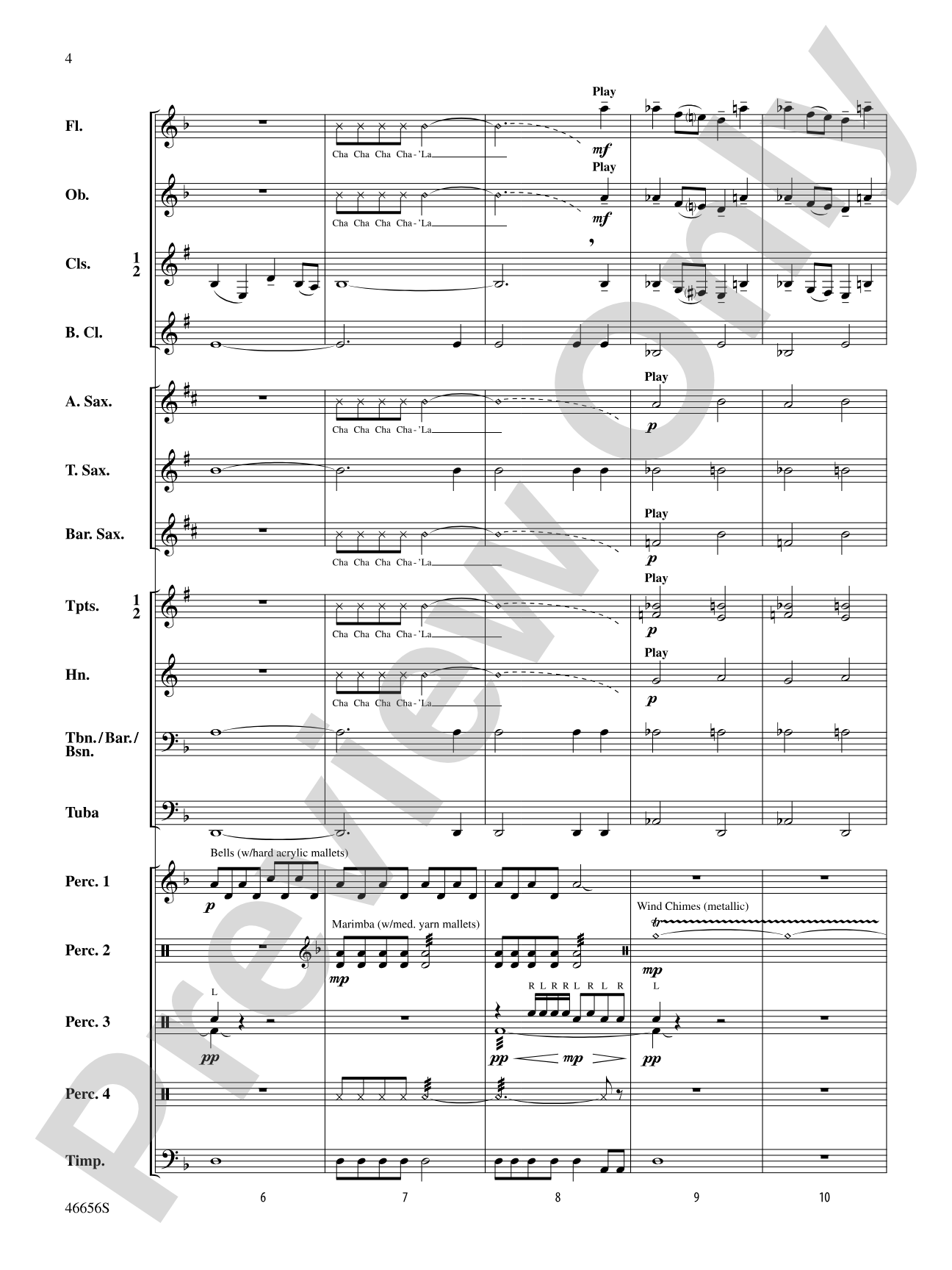
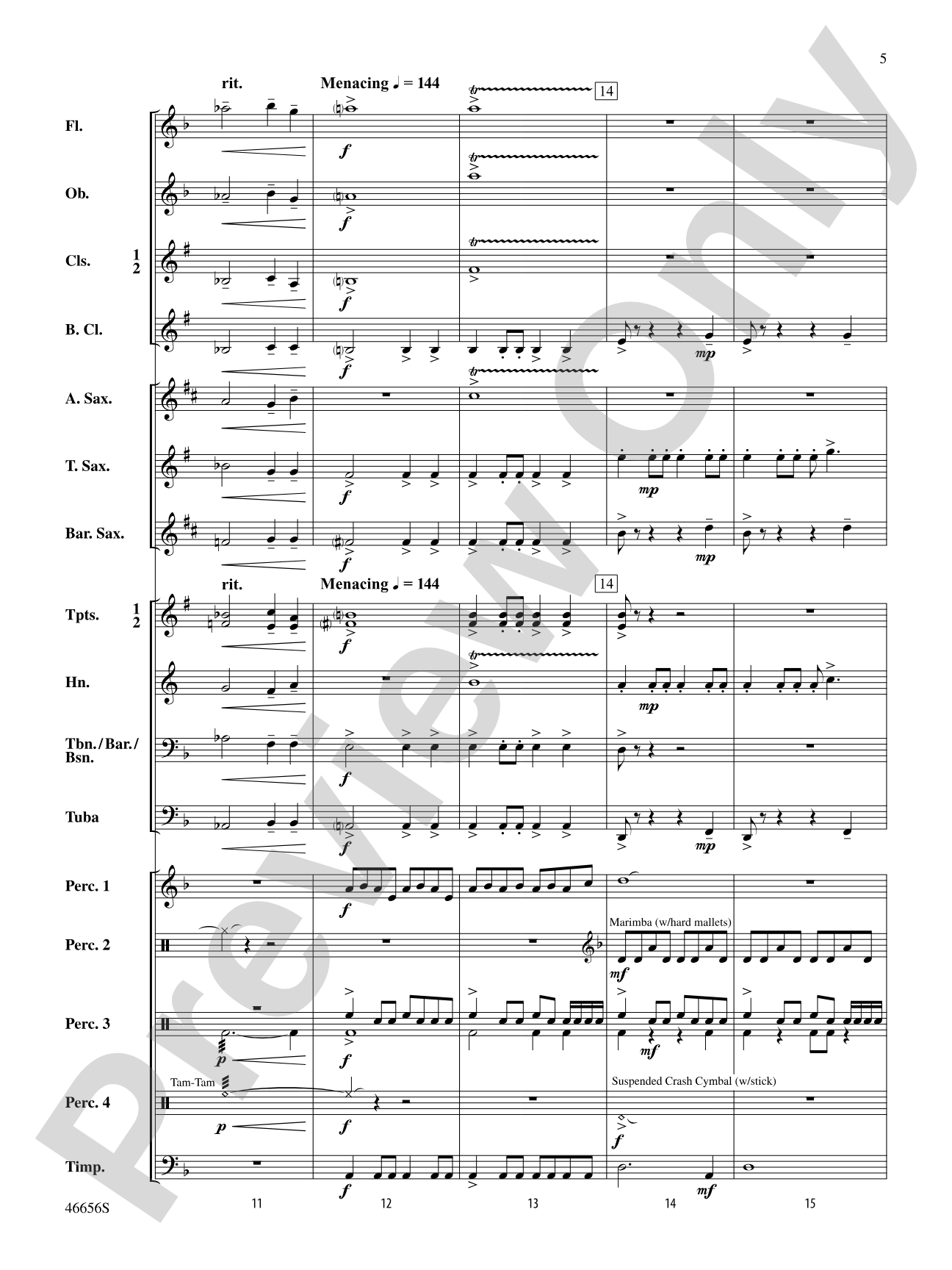
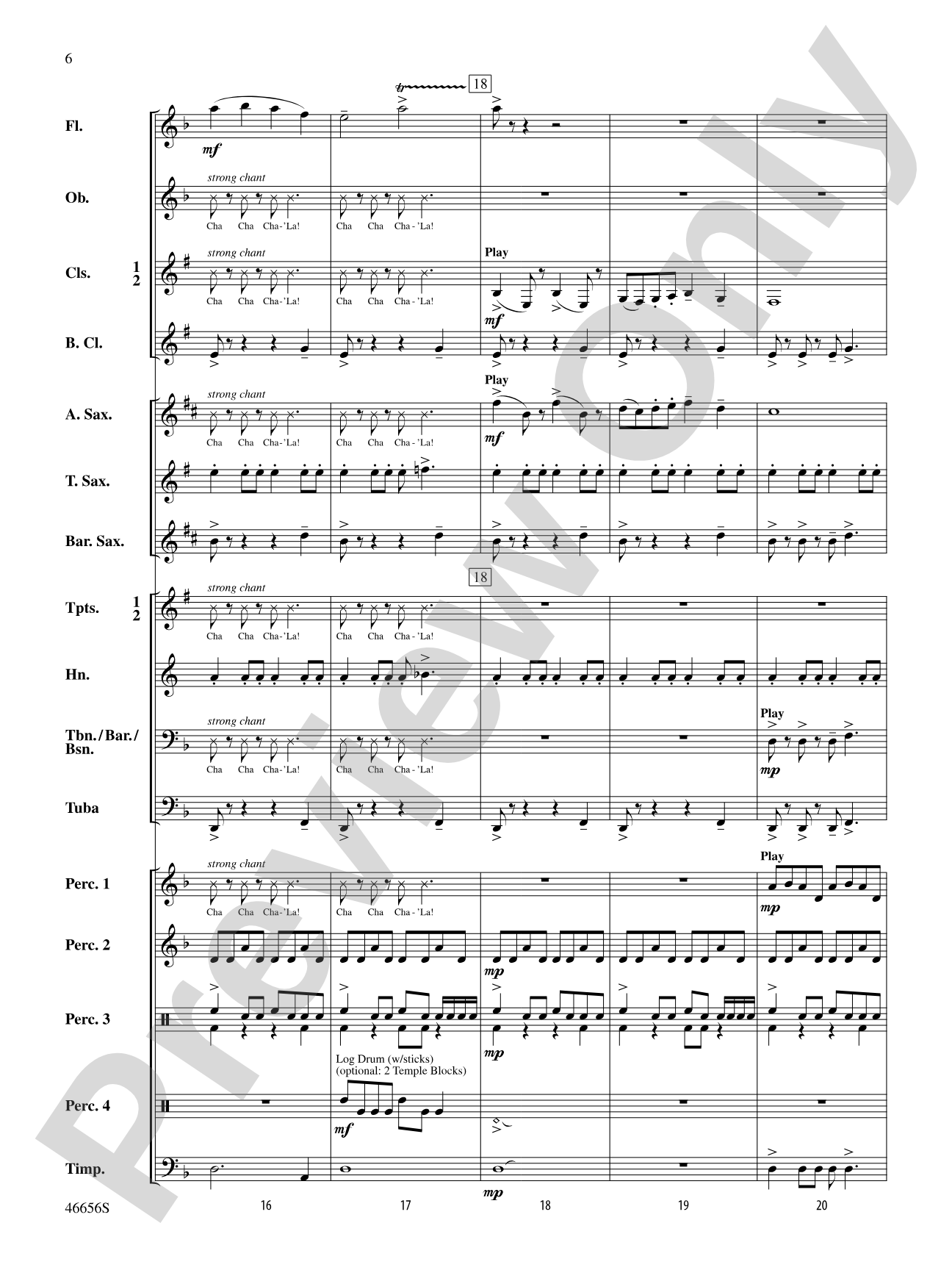
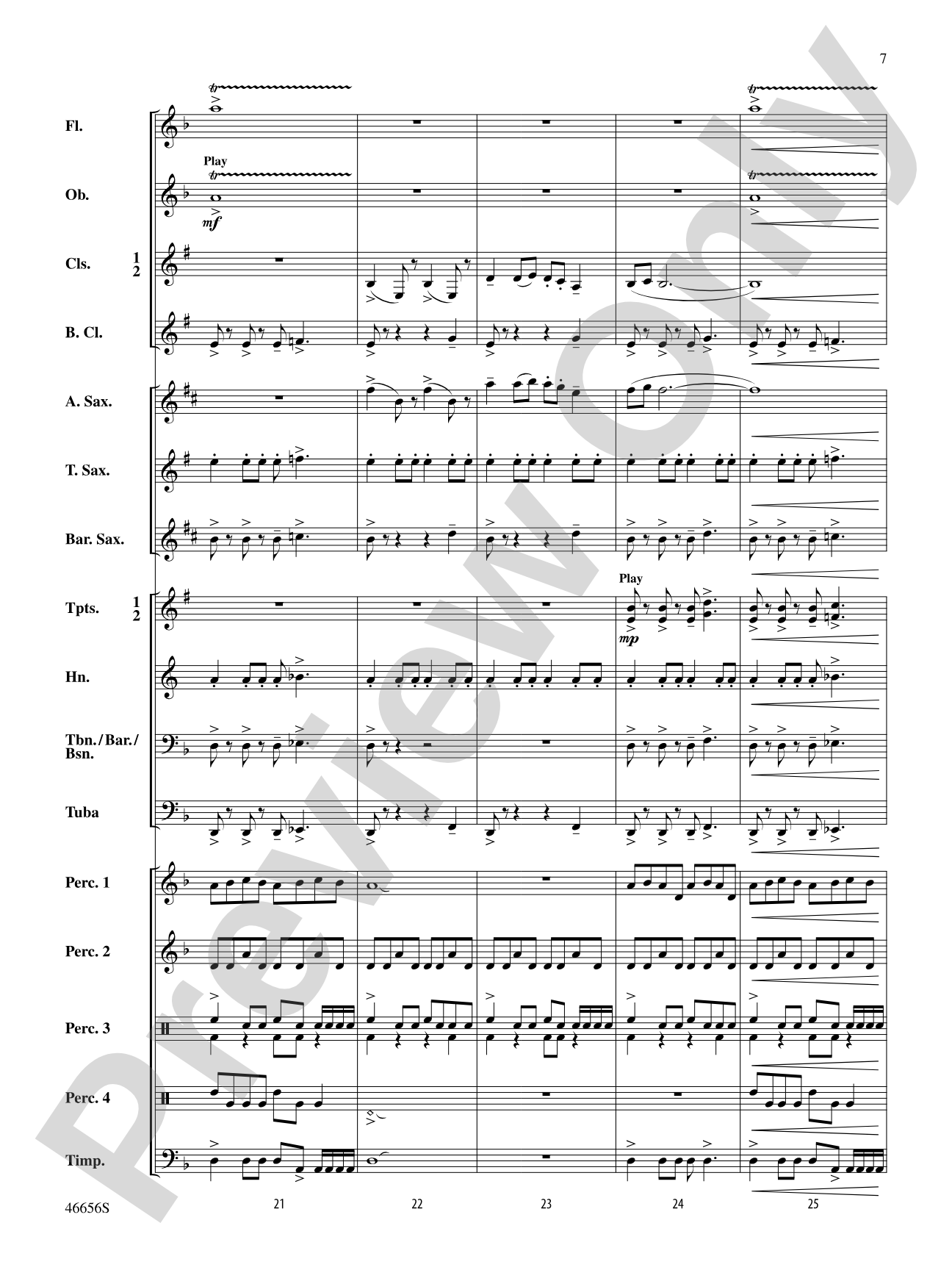
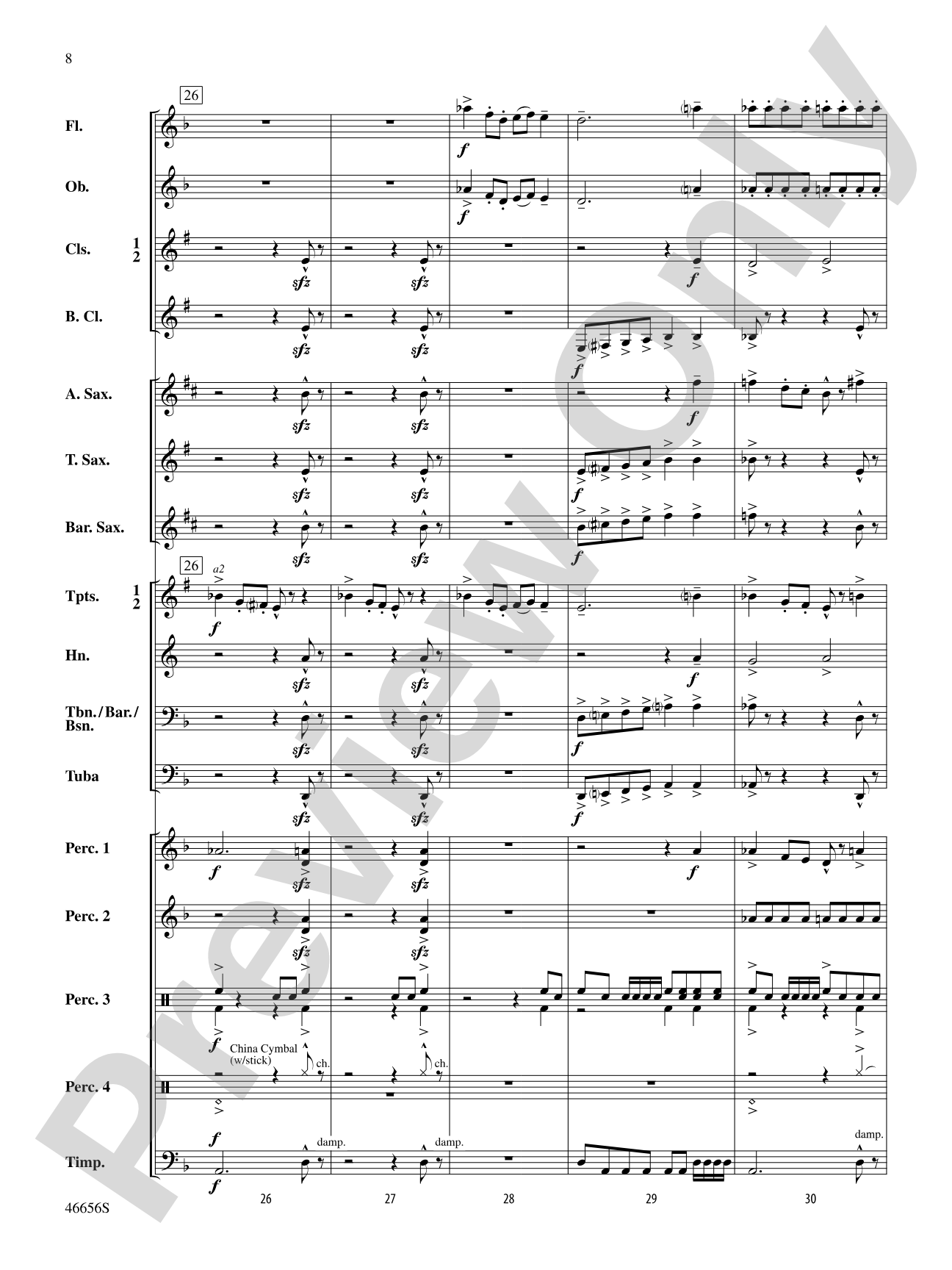
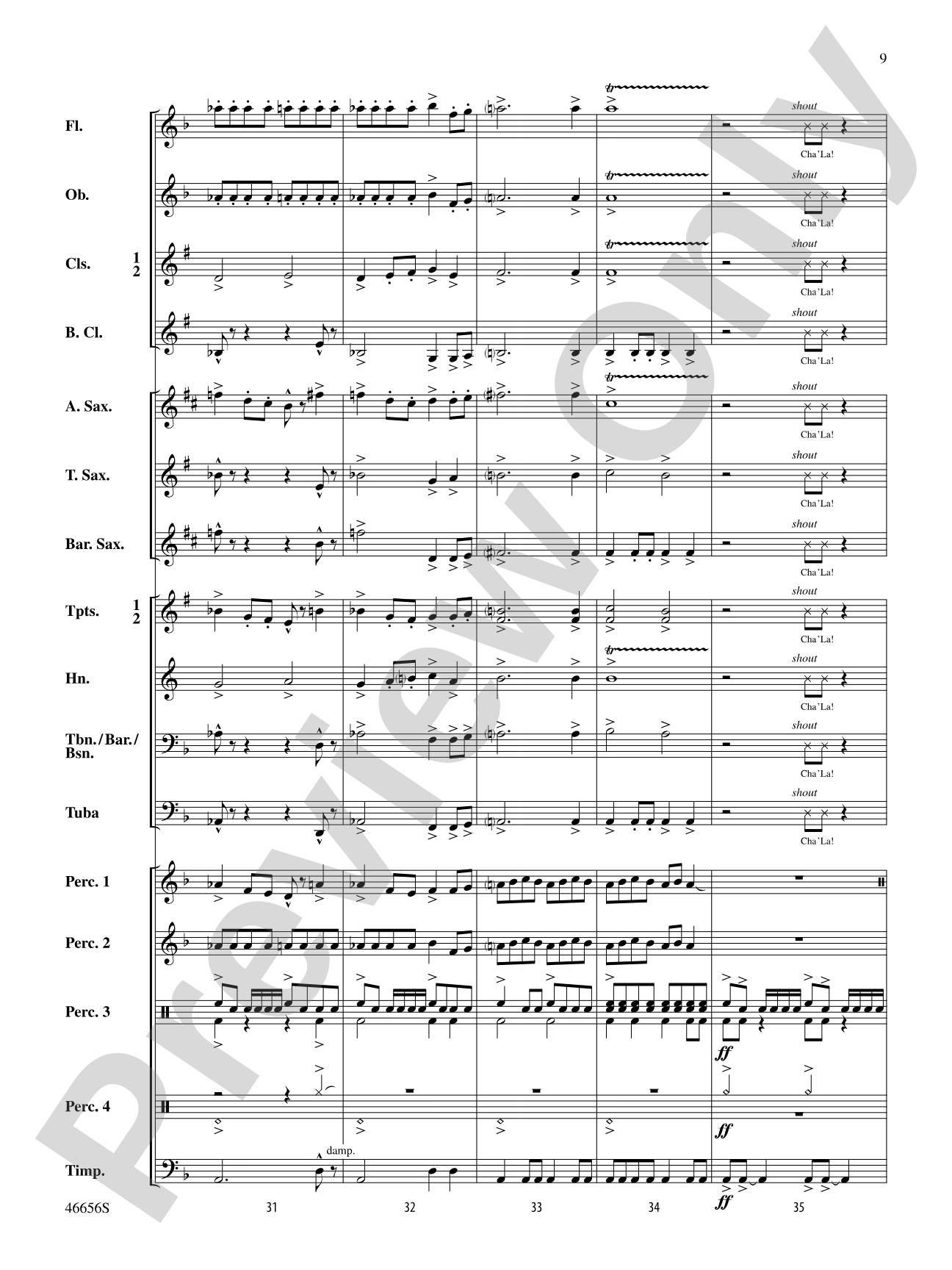
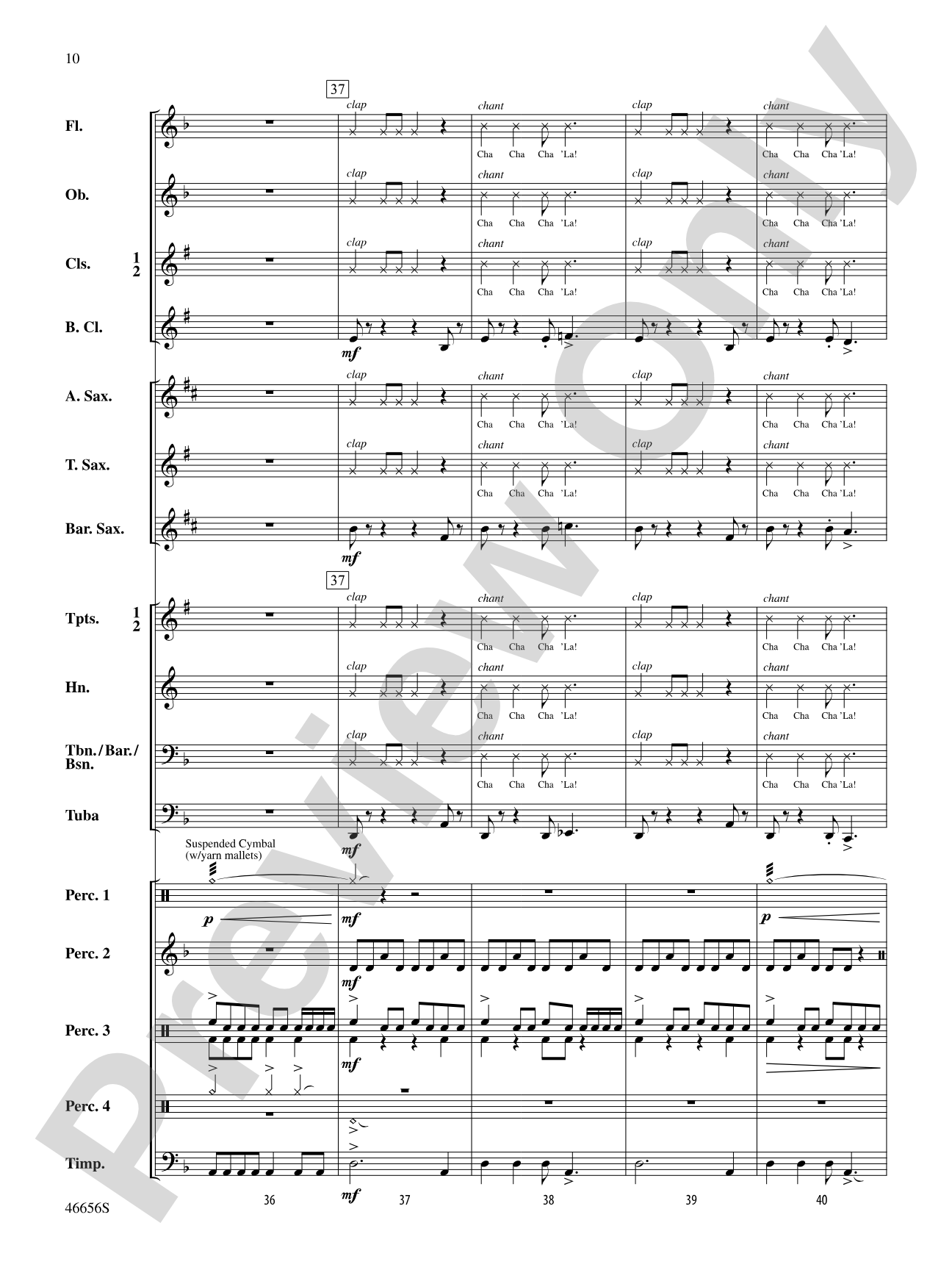
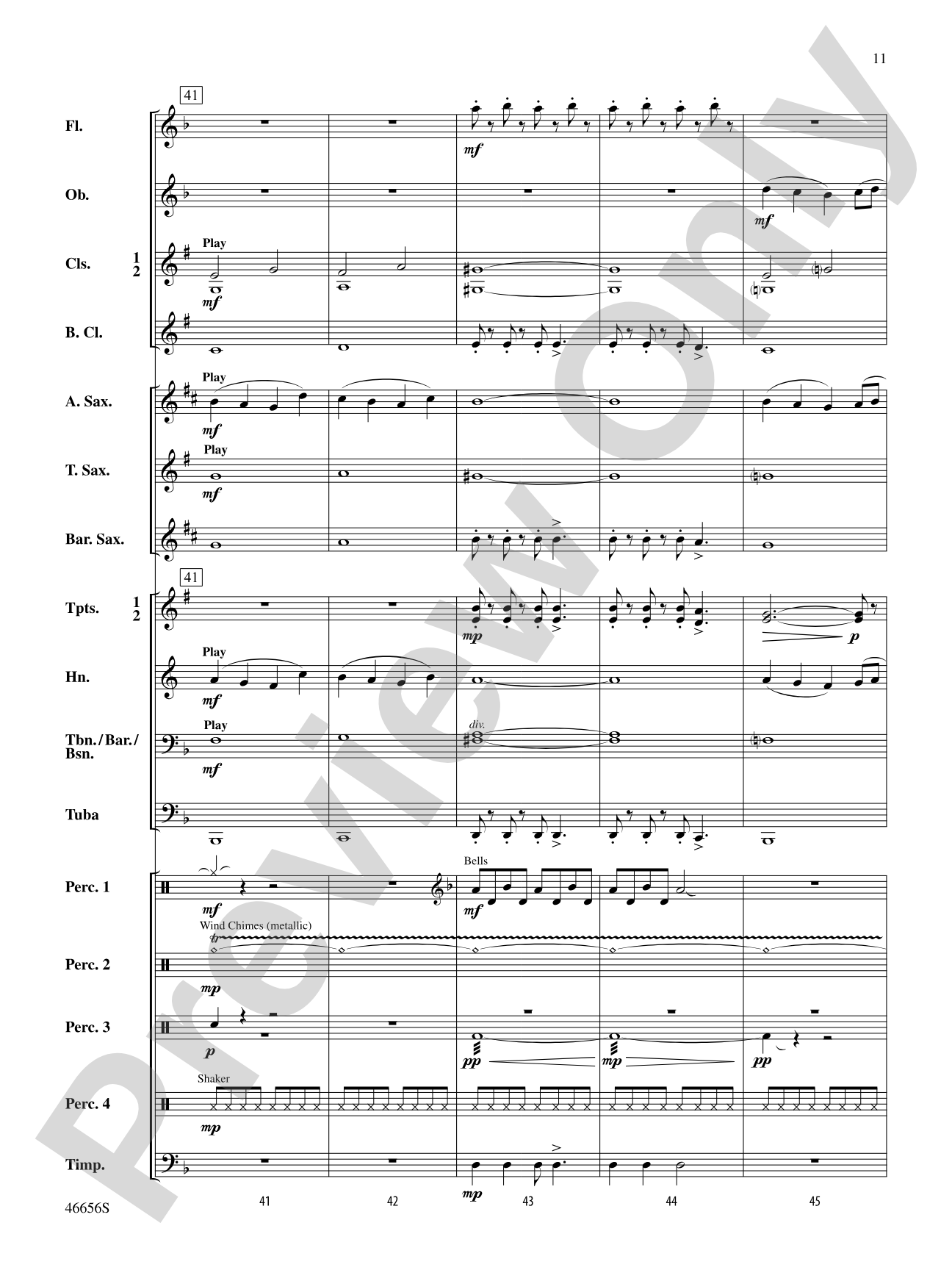
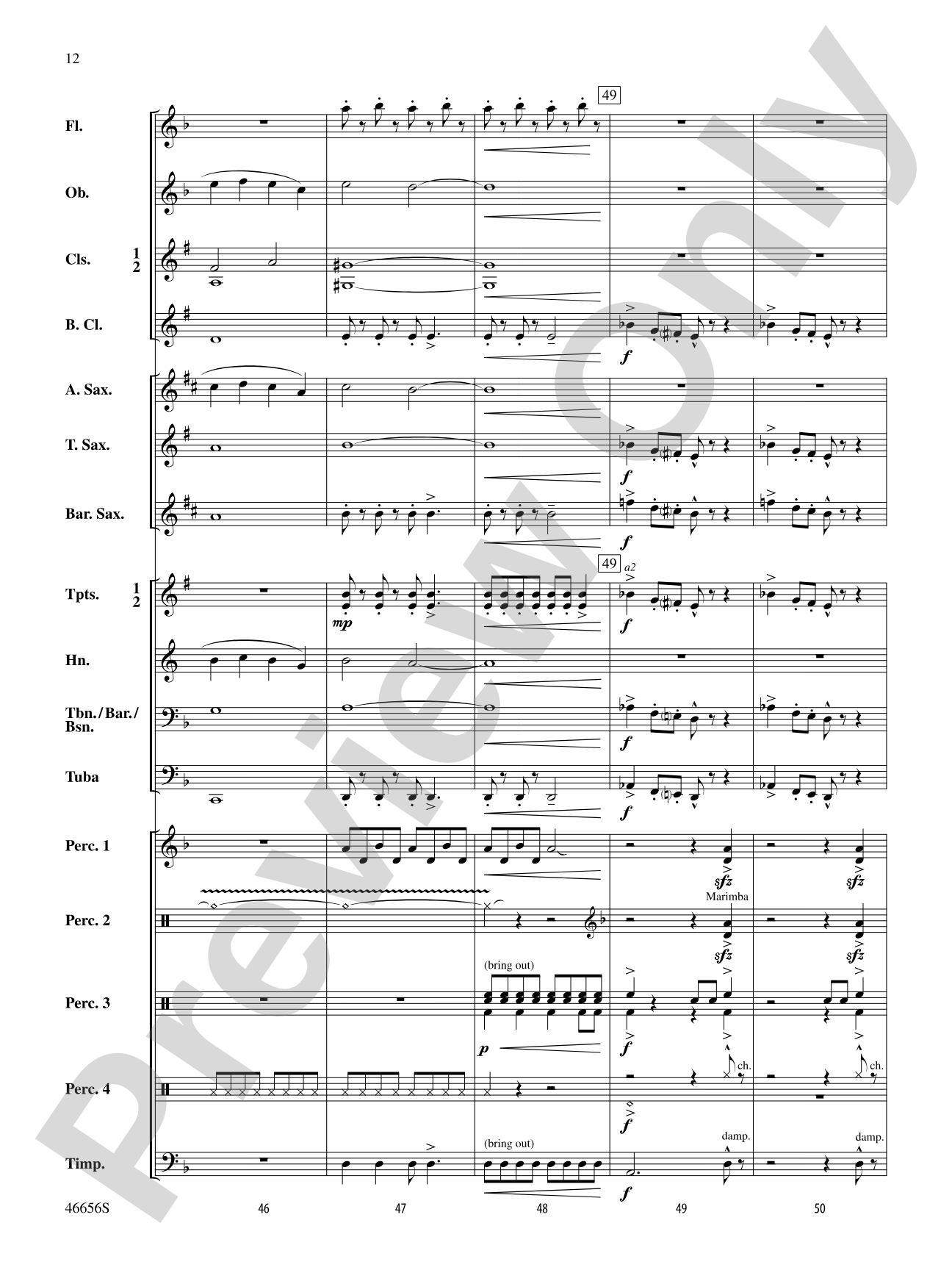
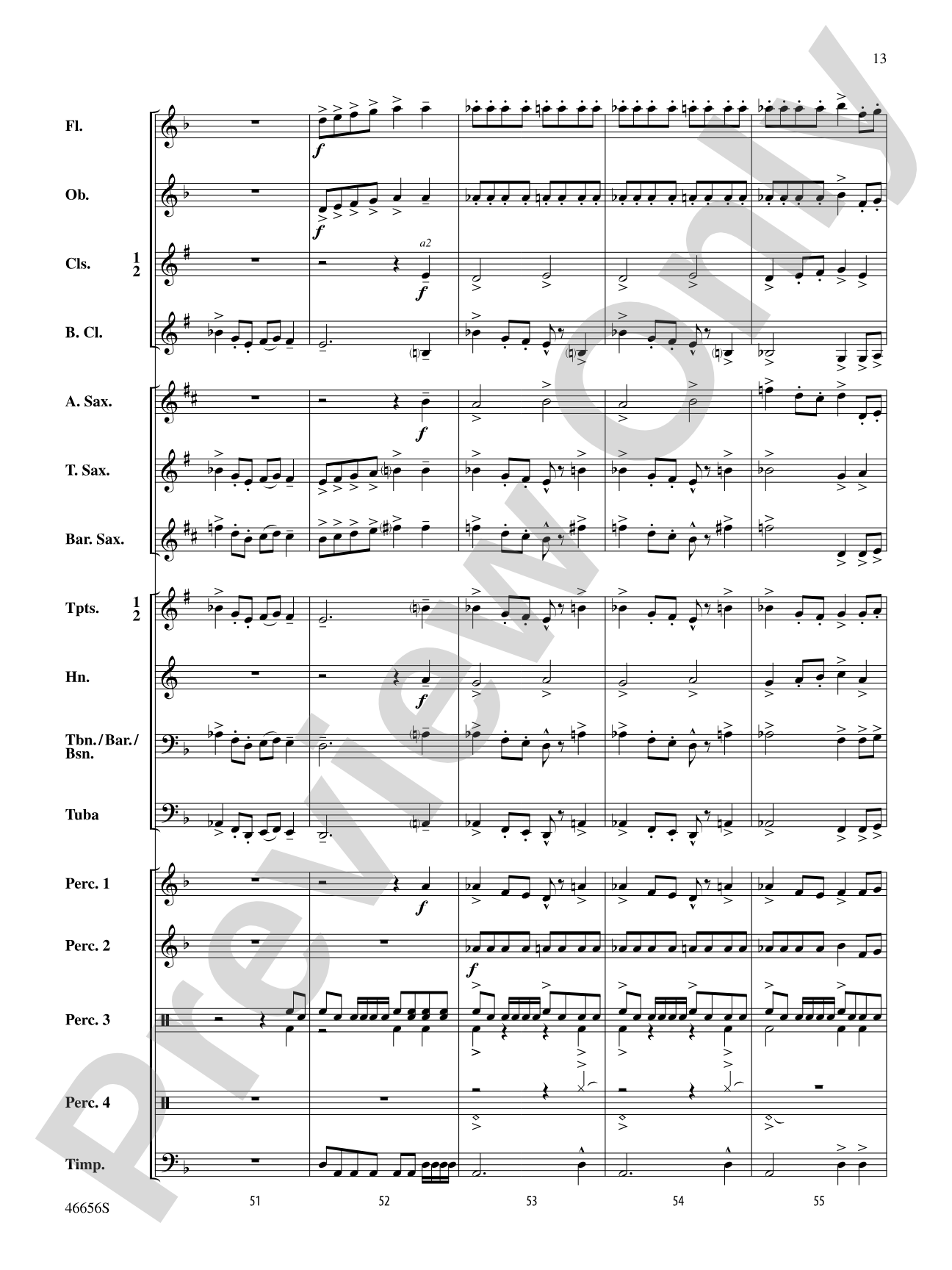
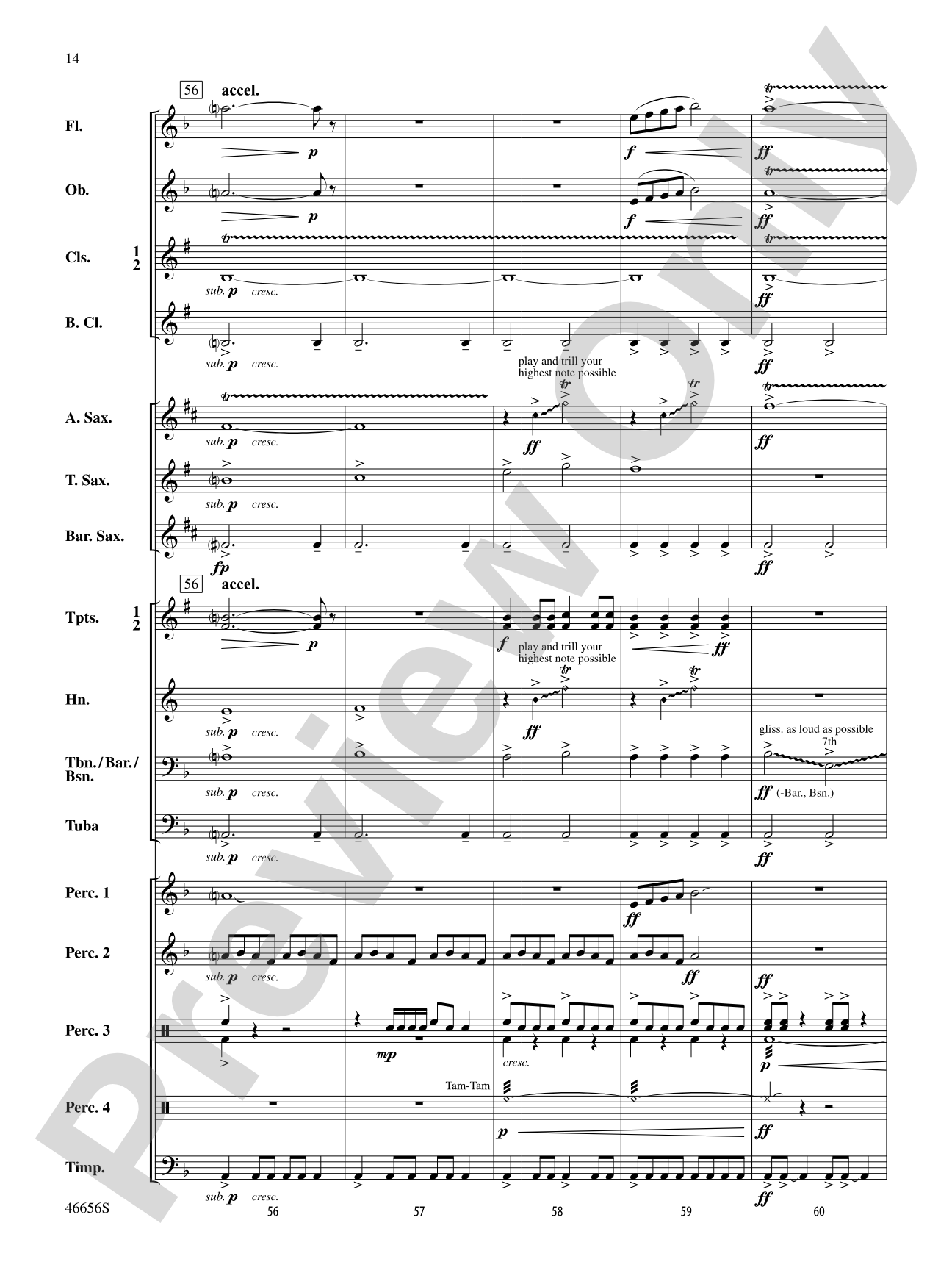
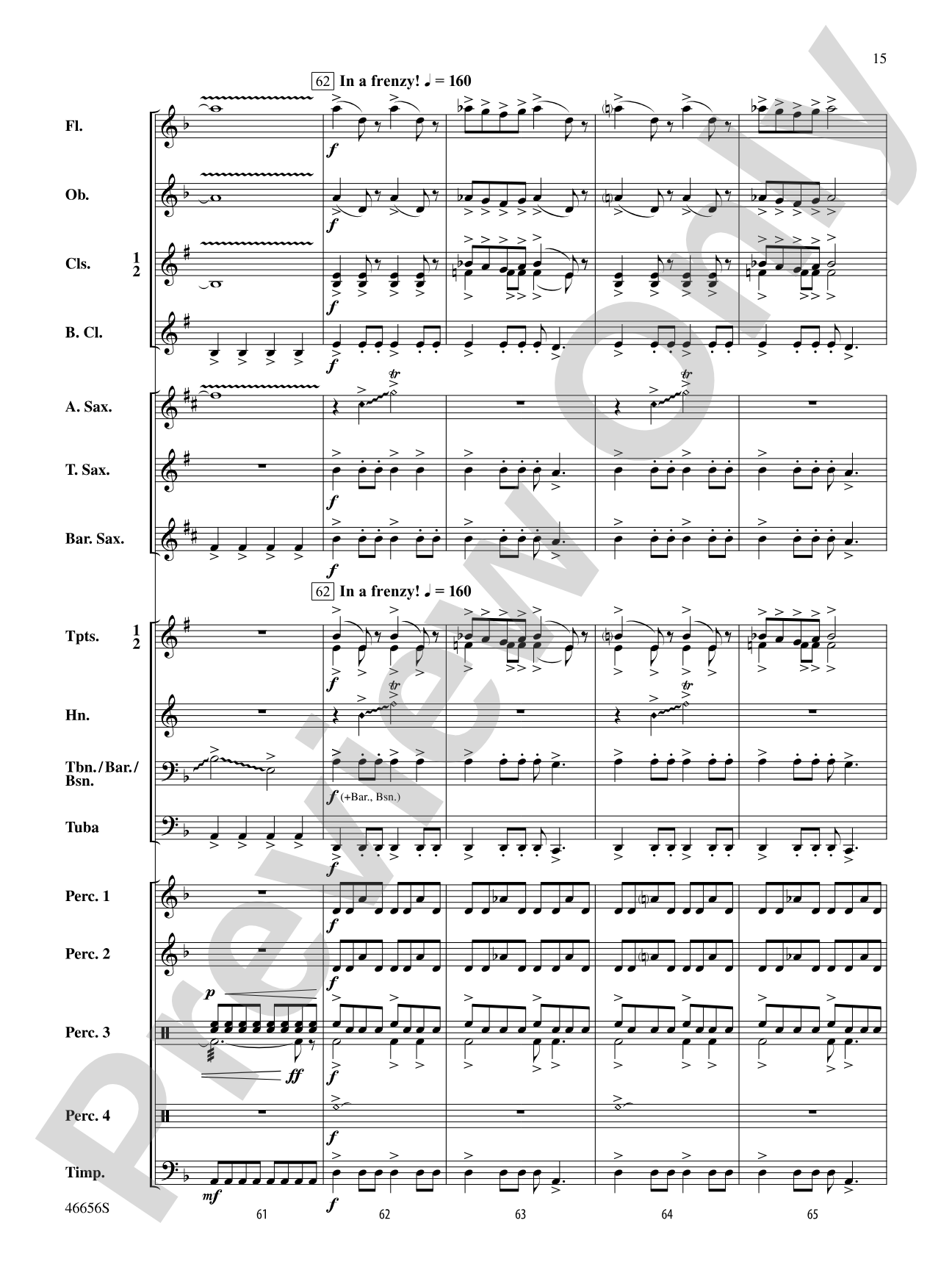
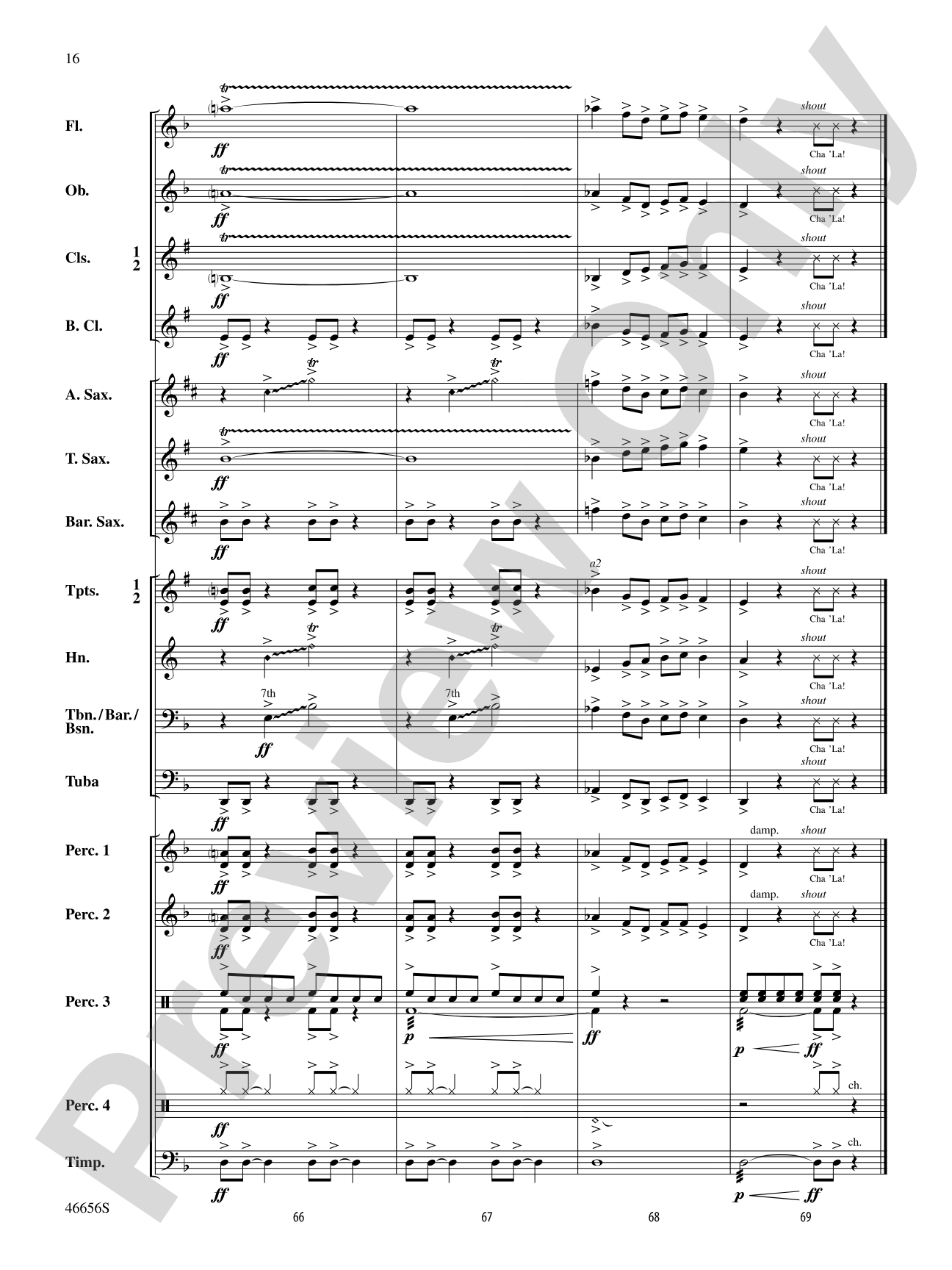
"Cha'La: Dance of the Volcano Goddess" is intended to be an evocative, dramatic work for young band. The piece incorporates chanting, clapping, driving rhythms and dissonant harmonies to create a cinematic portrait of this imaginary island.


Don't just read it, hear it, play along with it, and watch your students grow with it. In MakeMusic Cloud, Cha'La: Concert Band Conductor Score & Parts comes alive with professional accompaniment, adjustable tempo, and built-in practice tools that turn solo practice into real progress.
Open in the Player
Jump straight in and assign it today.
Start Your Free Trial
Open this title and explore the full library in minutes.
Sample Audio
1
Audio File
--:--
0:00
0:00
Sample Video
Additional Details
Series:
Alfred Debut Series
Publisher:
Alfred Music
Page Count:
174
SKU:
00-PK-0007793
More about this title
About the Composer: Randall D. Standridge
Randall D. Standridge is a prolific composer and arranger whose works span concert band, jazz ensemble, and educational settings. Known for his ability to craft engaging, accessible pieces that maintain genuine musical substance, Standridge has become a staple in young band repertoire, with compositions that balance entertainment value and pedagogical integrity.
Why we love this
Standridge avoids the trap of novelty-for-novelty's-sake here; the theatrical elements (chanting, clapping, dissonant textures) emerge organically from the piece's narrative rather than feeling tacked on. For Grade 2 ensembles, this offers students a chance to explore dramatic storytelling through sound without the technical demands that often come with expressively ambitious work.
What to expect
The piece conjures a sense of primal ritual and theatrical spectacle. Driving rhythms and the human voice create immediacy and raw energy, while dissonant harmonies and orchestral colors evoke an imaginary, slightly unsettling island landscape. It feels cinematic and staged, inviting audiences into a narrative world rather than presenting an abstract musical argument.
Who it's for
This score and parts set is designed for young concert bands in Grades 2-3 who are ready to tackle ensemble textures and dramatic character work but not yet prepared for complex harmonic or rhythmic subdivisions. It works well for bands seeking to program something engaging and visually interesting without stepping into advanced technical territory.
How to get the most out of it
- Balance the dissonant harmonies carefully in rehearsal so they read as intentional and atmospheric rather than sloppy. Isolate these sections and have students tune them deliberately as a color choice.
- Establish the chanting as rhythmically locked and confident from day one. Even young singers tend to rush or drag chant sections, so anchor the pulse and keep it steady through multiple rehearsals.
- Treat the clapping as a percussion element with dynamic control. It is easy for students to approach it as informal or incidental; instead, have them shape it musically and match the intensity of the surrounding instrumentation.
- Use the driving rhythms to build ensemble cohesion early. Emphasize the groove beneath the surface drama so that the piece feels propulsive rather than merely strange.
How to use it
This works beautifully as a centerpiece for a concert themed around world cultures, storytelling through music, or contemporary concert band literature. Its visual and sonic distinctiveness makes it a strong choice for opening a program or creating a memorable moment in the middle of a set with more traditional repertoire.
Skills your students will build
- Sustaining dissonant harmonies without losing intonation or pitch center
- Rhythmic precision and ensemble locking in driving, repeated patterns
- Dynamic control and shaping in rhythmic accompaniment figures (clapping, percussion)
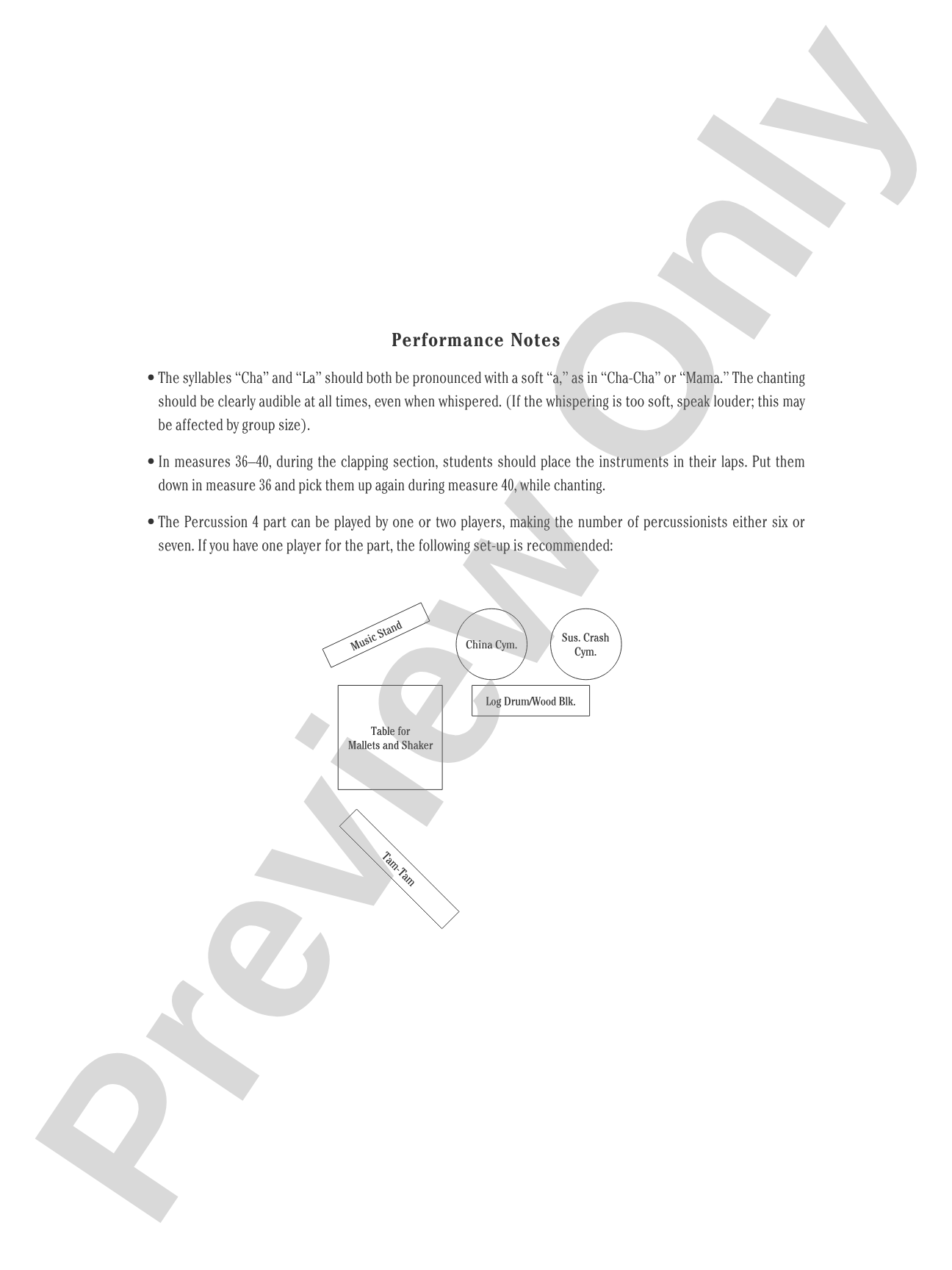
- Performing pitched and unpitched vocal elements (chanting) as an integral part of band sound
- Responding to and executing dramatic contrasts and expressive intentions in a contemporary work