
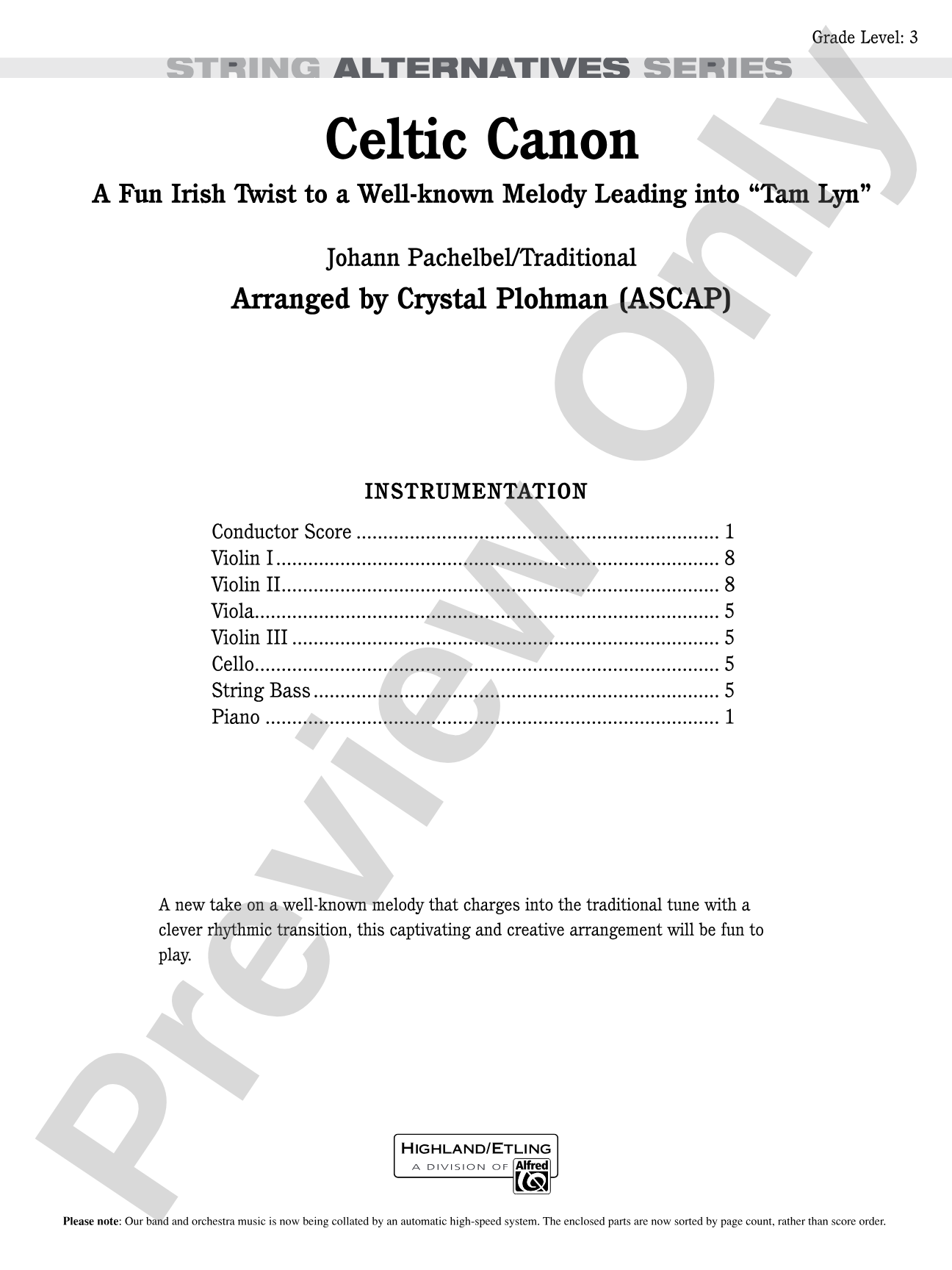
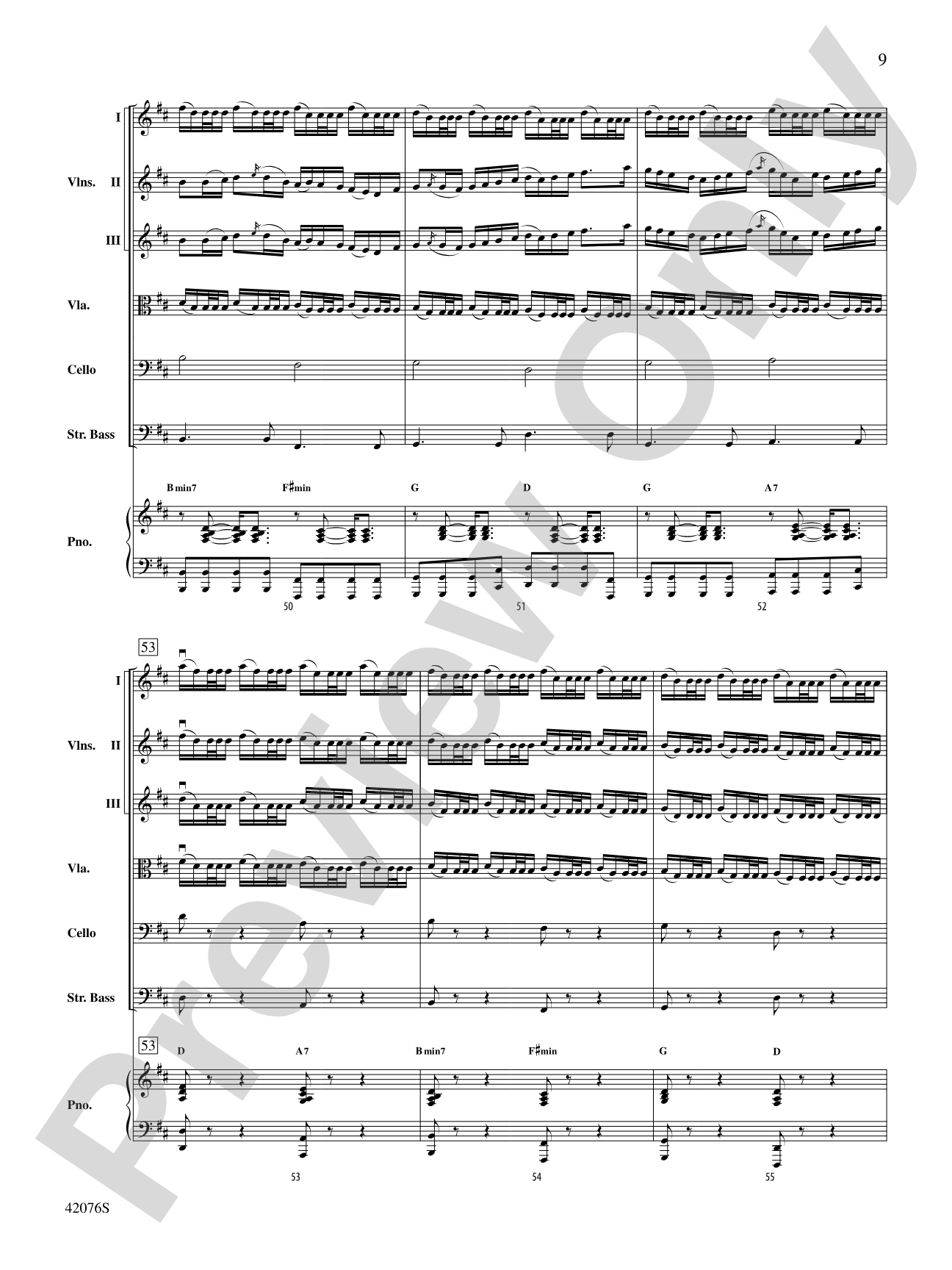
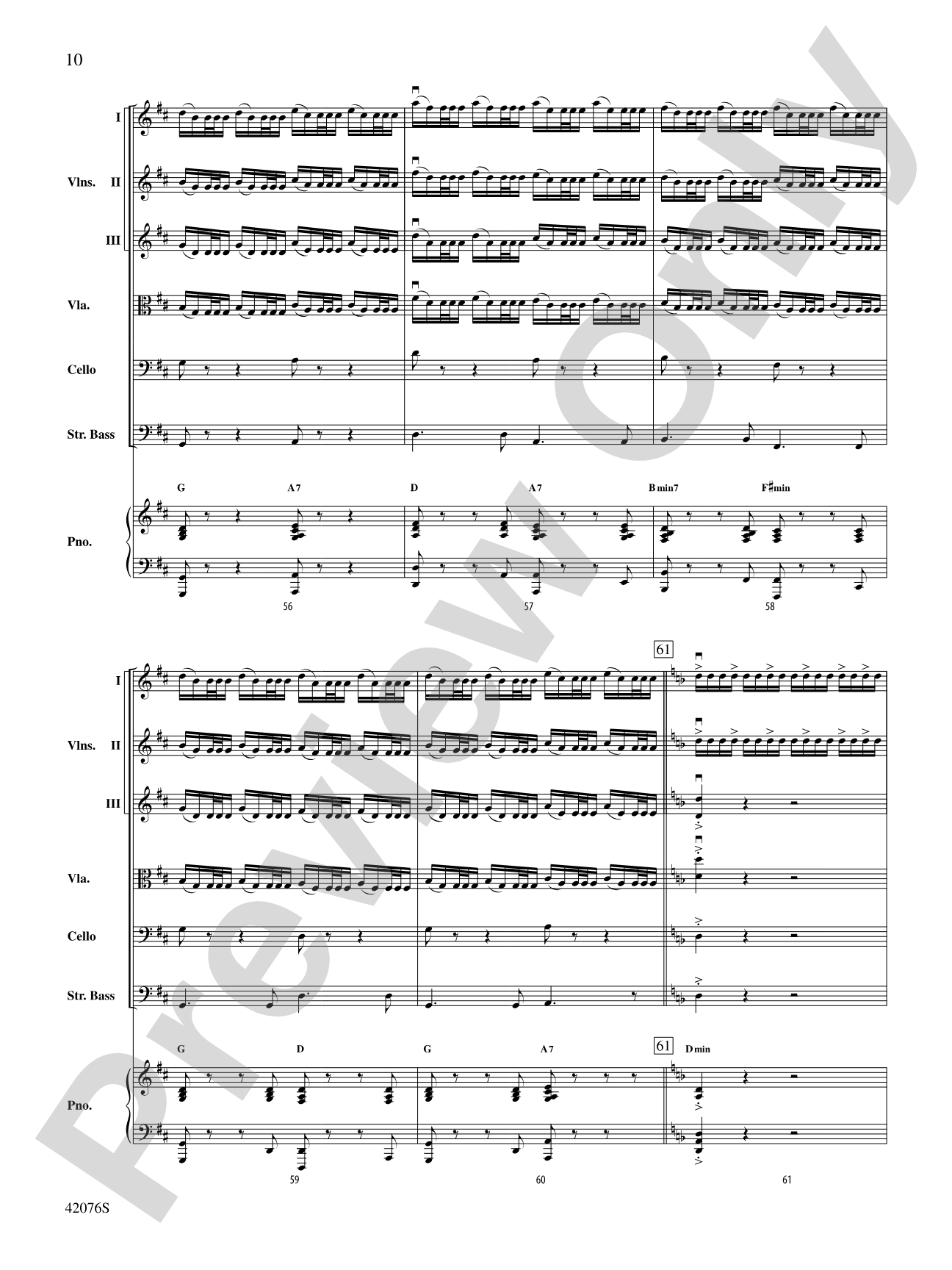
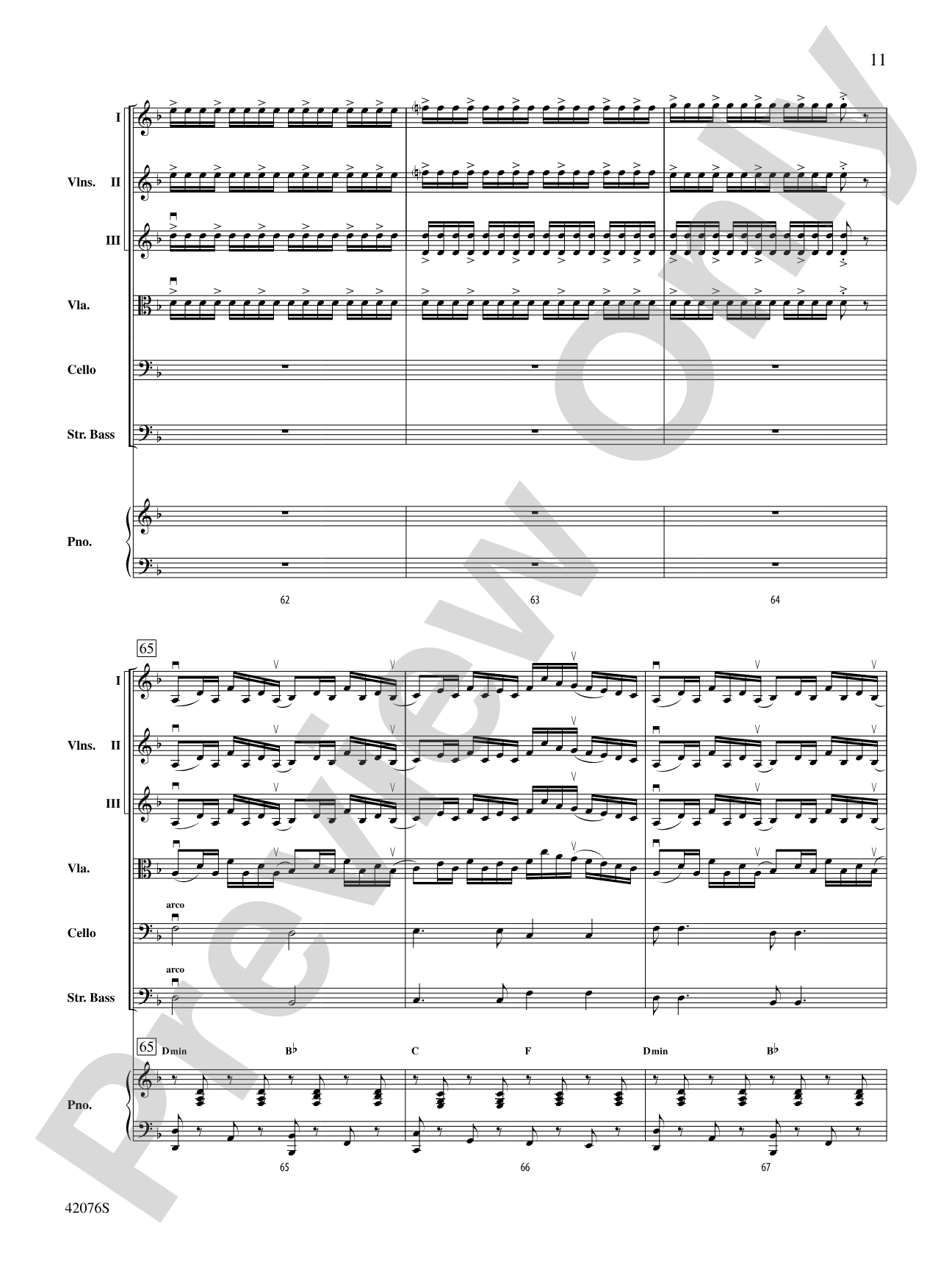
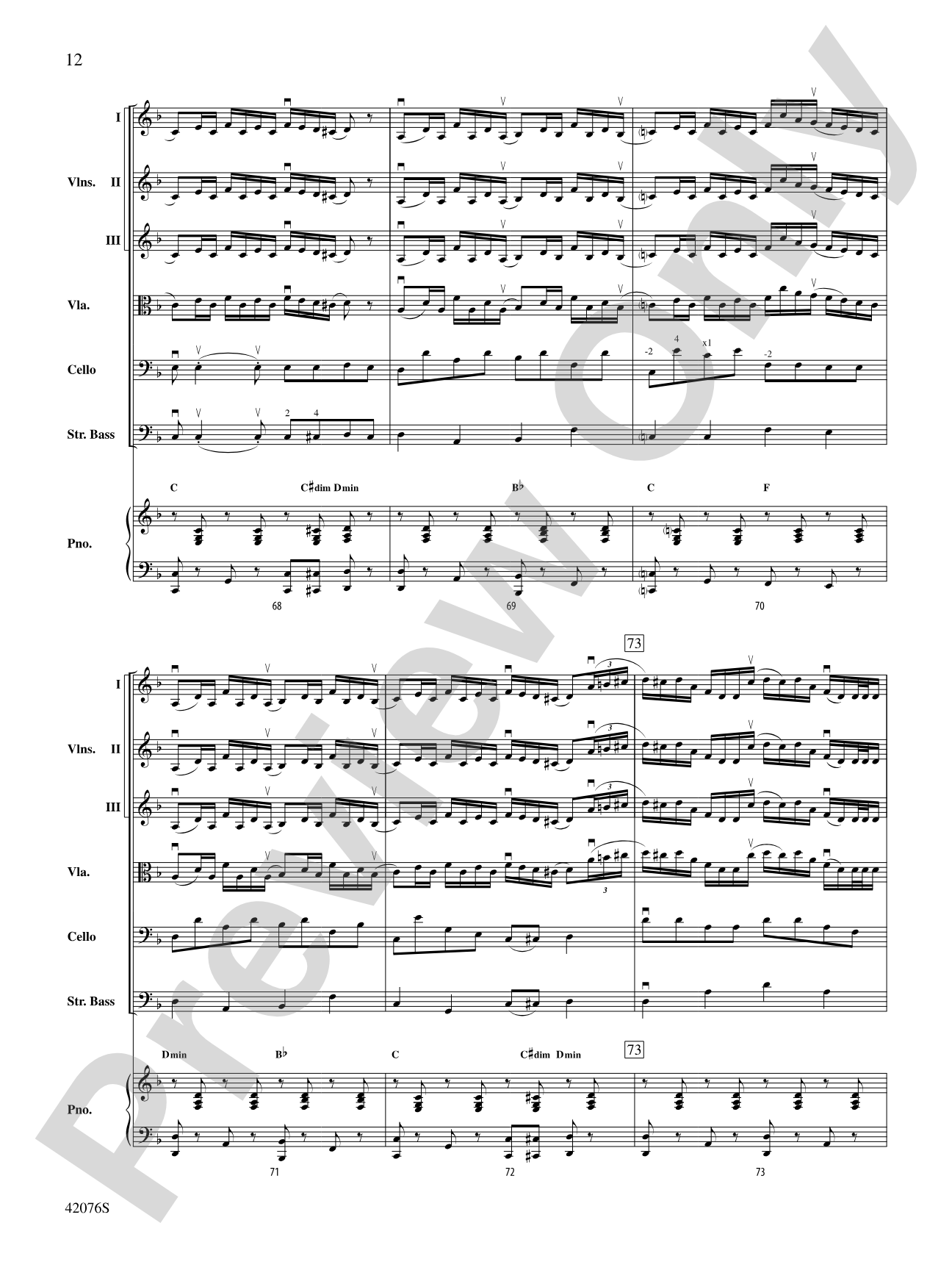
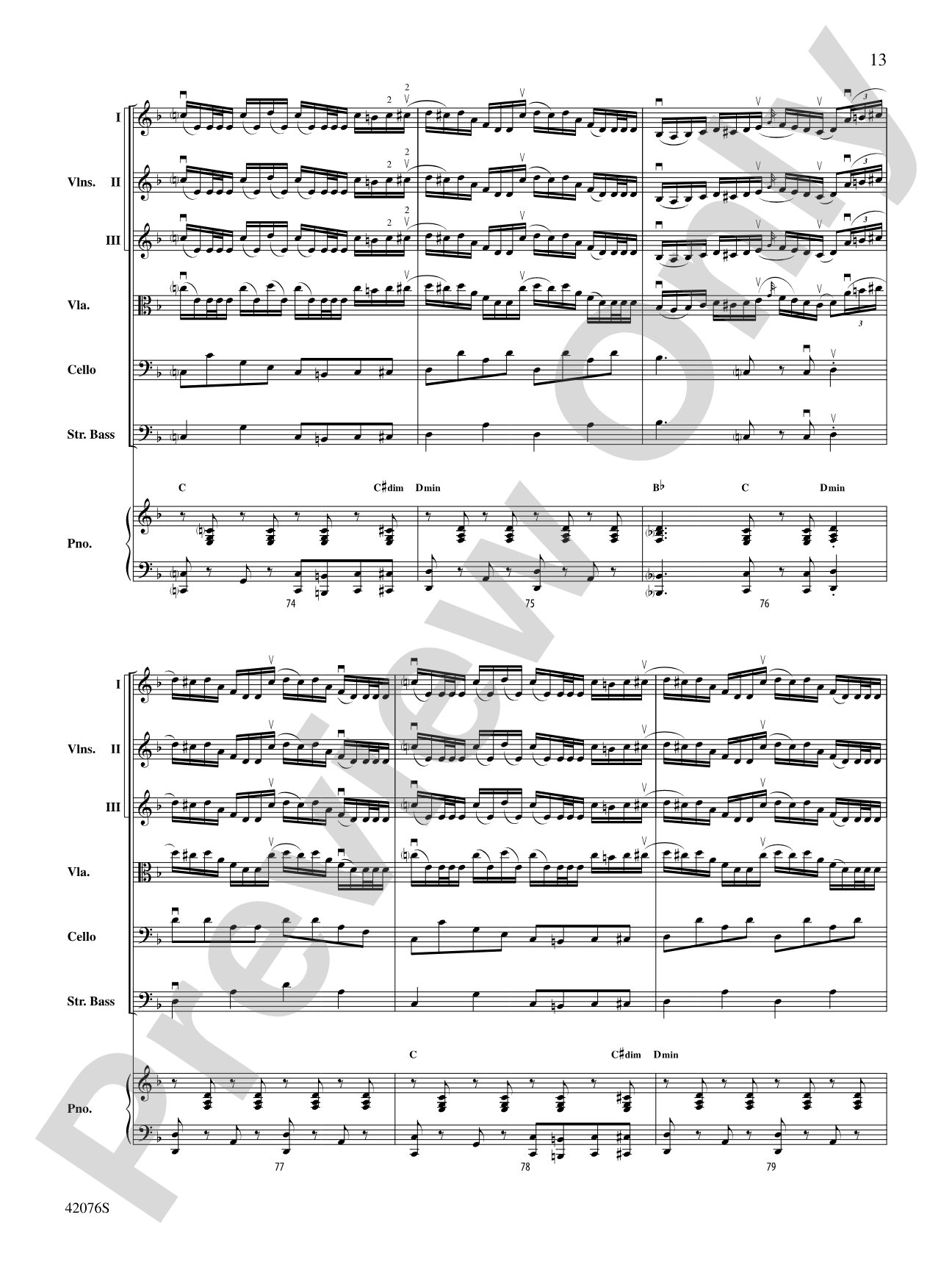
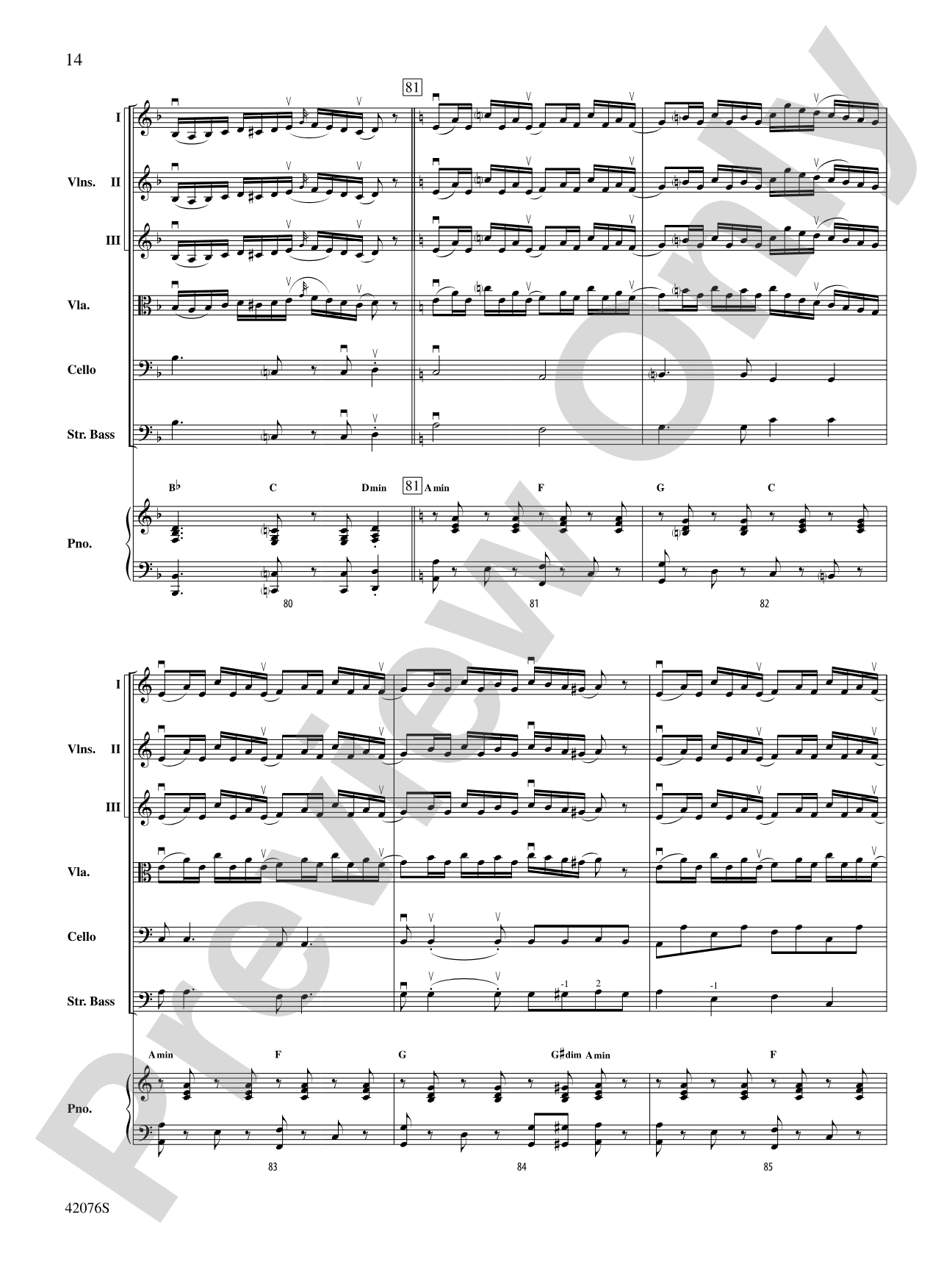
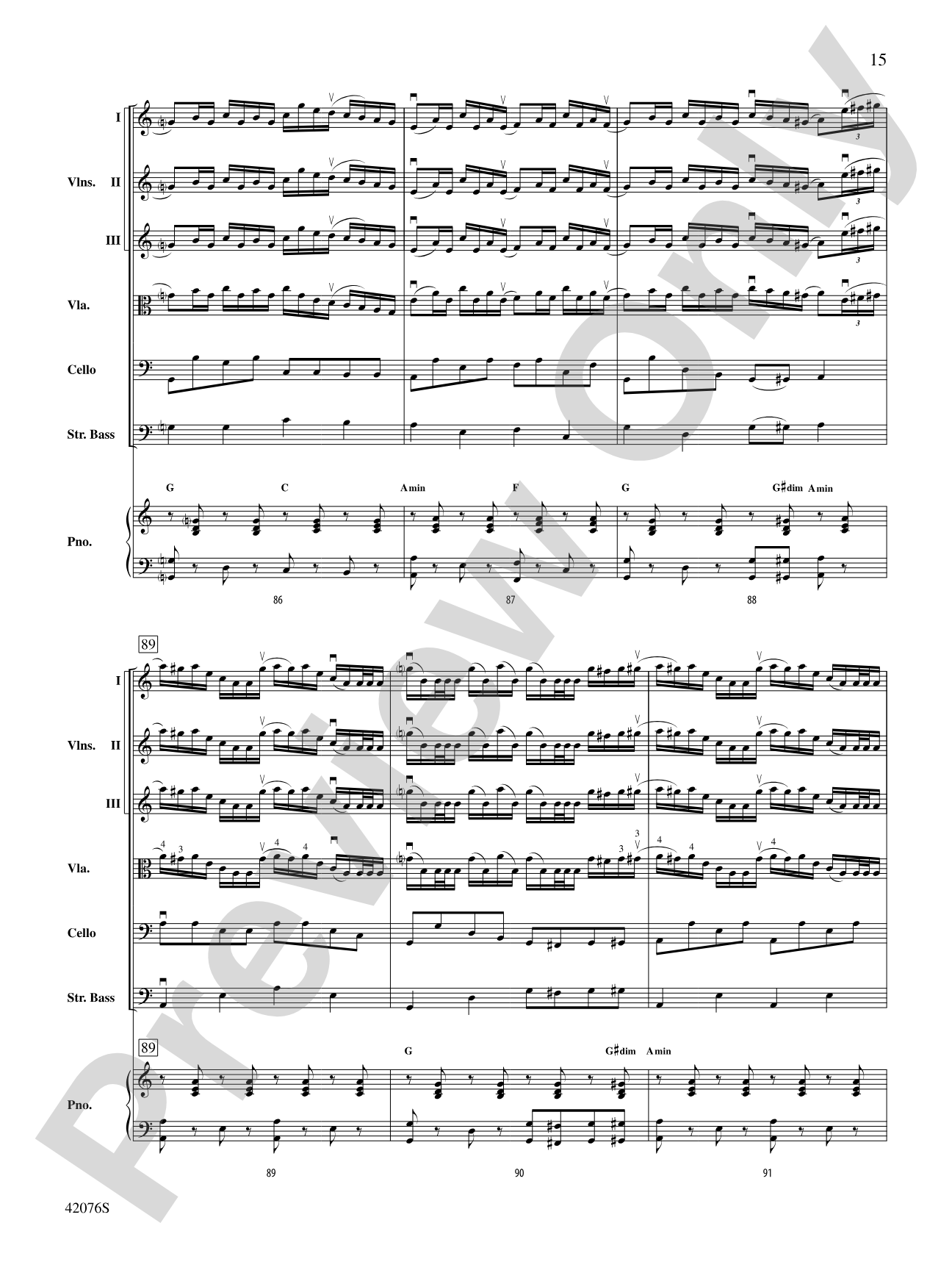
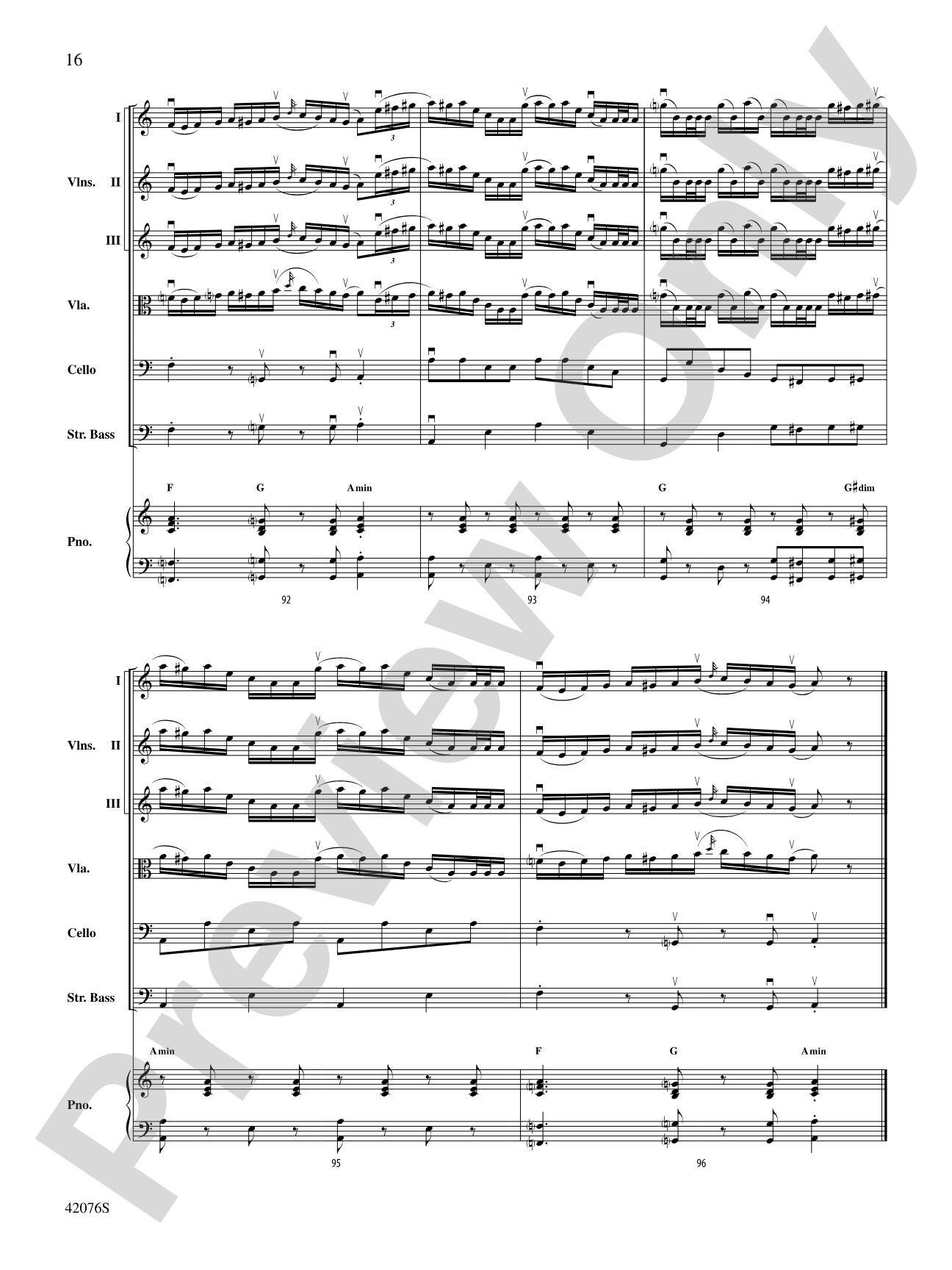

Celtic Canon: String Orchestra Conductor Score & Parts
A Fun Irish Twist to a Well-known Melody Leading into "Tam Lyn"
The music of Johann Pachelbel and Traditional / arr. Crystal Plohman
Grade: 3
Item: 00-PK-0006212

$56.00
Pickup currently not available
Buy Extra Parts (Digital PDF Download)
| Product | Price | Quantity |
|---|---|---|
| Celtic Canon: Score | $7.00 | |
| Celtic Canon: 1st Violin | $5.99 | |
| Celtic Canon: 2nd Violin | $5.99 | |
| Celtic Canon: 3rd Violin (Viola [TC]) | $5.99 | |
| Celtic Canon: Viola | $5.99 | |
| Celtic Canon: Cello | $5.99 | |
| Celtic Canon: String Bass | $5.99 | |
| Celtic Canon: Piano Accompaniment | $5.99 |
Parts Added to Cart!
Description
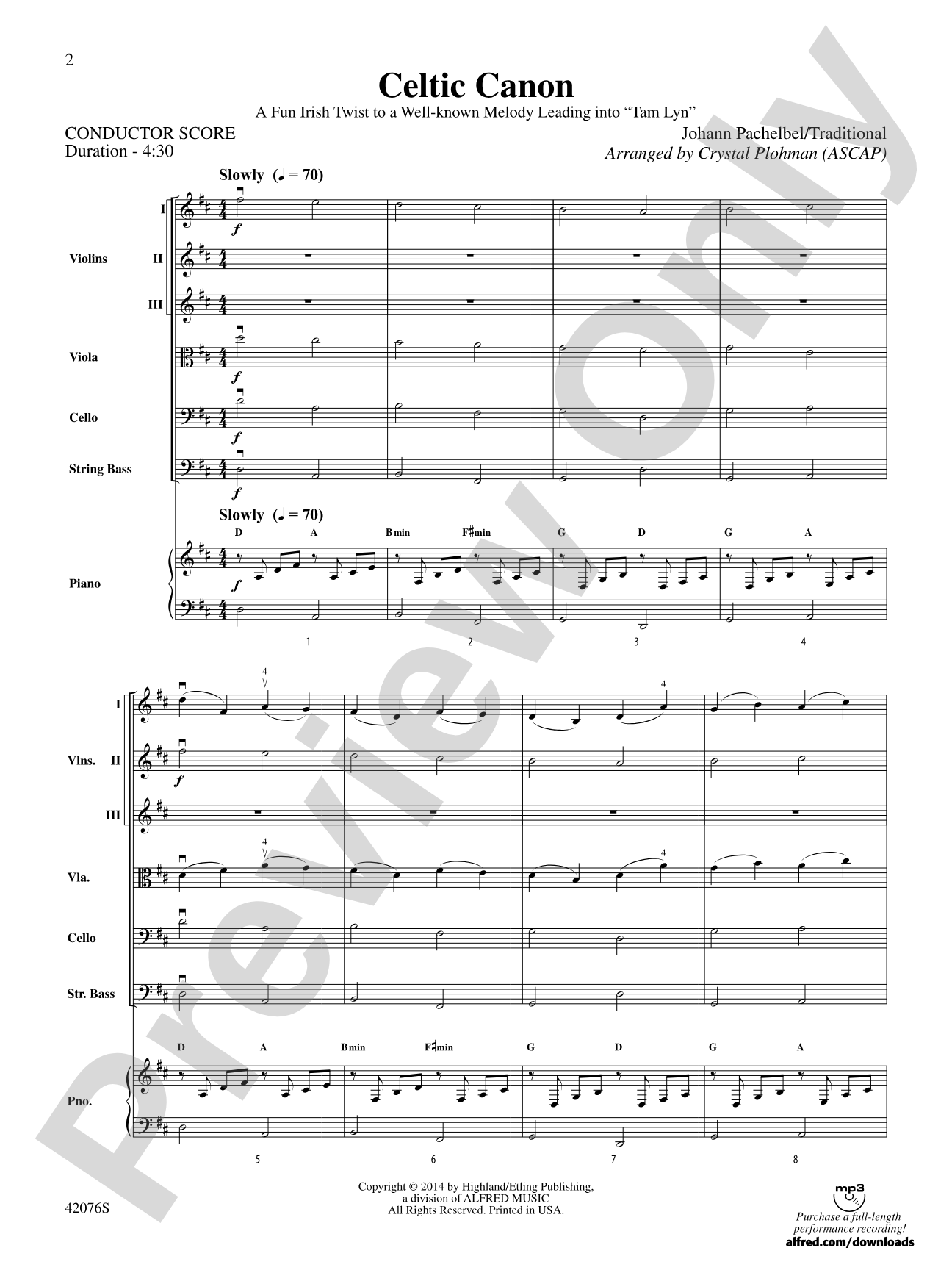
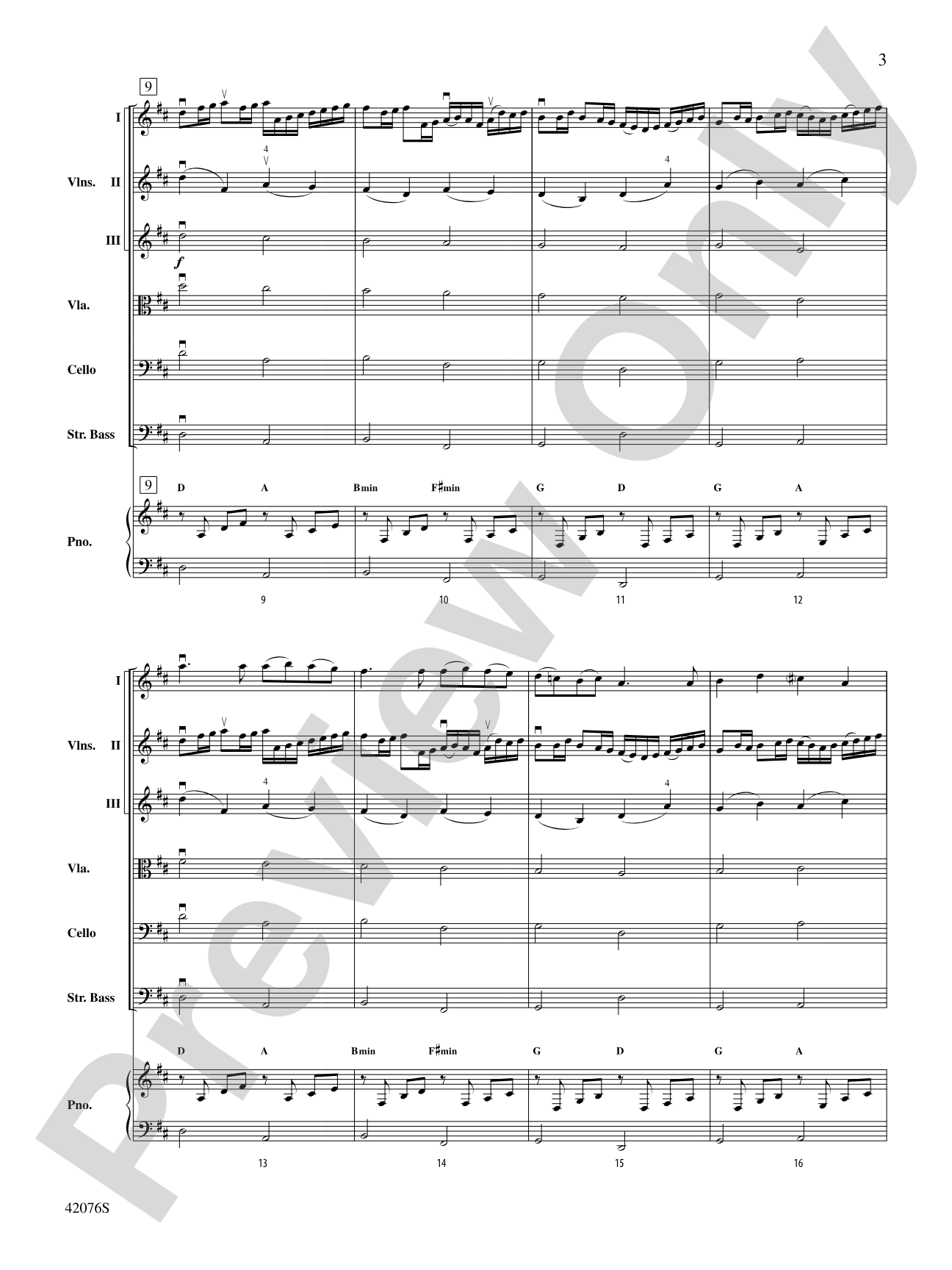
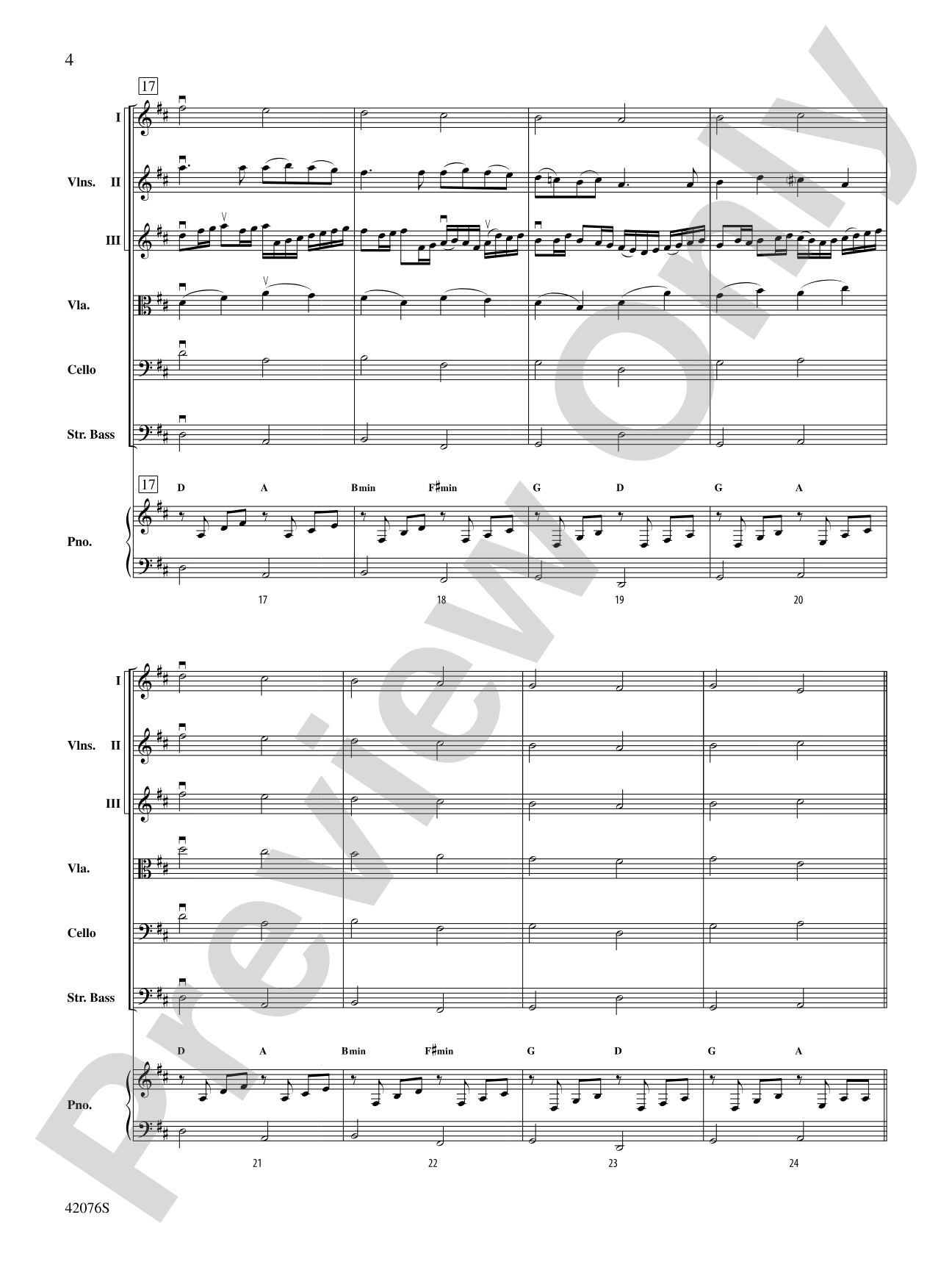
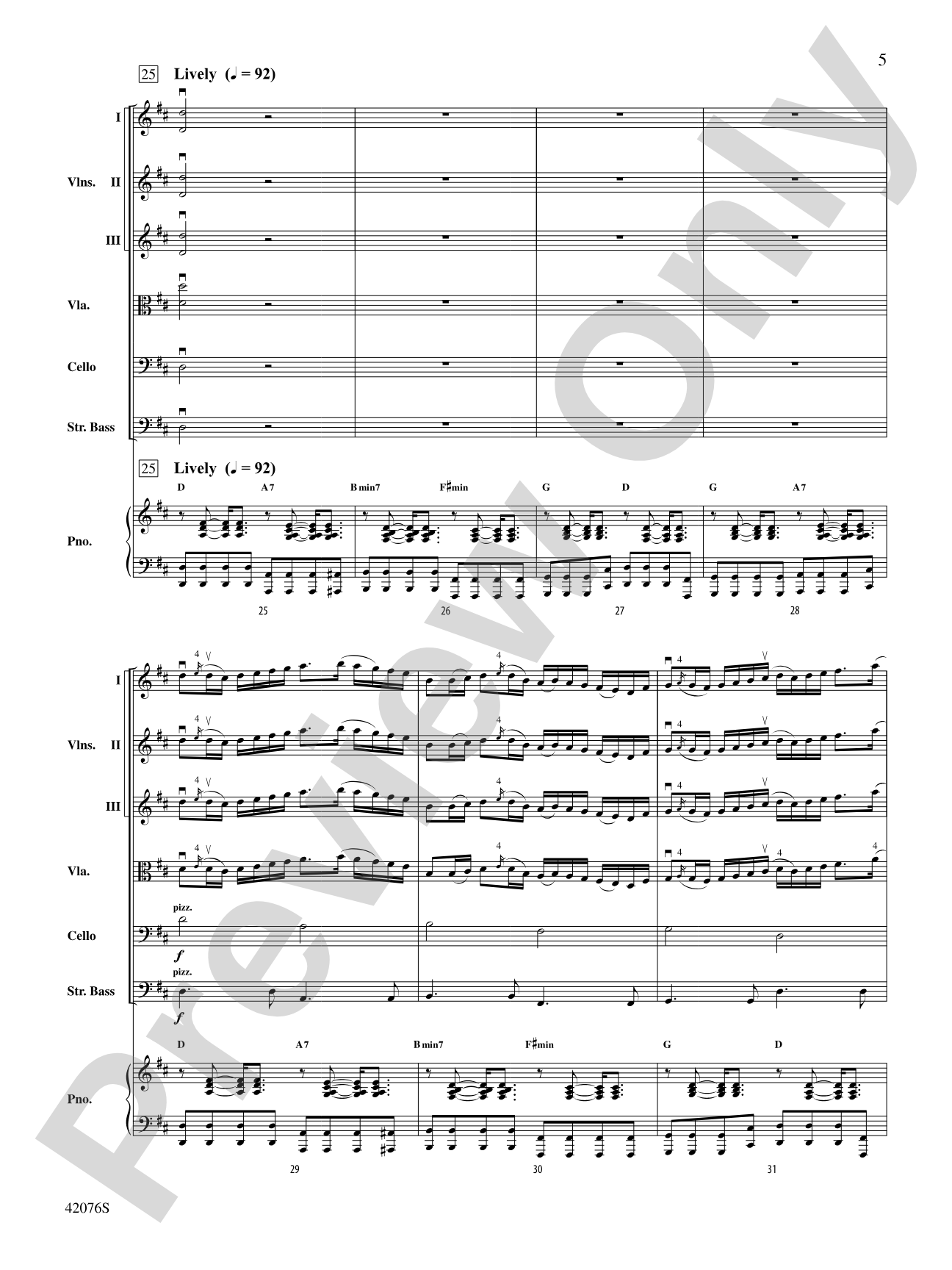
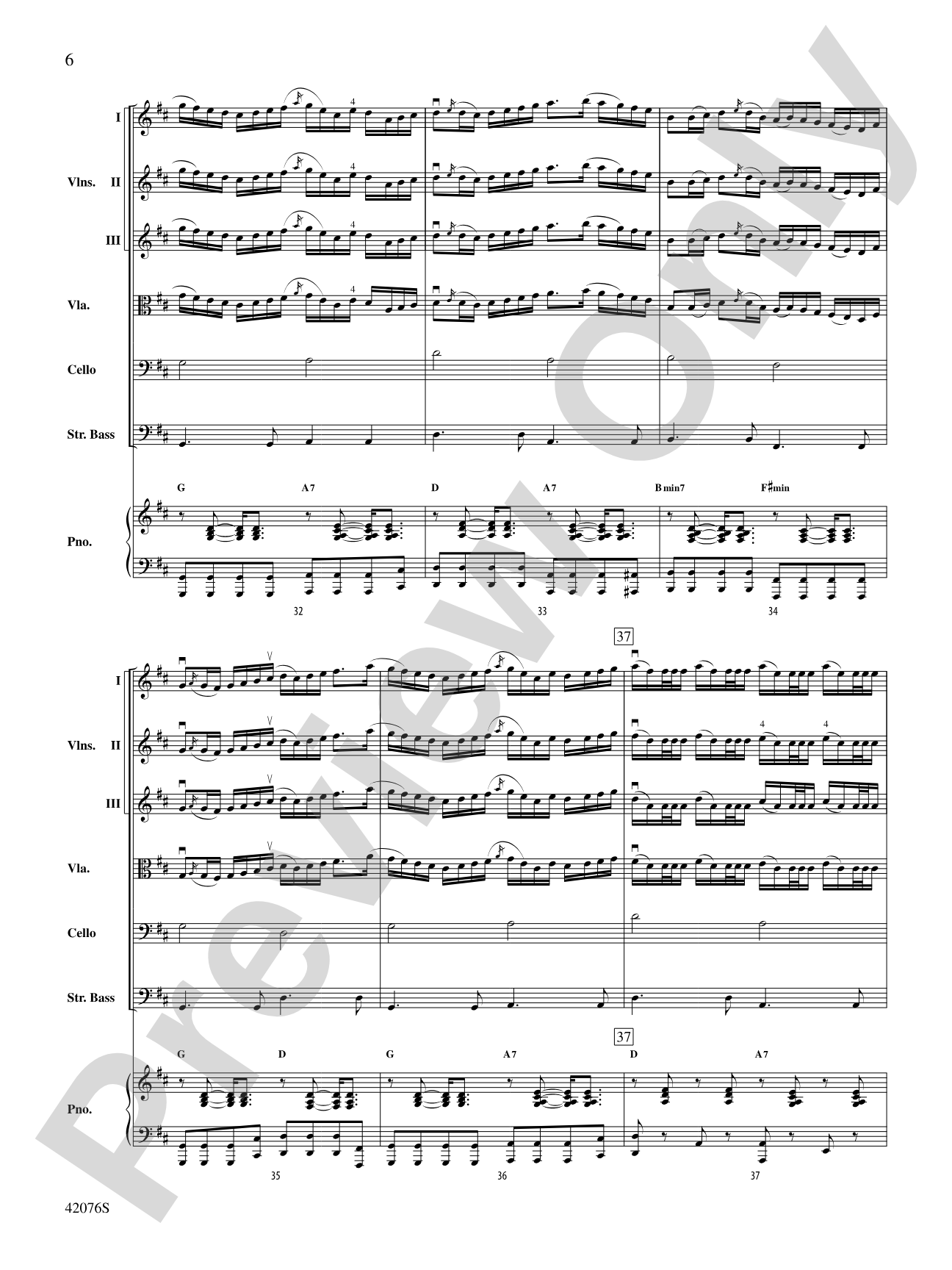
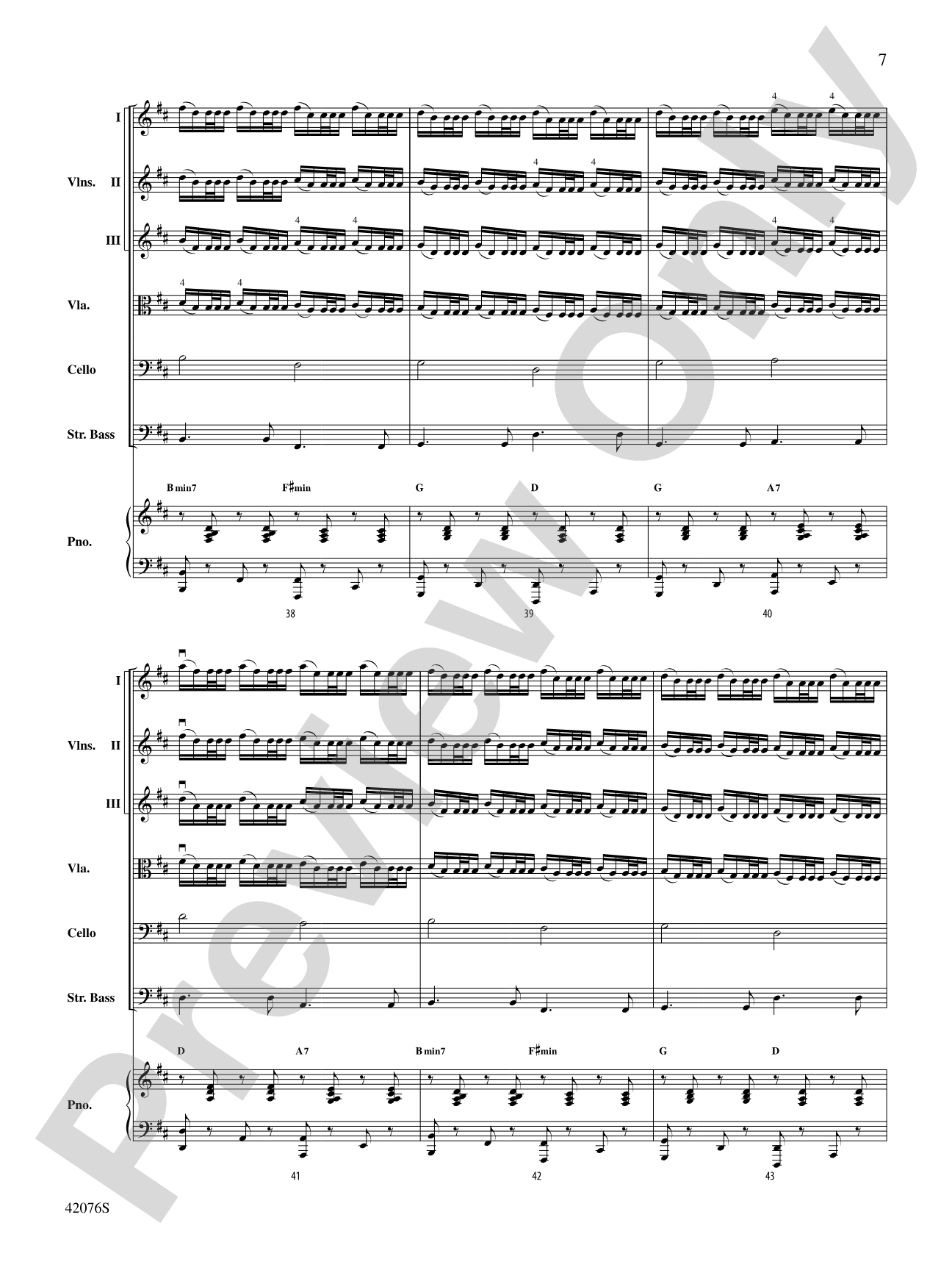
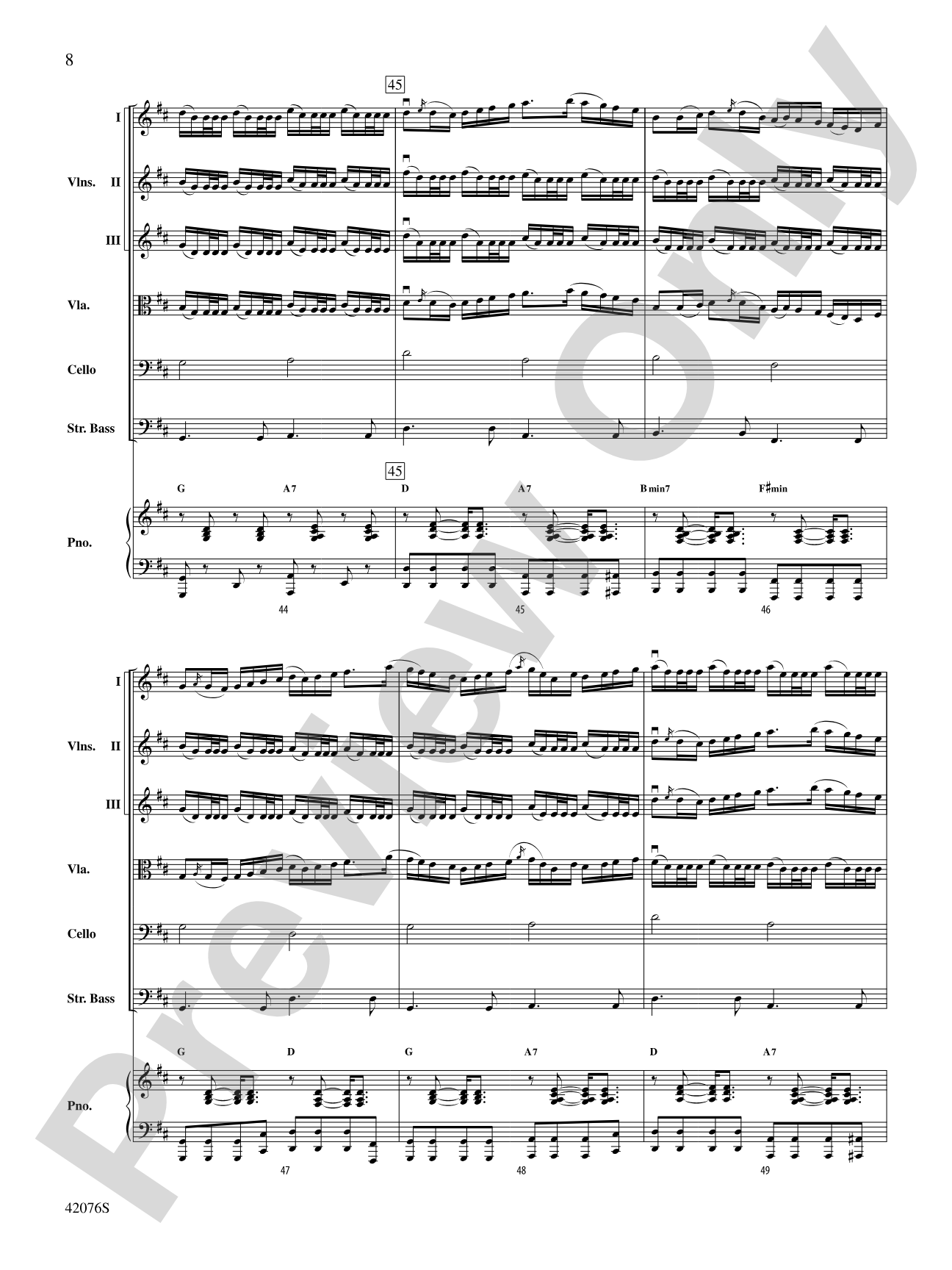
A new take on a well-known melody that charges into the traditional tune with a clever rhythmic transition, this captivating and creative arrangement will be fun to play. Includes 3 violin parts. (4:30) This title is available in MakeMusic Cloud.


Don't just read it, hear it, play along with it, and watch your students grow with it. In MakeMusic Cloud, Celtic Canon: String Orchestra Conductor Score & Parts comes alive with professional accompaniment, adjustable tempo, and built-in practice tools that turn solo practice into real progress.
Open in the Player
Jump straight in and assign it today.
Start Your Free Trial
Open this title and explore the full library in minutes.
Sample Audio
1
Audio File
--:--
0:00
0:00
Sample Video
No sample videos found.
Additional Details
Series:
Highland/Etling String Alternatives
Publisher:
Alfred Music
Page Count:
144
SKU:
00-PK-0006212
More about this title
About the Composer: Johann Pachelbel
Johann Pachelbel (1653-1706) was a German Baroque composer whose harmonic language and structural clarity made him one of the most influential keyboard and instrumental composers of his era. His Canon in D, with its distinctive progression of eight chords, has become one of the most recognized and frequently arranged melodies in Western music, appearing in countless styles from classical to contemporary settings.
Why we love this
Arranger Crystal Plohman transforms this ubiquitous melody into something fresh by applying a clever rhythmic twist that energizes the familiar progression without abandoning what makes the tune instantly recognizable. For conductors programming Grade 3 repertoire, this gives you a piece that connects with audiences through a beloved melody while still challenging your ensemble with creative arranging and rhythmic sophistication.
What to expect
The piece captures the meditative beauty of the original canon while injecting contemporary energy through its rhythmic reimagining. You get the best of both worlds: the harmonic sophistication your students recognize and the rhythmic freshness that keeps them engaged.
Who it's for
String orchestras at the Grade 3 level will find this arrangement approachable yet rewarding. It works well for ensembles ready to handle multiple violin parts with independent lines and to execute the kind of rhythmic precision that makes an arrangement truly sing.
How to get the most out of it
- Spend rehearsal time locking the rhythmic transition into the traditional tune; this pivot point is what makes the arrangement distinctive, so precision here pays off significantly.
- Balance the three violin parts carefully during the opening sections to let the harmonic progression sing through cleanly before the rhythmic energy shifts.
- Maintain articulation consistency across string sections during the rhythmic passages to keep the drive steady and unified.
- Take advantage of the recorded accompaniment available through MakeMusic Cloud to help your ensemble hear how the parts interlock during the arrangement's busier moments.
How to use it
This arrangement shines as a bridge between traditional repertoire and modern interpretations, making it ideal for a concert exploring "how composers reshape classical ideas." At 4 minutes 30 seconds, it fills a solid middle slot without demanding excessive rehearsal time for the stylistic payoff you'll achieve.
Skills your students will build
- Reading and executing rhythmic transitions between contrasting musical ideas
- Balancing independent violin lines while maintaining harmonic clarity
- Executing rhythmic precision in syncopated passages
- Understanding how arranger choices can refresh familiar melodies
- Sustaining ensemble cohesion through style shifts within a single piece