Cello Squadron Cover Image

Cello Squadron: String Orchestra Conductor Score & Parts

$50.00 USD
Sale price  $50.00 USD Regular price 
Skip to product information
Cello Squadron Cover Image

Cello Squadron: String Orchestra Conductor Score & Parts

Cello Section Feature

By Richard Meyer

Grade: 2

Item: 00-31585

makemusic Cloud badge

Need it now?

Buy Digital Version
$50.00
Shipped

One moment…

Description
Listen closely and you'll hear them coming . . . it's the "Cello Squadron" to the rescue! This fun and exciting section feature has it all---roaring airplane engines (on cello C strings of course!), "dive-bombing" glissandos, and a heroic main theme based on Wagner's famous "Ride of the Valkyries." Designed to give everyone in the orchestra a chance to learn and practice their triplet rhythms, this piece is sure to spark the imagination of all of your students. Correlates with String Explorer Book Two, unit 5. This title is available in MakeMusic Cloud.

Don't just read it, hear it, play along with it, and watch your students grow with it. In MakeMusic Cloud, Cello Squadron: String Orchestra Conductor Score & Parts comes alive with professional accompaniment, adjustable tempo, and built-in practice tools that turn solo practice into real progress.

Sample Pages

Sample Audio
0:00
0:00
Sample Video
Additional Details
Series: Highland/Etling String Explorer
Publisher: Alfred Music
Page Count: 140
ISBN10: 1-4706-5705-8
ISBN13: 978-1-4706-5705-5
UPC: 038081352862
SKU: 00-31585

More about this title

About the Composer: Richard Meyer
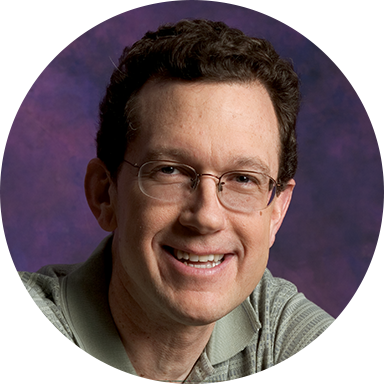
Richard Meyer

Richard Meyer brings three decades of string teaching experience to his work as a composer and clinician. He transformed the orchestra program at Oak Avenue Intermediate School in Temple City, California, growing it from 29 students to 200 over his 22 years there, while simultaneously directing the city's elementary string initiative. His "Giving Bach" program, launched in 2009, has earned national recognition for using interactive concerts to reach special needs and underserved students across Southern California.

Beyond the classroom, Meyer has guest-conducted All-State orchestras in multiple states, led the Pasadena Youth Symphony Orchestra for 16 years on international tours, and presented clinics at major conferences including the A.S.T.A. National Conference and Ohio State University's string workshops. As a composer, he has published over 190 works and arrangements. He served as string editor for Alfred Publishing Company for 16 years and co-authored the String Explorer Series, which has become a standard resource in school string programs.

Why we love this

Meyer understands what middle school students need to hear and play. This piece layers learning objectives with genuine entertainment value; the triplet-rhythm focus never feels like a drill because the musical storytelling (those cello engine roars and Wagner-inspired heroics) keeps everyone engaged and imagining the action. It's the kind of section feature that makes students excited to come to rehearsal.

What to expect

Playful energy mixed with genuine heroic adventure. The roaring engines and dive-bombing glissandos create vivid imagery that sparks student imagination, while the Wagner-derived melody gives the piece a sense of forward momentum and stakes. It's lighthearted without being silly, exciting without being overwhelming.

Who it's for

String orchestra students in grades 2-3 who are ready to tackle rhythmic variety without stepping into advanced territory. This piece works equally well as a full-orchestra feature or as a showcase for your cello and bass sections while other students provide accompaniment.

How to get the most out of it

  • Isolate the cello C-string "engine" sounds in sectionals first. Once cellos own that effect, the full section ensemble will land the rhythmic foundation the piece needs.
  • Mark the triplet subdivisions clearly in all parts during rehearsal; use a metronome at a slow tempo to lock the rhythm across the full orchestra before building speed.
  • Shape the glissandos as intentional musical gestures, not accidents. They deserve the same attention as the melodic lines so the piece feels orchestrated rather than chaotic.
  • Let the Wagner theme breathe as it emerges. The heroic payoff lands harder when you don't rush the buildup.

How to use it

Program this as a concert opener or mid-concert lift; its novelty factor and short running time make it ideal for family concerts or school assemblies where you want to capture audience attention immediately. It pairs well with more traditional string repertoire on the same program, offering contrast and fun.

Skills your students will build

  • Triplet rhythm accuracy in ensemble context
  • Cello C-string independence and section cohesion
  • Glissando technique and control
  • Reading and executing rhythmic variation across multiple parts simultaneously

You May Also Like
