
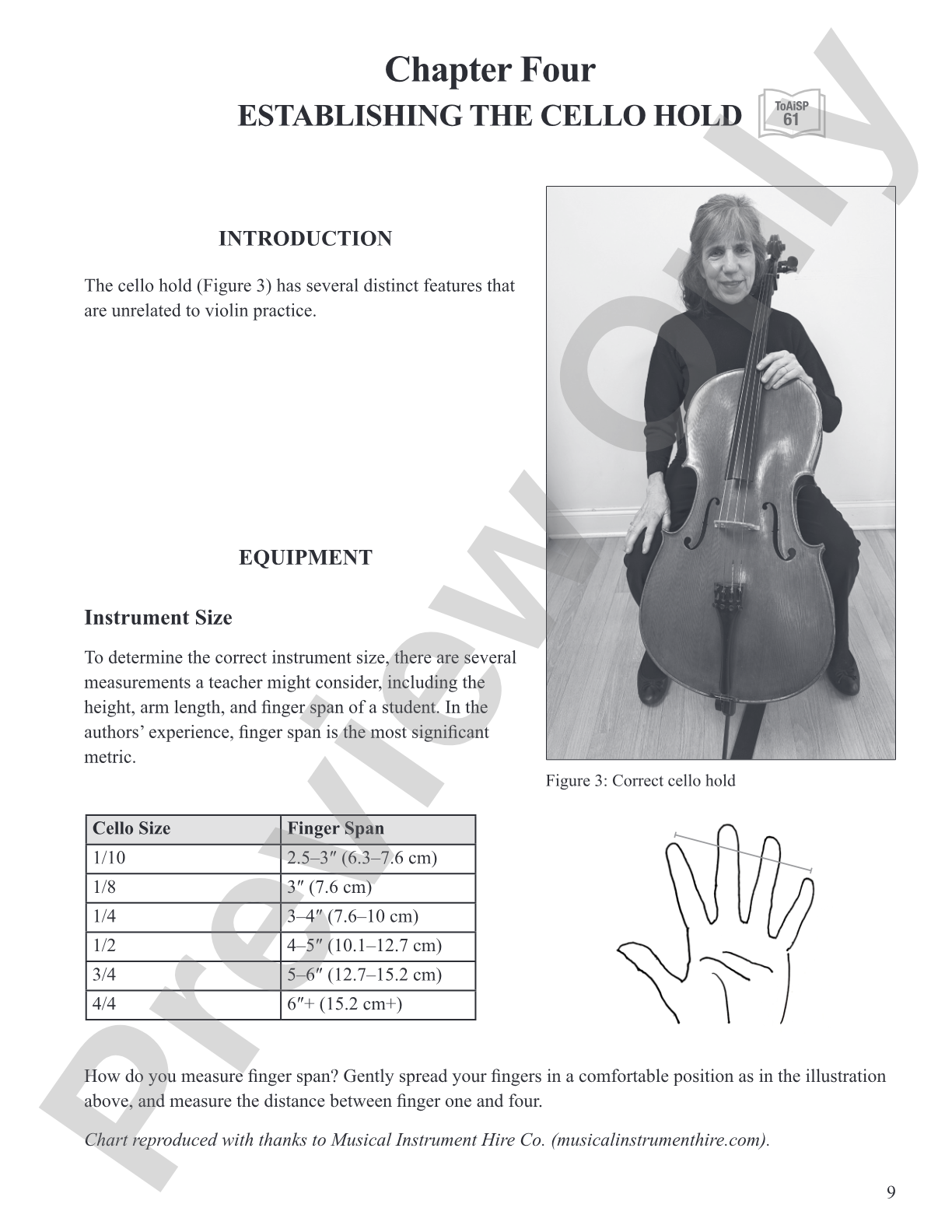
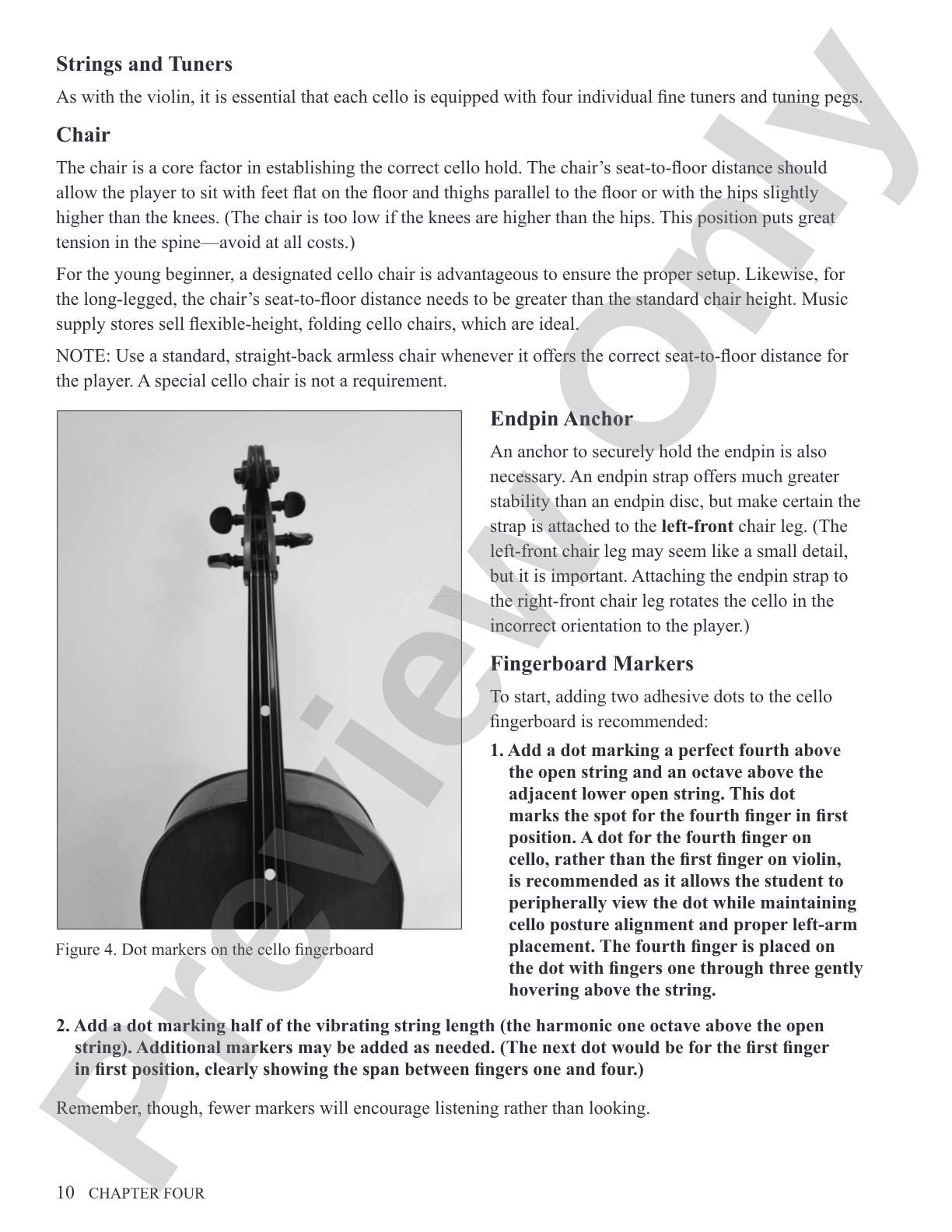
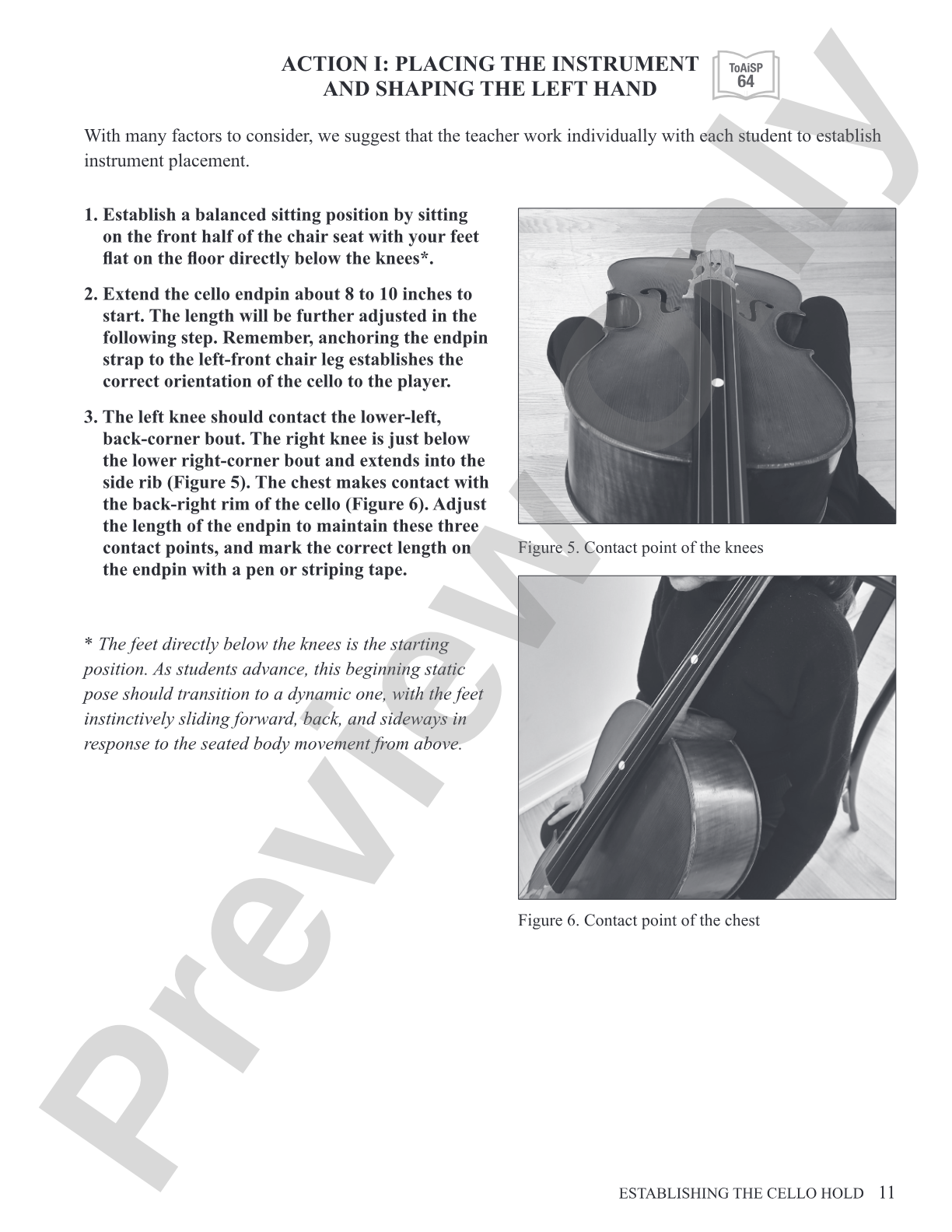
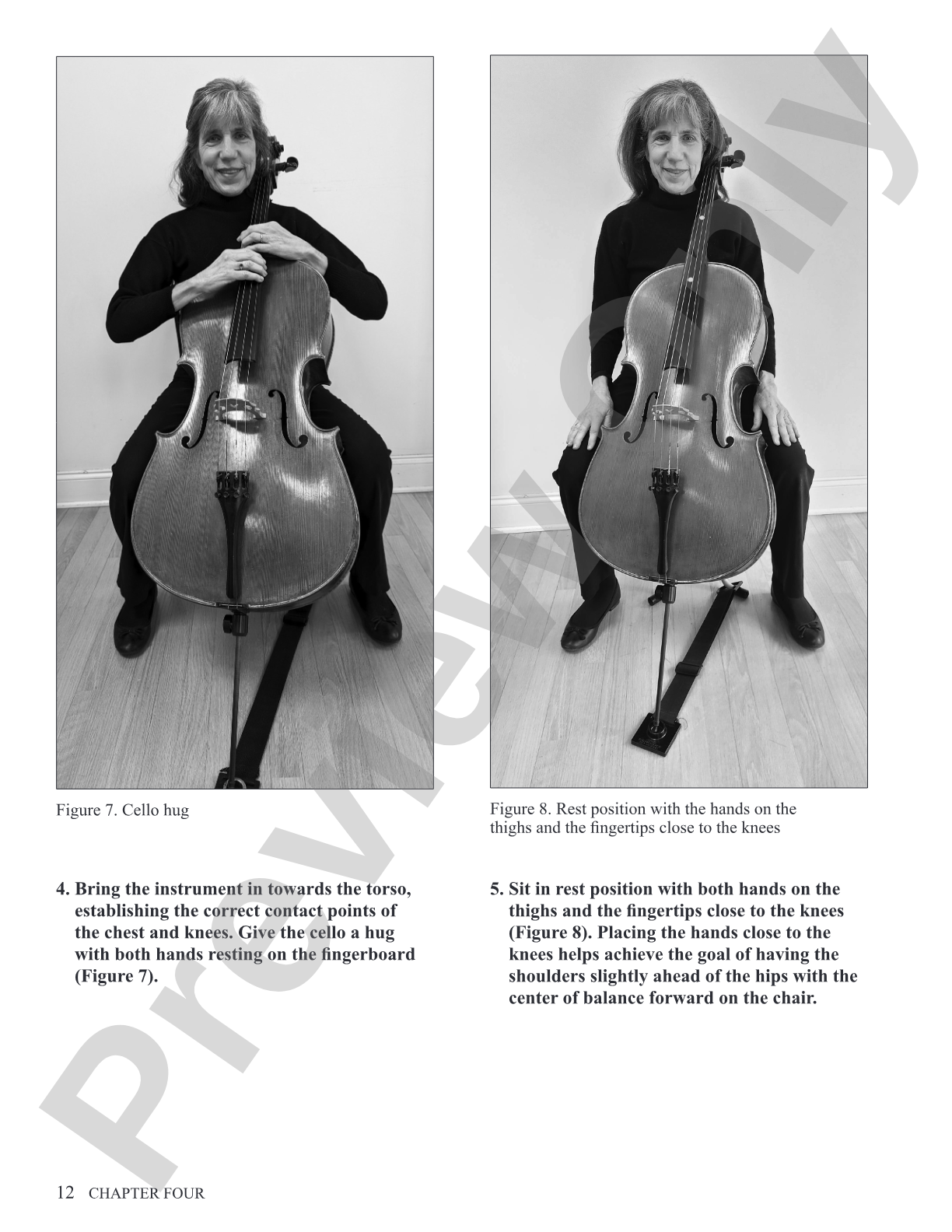

Cello Companion: to Paul Rolland's The Teaching of Action in String Playing
to Paul Rolland's The Teaching of Action in String Playing
By Ida Mercer and Joanne Erwin
Item: 98-PB-0000003
$34.99
Pickup currently not available
Related Items
Cello Companion: Cello Book |
$34.99
|
View |
Description
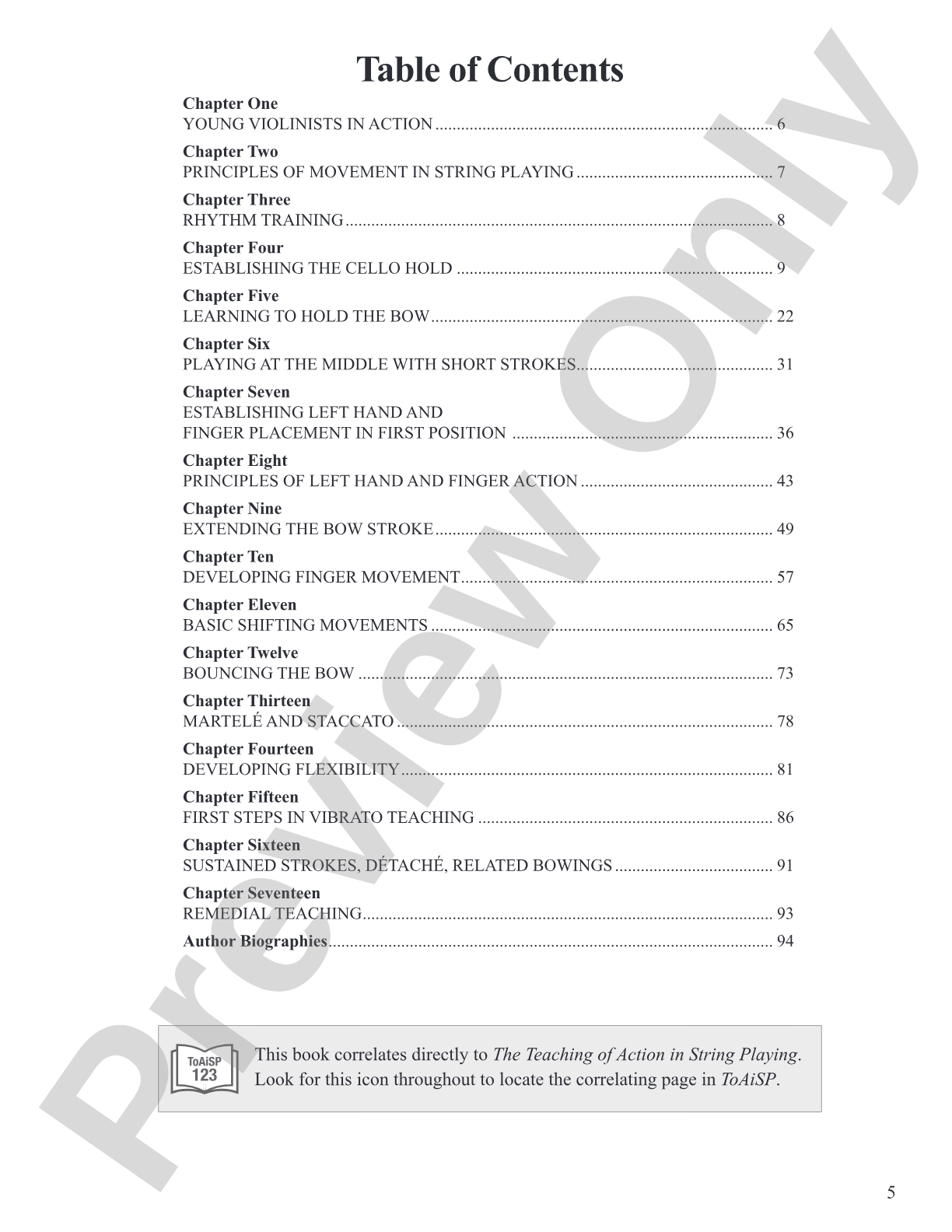
As Rolland was a violinist, his seminal work was written from that instrument's perspective. His intent to publish a cello companion book was never realized, due to his untimely death. Ida Mercer and Joanne Erwin, who both studied with Rolland at the University of Illinois in the 1970s, bring decades of teaching and performing experience to Rolland's visionary work on the relationship of physical movements to the effective playing of string instruments. This work is equally useful in schools, private studios, and one's personal practice.


Cello Companion: to Paul Rolland's The Teaching of Action in String Playing isn't in MakeMusic Cloud just yet...but it could be. Let us know you'd like to see it, and you'll help shape what comes next. In the meantime, start a free trial and dive into thousands of interactive titles your students can play along with today.
Request This Title
Tell us you want it.
Start Your Free Trial
Explore everything that's ready to play right now.
Sample Audio
No sample audio found.
Sample Video
No sample videos found.
Additional Details
Publisher:
ASTA Publications
Page Count:
96
SKU:
98-PB-0000003
More about this title
About the Composer: Ida Mercer
Ida Mercer studied cello with Paul Rolland at the University of Illinois during the 1970s, absorbing his groundbreaking approach to string pedagogy rooted in efficient physical mechanics. She has spent decades applying and refining Rolland's principles in her own teaching and performing career, making her uniquely positioned to translate his violin-centered work for cellists.
Joanne Erwin, also a student of Rolland at Illinois, brings parallel experience as both educator and performer. Together, Mercer and Erwin realized Rolland's long-held vision to create a cello-specific companion to his influential text, honoring his legacy while addressing what cellists actually need to understand about how their bodies should move to produce effective sound.
Why we love this
This fills a 50-year gap that Rolland himself intended to close. Rather than asking cellists to translate violin principles, Mercer and Erwin ground Rolland's revolutionary thinking about movement and sound production directly in cello technique, making his work immediately applicable to your studio or school program without the guesswork of adaptation.
What to expect
Reading this feels like finally having access to the instruction you were always meant to receive. Rolland's insights into how the body moves to create sound are liberating rather than prescriptive; they explain why efficient technique feels easier and produces fuller tone, making the work feel less like rules to follow and more like understanding your own instrument.
Who it's for
Cellists at all levels benefit from this work, whether you're a private studio teacher seeking deeper biomechanical understanding, a school orchestra director working with string players, or a serious amateur or pre-professional cellist wanting to ground your technique in proven principles. The book serves equally well as individual study or as reference material for group instruction.
How to get the most out of it
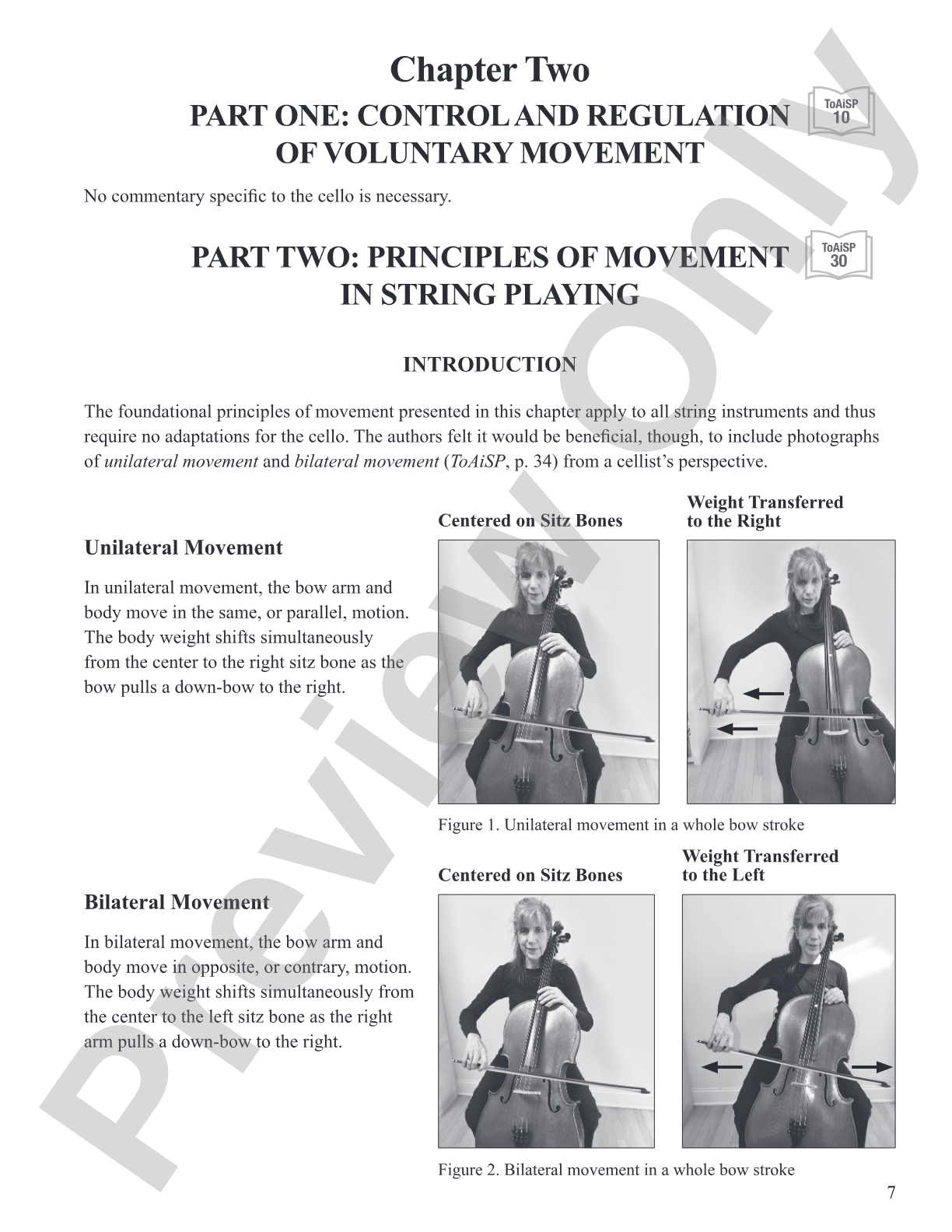
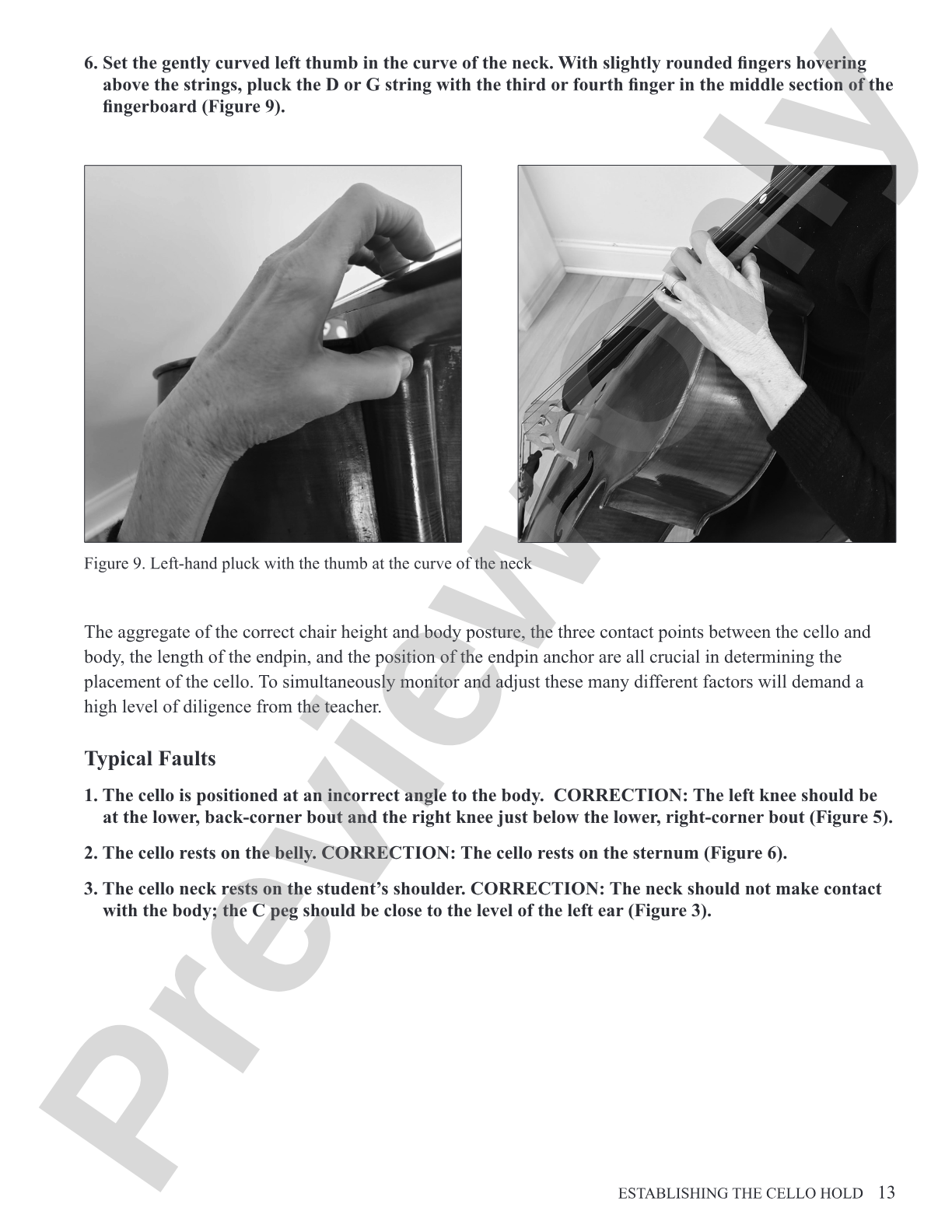
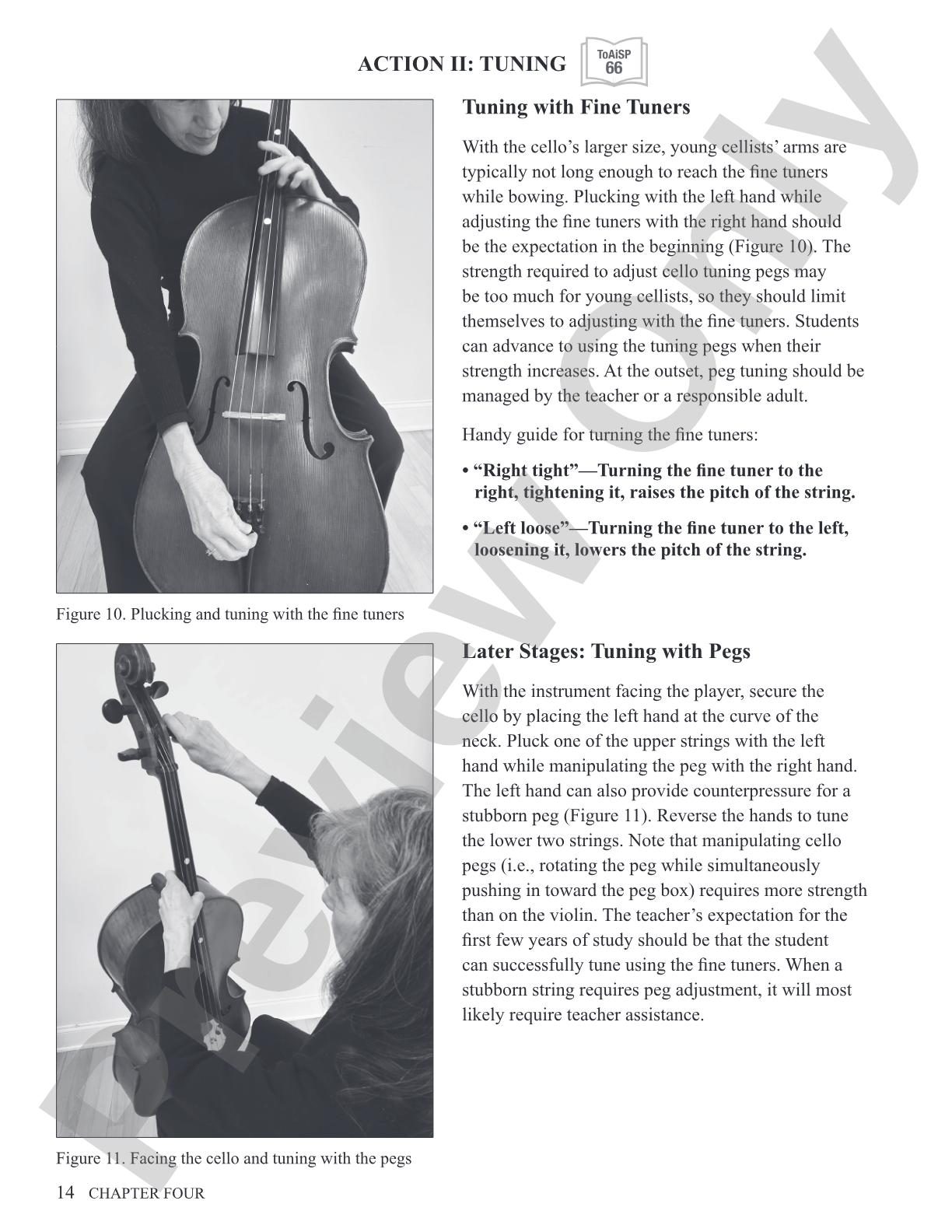
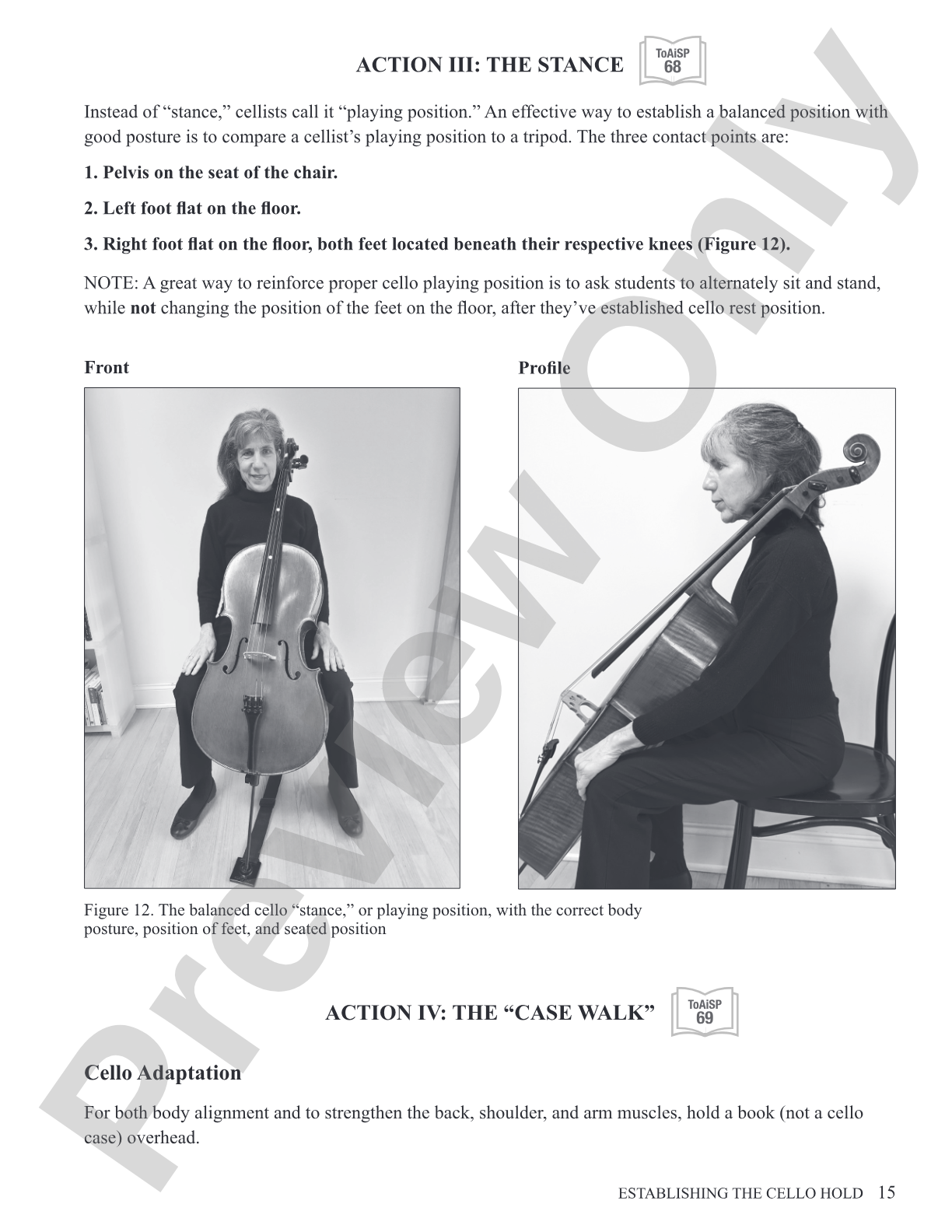
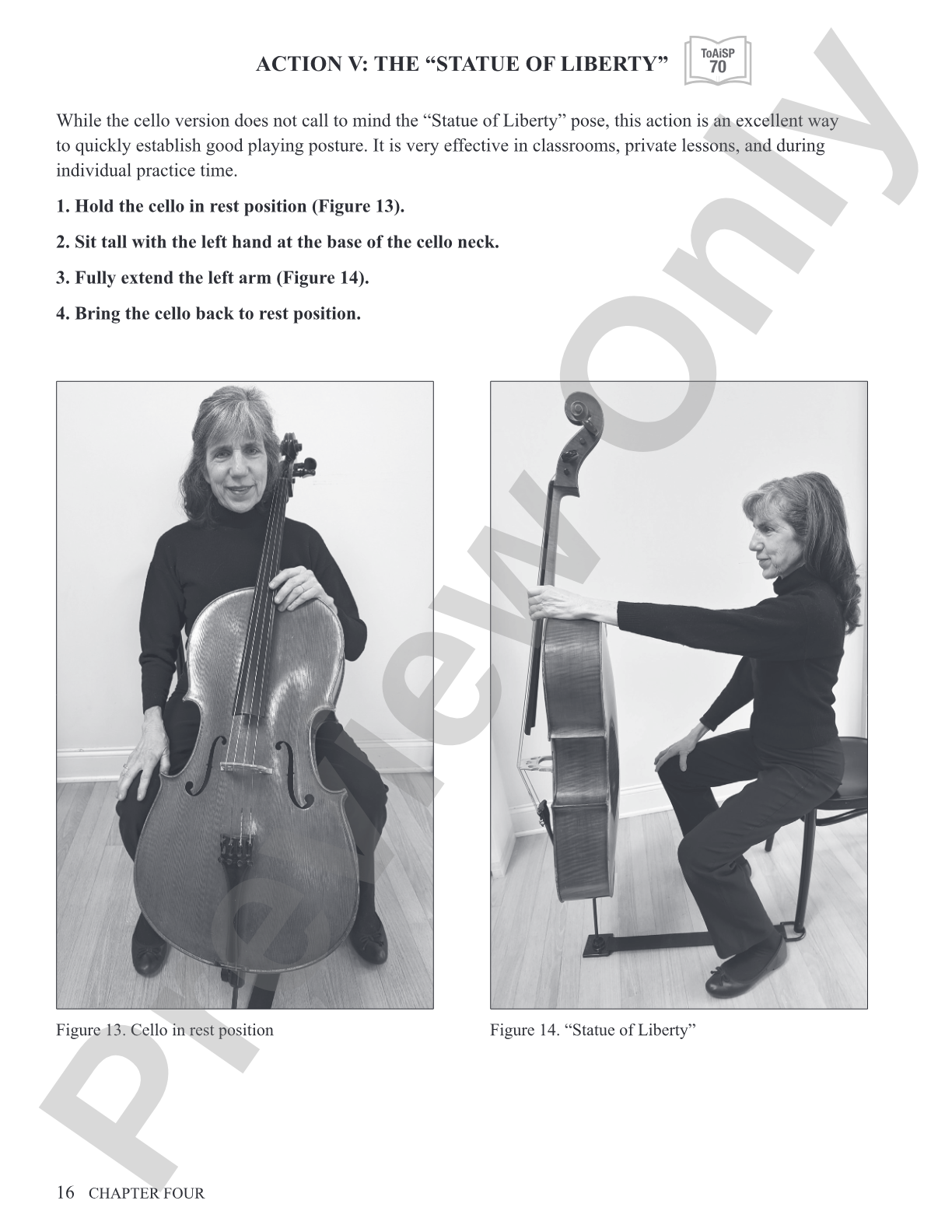
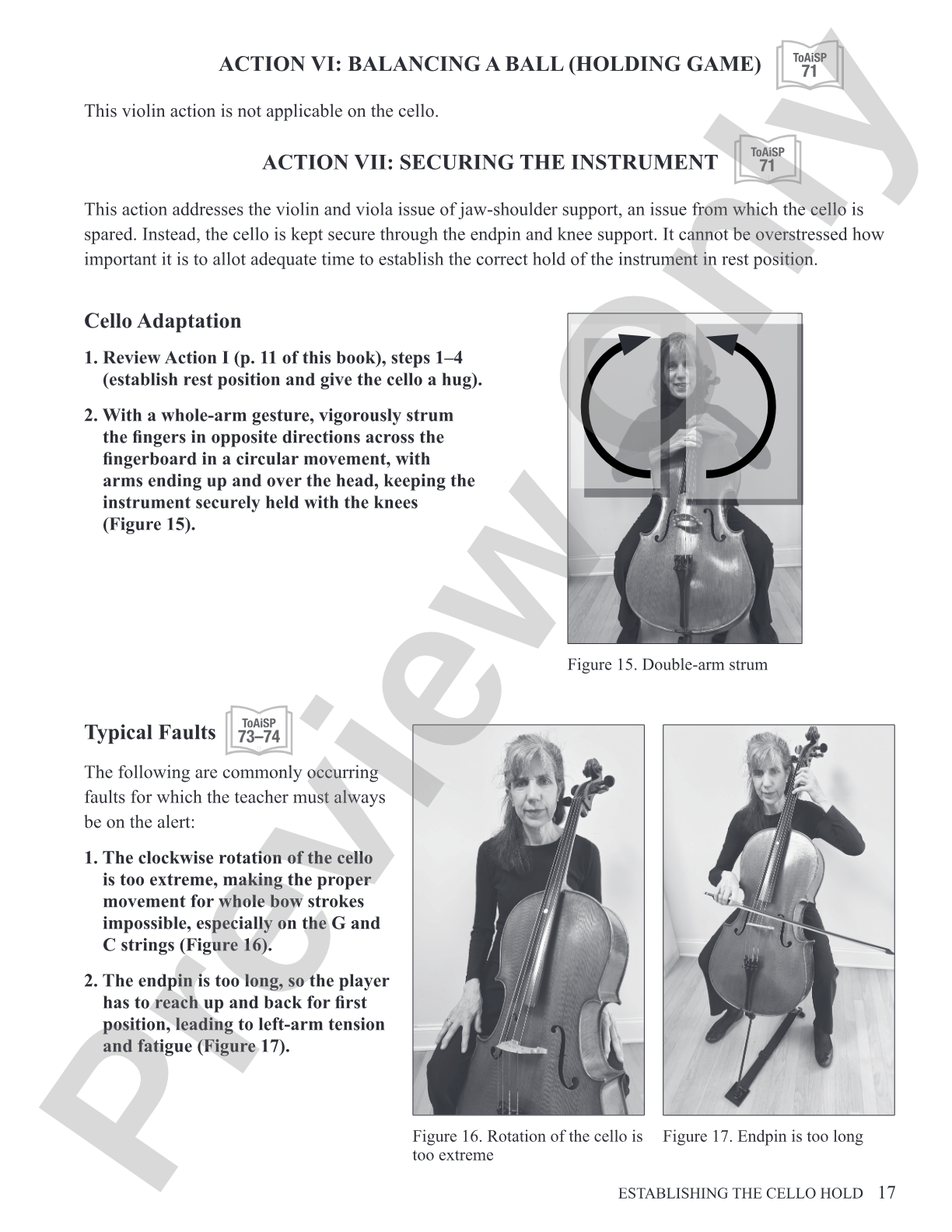
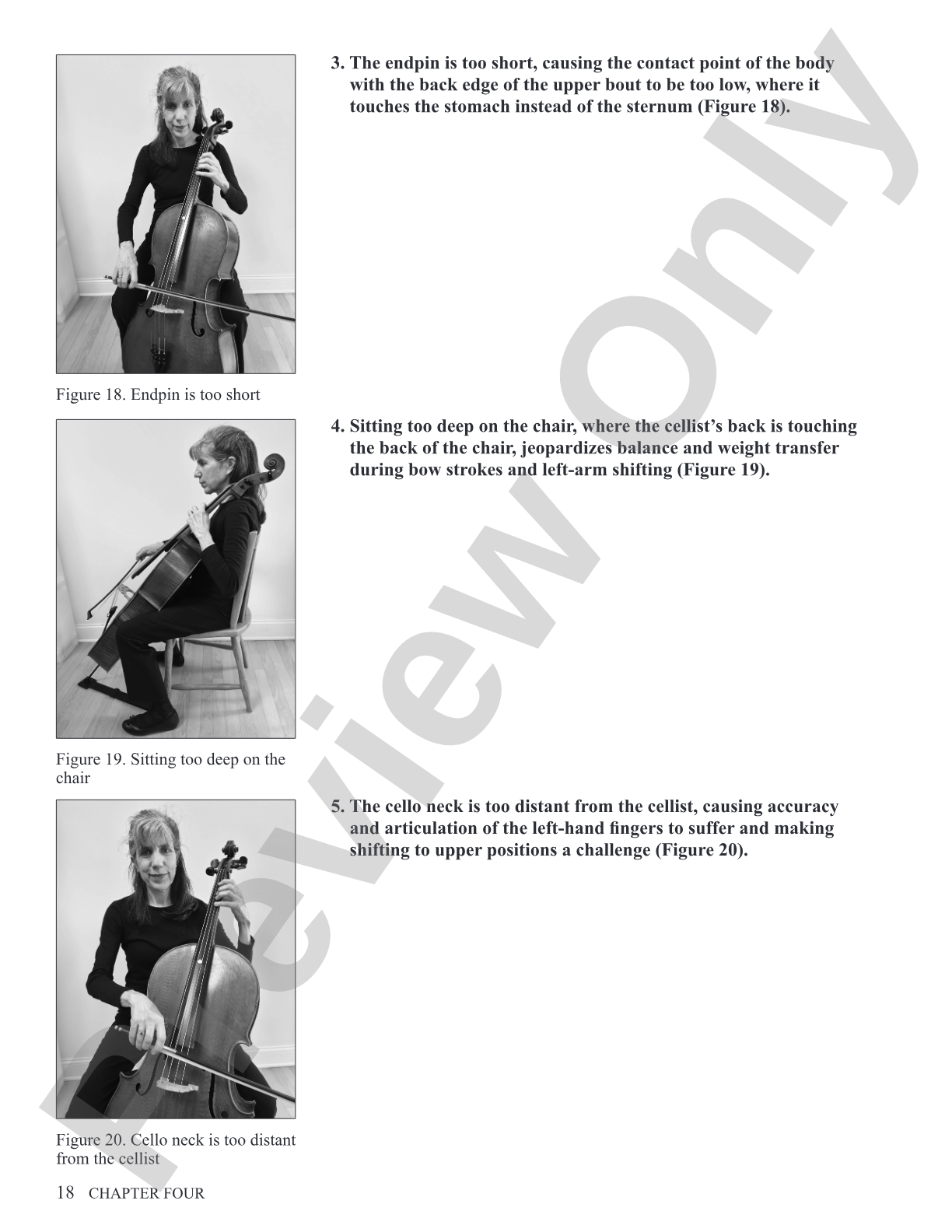
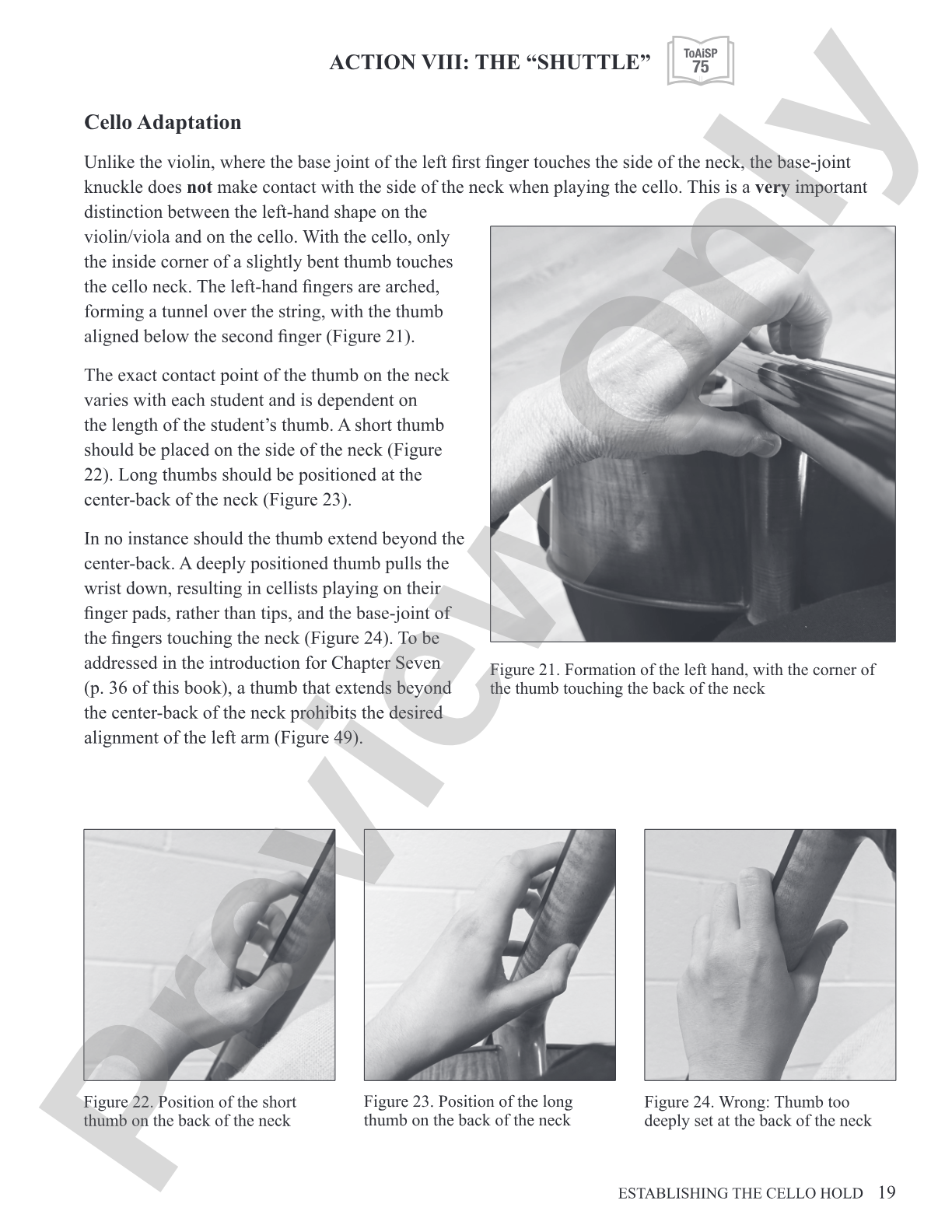
- Use the detailed illustrations and movement descriptions to audit your own posture and bow arm during practice; Rolland's insight that efficient movement prevents tension applies equally to solo work and ensemble playing
- Record yourself executing the technical sequences shown in the book, then review the footage alongside the text to identify habits that contradict Rolland's principles of economical motion
- Apply the physical concepts to passages you're already learning, rather than treating this as separate study material; watch how the mechanics clarify problem spots in your repertoire
How to use it
Assign sections of this book to advanced students preparing for solo recitals or chamber auditions, since understanding Rolland's movement principles will accelerate their problem-solving in the practice room. Orchestra directors can use excerpts during sectional rehearsals to help cellists diagnose tension or tone production issues that technique alone hasn't resolved.
Skills your students will build
- Understanding the relationship between physical movement and tone quality
- Identifying and eliminating unnecessary tension in posture and bow arm
- Applying efficient mechanical principles to passages across the repertoire
- Developing self-awareness of body mechanics during playing
- Troubleshooting tone production and intonation through movement analysis rather than repetition alone